Quick & healthy breakfast ideas can turn rushed mornings into a reliable source of energy, better appetite control, and steadier focus throughout the day. In practical terms, “quick” usually means a meal you can assemble, heat, or cook in about 5 to 15 minutes, while “healthy” means it provides meaningful nutrition rather than just fast calories. A strong breakfast typically combines protein, fiber-rich carbohydrates, and healthy fats, because that mix helps you stay full longer than a pastry or sugary cereal alone. As a meal planner, I have found that the best breakfast routines are not built around perfect recipes; they are built around repeatable systems, dependable ingredients, and realistic prep habits that work on weekdays.
Breakfast matters because it is often the first opportunity to set the tone for food choices, hydration, and blood sugar stability. Research consistently links higher-protein, higher-fiber breakfasts with improved satiety and lower snacking later in the day, though needs vary by age, activity level, and medical history. For children and students, breakfast can support concentration and school performance. For busy adults, it can reduce the temptation to rely on vending machines, drive-thru sandwiches, or oversized coffee drinks. The core question is not whether everyone must eat at dawn, but how to choose quick healthy breakfast ideas that match schedule, appetite, budget, and nutrition goals.
This hub article covers the essentials: what makes a breakfast healthy, which ingredients save the most time, how to build balanced meals from common staples, and which quick breakfasts work best for different mornings. It is designed as a central resource within recipes and meal planning, so it connects broad strategy with practical examples you can actually use. If you want portable breakfasts, make-ahead options, high-protein choices, family-friendly ideas, or lower-cost solutions, the principles here will help you evaluate all of them clearly.
What makes a quick and healthy breakfast actually healthy?
A healthy breakfast is not defined by a marketing label or by one “superfood.” It is defined by nutritional balance, portion logic, and how well it supports your day. In my kitchen, the simplest test is this: does the meal include a solid protein source, a source of fiber, and enough flavor and texture that you will want to eat it again tomorrow? Protein can come from eggs, Greek yogurt, cottage cheese, milk, soy milk, tofu, beans, protein-fortified cereal, or nut butter. Fiber usually comes from oats, whole grain bread, fruit, chia seeds, flaxseed, or vegetables. Healthy fats can come from nuts, seeds, avocado, olive oil, or dairy, depending on the rest of the meal.
For most adults, a practical breakfast target is roughly 15 to 30 grams of protein, plus a carbohydrate source that gives energy without causing a rapid crash. That is why oatmeal with peanut butter and berries works better than plain instant oats with brown sugar, and why whole grain toast with eggs usually satisfies better than toast with jam alone. The exact portions depend on energy needs, but the structure remains useful across goals such as weight management, athletic recovery, or simply staying productive until lunch.
It also helps to define what quick healthy breakfast ideas are not. They are not just low-calorie foods. A 100-calorie breakfast bar may be convenient, but if it leaves you hungry in an hour, it is not doing the job. They are not automatically “healthy” because they are gluten-free, keto, organic, or high in one nutrient. Health depends on the whole meal pattern. A fast breakfast should be easy, but it should also provide enough nutrition to matter.
The best ingredients to keep on hand for fast breakfasts
The fastest breakfasts come from a short list of ingredients that overlap across many meals. I recommend building a breakfast base around plain Greek yogurt, old-fashioned oats, eggs, frozen fruit, whole grain bread or tortillas, nut butter, cottage cheese, chia seeds, and a few fresh fruits that keep well, such as bananas and apples. Add spinach, shredded cheese, and salsa if you like savory breakfasts. With those ingredients, you can make overnight oats, yogurt bowls, egg wraps, smoothies, toast combinations, oatmeal, and breakfast parfaits without needing a special shopping trip.
Frozen produce is especially useful for speed and consistency. Frozen berries and mango are excellent in smoothies and oatmeal, and frozen spinach disappears easily into eggs or blended drinks. Keeping pre-portioned items helps too. Single-serve yogurt cups can be useful for grab-and-go mornings, though larger tubs are usually more cost-effective. Pre-cooked hard-boiled eggs, microwaveable oatmeal cups with low added sugar, and whole grain waffles are smart convenience foods when chosen carefully.
Reading labels saves time later. For cereals, look for at least 3 grams of fiber per serving and moderate added sugar. For yogurt, compare protein and sugar side by side; plain Greek yogurt often has far more protein and less added sugar than flavored options. For bread, “whole grain” should appear as the first ingredient. These small shopping decisions make daily breakfast assembly much easier.
Quick breakfast formulas that work on real mornings
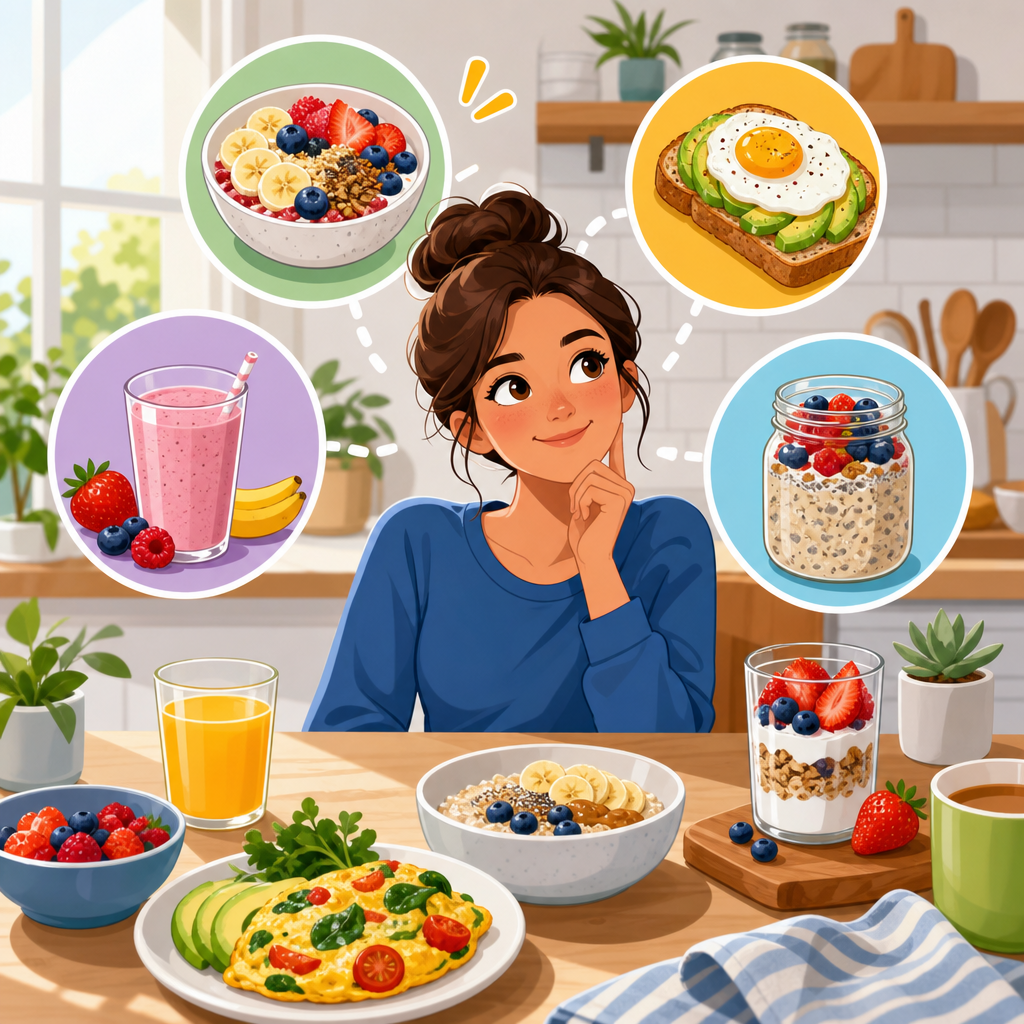
The easiest way to avoid decision fatigue is to use formulas instead of hunting for a new recipe every day. A formula is a repeatable structure you can vary with different flavors. One of the most reliable is the protein-plus-produce bowl: Greek yogurt or cottage cheese, fruit, and a topping such as granola, nuts, or seeds. Another is the smart toast formula: whole grain bread, a protein or fat source, and fruit or vegetables. Examples include avocado and egg on toast, peanut butter with banana, or ricotta with berries and cinnamon.
Oatmeal is another highly adaptable base. Combine oats with milk or fortified soy milk for more protein than water alone, then add chia seeds, fruit, and nuts. For a savory version, cook oats and top them with a fried egg, spinach, and a little Parmesan. Smoothies also fit the formula approach well: protein, fruit, a liquid base, and optional fiber boosters like oats or flax. Without protein, smoothies often become glorified fruit juice, so include Greek yogurt, cottage cheese, tofu, milk, soy milk, or protein powder if you use it.
Egg-based breakfasts remain one of the quickest high-protein options. Scrambled eggs with spinach and toast can be on the table in under ten minutes. Microwave egg mugs work when cleanup matters. Breakfast wraps are especially practical because they are portable and forgiving. Eggs, black beans, cheese, salsa, and leftover vegetables wrapped in a tortilla create a balanced meal from ordinary ingredients.
Seven practical breakfast formats and when to use them
Different mornings call for different solutions. The table below shows which quick healthy breakfast ideas fit specific situations best.
| Breakfast format | Best for | Typical build | Main advantage |
|---|---|---|---|
| Overnight oats | Early starts | Oats, milk, yogurt, chia, fruit | Prepared the night before |
| Greek yogurt bowl | No-cook mornings | Yogurt, berries, nuts, granola | High protein with zero cooking |
| Egg wrap | Commutes | Eggs, tortilla, cheese, vegetables | Portable and filling |
| Smoothie | Low appetite mornings | Milk, fruit, protein source, oats | Easy to drink quickly |
| Toast combo | Very limited time | Whole grain toast, nut butter, fruit | Ready in minutes |
| Cottage cheese bowl | Budget protein meals | Cottage cheese, pineapple, seeds | Usually cheaper than many bars |
| Freezer breakfast sandwich | Batch prep households | Egg, cheese, English muffin | Reheats fast on busy days |
If you only adopt one planning habit, match your breakfast format to your barrier. If your problem is zero time, use make-ahead breakfasts. If your problem is low morning hunger, use smoothies or drinkable yogurt with fruit. If your problem is boredom, rotate between two sweet options and two savory options. The format matters as much as the ingredients because convenience determines follow-through.
Make-ahead strategies that reduce weekday stress
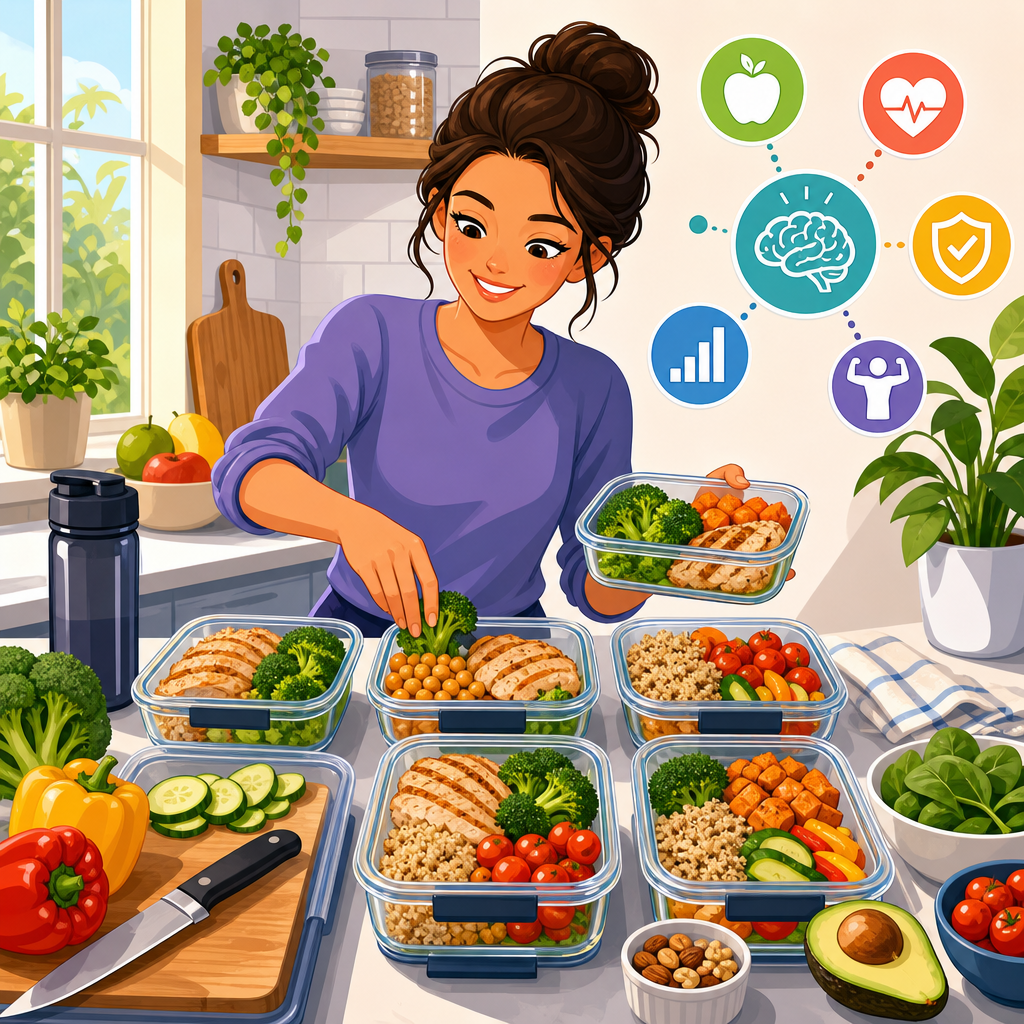
Meal prep is valuable for breakfast because mornings offer the least flexibility. You do not need a full Sunday production session; even 20 minutes can cover several days. Overnight oats are the classic example. Mix oats, milk, yogurt, and chia seeds in jars, then top with fruit in the morning. Egg muffins are another dependable option. Whisk eggs with chopped vegetables and bake them in a muffin tin; they reheat well for several days. Chia pudding, baked oatmeal, breakfast burritos, and freezer sandwiches also scale efficiently.
I have found that partial prep often works better than complete prep. Washing berries, portioning smoothie bags, shredding cheese, and pre-slicing vegetables can reduce friction without locking you into one recipe. Hard-boiling eggs in advance is especially efficient because they can become breakfast with toast, fruit, and a handful of nuts in less than two minutes. Even a cooked grain like quinoa can be used in breakfast bowls with milk, cinnamon, fruit, and seeds.
Food safety matters with make-ahead breakfasts. Most refrigerated meal-prep breakfasts are best used within three to four days. Freezer burritos and sandwiches last longer, but quality is best when wrapped tightly and reheated properly. Labeling containers with the prep date prevents waste and guesswork.
How to choose the right breakfast for your goals
The best quick and healthy breakfast ideas depend on what you need them to do. For fullness and appetite control, prioritize protein and fiber. A bowl of Greek yogurt with berries and walnuts or eggs with whole grain toast usually works better than a banana alone. For exercise recovery, include both protein and carbohydrates. A smoothie with milk, fruit, oats, and yogurt is a strong post-workout breakfast because it replenishes glycogen and supports muscle repair. For heart health, emphasize oats, nuts, seeds, fruit, and lower-sodium choices when possible.
If you are feeding children, simplicity wins. Kids often respond better to familiar foods served consistently: scrambled eggs, peanut butter toast with fruit, yogurt with berries, or mini whole grain waffles with cottage cheese on the side. For teens with heavy schedules, portable breakfasts matter more than idealized plated meals. Breakfast sandwiches, smoothies, and muffins paired with milk can be realistic stepping stones toward better habits.
Budget also shapes the right choice. Oats, eggs, bananas, peanut butter, and plain yogurt provide excellent value per serving. Many packaged breakfast products cost more while delivering less protein and more sugar. Convenience has a place, but the most affordable healthy breakfasts usually come from basic staples assembled thoughtfully.
Common mistakes that make breakfast less healthy or less practical
The most common mistake is relying on refined carbohydrates without enough protein. A plain bagel, sweet cereal, or pastry may feel fast, but hunger returns quickly. Another mistake is choosing aspirational breakfasts that do not fit your schedule. If you never have time to cook vegetables and eggs from scratch on weekdays, build around overnight oats or freezer sandwiches instead of setting yourself up to fail.
Another frequent issue is underestimating liquids and toppings. Coffee drinks can quietly add hundreds of calories and significant sugar. Granola, dried fruit, syrup, and nut butter are nutritious in the right amount but easy to overpour. This does not mean avoiding them; it means using them intentionally. A yogurt bowl can be balanced, but if it becomes mostly granola and sweetened toppings, its nutrition profile changes fast.
Finally, do not ignore personal tolerance. Some people feel great with dairy at breakfast; others prefer eggs or soy-based options. Some need a light meal early and a larger midmorning snack. The right breakfast is the one that is nutritious, repeatable, and comfortable for your body and schedule.
Quick & healthy breakfast ideas work best when they are simple enough to repeat and balanced enough to keep you satisfied. The strongest breakfasts combine protein, fiber-rich carbohydrates, and healthy fats, whether that meal is overnight oats, a yogurt bowl, eggs on toast, a smoothie, or a freezer sandwich. Choosing a few dependable ingredients, using easy formulas, and matching the format to your morning routine makes healthy eating much more realistic than chasing complicated recipes.
As the central guide within recipes and meal planning, this article gives you the framework for every other breakfast topic: make-ahead meals, high-protein options, family breakfasts, budget-friendly choices, and portable ideas. The key takeaway is straightforward: you do not need more willpower in the morning; you need better breakfast systems. Stock versatile staples, prep a little in advance, and keep two or three proven meals in regular rotation.
Start with one change this week. Pick a single breakfast format, buy the ingredients for three days, and test it on your busiest mornings. That small step is usually enough to build a breakfast routine that saves time, improves nutrition, and makes the rest of the day easier.
Frequently Asked Questions
What makes a breakfast both quick and healthy?
A breakfast is considered quick and healthy when it can be prepared in roughly 5 to 15 minutes and still delivers balanced nutrition instead of just convenience. In most cases, that means including three core elements: protein, fiber-rich carbohydrates, and healthy fats. Protein supports fullness and helps reduce the urge to snack too soon after eating. Fiber-rich carbohydrates, such as oats, whole-grain toast, fruit, or yogurt with berries, provide steady energy rather than a sharp spike and crash. Healthy fats from foods like nuts, seeds, avocado, or nut butter add staying power and improve overall satisfaction.
The key difference between a truly healthy breakfast and a fast but less nutritious option is how well it supports your body over the next several hours. A sugary pastry, sweetened cereal, or oversized coffee drink may seem convenient, but these choices often deliver quick calories without enough protein or fiber to keep you full. By contrast, meals like Greek yogurt with fruit and chia seeds, eggs with whole-grain toast, overnight oats, or a smoothie made with protein and produce can be prepared quickly while offering a much better nutritional foundation for the day.
Why is protein so important in quick breakfast ideas?
Protein is one of the most important parts of a strong breakfast because it plays a major role in satiety, energy balance, and appetite control. When breakfast includes enough protein, you are generally more likely to feel full for longer and less likely to reach for convenient, less nutritious snacks later in the morning. This matters especially on busy days, when a rushed start can easily turn into irregular eating and energy dips.
Quick breakfast protein sources are easier to include than many people assume. Eggs are one of the fastest options and can be scrambled, boiled ahead of time, or folded into a breakfast wrap. Greek yogurt offers a high-protein base that pairs well with fruit, oats, and seeds. Cottage cheese, milk, soy milk, protein smoothies, nut butters, tofu scrambles, and even leftovers like grilled chicken in a breakfast sandwich can also work. A useful rule of thumb is to make sure your breakfast contains a clear protein anchor rather than letting it be mostly refined carbohydrates. That single shift can improve fullness, focus, and consistency throughout the day.
What are some realistic quick and healthy breakfast ideas for busy mornings?
The most realistic breakfast ideas are the ones that match real schedules, not idealized routines. For many people, the best options are meals that require little decision-making and use ingredients already on hand. Some reliable examples include overnight oats made the night before, Greek yogurt topped with berries and granola, whole-grain toast with peanut butter and banana, scrambled eggs with spinach, a smoothie with fruit, protein, and flax or chia seeds, or a breakfast wrap with eggs and avocado. These meals are simple, fast, and nutritionally balanced when built around protein, fiber, and healthy fat.
If mornings are especially hectic, preparation becomes just as important as the recipe itself. Washing fruit in advance, portioning oats into jars, pre-boiling eggs, freezing smoothie packs, or keeping shelf-stable basics like nut butter and whole-grain cereal available can make healthy choices much easier. The goal is not to create a complicated breakfast routine, but to reduce friction. Even a very simple meal can be effective if it gives you lasting energy and helps prevent the mid-morning hunger that often leads to less balanced choices.
Can a healthy breakfast help with energy, focus, and appetite control?
Yes, a balanced breakfast can make a noticeable difference in how steady your energy and concentration feel during the morning. Meals that combine protein, fiber, and healthy fats digest more gradually than heavily refined or sugary options, which can help support a steadier release of energy. That often translates into better focus, fewer hunger swings, and less temptation to overeat later. For people with demanding schedules, that stability can be one of the biggest practical benefits of improving breakfast habits.
Appetite control is another major advantage. Skipping breakfast entirely or eating something low in protein and fiber may leave you hungry again very quickly, especially if your morning includes work, commuting, exercise, or childcare. A more balanced meal can help regulate that early hunger and make it easier to maintain consistent eating patterns. While individual needs vary, many people find that a well-composed breakfast reduces cravings and supports better food choices across the rest of the day. In that sense, breakfast is not just about the first meal itself; it can influence the rhythm of your eating and energy for hours afterward.
How can someone build a healthier breakfast habit without spending more time in the morning?
The best way to build a healthier breakfast habit is to focus on systems, not willpower. Start by identifying two or three breakfast combinations that are fast, enjoyable, and easy to repeat. Keep the ingredients visible and accessible, and make them your default choices during the week. For example, you might rotate between overnight oats, eggs on whole-grain toast, and Greek yogurt with fruit and nuts. This removes unnecessary decision fatigue and helps healthy eating feel automatic rather than effortful.
It also helps to think in terms of assembly rather than cooking whenever possible. Many healthy breakfasts do not require a full recipe; they just require combining a few smart ingredients. A piece of whole-grain toast with almond butter, a hard-boiled egg, and an apple can be assembled in minutes. So can cottage cheese with fruit and seeds or a smoothie blended from frozen fruit, milk, and protein-rich yogurt. If needed, prepare part of your breakfast the night before or batch-prep a few items for the week. The easiest habit to maintain is the one that fits your actual routine, so a simple, repeatable breakfast plan is often more effective than trying to make every morning feel elaborate or perfect.