Quick & healthy breakfast ideas can transform rushed mornings into a reliable source of energy, better appetite control, and smarter meal planning throughout the day. In practical terms, a quick breakfast is one you can assemble, cook, or pack in about fifteen minutes or less, while a healthy breakfast provides a meaningful mix of protein, fiber, quality carbohydrates, and fats that keep blood sugar steadier than a pastry or sugary cereal alone. I have built breakfast plans for busy parents, students, shift workers, and office teams, and the pattern is consistent: when people have a short list of dependable options, they skip fewer meals and make fewer impulsive food choices later.
This matters because breakfast often sets the tone for everything that follows. A balanced morning meal can improve satiety, support concentration, and make it easier to hit daily targets for calcium, potassium, iron, and fiber. The word quick does not have to mean processed, and healthy does not have to mean bland. A microwave egg mug, Greek yogurt bowl, overnight oats jar, or avocado toast with smoked salmon can all be fast, nutrient-dense, and realistic on a workday. This hub article covers the core food groups, the best quick ingredients to keep on hand, common breakfast mistakes, and simple combinations you can repeat without getting bored.
You will also see why the best quick & healthy breakfast ideas depend on context. A runner heading out for an early workout may need easy carbohydrates and modest fiber before exercise, while someone trying to stay full through meetings may need thirty grams of protein and a slower-digesting starch. For families, cost and prep time matter as much as nutrients. For meal planners, the winning breakfast is not the most impressive recipe; it is the one people will actually make three to five times a week. Think of this page as the central guide to building breakfasts that are fast, balanced, affordable, and adaptable.
The phrase top foods rich in quick & healthy breakfast ideas sounds unusual, but the intent is useful: identify the foods that appear again and again in effective breakfast routines. Eggs, oats, Greek yogurt, cottage cheese, fruit, whole grain bread, chia seeds, nuts, tofu, beans, and frozen vegetables earn that status because they solve real morning problems. They are versatile, easy to portion, and compatible with make-ahead systems. Once you understand why these foods work, creating breakfast becomes less about finding a perfect recipe and more about mixing proven building blocks in ways that suit your schedule, taste, and health goals.
The Core Nutrients Behind Quick & Healthy Breakfast Ideas
A healthy breakfast starts with protein because protein is the nutrient most closely tied to fullness and meal satisfaction. In practice, I aim for at least twenty grams at breakfast for most adults, and often twenty-five to thirty grams for people who struggle with hunger before lunch. Two eggs provide about twelve grams, a cup of Greek yogurt around twenty grams, and a cup of cottage cheese roughly twenty-five grams. Protein sources such as eggs, skyr, tofu, milk, edamame, and smoked fish also bring vitamins and minerals that many rushed breakfasts lack. When a breakfast is mostly refined carbohydrate, energy often rises quickly and drops just as fast.
Fiber is the second cornerstone. Oats, berries, chia seeds, whole grain toast, beans, pears, and apples help slow digestion and support gut health. The Academy of Nutrition and Dietetics and similar public health bodies consistently emphasize fiber intake because most adults fall short. A breakfast with eight to twelve grams of fiber can make a noticeable difference in satiety. For example, overnight oats made with rolled oats, chia seeds, raspberries, and kefir can deliver protein plus substantial fiber without any morning cooking. If someone tells me they are starving by ten thirty, breakfast fiber is one of the first things I assess.
Carbohydrates deserve a more precise discussion than good or bad. Quick & healthy breakfast ideas usually work best when they combine minimally processed carbohydrates with protein and fat. Bananas, oats, sweet potatoes, and whole grain tortillas provide accessible energy, especially useful for students, commuters, and athletes. Fat then rounds out the meal. Peanut butter, walnuts, avocado, flaxseed, and pumpkin seeds improve flavor and make simple breakfasts feel complete. The goal is not perfection in every bite. The goal is enough nutritional balance that breakfast supports energy, focus, and appetite management rather than becoming a sugary placeholder.
Top Foods That Make Fast Breakfasts Easy
The most useful breakfast foods are the ones that reduce friction. Eggs are near the top because they cook quickly in multiple formats: scrambled in six minutes, hard-boiled in batches, or baked as egg muffins for several days of grab-and-go meals. Greek yogurt is another workhorse. It needs no cooking, pairs with sweet or savory toppings, and offers a concentrated protein dose. Oats are equally valuable because they can become overnight oats, microwave oatmeal, baked oatmeal squares, or blended oat pancakes. I routinely recommend keeping old-fashioned oats instead of flavored packets because you control sugar, sodium, and texture.
Fruit matters for both nutrition and speed. Bananas, berries, apples, oranges, and frozen mango can make breakfast feel fresh without adding prep burden. Frozen fruit is especially practical; it is usually picked at peak ripeness and works well in smoothies, yogurt bowls, and oatmeal. Whole grain bread, English muffins, and tortillas are also strategic staples. They create structure for avocado toast, breakfast wraps, nut butter toast, or egg sandwiches in minutes. If your mornings are chaotic, choosing foods with multiple uses is one of the smartest meal planning moves you can make because each item can support several breakfast combinations.
Dairy and dairy alternatives deserve a place here as well. Milk, kefir, fortified soy milk, and cottage cheese can lift the protein and calcium content of a rushed meal dramatically. For plant-based eaters, tofu, tempeh, soy yogurt, nut butter, hemp seeds, and beans can perform the same function when used intentionally. Convenience foods are not automatically inferior either. Frozen spinach, frozen peppers and onions, pre-cooked whole grains, and low-sugar instant oatmeal cups can be useful shortcuts when chosen carefully. I have seen more sustainable breakfast habits built on realistic convenience than on ambitious weekday recipes that look good but never happen at seven in the morning.
| Food | Main Benefit | Typical Fast Use | Why It Works |
|---|---|---|---|
| Eggs | High-quality protein | Scramble, boil, mug omelet | Cook fast and pair with vegetables or toast |
| Greek yogurt | Protein and calcium | Parfait or bowl | No cooking and easy portion control |
| Oats | Fiber and sustained energy | Overnight oats or microwave oatmeal | Cheap, versatile, and filling |
| Fruit | Fiber, potassium, antioxidants | Top bowls or blend smoothies | Adds sweetness without relying on syrups |
| Whole grain bread | Structured carbohydrate | Toast, sandwich, wrap | Turns simple ingredients into a full meal |
| Tofu | Plant protein | Breakfast scramble | Useful dairy-free and vegan option |
Best Quick & Healthy Breakfast Ideas for Real Mornings
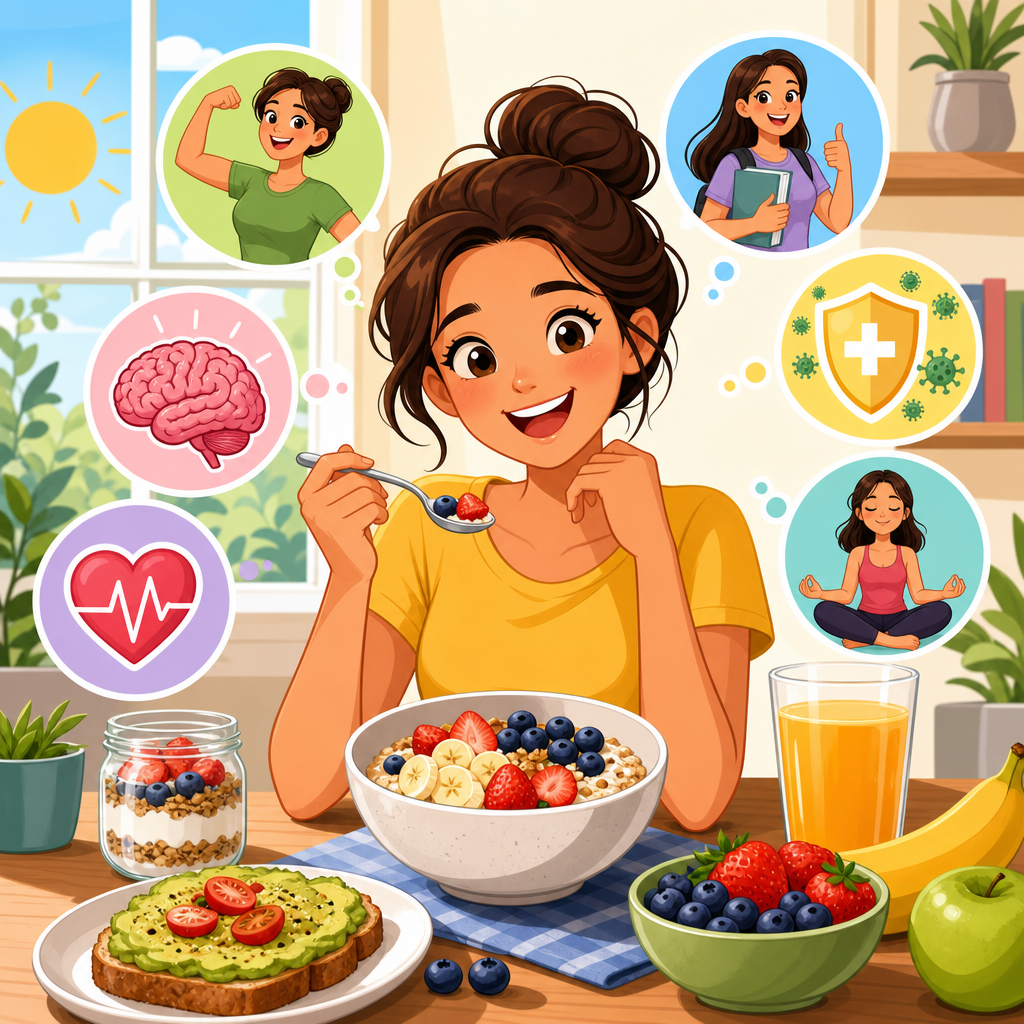
When people ask for the best quick & healthy breakfast ideas, they usually want options that survive real life, not ideal conditions. Overnight oats remain one of the strongest answers. Mix rolled oats, milk or soy milk, chia seeds, cinnamon, and berries in a jar the night before, and breakfast is ready when you wake up. Greek yogurt parfaits are just as effective: layer yogurt with fruit, nuts, and a high-fiber cereal or homemade granola. Egg-and-vegetable wraps work well for savory eaters. Use a whole grain tortilla, two eggs, spinach, and salsa, and breakfast is done in about ten minutes.
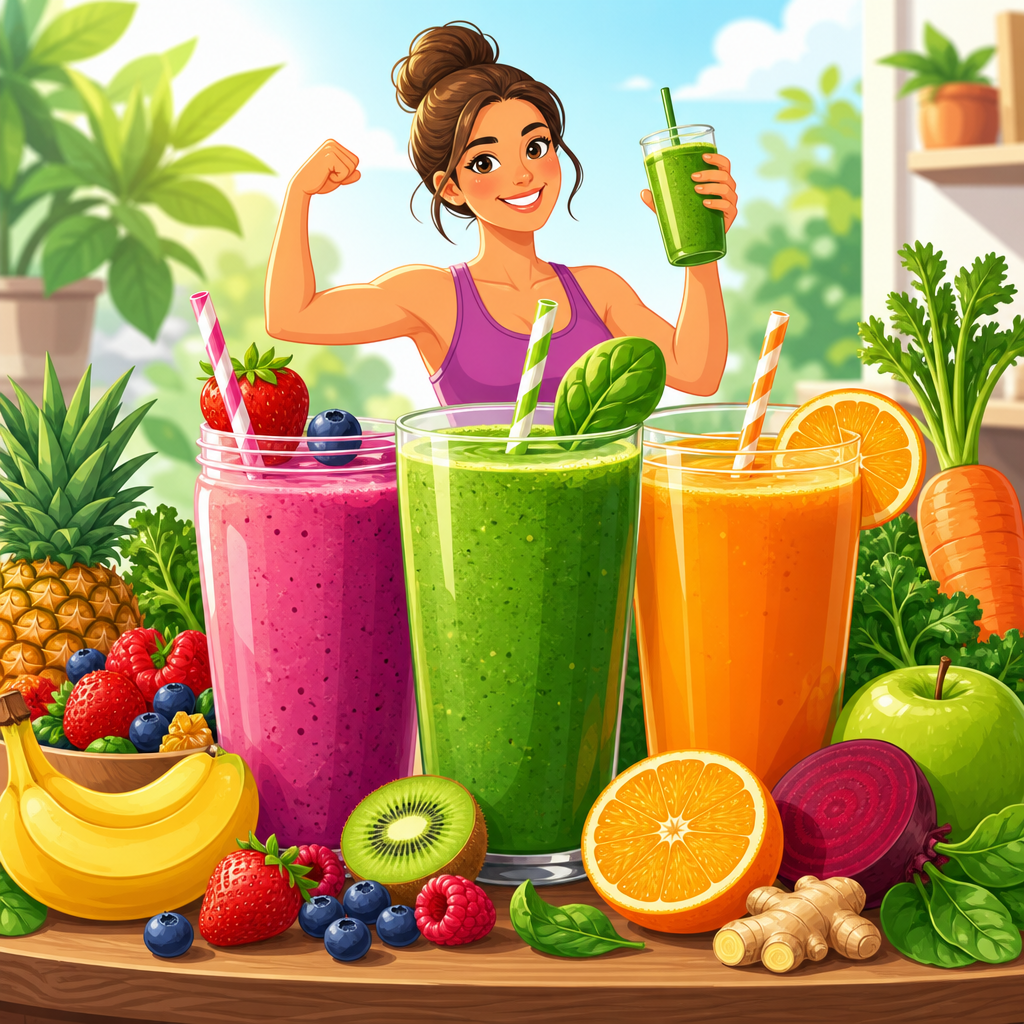
Smoothies can be excellent if they are built as meals rather than drinks. A balanced smoothie usually includes a protein source such as Greek yogurt, cottage cheese, or soy milk; fruit for flavor and carbohydrates; and extras like oats, chia, or peanut butter for fiber and staying power. Toast-based breakfasts also deserve more respect than they often get. Whole grain toast with avocado and hemp seeds, peanut butter and banana, or ricotta with berries can all be nutritionally sound when portions are intentional. If you want the convenience of a sandwich, make freezer breakfast sandwiches with eggs, cheese, and turkey sausage on whole grain English muffins.
For families, batch cooking helps more than chasing novelty. Baked oatmeal squares, egg muffins with peppers and cheese, breakfast burritos, and chia pudding cups are examples I have seen work repeatedly because they cut decision fatigue. A parent can make one base recipe on Sunday and adjust toppings through the week so nobody feels stuck eating the same thing every day. If time is especially tight, a simple pairing rule works: choose one protein, one fiber-rich carbohydrate, and one produce item. Cottage cheese, whole grain toast, and sliced tomatoes qualify. So do a banana, peanut butter, and a carton of milk.
Breakfast by Goal: Weight Management, Energy, and Performance
Quick & healthy breakfast ideas should match the reason you are eating them. For weight management, the strongest breakfasts are usually high in protein and moderate in energy density. Examples include Greek yogurt with berries and chia, a vegetable omelet with toast, or cottage cheese with pineapple and walnuts. These meals take up space in the stomach and often reduce snacking later. For sustained desk-work energy, combine protein with slower carbohydrates such as oats or whole grain bread. I have watched clients replace a sweet coffee and pastry with oatmeal plus eggs and report fewer midmorning crashes within a week.
For athletic performance, breakfast strategy depends on timing. Before an early session, many people tolerate simple carbohydrates better than a heavy, high-fiber meal. Toast with banana and peanut butter or yogurt with fruit may be enough. After training, protein becomes more important for recovery, especially if lunch is several hours away. A smoothie with milk, whey or soy protein, oats, and berries can work well. Blood sugar considerations also matter. People managing diabetes often do better with meals that pair carbohydrates with protein and fat, such as eggs with whole grain toast and fruit, rather than juice and cereal alone.
Plant-based eaters sometimes struggle most with breakfast protein, but the fix is straightforward. Use tofu scramble, soy yogurt, fortified soy milk, nut butter, hemp seeds, and legumes intentionally rather than assuming oatmeal alone will be enough. Older adults may also need special planning because protein needs can rise while appetite falls. In that case, softer high-protein foods like yogurt, eggs, and smoothies often work best. There is no single perfect breakfast for everyone. The right quick breakfast is the one that aligns with your goals, digestion, schedule, budget, and food preferences while still delivering reliable nutrition.
Meal Planning, Shopping, and Common Breakfast Mistakes
Breakfast success is mostly decided before morning. A smart shopping list includes at least two proteins, two produce choices, one whole grain base, and one healthy fat source. For example: eggs and Greek yogurt; berries and bananas; oats and whole grain bread; peanut butter and almonds. Keep backup items for the busiest days, such as frozen fruit, shelf-stable milk, instant plain oatmeal, and nut butter packets. In meal planning sessions, I also encourage people to map breakfast by weekday reality. Monday may allow cooking, while Thursday may require something portable. Planning around actual routines prevents wasted ingredients and skipped meals.
The most common mistake is relying on foods marketed as healthy without checking substance. Many granola bars, muffins, flavored yogurts, and coffee drinks are essentially desserts in breakfast clothing, often high in added sugar and low in protein. Another mistake is under-eating. A tiny breakfast can backfire if it leaves you ravenous by midmorning. On the other hand, some people build smoothies so large and calorie-dense that they no longer fit their goals. Labels help, but pattern recognition matters more. Ask whether breakfast contains enough protein, enough fiber, and enough volume to carry you comfortably to the next meal.
Cost is another concern, and it is manageable. Oats, eggs, bananas, peanut butter, frozen berries, and cottage cheese are often among the best-value breakfast foods. Buying larger tubs of yogurt instead of single-serve cups usually lowers cost per serving and reduces packaging waste. If food safety matters for make-ahead breakfasts, follow basic rules: refrigerate overnight oats and cooked eggs promptly, use clean containers, and generally eat prepared breakfasts within three to four days unless frozen. The payoff is significant. A simple, repeatable breakfast system saves time, reduces takeout spending, and makes healthy eating far easier to maintain. Build a short rotation this week and test what truly fits your mornings.
Frequently Asked Questions
What makes a breakfast both quick and healthy?
A breakfast is truly quick and healthy when it does two jobs at once: it saves time and it gives your body a more balanced source of energy than convenience foods that are mostly sugar or refined flour. In practical terms, “quick” usually means you can assemble, cook, or pack it in about fifteen minutes or less. “Healthy” means it includes a useful mix of protein, fiber, quality carbohydrates, and healthy fats. That combination helps support steadier blood sugar, better fullness, and more reliable energy through the morning.
For example, Greek yogurt with berries and chia seeds, eggs with whole-grain toast, overnight oats with nuts, or a smoothie made with fruit, milk or yogurt, and nut butter all fit the category well. These meals are fast, but they also provide more nutritional value than a toaster pastry, sweet muffin, or sugary cereal eaten on its own. The goal is not perfection at breakfast. It is to create a meal that is realistic for busy mornings and strong enough nutritionally to help you avoid the mid-morning crash that often comes with highly processed, low-protein options.
Why is protein so important in quick breakfast ideas?
Protein is one of the most important parts of a healthy breakfast because it helps with fullness, energy stability, and overall meal quality. When breakfast includes a meaningful amount of protein, many people find they stay satisfied longer and are less likely to start searching for snacks an hour later. Protein also slows digestion when paired with carbohydrates, which can help reduce the rapid rise and drop in blood sugar that often happens after a breakfast built mostly around refined carbs.
Good quick breakfast protein sources include eggs, Greek yogurt, cottage cheese, milk, protein-rich smoothies, nut butters, tofu, turkey, and even leftovers such as chicken in a breakfast wrap. If you are trying to build better breakfast habits, a simple benchmark is to make protein visible in the meal rather than treating it like an afterthought. Instead of plain toast, try toast with peanut butter and banana. Instead of plain oatmeal, add Greek yogurt, seeds, or chopped nuts. Instead of fruit alone, pair it with cheese or yogurt. These changes keep the meal fast while making it much more effective at carrying you through a busy morning.
What are some of the best foods to keep on hand for fast, healthy breakfasts?
The best foods for quick breakfasts are the ones that are versatile, easy to store, and simple to combine. A smart breakfast kitchen usually includes eggs, plain Greek yogurt, cottage cheese, oats, whole-grain bread or wraps, nut butter, fresh fruit, frozen fruit, nuts, seeds, milk or fortified plant milk, high-fiber cereal, and pre-washed vegetables like spinach or sliced peppers. These ingredients make it easy to put together several different meals without much planning.
With those basics, you can create a lot of options in minutes: oatmeal with berries and almonds, scrambled eggs with spinach, a yogurt bowl with fruit and flaxseed, a smoothie with banana and peanut butter, or whole-grain toast with avocado and egg. For people with especially rushed mornings, convenience can be built in by using overnight oats, hard-boiled eggs, freezer breakfast sandwiches, or portioned smoothie packs. The key is to keep ingredients that require very little decision-making. When healthy foods are accessible and familiar, breakfast becomes much easier to maintain consistently.
Can a healthy breakfast really help with appetite control and meal planning later in the day?
Yes, for many people it can. A balanced breakfast often improves appetite control by reducing the urge to overeat later in the morning or at lunch. When you start the day with protein, fiber, and quality carbs, your body gets a steadier release of energy. That can lead to fewer cravings for quick sugar fixes and less “catch-up eating” after several hours of running on caffeine and convenience snacks. This matters especially for busy parents, students, and professionals who may not have much flexibility once the day gets moving.
Breakfast also helps with meal planning because it creates a more predictable rhythm for the day. Instead of beginning in a rushed, reactive state, you start with a reliable meal that supports better decisions afterward. People who skip breakfast often find themselves grabbing whatever is available later, which may not be the most filling or nutrient-dense choice. Of course, breakfast needs vary from person to person, but if mornings leave you tired, distracted, or constantly hungry, improving breakfast quality is often one of the simplest and most practical places to start.
What are the easiest healthy breakfast ideas for people with almost no time in the morning?
If your mornings are extremely tight, the easiest healthy breakfast ideas are the ones you can prep ahead or grab and eat with minimal effort. Overnight oats are one of the best examples because they can be made the night before in just a few minutes and customized with fruit, yogurt, seeds, or nut butter. Hard-boiled eggs with fruit and whole-grain toast, Greek yogurt cups with nuts, cottage cheese with berries, and smoothies blended in a travel cup are also excellent options. These choices work because they are fast, portable, and nutritionally balanced.
Another effective strategy is to create a short list of repeat breakfasts rather than trying to invent something new every day. You might rotate between three staples: oatmeal with peanut butter, egg wraps, and yogurt parfaits. Batch-cooking can help even more. Make egg muffins, breakfast burritos, chia pudding, or freezer-friendly oat cups ahead of time so breakfast is essentially ready when you wake up. The most sustainable breakfast routine is not the most elaborate one. It is the one that fits your schedule, tastes good, and consistently provides enough protein, fiber, and energy to support the rest of your day.