Quick & healthy breakfast ideas can transform the way you eat, think, and perform throughout the day. Breakfast is the first meal after the overnight fast, and its job is straightforward: restore energy, provide fluids, and deliver nutrients that support concentration, appetite control, and metabolic health. In practice, the best breakfast is not the most elaborate one. It is the meal you can prepare consistently, enjoy regularly, and adapt to your schedule, budget, and nutrition goals. I have found that when people stop chasing perfection and start building a short list of reliable breakfasts, their eating patterns improve across the entire week.
Healthy breakfast ideas matter because mornings are often the point where good intentions collide with time pressure. Skipping breakfast can work for some adults, but for many people it leads to low energy, impulsive snacking, and overly large lunches. A quick breakfast solves a real planning problem. It creates structure, helps spread protein intake across the day, and makes it easier to include fiber, fruit, dairy or fortified alternatives, whole grains, nuts, and seeds. Those foods support satiety and add key nutrients such as calcium, potassium, vitamin D, iron, folate, and B vitamins, depending on the ingredients you choose.
To make this hub useful, it helps to define what “quick” and “healthy” actually mean. Quick usually means five to fifteen minutes of active time, or a make-ahead option that can be grabbed from the fridge or freezer. Healthy means the meal contains a meaningful source of protein, some fiber-rich carbohydrate, and a sensible amount of fat, while keeping added sugar and ultra-processed extras in check. A balanced breakfast often lands near twenty to thirty grams of protein, at least five grams of fiber, and enough volume to keep you satisfied until your next meal. That formula works for weight management, muscle maintenance, and steady energy.
This article is the main guide to quick & healthy breakfast ideas within a broader recipes and meal planning strategy. It covers how to build a balanced breakfast, which ingredients save the most time, and which breakfast formats work best for different needs, from high-protein options to family-friendly choices. If you are trying to meal prep, eat better on a budget, or simply avoid another rushed morning with nothing ready, this page gives you the system. Once you understand the building blocks, breakfast becomes easier, cheaper, and much more effective for your health.
What makes a quick and healthy breakfast effective
The most effective breakfast combines three functions: fuel, fullness, and practicality. Fuel comes from carbohydrates, which replenish glucose after the overnight fast. Fullness comes mainly from protein, fiber, and food volume. Practicality comes from ingredients you will actually keep stocked and recipes you can repeat without decision fatigue. In my experience planning meals for busy households, the practical piece is where many breakfast plans fail. A nutrient-dense recipe that takes thirty minutes on a Wednesday morning is not a real solution for most people.
Protein deserves special attention because it helps preserve lean mass and keeps hunger in check more reliably than refined carbohydrates alone. Greek yogurt, eggs, cottage cheese, tofu, milk, kefir, protein-rich cereals, and nut butter can all contribute. Fiber matters just as much. Oats, chia seeds, berries, apples, pears, whole grain bread, bran cereal, and beans support digestive health and slow digestion. When breakfast lacks both protein and fiber, it often looks like a pastry, sweet coffee drink, or plain toast, and the result is usually a rapid drop in satiety.
Hydration also matters more than many people realize. After seven to nine hours without fluid, mild dehydration is common. Water, milk, unsweetened tea, and smoothies with whole ingredients can all help. Coffee is fine for most adults, but it should not replace food if you know caffeine alone leaves you shaky or hungry by midmorning. A strong breakfast routine is less about a single perfect food and more about repeatable balance.
The core formula for building breakfast in minutes
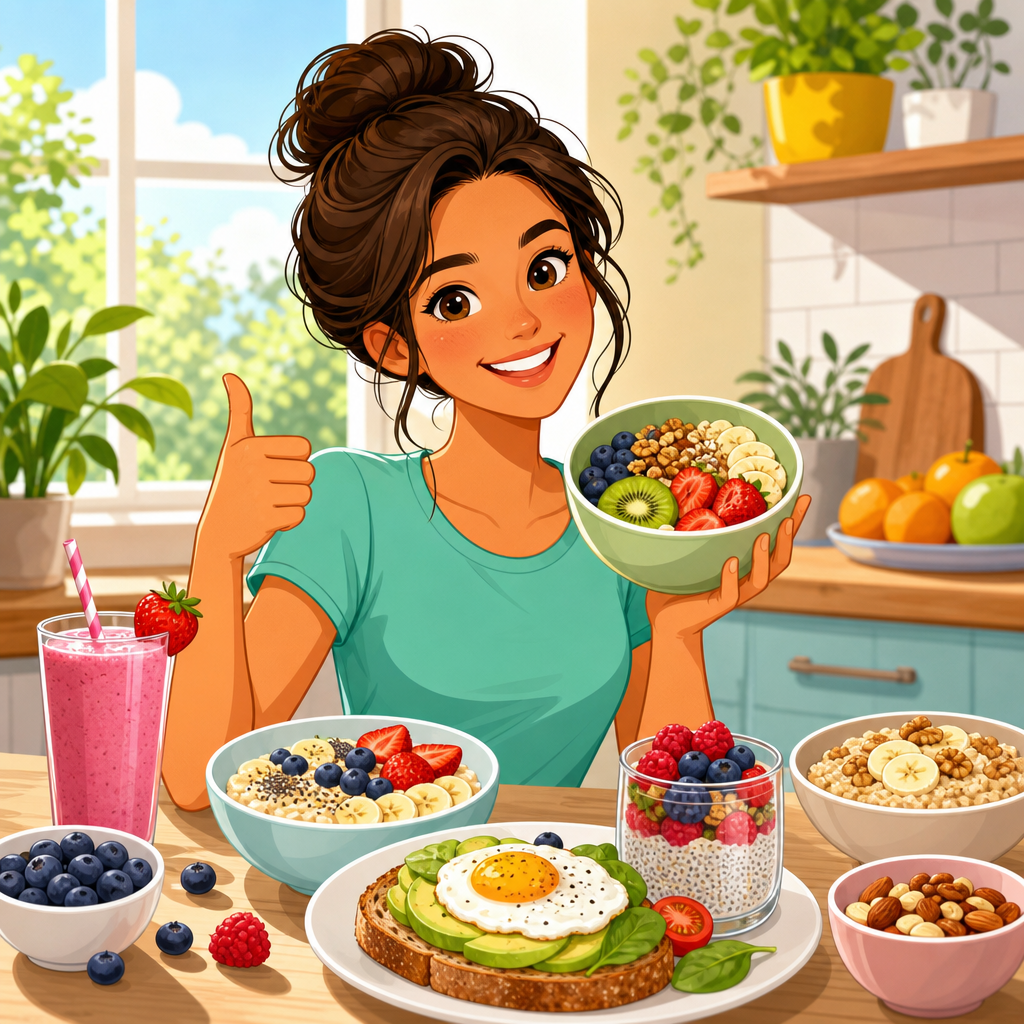
If you want breakfast to become automatic, use a simple formula: choose one protein base, one fiber-rich carbohydrate, one fruit or vegetable, and one optional healthy fat. This framework works whether you prefer sweet, savory, hot, or cold breakfasts. For example, Greek yogurt plus oats plus berries plus walnuts takes two minutes. Eggs plus whole grain toast plus sliced tomato plus avocado takes under ten. A smoothie with milk, frozen berries, spinach, oats, and peanut butter takes five. Different flavors, same structure.
The formula is powerful because it reduces morning decision-making. Instead of asking what to eat, you ask which ingredients fit each category today. That is the same logic behind effective meal planning. Keep two or three dependable options in each category and rotate them. Protein can be eggs, yogurt, or cottage cheese. Carbohydrates can be oats, whole grain bread, or high-fiber cereal. Produce can be bananas, frozen berries, or baby spinach. Fat can be nuts, seeds, or avocado. With that setup, you can build dozens of breakfasts without learning dozens of recipes.
| Breakfast format | Best ingredients | Typical prep time | Main benefit |
|---|---|---|---|
| Overnight oats | Oats, Greek yogurt, chia seeds, berries, milk | 5 minutes at night | High fiber, portable, no morning cooking |
| Egg toast plate | Eggs, whole grain toast, tomato, avocado | 8 to 10 minutes | High protein and very satisfying |
| Smoothie | Milk, frozen fruit, spinach, oats, nut butter | 5 minutes | Fastest option for busy mornings |
| Yogurt bowl | Greek yogurt, fruit, seeds, high-fiber granola | 3 minutes | No-cook and easy to portion |
| Breakfast wrap | Eggs or tofu, beans, salsa, whole wheat tortilla | 10 to 12 minutes | Portable and freezer-friendly |
Best quick breakfast ideas for high protein mornings
High-protein breakfast ideas are useful for anyone trying to stay full longer, support training, or reduce grazing between meals. The easiest options start with dairy, eggs, or soy. Greek yogurt bowls are one of the strongest defaults because they require no cooking and can deliver fifteen to twenty grams of protein before toppings. Add chia seeds, pumpkin seeds, and fruit, and the bowl becomes much more balanced than sweetened flavored yogurt alone. Cottage cheese works similarly and pairs well with pineapple, berries, tomatoes, or cucumber if you prefer savory flavors.
Egg-based breakfasts remain popular because they are affordable and versatile. Two eggs plus a side of egg whites can raise protein without adding much prep time. Scramble them with spinach, mushrooms, and leftover roasted vegetables, then pair with whole grain toast. Another reliable option is a breakfast sandwich built on an English muffin with egg, cheese, and sliced tomato. When I batch-cook breakfast sandwiches for clients with demanding schedules, compliance goes up because the meal feels familiar, portable, and substantial.
Plant-based high-protein breakfasts can be just as effective. Tofu scramble with turmeric, black beans, peppers, and salsa offers protein, fiber, and flavor in one skillet. Soy milk in oatmeal or smoothies adds more protein than almond milk in most cases. Edamame, hemp seeds, and fortified soy yogurt are also useful ingredients. The key is to avoid relying on refined carbs alone. A bagel with jam may be quick, but it rarely delivers the fullness or nutrient density of a tofu wrap or yogurt-and-oat bowl.
Make-ahead breakfasts for busy weekdays
Meal prep is where quick & healthy breakfast ideas become realistic for people with packed mornings. The best make-ahead breakfasts hold texture well, portion easily, and can be eaten cold or reheated fast. Overnight oats are a classic because rolled oats soften in milk or yogurt while chia seeds thicken the mixture. A basic ratio is roughly one-half cup oats, one-half to three-quarters cup milk, and a spoonful of yogurt or chia. Add cinnamon, berries, or grated apple, then refrigerate overnight. You get soluble fiber from oats, which is linked with improved cholesterol management, plus protein if you use Greek yogurt or dairy milk.
Egg muffins are another strong prep option. Whisk eggs with chopped vegetables, pour into a muffin tin, and bake until set. They reheat in under a minute and help use up leftovers. Baked oatmeal works well for families because one pan can cover several days. Use oats, eggs, milk, mashed banana or applesauce, nuts, and fruit for a breakfast that slices cleanly and travels well. Chia pudding, freezer burritos, and homemade breakfast bars also fit this category if the ingredient list stays balanced and not dessert-like.
Storage matters. Most prepared breakfasts keep safely in the refrigerator for three to four days, while wraps and burritos often freeze well for one to two months. Labeling portions helps reduce waste and saves time. If your weekdays are chaotic, make breakfast part of your Sunday meal plan just like lunches and dinners. That single habit usually has an outsized effect on nutrition quality.
Healthy breakfast ideas for weight management and steady energy
Breakfast can support weight management, but not because any one recipe burns fat. It works by making appetite more predictable, improving portion control later in the day, and reducing the pull of convenience foods. The most useful breakfast ideas for this goal are high in protein and fiber relative to calories. Oatmeal with Greek yogurt stirred in, berries, and chia seeds is a good example. So is a vegetable omelet with toast and fruit. These meals digest more slowly than sugary cereal, pastries, or sweet coffee drinks, which often provide lots of calories without much satiety.
Portion balance matters. Healthy fats such as nuts, seeds, and avocado are valuable, but they are calorie-dense, so use them deliberately rather than pouring freely. Added sugar deserves the same attention. Many breakfast foods marketed as wholesome, including granola, muffins, and fruit yogurt, can contain more sugar than expected. Reading labels helps. As a rule, choose cereals with at least three to five grams of fiber per serving and keep added sugar moderate. Pairing a smaller portion of cereal with milk, fruit, and nuts is often smarter than eating a large bowl by itself.
Steady energy also depends on matching breakfast to your day. Someone facing a long commute may do better with a larger meal than someone working from home with an early snack available. Athletes often need more carbohydrates before training, while people focused on blood sugar management usually benefit from extra protein and fiber. The best breakfast is not the lightest one. It is the one that supports stable energy, reasonable hunger, and consistent habits.
Family-friendly, budget-friendly, and portable options
A breakfast plan only lasts if it works for the whole household and the grocery bill. Budget-friendly breakfasts often rely on staples with excellent nutrition value: oats, eggs, bananas, peanut butter, yogurt tubs, frozen fruit, whole grain bread, and beans. Oats are especially cost-effective because they are versatile and shelf-stable. One container can become overnight oats, hot oatmeal, baked oatmeal, or smoothie boosters. Eggs remain one of the least expensive high-quality proteins in many markets, and frozen berries often provide better value than fresh when out of season.
For families, simplicity wins. Set up a breakfast assembly routine with a few repeating choices: oatmeal bar, yogurt bowls, egg wraps, or toast with nut butter and fruit. Children often respond better to predictable formats with customizable toppings than to entirely different breakfasts each day. Portable options are equally important for teens, commuters, and parents doing school drop-off. A smoothie in an insulated cup, a breakfast burrito, hard-boiled eggs with fruit, or a yogurt jar with granola packed separately can all be eaten on the move without turning breakfast into a drive-through purchase.
Convenience products can help, but choose them carefully. Some frozen breakfast sandwiches, instant oat cups, and protein bars are useful backups, especially for travel days. The best ones contain recognizable ingredients, moderate sodium, solid protein, and enough fiber to be filling. Treat them as tools, not defaults. Most people save money and eat better when convenience items support a home breakfast system instead of replacing it.
Common breakfast mistakes and how to fix them
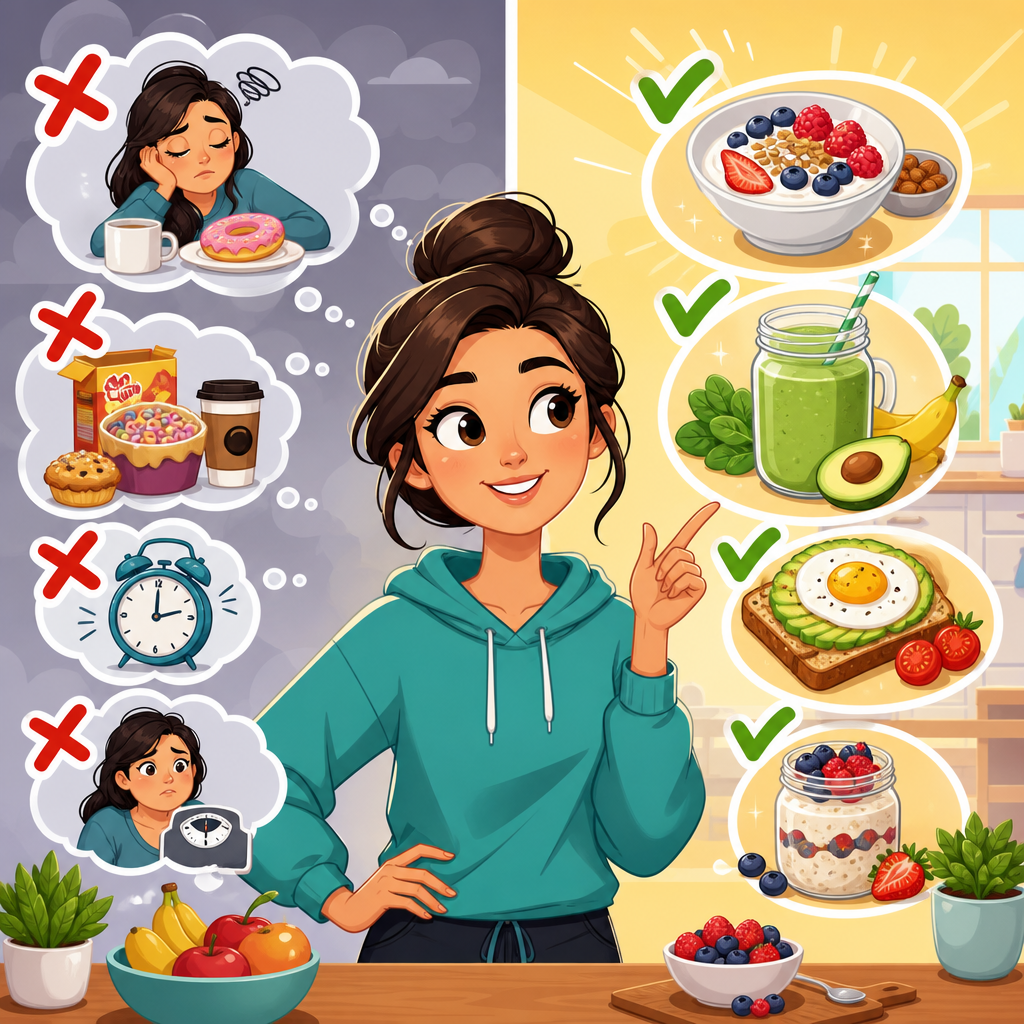
The most common breakfast mistake is building the meal around sugar and calling it healthy. A muffin with juice, a flavored coffee drink, or granola eaten like a snack can create a fast rise and fall in energy. The fix is not eliminating enjoyable foods. It is adding structure. Pair the muffin with plain Greek yogurt, or switch to oatmeal with fruit and nuts. Choose whole fruit over juice when possible because the fiber improves fullness.
Another mistake is underestimating preparation friction. If your healthy breakfast requires too many steps, you will skip it when life gets busy. Reduce friction by washing fruit in advance, portioning overnight oats, freezing breakfast burritos, and keeping staples visible. I also see people rely on low-protein breakfasts and wonder why they are hungry by ten o’clock. Usually the answer is simple: increase protein intentionally. Add eggs, yogurt, cottage cheese, tofu, or milk instead of hoping toast alone will be enough.
Finally, do not ignore taste. Breakfast habits stick when the food is satisfying. Use cinnamon, citrus zest, herbs, salsa, good bread, and seasonal fruit. Healthy breakfast ideas should feel easy and enjoyable, not like a nutritional compromise. Build a short list of five dependable meals, shop for them consistently, and adjust based on how your body responds. That is how breakfast becomes a lasting health advantage.
Quick & healthy breakfast ideas work best when they are built on a repeatable system rather than random inspiration. Start with the core formula: protein, fiber-rich carbohydrates, produce, and an optional healthy fat. Then choose formats that match your life, whether that is overnight oats, yogurt bowls, egg sandwiches, smoothies, or freezer wraps. These breakfasts support energy, fullness, nutrient intake, and better meal planning across the week. They also reduce the temptation to rely on expensive, low-satiety convenience foods that do not keep you full for long.
The biggest benefit is consistency. When breakfast is easy, balanced, and ready on time, healthy eating stops feeling complicated. Keep a small rotation of ingredients on hand, prep one or two options ahead, and use this hub as your starting point for smarter breakfast recipes and meal planning. Pick one idea from this guide, make it three times this week, and build from there.
Frequently Asked Questions
1. Why is breakfast so important for energy, focus, and overall health?
Breakfast plays a key role because it is the first opportunity your body has to refuel after the overnight fast. While you sleep, your body continues using energy to support breathing, circulation, repair, and other essential functions. By morning, your energy stores are lower, and a balanced breakfast helps restore them. This can support better concentration, steadier energy, improved mood, and stronger mental performance, especially during the first half of the day.
A healthy breakfast can also help with appetite regulation. When you start the day with a meal that includes protein, fiber, and healthy fats, you are more likely to feel satisfied for longer. That can reduce mid-morning cravings and make it easier to avoid grabbing highly processed snacks or overeating at lunch. In addition, consistent breakfast habits may support blood sugar balance and can be especially helpful for people trying to maintain stable energy throughout a busy schedule.
Just as importantly, breakfast does not need to be complicated to be effective. The best breakfast is one you can realistically prepare and enjoy on a regular basis. A simple meal such as Greek yogurt with berries, overnight oats, eggs with whole-grain toast, or a smoothie with fruit, protein, and seeds can deliver meaningful nutritional benefits without taking much time. When breakfast is practical, enjoyable, and balanced, it becomes a powerful daily habit for supporting long-term health.
2. What makes a breakfast both quick and healthy?
A breakfast is both quick and healthy when it combines convenience with nutritional quality. Speed alone is not enough if the meal leaves you hungry an hour later, and nutrition alone is not enough if the recipe is too time-consuming to fit into your routine. The ideal quick breakfast includes a source of protein, a source of fiber-rich carbohydrates, and, when possible, healthy fats. This combination helps support fullness, energy, and nutrient intake without requiring a lot of effort.
Protein is especially important because it helps with satiety and muscle maintenance. Good fast options include eggs, Greek yogurt, cottage cheese, protein-rich smoothies, tofu scrambles, or nut butter in moderate portions. Fiber-rich carbohydrates such as oats, whole-grain bread, fruit, chia seeds, and vegetables help provide longer-lasting energy and digestive support. Healthy fats from nuts, seeds, avocado, or unsweetened nut butters can make the meal more satisfying and help round out the nutrient profile.
In practical terms, a healthy breakfast does not have to look perfect or match a trend. It can be as simple as overnight oats made the night before, a banana with peanut butter and plain yogurt, a veggie egg wrap, or a smoothie blended in under five minutes. A good rule is to ask whether the meal will keep you full, energized, and satisfied until your next meal. If the answer is yes and it fits your schedule consistently, it is doing its job well.
3. What are some of the best quick breakfast ideas for busy mornings?
The best quick breakfast ideas are those that require minimal decision-making and can be prepared in just a few minutes or made ahead of time. Overnight oats are one of the most reliable choices because they can be assembled the night before with oats, milk or a dairy-free alternative, chia seeds, fruit, and optional nuts or yogurt. In the morning, they are ready to eat immediately. Egg muffins are another excellent option; they can be baked in batches with vegetables and stored in the refrigerator for several days.
Smoothies are ideal for people who need something portable. A balanced smoothie might include frozen fruit, spinach, Greek yogurt or protein powder, milk, and flax or chia seeds. Whole-grain toast topped with avocado and eggs, or nut butter and sliced banana, can also be prepared quickly while still offering a useful mix of nutrients. Greek yogurt bowls with berries, seeds, and a sprinkle of granola are another fast, customizable breakfast that works well for many lifestyles.
If you prefer savory meals, try a whole-grain wrap with scrambled eggs and vegetables, cottage cheese with sliced tomatoes and whole-grain crackers, or leftover roasted vegetables paired with eggs. For extremely rushed mornings, even a simple combination such as a hard-boiled egg, a piece of fruit, and a handful of nuts can be far better than skipping breakfast entirely. The most effective approach is to keep a small list of go-to breakfasts at home so you can rotate options without relying on willpower or extra time each morning.
4. Can quick and healthy breakfasts support weight management and better eating habits?
Yes, quick and healthy breakfasts can support weight management when they help you control hunger, improve food choices later in the day, and fit into a sustainable eating pattern. Breakfast is not a magic solution on its own, but it can set the tone for the rest of the day. A balanced morning meal may reduce the likelihood of intense hunger later, which can lead to impulsive snacking or oversized meals. This is especially true when breakfast contains enough protein and fiber to provide lasting satisfaction.
For weight management, the goal is not simply to eat less in the morning. Instead, it is smarter to eat strategically. Meals built around protein-rich foods such as eggs, Greek yogurt, cottage cheese, or a protein smoothie can help you stay fuller longer. Pairing these with high-fiber foods such as berries, oats, whole grains, or vegetables creates a more satisfying meal than sugary pastries or refined cereals, which may digest quickly and leave you hungry again soon after eating.
Healthy breakfast habits also support consistency, and consistency matters more than perfection. If your breakfast is realistic, portion-conscious, and enjoyable, it is easier to repeat every day. That might mean meal-prepping oatmeal jars, choosing plain yogurt over heavily sweetened versions, or keeping simple staples on hand for fast assembly. Over time, these small decisions can improve appetite control, nutrient intake, and overall eating patterns, all of which contribute to better long-term health and weight goals.
5. How can I make healthy breakfasts easier to stick with every day?
The easiest way to stick with healthy breakfasts is to reduce friction. Most people do not struggle because breakfast is unimportant; they struggle because mornings are rushed, options feel limited, or preparation feels like extra work. Planning ahead solves much of this. Start by choosing two or three breakfast options you genuinely like and can make quickly. Stock the ingredients consistently so they are always available. When healthy choices are visible and convenient, you are much more likely to follow through.
Meal prep can make a major difference. You can boil eggs in advance, portion yogurt and fruit into containers, prepare overnight oats, freeze smoothie packs, or chop vegetables for quick scrambles. Even setting out a blender or putting oats and chia seeds on the counter can make the routine feel easier. If you often eat on the go, choose portable breakfasts such as breakfast wraps, muffin-tin egg cups, or sealed jars of oats that can travel with you.
It also helps to be flexible rather than aiming for an idealized version of breakfast every day. Some mornings may call for a full meal, while others may only allow for something simple and portable. That is perfectly fine. A practical breakfast you can eat consistently is more valuable than a perfect breakfast you rarely make. By focusing on easy systems, balanced ingredients, and meals you actually enjoy, you can turn breakfast into a sustainable habit that supports better energy, nutrition, and overall wellness.