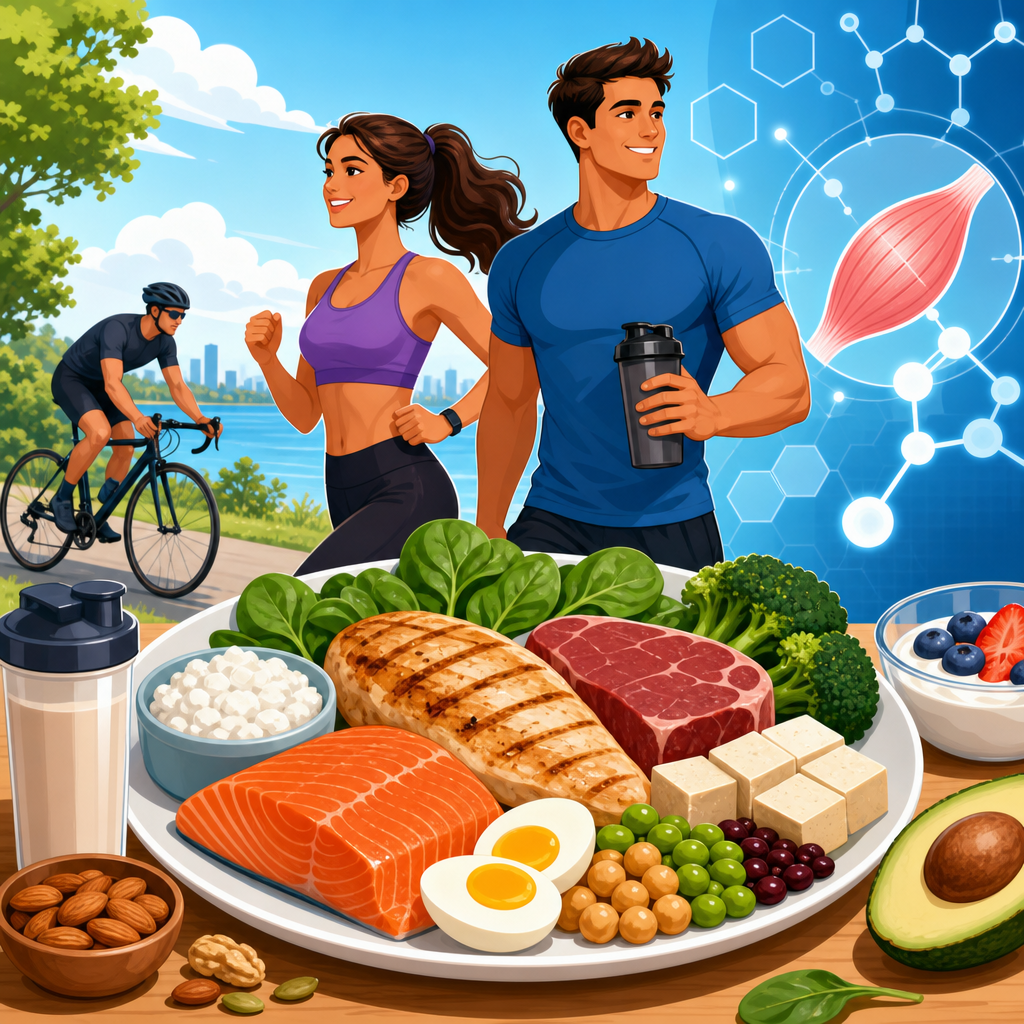
Quick & healthy breakfast ideas do far more than solve a busy morning because the right first meal directly supports energy production, blood sugar control, muscle maintenance, digestion, hydration, and mental performance throughout the day. Breakfast, in practical nutrition terms, is simply the first meal eaten after the overnight fast, while “healthy” means it delivers meaningful nutrients such as protein, fiber, unsaturated fats, vitamins, minerals, and fluids instead of relying mainly on refined sugar or low-satiety starches. “Quick” does not have to mean nutritionally weak; in my experience planning meals for hectic workweeks, the fastest breakfasts are often the most reliable when they are built from repeatable formulas like Greek yogurt plus fruit, eggs on whole-grain toast, or overnight oats with seeds.
This matters because the body wakes up with real physiological demands. Liver glycogen has partially dropped overnight, cortisol is naturally higher in the morning, and many people head straight into cognitively demanding work or school without another chance to eat for several hours. A breakfast that includes enough protein, slow-digesting carbohydrate, and fiber helps smooth that transition. Research consistently links higher-protein, higher-fiber breakfasts with better satiety, and dietary patterns that include nutrient-dense morning meals can make it easier to meet daily intake targets for calcium, iron, potassium, and whole grains. For people managing weight, blood glucose, training recovery, or simply midmorning hunger, quick & healthy breakfast ideas are a practical lever with outsized effects.
As a hub within recipes and meal planning, this guide covers the core principles behind quick & healthy breakfast ideas, the nutrients that matter most, meal-building templates, examples for common health goals, and realistic preparation strategies. The aim is not to prescribe one perfect breakfast. It is to help you choose combinations that support your body’s key functions while fitting your time, budget, preferences, and schedule.
How Breakfast Supports Energy, Brain Function, and Metabolism
The most immediate job of breakfast is to provide usable energy after the overnight fast. The brain depends heavily on glucose, though it does not require sugar-heavy foods to get it. Whole grains, fruit, beans, dairy, and starchy vegetables all provide carbohydrate, and pairing those foods with protein and fat slows digestion enough to prevent the sharp rise and crash many people feel after pastries, sweetened cereal, or coffee alone. In practical terms, a bowl of oats with milk, berries, and chia seeds usually supports steadier concentration than a large muffin because the oat beta-glucan fiber, protein from milk, and fat from seeds delay gastric emptying and improve satiety.
Breakfast also influences appetite regulation across the morning. Protein stimulates satiety hormones more effectively than refined carbohydrates alone, which is why a breakfast with eggs, cottage cheese, tofu, Greek yogurt, or a protein-rich smoothie often reduces grazing later. In my own meal-planning work, the difference between 8 grams of protein and 25 grams at breakfast is obvious by 10:30 a.m. People with the lower-protein meal are far more likely to reach for snack foods. That does not mean everyone must eat a large breakfast, but it does mean the composition of breakfast matters as much as the timing.
Metabolically, breakfast can support training recovery and help distribute protein intake across the day. Sports nutrition guidance commonly emphasizes total daily protein, but distribution matters for muscle protein synthesis. A breakfast containing roughly 20 to 30 grams of protein gives the body a better anabolic signal than coffee and toast alone, especially for older adults, active people, and anyone trying to preserve lean mass during weight loss. Examples include a vegetable omelet with whole-grain toast, skyr with walnuts and fruit, or a smoothie made with kefir, oats, berries, and soy protein.
The Nutrients That Make a Breakfast Truly Healthy
Quick & healthy breakfast ideas work best when they are built around five fundamentals: protein, fiber-rich carbohydrates, healthy fats, micronutrients, and fluids. Protein supports muscle repair, immune function, and satiety. Good fast options include eggs, Greek yogurt, skyr, cottage cheese, milk, fortified soy milk, tofu, tempeh, nut butter, smoked salmon, and leftover chicken or beans in savory breakfasts. Fiber supports digestive health, cholesterol management, and steadier blood sugar. Oats, whole-grain bread, chia seeds, flaxseed, berries, apples, pears, and legumes all contribute meaningful amounts.
Healthy fats matter because they increase satisfaction and help absorb fat-soluble vitamins. Avocado, nuts, seeds, olives, and nut butters are efficient choices. Micronutrients often overlooked at breakfast include calcium, vitamin D, potassium, magnesium, folate, and iron. Dairy foods and fortified plant milks can cover calcium and vitamin D; fruit and yogurt contribute potassium; seeds, nuts, and whole grains add magnesium; eggs and greens help with folate; and iron can come from fortified cereal, beans, tofu, or lean meats. Hydration also belongs in the breakfast conversation. After seven to nine hours overnight, even mild dehydration can worsen fatigue and perceived effort, so water, milk, or unsweetened tea should accompany the meal.
A healthy breakfast does not require perfection. It requires balance. If a meal is quick but leaves you hungry in an hour, it is probably light in protein or fiber. If it is technically nutritious but takes forty minutes to prepare, it will fail on busy weekdays. The sustainable standard is a breakfast that can be assembled in ten minutes or less, provides at least one strong protein source, includes plant foods, and keeps energy stable until the next planned meal.
Quick Breakfast Formulas That Work on Real Mornings
The easiest way to make breakfast consistent is to use repeatable formulas instead of new recipes every day. Formula one is protein plus fruit plus fiber. Think Greek yogurt with berries and pumpkin seeds, or cottage cheese with pineapple and high-fiber toast. Formula two is whole grain plus protein plus produce. That could be eggs on seeded toast with tomato, or peanut butter on oatmeal topped with banana and hemp seeds. Formula three is blend-and-go: a smoothie with milk or soy milk, fruit, oats, nut butter, and protein-rich yogurt or powder. Formula four is savory leftovers repurposed for morning, such as quinoa, roasted vegetables, and eggs, which is often faster than cooking from scratch.
For busy households, I recommend choosing three default breakfasts and repeating them. Repetition lowers decision fatigue and reduces waste. One family I worked with rotated overnight oats on Mondays and Wednesdays, egg muffins on Tuesdays and Thursdays, and smoothie packs on Fridays. Their morning routine became faster not because they found miracle recipes, but because they standardized ingredients and portioning. That is the hidden strength of quick & healthy breakfast ideas: they scale from one person to an entire household when the structure is simple.
| Breakfast idea | Prep time | Key nutrients | Best for |
|---|---|---|---|
| Greek yogurt, berries, chia, oats | 5 minutes | Protein, fiber, calcium, omega-3 fats | Satiety and digestive support |
| Eggs on whole-grain toast with avocado | 10 minutes | Protein, fiber, monounsaturated fat, folate | Steady energy and fullness |
| Overnight oats with milk and fruit | 5 minutes night before | Soluble fiber, calcium, potassium | Meal prep and heart health |
| Smoothie with kefir, banana, spinach, peanut butter | 7 minutes | Protein, probiotics, potassium, healthy fat | Fast mornings and recovery |
| Tofu scramble with vegetables | 10 minutes | Plant protein, iron, fiber | Dairy-free and vegan eating |
Breakfast Ideas for Blood Sugar, Digestion, and Heart Health
If your goal is blood sugar control, the best quick & healthy breakfast ideas limit refined carbohydrates and anchor the meal with protein and fiber. For example, steel-cut or rolled oats topped with nuts and berries generally work better than instant flavored oatmeal because the latter often contains added sugars and less fiber per serving. Whole-grain toast with eggs and sautéed greens is another strong option because it combines slower-digesting carbohydrate with protein and magnesium-rich vegetables. People using continuous glucose monitors frequently notice flatter post-breakfast readings when they add protein and reduce liquid sugars like juice.
For digestion, breakfast is an opportunity to increase both fiber and fluid early in the day. Chia pudding, overnight oats, kiwi with yogurt, and high-fiber cereal paired with milk can help support regularity. Fermented dairy foods such as kefir and yogurt may also support the gut microbiome, though responses vary by person and product. The key is consistency. A fiber jump from 10 grams to 30 grams overnight can cause bloating, so it is smarter to build gradually and drink more water.
For heart health, focus on soluble fiber, unsaturated fats, and sodium awareness. Oats are especially useful because beta-glucan has established cholesterol-lowering benefits when consumed regularly in adequate amounts. Swapping processed breakfast meats for nuts, seeds, avocado, or eggs more often can also improve the fat profile of the meal. Smoked salmon can fit, but sodium adds up quickly, so balancing it with lower-sodium foods matters. Quick & healthy breakfast ideas for heart support include oatmeal with walnuts and berries, whole-grain toast with avocado and tomato, or yogurt with flaxseed and fruit.
Meal Planning, Budget Strategies, and Common Mistakes
The most effective breakfast plan starts at the grocery list. Stock ingredients that can combine in multiple ways: eggs, oats, Greek yogurt, fruit, whole-grain bread, nut butter, seeds, milk or fortified soy milk, and frozen berries. Frozen produce is especially valuable because it reduces waste and keeps smoothies, oatmeal, and yogurt bowls affordable year-round. Batch preparation also pays off. Hard-boiled eggs last for days, overnight oats can be made in jars, and sheet-pan breakfast potatoes reheat well with eggs or beans.
Budget-conscious breakfasts do not need specialty products. Oats, bananas, peanut butter, eggs, and store-brand yogurt remain some of the best values in nutrition. Compare this with many packaged breakfast bars or bottled smoothies, which often cost more per serving while delivering less protein and more added sugar. I routinely see people spend heavily on convenience items when a simple homemade version would be both faster and more filling. A blender smoothie pack assembled in freezer bags, for example, can cut weekday prep to two minutes.
Common mistakes are predictable. First, relying on coffee as breakfast usually backfires by midmorning. Second, choosing foods labeled healthy without checking protein, fiber, and added sugar leads to weak meals; many granolas and flavored yogurts are closer to desserts than balanced breakfasts. Third, skipping meal prep entirely creates friction when mornings are rushed. Finally, eating too little at breakfast can undermine training, concentration, and portion control later. The fix is straightforward: pair one protein source with one fiber-rich carbohydrate and one fruit or vegetable, then repeat that pattern consistently.
How to Build Your Personal Breakfast Hub
A strong breakfast routine is not about copying someone else’s plate. It is about creating a small system you can sustain. Start by identifying your main need: faster mornings, better fullness, improved blood sugar stability, easier weight management, or support for exercise recovery. Then match breakfasts to that need. If you need portability, choose drinkable yogurt, smoothies, egg wraps, or overnight oats. If you need higher satiety, target 20 to 30 grams of protein. If you need more fiber, use oats, berries, chia, and whole grains more often. If you train early, combine easy carbohydrate with protein, such as toast with peanut butter and a banana, followed by a fuller meal later.
As the central resource for this subtopic, this hub should guide your next steps in recipes and meal planning. Explore make-ahead breakfasts, high-protein options, kid-friendly ideas, budget breakfasts, and savory alternatives so you can build a rotation instead of relying on one meal. Quick & healthy breakfast ideas support your body’s key functions because they turn nutrition into a repeatable daily practice: better energy, steadier appetite, improved nutrient intake, and more consistent mornings. Pick three breakfasts you can make this week, shop for them today, and let your first meal start doing real work for your health.
Frequently Asked Questions
1. Why does a quick and healthy breakfast matter so much for the body’s key functions?
A quick and healthy breakfast helps the body transition out of the overnight fast by supplying the nutrients and fluids needed to start the day efficiently. After several hours without food, the body is ready for energy, hydration, and raw materials to support normal function. A balanced breakfast can help restore blood glucose in a steady way, which is especially important because glucose is a major fuel source for the brain and muscles. When breakfast includes protein, fiber-rich carbohydrates, and healthy fats, it supports more stable energy release instead of the rapid rise and crash that often follows a meal built mostly around refined sugar or highly processed starches.
Beyond energy, breakfast contributes to several systems at once. Protein supports muscle repair and maintenance, fiber helps digestive regularity and supports fullness, and vitamins and minerals help with everything from nerve signaling to immune support and metabolism. Including fluid-rich foods or beverages in the morning also helps with hydration, which affects concentration, circulation, and physical performance. In practical terms, a quick breakfast does not have to be elaborate to be effective. Options like Greek yogurt with fruit, eggs with whole-grain toast, overnight oats, or a smoothie with protein, fruit, and seeds can be prepared fast while still supporting the body’s core needs.
2. How does a healthy breakfast support energy production and blood sugar control?
Energy production depends on giving the body a dependable supply of nutrients it can convert into usable fuel. A healthy breakfast helps by providing carbohydrates for immediate energy, protein for satiety and metabolic support, and fats for staying power. The most helpful breakfast carbohydrates usually come from nutrient-dense sources such as oats, fruit, whole-grain bread, or yogurt rather than pastries, sweetened cereals, or sugary drinks. These foods are often paired with fiber, which slows digestion and helps prevent a sharp spike in blood sugar followed by a mid-morning slump.
Protein plays a major role here as well. When breakfast includes foods such as eggs, cottage cheese, Greek yogurt, milk, nuts, seeds, or protein-rich smoothies, digestion tends to be slower and more balanced. That can help you feel satisfied longer and support steadier blood sugar levels. Healthy fats from avocado, nuts, seeds, or nut butter can further improve meal balance by slowing gastric emptying and adding sustained energy. This matters for day-to-day function because fluctuating blood sugar can affect mood, concentration, hunger, and even decision-making. A quick breakfast that combines fiber, protein, and healthy fat is often one of the easiest ways to promote more even energy throughout the morning.
3. Can quick breakfast ideas really help with muscle maintenance, digestion, and hydration?
Yes, they absolutely can, especially when the meal is built with intention. Muscle maintenance depends on getting enough protein regularly throughout the day, and breakfast is one of the earliest opportunities to do that. Even a simple meal like scrambled eggs, a protein smoothie, Greek yogurt with chia seeds, or cottage cheese with fruit can provide meaningful protein that helps support muscle repair and preserve lean body mass. This is useful not only for athletes but also for busy adults, older adults, and anyone trying to stay strong, active, and satisfied between meals.
Digestion also benefits from a well-constructed breakfast. Fiber from oats, berries, apples, flaxseed, chia seeds, whole grains, and vegetables helps support bowel regularity and can nourish beneficial gut bacteria. Starting the day with fiber may also help improve fullness and reduce the urge to rely on low-nutrient snacks later in the morning. Hydration is another overlooked benefit. Because the body loses water overnight through breathing and normal processes, the first meal of the day is a smart time to replenish fluids. Water, milk, unsweetened tea, smoothies, yogurt, and high-water foods like fruit all contribute. A quick breakfast can therefore support muscle health, digestive comfort, and hydration all at once, even if it takes only a few minutes to prepare.
4. What makes a breakfast “healthy” instead of just fast and convenient?
A healthy breakfast is not defined by speed alone. It is defined by nutrient quality and balance. In this context, “healthy” means the meal provides meaningful amounts of protein, fiber, unsaturated fats, vitamins, minerals, and fluids rather than relying mainly on refined carbohydrates, added sugars, or ultra-processed convenience foods. Many grab-and-go breakfasts are quick but leave people hungry again soon because they digest too fast and offer limited nutritional value. A healthy breakfast should help the body feel fueled, not just briefly fed.
One useful way to evaluate breakfast is to look for three core elements: a source of protein, a source of fiber-rich carbohydrate, and a source of healthy fat or fluid, depending on the meal. For example, oatmeal becomes more complete when paired with milk or yogurt and topped with nuts or seeds. Toast becomes more supportive when it is whole grain and served with eggs or nut butter instead of sugary spreads alone. Smoothies are healthier when they include protein and fiber rather than just fruit juice. The goal is not perfection but a combination that supports energy, fullness, mental clarity, and overall nutritional intake. Healthy can still be practical, affordable, and fast when meals are planned around simple staples.
5. What are some realistic quick and healthy breakfast ideas that support mental performance throughout the day?
Mental performance is closely linked to steady energy, hydration, and nutrient intake, so a smart breakfast can make a noticeable difference in focus, alertness, and productivity. Meals that combine complex carbohydrates with protein are especially helpful because they provide fuel to the brain without causing the sharp energy swings that can interfere with concentration. For example, overnight oats made with milk or yogurt and topped with berries and walnuts offer carbohydrates, protein, healthy fats, and fluid in one easy meal. A vegetable egg wrap with whole-grain tortilla can support satiety and sustained attention. A smoothie with Greek yogurt, spinach, berries, oats, and chia seeds is another strong option for busy mornings.
Other effective ideas include whole-grain toast with avocado and eggs, cottage cheese with fruit and pumpkin seeds, or plain yogurt with granola and sliced banana. Even a simple peanut butter and banana sandwich on whole-grain bread can work well when time is limited. These types of breakfasts support mental performance because they help maintain more consistent blood sugar, contribute key nutrients involved in normal brain function, and reduce the distraction of early hunger. The best choice is the one you can repeat consistently, so convenience matters. Preparing ingredients the night before, keeping protein-rich staples on hand, and choosing meals with built-in fiber and fluid can make a healthy breakfast a realistic part of everyday life.