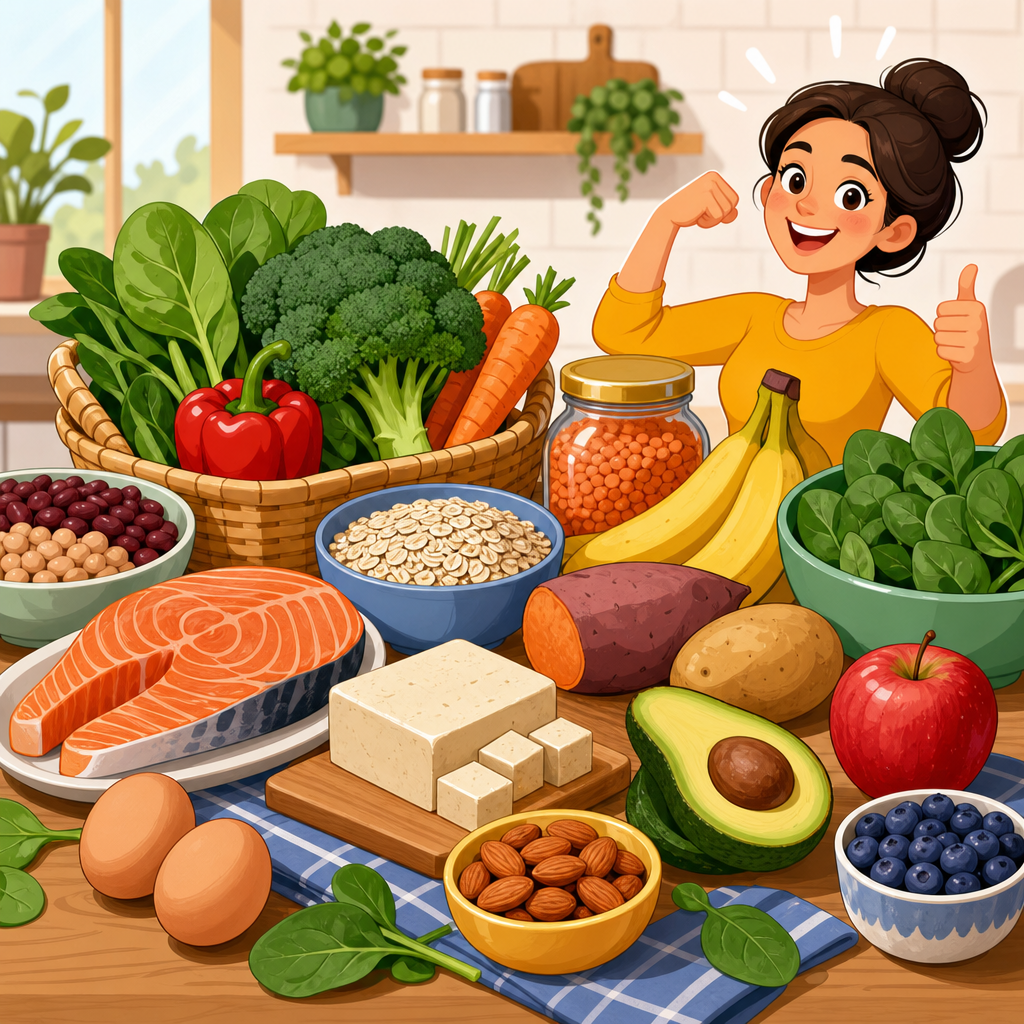
Budget-friendly healthy eating is the practice of building nutritious meals at a reasonable cost by prioritizing foods that deliver strong nutrient density, reliable satiety, and flexible meal-planning value. In practical terms, it means spending less per serving without sacrificing protein, fiber, vitamins, minerals, or flavor. I have worked with families, students, and busy professionals who assumed healthy food automatically meant premium grocery bills, yet the opposite is often true when staples are chosen carefully. Many of the best foods for affordable nutrition are ordinary pantry and freezer items: beans, oats, eggs, potatoes, yogurt, frozen vegetables, and canned fish. They are inexpensive because they store well, scale easily, and fit dozens of meals.
This topic matters because food prices shape health outcomes every week. When budgets get tight, people often cut fresh produce, lean proteins, and whole grains first, then rely on takeout or heavily processed snack foods that seem cheap upfront but cost more per useful nutrient. A bag of chips may be inexpensive by sticker price, yet it provides far less protein, fiber, iron, potassium, or meal value than lentils, brown rice, or eggs. Budget-friendly healthy eating focuses on cost per nourishment, not just cost per package. That distinction helps households reduce waste, stretch ingredients across multiple meals, and maintain better energy, blood sugar stability, and fullness.
As a hub within Recipes & Meal Planning, this guide covers the core foods that make affordable healthy eating work, why they deserve a regular place on your grocery list, and how to think about planning around them. The goal is not a rigid list of “perfect” foods. It is a framework for stocking versatile basics that can become breakfasts, lunches, dinners, snacks, and meal-prep components. Throughout the sections below, you will see the foods that consistently offer the best return on both money and nutrition, along with realistic examples of how people actually use them in everyday cooking.
Legumes: the lowest-cost nutrition workhorse
Beans, lentils, split peas, and chickpeas are some of the strongest values in any supermarket. Dry legumes are especially inexpensive per cooked serving, and even canned versions are usually economical compared with meat or convenience foods. Nutritionally, they supply fiber, complex carbohydrates, plant protein, folate, iron, magnesium, and potassium. Lentils cook faster than most dry beans and are ideal for soups, curries, and grain bowls. Black beans work in tacos, salads, and chili. Chickpeas fit roasted snacks, stews, and hummus. When I help people lower food costs quickly, legumes are usually the first category I expand because they reduce the need for more expensive proteins.
The reason legumes matter goes beyond price. Their mix of fiber and protein improves fullness, making meals more satisfying for longer. That helps reduce grazing on pricier packaged foods. They also store well, which cuts waste. Dry beans can sit in the pantry for months, and canned beans are convenient backups for nights when cooking time is limited. If sodium is a concern, rinsing canned beans lowers surface sodium significantly. Pair legumes with grains such as rice or oats, or with vitamin C-rich foods like tomatoes or peppers, and you improve meal balance while supporting iron absorption from plant foods.
Whole grains that stretch meals without empty calories
Whole grains are another cornerstone of budget-friendly healthy eating because they provide affordable energy, fiber, and staying power. Oats are among the best examples. They are cheap, shelf-stable, and useful far beyond breakfast. Rolled oats can become oatmeal, overnight oats, granola, pancakes, muffins, or even a binder for meatballs and veggie burgers. Brown rice, barley, whole-wheat pasta, and popcorn kernels also deserve attention. Popcorn in plain kernel form is a whole grain and costs far less per serving than many snack foods. Barley adds soluble fiber and works well in soups. Whole grains help round out meals built around vegetables and beans without pushing the budget upward.
Not every grain must be whole at every meal, but choosing mostly whole grains usually provides more nutritional value for the same or slightly higher cost. The key is to buy forms you will actually use. Large bags of rice save money only if they are stored properly and eaten consistently. Oats are especially effective because they reduce breakfast spending, and breakfast is often where convenience foods quietly raise grocery costs. A bowl of oats with peanut butter and banana usually costs much less than boxed cereal and provides more fiber and satiety. That single substitution can improve both nutrition and weekly food budgets.
Eggs and dairy foods with high nutrient density
Eggs remain one of the most efficient affordable protein sources in many markets, though prices can fluctuate. Even when prices rise, eggs usually still compare favorably with many packaged protein products. They provide complete protein, choline, selenium, vitamin B12, and lutein. Their biggest advantage in meal planning is versatility. Eggs can anchor breakfast, enrich fried rice, top grain bowls, turn leftovers into frittatas, or become hard-boiled grab-and-go snacks. Because they cook quickly, they also reduce the temptation to order more expensive takeout when time is short.
Plain yogurt, especially larger tubs instead of single-serve cups, is another smart buy. It offers protein, calcium, and often live cultures, and it can function as breakfast, snack, or ingredient. Greek yogurt is higher in protein; regular yogurt is often less expensive. Cottage cheese is similarly useful and typically cost-effective. Milk, fortified soy milk, and cheese can fit budget-conscious plans too, but value depends on local pricing and household use. The rule I use is simple: buy minimally processed dairy or fortified alternatives in formats that avoid waste. A large tub of plain yogurt can become parfaits, sauces, marinades, and baking ingredients, giving it more value than sweeter single-purpose products.
Vegetables and fruit that deliver the best value
Fresh produce matters, but affordability depends on season, storage life, and waste risk. The best-value choices are often potatoes, carrots, cabbage, onions, bananas, apples, and oranges. Potatoes are unfairly overlooked in some nutrition conversations. They are rich in potassium, vitamin C, and complex carbohydrates, and they become highly filling meals when paired with beans, eggs, yogurt, or canned fish. Cabbage is another standout because it is inexpensive, lasts a long time, and works raw, sautéed, roasted, or in soups. Carrots and onions build flavor cheaply in countless dishes.
Frozen produce is often the strongest budget strategy because it is picked and processed at peak ripeness, requires no trimming, and has a long freezer life. Frozen spinach, broccoli, peas, mixed vegetables, and berries are particularly useful. They reduce spoilage, which is a hidden grocery cost many households underestimate. Canned tomatoes also deserve a place here. They are often cheaper and more consistent than out-of-season fresh tomatoes, and they provide a base for soups, pasta sauces, stews, and shakshuka. Budget-friendly healthy eating improves dramatically when people stop judging produce by freshness labels alone and start judging by nutritional value, yield, and waste prevention.
Affordable proteins beyond fresh meat
Healthy eating on a budget does not require large amounts of fresh chicken breast or steak. Some of the best low-cost proteins come from canned fish, peanut butter, tofu, and occasional lower-cost cuts prepared well. Canned tuna, sardines, and salmon provide protein and, in the case of sardines and salmon, omega-3 fats. Sardines also supply calcium when the soft bones are eaten. Tofu is usually inexpensive per serving, absorbs flavor well, and works in stir-fries, soups, curries, and baked dishes. Natural peanut butter adds protein and healthy fats, though portion size matters because calories add up quickly.
When buying meat, price and yield matter more than labels alone. Bone-in chicken thighs often cost less than boneless skinless breasts and stay juicier in batch cooking. Ground turkey or lean ground beef can be stretched with lentils, mushrooms, or oats in meatballs, chili, and taco filling. This is a practical technique I use often because it lowers cost while improving fiber and texture. Processed deli meats are usually poor values when measured by cost per gram of quality protein and sodium load. By contrast, canned fish or tofu often deliver better nutrition with more shelf life and less waste.
How to compare foods by cost, nutrition, and kitchen usefulness
The most reliable way to shop wisely is to compare foods using three measures at once: cost per serving, nutrient density, and versatility. Cost per pound can be misleading because foods contain different amounts of water and edible portions. A five-pound bag of potatoes, a tub of oats, and a dozen eggs all behave differently in the kitchen. Think in terms of how many meals each item creates and what else must be added to make those meals complete. Foods that work in several meal types reduce both decision fatigue and leftovers.
| Food | Main nutritional strengths | Budget advantage | Easy uses |
|---|---|---|---|
| Lentils | Protein, fiber, iron, folate | Low cost per cooked serving | Soup, curry, salad, tacos |
| Oats | Fiber, manganese, steady energy | Very low breakfast cost | Oatmeal, overnight oats, baking |
| Eggs | Complete protein, choline, B12 | Fast meals with little waste | Scrambles, frittatas, rice bowls |
| Frozen vegetables | Vitamins, minerals, fiber | Minimal spoilage | Stir-fries, soups, side dishes |
| Canned sardines | Protein, omega-3s, calcium | Shelf-stable nutrient density | Toast, pasta, salads |
This comparison method also helps with label reading. Plain foods with short ingredient lists are usually the strongest values. For example, plain oats beat flavored instant packets on both price and sugar content. Plain yogurt beats dessert-style yogurt cups. Dry beans beat seasoned pouch meals. That does not mean convenience is bad. It means convenience should be purchased strategically, where it truly saves time without erasing nutritional value. A canned bean or frozen vegetable is often a smart convenience food; a high-priced snack bar often is not.
Meal planning patterns that make these foods practical
Knowing the right foods is only half the equation; using them consistently requires a repeatable planning pattern. The simplest system is to build meals from four parts: a protein source, a high-fiber carbohydrate, a vegetable or fruit, and a flavor component such as herbs, spices, salsa, soy sauce, lemon, or yogurt-based dressing. With that structure, the foods in this guide become interchangeable. Lentils plus rice plus frozen spinach plus canned tomatoes makes a fast stew. Eggs plus potatoes plus onions plus fruit makes a balanced breakfast-for-dinner. Yogurt plus oats plus bananas plus peanut butter makes an inexpensive breakfast or snack.
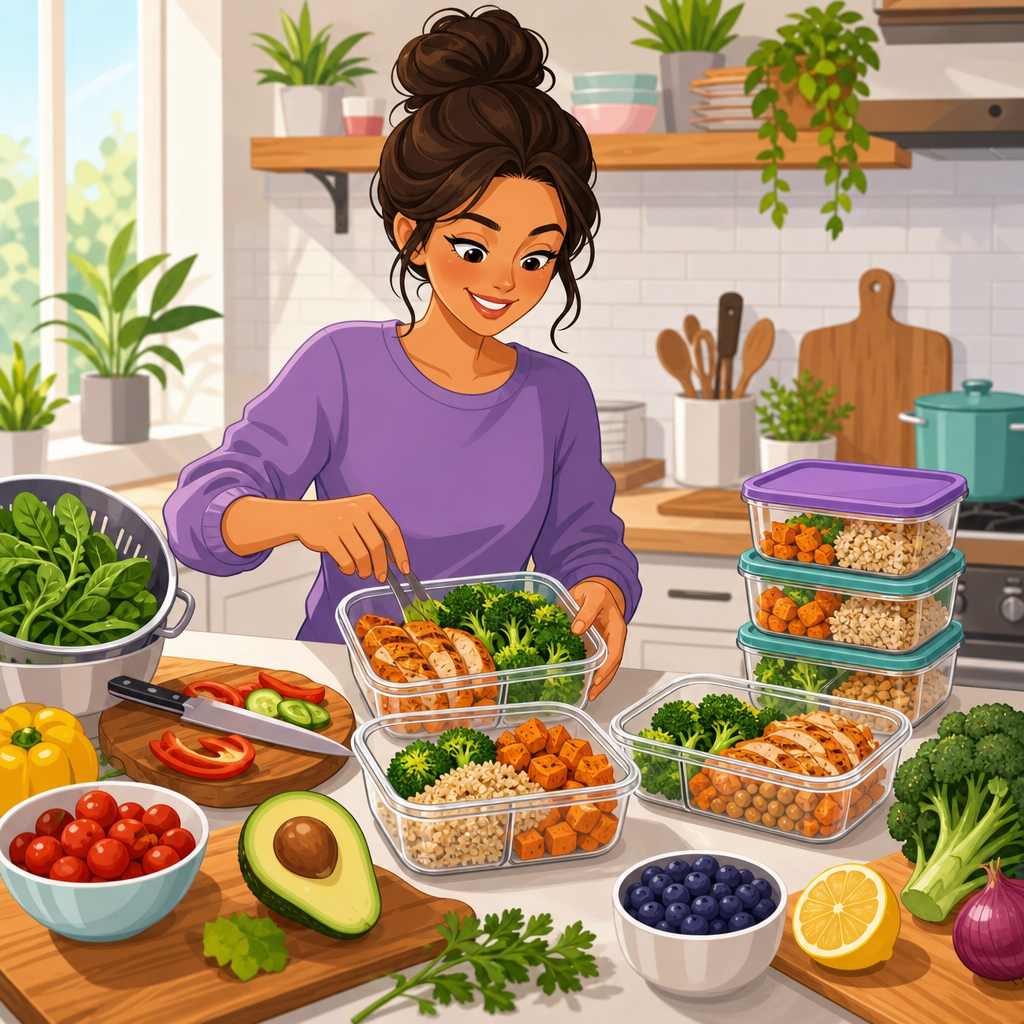
Batch cooking is especially effective for budget-friendly healthy eating because it reduces waste and increases the odds that affordable staples get eaten. Cook one pot of grains, one pot of beans or lentils, roast a tray of vegetables, and prepare one sauce. Then rotate them through bowls, wraps, soups, and skillets. This hub connects naturally to deeper articles on weekly meal prep, pantry stocking, low-cost recipes, grocery list building, and reducing food waste. If you want healthy eating to stay affordable, create a short list of staple meals and repeat them often enough to simplify shopping, but vary seasonings and produce to avoid boredom.
Top foods rich in budget-friendly healthy eating are not rare superfoods or expensive specialty products. They are dependable staples that combine nutrition, flexibility, and low cost: legumes, whole grains, eggs, yogurt, potatoes, cabbage, frozen vegetables, fruit with good shelf life, canned tomatoes, tofu, peanut butter, and canned fish. These foods matter because they lower the cost of eating well while supporting fullness, better nutrient intake, and easier meal planning. They also reduce waste, which is one of the biggest hidden drains on a grocery budget.
The main benefit of this approach is control. When your kitchen is stocked with affordable nutrient-dense basics, you are less dependent on expensive convenience foods and last-minute restaurant meals. You can assemble balanced meals quickly, adapt to price changes, and feed different household members with the same core ingredients. Start with a simple shift: choose three low-cost proteins, two grains, five fruits and vegetables, and one flexible dairy or fortified alternative for the week. Build your meals around those items, track what gets used, and expand from there. That small planning habit is how budget-friendly healthy eating becomes sustainable, practical, and genuinely satisfying over time.
Frequently Asked Questions
1. What does “budget-friendly healthy eating” actually mean, and why is it so important?
Budget-friendly healthy eating means choosing foods that give you the most nutritional value, fullness, and flexibility for the lowest practical cost per serving. Instead of focusing on trendy, expensive “health foods,” this approach centers on staples like beans, lentils, oats, eggs, yogurt, frozen vegetables, potatoes, brown rice, canned fish, and seasonal produce. These foods are often rich in protein, fiber, complex carbohydrates, vitamins, and minerals, which helps support energy, digestion, immune function, and overall health without pushing grocery spending too high.
It matters because many people assume eating well requires specialty ingredients, premium labels, or constant shopping at high-end markets. In reality, some of the most nourishing foods are also among the most affordable. When you build meals around low-cost, nutrient-dense basics, you can improve diet quality, reduce reliance on heavily processed convenience foods, and make meal planning easier. This is especially valuable for families, students, and busy professionals who need filling, practical meals that work across breakfast, lunch, dinner, and snacks. Over time, budget-friendly healthy eating can help create more consistent eating habits, reduce waste, and make healthy choices feel realistic rather than restrictive.
2. Which foods are usually the best examples of healthy foods that are both affordable and nutrient-dense?
Some of the best budget-friendly healthy foods are staples that stretch across many meals while delivering strong nutrition. Beans and lentils are excellent examples because they are inexpensive, shelf-stable, and packed with fiber, plant protein, iron, folate, and other minerals. Oats are another standout since they are low-cost, filling, and useful for breakfast, baking, and snacks. Eggs offer high-quality protein and important nutrients such as choline, vitamin B12, and selenium at a relatively modest cost per serving. Plain yogurt, especially larger tubs rather than single-serve cups, can provide protein, calcium, and probiotics without a high price tag.
Frozen fruits and vegetables are also smart choices because they are often less expensive than fresh, last longer, and are picked and frozen at peak ripeness. Potatoes and sweet potatoes provide satisfying carbohydrates, fiber, and potassium, making them practical foundations for meals. Brown rice, whole grain pasta, canned tuna or salmon, peanut butter, cabbage, carrots, onions, and bananas are also common examples of affordable foods with strong nutritional value. What makes these foods especially useful is not just their nutrient profile, but their adaptability. A single ingredient like lentils can become soup, curry, tacos, salads, or grain bowls, helping you save money while keeping meals interesting and balanced.
3. How can I shop for healthy foods on a tight budget without sacrificing quality or variety?
The most effective strategy is to start with a simple meal plan built around low-cost staple ingredients and then shop with a purpose. Focus first on foods that provide the best return on your grocery dollar: dry beans, lentils, oats, rice, eggs, yogurt, potatoes, frozen vegetables, canned tomatoes, and seasonal produce. Buying store brands, larger containers, and pantry basics can lower the cost per serving significantly. It also helps to compare unit prices rather than only looking at package price, because a larger bag of oats or rice often costs more upfront but less over time.
To maintain quality and variety, mix shelf-stable, frozen, and fresh foods. Frozen produce is especially useful because it cuts waste and makes it easier to include vegetables in meals consistently. Seasonal fresh produce tends to be cheaper and better tasting, while canned items like beans and fish can be nutritious and convenient if you choose options with simple ingredients. Another smart move is to use one ingredient in multiple ways during the week. For example, roasted vegetables can go into grain bowls, wraps, omelets, and soups. Batch cooking and repurposing leftovers also save money and reduce the temptation to order takeout. The goal is not to buy the cheapest food available, but to choose foods that are affordable, nourishing, and versatile enough to support several satisfying meals.
4. Can budget-friendly healthy eating still provide enough protein, fiber, and key nutrients?
Yes, absolutely. One of the biggest misconceptions about eating on a budget is that it automatically leads to meals that are low in protein or lacking in important nutrients. In practice, affordable staples can meet nutritional needs very well when combined thoughtfully. Beans, lentils, eggs, cottage cheese, yogurt, canned fish, milk, tofu, peanut butter, and even whole grains can all contribute meaningful amounts of protein. Fiber is often easier to get on a budget than people expect because foods like oats, beans, brown rice, potatoes with the skin, vegetables, fruit, and whole grain breads are generally affordable and naturally fiber-rich.
Key vitamins and minerals can also come from low-cost foods. Leafy greens, carrots, cabbage, sweet potatoes, and frozen mixed vegetables provide vitamins A, C, and K along with antioxidants. Dairy foods or fortified alternatives can help with calcium and vitamin D. Beans and lentils support iron, magnesium, and folate intake. Potatoes and bananas are well known for potassium, while canned salmon and sardines can offer omega-3 fats and calcium. The important principle is balance. Instead of relying on one “superfood,” aim to combine a protein source, a fiber-rich carbohydrate, and produce at most meals. A bowl of rice and beans with sautéed cabbage, an egg-and-vegetable scramble with toast, or yogurt with oats and fruit are all examples of low-cost meals that can be nutritionally strong and very satisfying.
5. What are the easiest ways to turn affordable healthy foods into practical meals for busy days?
The easiest approach is to keep a short list of reliable ingredients that can be assembled into multiple meals with minimal effort. Think in terms of meal components rather than complicated recipes: a cooked grain, a protein source, vegetables, fruit, and one or two flavor boosters such as salsa, olive oil, shredded cheese, herbs, or a simple sauce. When you have basics prepared ahead of time, healthy eating becomes much faster. A batch of rice, roasted potatoes, boiled eggs, cooked lentils, chopped vegetables, and a tub of yogurt can cover several days of breakfasts, lunches, and dinners.
For busy mornings, oatmeal with peanut butter and banana or yogurt with oats and frozen berries works well. For lunch, try a bean bowl with rice, vegetables, and salsa, or a tuna sandwich with fruit and carrots. For dinner, baked potatoes topped with chili or beans, vegetable omelets with toast, lentil soup with whole grain bread, or pasta with frozen vegetables and eggs or canned fish can all come together quickly and affordably. The real secret is repeatable structure. When you rely on a handful of low-cost foods that are filling and nutrient-dense, you remove decision fatigue, reduce waste, and make it much easier to stay consistent. Budget-friendly healthy eating is most successful when it fits real life, and that means simple meals, flexible ingredients, and routines that save both time and money.