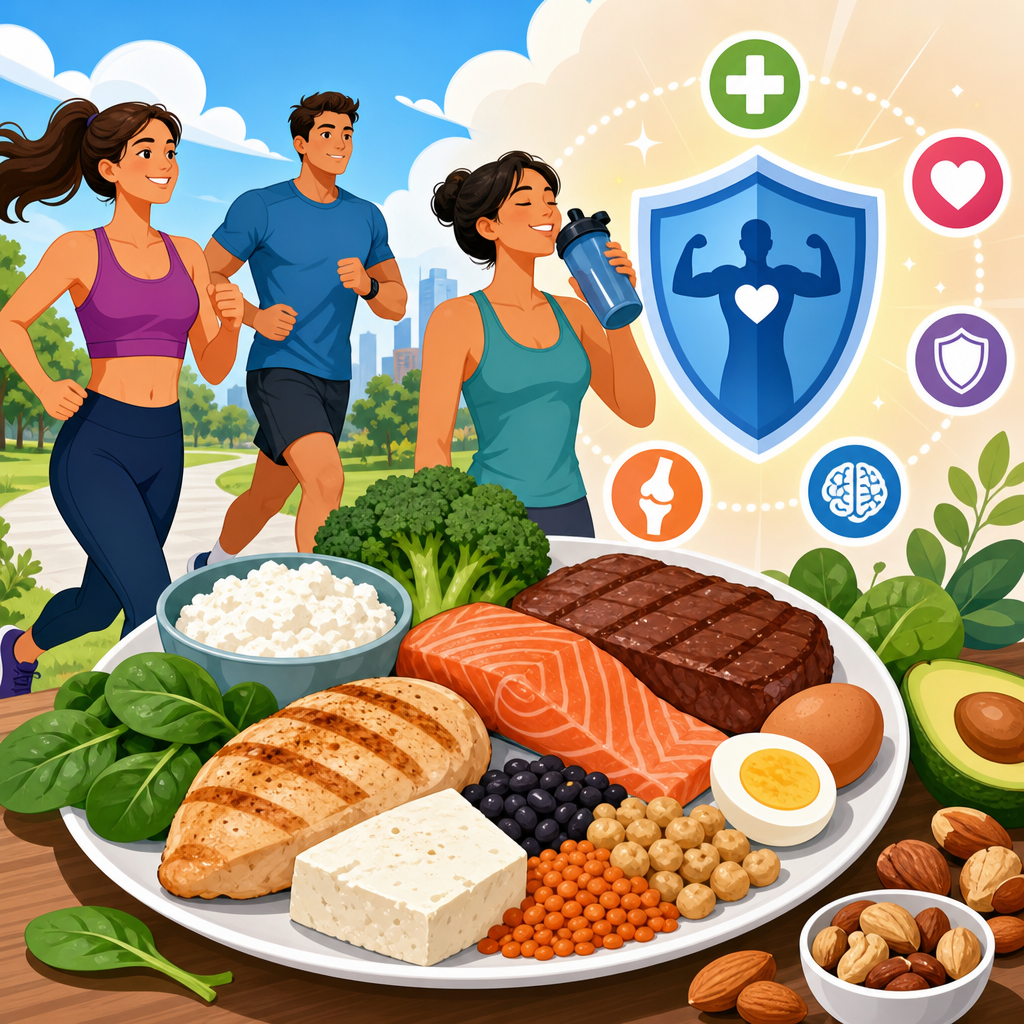
Quick & healthy breakfast ideas do more than save time on busy mornings; they can shape long-term health outcomes by improving diet quality, stabilizing energy intake, and lowering risk factors tied to major chronic diseases. A healthy breakfast generally includes a balance of fiber-rich carbohydrates, protein, unsaturated fats, and minimally processed ingredients, while quick means it can be prepared, assembled, or reheated in minutes without sacrificing nutritional value. In practice, that can look like overnight oats with chia seeds, Greek yogurt with berries and walnuts, eggs with spinach on whole-grain toast, or a smoothie built around fruit, kefir, and nut butter. After years of planning meals for households with different schedules, I have seen the same pattern repeatedly: when breakfast is simple, satisfying, and ready to repeat, people eat better for the rest of the day.
The connection between breakfast and disease prevention matters because the first meal often sets appetite regulation, blood glucose response, and food choices for the next several hours. Breakfast habits are also one of the easiest entry points for improving overall nutrition, especially for families trying to lower sodium, added sugar, and refined carbohydrate intake. Research consistently links higher intake of whole grains, fruit, nuts, seeds, legumes, and fermented dairy with better cardiometabolic health. Those foods fit naturally into fast breakfasts. A strong breakfast routine will not cancel out a poor diet overall, but it can create a dependable daily opportunity to increase fiber, micronutrients, and protein while reducing reliance on ultra-processed convenience foods.
It is important to define the terms clearly. Disease prevention in this context does not mean guaranteeing that a person will avoid illness. It means reducing modifiable risk factors associated with conditions such as type 2 diabetes, cardiovascular disease, obesity, hypertension, certain digestive disorders, and some cancers. Quick & healthy breakfast ideas support prevention by improving satiety, reducing extreme hunger later in the day, and making it easier to meet targets for nutrients that many adults and children underconsume, including calcium, potassium, vitamin D, and dietary fiber. Breakfast can also support better weight management when it includes enough protein and fiber to prevent the midmorning crash caused by pastries, sweetened cereal, or sugary coffee drinks.
This hub page covers the core principles behind healthy breakfasts, the mechanisms that connect them to disease prevention, and practical meal formats you can use all week. It also serves as a foundation for deeper meal planning topics such as make-ahead breakfasts, high-protein options, kid-friendly choices, and budget meal prep. If you want quick & healthy breakfast ideas that are realistic rather than aspirational, the key is not culinary complexity. The key is building repeatable combinations from proven ingredients, then organizing them so the healthiest option is also the fastest one.
Why Breakfast Quality Matters More Than Breakfast Hype
The health value of breakfast depends far more on quality than on the simple act of eating early. People sometimes argue over whether everyone must eat breakfast, but the more useful question is what the meal contains and how it fits the person’s routine, medical history, and appetite. A breakfast of refined flour, processed meat, and a sugar-heavy beverage will not offer the same disease prevention benefits as a bowl of steel-cut oats topped with berries and pumpkin seeds. In clinical nutrition, meal composition affects postprandial glucose, insulin demand, satiety hormones, and total dietary pattern. Those factors influence long-term cardiometabolic risk more meaningfully than the label of breakfast alone.
From a practical standpoint, breakfast quality is one of the clearest markers of whether a day starts with nutrient density or convenience calories. I have worked with people who thought they were eating lightly by choosing a muffin and flavored latte, only to discover that the combination delivered a large glucose load with minimal fiber or protein. They were hungry again within two hours and reached for vending machine snacks before lunch. When they switched to eggs with vegetables, cottage cheese and fruit, or overnight oats with peanut butter, they reported steadier concentration and fewer cravings. The difference was not motivation. The difference was meal design.
Breakfast also presents an opportunity to include foods strongly associated with better health outcomes. Oats supply beta-glucan, a soluble fiber recognized for helping lower LDL cholesterol. Berries contribute polyphenols and vitamin C. Yogurt and kefir provide protein and, when cultured, beneficial bacteria that may support gut health. Nuts and seeds add unsaturated fats, magnesium, and plant compounds linked with improved cardiovascular markers. Whole grains, fruit, legumes, and dairy or fortified alternatives can all appear at breakfast with very little prep. That efficiency is why quick & healthy breakfast ideas are so valuable in prevention-focused meal planning.
How Quick & Healthy Breakfast Ideas Support Disease Prevention
The disease prevention benefits of a well-built breakfast come from several overlapping mechanisms. First, fiber slows digestion and moderates the rise in blood glucose after eating. Second, protein increases satiety and helps preserve lean mass, which is relevant for metabolic health across the lifespan. Third, replacing ultra-processed breakfast items with whole or minimally processed foods improves nutrient density and often reduces excess sodium, added sugars, and low-quality fats. Fourth, a consistent breakfast pattern can help some people avoid erratic eating later in the day, which often drives overeating. These mechanisms do not operate in isolation, but together they influence risks tied to obesity, insulin resistance, dyslipidemia, and hypertension.
Cardiovascular disease prevention is one of the clearest examples. A breakfast centered on oats, fruit, and nuts supplies soluble fiber, potassium, and unsaturated fats, all of which support heart health when part of an overall balanced diet. Swapping processed breakfast meats for beans, eggs, tofu, or yogurt can also reduce sodium and saturated fat intake. For people with elevated cholesterol, oats and barley are especially useful because beta-glucan has a well-established LDL-lowering effect when consumed regularly in adequate amounts. For people with high blood pressure, breakfasts built around fruit, plain dairy, seeds, and whole grains can align more closely with eating patterns shown to support lower blood pressure.
Type 2 diabetes prevention is another major area where breakfast quality matters. Meals that combine protein, fiber, and healthy fats generally produce a steadier glycemic response than breakfasts based on refined grains or sweetened beverages. For example, compare instant frosted cereal with low-fat sweetened milk to plain Greek yogurt, raspberries, and almonds. The second option contains less added sugar, more protein, and substantially more satiety per calorie. Over time, these choices can help reduce energy excess and improve glucose control. This is especially relevant for people with prediabetes, a history of gestational diabetes, or strong family risk.
Digestive health also benefits. Fiber supports bowel regularity and feeds beneficial gut microbes, while fermented foods such as kefir and yogurt may contribute to microbial diversity. A breakfast that includes fruit, oats, ground flaxseed, or chia can help people who routinely fall short of daily fiber recommendations. That matters because low fiber intake is common, and it is associated with poorer digestive and metabolic outcomes. In other words, quick & healthy breakfast ideas are not a superficial wellness trend. They are a practical vehicle for delivering protective nutrients consistently.
What to Put on the Plate: The Fast Breakfast Formula
A disease-preventive breakfast does not need a strict recipe, but it should follow a reliable structure. I use a simple formula: one fiber-rich carbohydrate, one substantial protein source, and one source of healthy fat, then add produce whenever possible. This combination improves fullness, slows digestion, and broadens micronutrient intake. The fiber-rich carbohydrate might be oats, whole-grain toast, fruit, or beans. The protein could be eggs, Greek yogurt, skyr, cottage cheese, tofu, smoked salmon, or a protein-fortified smoothie base. Healthy fats can come from nuts, seeds, avocado, or nut butter.
Here is how that looks in real kitchens. Overnight oats made with rolled oats, milk or fortified soy milk, chia seeds, cinnamon, and blueberries can be assembled in under five minutes the night before. A savory option might be a microwave egg scramble with spinach and salsa wrapped in a whole-grain tortilla. Another reliable meal is plain yogurt topped with sliced pear, walnuts, and a spoonful of ground flaxseed. For households that need portable breakfasts, chia pudding jars, egg muffins, and freezer breakfast burritos work well because they can be batched once and used across several days.
| Breakfast idea | Main nutrients | Disease prevention value | Typical prep time |
|---|---|---|---|
| Overnight oats with berries and chia | Fiber, beta-glucan, omega-3 fats | Supports cholesterol control, satiety, and digestive health | 5 minutes night before |
| Greek yogurt with walnuts and fruit | Protein, calcium, probiotics, unsaturated fats | Supports bone health, appetite control, and gut health | 3 minutes |
| Eggs with spinach on whole-grain toast | Protein, lutein, fiber, B vitamins | Supports blood sugar stability and nutrient density | 7 minutes |
| Smoothie with kefir, berries, oats, and nut butter | Protein, probiotics, fiber, polyphenols | Useful for heart health and convenient meal consistency | 5 minutes |
| Bean and avocado breakfast wrap | Fiber, potassium, plant protein, healthy fats | Supports blood pressure and long-lasting fullness | 8 minutes |
The most effective quick breakfasts are usually repetitive by design. Variety is helpful across a week, but weekday breakfast is not the place where most people need endless novelty. Two or three dependable formats are enough. Once you know your formula, you can rotate flavors rather than reinventing the meal. That lowers decision fatigue and makes healthier choices automatic, which is exactly what prevention-focused meal planning should do.
Best Ingredients for Heart, Metabolic, and Digestive Health
Some ingredients deserve special attention because they repeatedly appear in nutrition research and perform well in quick breakfast formats. Oats rank high because of soluble fiber, especially beta-glucan, which helps lower LDL cholesterol when eaten consistently. Berries are another standout because they provide fiber and anthocyanins, a class of polyphenols associated with vascular benefits. Nuts, particularly walnuts and almonds, contribute unsaturated fats, magnesium, and plant sterols. Seeds such as flax and chia add fiber and alpha-linolenic acid, a plant omega-3 fat, while also thickening overnight oats and smoothies without much effort.
Fermented dairy foods are useful for many people. Plain Greek yogurt offers concentrated protein and calcium, while kefir adds a drinkable cultured option that blends well into smoothies. For those who avoid dairy, fortified soy milk is usually the strongest alternative nutritionally because it provides comparable protein and is commonly fortified with calcium and vitamin D. Eggs remain one of the most efficient breakfast proteins available, and despite outdated confusion, they can fit well into heart-healthy diets for most people when balanced with vegetables, whole grains, and reasonable saturated fat intake throughout the day.
Whole grains beyond oats also matter. Whole-grain bread, barley, quinoa breakfast bowls, and unsweetened high-fiber cereals can all work, provided labels are checked for added sugar and sodium. Legumes are underused at breakfast but highly effective, especially for savory meals. Black beans with eggs, white beans on toast with tomatoes, or hummus in a breakfast wrap increase fiber and plant protein while improving fullness. Produce should not be treated as garnish. Fruit, leafy greens, tomatoes, mushrooms, and peppers can all be integrated quickly and make a measurable difference to potassium, folate, and antioxidant intake.
On the other hand, foods marketed as breakfast staples often undermine prevention goals. Many granola products are dense in added sugar. Flavored yogurt can rival dessert in sweetness. Coffee drinks can contribute hundreds of calories before a person has eaten any meaningful food. Even seemingly healthy smoothies become problematic when they rely on juice, sweetened protein powder, and no fiber source. The solution is not perfection. It is label literacy and ingredient awareness.
Meal Planning Strategies That Make Healthy Breakfast Automatic
The best quick & healthy breakfast ideas fail if they depend on morning willpower. Effective breakfast planning starts the night before and often begins with shopping. Keep a short list of breakfast defaults on hand: rolled oats, eggs, plain yogurt, frozen berries, whole-grain bread, nut butter, chia seeds, and one ready protein such as cottage cheese, tofu, or cooked beans. Frozen fruit and vegetables are especially useful because they reduce waste and make nutrient-dense meals more available than pastries or takeout. In homes with children, visible placement matters. If washed fruit, yogurt cups, and boiled eggs are easy to see, they get eaten.
Batch preparation is the main time-saving tactic. I often suggest preparing three breakfasts at once instead of one breakfast every morning. A tray of egg muffins can cover several days. Overnight oats can be portioned into jars on Sunday night. Smoothie packs with measured berries, spinach, and oats can go straight from freezer to blender. Whole-grain pancakes can be cooked in batches and frozen, then reheated and topped with nut butter and fruit. These methods turn breakfast into assembly rather than cooking, which is critical for consistency.
Portion design also matters. Meals that are too small often lead to grazing, while oversized breakfasts can feel heavy and unrealistic. A practical benchmark is to include at least 15 to 25 grams of protein for most adults, alongside a visible fiber source. Needs vary by age, activity, and medical conditions, but this range works well for satiety in everyday meal planning. If someone is hungry by 10 a.m., the usual fix is not more coffee. It is more protein, more fiber, or both. Review the breakfast and adjust accordingly.
Finally, connect breakfast planning to the rest of your meal system. Leftover roasted vegetables can go into omelets. Cooked grains from dinner can become breakfast bowls. Fresh fruit bought for snacks can top oats or yogurt. When breakfast shares ingredients with lunch and dinner, healthy eating becomes cheaper and easier to maintain. That is why this page functions as a hub within Recipes & Meal Planning: the strongest breakfast routine is part of a broader, repeatable food strategy.
Common Mistakes, Special Diets, and How to Choose the Right Option
The most common breakfast mistake is assuming that any quick option is automatically a healthy one. Protein bars, bottled smoothies, sweetened instant oatmeal, and café pastries are convenient, but many are low in fiber and high in added sugar. Another mistake is overcorrecting with a breakfast that is technically healthy but not satisfying, such as plain fruit alone. A better approach is matching the meal to the person. Someone managing prediabetes may do best with eggs, yogurt, or tofu paired with whole grains and berries. An endurance athlete may need a larger carbohydrate portion. A child may respond better to simple assemblies like peanut butter toast, banana, and milk.
Special diets require thoughtful substitutions, not nutritional compromises. For a high-protein vegetarian breakfast, use skyr, Greek yogurt, eggs, cottage cheese, tofu scrambles, or soy milk smoothies. For vegan breakfasts, combine soy yogurt or tofu with oats, seeds, fruit, and nut butter to maintain protein quality and micronutrient coverage. For gluten-free meals, choose certified gluten-free oats, quinoa, corn tortillas, or buckwheat. For people with hypertension, pay close attention to sodium in breads, cheese, and processed meats. For those with elevated cholesterol, prioritize oats, nuts, seeds, legumes, and fruit while limiting pastries and heavily processed meats.
The right breakfast is the one you can repeat consistently, enjoy eating, and adapt to your health needs. Start with one upgrade this week: replace a refined, sugary breakfast with a combination built from whole grains, protein, and produce. That single shift can improve appetite control, increase nutrient intake, and support long-term disease prevention. Then build from there with a short rotation of quick & healthy breakfast ideas that make your mornings easier and your overall diet stronger.
Frequently Asked Questions
How can quick and healthy breakfast ideas help with disease prevention?
Quick and healthy breakfast ideas can support disease prevention by making it easier to eat consistently balanced meals instead of relying on highly processed, sugary, or low-nutrient options during rushed mornings. A nutritious breakfast often combines fiber-rich carbohydrates, quality protein, and healthy fats, which together can help regulate appetite, reduce blood sugar spikes, and support more stable energy intake throughout the day. Over time, these effects may contribute to better weight management, improved cholesterol levels, healthier blood pressure, and stronger overall diet quality.
From a long-term health perspective, breakfast habits matter because they influence the foods people choose later in the day. When breakfast is built around foods like oats, fruit, yogurt, eggs, nuts, seeds, or whole-grain toast, it can increase intake of key nutrients linked to reduced risk of heart disease, type 2 diabetes, and other chronic conditions. Quick options are especially valuable because convenience improves consistency. If a healthy breakfast can be prepared in minutes, people are more likely to stick with it, which is where many of the protective benefits begin.
What should a healthy breakfast include to support long-term health?
A healthy breakfast should ideally include a mix of fiber, protein, and unsaturated fats, along with minimally processed ingredients. Fiber-rich carbohydrates such as oats, whole-grain bread, berries, apples, or chia seeds help support digestive health and can improve satiety. Protein from foods like Greek yogurt, eggs, cottage cheese, tofu, or nut butter helps maintain muscle, promotes fullness, and may reduce the urge to snack on less nutritious foods later. Unsaturated fats from nuts, seeds, avocado, or olive oil can support heart health and help the meal feel more satisfying.
In practical terms, strong breakfast combinations might include overnight oats with berries and walnuts, whole-grain toast with avocado and eggs, a smoothie made with fruit, spinach, Greek yogurt, and flaxseed, or plain yogurt topped with oats and nuts. These meals are fast, but they also provide a broader nutritional profile than breakfast pastries, sweetened cereals, or refined grab-and-go items. The goal is not perfection at every meal, but a breakfast pattern that regularly delivers nutrients associated with lower inflammation, improved metabolic health, and better cardiovascular support.
Can skipping breakfast increase the risk of chronic disease?
Skipping breakfast does not automatically cause chronic disease, but for many people it can make healthy eating harder and may contribute to patterns associated with higher risk over time. People who regularly skip breakfast may be more likely to overeat later, choose convenient high-calorie foods, or experience less stable energy and hunger cues. Those patterns can affect body weight, blood sugar control, and overall nutrient intake, all of which play important roles in chronic disease prevention.
That said, the biggest issue is usually not the act of skipping breakfast alone, but what replaces it. If missing breakfast leads to sugary coffee drinks, vending machine snacks, or large late-day meals, the overall dietary pattern may become less supportive of heart health and metabolic health. On the other hand, a quick, balanced breakfast can create structure and make it easier to meet daily needs for fiber, vitamins, minerals, and protein. For many adults and children, that consistency is one reason breakfast is often linked with better long-term health outcomes.
What are some examples of quick breakfasts that are actually good for heart health and blood sugar control?
Some of the best quick breakfasts for heart health and blood sugar control are meals that digest steadily and avoid excessive added sugar. Examples include overnight oats with chia seeds and berries, a vegetable omelet with whole-grain toast, plain Greek yogurt with walnuts and sliced fruit, or a smoothie made with unsweetened milk, spinach, frozen berries, and nut butter. These options are fast to prepare or can be made ahead, and they provide nutrients such as soluble fiber, protein, potassium, and healthy fats that support cardiovascular and metabolic health.
Another smart strategy is to build simple “assemble-only” breakfasts. Whole-grain toast with peanut butter and banana, cottage cheese with tomatoes and pumpkin seeds, or a reheated egg-and-vegetable muffin with fruit can all be ready in minutes. Compared with breakfast foods high in refined flour and added sugar, these choices are less likely to trigger sharp rises and crashes in blood glucose. They also tend to be more filling, which may help with portion control and reduce the likelihood of unhealthy snacking later in the day.
How can busy people make healthy breakfasts a realistic daily habit?
The key is to focus on preparation, simplicity, and repeatable routines. Healthy breakfasts become much more realistic when ingredients are easy to reach and require little decision-making in the morning. Batch-preparing overnight oats, hard-boiled eggs, smoothie freezer packs, or homemade breakfast wraps can cut morning effort to just a few minutes. Keeping staples like fruit, plain yogurt, whole-grain bread, nuts, and nut butter on hand also makes it easier to assemble a balanced meal quickly without relying on ultra-processed convenience foods.
It also helps to redefine what breakfast has to look like. A healthy breakfast does not need to be elaborate or traditional. Leftover grain bowls, a turkey and avocado wrap, or soup with eggs can work just as well if they provide a balanced mix of nutrients. The most effective approach is the one that fits consistently into real life. When healthy breakfasts are fast, satisfying, and easy to repeat, they are more likely to become a routine, and routines are what ultimately support lasting improvements in diet quality and disease prevention.