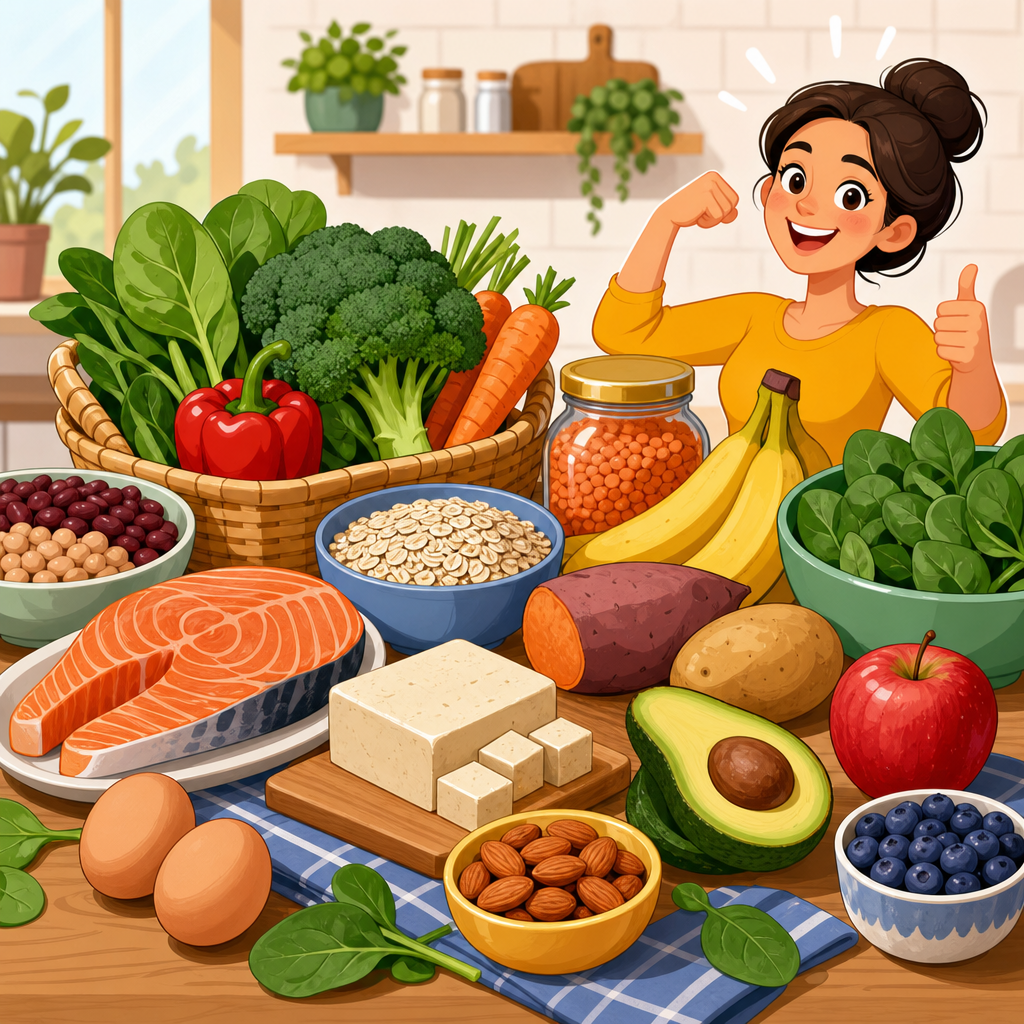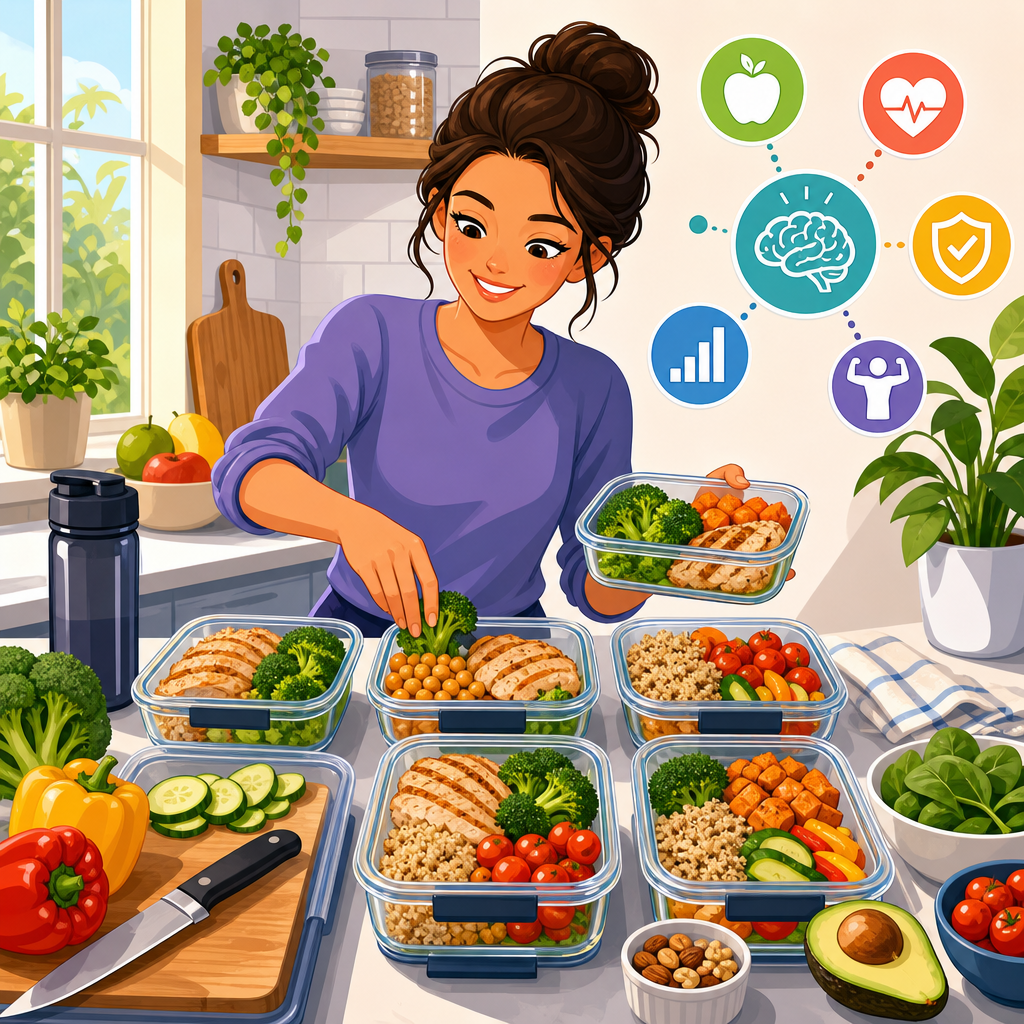
Quick & healthy breakfast ideas can transform mornings from rushed and nutritionally weak into a reliable foundation for better energy, appetite control, and long-term health. In meal planning work, I have seen the same pattern repeatedly: people do not fail at breakfast because they dislike healthy food; they fail because their sources of breakfast guidance are impractical, inconsistent, or disconnected from real schedules. Choosing the best sources of quick & healthy breakfast ideas therefore matters as much as choosing the food itself. A good source does more than list recipes. It helps you find breakfasts that fit your available time, budget, equipment, dietary needs, and health goals without creating decision fatigue before the day even starts.
Breakfast, in practical terms, is the first meal that breaks the overnight fast and sets the tone for blood sugar stability, satiety, and nutrient intake. Quick means meals that can usually be assembled, cooked, or reheated in about five to fifteen minutes. Healthy does not mean low calorie by default. It means balanced, nutrient-dense, and appropriate for the person eating it. In most cases, that includes a meaningful protein source, fiber-rich carbohydrates, and fats that improve staying power and flavor. Healthy breakfast ideas may include overnight oats, egg muffins, Greek yogurt bowls, cottage cheese toast, chia pudding, high-fiber smoothies, breakfast burritos, tofu scrambles, and make-ahead grain bowls.
The challenge is that the internet is crowded with breakfast content ranging from evidence-based meal planning advice to misleading “healthy” recipes loaded with sugar or too low in protein to keep hunger away. Some sources prioritize beautiful photography over usable instructions. Others ignore sodium, portion size, allergens, or realistic prep time. For a hub article under Recipes & Meal Planning, the central question is not just what to eat for breakfast, but where to reliably find fast breakfast ideas you will actually use. The best sources combine nutrition credibility, recipe testing, flexible planning systems, and everyday practicality. When you know how to evaluate those sources, building a breakfast routine becomes far easier and far more sustainable.
This guide explains how to choose trustworthy, useful sources for quick & healthy breakfast ideas, what criteria matter most, and how to turn those sources into a repeatable breakfast system. It also points naturally toward deeper recipe articles you can build from later, such as high-protein breakfasts, make-ahead breakfasts, kid-friendly breakfasts, smoothie breakfasts, and budget breakfast meal prep.
What Makes a Breakfast Source Worth Using
The best breakfast resources share a few nonnegotiable traits. First, they define prep time honestly. If a “ten-minute” breakfast actually requires cooked quinoa, chopped fruit, toasted nuts, and blender cleanup, it is not a ten-minute meal for most households. Reliable sources distinguish between hands-on time and total time. Second, they state serving size, core nutrition profile, and ingredient substitutions clearly. For breakfast, protein and fiber deserve special attention because they strongly influence fullness and midmorning energy. A source that gives complete information helps you compare options quickly.
Third, strong sources build recipes around normal pantry and refrigerator staples. In practice, breakfasts are repeated more often than dinners, so convenience determines adherence. Sources that regularly use oats, eggs, yogurt, frozen fruit, nut butter, whole grain bread, beans, cottage cheese, and pre-cut vegetables are usually more useful than those built around niche powders or expensive fresh produce. Fourth, the recipes are tested. You can usually tell because instructions include details such as pan size, blender order, storage life, and texture cues. Those details come from actual kitchen use, not content assembled only for search traffic.
Finally, the source should match your real goal. Someone training early in the morning may need portable carbohydrate and protein. A parent feeding children before school may need nut-free, low-mess options. A person managing cholesterol might prioritize oats, seeds, and unsaturated fats. A source is only “best” when it is best for the user, not when it is most popular.
Best Types of Sources for Quick & Healthy Breakfast Ideas
Not all breakfast inspiration channels perform the same job. In my experience, the strongest system uses several source types together instead of depending on one website or app. Evidence-based nutrition sites are ideal when you need guidance on balanced meal structure, dietary patterns, or special health conditions. They often align with established recommendations from organizations such as the American Heart Association, Academy of Nutrition and Dietetics, and Diabetes Plate Method principles. Their weakness is that recipe collections can be smaller and less varied than general food sites.
Test-kitchen recipe websites are usually the most dependable source for repeatable breakfast recipes. They tend to provide exact measurements, timing, and troubleshooting. Good examples in the broader food space include sites that explain why overnight oats thicken differently with chia seeds versus rolled oats, or how to bake egg muffins without a rubbery texture. Meal planning blogs can also be excellent, especially when they organize recipes by constraints such as five ingredients, freezer-friendly, high-protein, or no-cook. The best ones include storage notes, shopping lists, and weekly rotation suggestions rather than isolated recipes.
Social platforms are useful for discovery but weaker as a primary source. A fifteen-second breakfast video can introduce ideas like blended baked oats or cottage cheese pancakes, yet it often leaves out serving yield, food safety, or nutrition balance. Apps can help if they include filters for dietary needs, grocery syncing, and meal prep scheduling. Cookbooks remain underrated because they are curated, edited, and less likely to bury practical recipes under trend-driven content. For many households, one credible nutrition source, one tested recipe source, and one planning tool provide the best mix.
| Source Type | Best Use | Main Strength | Common Limitation |
|---|---|---|---|
| Nutrition organization websites | Health guidance and balanced meal frameworks | Credible recommendations and condition-specific advice | Fewer practical recipe variations |
| Test-kitchen recipe sites | Reliable everyday breakfast recipes | Thorough testing, precise instructions, substitution notes | Can be less focused on medical nutrition goals |
| Meal planning blogs | Weekly rotation, prep systems, budget strategies | Real-life usability and storage guidance | Quality varies widely between creators |
| Social media creators | Idea discovery and visual inspiration | Fast exposure to new formats and trends | Missing details, exaggerated health claims, unclear portions |
| Meal planning apps | Organization, scheduling, grocery integration | Convenience and personalized filtering | Recipe depth depends on app quality |
| Cookbooks | Curated breakfast systems and dependable staples | Editorial quality and coherent planning approach | Less searchable than digital sources |
How to Judge Nutrition Quality in Breakfast Content
A quick breakfast idea is only healthy if its composition supports your needs. Start with protein. For many adults, a breakfast with roughly twenty to thirty grams of protein improves fullness more than meals dominated by refined carbohydrates alone. That does not mean every breakfast must hit an exact number, but sources that regularly provide only toast with jam or fruit-only smoothies are unlikely to sustain energy well. Better sources show how to add protein through Greek yogurt, eggs, tofu, milk, soy milk, protein-fortified yogurt, cottage cheese, nuts, seeds, or beans.
Next, check fiber. Oats, berries, chia seeds, whole grain bread, bran cereal, apples, and legumes all improve breakfast quality. Fiber slows digestion and supports satiety and gut health. A source that labels a pastry-based breakfast as healthy because it uses maple syrup instead of white sugar should be treated cautiously. Sugar source matters less than total pattern. Also evaluate fat quality. Nut butter, walnuts, flaxseed, avocado, and olive oil are generally better staples than repeated heavy use of processed breakfast meats. Sodium, added sugars, and portion size still matter, especially for packaged items marketed as healthy, including granola, flavored yogurt, and breakfast bars.
Good breakfast sources also acknowledge context. A smoothie can be balanced if it contains protein, fruit, fiber, and appropriate liquid, but many recipes are essentially sweet beverages with little staying power. Likewise, a breakfast sandwich can be healthy when built on whole grain bread with eggs, vegetables, and moderate cheese. Nutrition quality is not determined by whether a breakfast is trendy, plant-based, or homemade. It is determined by the overall nutrient profile and how well it works in real life.
Practical Filters That Save Time Every Morning
The most useful breakfast hubs let readers filter quickly. Time is the first filter. Separate five-minute breakfasts from ten-minute cooked breakfasts and from make-ahead breakfasts. Equipment is the second. Microwave, blender, toaster, stovetop, sheet pan, and no-cook categories make a major difference for busy households, college students, and office workers. Storage is the third. Some breakfast ideas are same-day only, while others keep for three to five days, freeze well, or travel safely. Sources that surface these details reduce friction immediately.
Dietary need filters matter too, but they should be precise. Gluten-free, dairy-free, vegetarian, vegan, nut-free, high-protein, lower-sugar, and high-fiber categories all serve legitimate needs. The best sources explain whether swaps affect texture or cooking time. For example, using flax eggs in muffins may work, but replacing Greek yogurt with coconut yogurt in overnight oats often reduces protein substantially unless another protein source is added. Budget is another overlooked filter. Practical breakfast planning often depends on cost per serving. Oatmeal, eggs, peanut butter toast, and bean-and-egg burritos are usually more economical than daily smoothie bowls topped with specialty ingredients.
When I build breakfast plans, I also sort by hunger level and schedule. Some mornings need a light, portable option before commuting, while others allow a larger sit-down meal. Great sources help readers find both. That means offering mini breakfasts such as banana with peanut butter and kefir, as well as more substantial meals like savory oats with eggs and spinach.
Red Flags to Avoid When Choosing Breakfast Inspiration
Several warning signs usually indicate a weak source. The first is unrealistic prep claims. The second is nutrition language without substance, such as calling recipes clean, guilt-free, or detoxifying instead of explaining ingredients and nutrient value. The third is chronic under-protein meals presented as satisfying for everyone. In practice, many people who say breakfast makes them hungry soon afterward are really reacting to breakfasts built almost entirely from refined carbohydrates.
Another red flag is the lack of testing cues. If storage advice, reheating notes, and substitution guidance are absent across many recipes, the content may not have been cooked repeatedly. Watch for exaggerated health halos around ingredients like coconut sugar, agave, granola, or “natural” sweeteners. They can fit into a balanced breakfast, but they do not automatically make a meal healthy. Also be careful with sources that ignore food safety in make-ahead breakfasts containing eggs, dairy, or cooked grains.
Finally, avoid sources that force every breakfast into the same template. Some people do well with oats every day; others need more savory options to maintain interest. Variety improves adherence and broadens nutrient intake. A strong source offers enough flexibility that your breakfast plan can last for months, not just one motivated week.
Building Your Own Reliable Breakfast Idea System
The smartest way to use breakfast sources is to turn them into a simple personal system. Start with five core categories: overnight options, hot grain bowls, egg-based meals, dairy or soy-based bowls, and portable handheld breakfasts. Then choose two or three trusted sources that provide at least three workable recipes in each category. Save only recipes you can imagine making on a Tuesday, not fantasy recipes for an idealized life. This single rule improves meal planning more than any trendy hack.
Next, create a repeatable formula. A balanced breakfast usually follows one of a few patterns: protein plus fiber-rich carbohydrate plus produce; protein plus whole grain plus healthy fat; or protein smoothie plus fruit and seed-based fiber. Examples include Greek yogurt, berries, and oats; eggs, whole grain toast, and sautéed spinach; cottage cheese, pineapple, and chia; tofu scramble with tortillas; or peanut butter oatmeal with milk and banana. Once your sources consistently support these formulas, you no longer need to reinvent breakfast every morning.
Batch preparation closes the gap between ideas and action. Wash berries, portion overnight oats, freeze smoothie packs, bake egg bites, or assemble breakfast burritos once or twice a week. Then review what worked. If a recipe was nutritious but inconvenient, it is not a keeper. The best source of quick & healthy breakfast ideas is the one that repeatedly helps you eat well with minimal stress.
Choosing the best sources of quick & healthy breakfast ideas is really about choosing guidance you can trust and routines you can sustain. The strongest sources are practical, evidence-aware, clearly tested, and designed for real mornings rather than aspirational ones. They help you answer the questions that matter most: How long will this take, will it keep me full, can I prep it ahead, does it fit my budget, and can I make it again without extra effort.
As the hub for this breakfast subtopic within Recipes & Meal Planning, this article sets the framework for everything that follows. From here, the most useful next steps are to explore focused resources on high-protein breakfasts, make-ahead breakfasts, healthy smoothies, kid-friendly breakfasts, and budget breakfast meal prep. Use the criteria in this guide to judge each source, save the recipes that fit your life, and build a short breakfast rotation you can actually maintain. Better mornings rarely start with more willpower. They start with better sources, smarter planning, and a few reliable breakfasts ready when you need them most.
Frequently Asked Questions
1. What should I look for in a reliable source of quick and healthy breakfast ideas?
A reliable source of quick and healthy breakfast ideas should do more than show attractive photos or list trendy ingredients. It should offer practical meals that fit real mornings, clear nutrition guidance, realistic prep times, and enough variety to support long-term consistency. The best sources explain why a breakfast works, not just what to eat. That means they include balanced combinations of protein, fiber, healthy fats, and minimally processed carbohydrates so you can support steady energy, fullness, and better appetite control through the morning.
It also helps to look for sources that are designed for real-life use. Strong breakfast resources include make-ahead options, short ingredient lists, affordable substitutions, and meals that can be prepared in five to fifteen minutes. If a source regularly depends on specialty powders, expensive ingredients, or complicated cooking techniques, it may not be the best fit for everyday health. Good guidance should make healthy eating easier, not more stressful.
Another sign of quality is consistency. Reliable sources usually come from registered dietitians, evidence-based health organizations, medically reviewed publications, or experienced meal-planning professionals who understand behavior, time pressure, and nutritional needs. These sources often provide context for different lifestyles, such as high-protein breakfasts for busy professionals, portable options for commuters, or family-friendly meals for parents. The strongest breakfast guidance is not just healthy on paper; it is realistic, repeatable, and sustainable.
2. Are recipe blogs, social media, or nutrition websites the best places to find healthy breakfast ideas?
Each of these can be useful, but they are not equally dependable. Nutrition websites from established health institutions, registered dietitians, and evidence-based wellness platforms are usually the best starting point because they are more likely to prioritize balanced nutrition, clear ingredient information, and realistic health goals over trends. These sources often explain portion balance, meal composition, and the role breakfast can play in energy, blood sugar stability, and satiety, which makes them especially helpful when your goal is optimal health rather than just convenience.
Recipe blogs can also be excellent, especially when they are created by professionals or experienced home cooks who focus on practical meals. Many blogs shine in areas like flavor, variety, and simple preparation. However, quality varies widely. Some blog recipes labeled “healthy” may still be low in protein, high in added sugar, or unrealistic for busy mornings. It is smart to review the ingredients, prep steps, and nutrition profile instead of relying on labels alone.
Social media can be inspiring, but it should be used carefully. Short-form breakfast content is often designed to be visually appealing and fast to consume, not necessarily nutritionally complete or sustainable. A breakfast idea may look healthy while lacking enough substance to keep you full, or it may require more effort than the video suggests. Social media works best as an idea generator, while trusted nutrition websites and well-developed recipe platforms should be the sources you use to verify balance, feasibility, and long-term value.
3. How do I know if a quick breakfast idea is actually healthy and not just marketed that way?
The easiest way to judge a breakfast idea is to look at the structure of the meal instead of the marketing around it. A genuinely healthy breakfast usually includes a meaningful source of protein, a source of fiber, and ingredients that provide lasting energy rather than a short spike followed by a crash. For example, Greek yogurt with fruit and seeds, eggs with whole-grain toast and vegetables, or overnight oats with nut butter and berries are more balanced than options built mostly around refined flour or added sugar.
Protein is especially important because it helps with fullness, muscle maintenance, and more stable energy. Fiber matters because it supports digestion, heart health, and appetite regulation. Healthy fats can improve satisfaction and help meals feel complete, while whole-food carbohydrate sources such as oats, fruit, or whole grains provide useful energy. When a breakfast idea has mostly sugar, very little protein, and minimal fiber, it may be convenient but not especially supportive of optimal health.
It is also helpful to be cautious with buzzwords like “clean,” “guilt-free,” “light,” or “superfood.” These terms do not guarantee nutritional quality. Instead, assess whether the meal is balanced, satisfying, and appropriate for your day. A healthy breakfast should leave you feeling fueled and able to focus for several hours, not hungry again within thirty minutes. Looking past the branding and evaluating the actual ingredients, portions, and nutrient balance is one of the best ways to choose breakfast ideas that truly support health.
4. Why is practicality so important when choosing sources of breakfast guidance?
Practicality is one of the most overlooked factors in healthy eating success. Many people do not struggle with breakfast because they lack motivation; they struggle because the ideas they find are disconnected from their schedule, budget, cooking confidence, or household routine. A breakfast source can be nutritionally impressive, but if it requires too many steps, too much cleanup, or ingredients you rarely keep on hand, it is unlikely to become part of your daily life. The most effective breakfast guidance is the kind you can actually repeat on busy weekdays.
Practical sources recognize that healthy habits are built through consistency, not perfection. They offer flexible templates like smoothie formulas, yogurt bowls, egg-based meals, overnight oats, or freezer-friendly breakfast wraps that can be adapted based on what is available. They also help reduce decision fatigue by giving you systems rather than endless options. This matters because rushed mornings leave little room for complicated planning, and the easier a breakfast is to assemble, the more likely you are to follow through.
From a health perspective, practicality supports long-term results. When your source of breakfast ideas matches your lifestyle, you are more likely to eat regularly, avoid skipping meals, and reduce dependence on ultra-processed grab-and-go choices. That consistency can improve energy, appetite control, and overall diet quality over time. In other words, the best breakfast source is not the one with the most creative recipes; it is the one that reliably helps you put nourishing food on the table when real life is happening.
5. What are the best types of breakfast resources for building a long-term healthy routine?
The best resources for building a long-term breakfast routine are those that combine credibility, simplicity, and repeatability. Registered dietitian websites, evidence-based meal-planning platforms, healthy cookbooks focused on everyday meals, and medically reviewed health publications are strong choices because they tend to balance nutrition with practicality. These resources often include meal-prep strategies, grocery guidance, and mix-and-match breakfast frameworks that help you create a system rather than constantly search for something new every morning.
It is also useful to choose sources that reflect your actual lifestyle. If you need portable options, look for resources that specialize in grab-and-go breakfasts. If you cook for a family, seek guidance with batch-friendly and kid-friendly ideas. If your mornings are extremely limited, prioritize sources that emphasize no-cook breakfasts, advance prep, and minimal cleanup. A long-term routine becomes much easier when the information you use feels tailored to your reality instead of idealized for someone with more time and flexibility.
Finally, the most effective breakfast resources support habit formation, not just recipe collection. They help you identify a short list of reliable meals you genuinely enjoy and can rotate throughout the week. That may include a few staple categories such as oats, eggs, smoothies, yogurt bowls, and whole-grain toast combinations. When a resource helps you repeat balanced meals consistently, adapt them easily, and avoid burnout, it becomes far more valuable than one that simply provides endless inspiration. For optimal health, the goal is not to find perfect breakfast ideas once; it is to build a trustworthy source system that keeps healthy mornings sustainable over time.