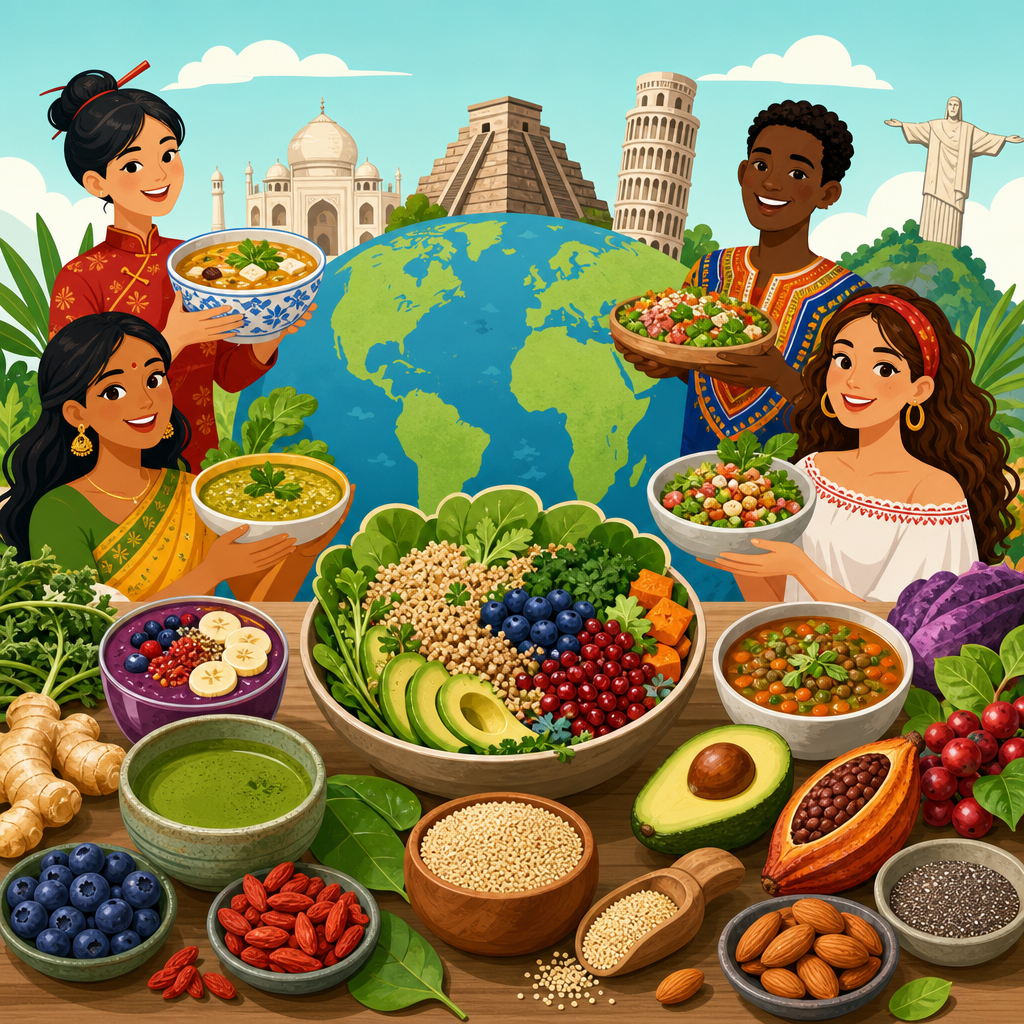
International superfoods and recipes expand a healthy diet by combining nutrient-dense ingredients, traditional cooking knowledge, and practical meal planning into everyday meals. In nutrition, a superfood is not a formal medical category but a popular term for foods that deliver high concentrations of beneficial nutrients, phytochemicals, fiber, or healthy fats relative to their calories. International recipes matter because many of the world’s most effective eating patterns were built long before modern wellness trends, using local grains, legumes, vegetables, fermented foods, herbs, and seafood to support energy, satiety, and long-term health. I have worked with meal plans that draw from Mediterranean, East Asian, Latin American, Middle Eastern, and African traditions, and the strongest results usually come from variety rather than restriction. People eat better when meals are flavorful, familiar enough to repeat, and structured around ingredients with a clear nutritional purpose. That is why international superfoods deserve a central place in recipes and meal planning. They make healthy eating more diverse, affordable, and sustainable while reducing dependence on ultra-processed staples.
This hub article explains what international superfoods are, how they fit into evidence-based nutrition, which ingredients deserve pantry space, and how recipes from different regions can support a balanced diet. It also shows how to choose, store, and cook these foods without turning healthy eating into a complicated project. The goal is not to crown one culture’s ingredients as superior. It is to understand how traditional food systems solve modern dietary problems such as low fiber intake, poor omega-3 consumption, excess sodium from packaged foods, and lack of plant diversity. When people ask which superfoods are actually worth buying, how to use them in real meals, or whether imported ingredients are necessary for a healthy diet, the best answer is practical: start with nutrient-rich foods that have a proven role in complete meals. From kimchi and kefir to lentils, sardines, seaweed, turmeric, quinoa, teff, extra-virgin olive oil, and dark leafy greens, the most useful superfoods are the ones you can integrate consistently into breakfast, lunch, dinner, and snacks.
What international superfoods really are and why they improve diet quality
International superfoods are nutrient-rich foods associated with culinary traditions from different parts of the world, but their value comes from composition, not marketing. Many provide fiber, unsaturated fats, protein, vitamins, minerals, antioxidants, or live cultures that are commonly underconsumed in Westernized diets. Examples include chia seeds from Central America for omega-3 fats and soluble fiber, miso from Japan for fermented soybean protein, lentils from South Asia and the Mediterranean for iron and folate, and kefir from the Caucasus region for probiotics and calcium. In practice, these foods improve diet quality when they replace less nutritious options. A bowl of steel-cut oats topped with berries, chia, and kefir offers a very different nutrient profile from a sugary pastry breakfast. A lentil and vegetable stew with olive oil is more filling and metabolically favorable than a refined noodle cup with processed meat.
The key advantage is dietary diversity. Research on gut health, micronutrient adequacy, and chronic disease risk consistently supports a pattern that includes many plant foods, legumes, whole grains, seafood, and fermented foods. International recipes naturally organize those foods into combinations people actually enjoy. Consider how a traditional Mediterranean chickpea salad pairs legumes with vegetables and olive oil, or how a Japanese meal might pair grilled fish, rice, seaweed, and pickled vegetables. These are not random healthy ingredients thrown together. They are systems of eating that balance flavor, texture, and nourishment. That balance matters because adherence always beats short-term perfection. A healthy diet succeeds when meals are repeatable, satisfying, and realistic on a budget.
Core superfoods from global cuisines worth adding to your pantry
The best pantry-building approach is to select ingredients that are versatile, shelf-stable, and tied to complete meals. Lentils, beans, oats, quinoa, brown rice, canned sardines, extra-virgin olive oil, tahini, seaweed, tomato paste, turmeric, ginger, garlic, fermented vegetables, yogurt, and frozen spinach all meet that standard. Lentils cook faster than most beans, making them ideal for soups, curries, salads, and grain bowls. Sardines provide protein, vitamin D, selenium, and omega-3 fatty acids, and because they are low on the marine food chain they tend to contain less mercury than larger predatory fish. Seaweed contributes iodine, though intake should be moderate because some varieties are very concentrated. Tahini adds calcium, copper, and richness to dressings and sauces. Kefir and yogurt support protein intake and can contribute live cultures, depending on the product.
Spices and condiments deserve equal attention because they make healthy foods easier to eat often. Turmeric, cumin, coriander, sumac, gochujang, harissa, miso, and soy sauce each carry culinary identity, but they also help transform basic staples into meals with distinct flavor. I have found that clients who keep two global flavor profiles ready, such as a Mediterranean lemon-tahini dressing and an East Asian ginger-miso sauce, repeat healthy lunches far more consistently than those relying on plain grilled chicken and rice. Frozen edamame, canned tomatoes, whole-grain flatbreads, and jars of roasted peppers are also useful because they lower preparation friction. If a superfood requires heroic effort every time, it usually will not become part of the diet.
| Ingredient | Region commonly associated | Key nutrients or benefit | Easy recipe use |
|---|---|---|---|
| Lentils | South Asia, Mediterranean | Fiber, folate, plant protein, iron | Dal, soups, salads, stews |
| Sardines | Mediterranean, Atlantic coasts | Omega-3s, protein, calcium, vitamin D | Toast, pasta, salads, rice bowls |
| Kefir | Caucasus, Eastern Europe | Protein, calcium, live cultures | Smoothies, breakfast bowls, dressings |
| Kimchi | Korea | Fermented vegetables, flavor, fiber | Rice bowls, eggs, fried rice, pancakes |
| Quinoa | Andean regions | Whole grain, fiber, magnesium, protein | Salads, pilafs, stuffed vegetables |
| Teff | Ethiopia and Eritrea | Iron, fiber, resistant starch | Porridge, injera-style uses, grain bowls |
Regional eating traditions that turn superfoods into complete meals
Mediterranean cooking remains one of the clearest models for healthy meal construction because it emphasizes legumes, vegetables, seafood, whole grains, nuts, fruit, and olive oil. A simple example is a white bean and tuna salad with parsley, red onion, lemon, and olive oil. It provides protein, fiber, unsaturated fat, and acidity that keeps the dish lively without heavy sauces. Another strong pattern comes from Japan, where meals often center on modest portions, seasonal produce, fish, soy foods, and fermented components. A meal of salmon, brown rice, miso soup, and cucumber salad illustrates how variety can exist within one plate. Korea offers another useful template: rice, vegetables, kimchi, tofu, and lean proteins create high-flavor meals with plenty of plant foods.
South Asian cuisines are especially valuable for anyone trying to increase legumes and spices without relying on meat. Dal made with red lentils, turmeric, cumin, ginger, and tomatoes is cost-effective, digestible, and easy to batch cook. Chana masala uses chickpeas and tomatoes to create a meal with substantial fiber and plant protein. Latin American food traditions also contribute deeply to healthy meal planning. Black beans, avocado, squash, corn, tomatoes, and fresh herbs can produce nutrient-dense dishes with broad appeal. In West African and Ethiopian traditions, peanuts, beans, leafy greens, okra, teff, and berbere-style spice blends create meals that are both filling and micronutrient rich. Traditional dishes often solve the practical problem modern diets fail to solve: making plants satisfying enough to anchor dinner.
How to build balanced international recipes for everyday meal planning
A balanced recipe does not need perfect macro tracking, but it should include a clear source of protein, a high-fiber carbohydrate or legume, produce, and a healthy fat. This framework works across cuisines. A Mediterranean grain bowl might include farro, roasted vegetables, chickpeas, feta, olives, and lemon-tahini dressing. A Korean-inspired bowl can use brown rice, tofu, sautéed greens, kimchi, sesame seeds, and a soft-boiled egg. A Mexican-style breakfast could pair black beans, eggs, salsa, avocado, and corn tortillas. Each combination stabilizes hunger better than meals dominated by refined starch alone. When planning a week of recipes, I usually recommend choosing two legumes, two whole grains, one fermented food, two sauces, and three vegetables that can cross over between cuisines. That creates enough flexibility for variety without wasted ingredients.
Meal planning gets easier when one base ingredient supports multiple dishes. Cooked lentils can become a curry on Monday, a salad with roasted vegetables on Wednesday, and soup on Friday. Quinoa can work in a breakfast porridge, a lunch tabbouleh-style salad, or stuffed peppers. Roasted sweet potatoes fit grain bowls, tacos, and frittatas. This is where international recipes become especially useful for a sub-pillar meal planning strategy: one ingredient can lead to several regionally distinct meals, preventing flavor fatigue. Keep portions realistic and condiments intentional. A tablespoon of olive oil, a spoon of pesto, or a small serving of nuts can improve satiety and nutrient absorption, especially for fat-soluble vitamins, but oversized additions can quietly change calorie balance. Structure matters, yet enjoyment matters just as much.
Smart shopping, storage, and substitutions for global ingredients
Healthy international cooking does not require a specialty store for every meal. Most supermarkets now carry canned beans, whole grains, yogurt, tofu, frozen edamame, curry paste, tahini, kimchi, and tinned fish. When shopping, read labels with the same discipline you would use for any staple. Choose yogurt or kefir with minimal added sugar, canned beans with lower sodium when possible, and oils stored in dark bottles. For fermented foods, refrigeration and live culture labeling matter if the goal includes probiotic exposure, although even pasteurized products can still add flavor and encourage vegetable intake. Storage is practical nutrition. Whole spices last longer when kept cool and dry, herbs keep better when washed and stored properly, and cooked grains should be chilled promptly and used within safe timelines.
Substitutions are essential because not every household has the same budget, access, or taste preferences. If quinoa is expensive, use bulgur, brown rice, or oats. If fresh fish is not practical, canned salmon, sardines, or mackerel are excellent alternatives. If kimchi is too strong for a family, start with sauerkraut or plain fermented pickles. If teff is hard to find, try millet or whole-grain polenta in similar meal roles. Nutritional value comes from pattern and consistency, not from chasing rare ingredients. One caution is portion distortion around calorie-dense “health foods.” Nuts, seeds, nut butters, coconut products, dried fruit, and oils can certainly fit a healthy diet, but they are not free foods. The strongest meal plans combine dense ingredients with vegetables, beans, and whole grains so the plate remains balanced, affordable, and satisfying.
Common myths, limitations, and the healthiest way to use this hub
The biggest myth about superfoods is that a single ingredient can offset a poor overall diet. It cannot. Blueberries do not cancel chronic excess sugar intake, and turmeric does not replace vegetables, sleep, or movement. Another myth is that imported ingredients are automatically healthier than local foods. In reality, local cabbage, oats, beans, apples, and greens can be just as powerful as trend-driven products. International superfoods are valuable because they broaden options and connect people to effective food traditions, not because they are exotic. There are also limitations. Fermented foods can be high in sodium, some seaweeds can deliver excess iodine, and certain products marketed as ancient or premium may be overpriced relative to similar staples. The right approach is informed use, not blind enthusiasm.
As a hub for international superfoods and recipes, this topic works best when you use it to organize future meal ideas by ingredient, region, and health goal. Build a shortlist of staple recipes you can rotate: lentil dal, Mediterranean bean salad, salmon rice bowls, vegetable miso soup, shakshuka, quinoa tabbouleh, black bean tacos, and teff porridge. From there, expand according to need, whether that means more high-protein breakfasts, budget dinners, or gut-friendly lunches. The main benefit is not novelty. It is a healthier diet that is easier to sustain because taste, nutrition, and meal planning support each other. Start with three international staples this week, cook one new recipe, and turn it into leftovers for another meal. That simple step is how a more varied and nutritious diet actually takes root.
Frequently Asked Questions
1. What are international superfoods, and how do they support a healthy diet?
International superfoods are nutrient-dense foods used in culinary traditions around the world that provide a strong mix of vitamins, minerals, fiber, antioxidants, plant compounds, or healthy fats relative to their calorie content. While the term “superfood” is popular rather than medical, it is still useful for describing foods that can make everyday meals more nutritious when they are part of an overall balanced eating pattern. Examples include chia seeds from Central and South America, fermented foods like kimchi from Korea, olive oil from the Mediterranean, lentils and turmeric from South Asia, seaweed from East Asia, and ancient grains such as quinoa.
What makes these foods especially valuable is not just their nutrient profile, but the way they are traditionally used. Many cultures developed meals around beans, vegetables, herbs, spices, whole grains, and minimally processed fats long before modern nutrition science gave names to fiber, polyphenols, omega-3s, or probiotics. That means international superfoods often come with time-tested recipe traditions that naturally support satiety, digestive health, heart health, blood sugar balance, and dietary variety. Rather than relying on any single “miracle” ingredient, a healthy diet benefits most from consistently combining these foods into practical meals such as grain bowls, soups, stews, curries, salads, and fermented side dishes.
2. Why are international recipes important when trying to eat healthier?
International recipes matter because they show how healthy eating works in real life, not just in theory. It is one thing to know that legumes, leafy greens, seeds, fermented foods, and whole grains are beneficial; it is another to know how to turn them into meals people actually enjoy and repeat. Traditional cuisines provide that bridge. Mediterranean dishes pair vegetables with olive oil and beans, Japanese meals often include sea vegetables and fermented foods, Indian cooking layers lentils with spices like turmeric and ginger, and Latin American traditions combine corn, beans, avocado, and fresh produce in satisfying ways.
These food patterns are powerful because they are built around balance, flavor, affordability, and sustainability. They often use modest portions of animal foods, emphasize plant-forward ingredients, and rely on herbs, spices, and cooking methods that enhance both taste and nutrient absorption. International recipes also help prevent “healthy eating fatigue.” When meals are varied and culturally inspired, it becomes easier to stick with a nutritious diet over time. In that sense, recipes are not just a way to cook superfoods; they are a practical strategy for making nutrient-rich eating enjoyable, accessible, and sustainable.
3. Do you need expensive or hard-to-find ingredients to include international superfoods in your meals?
No. One of the biggest misconceptions about superfoods is that they must be rare, trendy, or expensive. In reality, many of the most valuable international superfoods are highly affordable and widely available. Lentils, chickpeas, oats, cabbage, garlic, yogurt, canned fish, brown rice, sesame seeds, sweet potatoes, frozen berries, and beans all fit into nutrient-dense eating patterns and can be used in globally inspired recipes. Even when a recipe originally calls for a specialty ingredient, there is often a practical substitute that still preserves the nutritional value and spirit of the dish.
A smart approach is to build meals around a few core staples and then rotate international flavors. For example, black beans can be used in Latin-inspired bowls, chickpeas in Mediterranean salads, lentils in Indian dal, and tofu or edamame in East Asian-style stir-fries. Spices, sauces, and preparation methods often create the global character of a meal more than one specific ingredient. Shopping seasonally, buying dried legumes and grains in bulk, using frozen vegetables, and keeping a small pantry of versatile items like olive oil, cumin, turmeric, soy sauce, tahini, and vinegar can make international healthy cooking both affordable and realistic.
4. How can someone add international superfoods to everyday meal planning without making cooking too complicated?
The easiest way is to think in meal-building templates rather than trying to master complex recipes all at once. Start with a base such as brown rice, quinoa, barley, or farro; add a protein like lentils, beans, tofu, fish, or yogurt; include plenty of vegetables; then finish with a healthy fat or flavor booster such as olive oil, avocado, nuts, seeds, herbs, or fermented vegetables. This basic structure can be adapted to many cuisines. A Mediterranean bowl might include farro, chickpeas, cucumbers, tomatoes, parsley, and tahini. An Asian-inspired meal could use rice, edamame, sautéed greens, seaweed, and a miso-based dressing. A South Asian plate might feature lentil dal, cooked spinach, brown rice, and spiced yogurt.
Meal prep also makes international superfoods easier to use regularly. Cooking a batch of grains, beans, roasted vegetables, and sauces once or twice a week gives you mix-and-match components for quick lunches and dinners. You do not need to create an elaborate menu; instead, focus on adding one or two globally inspired meals each week and building from there. Small changes are effective, such as stirring chia into breakfast oats, adding kimchi or sauerkraut to grain bowls, using turmeric and ginger in soups, or swapping refined snacks for nuts and fruit. Over time, these habits create a more diverse, nutrient-rich diet without adding unnecessary stress to cooking.
5. Are international superfoods enough on their own to guarantee good health?
No single food or recipe can guarantee good health, even if it is labeled a superfood. Good nutrition depends on overall dietary pattern, consistency, portion awareness, food quality, and lifestyle factors such as sleep, movement, stress management, and hydration. International superfoods are best understood as useful tools within that bigger picture. They can improve the nutrient density of your meals, expose you to a wider range of beneficial plant compounds, and help diversify the gut microbiome through greater variety in fibers and fermented foods. However, they do not cancel out a diet built mostly on heavily processed foods, excess added sugar, or chronic overeating.
The healthiest approach is to use international superfoods to strengthen a balanced routine. That means eating a variety of fruits and vegetables, choosing mostly whole or minimally processed foods, including quality proteins, using healthy fats, and preparing meals in ways that are enjoyable enough to maintain long term. It is also important to consider individual needs. Someone with allergies, digestive conditions, medication interactions, or specific health goals may need to be selective about certain ingredients. In other words, international superfoods are not magic, but they can play a meaningful and evidence-aligned role in a healthy diet when they are part of a thoughtful, varied, and practical way of eating.