Quick & healthy breakfast ideas shape daily energy, appetite control, mood, and long-term health more than most people realize. Breakfast, simply defined, is the first meal that breaks the overnight fast and restores glucose availability after hours without food. A healthy breakfast usually combines protein, fiber-rich carbohydrates, and beneficial fats, while a quick breakfast is one that can be prepared, assembled, or reheated in minutes without sacrificing nutrient quality. When those two goals meet, breakfast becomes practical enough for busy mornings and nutritious enough to support real well-being.
In meal planning work, I have seen the same pattern repeatedly: people do not struggle because they lack nutrition knowledge; they struggle because mornings are rushed, decision-heavy, and vulnerable to convenience foods that are high in refined starch and low in staying power. That is why quick & healthy breakfast ideas matter. They reduce friction. Instead of relying on pastries, sugary cereals, or skipping breakfast entirely and overeating later, people can use repeatable options such as overnight oats, egg muffins, Greek yogurt bowls, fruit-and-nut smoothies, cottage cheese toast, chia pudding, and make-ahead breakfast burritos.
The impact reaches far beyond the breakfast table. A well-built morning meal supports blood sugar stability, helps preserve lean mass through adequate protein intake, improves concentration, and can make the rest of the day’s food choices easier. Research from organizations such as the American Heart Association and the Academy of Nutrition and Dietetics consistently points to the value of balanced eating patterns that prioritize whole grains, fruits, vegetables, dairy or fortified alternatives, nuts, seeds, and quality protein sources. Breakfast is one of the easiest places to apply those principles because the meal is usually simple, repetitive, and highly customizable.
As a hub within Recipes & Meal Planning, this guide covers the practical foundations of quick & healthy breakfast ideas: what makes a breakfast effective, how breakfast affects physical and mental well-being, which ingredients deliver the best return for time spent, and how to build routines that work for families, commuters, students, and remote workers. If you want one central resource that helps you connect breakfast recipes with meal prep, grocery planning, weight management, and sustainable healthy eating, this is that starting point.
What Makes a Breakfast Quick, Healthy, and Worth Repeating
A breakfast is quick when it fits real schedules. In practice, that means five minutes or less for assembly, around ten minutes for cooking, or near-zero effort because it was prepared ahead. A breakfast is healthy when it contains enough protein to promote satiety, enough fiber to support digestion and blood sugar control, and enough micronutrient density to contribute meaningfully to the day’s needs. Worth repeating means the meal is affordable, tastes good, travels well if needed, and uses ingredients people already buy.
The most reliable formula is straightforward: protein plus fiber plus produce plus an optional healthy fat. Protein can come from eggs, Greek yogurt, cottage cheese, tofu, milk, soy milk, protein-fortified yogurt, beans, or leftover chicken in a savory wrap. Fiber usually comes from oats, whole grain bread, berries, bananas, chia seeds, flaxseed, or vegetables. Produce adds vitamins, minerals, hydration, and volume. Healthy fats from nuts, seeds, avocado, or nut butter improve satisfaction and help some people avoid midmorning cravings.
Many common breakfasts fail because they are built almost entirely on fast-digesting carbohydrates. A large muffin and coffee may feel convenient, but it often provides limited protein and fiber, leading to a quick rise and fall in energy. By contrast, two scrambled eggs with whole grain toast and fruit, or plain Greek yogurt with berries, oats, and walnuts, creates a slower, steadier release of energy. The difference is not trendy nutrition language; it is meal composition.
Portioning matters too. A healthy breakfast does not need to be large, but it should be intentional. For someone with a small morning appetite, a smoothie with milk, frozen berries, oats, and peanut butter may be enough. For an active adult heading into a long shift, oatmeal with chia, fruit, and a side of eggs may be more appropriate. The best quick & healthy breakfast ideas flex with energy needs rather than forcing one model on everyone.
How Breakfast Affects Energy, Metabolism, and Appetite Through the Day
Breakfast influences well-being by affecting immediate energy availability and later eating behavior. Overnight, liver glycogen declines as the body maintains blood glucose. Eating in the morning replenishes fuel and can improve alertness, especially when the meal includes slowly digested carbohydrates and protein. While metabolism is governed by total intake, activity, body composition, sleep, and many other variables, breakfast quality can still shape how steady or erratic a person feels in the first half of the day.
One of the clearest practical benefits is appetite management. In client meal logs, rushed mornings with no breakfast often lead to intense hunger by 10 or 11 a.m., followed by vending-machine choices or oversized lunches. A balanced breakfast reduces the urgency of that hunger. Protein is especially important here. Studies repeatedly show that higher-protein breakfasts can improve satiety and lower later snacking compared with lower-protein alternatives. This does not mean everyone must eat a massive savory meal; it means building beyond toast alone.
Blood sugar response also matters. People with insulin resistance, prediabetes, or type 2 diabetes often do better with breakfasts centered on protein, fiber, and modest portions of high-quality carbohydrates. For example, steel-cut oats with cinnamon, walnuts, and berries generally support steadier glucose than sweetened cereal with juice. Pairing carbohydrates with protein and fat slows gastric emptying and moderates the post-meal rise in blood sugar. That can translate into better energy, fewer crashes, and more consistent mood.
There is a behavioral effect as well. Starting the day with a deliberate meal creates momentum. People who prep breakfast often prep lunch, drink more water, and rely less on impulsive takeout. In other words, quick & healthy breakfast ideas do not just feed the morning; they anchor the entire day’s routine.
Nutritional Building Blocks of the Best Quick Breakfasts
The strongest breakfast ideas share a few measurable traits: about 15 to 30 grams of protein, several grams of fiber, limited added sugar, and ingredients that contribute potassium, calcium, iron, B vitamins, or omega-3 fats. Those numbers vary by person, but they are a useful planning benchmark. If breakfast contains only refined grains and sweetness, it usually underdelivers on satiety and nutrient density.
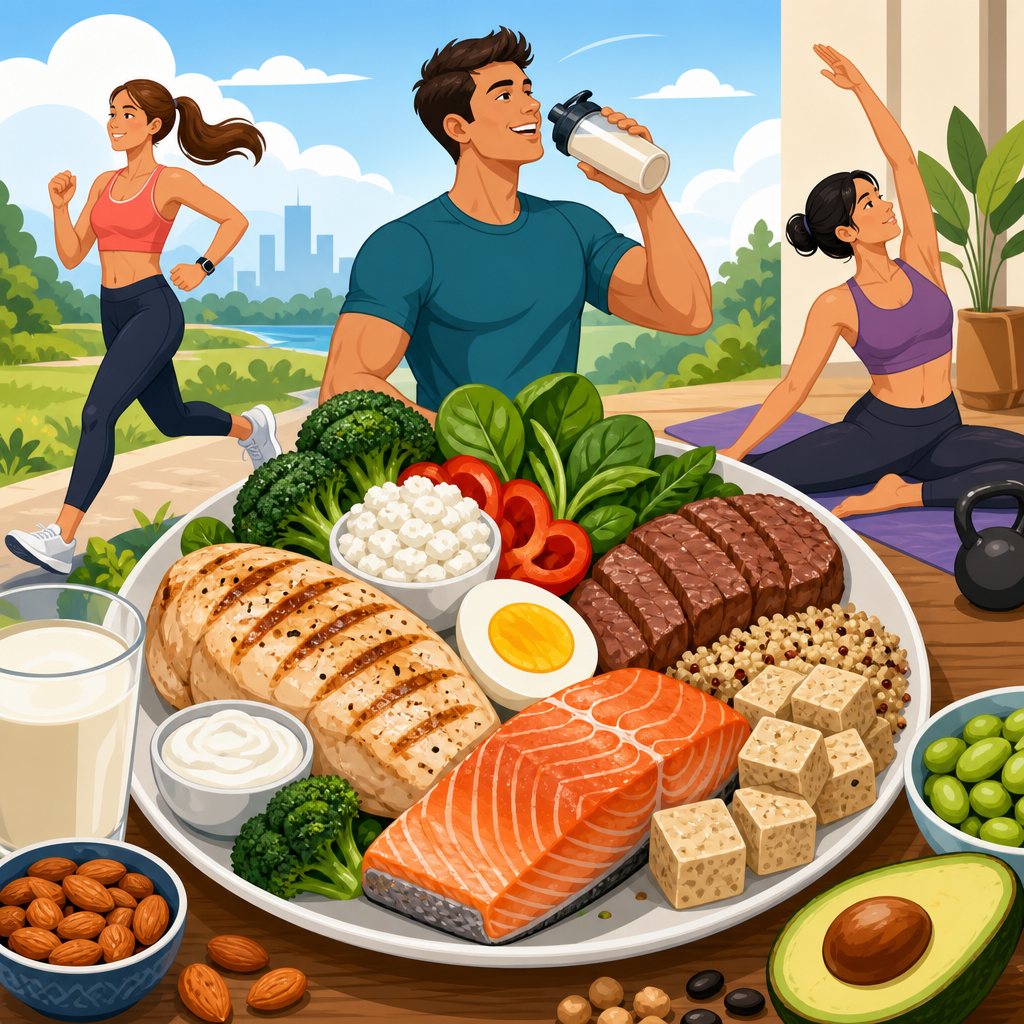
Protein deserves special attention because it is the most common gap in typical convenience breakfasts. Greek yogurt can provide around 15 to 20 grams per serving, eggs about 6 grams each, cottage cheese roughly 12 to 14 grams per half cup, and tofu meaningful amounts depending on portion. Oats are valuable, but oats alone are not a high-protein meal. Pairing them with milk, soy milk, chia, hemp seeds, or yogurt creates a more balanced bowl.
Fiber is another cornerstone. Most adults do not meet recommended fiber intake, and breakfast is an easy place to improve it. Oats, bran cereal, whole grain toast, berries, pears, apples, flaxseed, chia seeds, and vegetables all help. Fiber supports digestive health, may improve cholesterol management, and increases fullness. A breakfast with 5 to 10 grams of fiber often feels substantially more satisfying than one with almost none.
Micronutrients turn a merely filling breakfast into a health-supportive one. Dairy foods and fortified alternatives provide calcium and often vitamin D. Fruit contributes vitamin C and potassium. Nuts and seeds add magnesium and vitamin E. Leafy greens folded into eggs provide folate and carotenoids. These details matter over time because daily patterns, not single meals, determine nutritional adequacy.
| Breakfast option | Why it works | Typical prep time |
|---|---|---|
| Overnight oats with Greek yogurt, berries, and chia | Protein, fiber, and omega-3 fats in one portable jar | 5 minutes the night before |
| Egg muffins with spinach and cheese | High-protein, reheatable, easy for batch cooking | 10 minutes to reheat |
| Smoothie with milk, banana, peanut butter, and oats | Fast, drinkable, good for low morning appetite | 5 minutes |
| Whole grain toast with cottage cheese and fruit | Balanced, inexpensive, strong calcium and protein content | 5 minutes |
| Breakfast burrito with eggs, beans, and salsa | Fiber plus protein, freezer-friendly, highly filling | 8 minutes to reheat |
Quick and Healthy Breakfast Ideas for Different Lifestyles
The best breakfast is the one people can actually repeat. For commuters, portability is the first priority. Overnight oats, yogurt cups assembled at home, freezer breakfast sandwiches, and baked oatmeal squares travel well and can be eaten at a desk or on arrival. For parents, batch-prepped items are indispensable. Egg muffins, sheet-pan pancakes made with oats, whole grain waffles frozen in advance, and fruit pre-portioned into containers save weekday mornings.
Students often need low-cost options with minimal equipment. Peanut butter banana toast, microwave oats with milk and cinnamon, high-protein cereal with fruit, and bean-and-egg tortillas are practical choices. For remote workers, the challenge is usually not time but structure. A simple breakfast routine prevents grazing. I often recommend a rotation of three default meals, such as yogurt bowls on Mondays and Wednesdays, veggie eggs on Tuesdays and Thursdays, and smoothies on Fridays.
For people focused on fitness, breakfast can support training and recovery. Before exercise, easier-to-digest carbohydrates like toast, fruit, or a banana smoothie may work best. After exercise, adding protein becomes more important: eggs, yogurt, milk, soy milk, or a protein-rich wrap. For older adults, convenience and protein density are especially valuable because appetite may be lower while protein needs remain important for muscle maintenance. Soft, easy options like oatmeal enriched with milk and nut butter, scrambled eggs, or yogurt parfaits are effective.
Plant-based eaters have strong breakfast choices too. Tofu scramble with vegetables, soy yogurt with granola and berries, chia pudding, fortified plant milk smoothies, and hummus with whole grain toast all fit the quick & healthy breakfast ideas framework. The key is to watch protein quality and total intake instead of defaulting to fruit alone.
Meal Planning Strategies That Turn Good Intentions Into Daily Habits
Breakfast success usually comes from systems, not motivation. Start with a short ingredient list that supports multiple meals: oats, eggs, Greek yogurt, whole grain bread, frozen berries, bananas, spinach, nut butter, milk or fortified soy milk, chia seeds, and tortillas. With those basics, you can build several combinations without extra shopping. This is why breakfast belongs in every realistic meal planning routine.
Batch preparation is the highest-return strategy. Spend 30 to 45 minutes once or twice a week making overnight oats, chopping fruit, baking egg cups, portioning smoothie packs, or freezing breakfast burritos. The goal is not to create gourmet meals; it is to remove morning friction. I have found that if a healthy breakfast takes longer than a drive-through stop, most busy people will abandon it within days.
Use a repeatable template. Pick one cooked option, one cold option, and one portable option each week. For example: spinach egg muffins, berry yogurt jars, and freezer burritos. That structure reduces decision fatigue and limits food waste. Keep backups for chaotic mornings, such as shelf-stable oatmeal cups, nuts, and fruit. Also think about internal connections within your broader meal plan: leftover roasted vegetables can go into omelets, extra cooked quinoa can become breakfast bowls, and fruit bought for snacks can top oats or yogurt.
Finally, evaluate breakfast by outcomes, not trends. If a meal keeps you full, supports energy, fits your budget, and gets repeated, it is working. Quick & healthy breakfast ideas are valuable because they are sustainable, and sustainability is what improves overall well-being over months and years.
Quick & healthy breakfast ideas matter because they solve a real daily problem with measurable health benefits. A balanced breakfast can improve morning energy, support steadier blood sugar, reduce overeating later, and raise the nutrient quality of the entire day. The most effective options are not complicated. They are built from accessible ingredients, prepared with realistic time limits, and repeated often enough to become habit.
If you remember one principle, make it this: combine protein, fiber-rich carbohydrates, and produce in a format that fits your lifestyle. That could mean overnight oats with yogurt, eggs with toast and fruit, a smoothie with milk and nut butter, or a freezer burrito with beans and salsa. Each delivers a different texture and routine, but all support the same outcome: better well-being through a stronger start to the day.
As the hub for this subtopic within Recipes & Meal Planning, this guide is your foundation for exploring specific breakfast recipes, meal prep methods, high-protein options, family-friendly ideas, budget breakfasts, and make-ahead strategies. Build a short breakfast rotation, shop for it consistently, and test what keeps you satisfied and focused. Start with three reliable meals this week, and let your morning routine begin working for your health instead of against it.
Frequently Asked Questions
1. Why does a quick and healthy breakfast matter so much for overall well-being?
A quick and healthy breakfast matters because it helps your body and brain recover from the overnight fast in a way that supports steady energy, better focus, and more balanced hunger throughout the day. After several hours without food, your glucose levels need to be replenished, especially for the brain, which depends heavily on a stable fuel supply. When breakfast includes a smart mix of protein, fiber-rich carbohydrates, and healthy fats, it slows digestion enough to provide lasting energy instead of a short spike followed by a crash. That can translate into better concentration, improved mood, and fewer mid-morning cravings.
Beyond immediate energy, breakfast quality can influence broader health patterns. People who choose nourishing breakfasts are often more likely to meet their daily nutrient needs, including fiber, vitamins, minerals, and protein. A balanced morning meal can also make appetite control easier by reducing the urge to overeat later in the day. Over time, that supports healthy weight management, steadier blood sugar, and better metabolic health. The “quick” part matters too, because a breakfast habit only helps if it fits real life. When healthy options are convenient, they become sustainable, and sustainability is what turns a good choice into a meaningful well-being benefit.
2. What should a healthy breakfast include to support energy, mood, and appetite control?
A healthy breakfast should ideally contain three core components: protein, fiber-rich carbohydrates, and beneficial fats. Protein helps with fullness, muscle maintenance, and stable energy. Good breakfast protein sources include eggs, Greek yogurt, cottage cheese, milk, soy products, protein smoothies, nut butters, and leftover lean meats. Fiber-rich carbohydrates, such as oats, whole grain toast, fruit, chia seeds, berries, or high-fiber cereals, help restore energy while slowing absorption enough to avoid rapid blood sugar swings. Beneficial fats from nuts, seeds, avocado, or nut butter add staying power and help make the meal more satisfying.
This combination supports both physical and mental well-being. For example, a breakfast of oatmeal with Greek yogurt, berries, and walnuts can help provide steady fuel for work or school while keeping hunger under control until lunch. A slice of whole grain toast with avocado and eggs offers a similar balance. Even a smoothie can work well if it includes a protein source, fruit, and a fat or fiber addition like flaxseed or nut butter. What matters most is balance. A breakfast made up mostly of refined carbohydrates, such as pastries or sugary cereals, may provide a quick burst of energy but often leads to a sharper drop in blood sugar and a faster return of hunger, which can affect productivity, mood, and food choices later in the day.
3. Can a healthy breakfast really improve mood and mental performance?
Yes, a healthy breakfast can have a real impact on mood and mental performance, especially when it helps stabilize blood sugar and prevents the energy dips that often come with skipping meals or choosing overly sugary foods. Your brain requires a steady supply of energy to support focus, memory, decision-making, and emotional regulation. When breakfast provides that energy gradually, it can help you feel more alert, patient, and mentally prepared for the demands of the day. In contrast, going too long without eating or relying on a breakfast that causes a rapid rise and fall in blood sugar can leave you feeling irritable, distracted, sluggish, or mentally foggy.
There is also a behavioral side to this. Starting the day with a balanced meal often creates a sense of routine and control, which can support lower stress and more consistent self-care habits. Small improvements in morning nutrition can lead to noticeable benefits in productivity, attention, and emotional steadiness, particularly for people with demanding schedules, students, or anyone prone to afternoon energy crashes. While breakfast is not a cure-all for stress or mood issues, it can be an important foundation. Think of it as one of the simplest daily habits that helps put your body and brain in a better position to perform well and feel well.
4. What are some truly quick breakfast ideas that are still healthy?
A quick breakfast does not have to mean nutritionally weak. Some of the best healthy options take only a few minutes to assemble, prepare, or reheat. Examples include overnight oats made the night before, Greek yogurt topped with fruit and seeds, a smoothie with protein and fiber, whole grain toast with peanut butter and banana, cottage cheese with berries, or egg muffins prepared in batches and reheated in the morning. Even simple combinations, such as a boiled egg with fruit and whole grain crackers, can be effective when they include protein, fiber, and healthy fat.
For very busy mornings, planning ahead is often the key. Batch-prepping breakfast burritos, baked oatmeal squares, chia pudding, or hard-boiled eggs can make healthy choices just as convenient as packaged grab-and-go foods. If you prefer store-bought options, look for ones with lower added sugar and meaningful amounts of protein and fiber. The goal is not perfection; it is practicality with nutritional value. A breakfast that is easy enough to repeat on hectic days is more beneficial than an elaborate idea you never have time to make. When healthy breakfast options are accessible, consistency becomes much easier, and that consistency is what supports long-term well-being.
5. Is skipping breakfast harmful, or does it depend on the person?
It does depend on the person, but for many people, regularly skipping breakfast can make it harder to maintain steady energy, mood, and appetite control. Some individuals feel fine eating later in the day, especially if their overall diet is balanced and their eating pattern suits their lifestyle and health needs. However, many others notice that skipping breakfast leads to low energy, poor concentration, stronger cravings, irritability, or overeating later on. In those cases, breakfast is serving an important role in regulating both physical and mental well-being.
The more useful question is often not “Should everyone eat breakfast?” but “How does breakfast affect your daily functioning?” If eating in the morning helps you feel energized, focused, and less likely to reach for ultra-processed snacks later, then it is clearly beneficial. If large meals early in the day do not appeal to you, a smaller option such as yogurt, a smoothie, or toast with nut butter may still provide meaningful benefits. What matters most is choosing a pattern that supports stable energy, nutrient intake, and sustainable habits. For many people, quick and healthy breakfast ideas make that easier by removing the usual barriers of time, effort, and convenience while still giving the body the nourishment it needs to start the day well.