Quick & healthy breakfast ideas play a central role in a healthy diet because the first meal of the day can shape appetite, energy, blood sugar, and food choices for the next several hours. Breakfast, in practical nutrition terms, is simply the first substantial eating occasion after an overnight fast. A healthy breakfast is one that provides a useful mix of macronutrients, especially protein, fiber-rich carbohydrates, and unsaturated fats, while fitting real schedules, budgets, and cooking skills. Quick breakfast ideas matter because most people do not skip breakfast for philosophical reasons; they skip it because mornings are compressed by work, school runs, commuting, training, or fatigue. In meal planning projects I have worked on, the most successful breakfast routines were rarely elaborate. They were repeatable, easy to prep, built from familiar foods, and flexible enough to survive busy weekdays.
Research consistently shows that breakfast quality matters more than breakfast mythology. Eating a sugary pastry and sweet coffee is not nutritionally equivalent to eating Greek yogurt with berries and seeds, or eggs with whole-grain toast and fruit. Better breakfasts can support satiety, help many people meet daily protein and fiber targets, and reduce the midmorning crash that often pushes snack choices toward ultra-processed foods. For children and adolescents, breakfast is also associated with improved concentration and classroom performance. For adults managing weight, blood glucose, or cholesterol, breakfast can be a strategic meal for adding oats, fruit, nuts, fermented dairy, or legumes. As the hub page for quick & healthy breakfast ideas, this article explains what makes a breakfast healthy, how to build one fast, which foods work best, and how to plan options for different lifestyles.
What Makes a Quick and Healthy Breakfast
A quick and healthy breakfast has four traits: nutrient density, speed, satiety, and consistency. Nutrient density means the meal delivers vitamins, minerals, protein, fiber, and beneficial fats without relying heavily on added sugar or refined starch. Speed means it can be assembled, cooked, or reheated in about five to fifteen minutes. Satiety matters because a breakfast that digests too quickly often leads to hunger, irritability, or overeating later. Consistency is the overlooked factor. The best breakfast is one you can repeat four or five times a week without decision fatigue.
The easiest way to judge breakfast quality is to use a simple formula: include a protein source, a high-fiber carbohydrate, and produce, then add healthy fat if needed for staying power. Protein options include eggs, Greek yogurt, cottage cheese, milk, soy milk, tofu, beans, or protein-rich leftovers. High-fiber carbohydrates include oats, whole-grain bread, high-fiber cereal, fruit, or sweet potato. Produce can be berries, bananas, apples, spinach, tomatoes, or any vegetables folded into eggs or wraps. Healthy fats include nuts, seeds, avocado, or nut butter. This framework works because it slows digestion and creates a steadier release of energy than a breakfast based mostly on refined flour and sugar.
Why Breakfast Quality Influences the Rest of the Day
The role of quick & healthy breakfast ideas in a healthy diet becomes clear when you look at what happens after breakfast. Meals with enough protein and fiber improve satiety by affecting gastric emptying and appetite-regulating hormones. Oats, berries, chia seeds, eggs, and yogurt are common breakfast foods because they are efficient ways to build fullness without excessive calories. In practical meal planning, that means fewer emergency vending-machine purchases at 10:30 a.m. and better portion control at lunch.
Breakfast can also improve dietary adequacy. Many people struggle to meet recommended intakes for calcium, potassium, fiber, and whole grains. Breakfast is an efficient place to add milk or fortified soy beverages, yogurt, fruit, oats, nuts, and seeds. This matters for healthy diet patterns such as the Mediterranean diet and DASH-style eating, which emphasize whole grains, produce, legumes, nuts, and low-fat or fermented dairy. When clients start the day with overnight oats, a fruit-and-yogurt bowl, or egg muffins with vegetables, they usually find it easier to hit daily nutrient goals than when breakfast is skipped entirely and replaced with oversized afternoon snacks.
Core Components of Fast Breakfast Planning
Quick breakfasts do not happen by accident. They are the result of smart kitchen setup, ingredient overlap, and a small rotation of dependable meals. The most effective breakfast systems I have seen use staple ingredients that serve multiple purposes across the week: oats for overnight oats and smoothies, eggs for scrambles and muffins, berries for yogurt bowls and oatmeal, whole-grain wraps for breakfast burritos and lunch, and nuts or seeds for topping almost anything. This overlap reduces waste and lowers cost.
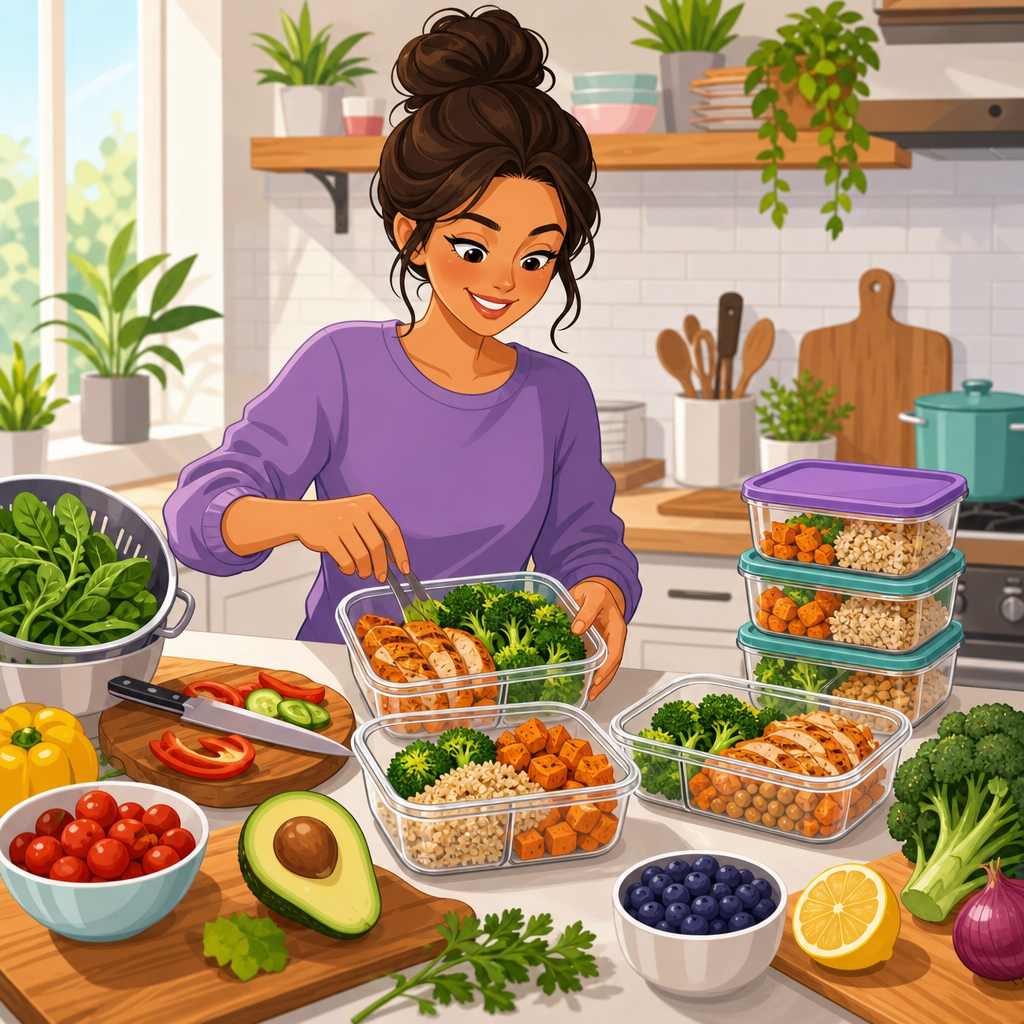
Planning also depends on choosing the right format. Some breakfasts are assembly-based, like yogurt parfaits or toast with nut butter and fruit. Some are batch-prepped, like egg muffins, chia pudding, or baked oatmeal. Some are freezer-friendly, like breakfast burritos or whole-grain waffles. If your mornings are unpredictable, batch-prepped and portable options usually outperform cook-to-order meals. If you enjoy a short morning routine, a five-minute scramble or smoothie may be enough. Matching the breakfast format to the schedule is what turns good intentions into a sustainable habit.
| Breakfast idea | Prep time | Main nutrition strengths | Best for |
|---|---|---|---|
| Overnight oats with chia and berries | 5 minutes night before | Fiber, whole grains, omega-3 fats, fruit | Grab-and-go mornings |
| Greek yogurt bowl with nuts and banana | 3 minutes | High protein, calcium, potassium | No-cook breakfast |
| Egg and spinach wrap | 10 minutes | Protein, iron, vegetables, whole grains | Hearty weekday meal |
| Smoothie with milk, oats, berries, and peanut butter | 5 minutes | Protein, fiber, healthy fats | Busy commuters |
| Cottage cheese toast with tomatoes | 5 minutes | Protein, calcium, lycopene, whole grains | Savory breakfast fans |
| Freezer breakfast burrito | Batch prep, 2-minute reheat | Protein, fiber, vegetables | Families and shift workers |
Best Quick and Healthy Breakfast Ideas to Keep on Rotation
Several breakfast ideas consistently deliver strong nutrition with minimal effort. Overnight oats remain one of the best because they combine oats, milk or yogurt, fruit, and seeds in a jar that is ready by morning. Oats contain beta-glucan, a soluble fiber associated with improved cholesterol management and better satiety. Chia or ground flax adds additional fiber and alpha-linolenic acid, while berries contribute polyphenols and vitamin C. If you need more protein, stir in Greek yogurt or a scoop of protein powder tested by a reputable third-party certification program.
Egg-based breakfasts are valuable because eggs offer complete protein, choline, selenium, and versatile cooking options. A fast scramble with spinach and tomatoes, a microwave mug omelet, or pre-baked egg muffins can all fit into a healthy diet. Pair eggs with whole-grain toast or a piece of fruit to add fiber. Yogurt bowls are another staple, especially plain Greek yogurt or skyr, which provide concentrated protein and calcium. Topping with fruit, nuts, and a high-fiber cereal creates texture and staying power. For plant-forward eaters, tofu scrambles, soy yogurt bowls, peanut butter toast with banana, and black bean breakfast tacos can be just as effective when planned well.
Breakfast for Weight Management, Blood Sugar, and Heart Health
Quick & healthy breakfast ideas can support specific health goals when ingredients are chosen deliberately. For weight management, the strongest breakfasts tend to be high in protein and fiber because those nutrients improve fullness relative to calories. A breakfast with 20 to 30 grams of protein is often a practical target for adults, especially if total daily protein intake is otherwise low. Examples include Greek yogurt with seeds, a cottage cheese bowl with fruit, or two eggs plus egg whites in a vegetable wrap. These meals generally outperform low-protein breakfasts like toast with jam or sweet cereal when the goal is hunger control.
For blood sugar support, favor minimally processed carbohydrates paired with protein and fat. Steel-cut or rolled oats, whole-grain toast, unsweetened yogurt, eggs, nuts, berries, and apples usually work better than sugary granola bars, sweetened coffee drinks, or refined bakery items. Portion size and total carbohydrate load still matter, but pairing foods intelligently is a major step. For heart health, breakfasts built around oats, nuts, seeds, fruit, and lower-sodium proteins align well with established dietary guidance. Swapping sausage and oversized pastries for oatmeal with walnuts and berries, or avocado toast with cottage cheese and tomato, is a meaningful upgrade rather than a cosmetic one.
Adapting Breakfast to Different Diets and Life Stages
No single breakfast suits everyone. Children often need familiar textures, quick finger foods, and enough energy for active mornings, so options like yogurt parfaits, whole-grain waffles with nut butter, or egg-and-cheese mini sandwiches can work well. Teenagers frequently need portable breakfasts that survive buses, sports practice, and early classes. Adults in office settings may prefer desk-friendly options such as overnight oats, high-protein smoothies, or hard-boiled eggs with fruit and crackers. Older adults may benefit from softer textures and protein-forward breakfasts that help preserve muscle mass, such as oatmeal made with milk, yogurt bowls, or scrambled eggs with toast.
Special dietary patterns require adjustment, not surrender. Vegetarians can rely on eggs, dairy, soy foods, nuts, seeds, and legumes. Vegan breakfasts can be built with tofu scramble, soy yogurt, chia pudding, nut butter, oats, and fruit. Gluten-free eaters can use certified gluten-free oats, corn tortillas, quinoa breakfast bowls, or gluten-free whole-grain breads. Athletes often need larger breakfasts with more carbohydrates around training, such as oatmeal plus banana and eggs, or a smoothie with oats, milk, fruit, and peanut butter. The principle stays the same: build around protein, fiber, and practical preparation.
Common Breakfast Mistakes and How to Fix Them
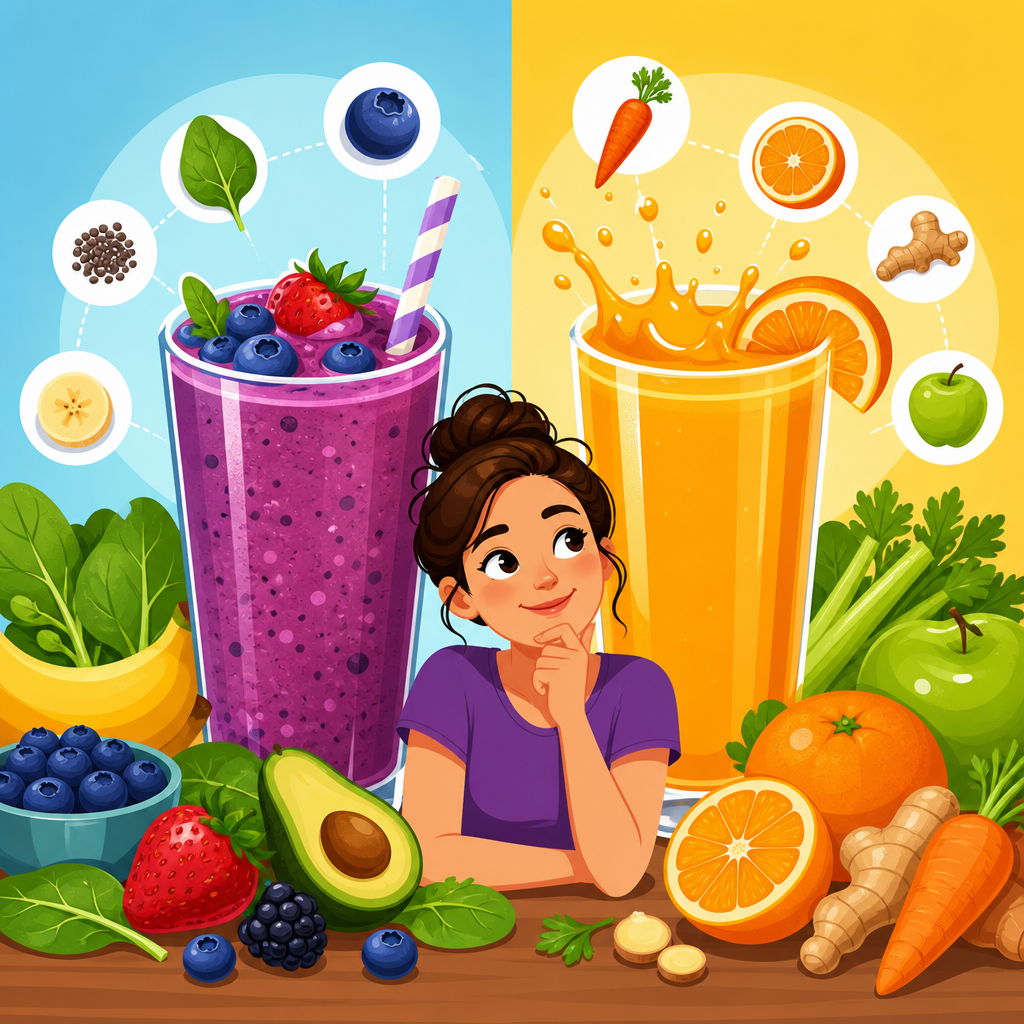
The biggest breakfast mistake is assuming convenience and nutrition are opposites. Many packaged breakfast foods are fast but not especially filling, largely because they are low in protein and fiber and high in added sugar. Sweet pastries, toaster pastries, sugary cereals, and oversized coffee drinks can digest quickly and set up an energy dip before lunch. Another common mistake is underestimating liquids marketed as healthy. Smoothies and juices can be useful, but if they contain mostly fruit juice and sweetened yogurt, they may deliver plenty of sugar with limited satiety.
The fix is straightforward. Read labels, especially for protein, fiber, sodium, and added sugars. Build breakfast around recognizable whole foods first, then use packaged items strategically. Choose cereals with meaningful fiber, breads with whole grains listed first, and yogurts without excessive added sugar. Prep one or two breakfast bases on Sunday, such as washed berries, portioned nuts, and boiled eggs, so weekday decisions become easier. If you usually skip breakfast, start small with something balanced rather than forcing a large meal. A banana with peanut butter, or yogurt with fruit, is better than an all-or-nothing approach.
Quick & healthy breakfast ideas are not a luxury category for people with perfect routines; they are a practical tool for building a healthier diet under real-world conditions. The most effective breakfasts are simple, repeatable, and nutritionally balanced. They combine protein, fiber-rich carbohydrates, produce, and healthy fats in forms that match the pace of ordinary mornings. Whether the choice is overnight oats, a yogurt bowl, an egg wrap, a smoothie, or a freezer breakfast burrito, the goal is the same: create steady energy, improve satiety, and make it easier to meet daily nutrient needs.
As the hub for this topic, the main takeaway is clear. Breakfast quality influences the rest of the day, and small upgrades produce meaningful results. If you prepare even two dependable options in advance, you reduce decision fatigue, lower the odds of relying on ultra-processed convenience foods, and support goals related to weight, blood sugar, heart health, and overall diet quality. Start with one formula that fits your schedule this week, stock the core ingredients, and turn quick & healthy breakfast ideas into a routine you can actually keep.
Frequently Asked Questions
Why are quick and healthy breakfast ideas so important in a healthy diet?
Quick and healthy breakfast ideas matter because the first substantial meal after an overnight fast can influence how you feel and eat for the rest of the morning and often well into the afternoon. A balanced breakfast can help restore energy, improve concentration, and reduce the urge to grab convenient but less nourishing foods later. In practical terms, breakfast helps set the tone for appetite control, blood sugar stability, and food decisions across the day.
What makes breakfast especially valuable is not just the timing, but the composition. Meals that include protein, fiber-rich carbohydrates, and healthy unsaturated fats tend to be more satisfying than options built mostly around refined starches or added sugar. For example, eggs with whole-grain toast and fruit, Greek yogurt with oats and berries, or peanut butter on whole-grain bread with a banana can provide steadier energy than a pastry or sugary cereal alone. When breakfast is quick, realistic, and balanced, it becomes easier to maintain healthy eating habits consistently rather than relying on ideal plans that do not fit everyday life.
What makes a breakfast both healthy and quick?
A breakfast is both healthy and quick when it delivers meaningful nutrition without requiring a lot of time, equipment, or preparation. The most useful formula is simple: include a source of protein, a source of fiber-rich carbohydrate, and, when possible, a source of healthy fat. This combination supports fullness, helps slow digestion, and can create more stable energy than a meal made mostly of refined carbohydrates. Just as important, a quick breakfast should be easy enough to repeat on busy mornings, because consistency matters more than perfection.
Healthy and quick does not have to mean complicated recipes or trendy ingredients. It can look like overnight oats made in advance, cottage cheese with fruit and seeds, a smoothie with yogurt and oats, avocado on whole-grain toast with eggs, or even leftovers from dinner if they are nourishing and practical. The key is choosing foods that fit your schedule, budget, and cooking skills. A breakfast that takes five minutes and includes real nutritional value is often more beneficial than an elaborate meal you only manage once in a while.
Can a quick breakfast really help with energy, appetite, and blood sugar?
Yes, a well-structured quick breakfast can support energy levels, appetite regulation, and blood sugar management. After fasting overnight, the body benefits from a meal that replenishes fuel in a gradual and balanced way. A breakfast centered on protein and fiber-rich carbohydrates tends to digest more steadily than one high in refined sugars. That steadier digestion can help reduce sharp rises and drops in blood sugar, which are often associated with energy crashes, irritability, and increased hunger soon after eating.
For appetite, breakfast quality is often more important than simply eating something. A meal such as plain Greek yogurt with berries and nuts, oatmeal topped with chia seeds and peanut butter, or a vegetable omelet with whole-grain toast can keep you satisfied longer than a sweet muffin or sugary coffee drink. While individual responses vary, many people find that a balanced breakfast makes it easier to avoid excessive snacking and overeating later in the day. Quick options work well as long as they are built with the same nutritional principles as slower, home-cooked meals.
What are some realistic quick and healthy breakfast ideas for busy mornings?
Realistic breakfast ideas are the ones people can actually make and eat on a regular basis. Good options include overnight oats with milk or yogurt, fruit, and seeds; whole-grain toast with nut butter and sliced banana; hard-boiled eggs with fruit and a slice of whole-grain bread; Greek yogurt with oats, berries, and walnuts; or a smoothie made with milk, yogurt, spinach, fruit, and nut butter. These meals are fast, balanced, and flexible enough to match different tastes and budgets.
For people who need portable choices, breakfast can be prepared ahead. Egg muffins, chia pudding, homemade breakfast wraps, or small containers with cottage cheese and fruit are all practical solutions. Even simple combinations can work well, such as cheese with whole-grain crackers and an apple, or hummus with toast and tomatoes. The best breakfast idea is one that you can repeat with minimal stress. If a meal is nutritious but unrealistic for your mornings, it is not truly practical. Healthy eating works best when meals are easy to access, enjoyable to eat, and sustainable over time.
Do you have to eat breakfast early in the morning to benefit from it?
No, breakfast does not have to happen at a specific early hour to be beneficial. In nutrition terms, breakfast is simply the first substantial eating occasion after an overnight fast. For some people, that may be shortly after waking, while for others it may be later in the morning depending on work schedules, appetite, exercise routines, or cultural eating patterns. The main issue is less about the exact clock time and more about whether the meal supports your overall energy needs and dietary quality.
If you are not hungry immediately after waking, forcing down a large meal is not always necessary. A lighter option such as yogurt, fruit, or a smoothie may work better, followed by a more substantial meal later. On the other hand, if delaying breakfast leaves you overly hungry and more likely to make impulsive food choices, eating sooner may help. The most effective approach is individualized: choose a timing and meal structure that help you feel well, stay satisfied, and maintain balanced food choices through the day. Quick and healthy breakfast ideas are valuable precisely because they make it easier to meet those goals, no matter what your morning routine looks like.