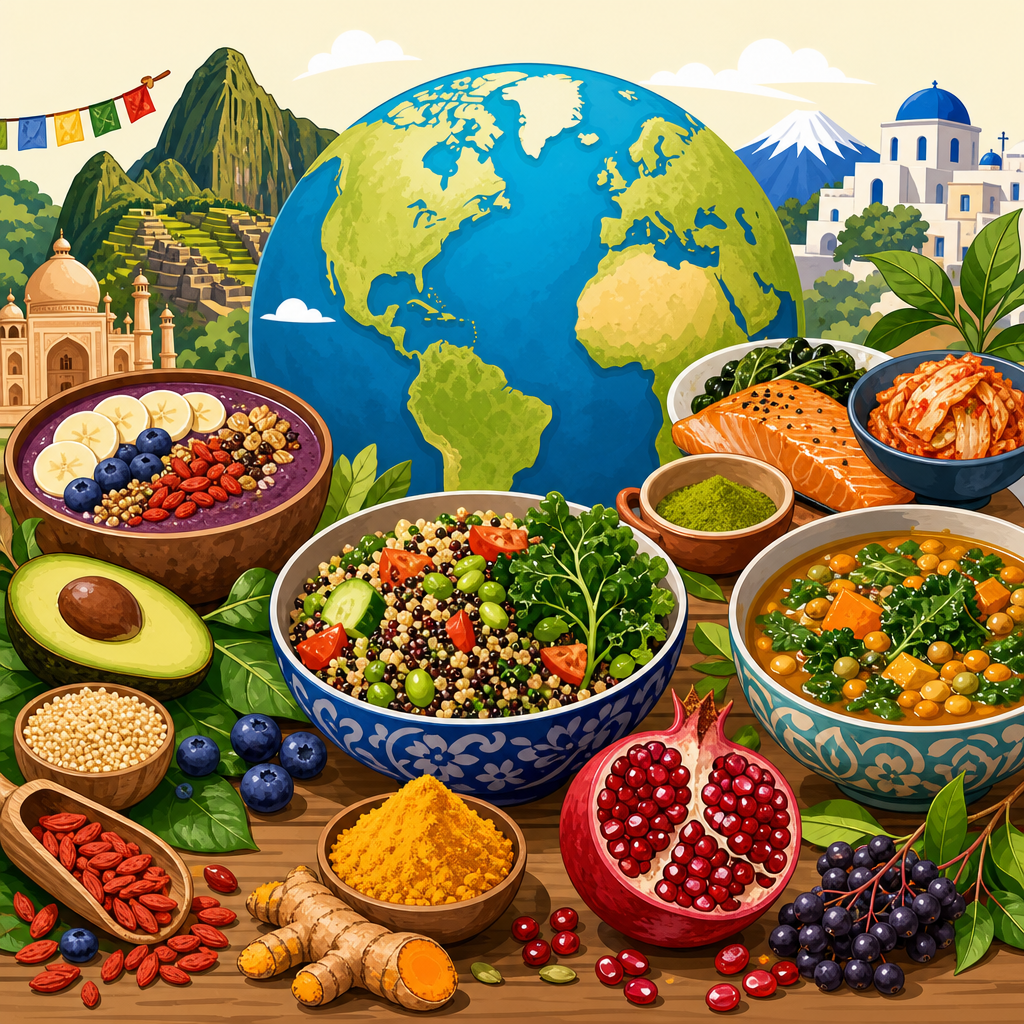
International superfoods and recipes bring together nutrient-dense ingredients, traditional food wisdom, and practical meal planning in a way that makes healthy eating more varied, affordable, and sustainable. In everyday use, a superfood is not a regulated scientific category but a popular term for foods with unusually high concentrations of vitamins, minerals, fiber, antioxidants, beneficial fats, or bioactive compounds relative to their calorie content. When the word international is added, the topic expands beyond familiar staples like blueberries or salmon to include foods such as kimchi from Korea, teff from Ethiopia, miso from Japan, kefir from the Caucasus region, amaranth from Mesoamerica, and turmeric from South Asia. I have built meal plans around these ingredients for clients and my own kitchen, and the biggest lesson is simple: they work best when understood in context, not treated like miracle powders. Recipes matter because preparation changes nutrient availability, flavor, digestibility, cost, and the likelihood that a food becomes a lasting habit instead of a one-week experiment.
This hub article explains what international superfoods are, how to evaluate health claims, which ingredients deserve a place in a balanced pantry, and how global recipes can fit into weekly cooking without becoming complicated. It also matters because food trends move fast, while evidence moves carefully. A berry harvested in the Andes or a fermented soybean paste aged in Japan may offer real benefits, but those benefits depend on portion size, overall diet quality, sodium levels, added sugar, processing, sourcing, and cultural preparation methods developed over generations. For anyone organizing recipes and meal planning, this subtopic is especially useful because many international superfoods are pantry-stable, highly versatile, and easy to repeat in breakfasts, lunches, dinners, and snacks. Used well, they can improve nutrient diversity, reduce menu fatigue, and connect healthy eating with culinary curiosity rather than restriction.
What counts as an international superfood
An international superfood is best defined as a globally rooted ingredient with a strong nutrient profile, culinary history, and practical use in everyday meals. The strongest examples are foods supported by both traditional dietary patterns and modern nutrition research. Legumes, fermented foods, whole grains, sea vegetables, spices, seeds, and oily fish appear again and again across high-quality dietary models because they deliver fiber, polyphenols, omega-3 fats, complete or complementary proteins, and beneficial microbes or fermentation byproducts. The Mediterranean pattern relies on olive oil, sardines, pulses, and herbs. Japanese diets emphasize soy foods, seaweed, mushrooms, and green tea. Latin American food traditions use beans, chia, cacao, squash, and amaranth. West African cooking highlights leafy greens, okra, millet, black-eyed peas, and groundnuts. These are not fringe ingredients. They are working foods with long records of feeding populations well.
The term can, however, be misleading if it suggests rarity or superiority over local produce. Kale is not automatically less useful than moringa, and oats are not nutritionally irrelevant beside quinoa. In practice, I evaluate a superfood by asking five questions: does it contribute meaningful nutrients; does evidence support regular intake; can it be cooked in realistic portions; is the whole food more valuable than the supplement version; and can it fit within a balanced recipe? This framework prevents expensive detours. Acai bowls loaded with sweeteners can be less helpful than plain yogurt with berries and flax. Matcha has concentrated catechins, but if someone dislikes it, green tea or even a polyphenol-rich herb-and-fruit pattern may serve them better. The best international superfoods are foods you will actually buy, cook, and repeat.
Core categories and standout ingredients
Several categories consistently deliver the greatest return in nutrition and recipe versatility. Fermented foods include kimchi, sauerkraut, kefir, yogurt, tempeh, natto, miso, and traditional pickles made with live cultures. These foods can support gut health, although effects vary by strain, dose, and the rest of the diet. Whole grains and pseudocereals include quinoa, teff, buckwheat, freekeh, millet, amaranth, and black rice. They offer fiber, minerals, and slower-digesting carbohydrates, with teff notable for iron and resistant starch and buckwheat for rutin, a flavonoid linked to vascular health. Seeds and nuts include chia, sesame, hemp, pistachios, walnuts, and pumpkin seeds. Chia is especially useful for fiber and alpha-linolenic acid, while sesame contributes calcium and lignans, especially in tahini. Legumes remain foundational: lentils, chickpeas, black beans, soybeans, lupini beans, and adzuki beans provide protein, folate, magnesium, and satiety at low cost.
Seafood and sea plants also deserve attention. Sardines, mackerel, anchovies, and herring are nutrient-dense, generally lower on the food chain, and rich in EPA, DHA, vitamin D, calcium when bones are eaten, and selenium. Seaweed varieties such as nori, wakame, and kombu provide iodine and unique polysaccharides, though intake should be moderate because iodine levels can be high, especially in kelp. Spices and plant concentrates round out the list: turmeric for curcuminoids, ginger for gingerols, garlic for sulfur compounds, cinnamon for flavor without added sugar, and cacao for flavanols when minimally processed. Mushrooms including shiitake and maitake add ergothioneine and savory depth. Berries from different regions, pomegranate, citrus, and dark leafy greens remain globally important because antioxidant intake is cumulative across the diet, not dependent on one celebrity ingredient.
| Ingredient | Region of origin or strong tradition | Main nutrition strengths | Easy recipe use |
|---|---|---|---|
| Kimchi | Korea | Fermented vegetables, fiber, bioactive compounds | Rice bowls, pancakes, eggs |
| Teff | Ethiopia and Eritrea | Iron, fiber, complex carbohydrates | Porridge, grain bowls, flatbreads |
| Miso | Japan | Fermented soy, umami, small amounts of protein | Soup, marinades, dressings |
| Chia | Central and South America | Fiber, omega-3 ALA, minerals | Pudding, oats, smoothies |
| Sardines | Mediterranean and Atlantic cuisines | EPA, DHA, calcium, vitamin D | Toast, pasta, salads |
| Turmeric | South Asia | Curcuminoids, antioxidant activity | Curries, soups, rice dishes |
How traditional recipes protect nutrition and flavor
International superfoods make the most sense inside the recipes that shaped them. Traditional cooking methods often solve nutritional problems before modern science gives them names. Fermentation can improve digestibility, deepen flavor, and in some cases increase the availability of certain nutrients. Soaking and sprouting legumes and grains may reduce cooking time and lower some antinutrients. Pairing fat-soluble compounds with healthy fats improves absorption; turmeric in a curry with oil is a classic example, and black pepper can enhance curcumin bioavailability through piperine, though not every dish needs to be engineered around one compound. Acid, heat, grinding, and slow simmering all change how the body accesses nutrients. Tomato cooked with olive oil increases available lycopene. Garlic crushed before heating helps preserve alliinase activity that contributes to allicin formation. These are small advantages, but over time they add up.
Recipes also determine whether a nutrient-dense ingredient is actually enjoyable enough for long-term use. Plain cooked quinoa may feel bland, but quinoa pilaf with herbs, citrus, chickpeas, and roasted vegetables becomes a repeatable dinner base. Miso can be more than soup; whisked into a glaze for salmon or eggplant, it adds savory complexity that reduces the need for excess sugar. Kimchi folded into brown rice with tofu and a fried egg creates a balanced meal in ten minutes. Ethiopian-inspired lentil stews seasoned with berbere make fiber-rich eating warming and practical. In meal planning, I rely on anchor recipes like these because they turn broad nutrition advice into dishes that survive a busy week. The cultural blueprint is often the difference between buying an ingredient once and turning it into a staple.
Health claims, evidence, and common misconceptions
The biggest mistake people make with international superfoods is expecting a single ingredient to override the rest of the diet. Research does not support that view. Benefits usually come from patterns of intake, substitution effects, and cumulative exposure to nutrients and phytochemicals. Replacing refined snacks with roasted chickpeas, fruit, or yogurt can improve satiety and fiber intake. Swapping processed meats for sardines or beans can change fat quality, sodium exposure, and long-term cardiometabolic risk. Adding fermented foods may support dietary diversity and digestive comfort, but they do not erase chronic under-sleeping or a consistently low-fiber diet. Likewise, antioxidant language is often oversimplified. A food being high in ORAC values never guaranteed clinical benefit, which is why modern nutrition focuses more on observed health outcomes, dose, and food matrix than on marketing labels.
There are also legitimate cautions. Fermented foods can be high in sodium; kimchi, miso, olives, and some pickles need portion awareness, especially for people managing hypertension. Seaweed can contain very high iodine concentrations, and excessive intake may disrupt thyroid function. Turmeric is useful in cooking, but concentrated supplements can interact with medications or cause gastrointestinal side effects. Chia and flax should be introduced with adequate fluid if someone is not used to high fiber intake. Imported powders may vary in purity, and reputable sourcing matters. The practical takeaway is balanced confidence: many international superfoods are excellent foods, but none should be treated as medicine without context. Whole dietary patterns, clinical needs, and preparation methods always come first.
Meal planning with international superfoods
The most effective way to use international superfoods is to build a repeatable system rather than chase recipes at random. I use a four-part structure for weekly planning: one grain or starch base, two proteins, two vegetable preparations, and two flavor boosters drawn from global pantries. A week might start with cooked brown rice and teff, proteins such as lentils and canned sardines, vegetables like roasted cauliflower and sautéed greens, and flavor boosters including kimchi and tahini-miso dressing. From those components, breakfast becomes savory rice with egg and kimchi; lunch becomes a grain bowl with lentils, greens, and dressing; dinner becomes sardines over teff with lemon and herbs. This approach lowers cost, cuts waste, and makes healthy eating faster than deciding from scratch every night.
Pantry strategy matters just as much as recipe selection. Keep shelf-stable staples such as canned beans, lentils, whole grains, tinned fish, sesame paste, spices, coconut milk, nori, and low-sodium broth. In the refrigerator, rotate yogurt or kefir, tofu or tempeh, eggs, citrus, fresh herbs, and a fermented vegetable. In the freezer, stock edamame, spinach, berries, and fish fillets. Then use simple formulas: soup equals broth, aromatics, protein, greens, and a finishing paste like miso; bowl equals grain, legume or fish, vegetables, crunch, and acid; breakfast equals oats or yogurt plus fruit, seeds, and spice. This is why international superfoods fit naturally under Recipes and Meal Planning: the value comes from systems. Good ingredients become truly powerful when they are easy to combine on ordinary weekdays.
Best first recipes and how this hub supports deeper cooking
If you are building confidence, start with recipes that teach one ingredient at a time. Make overnight oats with chia, cinnamon, and berries to learn texture and portioning. Prepare a lentil and vegetable soup with turmeric and cumin to see how spices layer into a familiar format. Try a miso-ginger dressing over roasted vegetables and tofu, then use the same dressing as a salmon glaze. Cook a quinoa or teff bowl with chickpeas, cucumber, herbs, and tahini for an easy lunch template. Add kimchi to scrambled eggs or fried rice rather than serving it alone. These entry points work because they are low-risk, budget-aware, and flexible. They also show a key principle of international superfoods and recipes: global ingredients are easiest to adopt when tied to meals you already understand.
As a hub page, this guide should help you decide what to explore next. The most useful follow-up topics usually include fermented foods for gut health, beginner-friendly grain bowls, global pantry essentials, protein-rich vegetarian meals, seafood recipes featuring small oily fish, and culturally informed spice guides. The goal is not to collect exotic ingredients for their own sake. It is to create a meal planning toolkit that expands flavor while improving nutrient density and consistency. Start with two or three ingredients, learn the recipes that make them effortless, and build from there. International superfoods and recipes are valuable because they turn healthy eating into something richer, more practical, and more enjoyable. Choose one staple this week, cook it twice, and let that small repetition become the foundation of a better kitchen routine.
Frequently Asked Questions
What does the term “international superfoods” really mean?
“International superfoods” generally refers to nutrient-dense foods that come from a wide range of global culinary traditions rather than from a single country or health trend. The word “superfood” is not a formal scientific classification, so it is best understood as a popular shorthand for foods that offer especially high levels of beneficial nutrients or bioactive compounds relative to their calorie content. These may include ingredients rich in fiber, vitamins, minerals, antioxidants, omega fats, probiotics, or plant compounds linked to overall wellness.
Adding “international” broadens the conversation beyond a few heavily marketed ingredients and highlights how many cultures have long relied on practical, affordable, health-supportive staples. Examples include lentils from South Asian and Middle Eastern cooking, seaweed from East Asian cuisines, kefir from Eastern Europe, sardines used across Mediterranean regions, black beans in Latin American meals, teff from Ethiopia, turmeric in Indian cooking, and fermented vegetables such as kimchi and sauerkraut. In this sense, international superfoods are less about novelty and more about recognizing that traditional diets around the world have always included highly nourishing foods.
This broader view is useful because it encourages dietary variety, cultural appreciation, and more realistic meal planning. Instead of focusing only on expensive imported powders or trendy products, people can look at globally rooted ingredients that fit everyday cooking. Many international superfoods are accessible, shelf-stable, and versatile, making them practical choices for balanced meals and long-term healthy eating habits.
Are international superfoods actually better for you than local healthy foods?
Not necessarily. International superfoods are not automatically healthier than local fruits, vegetables, legumes, grains, seeds, or fish. In most cases, the strongest nutrition strategy is not choosing between “international” and “local,” but combining both in a varied diet built around minimally processed whole foods. A local berry, leafy green, bean, or whole grain can be just as beneficial as a globally celebrated ingredient when it comes to supporting overall health.
What international superfoods do offer is diversity. They can expand your nutrient intake, cooking options, and flavor profile. For example, rotating between oats, quinoa, millet, and teff can increase dietary variety. Using miso, yogurt, kefir, or fermented vegetables in different meals can support interest in probiotic-rich foods. Including chickpeas, mung beans, lentils, and black beans across the week can help improve fiber intake while keeping meals affordable. This kind of variety can make healthy eating more sustainable because it reduces boredom and helps people adapt meals to different budgets, seasons, and preferences.
It is also important to avoid the idea that a single ingredient can “fix” a diet. Health outcomes depend on overall patterns: regular intake of vegetables and fruit, enough protein, healthy fats, fiber-rich carbohydrates, appropriate portions, and consistency over time. International superfoods can absolutely be part of that pattern, but they work best as components of balanced meals rather than as miracle foods. In other words, a bowl built with beans, greens, grains, herbs, and healthy fats is usually more meaningful nutritionally than any one star ingredient on its own.
How can I add international superfoods to everyday meals without making cooking complicated or expensive?
The easiest approach is to treat international superfoods as practical pantry and refrigerator staples, not as specialty items that require elaborate recipes. Start by choosing a small number of versatile ingredients that can fit into meals you already make. Lentils can go into soups, curries, salads, and grain bowls. Chia seeds can be added to oatmeal, yogurt, or smoothies. Tahini can become a dressing, sauce, or spread. Canned sardines can be used on toast, in pasta, or in salads. Kimchi can be paired with rice, eggs, or stir-fried vegetables. These simple additions can boost fiber, protein, healthy fats, and micronutrient intake with very little extra effort.
Budget-friendly planning also matters. Many of the most useful international superfoods are inexpensive when bought in basic forms. Dry beans, lentils, brown rice, frozen edamame, plain yogurt, canned fish, oats, and seasonal produce often deliver excellent nutrition for the price. Buying in bulk, using frozen produce, and choosing store brands can make globally inspired healthy eating much more affordable than relying on packaged “superfood” snacks or supplements.
To keep things manageable, think in templates. Build breakfasts from yogurt or oats plus fruit, seeds, and spices like cinnamon. Build lunches from a grain, a legume, vegetables, and a flavorful sauce such as hummus, tahini-lemon dressing, or miso vinaigrette. Build dinners around a protein source, cooked vegetables, and a starch, then use global ingredients such as turmeric, ginger, seaweed, olives, chickpeas, or fermented vegetables to change the flavor profile. This method turns international superfoods into everyday tools rather than occasional projects.
What are some examples of healthy international recipes that use superfoods in a balanced way?
A balanced international superfood recipe usually includes more than one beneficial ingredient and places it within a complete meal. For breakfast, overnight oats with chia seeds, plain yogurt or kefir, berries, and walnuts provide fiber, protein, probiotics, and healthy fats. Another option is a savory breakfast bowl with brown rice, sautéed greens, a soft-boiled egg, and kimchi, which combines whole grains, vegetables, protein, and fermented foods in one dish.
For lunch, a Mediterranean-inspired chickpea salad with cucumber, tomato, parsley, olive oil, lemon, and feta is a simple example of a nutrient-dense meal. It offers fiber, plant protein, antioxidants, and heart-healthy fats. A lentil and vegetable soup seasoned with turmeric, cumin, and garlic is another strong option because it is affordable, filling, and easy to prepare in batches. You could also make a grain bowl with quinoa or farro, roasted vegetables, edamame, avocado, and sesame dressing for a meal that is rich in texture, minerals, and satisfying fats.
For dinner, recipes such as salmon with miso glaze and steamed vegetables, black bean tacos with cabbage slaw and avocado, or a vegetable curry with lentils and spinach show how international ingredients can support both flavor and nutrition. The key is balance. Recipes work best when they include protein, fiber-rich carbohydrates, produce, and healthy fats rather than spotlighting just one “superfood.” This makes meals more satisfying, nutritionally complete, and realistic for regular use.
Are there any downsides or things to watch out for when using international superfoods?
Yes. While many international superfoods are highly nutritious, it is important to approach them with the same common sense you would use with any food. First, watch out for exaggerated health claims. Marketing often presents superfoods as if they prevent disease on their own or deliver dramatic benefits in very small amounts. In reality, no single ingredient replaces a balanced diet, medical care, or evidence-based nutrition guidance. If a product sounds too good to be true, it probably is.
Second, consider preparation, portion, and overall context. Some foods praised for their nutrients can still be high in sodium, sugar, or calories depending on how they are packaged or served. Sweetened acai bowls, heavily salted seaweed snacks, sugary yogurt drinks, and oversized smoothie blends can turn a healthy idea into a less balanced meal. Reading labels, choosing minimally processed versions, and being mindful of add-ins can help preserve the nutritional value of these ingredients.
Third, pay attention to individual needs. Allergies, intolerances, digestive sensitivity, medication interactions, and medical conditions can all influence whether a food is a good fit. Fermented foods may bother some people with sensitive digestion. Seaweed can contain significant iodine. Seeds and nuts can trigger allergies. If you have a specific health concern, it makes sense to discuss major dietary changes with a qualified healthcare professional or registered dietitian.
Finally, sustainability and cultural respect matter. International superfoods are most valuable when they are used thoughtfully, with appreciation for the food traditions they come from. Choosing responsibly sourced products, avoiding waste, and learning how ingredients are traditionally used can help you benefit from global food wisdom in a way that is more ethical, informed, and sustainable over time.