Smoothies and juices for nutrient boost have become a practical cornerstone of balanced eating because they condense fruits, vegetables, protein, healthy fats, and hydration into meals or snacks that are fast to prepare, easy to digest, and highly adaptable to different nutritional needs. In everyday meal planning, a smoothie usually blends the entire edible ingredient, including fiber-rich pulp, while a juice separates liquid from much of the insoluble fiber. That distinction matters. Fiber slows digestion, supports gut health, and helps control blood sugar, while juices can deliver concentrated vitamins, minerals, and phytonutrients quickly when appetite is low or convenience is critical. Used strategically, both can improve diet quality.
I have worked with meal plans for busy families, athletes, and adults trying to eat more produce, and smoothies and juices consistently solve the same problem: people know they need more nutrients, yet struggle to fit enough whole fruits and vegetables into a normal day. A well-built drink can bridge that gap. It can add leafy greens at breakfast, pair protein with carbohydrates after exercise, or provide a simple afternoon option that prevents energy crashes and impulsive snacking. The value is not in treating beverages as miracle foods. The value is in using them to reliably increase intake of nutrients people routinely miss, including potassium, vitamin C, folate, magnesium, and carotenoid antioxidants.
A balanced diet means regularly getting adequate macronutrients, micronutrients, fiber, fluids, and calories without depending too heavily on any one food or pattern. Smoothies and juices support that goal when they complement meals rather than replace thoughtful eating altogether. They can help people who dislike cooked vegetables, older adults with chewing difficulty, children with narrow food preferences, and shift workers who need portable nutrition. They also fit different dietary styles, from Mediterranean eating to plant-forward plans and higher-protein routines. The key is composition. A fruit-only drink may taste good but leave hunger unresolved. A well-structured recipe provides color variety, a protein source, and portion awareness.
This hub article explains why smoothies and juices matter, how to choose between them, what nutrients they contribute, and how to avoid common mistakes such as excess sugar, low satiety, or nutrient imbalance. It also connects the topic to practical recipe planning, ingredient selection, storage, and real-world use cases. If your goal is better energy, stronger meal consistency, or a more dependable way to increase produce intake, understanding smoothies and juices is essential.
What Smoothies and Juices Actually Add to a Balanced Diet
The main benefit of smoothies and juices is nutrient density relative to preparation time. One drink can combine ingredients that many people would not otherwise eat together in a single sitting: spinach, berries, Greek yogurt, chia seeds, kefir, oats, and citrus, for example. That mixture provides vitamin C, vitamin K, calcium, protein, polyphenols, omega-3 fats, and fermentable fiber in minutes. Juices can do something similar for hydration and micronutrient concentration. A carrot-orange-ginger juice supplies beta carotene, vitamin C, and fluid in a form that is easy to consume when solid food is unappealing.
These drinks are especially useful because several nutrients commonly underconsumed in many diets are abundant in typical smoothie and juice ingredients. Potassium from bananas, kiwi, oranges, and coconut water supports normal blood pressure and muscle function. Folate from spinach, kale, and beets contributes to cell growth and red blood cell formation. Vitamin C from citrus, strawberries, pineapple, and bell pepper helps collagen synthesis and improves absorption of non-heme iron from plant foods. Magnesium from pumpkin seeds, cacao, and leafy greens supports energy metabolism. Carotenoids from mango, carrots, sweet potato, and dark greens are linked with eye and immune health.
Another overlooked advantage is consistency. People rarely fail at nutrition because they do not understand broccoli. They fail because shopping, prep, timing, appetite, and routine break down. Smoothies and juices reduce friction. Frozen produce lowers cost and waste. Batch-prepped ingredient packs shorten decision time. Portable cups make breakfast or post-workout fueling more realistic. In practical meal planning, reducing friction often matters more than chasing perfect recipes.
Smoothie vs Juice: Which One Should You Choose?
If the question is which is healthier, the answer depends on your goal. Smoothies are usually better for fullness, glycemic control, and meal replacement because they retain fiber and can include protein and fat. Juices are better when you want rapid hydration, a concentrated dose of certain vitamins, or a lighter option before activity or during periods of low appetite. Neither is automatically superior. The right choice matches the situation.
For breakfast, smoothies generally work better because a complete breakfast needs sustained energy. Blending fruit with protein such as Greek yogurt, milk, soy milk, cottage cheese, or protein powder, then adding fiber from oats, flax, or chia, slows digestion and improves satiety. For recovery after exercise, either can fit. A tart cherry smoothie with yogurt supports carbohydrates, protein, and polyphenols, while a watermelon juice can help rehydration and provide easily absorbed carbohydrate. For someone recovering from illness, vegetable and fruit juices may be easier to tolerate than heavier meals.
There are tradeoffs. Juicing often removes much of the insoluble fiber and can concentrate natural sugars into a smaller volume, making it easier to drink calories quickly. Commercial juices may also be pasteurized, which improves safety but can slightly reduce heat-sensitive nutrients. Smoothies can become calorie-dense if portions of nut butter, sweetened yogurt, juice, and multiple fruits stack up without enough protein balance. In my experience, most people benefit from using smoothies more often than juices, while keeping juices as targeted tools rather than everyday defaults.
| Option | Best Use | Main Advantage | Main Limitation |
|---|---|---|---|
| Smoothie | Breakfast, snack, meal replacement, recovery | More fiber and satiety; easy to add protein and fats | Can become high in calories if poorly balanced |
| Juice | Hydration, low-appetite periods, pre-workout, micronutrient boost | Fast absorption and concentrated vitamins | Less fiber and less fullness |
Key Nutrients Commonly Delivered by Smoothies and Juices
Smoothies and juices are not important simply because they contain produce. They matter because they can be engineered to supply nutrients that support a balanced diet across multiple systems. Vitamin C-rich combinations, such as strawberry-orange or kiwi-pineapple, help antioxidant defense and iron absorption. Green blends based on spinach or kale contribute vitamin K, folate, lutein, and nitrate compounds associated with vascular function. Orange and red produce, including mango, papaya, carrots, and tomato, deliver carotenoids such as beta carotene and lycopene. Berries provide anthocyanins, compounds studied for cognitive and cardiovascular benefits.
Protein is another critical consideration. Without it, many smoothies act more like sweet beverages than meals. Adding 20 to 30 grams of protein from strained yogurt, kefir, soy milk, tofu, cottage cheese, or a tested protein powder turns a drink into something physiologically useful for fullness and muscle maintenance. Healthy fats also matter in moderation because fat improves absorption of fat-soluble compounds like carotenoids. Half an avocado, a tablespoon of almond butter, or ground flax can improve both texture and nutrient uptake.
Hydration is part of nutrient balance too. Many people underestimate fluid needs, especially in hot climates, during travel, or when increasing exercise. Juices and smoothies can contribute water along with electrolytes such as potassium. That matters for appetite regulation and energy, since mild dehydration can be mistaken for fatigue or hunger. The strongest combinations support more than one nutritional goal at once: hydration, micronutrients, adequate protein, and manageable appetite.
How to Build Drinks That Are Balanced, Not Just Sweet
The most effective recipe formula is simple: start with produce, add protein, decide whether you need extra fiber or fat, then choose liquid based on texture and calorie goals. In plain terms, that means one to two cups of fruit and vegetables, one meaningful protein source, and optional boosters used deliberately rather than automatically. For smoothies, unsweetened milk, fortified soy beverage, kefir, or plain yogurt create more nutritional value than fruit juice as a base. For juices, balancing sweeter produce with cucumber, celery, lemon, or ginger helps control sweetness and broaden flavor.
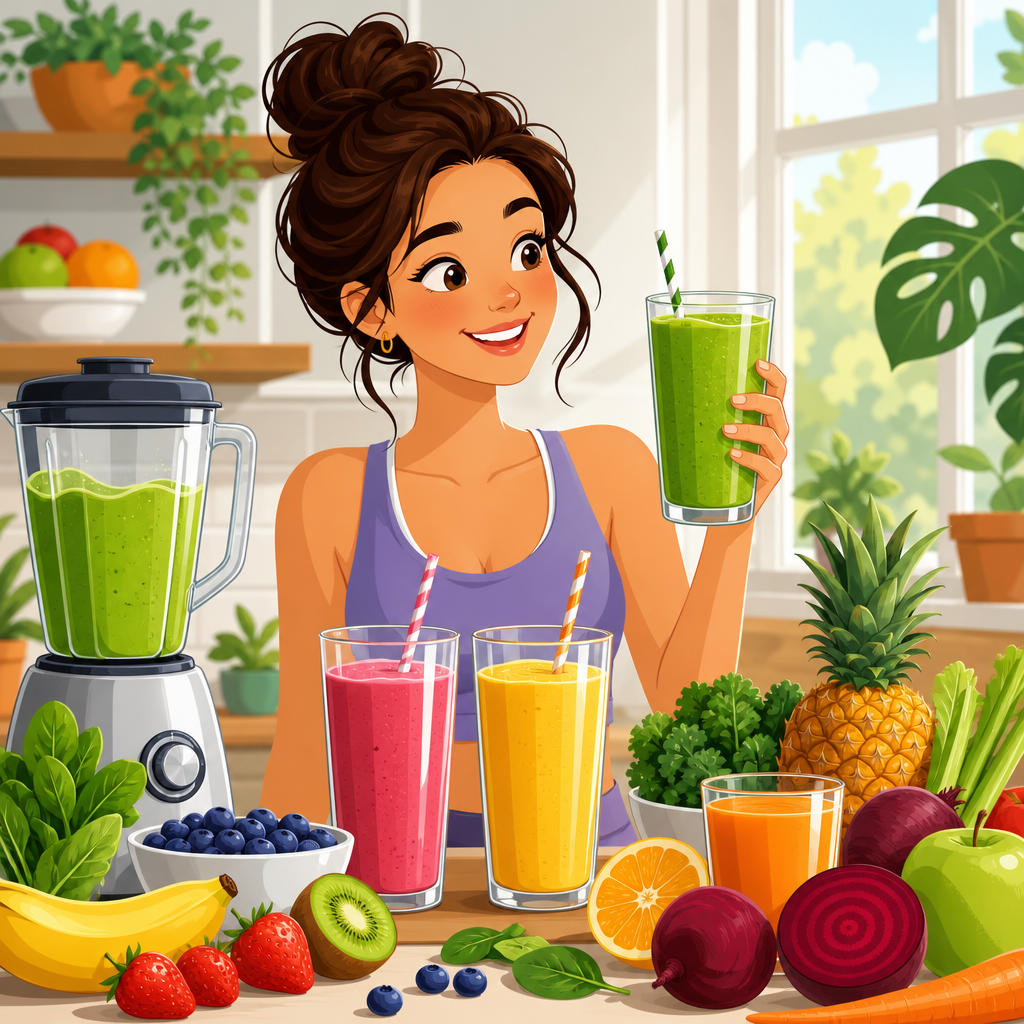
A balanced green smoothie might include frozen berries, spinach, Greek yogurt, chia seeds, and milk. A more substantial version for athletes could add oats and banana for glycogen support. A balanced juice might combine carrot, cucumber, lemon, ginger, and a small apple for palatability. These are not arbitrary combinations. They use flavor contrast, fiber, and protein to improve adherence and nutritional quality. When I build weekly plans, I also rotate color families because variety increases the range of phytochemicals people consume over time.
Portion matters as much as ingredients. A 12- to 16-ounce smoothie usually fits better into a balanced diet than a 32-ounce cup loaded with frozen fruit, honey, nut butter, and granola. Likewise, juice is best viewed as a serving, not an endless refill. Pairing a smaller juice with eggs, toast, or yogurt often works better than drinking a large bottle alone. Structure prevents nutrient-dense drinks from becoming sugar-heavy habits.
Who Benefits Most From Smoothies and Juices?
Busy professionals benefit because these drinks compress shopping, prep, and cleanup into a repeatable system. Parents benefit because blended recipes can introduce spinach, zucchini, berries, and yogurt in child-friendly forms without turning meals into a negotiation. Athletes benefit because liquid nutrition is often easier to tolerate before early training sessions and more practical immediately after exercise. Older adults benefit because appetite and chewing ability often decline with age, while protein and micronutrient needs remain important.
People managing specific health concerns can benefit too, with caveats. Those trying to improve blood pressure can use potassium-rich ingredients such as banana, beet, citrus, and leafy greens within an overall physician-guided plan. People increasing fiber intake may tolerate smoothies better than raw salads at first, especially when using oats, flax, and soft fruits. Individuals with digestive sensitivity sometimes do better with peeled fruits or lower-fiber juices during flares, though long-term personalization matters. Anyone with diabetes, kidney disease, or medication interactions should tailor ingredients with clinical guidance, especially with high-potassium produce or concentrated fruit intake.
The broad takeaway is that smoothies and juices are not niche wellness trends. They are flexible delivery systems for nutrition, and their usefulness increases when recipes are matched to a person’s schedule, appetite, and health priorities.
Common Mistakes and How to Avoid Them
The most common mistake is assuming all homemade drinks are healthy by default. A smoothie built from fruit juice, sweetened yogurt, sherbet, and honey may contain more sugar than a soft drink, yet still leave you hungry. Another mistake is treating green powders or trendy add-ins as substitutes for actual produce. Powders can be convenient, but they should supplement, not replace, whole ingredients. I also see people overestimate the value of juicing while underestimating the role of fiber. If constipation, fullness, and blood sugar balance are concerns, smoothies usually deserve priority.
Food safety matters as well. Fresh juices should be consumed promptly or refrigerated safely because they lack preservatives and can support bacterial growth. Produce should be washed thoroughly, and blenders should be cleaned immediately to prevent residue buildup. Storage also affects quality. Smoothies oxidize and separate over time, though mason jars filled close to the top can limit air exposure for short refrigeration. Freezer packs preserve nutrients well and make weekday assembly faster.
Cost is another concern, but it is manageable. Frozen berries, bananas, spinach, carrots, oats, yogurt, and seasonal produce provide strong nutritional return without specialty ingredients. Expensive superfoods are optional. Consistency with basic ingredients beats occasional use of premium products every time.
Using This Hub for Recipes and Meal Planning
As a sub-pillar within recipes and meal planning, smoothies and juices work best when treated as a system rather than isolated recipes. Start by identifying your use cases: breakfast, post-workout recovery, child-friendly snacks, vegetable intake, hydration, or low-appetite support. Then create a small rotation of dependable formulas. For example, one protein-focused breakfast smoothie, one green afternoon smoothie, one recovery smoothie, and one vegetable-forward juice can cover most weekly needs without causing boredom.
Meal planning becomes easier when ingredients overlap. Spinach can go into omelets, pasta, and smoothies. Berries can top oatmeal or be frozen for blending. Citrus works in dressings as well as juices. Yogurt supports breakfast bowls and smoothie protein. This overlap reduces waste and strengthens the internal logic of a nutritious kitchen. It also makes future recipe exploration easier, whether you are building dairy-free smoothies, high-protein smoothies, low-sugar juices, or seasonal produce blends.
The essential lesson is simple: smoothies and juices help translate nutritional advice into daily action. They increase produce intake, improve convenience, and create flexible options for different ages and goals. Use smoothies when you need fullness and balanced meal support. Use juices when you need lighter hydration and concentrated micronutrients. Build both with intention, and they become reliable tools for a balanced diet. Start by choosing one smoothie and one juice recipe to repeat this week, then refine them based on how you feel, how full you stay, and how well they fit your routine.
Frequently Asked Questions
1. Why are smoothies and juices considered essential for a balanced diet?
Smoothies and juices can play an important role in a balanced diet because they make it much easier to increase overall nutrient intake in a practical, consistent way. Many people struggle to eat enough fruits, vegetables, protein, and healthy fats throughout the day, especially when time is limited. Smoothies and juices help solve that problem by combining several nutrient-dense ingredients into one convenient meal or snack. This allows you to consume vitamins, minerals, antioxidants, phytonutrients, and hydration in a format that is quick to prepare and easy to enjoy.
What makes them especially valuable is their adaptability. A smoothie can be built around leafy greens, berries, yogurt, oats, chia seeds, nut butter, or protein powder, making it suitable for breakfast, post-workout recovery, or a filling snack. A juice, on the other hand, can provide a concentrated source of vitamins and plant compounds from ingredients like carrots, celery, beets, citrus, and ginger. When used intentionally, both options support dietary variety, which is a key part of balanced eating.
They are also helpful for people who have trouble meeting nutrient needs through traditional meals alone. For example, someone with a busy schedule may not prepare a full vegetable-rich lunch every day, but they may consistently drink a smoothie packed with spinach, banana, flaxseed, and Greek yogurt. Over time, that habit can meaningfully improve nutrient quality across the diet. Smoothies and juices are not replacements for every whole food meal, but they are highly effective tools for filling nutritional gaps and making healthy eating more achievable.
2. What is the difference between a smoothie and a juice, and why does that matter nutritionally?
The main nutritional difference between a smoothie and a juice is fiber. A smoothie blends the whole edible parts of fruits and vegetables, including much of the pulp and fiber, while a juice extracts the liquid and leaves behind most of the insoluble fiber. That distinction matters because fiber plays a major role in digestion, fullness, blood sugar regulation, and long-term heart and metabolic health.
Because smoothies retain more of the original plant material, they are typically more filling and digest more slowly than juices. This slower digestion can help create steadier energy and may reduce the likelihood of a quick blood sugar spike, especially when the smoothie also includes protein or healthy fats. Ingredients such as oats, chia seeds, flaxseeds, avocado, kefir, or unsweetened yogurt can make a smoothie even more balanced and satisfying. For that reason, smoothies are often better suited to serving as a light meal or substantial snack.
Juices, by contrast, are usually lighter and absorbed more quickly. That can be beneficial in certain situations, such as when someone wants a refreshing source of hydration and micronutrients, needs something easy on the stomach, or is trying to increase vegetable intake without the texture of blended produce. However, because juices generally contain less fiber, they are often less filling and may be best paired with other foods if the goal is sustained satiety. Understanding the difference helps you choose the right option for your needs rather than assuming they are nutritionally identical.
3. Are smoothies healthier than juices for a nutrient boost?
In many everyday situations, smoothies are the more balanced option because they preserve fiber and can include a broader range of nutrients from multiple food groups. A well-made smoothie can contain fruits, vegetables, protein, healthy fats, and complex carbohydrates in one glass, which makes it more complete nutritionally than most juices. That combination supports fullness, muscle maintenance, digestive health, and more stable energy, all of which are important in a balanced diet.
That said, juices still have value and should not automatically be seen as inferior. Fresh juices can deliver a concentrated amount of vitamins, minerals, and beneficial plant compounds, especially when they are built around vegetables rather than primarily fruit. A vegetable-forward juice with cucumber, celery, spinach, lemon, and ginger can be a refreshing way to increase micronutrient intake and hydration. The key is to recognize that juices are typically supplements to meals, while smoothies are more often structured enough to function as a meal component on their own.
The healthiest choice depends on your goal. If you want something filling that helps replace breakfast or carries you through the afternoon, a smoothie is usually the stronger option. If you want a lighter drink that offers quick nourishment and hydration, juice can work well. Both can support a nutrient boost when made thoughtfully, but smoothies generally have the advantage for overall balance because they offer more fiber and greater flexibility in combining macronutrients with micronutrients.
4. How can I make smoothies and juices healthier and more balanced?
The best way to make smoothies and juices healthier is to focus on ingredient quality, balance, and portion awareness. For smoothies, a smart formula is to combine a fruit source, a vegetable source, a protein source, and a healthy fat or fiber booster. For example, blending berries, spinach, plain Greek yogurt, and chia seeds creates a drink that offers antioxidants, calcium, protein, and fiber without relying heavily on added sugars. You can also use unsweetened milk, soy milk, or kefir as a base rather than sweetened juices to keep the overall sugar content more moderate.
For juices, prioritize vegetables and use fruit more strategically for flavor instead of making it the main base. Ingredients like cucumber, celery, kale, parsley, lemon, and ginger can provide freshness and nutrients without making the drink excessively sweet. If you enjoy fruit juice, consider blending or juicing combinations that include more vegetables than fruit. This helps maintain a better nutritional profile while still delivering taste and variety.
It is also important to avoid turning these drinks into dessert-like beverages. Large amounts of sweetened yogurt, flavored syrups, fruit concentrates, sherbet, or excessive fruit portions can quickly raise sugar intake without adding much nutritional benefit. Adding protein and healthy fats to smoothies, watching serving size, and using whole ingredients are simple ways to keep them aligned with balanced eating goals. The healthiest smoothie or juice is not the one with the trendiest label, but the one built with purpose to support your daily nutrient needs.
5. Can smoothies and juices replace whole fruits, vegetables, or regular meals?
Smoothies and juices can complement whole foods very effectively, but they should not completely replace them. Whole fruits and vegetables provide important chewing satisfaction, natural structure, and fiber benefits that are part of healthy digestion and fullness. Eating an apple, a salad, or roasted vegetables often creates a different level of satiety than drinking those foods in blended or juiced form. That matters when you are trying to build lasting eating habits and maintain balanced energy throughout the day.
Smoothies can sometimes replace a meal if they are built to be nutritionally complete. A meal-worthy smoothie should usually contain protein, fiber, healthy fat, and enough total substance to satisfy you, such as fruit, greens, yogurt or protein powder, oats, seeds, and nut butter. Without those components, a smoothie may be too light and leave you hungry shortly afterward. Juices are less likely to work as meal replacements because they generally lack enough protein and fiber to be filling on their own.
The most effective approach is to view smoothies and juices as supportive tools within a broader balanced diet. They can help you get more produce, improve consistency, and add convenience on busy days, but they work best alongside whole meals made from diverse, minimally processed foods. Used in that way, they strengthen a healthy eating pattern rather than replacing the fundamentals of one.