Smoothies and juices can be practical, effective tools for increasing nutrient intake when they are built with intention. In nutrition terms, a smoothie blends whole or minimally processed ingredients into a drink that retains fiber unless strained, while a juice extracts liquid from fruits and vegetables and usually removes most insoluble fiber. Both can deliver vitamins, minerals, phytonutrients, and hydration, but they do so differently. I have used both approaches in meal planning for busy households, athletes, and people trying to eat more produce, and the biggest lesson is simple: the healthiest option depends on the goal, the ingredients, and how the drink fits into the rest of the day.
That distinction matters because many people treat smoothies and juices as interchangeable when they are not. A smoothie can function like a mini-meal if it includes protein, fat, fiber, and a realistic calorie target. A juice is usually closer to a concentrated produce serving, useful when someone wants fast digestion, easy hydration, or a way to consume vegetables they would not otherwise eat. The nutrient boost comes from ingredient quality and balance, not from the label on the glass. Understanding that difference helps people avoid common mistakes such as drinking a sugar-heavy smoothie for breakfast and feeling hungry an hour later, or assuming any bottled green juice automatically improves diet quality.
Interest in smoothies and juices has grown because modern eating patterns often fall short on produce, whole grains, and legumes. According to dietary guidance in the United States and similar public health recommendations elsewhere, most adults do not meet daily fruit and vegetable targets. Drinks built around spinach, berries, citrus, yogurt, kefir, oats, chia, cucumber, ginger, and similar ingredients can narrow that gap quickly. They also fit real life. On a rushed morning, blending frozen fruit, Greek yogurt, milk, and flaxseed may be more realistic than cooking a full breakfast. During periods of low appetite, illness recovery, or heavy training, a well-designed drink can improve nutrient intake without requiring a large meal.
This guide explains how smoothies and juices support nutrient intake, where each option works best, and how to choose ingredients that provide real benefit. It also serves as a hub under Recipes & Meal Planning, so the focus is not only on what these drinks contain, but on how to use them consistently. You will learn the nutritional differences, the best ingredients for energy, digestion, immunity, and recovery, and the practical issues that matter in a kitchen: equipment, storage, portion size, food safety, and budget. The goal is not to sell a trend. It is to show how smoothies and juices can become reliable, evidence-based parts of a healthy eating pattern.
What Makes Smoothies and Juices Different Nutritionally
The main nutritional difference is fiber. When you blend whole fruit and vegetables into a smoothie, you usually keep the pulp, skin, and much of the insoluble fiber. Fiber slows digestion, supports fullness, helps moderate blood sugar response, and contributes to gut health. When you juice produce, especially with a centrifugal or masticating juicer, much of that fiber is left behind in the pulp container. The resulting drink can still be rich in vitamin C, potassium, folate, and plant compounds such as carotenoids or polyphenols, but it is typically less filling and easier to consume quickly.
This has direct effects on satiety and meal planning. In practice, a 12- to 16-ounce smoothie made with berries, spinach, milk, and protein-rich yogurt often keeps someone satisfied far longer than a similar-volume juice. Juice, however, can be helpful in specific contexts. I have seen it work well for people who struggle with chewing large volumes of vegetables, for endurance athletes who want carbohydrates without heaviness before exercise, and for individuals easing back into regular eating after a stomach bug. Neither format is inherently better. The right choice depends on whether the priority is fullness, convenience, rapid absorption, hydration, or concentrated produce intake.
Another difference is energy density. It is easy to fit several servings of fruit, vegetables, yogurt, nut butter, seeds, and milk into one smoothie, which can be useful or excessive depending on the person. Juice can also become calorie dense if built mostly from fruit, but vegetable-forward juices are often lower in calories than meal-style smoothies. The key takeaway is that smoothies are usually better meal replacements or substantial snacks, while juices are usually better as supplements to meals rather than substitutes for them.
Best Ingredients for a True Nutrient Boost
The strongest smoothies and juices are built from nutrient-dense ingredients with clear roles. Leafy greens such as spinach and kale contribute folate, vitamin K, magnesium, and carotenoids. Berries provide vitamin C, manganese, and anthocyanins associated with antioxidant activity. Citrus adds vitamin C and brightness, while bananas contribute potassium and creaminess in smoothies. Carrots and sweet potatoes are notable for beta-carotene, which the body converts to vitamin A. Beets add folate and naturally occurring nitrates, compounds studied for exercise performance. Ginger can improve flavor and may help some people with nausea. Plain Greek yogurt and kefir add protein, calcium, and in kefir’s case, live cultures.
Seeds and legumes are often overlooked but are extremely useful in smoothies. Chia seeds and ground flaxseed add fiber and omega-3 fats, while silken tofu creates creaminess with high-quality plant protein. Oats improve texture and satiety. Avocado contributes monounsaturated fat and helps absorb fat-soluble nutrients including vitamins A, D, E, and K. For juices, cucumber and celery add fluid and mild flavor, making vegetable-heavy combinations easier to drink, though they should not be the only ingredients if nutrient density is the goal. Herbs such as mint, parsley, and cilantro can elevate taste while adding small amounts of beneficial plant compounds.
| Ingredient | Best Use | Key Nutrients | Practical Note |
|---|---|---|---|
| Spinach | Smoothies or juices | Folate, vitamin K, carotenoids | Mild flavor makes it beginner-friendly |
| Berries | Smoothies | Vitamin C, fiber, anthocyanins | Frozen berries improve texture and reduce waste |
| Carrots | Juices or blended smoothies | Beta-carotene, potassium | Pair with fat source for better carotenoid absorption |
| Greek yogurt | Smoothies | Protein, calcium, probiotics in some brands | Helps a smoothie function as a meal |
| Beets | Juices or smoothies | Folate, nitrates | Earthy taste softens with citrus or berries |
| Chia or flax | Smoothies | Fiber, omega-3 fats | Use ground flax for better absorption |
A nutrient boost also depends on what you limit. Sweetened yogurt, fruit juice concentrates, sherbet, syrups, and oversized amounts of dried fruit can turn a useful smoothie into a dessert-like drink. With juices, too much apple, pineapple, or grape can crowd out vegetables and sharply raise sugar content. The best formula is simple: choose one or two fruits for flavor, prioritize vegetables and protein when appropriate, and use fats strategically for satisfaction and nutrient absorption.
How to Build Smoothies and Juices for Specific Goals
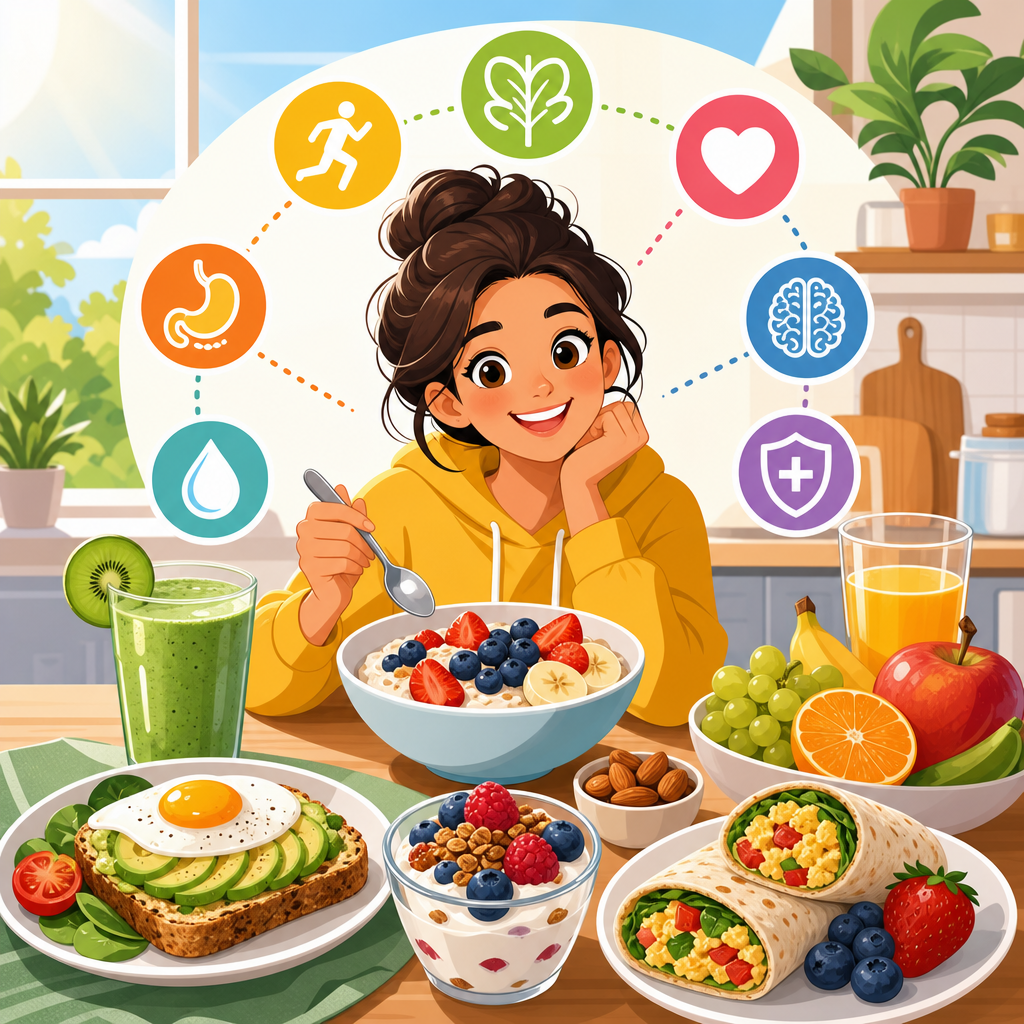
A smoothie or juice should match the reason you are making it. For breakfast, a smoothie needs enough staying power to prevent a midmorning energy crash. A reliable formula is protein plus produce plus fiber plus liquid. One example is unsweetened milk, Greek yogurt, frozen berries, spinach, oats, and flaxseed. That combination supplies protein for fullness, carbohydrates for energy, and fiber for slower digestion. For a post-workout smoothie, emphasize protein and carbohydrates that digest well, such as milk, banana, yogurt, and berries. If someone is strength training, adding a scoop of whey or soy protein can help them reach a practical target of around 20 to 30 grams of protein.
For digestive comfort, lower-fiber smoothies or diluted juices may be easier during illness recovery or before intense activity. In those cases, banana, yogurt, and cooked oats often sit better than a raw kale-heavy blend. For hydration, juices and lighter smoothies work best when they contain high-water ingredients such as cucumber, citrus, melon, and coconut water, though coconut water should not be treated as a miracle ingredient. For people trying to increase vegetable intake, one of the most effective approaches I have used is a “vegetable-first” smoothie: spinach or zucchini as the base, berries for flavor, yogurt for protein, and seeds for fiber. The sweetness is familiar, but the nutritional profile is stronger than fruit-only versions.
Juices also benefit from purpose. A green juice intended as a produce booster can combine cucumber, celery, spinach, parsley, lemon, and a small green apple. A performance-oriented juice may feature beet, orange, and ginger. If the goal is immune support during cold season, a citrus-forward juice with carrot and ginger can provide vitamin C and carotenoids, though it is important to be realistic: no single juice prevents illness. It supports the broader diet, which in turn supports normal immune function.
Common Mistakes, Safety Concerns, and Storage Tips
The most common mistake is assuming healthy ingredients automatically create a balanced drink. A smoothie made with fruit, juice, honey, and nut butter can easily exceed the calories of a full meal without supplying enough protein. Another mistake is ignoring portion size. Even nutritious drinks can become excessive when consumed alongside regular meals without adjustment elsewhere. In meal planning, I advise treating smoothies as either a meal, a snack, or a supplement, and building them differently for each role.
Food safety matters more than many people realize. Fresh produce should be washed thoroughly, especially leafy greens, herbs, melons, and anything with soil exposure. If using bagged greens, check package dates and refrigeration. Unpasteurized juices carry greater food safety risks, particularly for pregnant people, young children, older adults, and anyone with a weakened immune system. Equipment also needs prompt cleaning. Blender jars, juicer screens, gaskets, and seals trap residue that can support bacterial growth if left at room temperature. In kitchens where smoothies are made daily, I recommend rinsing immediately after use and disassembling blades or screens for a full wash.
Storage affects both safety and nutrient retention. Smoothies are usually best consumed soon after blending because oxidation changes flavor and texture, although many hold well for up to 24 hours refrigerated in a sealed container filled close to the top. Juices lose brightness faster and are best within the same day unless produced in equipment designed for longer cold-pressed storage and kept continuously refrigerated. A splash of lemon can help slow browning, but it does not preserve drinks indefinitely. If preparing ahead, freezing smoothie packs with measured fruit, greens, and seeds is often more effective than storing finished drinks.
How to Fit Them Into Real Meal Planning
Smoothies and juices work best when they solve a problem in the weekly routine. For some households, that problem is skipped breakfast. For others, it is produce waste, limited cooking time, or difficulty packing portable snacks. A practical system is to keep a short list of repeat combinations rather than chasing novelty every week. In my own planning, the combinations that people actually maintain are usually simple: berry-spinach-yogurt, mango-kefir-oat, carrot-orange-ginger, or cucumber-celery-lemon with a side of eggs or toast. Repetition improves consistency, and consistency matters more than elaborate recipes.
Budget also improves when you use frozen produce strategically. Frozen berries, cherries, mango, cauliflower, and spinach often cost less per serving than fresh and reduce spoilage. For juices, choose produce with a purpose instead of buying expensive bottles impulsively. A home-made vegetable-forward juice can be far more economical than a premium retail blend, and it gives you control over sodium, sweetness, and ingredient quality. If your goal is better nutrition rather than trend appeal, there is no need for costly powders, activated ingredients, or exotic superfoods. Reliable staples outperform flashy add-ins when used consistently.
As a hub topic within Recipes & Meal Planning, this subject connects naturally to breakfast prep, snack strategy, produce storage, and balanced eating through the week. The most useful mindset is to see smoothies and juices as tools, not shortcuts that replace an otherwise poor diet. They can add vegetables to a rushed morning, support recovery after exercise, increase calcium and protein intake, or make fruit more convenient for children and adults. They do not cancel out a pattern of highly processed eating, and they do not need to. Their value is that they make nutritious choices easier to repeat.
The bottom line is clear: smoothies and juices can deliver a meaningful nutrient boost when they are matched to a specific need and built from whole, thoughtfully chosen ingredients. Smoothies generally offer more fiber, fullness, and meal potential, while juices offer concentrated produce, lightness, and fast digestion. The best option depends on your schedule, appetite, health goals, and the rest of your meals. Start with one repeatable formula, use ingredients with defined nutritional roles, and pay attention to portion size, protein, and produce balance.
If you want the biggest long-term benefit, focus on consistency over perfection. Keep frozen fruit and greens on hand, stock one dependable protein source, and choose two or three combinations you can make without thinking. That approach reduces decision fatigue and turns healthy drinks into a normal part of meal planning instead of an occasional project. Used well, smoothies and juices help close nutrient gaps, improve convenience, and make fruits and vegetables easier to enjoy. Pick one recipe style that matches your goal this week and build from there.
Frequently Asked Questions
What is the main difference between a smoothie and a juice for nutrient intake?
The biggest difference is how the ingredients are processed and what that means for digestion, satiety, and nutrient delivery. A smoothie is typically made by blending whole fruits, vegetables, and other ingredients such as yogurt, milk, kefir, nuts, seeds, or protein powder. Because the entire edible portion is usually included, smoothies retain most of the fiber unless they are strained. That fiber helps slow digestion, supports blood sugar stability, promotes fullness, and contributes to gut health. In practical terms, a well-built smoothie often works better as a snack or light meal because it is more filling and can include a balance of carbohydrates, protein, and fat.
Juice, by contrast, is made by extracting the liquid from produce and separating out much of the pulp and insoluble fiber. This creates a drink that is lighter, faster to consume, and often easier to digest for people who do not tolerate a lot of fiber at one time. Juice can be an efficient way to increase intake of vitamins, minerals, antioxidants, and hydration, especially if it includes a variety of vegetables. However, because much of the fiber is removed, juice generally does not keep you full for as long and may raise blood sugar more quickly if it is heavily fruit-based. Neither option is automatically better. The best choice depends on your goal: smoothies are often better for fullness and meal support, while juices can be useful for quick nutrient delivery and hydration.
Are smoothies healthier than juices, or does it depend on how they are made?
It absolutely depends on how they are made. A smoothie can be highly nourishing, but it can also become overly calorie-dense or sugar-heavy if it is loaded with large amounts of fruit juice, sweetened yogurt, syrups, nut butters, or multiple servings of high-calorie add-ins. On the other hand, a juice can be very nutrient-rich if it emphasizes vegetables such as cucumber, celery, spinach, kale, parsley, beets, or carrots and keeps sweeter fruits in a supporting role. The health value of either drink comes down to ingredient quality, portion size, and whether the recipe matches your nutritional needs.
In general, smoothies have an advantage when you want a more balanced nutritional profile because it is easier to include fiber, protein, and healthy fats in one glass. For example, blending berries, spinach, Greek yogurt, chia seeds, and unsweetened milk creates a drink that provides antioxidants, protein, and fiber with more staying power. Juice can still be a smart choice, especially for people who struggle to eat enough produce, need something light before activity, or want a convenient way to increase fluid and micronutrient intake. The key is to avoid thinking of either as automatically “healthy” just because it contains fruits or vegetables. A thoughtfully made smoothie or juice is what delivers the real benefit.
How can I make a smoothie or juice that actually supports energy and blood sugar balance?
For stable energy, the formula matters more than the trend. With smoothies, the most effective strategy is to combine a produce base with protein, fiber, and a modest amount of healthy fat. Start with vegetables or lower-sugar fruits such as berries, kiwi, or green apple, then add a protein source like Greek yogurt, cottage cheese, kefir, soy milk, or protein powder. Include fiber-rich ingredients such as chia, flax, oats, or avocado, and use unsweetened liquid rather than fruit juice as the base when possible. This structure slows absorption, improves fullness, and helps reduce the sharp rise and crash that can happen when a drink is mostly blended fruit.
With juice, blood sugar balance requires a slightly different approach because most of the fiber has been removed. The best method is to build the juice around non-starchy vegetables and use fruit mainly for flavor. Pairing juice with a source of protein or fat, such as eggs, yogurt, nuts, cheese, or a balanced breakfast, can also help slow the overall glucose response. Portion size matters too. A small glass of fresh vegetable-forward juice alongside a meal often works better than a large bottle consumed on its own. If your goal is steady energy throughout a busy day, smoothies are usually easier to design as a complete option, while juices are better viewed as a nutrient-rich addition rather than a meal replacement.
Can smoothies and juices replace meals, or are they better used as snacks and supplements?
They can replace meals, but only when they are intentionally designed to do so. Many people assume that because a smoothie looks substantial or a juice contains several servings of produce, it is automatically equivalent to a meal. In reality, a meal should ideally provide enough energy, protein, and staying power to support you for several hours. Most juices do not meet that standard on their own because they are low in protein and fiber. They are typically better used as a supplement to a meal or snack, particularly when you want extra hydration or produce intake without much digestive heaviness.
Smoothies are much more adaptable as meal replacements because they can be built to include the same core nutrition targets you would want on a plate. A satisfying meal smoothie usually contains produce, a meaningful protein source, some healthy fat, and enough total calories to be practical for your day. For example, a smoothie with spinach, frozen berries, plain Greek yogurt, oats, chia seeds, and milk is far more meal-worthy than a smoothie made only from banana and juice. The decision should also reflect your schedule and appetite. For busy mornings or post-workout recovery, a balanced smoothie can be extremely effective. Juice, meanwhile, tends to work best as a booster rather than the full meal itself.
What are the best ingredients to include if I want the biggest nutrient boost from smoothies and juices?
The best ingredients are the ones that increase nutrient density without relying too heavily on added sugars. For smoothies, dark leafy greens such as spinach and kale are excellent staples because they add folate, vitamin K, carotenoids, and minerals with relatively mild flavor. Berries are another strong choice thanks to their fiber and polyphenol content. Seeds such as chia, flax, and hemp can add omega-3 fats, minerals, and texture. Plain yogurt or kefir contributes protein and, in some cases, beneficial probiotics. Avocado can improve creaminess while adding heart-healthy fats. Herbs and spices such as ginger, turmeric, mint, and cinnamon can also enhance flavor and provide additional phytonutrients.
For juices, the most effective strategy is to lean heavily on vegetables and use fruit strategically. Cucumber, celery, romaine, parsley, spinach, beet, carrot, and lemon are common choices that provide a broad range of vitamins, minerals, and plant compounds. Ginger is especially popular for both flavor and digestive appeal. If you want a sweeter profile, adding a small amount of apple, orange, or pineapple can help without making the drink entirely fruit-based. Variety is important because no single ingredient covers everything. Rotating colors and produce types is one of the simplest ways to broaden nutrient intake over time. Whether you choose smoothies or juices, the strongest nutritional results usually come from consistent use, smart ingredient balance, and treating these drinks as part of an overall eating pattern rather than a shortcut around it.