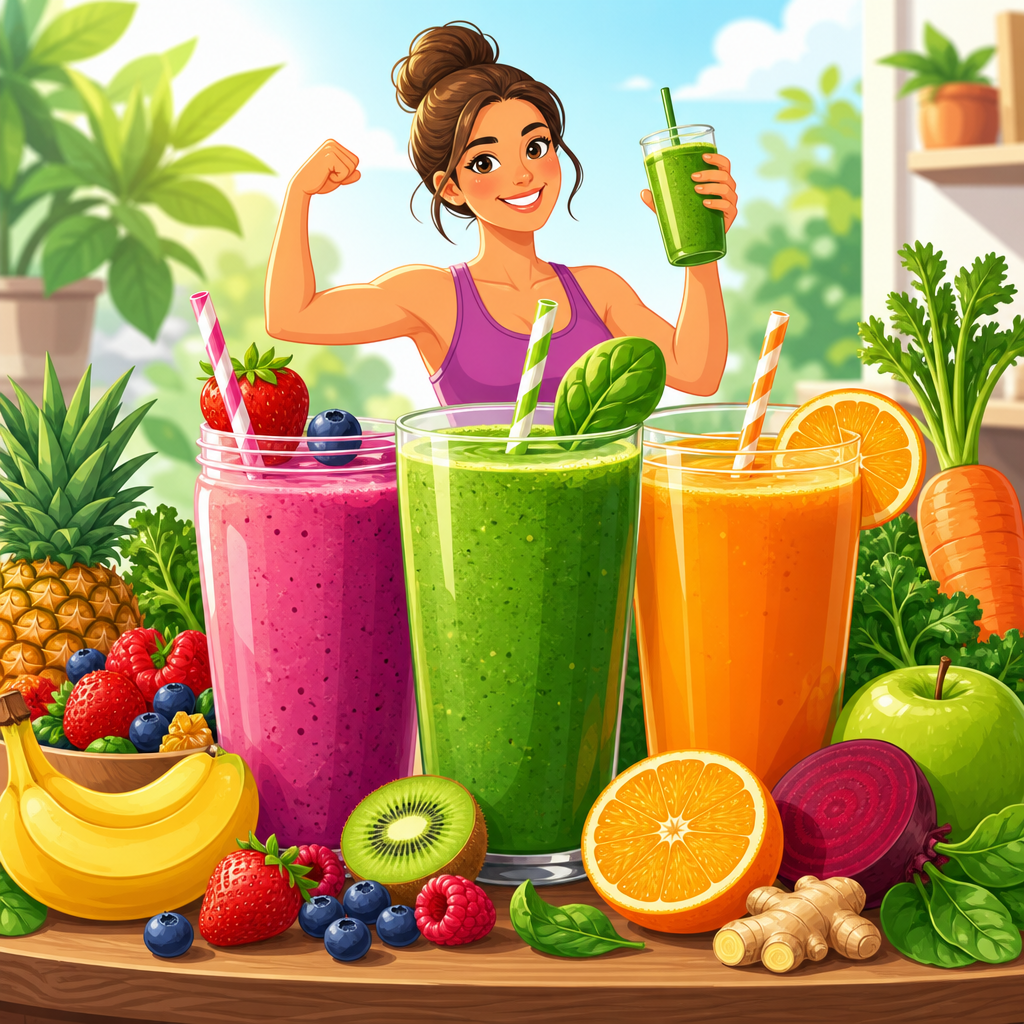
Smoothies and juices can be practical, effective tools for increasing nutrient intake, but they work best when you understand how ingredients, preparation methods, and meal timing affect the final result. In the context of recipes and meal planning, “smoothies” are blended drinks that retain the edible fiber of fruits, vegetables, nuts, seeds, and dairy or dairy alternatives, while “juices” are extracted liquids that separate most of the pulp from the liquid portion of produce. That distinction matters because fiber changes digestion speed, fullness, blood sugar response, and how a drink fits into a balanced eating pattern.
I have built meal plans for busy families, athletes, and clients trying to improve vegetable intake, and smoothies and juices are often the easiest entry point because they lower the friction of eating well. Someone who struggles to eat leafy greens at lunch may happily drink spinach blended with frozen mango, Greek yogurt, and chia. A person recovering from illness may tolerate a simple juice more easily than a large salad. Used thoughtfully, these drinks help people meet recommendations for fruits and vegetables, increase potassium, vitamin C, folate, carotenoids, and polyphenols, and create repeatable routines that support long-term health.
The key is to stop thinking of every smoothie or juice as automatically healthy. A 20-ounce drink made mostly from fruit juice concentrate and sherbet can deliver a large sugar load with little protein or fiber. By contrast, a well-built smoothie can function as a complete breakfast, post-workout recovery meal, or strategic snack. A carefully planned juice can be a concentrated source of hydration and micronutrients, especially for people with low appetite or increased nutrient needs. This hub explains how to choose between smoothies and juices, how to build them for specific goals, and how to make them part of a realistic weekly plan.
Understanding the Difference Between Smoothies and Juices
If you want a direct answer, here it is: smoothies are usually better for satiety and blood sugar control, while juices are usually better for rapid hydration and concentrated flavor. Blending keeps the plant cell walls and fiber in the drink, even though the texture becomes smoother. Juicing extracts water, vitamins, minerals, and many phytonutrients, but removes much of the insoluble fiber. That means a smoothie generally digests more slowly and keeps you full longer. A juice often passes through the stomach faster and can be useful when you want quick intake without heaviness.
Neither option is universally superior. The right choice depends on your purpose. For breakfast, I usually recommend smoothies because they can include protein, healthy fat, and fiber in one glass. For example, blending kefir, berries, oats, spinach, and ground flax creates a drink with probiotics, anthocyanins, beta-glucan, folate, and omega-3 fats. For someone who wants a refreshing afternoon drink or needs an easy way to consume produce during hot weather, a juice made from cucumber, celery, lemon, and ginger may be more appealing. The nutritional value comes from the ingredient list and the role the drink plays in the rest of the diet.
It is also helpful to understand what happens mechanically. High-speed blenders such as Vitamix, Blendtec, and Ninja pulverize whole ingredients, preserving edible parts that support fullness. Centrifugal juicers work quickly and are convenient, but they may generate more heat and foam. Masticating juicers process produce more slowly and often produce higher yields from leafy greens and wheatgrass. In day-to-day use, the best appliance is the one you will clean and use consistently, because consistency matters more than owning the most advanced machine.
Core Nutrients These Drinks Can Deliver
Smoothies and juices are especially valuable because they can concentrate several underconsumed nutrients in one serving. Dark leafy greens such as spinach, kale, and Swiss chard contribute vitamin K, folate, lutein, and magnesium. Orange and red produce such as carrots, mango, papaya, and red bell peppers supply beta-carotene and vitamin C. Berries provide anthocyanins and ellagic acid. Citrus adds vitamin C and hesperidin. Seeds such as chia, hemp, and flax offer alpha-linolenic acid, minerals, and texture. Yogurt and kefir add protein, calcium, and in many cases live cultures.
One reason I use smoothies in meal plans is that they make nutrient stacking simple. A drink can combine spinach for folate, berries for polyphenols, banana for potassium, Greek yogurt for protein, and flaxseed for fiber and omega-3 fats without requiring separate dishes or complicated cooking. Juices can also stack nutrients effectively when built around vegetables rather than only sweet fruit. A blend of carrot, beet, lemon, and ginger provides carotenoids, nitrate compounds, vitamin C, and pungent bioactives that many people find invigorating. The caveat is portion control, because reducing several pieces of produce into a small glass can make it easy to consume more natural sugar than intended.
Bioavailability matters too. Fat-soluble carotenoids from carrots, spinach, and mango are better absorbed when consumed with some fat, which is one reason avocado, nut butter, or yogurt can improve a smoothie beyond taste. Some vitamin C is sensitive to air, light, and time, so freshly prepared juice often has an advantage over juice stored for long periods. Frozen fruits and vegetables can be nutritionally strong because they are typically processed close to harvest. In practice, using frozen berries or frozen cauliflower in smoothies is both cost-effective and evidence-based.
How to Build a Balanced Smoothie or Juice
A balanced smoothie should answer one simple question: is it a beverage, a snack, or a meal? If it is a meal, include a protein source, a produce base, a fiber source, and enough energy to hold you until the next eating occasion. In my experience, the easiest formula is one to two cups of fruit and vegetables, twenty to thirty grams of protein, one to two tablespoons of seeds or nut butter, and liquid to reach the desired texture. Protein powder can be useful, but whole-food options such as Greek yogurt, cottage cheese, kefir, soy milk, and silken tofu work extremely well.
Juices require a different framework because they usually cannot serve as complete meals on their own. Build them around vegetables first, then use fruit and aromatics to improve flavor. Cucumber, celery, spinach, romaine, parsley, beet, carrot, and tomato make strong bases. Apple, orange, pineapple, or pear can soften bitterness, while lemon, lime, ginger, mint, and turmeric create dimension. For most adults, an eight- to twelve-ounce serving is a practical portion. If you want more staying power, pair juice with eggs, yogurt, nuts, or a high-fiber toast rather than expecting the juice alone to keep you satisfied.
| Goal | Best Drink | Key Ingredients | Why It Works |
|---|---|---|---|
| Breakfast meal | Smoothie | Greek yogurt, berries, spinach, oats, flax | Protein and fiber improve fullness and steadier energy |
| Post-workout recovery | Smoothie | Milk, banana, whey or soy protein, cocoa | Protein supports muscle repair and carbs replenish glycogen |
| Hydration on a hot day | Juice | Cucumber, celery, lemon, mint | High-water produce and bright flavor encourage fluid intake |
| Vegetable intake boost | Either | Kale, carrot, beet, apple, ginger | Combines micronutrient density with better palatability |
| Low appetite or recovery | Juice | Orange, carrot, ginger, diluted as needed | Easy to sip when chewing feels difficult |
Health Benefits, Limits, and Common Mistakes
The clearest benefit of smoothies and juices is improved adherence to healthy eating. People rarely fail because they do not know vegetables are beneficial; they fail because shopping, prep, taste preferences, and time get in the way. A smoothie reduces preparation to a few minutes and can rescue produce before it spoils. A juice can make strongly flavored vegetables approachable. These practical advantages often lead to higher produce consumption, which is associated with better cardiometabolic health, digestive regularity, and overall diet quality.
There are also specific use cases. Athletes may use smoothies to increase calories and protein without excessive bulk. Older adults with reduced appetite or chewing difficulty may find blended drinks easier than large meals. Children who resist vegetables may accept a smoothie bowl or fruit-forward blend while gradually adapting to greener flavors. People trying to reduce ultra-processed snack intake can replace a pastry-and-coffee habit with a more balanced smoothie that includes protein and fiber. In clinical nutrition, texture-modified foods and beverages are often essential, though individual medical needs should guide exact recipes.
Still, there are real limitations. Juices can raise blood glucose more quickly than whole fruit or fiber-rich smoothies, which matters for people with diabetes or insulin resistance. Large smoothies can become calorie-dense if they include multiple sweeteners, oversized portions of nut butter, coconut products, and fruit juice. “Detox” claims are another common mistake. The liver and kidneys perform detoxification; no juice cleanses the body in a magical sense. What these drinks can do is support a nutrient-dense dietary pattern that helps normal physiology function well. That is a meaningful benefit, but it should be described accurately.
Food safety deserves attention too. Wash produce well, especially leafy greens and melons. Refrigerate perishable drinks promptly, and do not leave dairy-based smoothies at room temperature. If you use fresh juices regularly, clean the juicer immediately because retained pulp spoils fast. For people with kidney disease, anticoagulant use, gastrointestinal disorders, or medically prescribed diets, ingredient choices may need adjustment. Spinach, for example, is nutritious but high in oxalates, and kale can affect vitamin K intake consistency. Smart planning means matching the drink to the person, not chasing trends.
Meal Planning Strategies and Hub Topics to Explore Next
To make smoothies and juices sustainable, build them into your weekly meal planning system instead of improvising every morning. Start with three repeatable templates: a breakfast smoothie, a recovery smoothie or filling snack smoothie, and a vegetable-forward juice. Keep a short staple list on hand, such as frozen berries, bananas, spinach, kefir, Greek yogurt, chia seeds, citrus, cucumbers, carrots, and ginger. Portion freezer packs in advance if mornings are rushed. Labeling bags with the intended liquid and protein source prevents decision fatigue and speeds preparation on workdays.
This subtopic also connects naturally to several deeper articles within recipes and meal planning. Readers often want guidance on smoothie prep for weight management, high-protein smoothies for muscle recovery, green smoothies that actually taste good, kid-friendly blends with less added sugar, cold-pressed juice versus blended drinks, seasonal produce pairings, and storage methods that protect texture and flavor. Another valuable branch is budget planning: when to buy frozen fruit, how to use bruised produce, and how to minimize waste by turning herbs, citrus, and leftover greens into drink components. Those supporting pieces help a hub page become genuinely useful rather than just broad.
If you are organizing your own system, think in terms of purpose, ingredients, and frequency. Choose the role first: breakfast, snack, post-workout, hydration, or produce boost. Then choose ingredients that match that role. Finally, decide how often the drink fits your routine without displacing whole foods you enjoy. The healthiest pattern is usually mixed: some whole fruit, some salads and cooked vegetables, some smoothies, and occasional juices used intentionally. When smoothies and juices are integrated this way, they stop being wellness novelties and become dependable tools for maximizing your health with practical, nutrient-rich meal planning.
The main takeaway is simple: smoothies and juices for nutrient boost are most effective when they are built with intention, matched to a specific goal, and used as part of a balanced eating pattern. Smoothies generally provide more fiber, more fullness, and better meal potential. Juices generally provide lighter texture, quick hydration, and an easy route to concentrated produce intake. Both can support better nutrition when ingredients are chosen carefully and portions reflect your needs.
The most successful approach is not the most restrictive one. It is the one you can repeat. Keep combinations simple, rely on staple ingredients, and use proven building blocks such as leafy greens, berries, citrus, yogurt, kefir, seeds, and high-water vegetables. If you need better breakfast habits, start with a protein-rich smoothie. If you need a refreshing produce boost, use a vegetable-based juice and pair it with a satisfying food. When you plan ahead, these drinks save time, reduce waste, and make healthy choices easier on busy days.
Use this hub as your starting point for smarter recipes and meal planning around smoothies and juices. Pick one goal, create one reliable recipe, and add it to your weekly routine this week.
Frequently Asked Questions
What is the main difference between smoothies and juices when it comes to nutrition?
The biggest nutritional difference is fiber. Smoothies are made by blending whole ingredients, so they typically keep the edible fiber found in fruits, vegetables, nuts, seeds, and other add-ins. That fiber can help slow digestion, support gut health, improve fullness, and reduce the speed at which naturally occurring sugars enter the bloodstream. Juices, on the other hand, are made by extracting liquid from produce and removing most of the pulp, which means you often lose much of the fiber during preparation. As a result, juice can deliver vitamins, minerals, and plant compounds in a more concentrated and quickly absorbed form, but it may be less filling and easier to drink in larger quantities.
Neither option is automatically better in every situation. Smoothies are often more balanced as a mini-meal or meal component because they can include protein, healthy fats, and fiber-rich ingredients all in one glass. Juices can be useful when you want a lighter option, need something easy to consume, or want to increase your intake of certain vegetables and fruits without a large volume of solid food. The healthiest choice depends on your goal. If you want satiety, blood sugar stability, and a more complete nutritional profile, smoothies usually have the edge. If your goal is quick hydration, a simple nutrient boost, or a convenient way to consume produce, juice can still play a valuable role.
How can I make smoothies and juices healthier without adding too much sugar?
A smart way to keep sugar in check is to build your drink around vegetables first and use fruit strategically for flavor rather than as the entire base. For smoothies, that might mean starting with spinach, kale, cucumber, zucchini, cauliflower, or avocado, then adding one serving of fruit such as berries, kiwi, green apple, or half a banana. For juices, combining high-water vegetables like celery and cucumber with leafy greens, lemon, ginger, and a smaller amount of fruit can create a more balanced flavor profile while keeping total sugar lower than fruit-heavy blends.
It also helps to think beyond sweetness. Add-ins like plain Greek yogurt, kefir, unsweetened soy milk, chia seeds, flaxseed, hemp seeds, oats, nut butter, or protein powder can make a smoothie more satisfying and nutritionally complete. In juices, flavor boosters like ginger, mint, parsley, turmeric, lime, and lemon can improve taste without relying on extra fruit. Avoid turning a healthy drink into a dessert by limiting sweetened yogurts, fruit juice concentrates, syrups, sherbet, and large amounts of dried fruit. A practical rule is to aim for balance: include produce, watch portion size, and, especially for smoothies, pair carbohydrates with protein and healthy fat so the drink supports steady energy instead of a quick spike and crash.
Is it better to drink a smoothie or juice as a meal replacement or as a snack?
That depends on what is in the drink. A smoothie can work as a meal replacement if it is built to provide the core elements of a balanced meal: carbohydrates for energy, protein for muscle support and satiety, healthy fats for staying power, and fiber for fullness and digestive health. For example, a meal-style smoothie might include fruit, leafy greens, Greek yogurt or tofu, nut butter, seeds, and unsweetened milk or a fortified dairy alternative. Without enough protein and fat, even a large smoothie may act more like a snack than a meal because it digests quickly and may leave you hungry soon after.
Juices are usually better suited as a snack or nutrient add-on rather than a full meal replacement because they typically lack substantial protein, fat, and fiber. They can be useful alongside breakfast, between meals, or paired with a protein-rich food such as eggs, cottage cheese, nuts, or yogurt. Timing matters too. A smoothie can be effective before or after exercise depending on its ingredients, and a lighter juice may be appealing when you want hydration and produce intake without heaviness. The key is to match the drink to the role you want it to play. If you need staying power, prioritize a well-constructed smoothie. If you want something light and refreshing, a juice may be the better fit.
What ingredients are best for creating a nutrient-dense smoothie or juice?
Nutrient-dense drinks usually combine a variety of ingredients rather than relying on one “superfood.” For smoothies, a strong foundation often includes leafy greens such as spinach or kale, low-sugar fruit like berries, a protein source such as Greek yogurt, kefir, soy milk, or protein powder, and healthy fats from chia, flax, hemp, avocado, or nut butter. These combinations can provide vitamins, minerals, antioxidants, protein, and fiber in a form that is convenient and easy to customize. Oats can add texture and help with fullness, while ingredients like cinnamon, ginger, or cacao can enhance flavor and contribute beneficial plant compounds.
For juices, nutrient density often comes from emphasizing vegetables and using fruit in moderation. Good choices include cucumber, celery, carrots, beets, romaine, parsley, spinach, and lemon or lime for brightness. Ginger and turmeric are popular additions for their bold flavor and beneficial phytonutrients. Rotating ingredients can help broaden your nutrient intake over time, since different produce offers different strengths. Dark leafy greens bring folate and vitamin K, orange produce often contributes carotenoids, berries are known for antioxidants, and seeds can supply omega-3 fats and minerals in smoothies. A useful strategy is to think in layers: greens for micronutrients, colorful produce for phytonutrients, protein for balance, and healthy fats or fiber-rich ingredients for better satisfaction and absorption.
Are there any common mistakes people make with smoothies and juices when trying to improve their health?
Yes, one of the most common mistakes is assuming that every homemade smoothie or juice is healthy just because it contains fruit or vegetables. In reality, calories and sugar can add up quickly when drinks include multiple servings of fruit, sweetened liquids, flavored yogurts, honey, syrups, or large portions of nut butters and high-calorie extras. Another frequent issue is drinking smoothies too quickly or in portions that are much larger than needed. Because beverages are easy to consume fast, it is possible to take in far more energy than you would from eating the same ingredients whole and slowly.
Another mistake is overlooking balance. A smoothie made only from fruit and juice may taste fresh, but it is often missing protein and fat. A juice made mostly from fruit can become more of a sugary beverage than a vegetable-forward nutrient booster. People also sometimes rely on these drinks as a substitute for all whole produce, when they are best used as one tool within an overall healthy eating pattern. Preparation and storage matter as well. Freshly made juices and smoothies are generally best consumed soon after preparation for optimal taste and texture, and some sensitive nutrients may decline over time with air and light exposure. The most effective approach is to use smoothies and juices intentionally: choose quality ingredients, watch portions, include balance where appropriate, and treat them as supportive parts of a thoughtful meal plan rather than quick fixes.