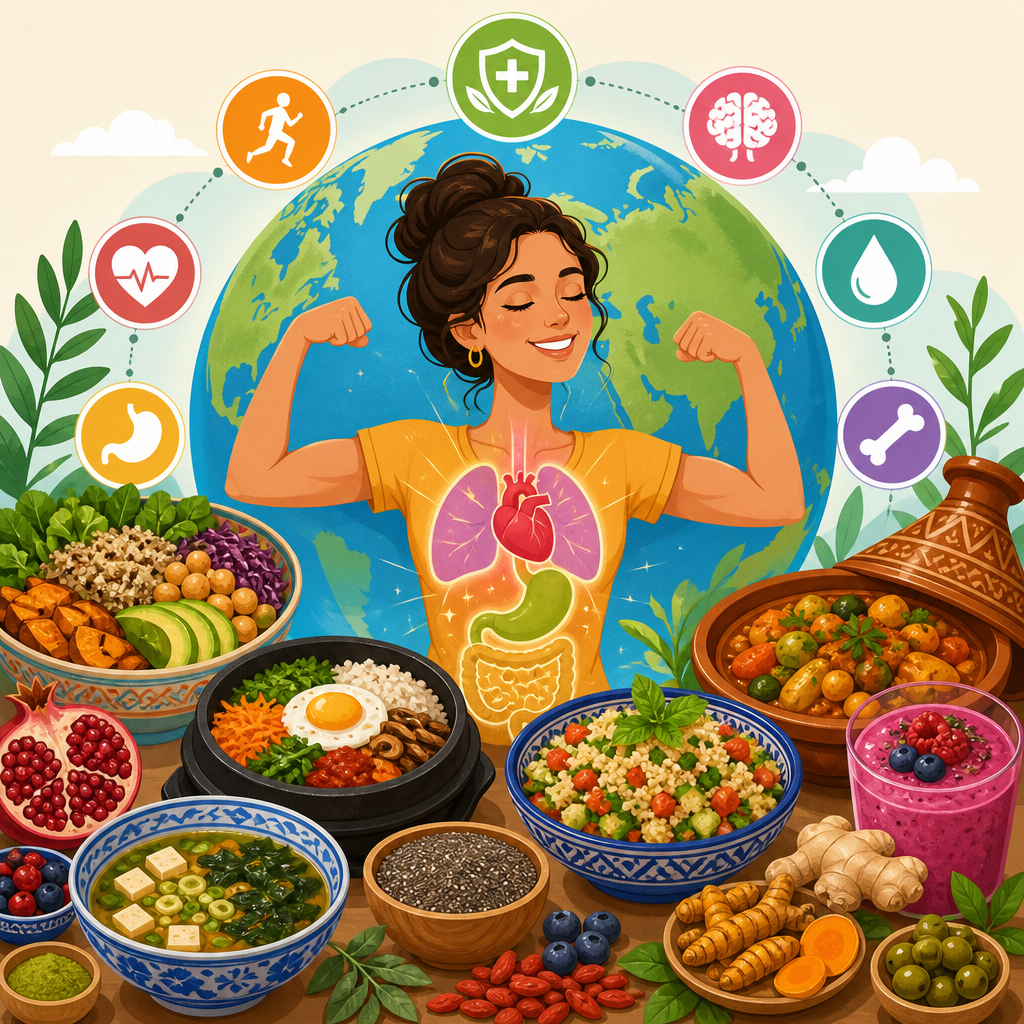
International superfoods and recipes support your body’s key functions by supplying dense nutrition, diverse phytonutrients, and practical meal patterns drawn from food cultures that have sustained health for generations. In this context, “superfoods” does not mean miracle ingredients. It refers to foods with unusually high concentrations of vitamins, minerals, fiber, beneficial fats, probiotics, or protective plant compounds relative to their calories. International superfoods matter because no single cuisine contains every nutrient advantage. When you build meals from Japanese sea vegetables, West African legumes, Mediterranean olive oil, Andean grains, Indian spices, Korean fermented vegetables, and Nordic berries, you widen your nutritional range. That variety directly supports immune defense, digestion, cardiovascular health, energy production, brain function, hormone balance, bone strength, and recovery from daily stress. In meal planning work, I have repeatedly seen one problem: people eat “healthy” but narrowly. They rotate the same greens, proteins, and grains, then wonder why meals feel boring or why nutrition gaps persist. International recipes solve that by expanding ingredients without requiring complicated cooking. A simple dal, a grain bowl with kimchi, a sardine toast with olive oil, or a miso soup with tofu can be affordable, fast, and biologically useful.
This hub article explains how international superfoods and recipes help the body function well, which foods deserve regular rotation, and how to plan meals that are realistic on a busy schedule. It also serves as a foundation for deeper articles on specific ingredients, cuisines, and meal-prep strategies within recipes and meal planning.
Why global food diversity improves whole-body nutrition
Your body runs on systems, not isolated nutrients. Red blood cells need iron, folate, vitamin B12, copper, and protein. Muscles need amino acids, magnesium, potassium, and carbohydrate. The immune system depends on zinc, selenium, vitamins A, C, D, E, and a healthy gut microbiome. International superfoods are valuable because they help cover multiple systems at once. Seaweed contributes iodine for thyroid function. Yogurt and kefir provide live cultures and protein. Lentils deliver folate, iron, fiber, and slow-digesting carbohydrate. Turmeric contains curcuminoids studied for inflammatory signaling, especially when paired with black pepper and fat for better absorption. Extra-virgin olive oil supplies monounsaturated fat and polyphenols associated with cardiovascular benefits.
Dietary diversity is also linked with a more resilient gut microbiota. Different fibers and polyphenols feed different microbial species, which then produce short-chain fatty acids such as butyrate that help maintain the intestinal lining and influence immune regulation. Traditional cuisines often achieve this naturally. Think of a Middle Eastern plate with chickpeas, tahini, herbs, lemon, yogurt, and whole grains, or a Korean meal with rice, vegetables, fermented sides, fish, and soup. These combinations are not random. They pair texture, flavor, and nutrient complementarity in ways modern convenience eating often lacks.
Another reason global recipes work is adherence. People are more likely to keep eating nutritious foods when meals are satisfying. Acidity from citrus, umami from miso, heat from chili, bitterness from greens, and richness from nuts or olive oil make healthy meals taste complete. A recipe that you genuinely want to repeat supports body functions better than a perfect diet plan you abandon in four days.
Core international superfoods and the functions they support
Some ingredients consistently stand out because they deliver high nutritional value, culinary flexibility, and strong evidence for health support. Legumes, including lentils, chickpeas, black beans, and adzuki beans, are foundational across Indian, Mediterranean, Latin American, and East Asian cooking. They support blood sugar control through fiber and resistant starch, improve satiety, and contribute iron, magnesium, potassium, and plant protein. Fermented foods such as kimchi, sauerkraut, kefir, tempeh, and miso add beneficial microbes or fermentation-derived compounds that can support digestion, though product quality and individual tolerance vary.
Fatty fish used in Japanese, Nordic, and Mediterranean diets, including sardines, mackerel, salmon, and herring, provide omega-3 fatty acids EPA and DHA, which are important for heart, brain, and visual function. Small fish like sardines also deliver calcium when bones are eaten. Whole grains such as quinoa, teff, farro, oats, and brown rice supply energy, B vitamins, and fiber, with quinoa and teff adding notable mineral density. Dark leafy greens, cruciferous vegetables, alliums, mushrooms, berries, nuts, seeds, soy foods, and spices like ginger, garlic, cumin, cinnamon, and turmeric round out the list by adding antioxidants, sulfur compounds, lignans, and bioactive phytochemicals.
| Superfood | Traditional use | Key nutrients or compounds | Primary body functions supported |
|---|---|---|---|
| Lentils | Indian dal, Middle Eastern soups | Fiber, folate, iron, protein | Energy metabolism, digestion, blood sugar balance |
| Kimchi | Korean side dish | Fermentation products, vitamin C, fiber | Gut health, immune support, appetite variety |
| Sardines | Mediterranean and coastal cuisines | EPA, DHA, calcium, vitamin D, protein | Heart, brain, bone, and muscle function |
| Miso | Japanese soups and marinades | Fermented soy compounds, sodium, protein | Digestive support, flavor depth, meal satisfaction |
| Quinoa | Andean grain dishes | Fiber, magnesium, complete protein | Steady energy, muscle repair, nutrient density |
| Olive oil | Mediterranean cooking | Monounsaturated fat, polyphenols | Cardiovascular support, absorption of fat-soluble vitamins |
These foods are effective because they combine nutrient density with daily usability. You can store lentils in the pantry, keep sardines on the shelf, whisk miso into broth, add kimchi to rice bowls, and finish vegetables with olive oil. The most useful superfood is the one you can cook on a Wednesday night.
How international recipes support digestion, immunity, and metabolism
Digestion improves when meals include fiber diversity, adequate fluids, and, for many people, fermented foods. Consider a Japanese-style bowl with brown rice, edamame, mushrooms, spinach, sesame, and miso broth. That single meal supplies soluble and insoluble fiber, resistant starch, magnesium, and fermented ingredients. A Mexican-inspired plate with black beans, cabbage slaw, avocado, salsa, and corn tortillas does something similar with different phytochemicals and textures. Fiber slows gastric emptying, supports bowel regularity, and helps beneficial bacteria produce short-chain fatty acids.
Immune support is strongly linked to overall nutrition rather than one “immune boosting” food. Vitamin C from citrus, peppers, and kimchi; vitamin A precursors from sweet potatoes and carrots; zinc from legumes, shellfish, and seeds; selenium from seafood; and protein from yogurt, eggs, fish, tofu, or beans all contribute. Spices common in Indian, North African, and Southeast Asian cooking also increase intake of polyphenols. While they are not substitutes for sleep, vaccination, or medical care, they help create a dietary pattern that supports normal immune function.
Metabolism depends on enough calories, adequate protein, and micronutrients that help convert food into usable energy. B vitamins in whole grains and legumes, iron in lentils and shellfish, iodine in seaweed, and magnesium in nuts, seeds, and cacao all matter. One reason international meal planning works is that traditional recipes often solve nutrient synergy. Iron-rich lentils are paired with tomatoes or lemon for vitamin C. Fat-soluble compounds in vegetables are eaten with olive oil or tahini. Turmeric appears in dishes that include fat and heat. These combinations improve the practical value of meals.
Heart, brain, and hormone benefits from traditional ingredients
Cardiovascular support is one of the clearest strengths of international superfoods. The Mediterranean dietary pattern is well studied, with evidence linking it to lower cardiovascular risk through high intake of vegetables, legumes, olive oil, nuts, fish, and minimally processed grains. Extra-virgin olive oil provides oleic acid and polyphenols. Beans help lower LDL cholesterol through soluble fiber. Oily fish supply omega-3 fats that support triglyceride regulation and anti-inflammatory pathways. Herbs, garlic, and acidic dressings add flavor while reducing dependence on heavy processed sauces.
Brain function also benefits from these patterns. DHA, found in salmon, sardines, and mackerel, is a structural fat in the brain and retina. Choline from eggs, soy foods, and seafood helps neurotransmitter production. Polyphenol-rich foods such as green tea, berries, cocoa, and colorful herbs may help protect cells from oxidative stress. In practice, I often recommend a weekly rhythm: two fish meals, several bean-based meals, and one or two fermented meals. That pattern is easier to maintain than chasing isolated supplements.
Hormone support is more nuanced, but stable eating patterns clearly help. Blood sugar swings can affect energy, appetite, and mood. Meals built around legumes, intact grains, vegetables, and protein usually produce steadier glucose responses than refined, low-fiber meals. Soy foods such as tofu, tempeh, and edamame contain isoflavones that have been widely studied; for most people they are safe and can be part of a balanced diet. Iodine from sea vegetables supports thyroid hormone production, but portions matter because excess iodine can also be problematic. This is why using nori regularly and very high-iodine kelp more cautiously is a sensible approach.
How to plan international superfood meals for real life
The best meal plan is structured enough to reduce decisions and flexible enough to survive real schedules. Start with a simple framework: one protein, one fiber-rich carbohydrate, at least two plant foods, and one flavor booster from a global pantry. Flavor boosters include harissa, gochujang, tahini, miso, chimichurri, curry paste, salsa verde, or yogurt with herbs. Once those are stocked, entirely different meals can be built from similar base ingredients.
For breakfast, Greek yogurt with berries, pistachios, and chia supports protein, gut health, and steady energy. A savory option is miso oatmeal with spinach, egg, and sesame. Lunch can be a quinoa tabbouleh bowl with chickpeas and salmon, or leftover dal with cucumber yogurt and a side salad. Dinner might be tofu stir-fry with bok choy and brown rice, Moroccan lentil soup with whole-grain bread, or sardines over tomato-rubbed toast with arugula and olive oil. These are not restaurant projects. They are fifteen- to thirty-minute meals when staples are prepared ahead.
Batch cooking is where this hub topic becomes practical. Cook one pot of lentils, one grain, one tray of vegetables, and one sauce. Then convert them across cuisines. Lentils become dal one night, a lemon-herb salad the next, and taco filling later. Roasted vegetables fit into grain bowls, omelets, wraps, and soups. A jar of tahini dressing can season Middle Eastern bowls, act as a dip for vegetables, or thin into a sauce for noodles. This approach reduces waste, cuts costs, and keeps the nutritional value high.
There are limitations to acknowledge. Imported specialty items can be expensive or hard to source. Some fermented foods are high in sodium. Certain superfoods are overmarketed despite limited evidence. The answer is not to buy everything with an exotic label. Use accessible stand-ins and focus on patterns: beans instead of rare powders, frozen fish instead of fresh sashimi-grade fillets, local greens instead of trendy leaves. What matters most is regular intake of nutrient-dense foods prepared in enjoyable ways.
Building your international superfoods recipe hub
As a recipes and meal planning hub, this topic works best when readers can branch into specific questions: which international superfoods are best for gut health, how to cook with miso, easy lentil recipes, beginner Mediterranean meal prep, healthy Korean pantry staples, or affordable omega-3 meals using canned fish. The hub should connect these subtopics because people rarely search only for theory. They want direct answers and usable recipes. They want to know what to buy, how often to eat it, and what to cook tonight.
The strongest takeaway is simple: your body’s key functions are supported not by one miracle ingredient but by repeated meals built from diverse, nutrient-dense foods. International superfoods and recipes make that easier by expanding your pantry, improving flavor, and delivering complementary nutrients across cultures. Start small. Add one fermented food, one legume-based meal, one fish meal, and one new spice-driven recipe this week. Then build from there with the linked guides in this hub, and turn global inspiration into a sustainable meal planning system.
Frequently Asked Questions
1. What does “international superfoods” actually mean, and how do they support the body’s key functions?
“International superfoods” refers to nutrient-dense foods and traditional ingredients used in cuisines around the world that provide a high concentration of beneficial nutrients relative to their calories. These foods are not magic cures, and they do not replace an overall balanced diet. Instead, they help support the body’s major systems by supplying essential vitamins, minerals, fiber, healthy fats, protein, probiotics, and a wide range of protective plant compounds known as phytonutrients. The reason they matter is that your body relies on a steady supply of diverse nutrients to carry out core functions such as producing energy, supporting immune defenses, maintaining hormone balance, building and repairing tissues, protecting cells from oxidative stress, and keeping the gut microbiome healthy.
For example, fermented foods such as kefir, kimchi, miso, and yogurt can help support digestive and immune function through probiotics and fermentation byproducts. Fatty fish used in Mediterranean and Nordic eating patterns provide omega-3 fats that support brain, heart, and inflammatory balance. Legumes common in Latin American, Middle Eastern, Indian, and African cuisines supply fiber, plant protein, iron, magnesium, and slow-digesting carbohydrates that help with blood sugar regulation and sustained energy. Dark leafy greens, sea vegetables, berries, spices, seeds, and colorful root vegetables contribute antioxidant and anti-inflammatory compounds that help protect cells and support circulation, metabolism, and recovery. In short, international superfoods support the body’s key functions not because they are trendy, but because they help fill nutritional gaps with a broader range of compounds than many repetitive modern diets provide.
2. Why is dietary diversity from global food traditions important for health?
Dietary diversity matters because no single food, culture, or eating pattern contains every nutrient and protective compound in ideal amounts. Traditional food cultures around the world evolved around local plants, grains, legumes, seafood, fermented foods, herbs, and preparation methods that together helped sustain health over generations. When you draw from a wider variety of those traditions, you naturally expose your body to more types of fiber, amino acids, minerals, healthy fats, and phytonutrients. That variety can be especially helpful for supporting multiple body systems at once, including digestion, immunity, cardiovascular health, cognition, and metabolic function.
One of the biggest benefits of global dietary diversity is better support for the gut microbiome. Different plant foods contain different fibers and polyphenols, and those compounds feed different beneficial microbes. A wider range of microbes is generally associated with better digestive resilience, stronger immune signaling, and more efficient production of short-chain fatty acids that help protect the gut lining and influence inflammation throughout the body. Diversity also helps reduce overreliance on a narrow set of foods, which can make it easier to meet nutrient needs more consistently. For instance, rotating between lentils, chickpeas, black beans, sardines, sesame, turmeric, garlic, seaweed, cruciferous vegetables, cultured dairy, and tropical fruits can create a more nutritionally complete eating pattern than relying on the same ingredients every day. International recipes make that diversity practical by showing how these foods fit naturally into meals people actually enjoy eating.
3. Which body functions can benefit most from international superfoods and recipes?
International superfoods and recipes can support nearly every major function of the body when they are used as part of a consistent, balanced diet. One of the most immediate areas is energy metabolism. Foods such as whole grains, legumes, nuts, seeds, eggs, fish, and mineral-rich vegetables provide B vitamins, iron, magnesium, and protein that the body uses to turn food into usable energy. Immune function also benefits from globally diverse foods, especially those rich in vitamin C, zinc, selenium, probiotics, and phytonutrients, such as citrus, peppers, garlic, mushrooms, fermented vegetables, yogurt, and seafood. Digestive health is another major area, since many traditional cuisines emphasize beans, vegetables, herbs, fermented foods, and resistant starches that support bowel regularity and a healthier microbiome.
Cardiovascular and brain health are also strongly supported by foods common in Mediterranean, Japanese, Nordic, and coastal traditions. Olive oil, fatty fish, nuts, seeds, sea vegetables, legumes, and antioxidant-rich produce can help support healthy cholesterol levels, blood vessel function, and balanced inflammation. Bone and muscle function benefit from calcium-rich foods, magnesium, vitamin K, protein, and trace minerals found in foods such as sesame, sardines, tofu, greens, cultured dairy, and beans. Even hormone balance and stress resilience can be influenced by overall nutrient sufficiency, healthy fats, stable blood sugar patterns, and gut health. The broader point is that recipes built from international superfoods tend to support the body in a systems-based way: not by targeting only one issue, but by improving the nutritional foundations that many body functions depend on every day.
4. Do you need expensive or hard-to-find ingredients to get the benefits of international superfoods?
No. One of the most useful things to understand is that “superfood” does not have to mean rare, imported, or expensive. Many of the most effective international superfoods are affordable staples that have been used for centuries: lentils, beans, oats, sardines, yogurt, cabbage, garlic, onions, sweet potatoes, brown rice, herbs, seeds, and fermented foods. What makes these foods powerful is their nutrient density, not their price tag or marketing appeal. A simple lentil stew inspired by Middle Eastern or Indian cooking, a bean-based Latin American meal, a cabbage-and-yogurt side dish, or a Japanese-style bowl with rice, fish, greens, and miso can provide outstanding nutritional value without requiring specialty shopping.
If certain traditional ingredients are unavailable where you live, the best approach is to focus on function rather than exact replication. For example, if you cannot find kefir, plain yogurt with live cultures may offer similar probiotic support. If seaweed is not practical, mineral-rich greens and seafood can still contribute important nutrients. If quinoa is expensive, oats, barley, millet, or beans may serve many of the same purposes in terms of fiber and mineral intake. Spices such as turmeric, ginger, cinnamon, cumin, and oregano are often inexpensive ways to add antioxidant and anti-inflammatory compounds to everyday meals. The real goal is not culinary perfection. It is building regular meals around nutrient-dense, minimally processed ingredients from a range of food traditions in a way that fits your budget, preferences, and local food access.
5. What is the best way to add international superfoods and recipes to your routine without overcomplicating your diet?
The most effective strategy is to start with familiar meal structures and gradually upgrade them with more diverse, nutrient-dense ingredients. Rather than reinventing your entire diet, think in terms of small, repeatable changes. You might add fermented foods to breakfast or lunch, swap refined grains for whole grains used in traditional cuisines, include beans or lentils several times a week, cook with olive oil or sesame more intentionally, and use herbs and spices from different regions to increase flavor and phytonutrient variety. Bowls, soups, stews, salads, grain dishes, curries, and vegetable-forward side dishes are especially practical because they allow you to combine multiple supportive foods in one meal.
A simple framework can help: include a protein source, a fiber-rich carbohydrate, a healthy fat, and at least one colorful plant food at most meals. Then rotate those ingredients across cuisines. For example, one day that might look like Greek yogurt with berries and seeds, a chickpea salad with olive oil and herbs, and salmon with vegetables. Another day it could be miso soup, rice, tofu, greens, and kimchi. Another could feature black beans, sweet potatoes, avocado, slaw, and salsa. This approach improves consistency, which matters more than chasing isolated “superfoods.” It also makes meals more enjoyable and sustainable. When international recipes become part of your regular routine, they can help support the body’s key functions through better nutrient coverage, more beneficial plant compounds, improved gut support, and a more balanced overall pattern of eating.