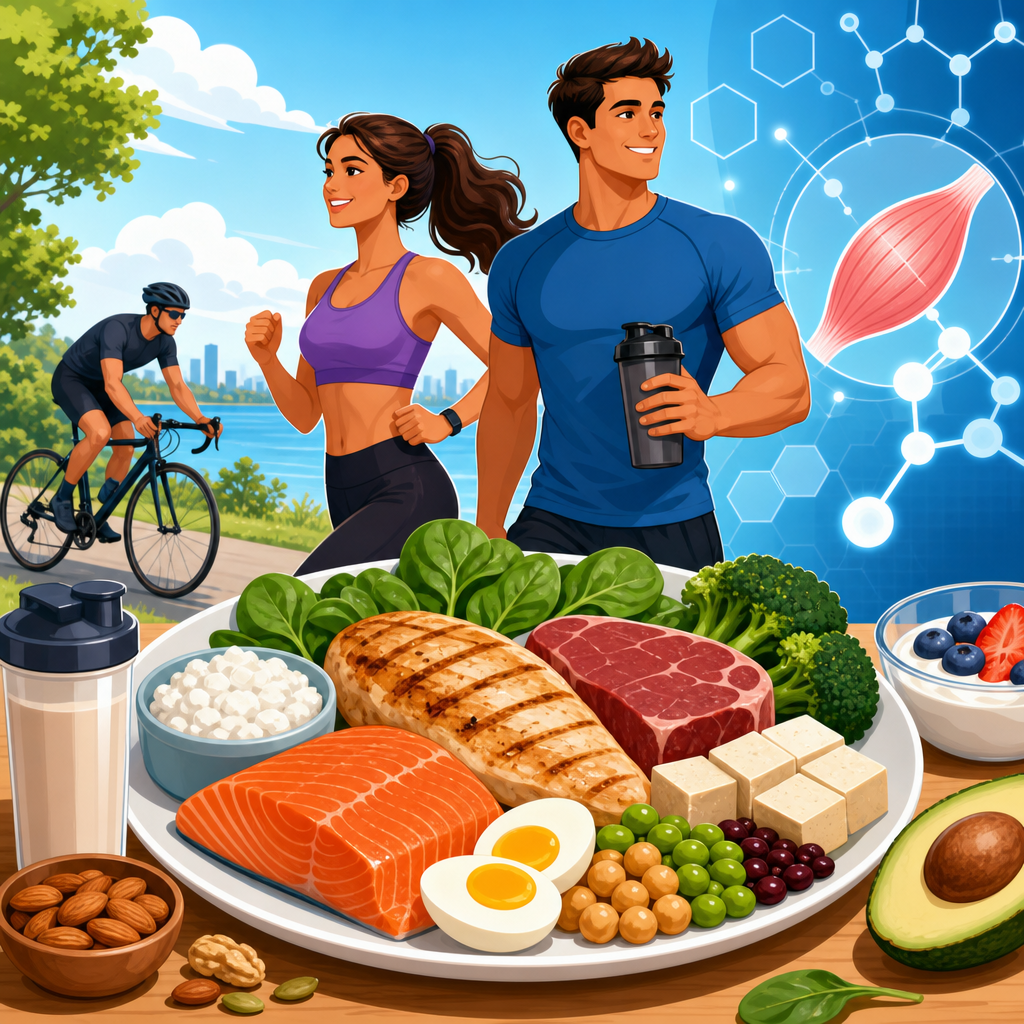
High-protein meals for active lifestyles sit at the center of effective meal planning because they support muscle repair, steady energy, appetite control, and overall diet quality when training demands are high. In practical terms, a high-protein meal usually provides at least 20 to 40 grams of protein from foods such as eggs, Greek yogurt, fish, poultry, lean meat, soy, legumes, or dairy, paired with carbohydrates, healthy fats, and micronutrient-rich produce. For active people, that balance matters more than protein alone. Whether someone lifts weights, runs long distances, plays field sports, cycles, or simply maintains a physically demanding job, food choices determine how well the body recovers, adapts, and performs day after day.
I have planned meals for athletes, busy parents training before work, and recreational exercisers who assumed they only needed a protein shake. The pattern is consistent: when protein intake is spread across real meals instead of crammed into one dinner, people feel fuller, recover faster, and are less likely to rely on convenience foods later. Research supports that experience. Protein provides amino acids, including leucine, that stimulate muscle protein synthesis, while regular meal timing helps preserve lean mass during fat loss and supports gains during resistance training. Endurance athletes benefit too, especially when protein is combined with carbohydrates after sessions to replenish glycogen and limit muscle breakdown.
This topic matters because active lifestyles increase nutritional demands, but they do not erase the basics of a healthy diet. A strong meal plan still prioritizes vegetables, fruit, whole grains, legumes, quality fats, hydration, and adequate calories. High-protein meals work best when they are integrated into that wider pattern. This hub explains how much protein active people generally need, which foods make the biggest contribution, how to build meals for different training goals, and what tradeoffs to watch. If you want practical guidance on high-protein meals for active lifestyles, this page gives you the framework.
Why Protein Matters for Performance, Recovery, and Body Composition
Protein is essential for repairing exercise-induced muscle damage, building or preserving lean tissue, producing enzymes and hormones, supporting immune function, and improving satiety. After hard training, muscle fibers undergo microscopic damage. The body repairs that tissue using amino acids from dietary protein, making recovery nutrition a key part of adaptation rather than an optional extra. This is why active people who consistently under-eat protein often report lingering soreness, stalled strength progress, and increased hunger later in the day.
Current sports nutrition guidance generally places protein needs for active adults above the standard recommended dietary allowance of 0.8 grams per kilogram of body weight. Many exercisers do well around 1.2 to 2.0 grams per kilogram daily, with resistance-trained athletes and people in calorie deficits often aiming toward the higher end. For a 70-kilogram person, that is about 84 to 140 grams per day. The exact target depends on body size, age, training volume, total calorie intake, and goals. Older active adults may benefit from slightly higher per-meal doses because anabolic resistance can reduce the muscle-building response to smaller servings.
Body composition is another reason high-protein meals matter. Protein has a stronger effect on fullness than carbohydrates or fats, and it requires more energy to digest. In real meal planning, that often translates into better appetite control. A breakfast with eggs, yogurt, or cottage cheese usually holds someone longer than toast alone. During weight loss, higher protein intake also helps preserve lean mass while body fat decreases, especially when paired with resistance training. The result is not just a lower number on the scale but a better functional outcome.
How Much Protein Should Active People Eat, and When?
A useful rule is to spread protein across three to five meals or snacks rather than consuming most of it at night. In practice, I often build around 25 to 35 grams at breakfast, lunch, and dinner, with one protein-rich snack if needed. That distribution is realistic for most schedules and aligns with evidence that repeated protein feedings stimulate muscle protein synthesis more effectively than a single large dose. For larger athletes or those in heavy training, some meals may reasonably rise to 40 grams or more.
Timing helps, but total daily intake still matters most. A post-workout meal within roughly two hours is ideal, especially after intense sessions or when the next workout is coming soon. That meal should include both protein and carbohydrates. For example, grilled chicken with rice and vegetables, a turkey wrap with fruit, or Greek yogurt with oats and berries all support recovery. Pre-workout meals also deserve attention. Eating protein one to three hours before exercise can reduce hunger and provide amino acids during training, while carbohydrates support performance in moderate to high intensity activity.
There are limits to chasing precision. Most active adults do not need to obsess over exact minute-by-minute nutrient timing unless they are competing at a high level or training multiple times per day. Consistency beats perfection. The goal is simple: eat enough total protein, distribute it well, and match meals to the effort required by your sport or routine.
Best High-Protein Foods to Build Balanced Meals
The best protein sources are the ones you can eat consistently, digest well, afford, and fit into a balanced plate. Animal proteins such as eggs, Greek yogurt, cottage cheese, milk, chicken breast, turkey, lean beef, salmon, tuna, sardines, and shrimp offer complete amino acid profiles and high protein density. Many also supply key nutrients for active people. Dairy provides calcium and often potassium; salmon and sardines contribute omega-3 fats and vitamin D; red meat offers iron, zinc, and vitamin B12, which can be particularly helpful for menstruating athletes or anyone with low iron stores.
Plant proteins deserve equal strategic attention. Tofu, tempeh, edamame, soy milk, lentils, chickpeas, black beans, peas, seitan, and higher-protein grains such as quinoa can all anchor strong meals. Soy foods are especially useful because they provide a complete protein profile. Legumes may be lower in certain essential amino acids than animal proteins, but across a full day of varied eating, plant-forward diets can absolutely meet protein needs. Combining foods like beans and rice, hummus and whole grain pita, or tofu with noodles and vegetables improves overall meal quality and often boosts fiber, magnesium, folate, and phytonutrient intake.
Protein powders can help, but they should support a food-first plan rather than replace it. Whey protein is rich in leucine and convenient after training. Casein digests more slowly and can work well before bed. Soy, pea, and blended plant powders are practical options for dairy-free diets. Still, shakes lack the texture, satiety, and micronutrient depth of a full meal, which is why high-protein meals for active lifestyles should begin with actual foods whenever possible.
What a High-Protein Meal Looks Like in Real Life
A strong meal starts with a meaningful protein anchor, then adds carbohydrates to fuel activity, produce for vitamins and fiber, and fats for flavor and staying power. In meal planning sessions, I often use a simple structure: one quarter to one third of the plate from protein-rich foods, one quarter to one half from carbohydrate sources depending on training load, and the remainder from vegetables or fruit. That keeps meals adaptable without making them rigid.
Examples are straightforward. Breakfast might be a vegetable omelet with oats and berries, or Greek yogurt topped with chia seeds, granola, and banana. Lunch could be a salmon grain bowl with quinoa, roasted vegetables, and tahini dressing. Dinner might be turkey chili with beans, avocado, and brown rice. For plant-based eaters, tofu stir-fry with soba noodles or lentil pasta with edamame and tomato sauce works well. These meals do more than hit a protein number. They deliver carbohydrates for glycogen, potassium and magnesium for muscle function, and fiber that many athletes accidentally miss.
| Meal | Protein Source | Approximate Protein | Best Use |
|---|---|---|---|
| Greek yogurt bowl | Greek yogurt, seeds | 25 to 30 g | Quick breakfast or post-workout snack |
| Chicken rice bowl | Chicken breast | 30 to 40 g | Recovery after strength or endurance training |
| Tofu stir-fry | Extra-firm tofu | 25 to 35 g | Plant-based lunch or dinner |
| Turkey chili | Turkey and beans | 30 to 35 g | Batch cooking for busy weeks |
| Salmon with potatoes | Salmon fillet | 30 to 34 g | Evening meal with omega-3 fats |
Meal Planning Strategies for Busy, Active Schedules
The biggest obstacle is rarely knowledge; it is logistics. People with active lifestyles often train early, commute, work long hours, and try to fit cooking into the margins. That is why meal prep matters. Batch-cook two proteins, one grain, one bean dish, and several vegetables each week, then mix them into different meals. Rotisserie chicken, boiled eggs, canned salmon, microwaveable brown rice, frozen edamame, skyr, and pre-washed greens are not shortcuts in a negative sense; they are tools that improve follow-through.
Portable options are equally important. A packed day might require a lunchbox with cottage cheese, fruit, a turkey sandwich, and roasted chickpeas. After evening training, having a prepped burrito bowl in the refrigerator prevents the common pattern of skipping dinner and then overeating snacks. I also advise clients to stock at least three “ten-minute meals,” such as egg tacos with black beans, tuna pasta with peas, or tofu fried rice using leftover grains. When meals are easy to assemble, protein targets become realistic instead of aspirational.
Budget planning also matters. Protein foods can be expensive, but strategic choices control cost. Eggs, milk, Greek yogurt in large tubs, canned fish, dry lentils, beans, tofu, and chicken thighs generally provide better value per serving than single-serve products or specialty bars. A healthy diet for active living is not built from supplements and branded snacks. It is built from repeatable meals that fit your schedule and budget.
Common Mistakes, Special Considerations, and Smart Adjustments
One common mistake is overemphasizing protein while under-eating carbohydrates. Active bodies need glycogen for performance, especially in running, cycling, interval training, and team sports. A grilled chicken salad with almost no starch may look healthy, but it can leave an athlete flat the next morning. Another mistake is saving nearly all protein for dinner. A pastry breakfast, light lunch, and giant steak at night is a poor distribution pattern for recovery and appetite control.
Special populations need tailored planning. Vegetarians and vegans should intentionally vary sources and monitor vitamin B12, iron, calcium, iodine, and omega-3 intake. Teens in sport need enough total calories for growth as well as training. Older adults may need softer, easier-to-chew proteins and more deliberate distribution through the day. People with kidney disease should not follow high-protein advice without medical guidance, because their needs can differ substantially. Even healthy athletes should remember that more is not always better. Extremely high protein intake can crowd out fiber-rich carbohydrates, healthy fats, and produce if meal planning becomes too narrow.
The smartest adjustment is to match the meal to the moment. After a heavy lift, prioritize protein plus carbohydrates. During a lower-activity day, keep protein steady but slightly reduce starch portions if total calorie needs are lower. On long training days, increase both calories and fluids. High-protein meals for active lifestyles are effective because they are flexible, not because they follow a single formula.
High-protein meals for active lifestyles are not a fad or a bodybuilding niche. They are a practical foundation for eating well when your body is asked to do more. The key principles are clear: aim for enough protein across the full day, build meals around quality protein sources, include carbohydrates to support training, and anchor everything in a generally healthy diet rich in plants, fiber, and micronutrients. When those pieces are in place, protein helps with recovery, strength, satiety, and consistent energy rather than becoming another nutrition distraction.
If you are building a meal plan under the broader recipes and meal planning category, think of this page as your hub. Every breakfast template, lunch prep idea, recovery dinner, and high-protein snack should connect back to the same standard: balanced meals that support real activity in real life. Start by reviewing your current routine. Count how many meals actually provide 20 to 30 grams of protein, note where timing breaks down, and identify the easiest upgrades. Often, the best next step is simple: add a protein-rich breakfast, prep two dependable lunches, and keep one fast recovery meal ready for busy days.
Use that approach consistently for two weeks and assess the results. Most active people notice better fullness, easier recovery, fewer energy crashes, and less dependence on random convenience foods. From there, refine portions and food choices based on your training, preferences, and goals. Build your weekly menu around high-protein meals that you genuinely enjoy, and the healthy diet you want becomes far easier to sustain.
Frequently Asked Questions
1. What counts as a high-protein meal for an active lifestyle?
A high-protein meal for an active lifestyle typically provides around 20 to 40 grams of protein, though exact needs vary based on body size, training volume, age, and overall daily intake. In real-world meal planning, this usually means building a meal around a meaningful protein source such as eggs, Greek yogurt, cottage cheese, chicken, turkey, fish, lean beef, tofu, tempeh, edamame, beans, lentils, or other dairy and soy foods. The goal is not just to “eat more protein,” but to create a balanced plate that also includes carbohydrate for training fuel, healthy fats for satiety and recovery, and fruits or vegetables for vitamins, minerals, and antioxidants.
For example, a high-protein breakfast might include Greek yogurt with fruit, oats, and nuts, while lunch could be grilled chicken with quinoa and roasted vegetables. Dinner might be salmon with sweet potatoes and greens, or a lentil and tofu bowl with brown rice and avocado. These meals support active people especially well because they do more than deliver protein alone. They help meet energy needs, improve meal satisfaction, and contribute to a more nutrient-dense overall eating pattern. In that sense, a high-protein meal is best understood as part of a complete, healthy diet rather than a standalone fitness tactic.
2. Why are high-protein meals important for people who exercise regularly?
High-protein meals matter for active individuals because exercise creates ongoing demand for recovery, adaptation, and sustained energy intake. Protein supplies amino acids, which are necessary for muscle repair and maintenance after resistance training, interval work, endurance sessions, and recreational sports. While carbohydrates often get attention for fueling performance, protein is equally important in helping the body rebuild tissue, preserve lean mass, and adapt positively to training over time.
Beyond muscle recovery, protein-rich meals can also help with appetite control and meal stability. Many active people need substantial nutrition throughout the day, but they do not always benefit from meals that digest too quickly or leave them hungry shortly afterward. Including enough protein can make meals more filling and more effective at supporting consistent energy. This is especially useful for people balancing workouts with work schedules, school, parenting, or other demands that make frequent snacking impractical.
Protein also contributes to overall diet quality when it comes from nutrient-rich sources. Fish may provide omega-3 fats, dairy offers calcium and potassium, legumes contribute fiber and iron, and lean meats or soy foods can help with key minerals involved in energy metabolism and performance. For active lifestyles, the value of high-protein meals is not just about building muscle. It is about supporting recovery, helping maintain strength and function, improving satiety, and making it easier to meet nutritional needs consistently.
3. When should active people eat high-protein meals for the best results?
For most active people, the best approach is to distribute protein across the day rather than trying to consume most of it in one sitting. Eating high-protein meals regularly at breakfast, lunch, and dinner helps provide the body with a steady supply of amino acids to support muscle repair and maintenance. This pattern is often more effective and practical than under-eating protein earlier in the day and overloading it at night.
After exercise, a protein-containing meal can be especially helpful because it supports the recovery process during a time when the body is primed to repair and rebuild. That said, the idea of a tiny “anabolic window” is often overstated. What matters most is your total daily intake and the consistency of your meal pattern. If you eat a balanced meal with protein within a couple of hours before or after training, you are usually covering your bases well. For someone who trains early in the morning, that might mean eggs and toast after a workout. For a lunchtime athlete, it could be a rice bowl with chicken or tofu afterward. For evening exercisers, dinner may naturally serve as the recovery meal.
Pre-workout meals can also include protein, particularly if the workout is more than a few hours after your last meal. Pairing protein with easy-to-digest carbohydrates can help support both training energy and post-exercise recovery. Ultimately, timing can refine performance nutrition, but consistency matters more than perfection. Active people tend to do best when they include enough protein in each main meal and align meals sensibly around training without becoming overly rigid.
4. Can high-protein meals help with energy levels and weight management in a healthy diet?
Yes, high-protein meals can support both steady energy and weight management when they are part of a balanced eating plan. Protein slows digestion more than refined carbohydrates alone, which can help create longer-lasting fullness and reduce the likelihood of energy dips or excessive hunger between meals. For active people, this can make a major difference in staying fueled through workouts, workdays, and recovery periods without feeling like they are constantly chasing snacks.
From a weight management perspective, protein is valuable because it helps preserve lean muscle mass, especially during periods of calorie control or increased training. Maintaining muscle is important not only for strength and performance, but also for long-term metabolic health and physical function. Meals built around protein can also be more satisfying, making it easier to stick to healthy eating habits over time. This is especially useful for people trying to reduce mindless eating or improve portion control without feeling deprived.
However, high-protein does not mean protein-only. For active lifestyles, energy still depends heavily on adequate carbohydrate intake, and overall health still depends on dietary variety. A healthy high-protein meal includes carbohydrates for glycogen replenishment, healthy fats for balance and flavor, and produce for fiber and micronutrients. In other words, protein supports energy and body composition best when it is integrated into well-rounded meals, not when it displaces other essential parts of the diet.
5. What are the best high-protein meal ideas for active people who want a balanced diet?
The best high-protein meal ideas are the ones that combine convenience, nutrient density, and enough total food to support activity. A strong formula is simple: choose a primary protein source, add quality carbohydrates, include colorful vegetables or fruit, and finish with a healthy fat if needed. This structure works across breakfast, lunch, and dinner and can be adapted to different dietary preferences, budgets, and schedules.
For breakfast, good options include an omelet with vegetables and whole-grain toast, Greek yogurt with oats, berries, and seeds, or a smoothie made with milk or soy milk, protein-rich yogurt, fruit, and nut butter. For lunch, try grilled chicken with rice and broccoli, a turkey and hummus wrap with a side salad, or a grain bowl with tofu, edamame, quinoa, and roasted vegetables. Dinner ideas include salmon with potatoes and green beans, lean beef stir-fry with rice and mixed vegetables, or a chili made with beans, lentils, and extra-lean meat. Even simple meals such as cottage cheese with fruit and granola or tuna on whole-grain toast can work well when time is limited.
Plant-based eaters can absolutely meet protein needs with meals built around tofu, tempeh, soy yogurt, lentils, chickpeas, black beans, edamame, and higher-protein grains. The key is being intentional about portions and meal composition. No matter the eating style, the most effective high-protein meals are those that fit into everyday life, support training demands, and contribute to an overall healthy diet rather than focusing on protein in isolation.