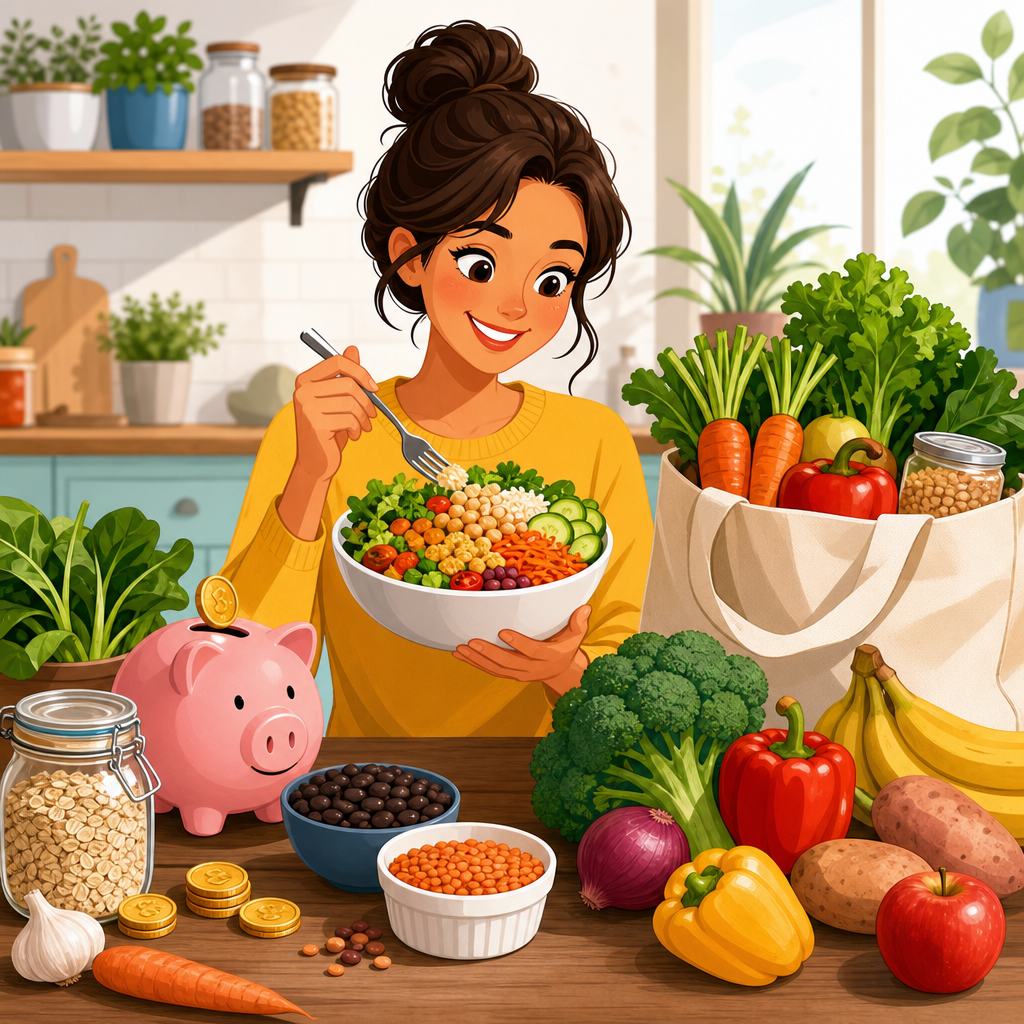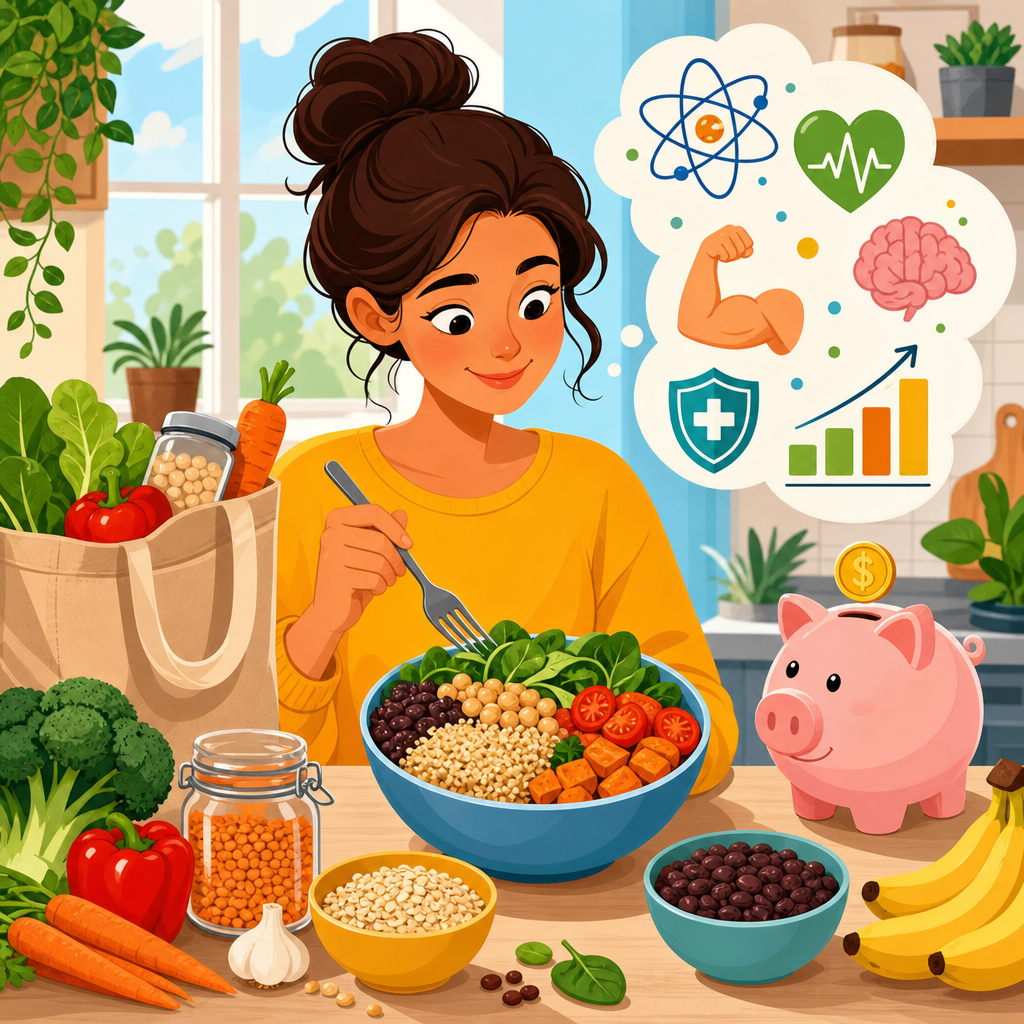
Budget-friendly healthy eating means building meals that support long-term health without overspending, and the science is clear that this approach is both realistic and beneficial. In practical terms, it combines nutrient density, cost awareness, and planning: choosing foods that deliver protein, fiber, vitamins, minerals, and healthy fats at a reasonable price per serving. Public health researchers often describe healthy diets through patterns rather than single “superfoods,” emphasizing vegetables, fruit, whole grains, legumes, nuts, dairy or fortified alternatives, and moderate amounts of fish, eggs, and lean meats. A budget-friendly version uses the same evidence-based pattern, but leans on lower-cost forms such as dried beans, oats, frozen produce, canned fish, potatoes, yogurt, and in-season ingredients.
This matters because many households assume healthy eating costs too much. Food price inflation, time pressure, and confusing nutrition advice reinforce that belief. Yet cost and health do not always pull in opposite directions. I have worked with meal plans where replacing sugary drinks, snack packs, and frequent takeout with staples like lentils, brown rice, eggs, cabbage, carrots, and bananas lowered weekly spending while improving diet quality. That outcome is consistent with nutrition economics research showing that the biggest drivers of high grocery bills are often convenience, waste, and highly processed discretionary items rather than basic nutritious foods.
Science supports the benefits at several levels. Diets rich in fiber, minimally processed carbohydrates, and varied plant foods are linked with lower risk of cardiovascular disease, type 2 diabetes, hypertension, and some cancers. Adequate protein and calcium support muscle and bone health, while potassium-rich foods such as beans, potatoes, yogurt, and leafy greens help blood pressure control. Budget-friendly healthy eating also improves consistency. An affordable plan is easier to repeat, and repeatable habits matter more than short bursts of ideal eating. A perfect meal plan that breaks the budget usually fails. A sensible, affordable routine built around proven foods tends to last.
As a hub within recipes and meal planning, this guide covers the foundations: what healthy eating on a budget looks like, why it works, which foods offer the best value, and how to shop, cook, and plan in ways that reduce both cost and decision fatigue. It also explains common tradeoffs honestly. Some healthier options do cost more. Access varies by location. Time is a real constraint. But evidence-backed strategies can narrow those gaps substantially, allowing households to eat well for less without relying on gimmicks.
What budget-friendly healthy eating looks like in real life
A practical low-cost healthy diet is not a deprivation diet. It is a pattern built from affordable staples and repeated meal structures. The core usually includes beans or lentils, whole grains like oats or brown rice, starchy vegetables such as potatoes or sweet potatoes, frozen or seasonal produce, eggs, plain yogurt, canned tomatoes, peanut butter, and modest amounts of chicken thighs, canned tuna, tofu, or ground turkey depending on price. Instead of asking whether every ingredient is the cheapest available, a better question is whether the overall basket delivers enough nutrition per dollar and fits the household’s schedule.
In meal planning work, I often start with four anchor meals that scale easily: oatmeal with fruit and nuts, bean chili with rice, vegetable omelets with toast, and sheet-pan chicken with potatoes and broccoli. These meals are not trendy, but they solve the main budget problem: they use overlapping ingredients. Overlap matters because buying ingredients for one highly specific recipe often creates waste. If carrots appear in soup, stir-fry, lunch boxes, and a side dish, the cost per use drops and the likelihood of spoilage falls. The same is true for onions, rice, spinach, yogurt, and tortillas.
Healthy eating on a budget also means understanding processing in context. Minimally processed foods are often excellent values, but some processed items are useful and nutritious. Canned beans save time and usually retain most nutrients. Frozen vegetables are picked at peak ripeness and can be comparable nutritionally to fresh produce. Whole-grain bread, canned salmon, fortified milk, and plain frozen berries all support a healthy diet. The issue is not processing alone; it is whether the product delivers useful nutrients without excess added sugars, sodium, or saturated fat relative to its role in the diet.
What science says about the health benefits
The strongest evidence comes from dietary pattern research. Mediterranean-style and DASH-style eating patterns consistently show benefits for heart health, blood pressure, insulin sensitivity, and overall diet quality. These patterns do not require expensive specialty foods. Their proven components are familiar: legumes, whole grains, vegetables, fruit, olive oil or other unsaturated fats, nuts, dairy, and moderate portions of animal protein. When households shift toward this pattern using lower-cost staples, they still capture the same underlying mechanisms: more fiber, better fat quality, steadier blood glucose response, and higher micronutrient intake.
Fiber is one of the biggest advantages. Beans, oats, barley, whole wheat, potatoes with skin, apples, and vegetables support digestion, satiety, cholesterol reduction, and glycemic control. Many adults fall short of fiber recommendations, yet some of the cheapest foods in the supermarket are among the richest sources. A bowl of lentil soup with carrots and tomatoes can deliver substantial fiber and plant protein for a fraction of the cost of many restaurant lunches. That combination helps people stay fuller longer, which can reduce unplanned snacking and make calorie intake easier to manage.
Protein quality matters too, but cost-effective sources are widely available. Eggs, milk, yogurt, cottage cheese, tofu, beans paired with grains, canned sardines, and chicken thighs can meet protein needs economically. For older adults, adequate protein spread across meals helps preserve muscle mass. For children and teens, affordable protein foods support growth and development. For most people, the evidence does not support the idea that protein must come from expensive powders or premium cuts of meat. Consistency beats novelty, and staple proteins are more likely to be used regularly.
Micronutrients are another major benefit. Potassium, magnesium, folate, iron, calcium, vitamin D, and omega-3 fats often deserve attention in budget planning. Potatoes, bananas, beans, and yogurt are useful potassium sources. Lentils and fortified cereals can support iron intake, especially when paired with vitamin C-rich foods like tomatoes or oranges to improve absorption. Dairy foods and fortified soy beverages provide calcium and often vitamin D. Canned salmon and sardines contribute both calcium and omega-3s when bones are included. These are not luxury foods; they are strategic staples.
Why healthy food can feel expensive, and how to judge true value
The perception that healthy eating is always costly usually comes from comparing foods by package price instead of by edible serving, satiety, and waste. A bag of chips may look cheaper than a basket of produce, but it provides fewer nutrients and often less fullness per dollar. Fresh berries out of season can be expensive, but frozen berries may offer better value. Boneless skinless chicken breast often costs more than chicken thighs, even though thighs work well in soups, curries, and sheet-pan meals. Looking only at shelf price hides these tradeoffs.
Another reason is convenience. Prewashed greens, chopped fruit, single-serve yogurts, and prepared grain bowls reduce labor, but labor has a price. For households with little time, some convenience spending is justified. The goal is not to eliminate all convenience; it is to choose it selectively. Buying one shortcut item that prevents takeout can save money overall. In my experience, a realistic budget plan often includes a mix: dried beans when time allows, canned beans on busier weeks; bulk oats for breakfast, but a few portable snacks for emergencies.
Food waste is the hidden budget leak. The U.S. Department of Agriculture has long highlighted household waste as a major cost issue, and perishables are common losses. Lettuce bought with good intentions but never used is expensive, no matter how healthy it seemed in the cart. Frozen vegetables, cabbage, carrots, apples, onions, and potatoes are budget allies partly because they last. The most economical food is often the food you actually eat before it spoils.
| Food | Why it is budget-friendly | Main nutrition benefit | Best uses |
|---|---|---|---|
| Dried or canned beans | Low cost per serving, long shelf life | Fiber, protein, folate, potassium | Chili, soups, tacos, salads |
| Oats | Very low cost, bought in bulk | Whole grains, soluble fiber | Breakfast, baking, overnight oats |
| Frozen vegetables | Minimal waste, stable pricing | Vitamins, minerals, fiber | Stir-fries, sides, soups |
| Eggs | Affordable complete protein | Protein, choline, B vitamins | Breakfast, rice bowls, frittatas |
| Potatoes | Low cost and filling | Potassium, vitamin C, carbohydrates | Bakes, soups, hashes |
| Plain yogurt | Versatile and often cheaper than single serves | Protein, calcium, probiotics | Breakfast, sauces, snacks |
Best low-cost foods for building healthy meals
If a shopper asks for the highest-value foods, the answer is usually a repeatable list rather than a perfect list. Legumes are near the top because they combine protein, fiber, and micronutrients at low cost. Whole grains such as oats, brown rice, popcorn kernels, and whole wheat pasta add affordable energy and satiety. Potatoes are underrated; they are inexpensive, filling, and rich in potassium and vitamin C. Eggs offer complete protein and can turn leftovers into a meal. Plain yogurt works for breakfast, sauces, marinades, and snacks, reducing the need for specialty products.
Vegetables are often where people worry about cost, but strategy matters. Cabbage, carrots, onions, spinach, broccoli, and frozen mixed vegetables offer strong value. Cabbage in particular is one of the most economical fresh vegetables because it lasts and can be used raw, sautéed, roasted, or added to soups. Fruit choices with good value include bananas, apples, oranges, melon in season, and frozen berries. Nuts and seeds can be expensive by bag price, so using smaller portions as toppings rather than snacks is often more sustainable.
Affordable healthy fats deserve a place as well. Peanut butter, canola oil, olive oil when purchased carefully, sunflower seeds, and canned fish help improve fat quality. Replacing some high-saturated-fat convenience foods with these options can support heart health without increasing cost dramatically. Canned sardines and salmon are especially useful because they provide omega-3 fats at a lower price than many fresh fish options. For households that avoid seafood, walnuts, flaxseed, and canola oil can still improve unsaturated fat intake, though they do not fully replace marine omega-3s.
Shopping and meal-planning strategies that lower cost without lowering quality
The most effective strategy is to plan around what is already on hand, what is on sale, and what can be used across multiple meals. Start with the protein source, pair it with a grain or starch, then add two vegetables or a vegetable and fruit. That simple framework prevents random shopping. Batch cooking helps, but it does not have to mean spending Sunday making fourteen identical containers. A smarter approach is component prep: cook rice, roast vegetables, wash fruit, mix a yogurt sauce, and prepare one protein. Those components can become bowls, wraps, soups, or breakfasts over several days.
Unit pricing is another skill with measurable payoff. Comparing price per ounce or per kilogram often changes decisions. Store brands are frequently equivalent in nutrition to national brands. Buying larger sizes can reduce cost, but only when the food will be used before quality declines. For produce, seasonality still matters. Tomatoes and berries often cost less and taste better in season, while frozen versions may be the better buy the rest of the year. Discount grocers, warehouse clubs, ethnic markets, and farmers markets at closing time can all offer strong values depending on region.
Healthy eating on a budget also benefits from a small emergency plan. Keep shelf-stable meal backups such as canned beans, pasta, tuna, soup, peanut butter, and frozen vegetables. These reduce the odds that a busy night turns into an expensive takeout order. When I have seen grocery budgets fail, it is rarely because staples were too costly. It is because there was no backup for the nights when energy ran out. Budget-friendly nutrition is as much about systems as ingredients.
Common barriers, realistic tradeoffs, and how to make the habit stick
Access, cooking skills, and time are real barriers, and any honest guide should say so clearly. Some neighborhoods have limited produce selection. Some households share small kitchens or lack storage space. Some people work multiple jobs and cannot soak beans or chop vegetables nightly. In those cases, the right answer is not perfection. It is prioritization. Choose the highest-impact changes first: drink more water, add one fruit daily, switch to oatmeal or eggs for breakfast, keep frozen vegetables on hand, and build two or three dependable low-cost dinners.
Tradeoffs also exist within nutrition. Lower-cost foods can be higher in sodium, especially canned soups, packaged noodles, and processed meats. Reading labels helps, and rinsing canned beans can reduce sodium. Some ultra-cheap calories are not filling and can crowd out nutrient-dense foods. On the other hand, an overly restrictive budget plan can become monotonous and fail. A sustainable approach leaves room for enjoyment, culture, and family preferences. The healthiest budget plan is the one a household can repeat month after month without resentment.
Budget-friendly healthy eating works because it aligns nutrition science with real life. It focuses on affordable foods with strong evidence behind them, lowers waste, and turns planning into a money-saving health tool. The key lessons are simple: build meals around legumes, whole grains, eggs, dairy or fortified alternatives, potatoes, and vegetables; use frozen and canned options strategically; compare foods by value, not just package price; and create a repeatable shopping and cooking system. Start with one week of planned budget-friendly meals, track what gets eaten, and improve from there. That single step can cut costs, improve diet quality, and make healthy eating feel practical instead of aspirational.
Frequently Asked Questions
Can healthy eating really be budget-friendly, or is it usually more expensive?
Yes, healthy eating can absolutely be budget-friendly, and nutrition research consistently shows that the overall pattern of a diet matters more than buying expensive specialty products. A cost-conscious healthy diet usually focuses on nutrient-dense staple foods such as beans, lentils, oats, brown rice, eggs, plain yogurt, frozen vegetables, seasonal produce, potatoes, canned fish, and affordable whole grains. These foods often provide a strong mix of protein, fiber, vitamins, minerals, and healthy fats for a relatively low cost per serving. In contrast, food budgets often rise when meals depend heavily on restaurant food, convenience items, sugary drinks, and highly marketed “health” products.
Science also supports the idea that affordable healthy eating is realistic because dietary quality improves when people plan meals around core food groups instead of chasing individual superfoods. Public health experts commonly recommend dietary patterns rich in vegetables, fruits, legumes, whole grains, nuts, and modest amounts of lean proteins because these patterns are associated with better long-term health outcomes. Many of those foods are economical when bought in basic forms, especially dried, frozen, canned, or store-brand versions. In other words, healthy eating does not require premium prices; it requires thoughtful choices, smart shopping, and a focus on everyday foods that deliver strong nutritional value.
What does science say are the main health benefits of eating healthy on a budget?
The science is clear that a budget-friendly healthy eating pattern can support many of the same benefits linked to higher-cost healthy diets. Research on diet quality repeatedly shows that eating more fiber-rich plant foods, minimally processed staples, and balanced meals is associated with better heart health, improved blood sugar control, healthier cholesterol levels, better digestive function, and a lower risk of chronic diseases such as type 2 diabetes and cardiovascular disease. These benefits do not depend on expensive ingredients. They come from the regular intake of foods that provide essential nutrients and help reduce excess sodium, added sugar, and unhealthy fats.
There is also strong evidence that affordable healthy eating can help with energy, fullness, and weight management. Meals built around beans, vegetables, whole grains, fruit, and adequate protein tend to be more filling because they are rich in fiber and water and are digested more steadily. That can reduce overeating and reliance on snack foods that are often expensive over time and less nutritious. A consistent, lower-cost healthy diet may also improve long-term adherence, which is one of the biggest predictors of real health benefits. From a public health perspective, the most effective diet is not the trendiest one, but the one a person can maintain regularly within their budget and lifestyle.
Which budget-friendly foods offer the best nutritional value?
Some of the best-value healthy foods are simple staples that provide a high amount of nutrition for the money. Beans, lentils, and peas are standout examples because they supply protein, fiber, iron, folate, and other nutrients at a very low cost per serving. Oats, brown rice, whole-wheat pasta, barley, and other whole grains are also economical and can form the foundation of satisfying meals. Eggs are another highly efficient food from a nutrition standpoint, offering protein and key micronutrients at a relatively modest price. Plain yogurt, milk, canned salmon or sardines, peanut butter, tofu, and frozen edamame can also be practical budget choices depending on local prices.
Fruits and vegetables do not have to be fresh and organic to be healthy. Frozen vegetables and fruit are often just as nutritious as fresh, can reduce waste, and usually cost less per usable serving. Canned tomatoes, canned beans, and low-sodium canned vegetables can also be helpful pantry staples. Potatoes, carrots, cabbage, onions, bananas, and apples are commonly affordable produce options with strong nutritional value. The key scientific idea is nutrient density: choosing foods that provide meaningful amounts of nutrients relative to their cost. A lower-cost diet can still be excellent when it regularly includes affordable sources of fiber, protein, healthy fats, and a variety of vitamins and minerals.
How can meal planning make healthy eating cheaper and easier to maintain?
Meal planning is one of the most effective evidence-based strategies for making healthy eating both affordable and sustainable. Planning reduces impulse purchases, limits food waste, and helps households use ingredients efficiently across multiple meals. For example, a bag of brown rice, a pot of beans, roasted vegetables, and a few protein options can become grain bowls, soups, wraps, salads, and side dishes throughout the week. This kind of structure supports consistency, which is important because health benefits come from repeated habits over time rather than occasional “perfect” meals.
Research on dietary behavior suggests that people are more likely to follow a healthy eating pattern when food decisions are simplified in advance. That means building a grocery list around versatile ingredients, comparing unit prices, using leftovers intentionally, and choosing meals that fit both budget and schedule. Planning can also help people avoid overreliance on takeout or heavily processed convenience foods, which often cost more per meal and may be lower in fiber and micronutrients. Even basic planning, such as preparing a few lunches ahead, buying seasonal produce, or keeping low-cost pantry staples on hand, can improve diet quality while lowering overall food spending.
Do you need to buy organic, specialty, or “superfood” products to eat healthy on a budget?
No, you do not need organic, specialty, or heavily marketed “superfood” products to build a healthy diet. Nutrition science does not support the idea that good health depends on expensive powders, premium snack brands, or exotic ingredients. What matters most is the overall dietary pattern: regularly eating a variety of vegetables, fruits, legumes, whole grains, healthy fats, and appropriate protein sources. Common foods such as beans, oats, cabbage, carrots, peanut butter, yogurt, eggs, canned fish, and frozen vegetables can support excellent nutrition without a high price tag.
Many public health recommendations are intentionally based on accessible eating patterns rather than costly products because sustainable health improvements come from consistency and balance. If organic produce fits a person’s budget and preferences, it can be part of a healthy diet, but conventional produce is also a valuable and evidence-supported choice. The same applies to so-called superfoods: foods like berries, leafy greens, and nuts are nutritious, but they are not magical, and similar benefits can come from many affordable alternatives. A smart budget-friendly approach is to prioritize variety, minimally processed staples, portion awareness, and practical habits over branding. That is the approach most aligned with what science says actually improves health over time.