Budget-friendly healthy eating is the practice of building meals that deliver strong nutrition at a manageable cost, and it has a direct connection to disease prevention across every stage of life. In practical terms, it means choosing foods that provide high nutrient density per dollar, planning purchases to reduce waste, and using cooking methods that make affordable staples satisfying enough to become repeat habits. I have worked with families, clinic educators, and meal-planning clients who assumed healthy food was automatically expensive, yet the biggest improvements often came from low-cost shifts: replacing sugary breakfasts with oats, cooking dried beans in batches, buying frozen vegetables, and using canned fish strategically. Those changes lowered grocery bills while improving blood pressure, blood sugar, cholesterol, digestion, and energy.
The reason this matters is simple. Diet is one of the strongest modifiable drivers of chronic disease risk, and food prices influence what people actually eat. When budgets are tight, many households lean toward ultra-processed foods because they are convenient, heavily marketed, and engineered to taste good immediately. However, convenience does not equal value. A bag of oats, a carton of eggs, brown rice, plain yogurt, lentils, cabbage, carrots, bananas, peanut butter, and frozen spinach can provide more protein, fiber, potassium, calcium, folate, and iron per dollar than many packaged snacks or takeout meals. Healthy eating on a budget is not about perfection or elite ingredients. It is about aligning spending with foods that protect long-term health while still fitting real schedules and kitchens.
Disease prevention in this context refers to lowering the risk, delaying the onset, or improving the management of conditions such as type 2 diabetes, hypertension, cardiovascular disease, obesity, fatty liver disease, certain cancers, osteoporosis, and some digestive disorders. The main protective mechanisms are well established. Diets rich in fiber, unsaturated fats, legumes, vegetables, fruit, and minimally processed grains support healthier insulin response, improve LDL cholesterol, nourish the gut microbiome, and help control calorie intake without chronic hunger. Limiting sodium-heavy packaged meals, refined carbohydrates, sugary drinks, and frequent fried foods reduces the strain on blood vessels, pancreas, and liver. Budget-friendly healthy eating matters not only because it saves money this week, but because it lowers the odds of expensive medical problems later.
For a recipes and meal planning hub, the goal is to make the topic usable. Readers usually want answers to straightforward questions: Which low-cost foods are healthiest? How do I shop when prices keep rising? What pantry items deserve a permanent place in the kitchen? What meals can prevent waste, satisfy a family, and still support heart health or blood sugar control? This article addresses those questions directly and serves as the foundation for deeper pieces on cheap high-protein meals, affordable anti-inflammatory ingredients, low-cost Mediterranean-style eating, smart grocery lists, batch cooking, and weekly menu systems. If you understand the principles here, you can adapt them to almost any cuisine, dietary preference, or household size.
Why low-cost nutritious foods protect health
The strongest case for budget-friendly healthy eating is that many of the most protective foods are inexpensive when purchased in practical forms. Beans, lentils, oats, potatoes, cabbage, carrots, onions, bananas, peanut butter, eggs, canned tomatoes, frozen vegetables, and plain yogurt consistently deliver a high return in nutrition for the price. These foods are rich in fiber, protein, vitamins, minerals, or all four, and they can be combined into meals that improve satiety and reduce reliance on expensive convenience foods. In my own meal-planning work, the households that made the fastest progress were not the ones buying specialty powders or premium packaged health foods. They were the ones mastering two or three inexpensive breakfast options, four reusable dinners, and a short list of low-cost snacks.
Fiber deserves special emphasis because it is one of the clearest links between affordable eating and disease prevention. Soluble fiber from oats, beans, lentils, apples, and barley helps lower LDL cholesterol and slows glucose absorption, which supports diabetes prevention and heart health. Insoluble fiber from vegetables, whole grains, and legumes supports bowel regularity and may reduce the risk of colorectal disease. Yet the foods highest in fiber are often among the least expensive in the store. A pot of lentil soup, bean chili, or overnight oats can cost far less per serving than packaged breakfast bars, frozen entrees, or fast-food combos while providing substantially more fiber and micronutrients.
Affordable healthy eating also works because it improves dietary pattern quality, not just single nutrients. Public health research repeatedly shows that overall patterns matter more than chasing one superfood. A budget-conscious pattern built around legumes, produce, whole grains, modest dairy or fortified alternatives, nuts or seeds in small amounts, and economical proteins such as eggs, canned salmon, sardines, tofu, or chicken thighs can support lower blood pressure and better weight management. The DASH and Mediterranean dietary patterns are often discussed in clinical settings because they are associated with cardiovascular benefits, and many of their core foods are accessible when planned carefully. The expensive version gets attention online; the practical version prevents disease.
Core foods that give the best nutrition per dollar
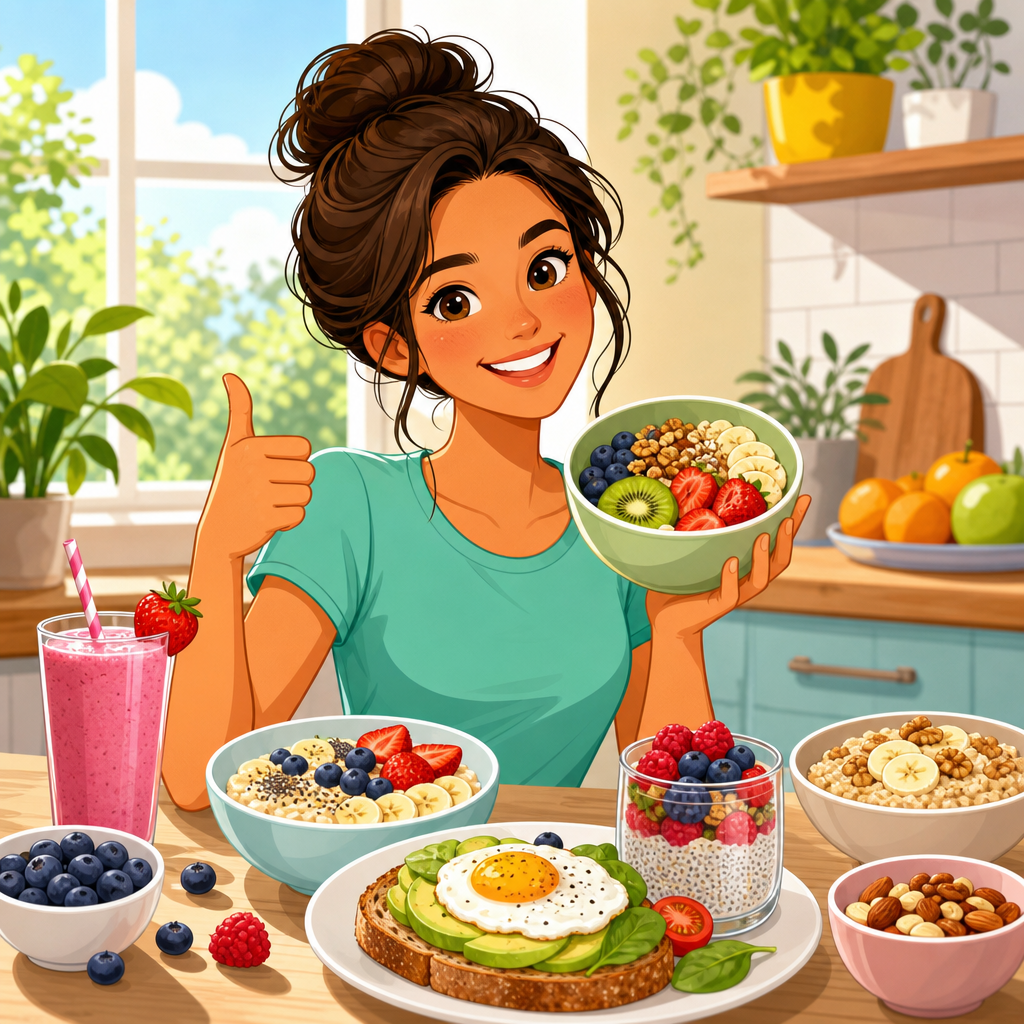
If you want a reliable budget-friendly healthy eating system, start with foods that are cheap, flexible, and nutritionally dense. Dried beans and lentils are foundational because they provide protein, complex carbohydrates, iron, folate, potassium, and fiber at very low cost. Oats are one of the best breakfast staples because they support fullness, work in hot cereal, overnight oats, muffins, and smoothies, and pair well with fruit or yogurt. Brown rice, barley, whole-wheat pasta, and potatoes offer affordable carbohydrate bases, while frozen vegetables and frozen fruit help households avoid spoilage. Eggs provide high-quality protein and choline. Plain yogurt contributes protein, calcium, and beneficial cultures. Canned fish supplies omega-3 fats that support cardiovascular health.
Fresh produce can absolutely fit a tight budget, but the smartest strategy is to prioritize durable and versatile items first. Cabbage lasts longer than delicate greens and works in slaws, stir-fries, soups, and sheet-pan meals. Carrots, onions, celery, apples, oranges, and bananas generally offer strong value because they store well and can be used in many meals. Potatoes are often dismissed, but baked or boiled potatoes are nutrient-rich, filling, and high in potassium when not buried in sodium and deep fat. Frozen spinach, broccoli, mixed vegetables, and berries are often a better buy than fresh because they are processed close to harvest and let you use only what you need.
| Food | Main nutrients | Disease-prevention benefit | Budget advantage |
|---|---|---|---|
| Lentils | Protein, fiber, folate, iron | Supports blood sugar and cholesterol control | Low cost per cooked serving |
| Oats | Soluble fiber, manganese | Helps reduce LDL cholesterol | Cheap, shelf-stable breakfast base |
| Frozen vegetables | Vitamins A and C, fiber | Increases vegetable intake consistently | Minimal waste, often cheaper than fresh |
| Eggs | Protein, choline, B12 | Promotes satiety and muscle maintenance | Useful in many meals |
| Canned salmon or sardines | Protein, omega-3s, calcium | Supports heart and bone health | Less expensive than fresh fish |
The point is not to eat the same foods forever. It is to build a dependable base. Once that base is in place, herbs, spices, citrus, garlic, tomato paste, soy sauce, and small amounts of cheese or nuts can create variety without pushing the budget out of reach. This is how healthy low-cost cooking becomes sustainable rather than restrictive.
Meal planning strategies that cut costs and lower disease risk
Meal planning is where intention becomes action. The most effective low-cost plans begin with inventory, not recipes. Check what is already in the pantry, freezer, and refrigerator, then build meals around those ingredients before shopping. This immediately reduces waste, which is one of the largest hidden food expenses. Next, anchor the week with two proteins, two carbohydrate bases, and three vegetables that can be mixed across several meals. For example, black beans and eggs; rice and potatoes; broccoli, cabbage, and carrots. From that combination you can make burrito bowls, vegetable fried rice, frittatas, soup, tacos, and grain salads without buying a long specialty list.
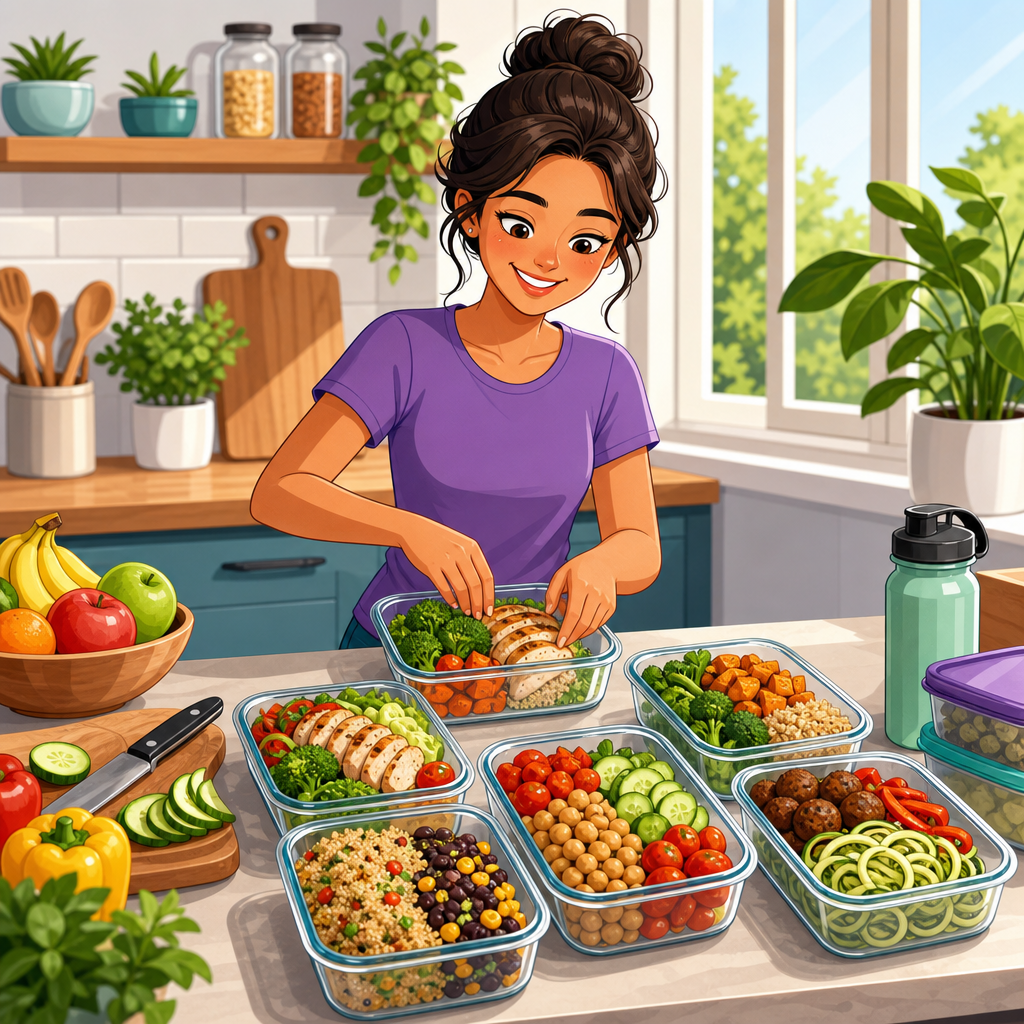
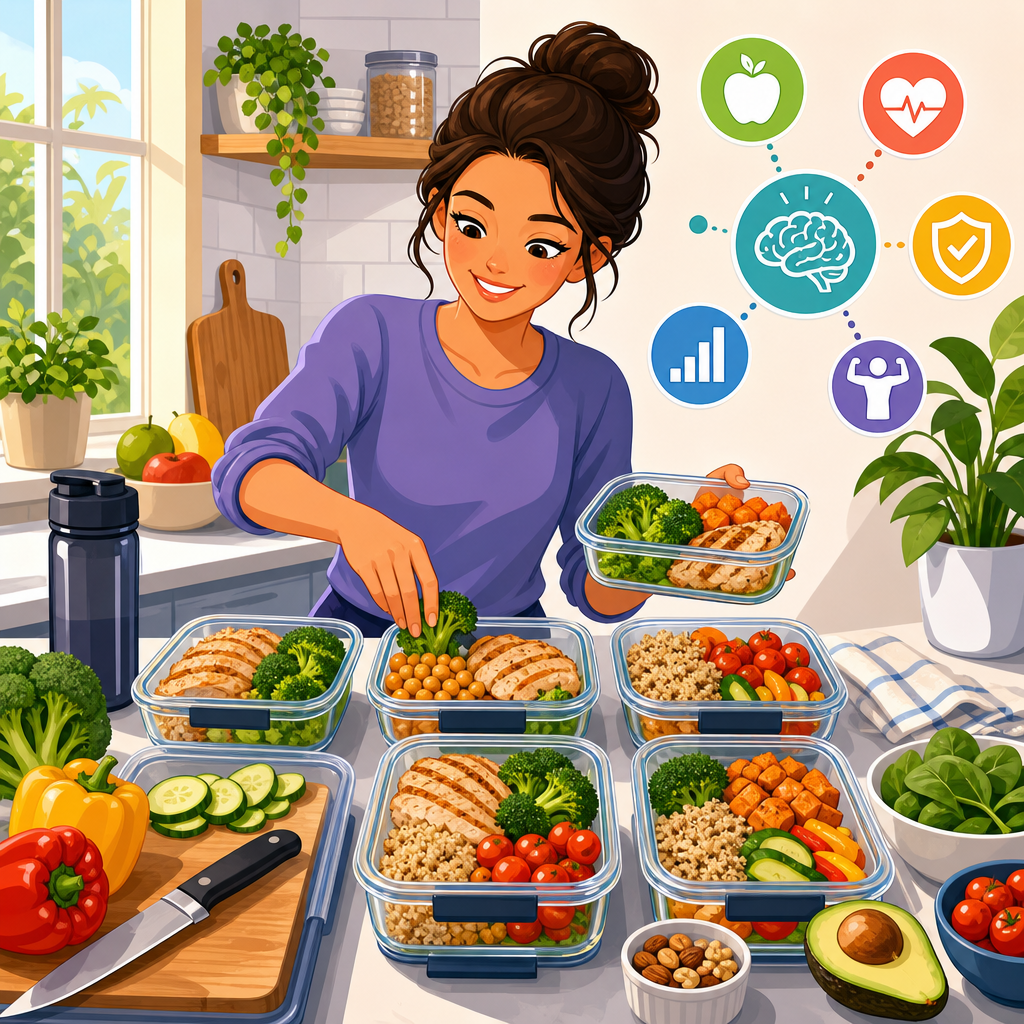
Batch cooking is especially important for disease prevention because it makes the healthier option the easier option. People do not consistently choose balanced meals because they love structure; they choose them because the food is ready when hunger and fatigue hit. A pot of chili, a tray of roasted vegetables, cooked rice, boiled eggs, and washed fruit create frictionless meals for days. In practice, this reduces dependence on delivery food, vending machine snacks, and sweetened convenience items. It also improves portion control. When balanced meals are already prepared, there is less tendency to skip meals, overeat at night, or rely on large servings of refined starch without enough protein or vegetables.
Another proven tactic is to plan around overlap. If one head of cabbage is bought, it should appear in multiple meals: slaw for sandwiches, cabbage with noodles, vegetable soup, and stir-fried cabbage with beans. If a tub of plain yogurt is purchased, use it for breakfast, sauces, and snacks. This kind of repeated use is not boring when seasonings change, and it prevents half-used ingredients from becoming waste. I often recommend a simple ratio for budget meals: half produce, one quarter protein, one quarter starch, with healthy fats used intentionally. That framework supports fullness, blood sugar stability, and realistic costs.
Shopping methods that improve value without sacrificing nutrition
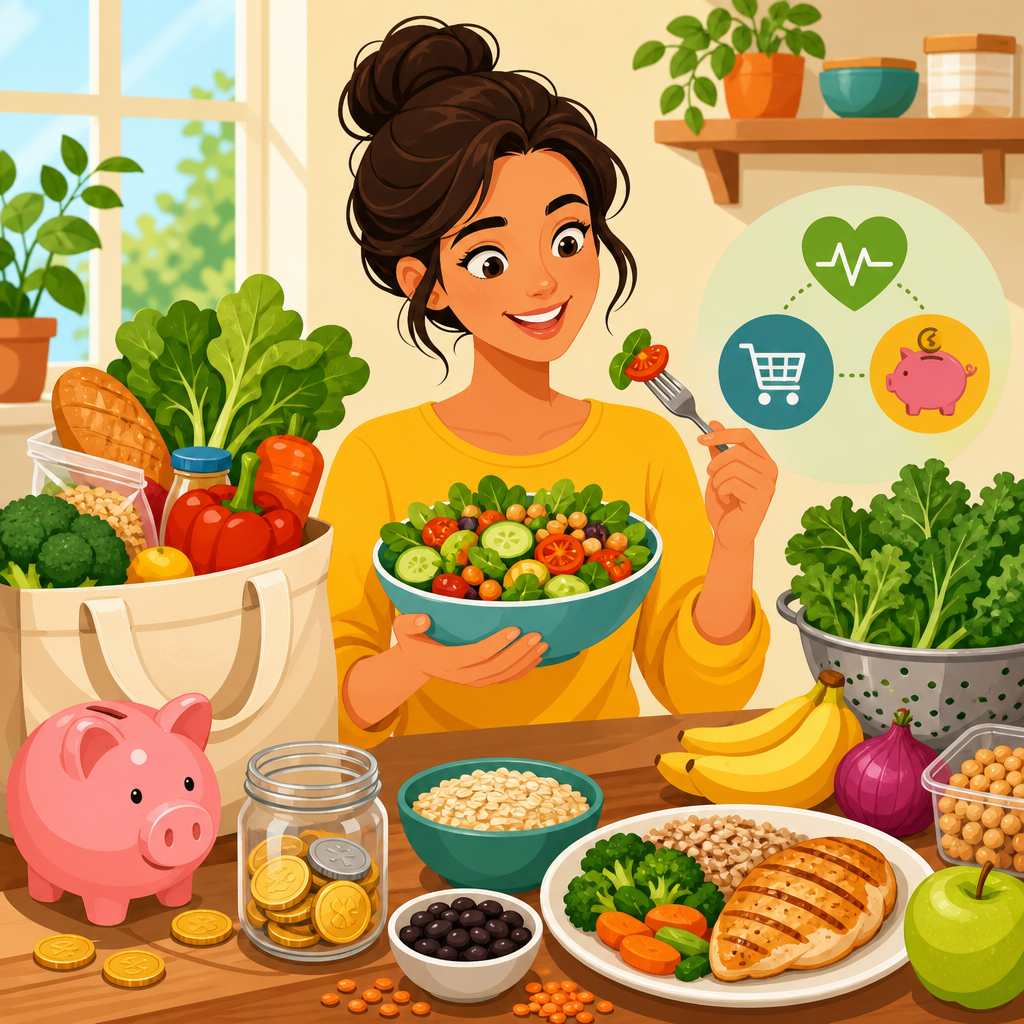
Smart grocery shopping starts before you enter the store. Set a spending cap, make a list tied to actual meals, and compare unit prices rather than package prices. Store brands are often nutritionally comparable to name brands because they follow the same labeling standards, yet they can cost significantly less. Buying larger sizes of staples such as oats, rice, beans, peanut butter, and frozen vegetables usually lowers the price per serving if the household will use them before quality declines. Canned goods are valuable when chosen carefully. Look for beans with no added salt when available, or rinse regular beans to reduce sodium. Choose fruit packed in juice rather than syrup and tomatoes without excessive added sugar.
Healthy eating on a budget also means knowing where convenience is worth paying for. Pre-cut fruit trays are rarely necessary, but frozen vegetables often are. Rotisserie chicken can be a useful bridge food for busy weeks, though it is wise to watch sodium and stretch it across several meals. Bagged salad kits are convenient but expensive; a whole cabbage, romaine, or spinach bundle usually offers more servings for the money. Beverage choices matter too. Replacing soda, sports drinks, and many bottled coffees with water, milk, tea, or home-brewed coffee is one of the fastest ways to improve both diet quality and grocery efficiency.
Coupons and warehouse shopping help only when they align with a plan. A discounted family-size snack pack is not a saving if it displaces fruit, yogurt, or ingredients for actual meals. The best deals are the ones that increase nutrient intake per dollar and fit the household’s cooking habits. For many families, that means keeping a price book for commonly purchased items, watching sale cycles for proteins, and using the freezer aggressively. Freezing bread, shredded cheese, cooked grains, soup, beans, and chopped produce can smooth out price fluctuations and prevent spoilage.
Common barriers, realistic solutions, and what this hub should guide next
The biggest barriers to budget-friendly healthy eating are time, cooking confidence, changing food prices, and the understandable desire for familiar comfort foods. None of these are signs of failure. They are planning problems, and planning problems can be solved. If time is the issue, focus on ten-minute meals such as bean quesadillas, eggs with toast and fruit, tuna pasta, or microwave baked potatoes topped with chili. If skills are the issue, master five methods: boiling grains, roasting vegetables, cooking eggs, simmering soup, and building stir-fries. If family acceptance is the issue, modify favorite meals rather than replacing everything at once. Add lentils to meat sauce, serve roasted vegetables with familiar dips, swap sugary cereal for oatmeal twice a week, or use brown and white rice together during the transition.
This sub-pillar hub should connect readers to practical next steps: low-cost breakfast ideas, healthy pantry staples, affordable lunch prep, budget dinners for families, cheap protein sources, anti-inflammatory shopping lists, meal prep for diabetes prevention, and strategies for reducing sodium and added sugar without losing flavor. The central lesson is that disease prevention does not require expensive ingredients or rigid food rules. It requires repeated, affordable choices that support blood pressure, blood sugar, cholesterol, weight stability, and overall nutrient adequacy.
Budget-friendly healthy eating works because it turns nutrition into a system instead of a wish. Start with inexpensive staples, plan meals around overlap, shop with unit prices in mind, and keep healthy convenience foods available. Over time, those routines reduce waste, improve diet quality, and help protect against chronic disease. Use this hub as your starting point, then build a weekly meal plan and grocery list that fit your budget, your kitchen, and the health outcomes you want to protect.
Frequently Asked Questions
How does budget-friendly healthy eating help prevent disease?
Budget-friendly healthy eating supports disease prevention by making it easier to consistently eat foods that protect the body over time. When meals are built around affordable, nutrient-dense staples such as beans, lentils, oats, brown rice, eggs, frozen vegetables, canned fish, yogurt, and seasonal produce, they deliver fiber, protein, vitamins, minerals, and healthy fats without requiring a high grocery budget. Those nutrients play a direct role in lowering risk factors linked to major chronic diseases, including heart disease, type 2 diabetes, high blood pressure, obesity, and some digestive problems. Fiber helps regulate blood sugar and cholesterol, potassium-rich foods support blood pressure control, and antioxidant-rich fruits and vegetables help reduce long-term inflammation and oxidative stress.
The key is consistency. Many people assume disease prevention requires expensive specialty products, but in real life, protective eating patterns are often built from simple foods prepared regularly. A bowl of oatmeal with fruit, bean-based soups, vegetable-packed rice dishes, baked potatoes with protein-rich toppings, and homemade stir-fries can all be low-cost examples of meals that support metabolic health. When healthy eating feels financially manageable, people are more likely to repeat it, and repeat habits are what make the biggest difference in prevention. Eating well on a budget is not about perfection. It is about creating a realistic pattern of meals that nourishes the body well enough, often enough, to reduce long-term disease risk.
What are the best low-cost foods to buy for nutrition and long-term health?
The best low-cost foods for nutrition and disease prevention are the ones that deliver strong nutritional value per dollar and can be used in several meals. Dry beans, lentils, split peas, and chickpeas are among the strongest examples because they provide fiber, plant protein, iron, and other minerals at a very low cost per serving. Oats, brown rice, whole grain pasta, barley, and potatoes are also cost-effective foundations for balanced meals, especially when paired with vegetables and protein. Eggs, canned tuna or salmon, plain yogurt, peanut butter, tofu, and milk are often affordable protein options that support muscle maintenance, immune function, and satiety. Frozen vegetables and fruits are especially useful because they are usually cheaper than out-of-season fresh produce, last longer, and still provide excellent nutrition.
For disease prevention, it helps to think in categories instead of chasing individual “superfoods.” Aim to keep affordable items from each major group on hand: whole grains for steady energy and fiber, beans or proteins for fullness and blood sugar support, vegetables and fruits for vitamins and phytonutrients, and healthy fats such as peanuts, seeds, or vegetable oils for absorption of fat-soluble nutrients and heart health. Canned tomatoes, cabbage, carrots, onions, sweet potatoes, bananas, and apples are common budget-friendly choices that fit well into preventive eating patterns. The most effective shopping strategy is not buying the trendiest foods. It is buying versatile basics that can repeatedly become balanced breakfasts, lunches, dinners, and snacks.
Can healthy eating on a budget still work for families, busy schedules, and different life stages?
Yes, and that is one of the most important reasons budget-friendly healthy eating matters. Disease prevention does not happen in a vacuum; it has to work for children, adults, older adults, caregivers, workers with limited time, and households with changing schedules. Affordable healthy eating can be adapted across every stage of life by focusing on simple meal structures rather than complicated recipes. For children and teens, this may mean breakfasts with oats, eggs, fruit, or yogurt; lunches with beans, whole grains, and vegetables; and dinners built around a starch, a protein, and at least one produce item. For adults trying to manage blood pressure, cholesterol, or blood sugar, it may involve preparing meals ahead with high-fiber carbohydrates, lean protein, and lower-sodium ingredients. For older adults, budget-friendly healthy meals can support protein intake, bone health, digestive health, and appetite needs without requiring costly specialty foods.
Busy households benefit most from repetition and planning. A family can cook a pot of beans once and use them in tacos, soups, grain bowls, and salads. Roasted vegetables can become side dishes one night and omelet fillings the next morning. A large batch of soup or chili can cover multiple meals and reduce the temptation to rely on more expensive, highly processed convenience food. The disease-prevention value comes from making nourishing food available often enough that it becomes the default option. When healthy eating is flexible, affordable, and realistic, it is far more likely to be sustained over months and years, which is exactly what helps protect long-term health.
How can meal planning and waste reduction improve both health and grocery costs?
Meal planning and waste reduction are central to budget-friendly healthy eating because they allow people to get more nutritional value from every dollar spent. Planning meals before shopping helps prevent impulse purchases, duplicate ingredients, and takeout spending caused by having “nothing to make” at home. It also makes it easier to design meals around a few efficient ingredients that can be used several ways. For example, one grocery trip might include oats for breakfast, brown rice for bowls and stir-fries, canned beans for soups and salads, and frozen vegetables for quick side dishes. That kind of planning lowers food waste and improves the odds that each meal includes fiber, protein, and produce instead of becoming heavily reliant on expensive convenience foods.
Waste reduction also supports disease prevention more than many people realize. When produce spoils before it gets used, households often stop buying it or begin seeing healthy food as impractical. Using shelf-stable and frozen options, storing perishables correctly, repurposing leftovers, and planning “use-it-up” meals can make healthy choices more dependable. Vegetable scraps can become broth, leftover grains can turn into fried rice or soups, and extra beans can be blended into dips or added to pasta dishes. These habits stretch the food budget while keeping nutritious ingredients in regular rotation. In real-world settings, prevention is strongly tied to what is accessible and repeatable. Meal planning and waste reduction help turn healthy intentions into reliable daily habits.
Do you have to avoid all processed foods to eat cheaply and protect your health?
No. A common misconception is that disease-preventive eating on a budget requires avoiding all processed foods, but that is neither realistic nor necessary. Processing exists on a spectrum, and many minimally or moderately processed foods can be nutritious, affordable, and extremely practical. Frozen vegetables, canned beans, canned tomatoes, plain yogurt, whole grain bread, peanut butter, canned fish, and frozen fruit are all processed foods, yet they can be valuable parts of a healthy eating pattern. In many households, these items make balanced meals possible because they save time, reduce spoilage, and cost less than some fresh or specialty alternatives.
The more useful distinction is not “processed” versus “unprocessed,” but whether a food supports overall dietary quality. Foods that are high in added sugar, excess sodium, and refined ingredients and easy to overeat can displace more protective options when they become the main staples of the diet. On the other hand, budget-friendly convenience foods that help people eat more fiber, protein, fruits, vegetables, and whole grains can absolutely support disease prevention. The goal is to build a realistic foundation: use affordable processed basics when they make healthy eating easier, and limit the products that add cost without adding much nutrition. This balanced approach is often what allows people to maintain healthy habits long term, which is far more important than aiming for an all-or-nothing standard.