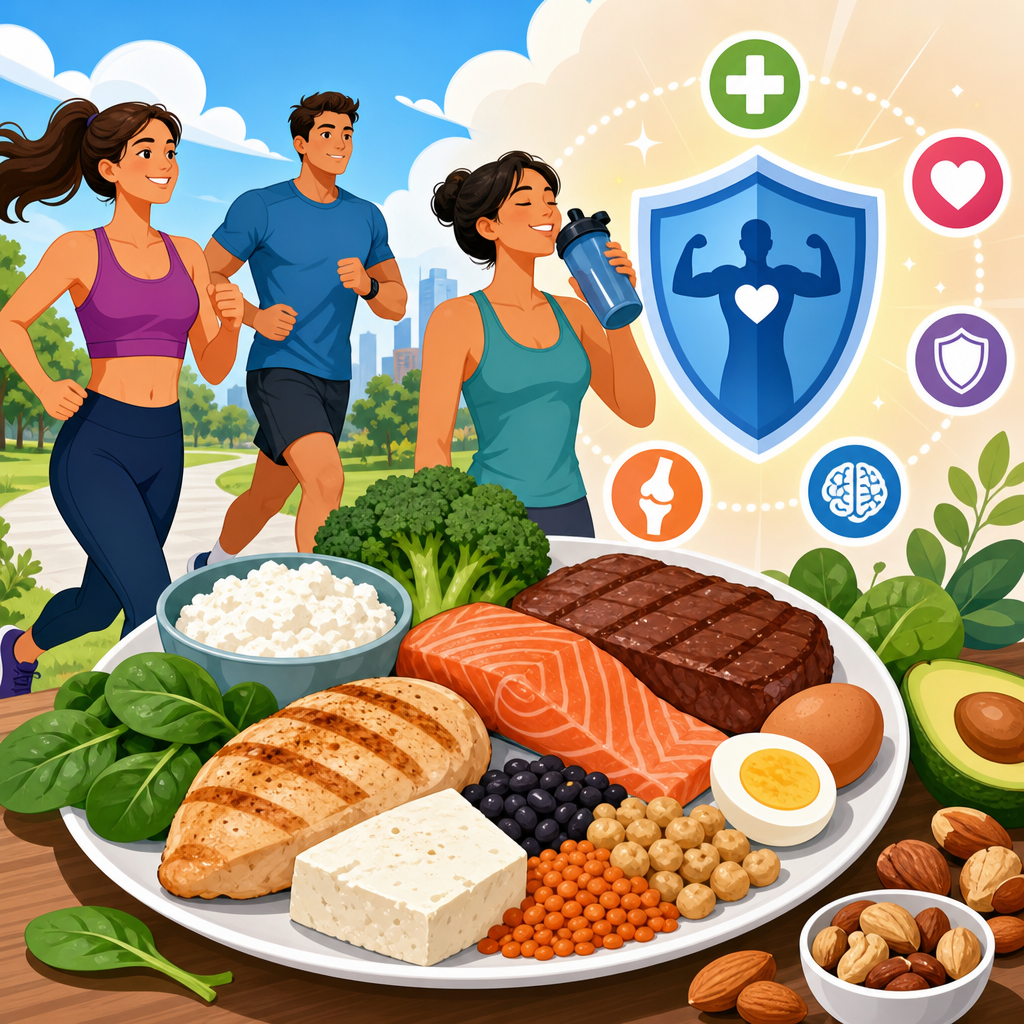
Meal prepping for a healthy week is one of the most reliable ways to improve nutrition, control portions, reduce weekday stress, and make healthy eating realistic instead of aspirational. In practical terms, meal prepping means planning, shopping, cooking, portioning, and storing meals or components in advance so that breakfast, lunch, dinner, and snacks are ready when life gets busy. As someone who has built nutrition programs around demanding workweeks, I have seen the same pattern repeatedly: people rarely fail because they do not care about health; they fail because convenience wins. Meal prep changes that equation by making the healthier choice the easiest choice.
This matters because modern eating habits are shaped by time pressure, restaurant portions, delivery apps, and ultra-processed convenience foods. Research from the Centers for Disease Control and Prevention and the USDA consistently shows that Americans underconsume vegetables, whole grains, and legumes while overconsuming sodium, added sugars, and saturated fat. A healthy weekly meal prep system helps correct those imbalances by putting structure around food decisions. It also supports weight management, blood sugar stability, athletic recovery, and budget control. Whether your goal is more protein, better digestion, steadier energy, or simply fewer last-minute takeout meals, meal prepping for a healthy week provides a repeatable framework that works in real kitchens.
For this hub, it helps to define a few key terms clearly. Batch cooking means preparing large quantities of one recipe, such as chili or roasted vegetables, to eat over several days. Component prepping means cooking ingredients separately, like chicken, rice, beans, chopped vegetables, and sauce, so they can be mixed into different meals. Portioning means dividing food into planned servings to support calorie awareness and convenience. Food safety refers to proper cooling, storage temperature, reheating, and shelf life, which are essential for keeping healthy meal prep actually safe to eat. Understanding these terms makes the process simpler and prevents common mistakes that turn people off from meal prep before they experience its benefits.
The biggest advantage of meal prepping is not perfection; it is consistency. A perfect plan that takes four hours and leaves you exhausted is less useful than a simple system you can repeat every week. Healthy meal prep should fit your household size, schedule, cooking skills, budget, and health goals. Some people do best with full grab-and-go meals. Others need a fridge full of prepped proteins, grains, vegetables, and sauces they can assemble quickly. The best method is the one that gets used. When built well, a weekly meal prep routine cuts decision fatigue, improves diet quality, and gives you a practical foundation for long-term health.
How meal prepping supports nutrition, energy, and weight management
Meal prepping improves health because it shifts eating from reactive to intentional. Instead of asking, “What can I grab right now,” you decide in advance what your meals will include. That usually leads to more balanced plates: a lean protein source, a high-fiber carbohydrate, healthy fat, and produce. In my experience, this single shift dramatically improves satiety. A lunch built from grilled chicken, quinoa, roasted broccoli, and tahini dressing will keep most people full much longer than a pastry, chips, or a drive-through combo. Better satiety means fewer cravings, fewer energy crashes, and less overeating later in the day.
For weight management, meal prep works because it controls portions without requiring constant willpower. Restaurant meals and takeout portions are often far larger than people realize, and they can be heavy in sodium, refined starches, and added fats. Prepping meals at home allows you to set serving sizes deliberately. It also makes it easier to hit protein and fiber targets, two factors strongly associated with fullness and adherence. A useful benchmark for many adults is including 20 to 35 grams of protein per meal and at least 8 to 10 grams of fiber across meals and snacks throughout the day, adjusted for individual needs and activity levels.
Meal prepping also supports metabolic health. Balanced meals eaten consistently can reduce sharp blood sugar swings, especially when carbohydrates are paired with protein, fat, and fiber. For example, overnight oats with Greek yogurt, chia seeds, berries, and walnuts will generally produce steadier energy than a sugary cereal eaten alone. People with insulin resistance, prediabetes, or hectic work schedules often notice that planned meals reduce afternoon fatigue and random snacking. Athletes and active adults benefit as well, because prepped meals make it easier to distribute protein evenly across the day and maintain carbohydrate availability for training and recovery.
Another underappreciated benefit is stress reduction. Decision fatigue is real, especially after work, parenting, commuting, or training. When dinner is already cooked or mostly assembled, healthy eating no longer depends on motivation at 7 p.m. That lowers friction and increases follow-through. A good healthy weekly meal prep plan is therefore not just a food strategy. It is a time-management and behavior-design strategy that protects your nutrition when life becomes inconvenient.
Building a healthy weekly meal prep plan that you can actually sustain
The most effective meal prep plan starts with the calendar, not the recipes. Look at the coming week and identify how many breakfasts, lunches, dinners, and snacks you truly need. Include office days, school schedules, workouts, social events, travel, and nights when leftovers will cover dinner. This prevents overcooking, which is one of the fastest ways to waste food and motivation. I recommend planning for four to five days of prepped meals at a time for most households, then using the freezer or a midweek refresh for the rest.
Next, choose a structure. Full-meal prep works best for people who want grab-and-go convenience, such as nurses, shift workers, and office commuters. Component prep works better for families or anyone who gets bored eating the same thing repeatedly. A practical weekly framework is two proteins, two carbohydrate bases, two vegetable preparations, and one or two sauces. For example: baked salmon and shredded chicken; brown rice and roasted sweet potatoes; green beans and mixed peppers; plus yogurt-herb sauce and peanut-lime dressing. From those pieces, you can make bowls, wraps, salads, or plated dinners without starting from scratch.
Good meal planning also means designing for nutritional coverage. Aim to include a range of colors and food groups across the week. Dark leafy greens provide folate and vitamin K. Orange vegetables like carrots and sweet potatoes contribute beta-carotene. Beans and lentils supply fiber, magnesium, and plant protein. Fatty fish such as salmon provide omega-3 fats. Fermented foods like yogurt or kefir can support overall diet quality. You do not need every nutrient in every container, but your weekly meal prep should create a pattern of variety rather than defaulting to chicken, rice, and broccoli forever.
Finally, build flexibility into your healthy week meal prep. Leave one or two meals unassigned for leftovers, dining out, or changing appetite. Keep fast backup options in the freezer or pantry, such as frozen vegetables, canned tuna, eggs, whole-grain pasta, microwavable brown rice, and low-sodium beans. A sustainable system always includes a recovery plan for busy days.
What to cook: balanced meal prep combinations for breakfast, lunch, dinner, and snacks
The best meal prep foods hold texture well, reheat safely, and maintain flavor for several days. For breakfast, overnight oats, egg muffins, chia pudding, Greek yogurt parfait packs, and freezer-friendly breakfast burritos are dependable options. A strong breakfast template is protein plus fiber plus produce. One example is baked oatmeal made with rolled oats, eggs, milk, cinnamon, flax, and blueberries, portioned into squares and paired with cottage cheese. Another is spinach-and-feta egg muffins with fruit and whole-grain toast. These meals are quick to eat but nutritionally substantial.
Lunch is where meal prep often delivers the biggest payoff because it replaces expensive, inconsistent convenience food. Grain bowls are a proven format: cooked farro or quinoa, a protein such as chicken thighs, tofu, or turkey meatballs, two vegetables, and a sauce. Mason jar salads also work well when layered properly, with dressing at the bottom, hard vegetables next, proteins and beans in the middle, and greens on top. Soups and stews are excellent for healthy weekly meal prep because they batch well and often taste better after a day. Lentil soup, turkey chili, and vegetable minestrone are classic examples.
Dinner prep should reduce effort, not eliminate freshness. Sheet-pan meals, marinated proteins, pre-chopped vegetables, and cooked grains make weeknight dinners fast without becoming monotonous. For instance, prepped chicken shawarma, cucumber-tomato salad, hummus, and brown rice can become bowls on Monday and wraps on Tuesday. A tray of roasted vegetables can serve as a side dish, omelet filling, or pasta add-in. Snacks deserve the same planning because unplanned snacking often undermines nutrition goals. Good options include apple slices with peanut butter, hummus with carrots, roasted chickpeas, boiled eggs, edamame, and portioned nuts.
| Meal Type | Prep-Friendly Option | Key Nutrition Benefit | Typical Storage Window |
|---|---|---|---|
| Breakfast | Overnight oats with yogurt, chia, and berries | Fiber, protein, sustained energy | 3 to 4 days refrigerated |
| Lunch | Quinoa bowl with chicken, broccoli, and tahini | Balanced macros, high satiety | 3 to 4 days refrigerated |
| Dinner | Turkey chili with beans and vegetables | Protein, fiber, reheats well | 4 days refrigerated or 3 months frozen |
| Snack | Hummus with carrots and cucumbers | Fiber, convenience, portion control | 3 to 4 days refrigerated |
If you are creating a weekly meal prep menu, prioritize recipes with overlapping ingredients. Cilantro can flavor a grain bowl, taco chicken, and a yogurt sauce. Roasted sweet potatoes can go into breakfast hashes, lunch salads, and dinner bowls. That overlap reduces cost, prep time, and waste while keeping meals varied enough to stay appealing.
Food safety, storage, and reheating rules that make meal prep work
Healthy meal prep only works if food remains safe and appetizing. The core rule is temperature control. Perishable foods should not stay in the temperature danger zone, generally 40 to 140 degrees Fahrenheit, for extended periods because bacteria multiply rapidly there. The USDA recommends refrigerating cooked foods within two hours, or within one hour if the environment is above 90 degrees Fahrenheit. Shallow containers help food cool faster than deep, tightly packed ones, which is especially important for rice, soups, and casseroles.
Use storage containers that match the job. Glass containers are durable, nonreactive, and useful for reheating, though heavier than plastic. BPA-free plastic can work for lunches and freezer use if it is labeled appropriately. Mason jars are excellent for salads and overnight oats. Labeling containers with the prep date is a simple professional habit that prevents guessing. Most cooked proteins, grains, and vegetables are best eaten within three to four days when refrigerated, while many soups, stews, and casseroles freeze well for two to three months.
Reheating matters too. Food should generally reach 165 degrees Fahrenheit when reheated, particularly leftovers containing meat, poultry, rice, or mixed dishes. A digital instant-read thermometer is one of the smartest kitchen tools you can own because it removes guesswork. Rice deserves special attention in meal prep discussions. The issue is not the rice itself but improper cooling and storage, which can allow Bacillus cereus spores to multiply. Cool rice promptly, refrigerate it quickly, and reheat it thoroughly.
Texture management is another part of successful storage. Keep sauces separate when possible. Store crunchy toppings like nuts, seeds, tortilla strips, or granola outside the main container until serving. If you are meal prepping salads, dry greens thoroughly after washing so they do not wilt early. These details sound minor, but they make the difference between food that feels fresh on day three and food that gets abandoned for takeout.
Common meal prep mistakes and how to avoid them for long-term success
The most common mistake is overcomplicating the process. People choose five new recipes, buy specialty ingredients, cook for half a day, and burn out after one week. Start smaller. Prep two breakfasts, two lunches, one dinner base, and two snacks. Once the routine feels automatic, expand. A second mistake is ignoring personal appetite and schedule. If you dislike leftovers, prepare components instead of identical boxed meals. If you are rarely hungry for breakfast, focus on lunch and snacks first.
Another mistake is underseasoning food. Healthy meal prep does not mean bland meal prep. Use acid, herbs, spice blends, aromatics, and sauces strategically. Lemon juice, vinegars, garlic, ginger, cumin, smoked paprika, curry paste, pesto, salsa verde, and tahini can transform basic ingredients. I often recommend prepping one neutral protein and changing the flavor profile through sauces so meals taste different across the week. That is a simple restaurant-style technique that keeps repetition from becoming boring.
Poor container strategy is another issue. If your containers leak, do not stack well, or are hard to clean, meal prep becomes harder than it needs to be. Invest in a consistent set with clear lids and portion sizes that fit your needs. Finally, do not treat meal prepping for a healthy week as an all-or-nothing practice. Even partial prep counts. Washing produce, cooking one grain, or portioning snacks on Sunday can meaningfully improve how you eat from Monday through Friday.
Meal prepping for a healthy week works because it brings intention, structure, and convenience into the same system. When you plan meals around your schedule, cook balanced components, store food safely, and keep flavors varied, healthy eating becomes far easier to sustain. The goal is not to fill your refrigerator with perfect containers for social media. The goal is to make nourishing food available when your time, energy, and attention are limited.
The core principles are straightforward: choose a realistic prep style, build meals around protein, fiber, produce, and healthy fats, use overlapping ingredients to save time, and follow safe storage guidelines. From there, refine the process based on your household, preferences, and health goals. Some weeks you may prep full lunches and dinners. Other weeks you may only prep breakfast, chopped vegetables, and a pot of soup. Both approaches can move your nutrition forward.
If you want a healthier week, start with one planning session, one grocery list, and one hour of focused prep. Then repeat what works. A simple meal prep routine can improve diet quality, lower stress, and help you stay consistent long after motivation fades.
Frequently Asked Questions
What are the main health benefits of meal prepping for a healthy week?
Meal prepping supports better health because it turns good intentions into a repeatable system. When meals are planned and prepared ahead of time, you are far more likely to eat balanced portions of protein, fiber-rich carbohydrates, healthy fats, and vegetables throughout the week instead of relying on convenience foods. This consistency can improve energy levels, reduce impulsive snacking, support digestion, and make it easier to maintain a healthy weight. It also helps regulate hunger because meals are more predictable, which often leads to fewer extreme cravings and less overeating later in the day.
Another major benefit is nutritional control. Preparing your own meals allows you to decide how much sodium, added sugar, saturated fat, and processed ingredients go into your food. That is especially valuable for people trying to improve heart health, blood sugar stability, or overall dietary quality. Meal prepping also reduces daily decision fatigue. During a busy workweek, not having to constantly ask, “What should I eat?” lowers stress and removes one of the biggest barriers to healthy eating. In real-world practice, people who prep even a few meals in advance usually find that healthy choices become more convenient, affordable, and sustainable.
How do I start meal prepping if I am busy and have never done it before?
The best way to start is to keep it simple and focus on building a workable routine rather than trying to prepare every meal perfectly. Begin by choosing two or three meals you want to cover for the week, such as lunches, breakfasts, or dinners on your busiest days. Then select a few staple ingredients that can be mixed and matched easily, such as grilled chicken, roasted vegetables, cooked rice or quinoa, boiled eggs, Greek yogurt, fruit, or chopped salad ingredients. This approach saves time and reduces the pressure of creating a full weekly menu all at once.
Set aside one block of time for planning and shopping, and another for cooking and portioning. Many people find that 60 to 90 minutes once or twice a week is enough to make a meaningful difference. Use containers so meals are visible, organized, and easy to grab. It also helps to prep components instead of complete meals if you prefer variety. For example, cook proteins in bulk, wash produce, prepare a grain, and portion snacks ahead of time. That way, you can still assemble different combinations throughout the week without starting from scratch each day. The goal is not perfection. The goal is to make healthy eating easier when your schedule gets hectic.
What foods work best for meal prepping without getting boring or losing quality?
The most effective meal prep foods are those that hold up well in the refrigerator, reheat reliably, and can be used in more than one meal. Lean proteins such as chicken breast, turkey, salmon, tofu, tempeh, beans, and lentils are excellent foundations because they support fullness and muscle maintenance. Whole grains like brown rice, quinoa, oats, and farro store well and provide steady energy. Roasted vegetables, chopped raw vegetables, leafy greens, soups, stews, egg-based dishes, and overnight oats are also strong choices because they are practical, nutritious, and easy to portion.
To prevent boredom, think in terms of variety through seasoning, sauces, and assembly rather than making completely different meals every day. For instance, one batch of cooked chicken can become a grain bowl one day, a wrap the next, and a salad topping later in the week. A roasted vegetable mix can pair with eggs at breakfast, chicken at lunch, and salmon at dinner. You can also rotate textures and flavors by using herbs, citrus, salsa, hummus, yogurt-based dressings, or simple spice blends. Meal prepping works best when it gives you flexibility. Choosing versatile ingredients helps maintain quality, improves consistency, and keeps healthy eating enjoyable enough to repeat week after week.
How long do meal-prepped foods stay safe, and what is the best way to store them?
Food safety is a critical part of successful meal prepping. In general, most cooked meals can be stored safely in the refrigerator for about three to four days when kept in airtight containers and refrigerated promptly. Some items, such as soups, cooked grains, and roasted vegetables, may hold up well within that window, while delicate greens, cut fruit, or seafood may need more careful timing. If you are prepping beyond a few days, freezing portions is often the best strategy. This preserves quality, reduces waste, and gives you healthy backup meals for especially busy days.
For best results, cool cooked food before sealing it completely, store it in portioned containers, and label meals with the date if needed. Keep raw and cooked foods separate, and place highly perishable items in the coldest part of the refrigerator. Glass or BPA-free containers with tight-fitting lids are especially useful because they help maintain freshness and make it easier to see what you have prepared. Reheat meals thoroughly before eating. If something smells off, has changed texture significantly, or has been stored too long, it is better to discard it. Safe storage is what makes meal prep both practical and dependable, especially when you are counting on those meals to carry you through a demanding week.
Can meal prepping help with portion control, weight management, and saving money?
Yes, meal prepping is one of the most practical tools for all three. For portion control, it creates structure before hunger and stress influence your decisions. When meals are already divided into balanced servings, you are less likely to overshoot portions or keep grazing throughout the day. This can be especially helpful for people who want to manage calorie intake without constantly tracking every bite. Portioning meals in advance also makes it easier to include the right amount of protein, vegetables, and high-fiber carbohydrates, which improves satiety and helps you stay satisfied longer.
From a weight management perspective, consistency matters more than short bursts of strict eating. Meal prepping encourages regular eating patterns, reduces dependence on takeout, and lowers the chance of skipping meals and then overeating later. Financially, it can make a substantial difference because buying ingredients in bulk, using leftovers strategically, and wasting less food often costs far less than frequent restaurant meals or last-minute convenience purchases. Even modest meal prep habits, such as preparing lunches and snacks for workdays, can improve nutrition while significantly reducing weekly food spending. That combination of better control, less stress, and greater efficiency is why meal prepping remains one of the most effective habits for building a healthier week.