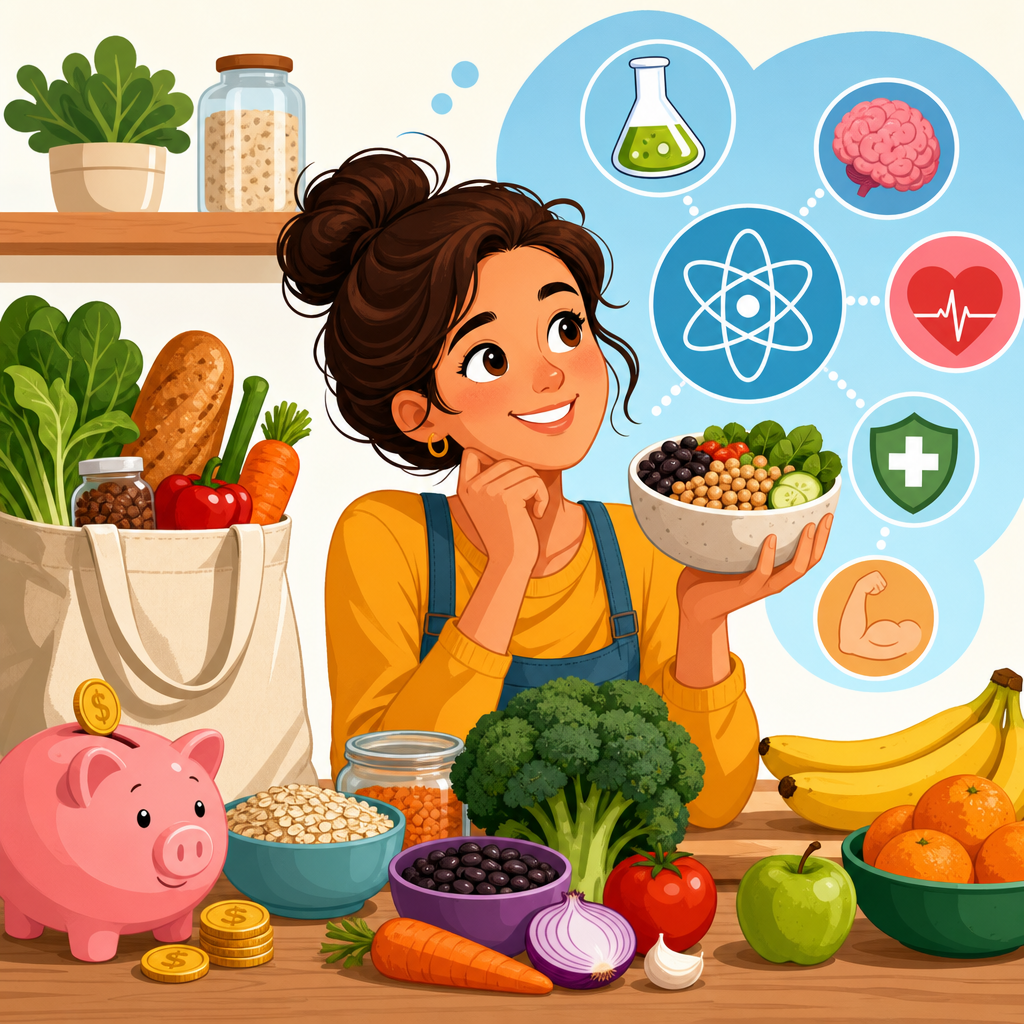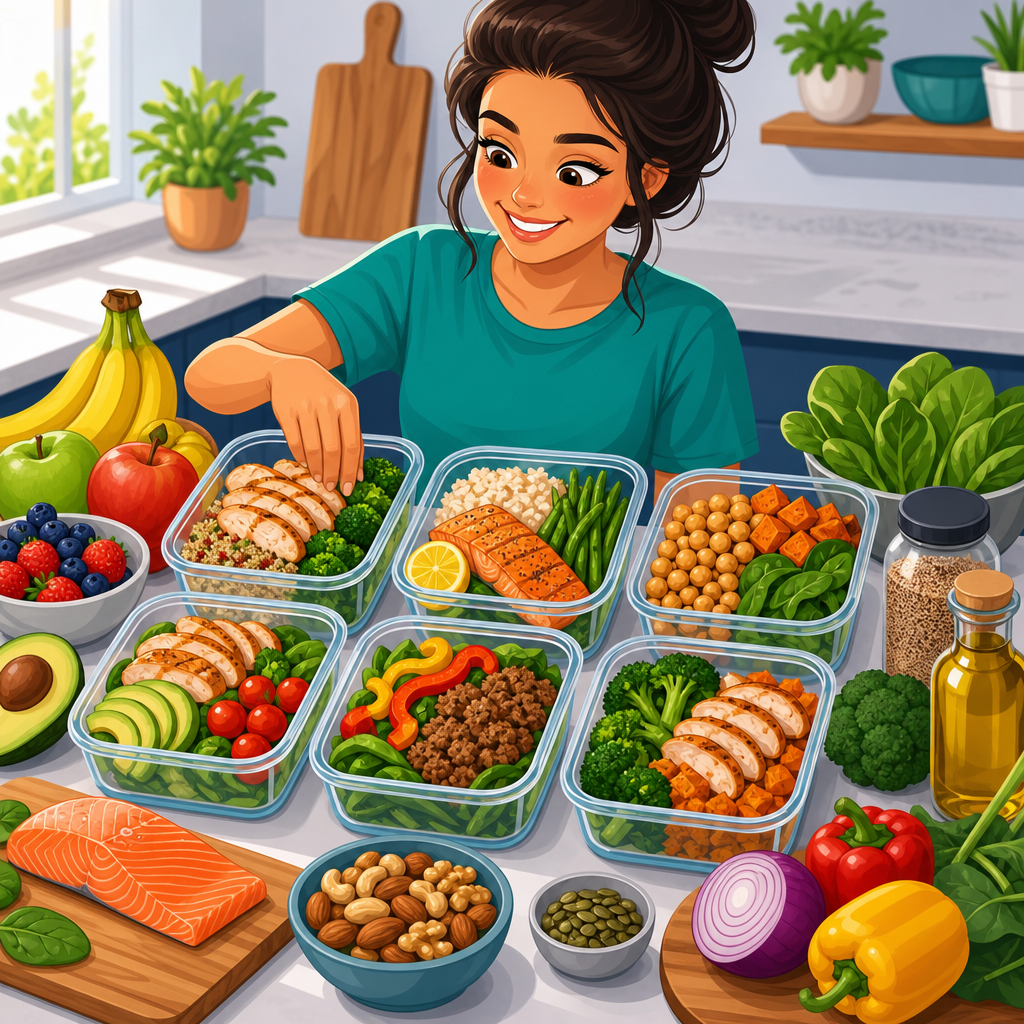
Meal prepping for a healthy week starts with one practical question: which foods give you the most nutrition, hold up well in the fridge, and make it easier to eat balanced meals when time is short? In my experience planning weekly menus for busy households, the best meal prep foods are not trendy ingredients but dependable staples that store safely, reheat well, and cover the basics of protein, fiber, healthy fats, vitamins, and minerals. Meal prepping means preparing ingredients or full meals in advance so weekday eating becomes faster, cheaper, and more consistent. A healthy week means your meals regularly support energy, blood sugar stability, digestion, muscle recovery, and appetite control rather than leaving everything to last-minute decisions.
The phrase “foods rich in meal prepping” sounds unusual, but the intent is clear: you want foods that are especially valuable for meal prepping because they deliver strong nutritional returns and practical cooking benefits. Those foods include lean proteins like chicken breast, salmon, eggs, Greek yogurt, tofu, and beans; complex carbohydrates like oats, brown rice, quinoa, sweet potatoes, and whole grain pasta; and produce such as broccoli, spinach, bell peppers, carrots, berries, and apples. Healthy fats matter too, especially avocado, nuts, seeds, olive oil, and natural nut butters. Together, these ingredients form the backbone of meal prepping for a healthy week because they are versatile, easy to portion, and adaptable across breakfasts, lunches, dinners, and snacks.
Why does this matter? Because consistency beats intensity in nutrition. Research from the Centers for Disease Control and Prevention and the Dietary Guidelines for Americans repeatedly shows that dietary patterns, not isolated meals, drive long-term health outcomes. When you prep meals ahead, you reduce reliance on ultra-processed convenience food, improve portion awareness, and make it more likely that vegetables, whole grains, and protein actually get eaten. You also cut food waste by planning ingredients across several meals. This hub article explains the top foods to prioritize, how to combine them, what lasts best, and how to build a realistic routine that works through a full week.
What makes a food ideal for meal prepping for a healthy week
The best meal prep foods meet four standards. First, they are nutrient-dense, meaning they provide substantial protein, fiber, vitamins, minerals, or beneficial fats per serving. Second, they store well for several days without major loss of texture or safety. Third, they fit multiple recipes, so one batch can become different meals. Fourth, they are easy to portion. When I set up a week of meals, I look for ingredients that can anchor bowls, salads, wraps, soups, and snacks with minimal extra work.
Protein is usually the first priority because it improves fullness and helps preserve lean mass, especially when someone is active, losing weight, or recovering from training. Fiber comes next because it supports digestion and satiety. Then I consider moisture retention and reheating quality. Chicken thighs often reheat better than extra-lean chicken breast. Roasted sweet potatoes stay appealing longer than plain baked russets. Cooked quinoa remains fluffy where some rice varieties harden if stored poorly. These details matter because healthy food that turns dry, soggy, or bland by day three often gets abandoned.
Food safety also shapes the list. The USDA recommends prompt refrigeration, shallow storage containers for faster cooling, and attention to shelf life. Most cooked proteins, grains, and roasted vegetables are best used within three to four days, while some items like overnight oats, hard-boiled eggs, and hearty soups can stretch a little longer if handled correctly. Freezer-friendly foods expand your options. Chili, cooked brown rice, turkey meatballs, and lentil soup freeze well and make meal prepping for a healthy week much more sustainable.
Top protein foods to prep first
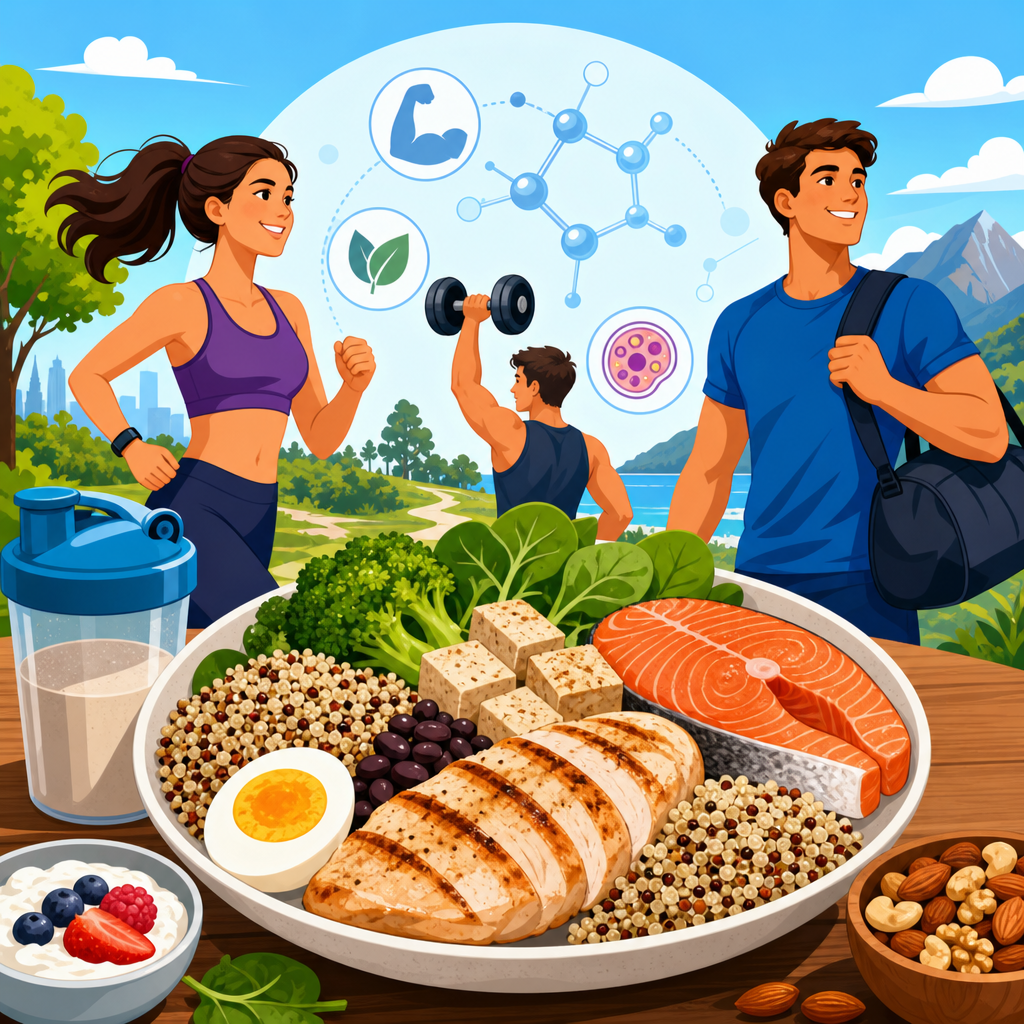
If you only prep one category, prep protein. Chicken breast remains popular because it is lean, widely available, and easy to season in batches. A 3.5-ounce cooked portion provides roughly 31 grams of protein. I usually roast or grill several portions at once, then slice them for grain bowls, wraps, salads, or stir-fries. Chicken thighs offer slightly more fat but better flavor retention after reheating, which many people prefer for lunch prep.
Eggs are one of the highest-value meal prep foods because they are inexpensive, portable, and fast. Hard-boiled eggs work for breakfast boxes, snacks, and salad toppers. Egg muffins baked with spinach, mushrooms, and peppers are another reliable option. Greek yogurt is equally useful. Plain Greek yogurt provides significant protein, often 15 to 20 grams per serving, plus calcium. It works in breakfast parfaits, savory sauces, and high-protein snacks with fruit and seeds.
For seafood, salmon is a standout. It delivers protein along with omega-3 fatty acids EPA and DHA, which support heart and brain health. Cooked salmon can anchor rice bowls, salads, or pasta for two to three days. Tuna, especially canned tuna packed in water, is another prep-friendly choice for sandwiches and protein salads. Plant-based options should not be treated as an afterthought. Extra-firm tofu, tempeh, lentils, chickpeas, and black beans are excellent meal prep staples. Lentils are especially efficient because they cook quickly, provide both protein and fiber, and fit soups, curries, and cold salads.
| Food | Main benefit | Best prep use | Typical fridge life |
|---|---|---|---|
| Chicken breast | High protein, lean | Bowls, wraps, salads | 3 to 4 days |
| Eggs | Portable, versatile | Breakfasts, snacks | Up to 1 week cooked |
| Salmon | Protein plus omega-3s | Dinners, bowls | 2 to 3 days |
| Greek yogurt | High protein, calcium | Breakfasts, sauces | 5 to 7 days after opening |
| Lentils | Protein plus fiber | Soups, salads, curries | 3 to 5 days |
| Tofu | Plant protein, adaptable | Stir-fries, bowls | 3 to 4 days cooked |
Best carbohydrates for energy, fullness, and flexibility
Healthy meal prep fails when carbohydrates are ignored or chosen poorly. The right carb sources provide sustained energy, fiber, and recipe flexibility. Oats are one of the best examples. Rolled oats can become overnight oats, baked oatmeal, breakfast bars, or blended pancake batter. They are rich in beta-glucan, a soluble fiber associated with improved cholesterol control and better fullness. For breakfast prep, oats consistently outperform sugary cereals because they hold hunger longer and accept endless toppings.
Brown rice and quinoa are classic batch-cooking staples. Brown rice offers fiber and a familiar texture that works with almost any cuisine. Quinoa adds a slight nutty flavor and contains all nine essential amino acids, making it especially helpful in plant-forward plans. Sweet potatoes deserve special attention because they are durable, nutrient-rich, and easy to portion. They provide complex carbohydrates, potassium, and beta-carotene. Roasted cubes can be used in breakfast hashes, lunch bowls, tacos, and sheet-pan dinners.
Other smart carb options include whole grain pasta, farro, barley, corn tortillas, and beans, which function as both carbohydrate and protein sources. I often prep two carbohydrate bases per week: one grain and one starchy vegetable. That creates variety without adding complexity. A container of quinoa and a tray of roasted sweet potatoes can support five or six different meals. This is exactly what meal prepping for a healthy week should do: simplify choices while preserving enough variety that eating well still feels satisfying.
Vegetables and fruits that hold up well in weekly prep
Produce is where healthy intentions often break down, because delicate vegetables spoil quickly and washed greens can turn slimy if stored badly. The answer is choosing sturdy options and prepping them with their shelf life in mind. Broccoli, cauliflower, Brussels sprouts, carrots, cabbage, green beans, bell peppers, and zucchini are all reliable for roasting or stir-frying. Roasted broccoli and cauliflower keep their structure better than watery vegetables such as cucumber or lettuce, which are better prepped closer to serving time.
Leafy greens still matter, but handling is everything. Spinach works well in smoothies, egg muffins, pasta, and sautéed side dishes. Kale lasts longer than many salad greens and stands up to grain bowls and massage-based salads. For raw snacking and lunch boxes, carrots, celery, snap peas, and bell pepper strips hold their crunch when stored in airtight containers. For fruit, berries, apples, oranges, grapes, and melon are practical choices. Berries need gentle washing and thorough drying to avoid mold, while apples and oranges are naturally portable.
Frozen produce should also be part of the conversation. Frozen spinach, peas, mixed berries, broccoli, and stir-fry blends are picked at peak ripeness and can be nutritionally comparable to fresh produce. They reduce waste and make it easier to build vegetables into meals consistently. I use frozen vegetables heavily when clients want a realistic plan rather than an idealized one. Having frozen broccoli and berries on hand means a missed grocery run does not turn into a week of takeout.
Healthy fats, sauces, and flavor builders that keep meals satisfying
Meal prep meals become boring when they are dry, under-seasoned, or too low in fat. Healthy fats improve taste, texture, and fullness. Extra-virgin olive oil is foundational because it supports roasting, dressings, and marinades while contributing monounsaturated fats. Avocados are excellent in wraps, bowls, and toast, though they should usually be cut closer to serving time to limit browning. Nuts and seeds, including almonds, walnuts, pumpkin seeds, chia seeds, and flaxseeds, add crunch, minerals, and lasting energy.
Sauces deserve strategic planning. A good sauce turns the same chicken, rice, and vegetables into completely different meals. Plain Greek yogurt can become a lemon-herb dressing or high-protein ranch. Tahini creates rich dressings for grain bowls. Salsa adds flavor with little prep. Hummus works as a dip, spread, or bowl component. Pesto, when used thoughtfully, can flavor pasta, chicken, beans, or roasted vegetables. The trick is portioning sauces separately so meals stay fresh.
Flavor builders such as garlic, onions, ginger, citrus, vinegar, cumin, paprika, curry powder, low-sodium soy sauce, and fresh herbs make meal prepping for a healthy week much easier to sustain. This is one lesson I learned quickly in practice: people do not quit meal prep because containers are inconvenient; they quit because every lunch tastes the same. Changing spice blends and sauces can make one batch of ingredients feel new across several days.
How to combine meal prep foods into balanced meals
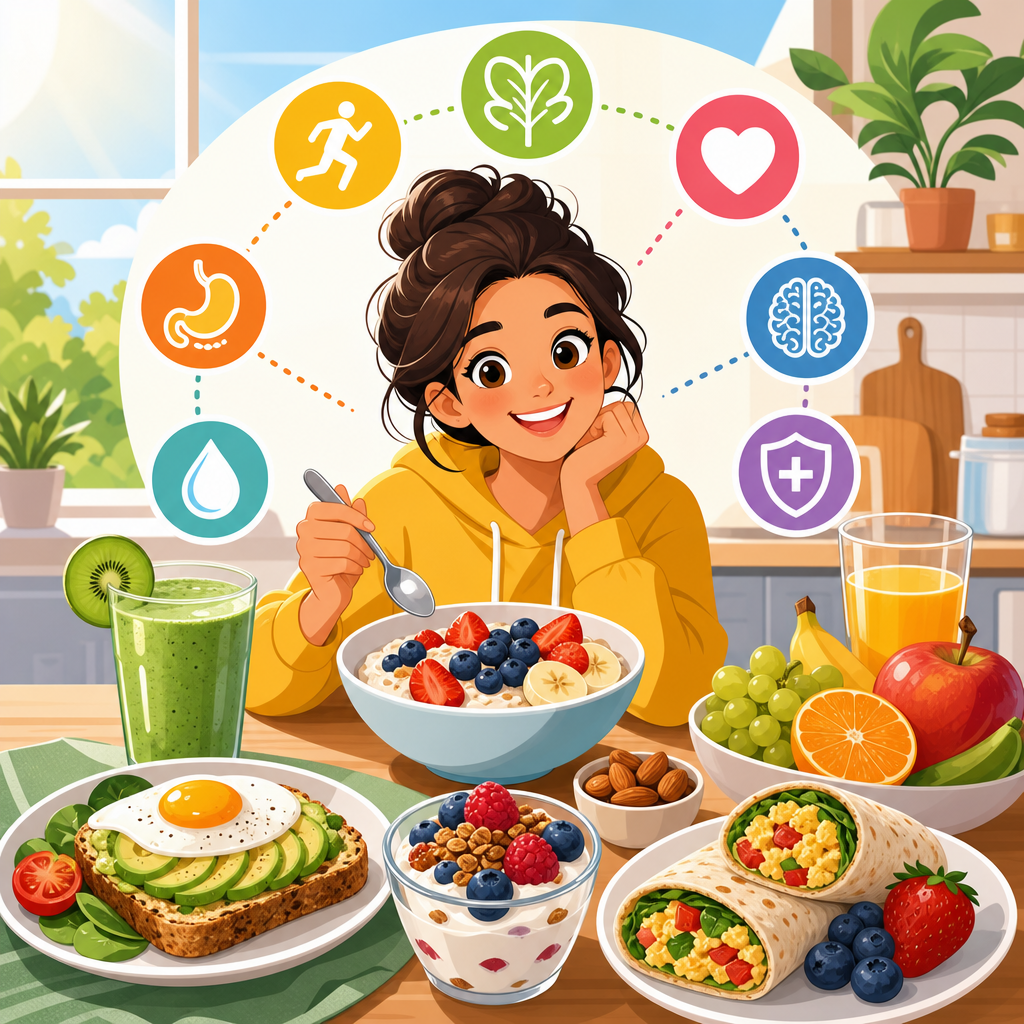
A balanced prep meal is not complicated. Start with a protein source, add a fiber-rich carbohydrate, include at least one vegetable, and finish with a fat or sauce for satisfaction. For example, grilled chicken, quinoa, roasted broccoli, and tahini dressing make a complete lunch. A vegetarian version might use lentils, brown rice, roasted peppers, spinach, and avocado. Breakfast could be overnight oats with Greek yogurt, berries, chia seeds, and walnuts. Dinner might be baked salmon, sweet potatoes, and green beans.
Portioning should reflect goals, appetite, and activity level, not rigid diet rules. Someone training hard may need larger carbohydrate portions, while someone focused on appetite control may prioritize extra vegetables and protein. I usually advise building meals visually: about one-quarter protein, one-quarter starch or grain, and half vegetables, then adjust from there. This approach is flexible and easier to sustain than exact macro counting for most people.
Use repetition intelligently. Repeating ingredients is efficient; repeating identical meals is where burnout starts. One batch of shredded chicken can become tacos on Monday, salad bowls on Tuesday, soup on Wednesday, and whole grain wraps on Thursday. That is the real advantage of hub-style meal prepping for a healthy week: you prepare components, not just finished boxes, so your meals stay practical and varied.
A realistic weekly system that saves time and reduces waste
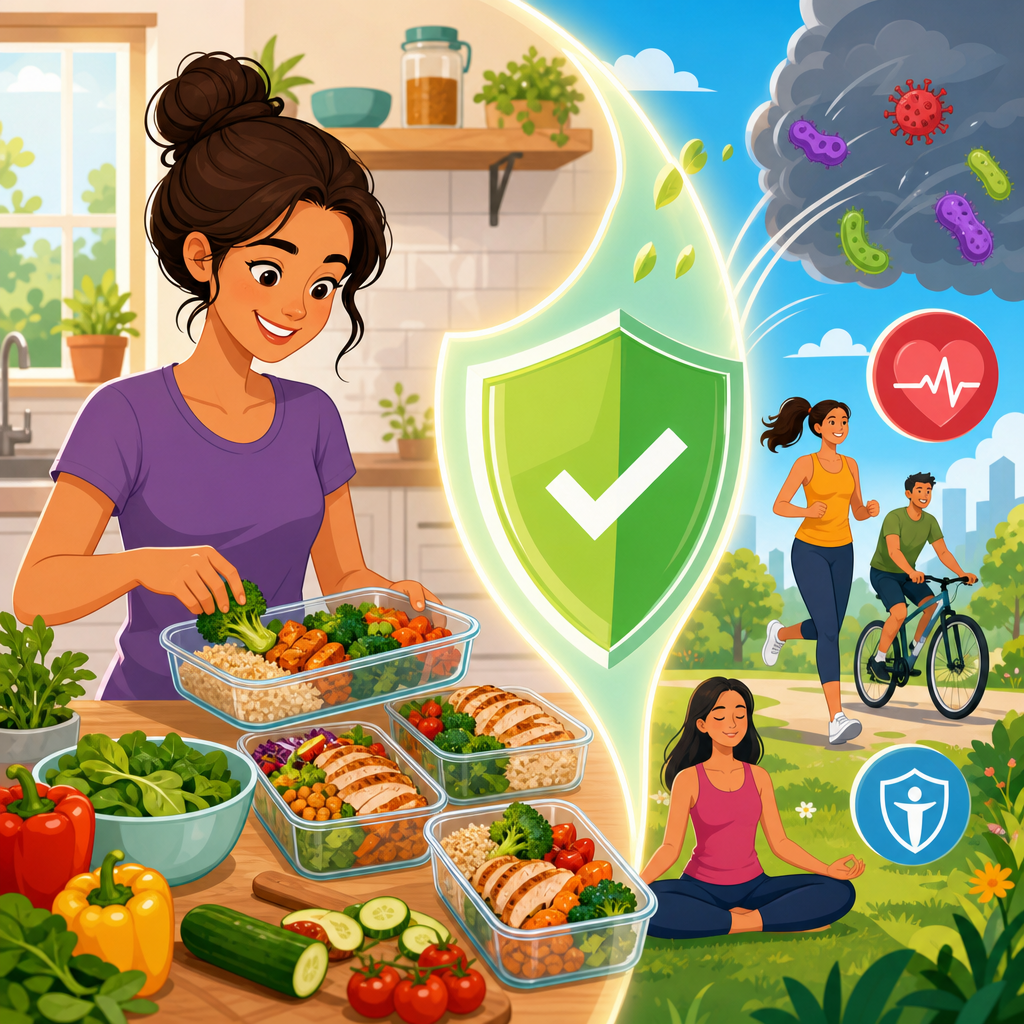
The most effective meal prep system is simple enough to repeat. Choose two proteins, two carbohydrate bases, three vegetables, one breakfast option, and two sauces. Shop with a list, cook in stages, cool food promptly, and label containers with dates. I prefer preparing one larger session on Sunday and a short refresh midweek for produce and proteins with shorter shelf life. This keeps food quality high and lowers the chance that Friday meals get skipped.
Storage matters. Glass containers hold up well for reheating and help you see what is available. Keep wet ingredients separate from crisp vegetables. Store washed greens with a paper towel to absorb moisture. Freeze extra portions early rather than waiting until food quality declines. This is especially important for soups, chili, meatballs, cooked grains, and sliced bread.
For readers exploring more under Recipes & Meal Planning, this hub connects naturally to detailed guides on high-protein breakfast prep, freezer-friendly dinners, healthy snack boxes, sheet-pan recipes, budget meal planning, and food storage safety. Those supporting topics matter because meal prepping for a healthy week is not one recipe; it is a repeatable system built on the right foods. Start with dependable staples, learn what your household actually eats, and refine from there. Build one healthy week, then repeat it with small improvements. That is how meal prep delivers lasting results.
Frequently Asked Questions
What are the best foods to include in meal prepping for a healthy week?
The best foods for meal prepping are the ones that combine strong nutrition with practicality. In real-world weekly planning, that usually means building around a few dependable categories: lean proteins, high-fiber carbohydrates, vegetables, healthy fats, and simple add-ons that improve flavor without making meals complicated. Some of the most useful protein options include chicken breast, turkey, eggs, canned tuna or salmon, tofu, Greek yogurt, lentils, and beans. These foods help support fullness, muscle maintenance, and steady energy, and most of them can be cooked in batches without losing quality quickly.
For carbohydrates, foods like brown rice, quinoa, oats, sweet potatoes, and whole grain pasta are especially effective because they reheat well and provide lasting energy. They also pair easily with different proteins and vegetables, which makes it easier to create variety from a small number of ingredients. Fiber-rich foods such as beans, chickpeas, oats, berries, broccoli, carrots, and leafy greens are also worth prioritizing because they support digestion and help meals feel more satisfying. Healthy fats from avocados, olive oil, nuts, seeds, and nut butters round things out by improving flavor, helping with nutrient absorption, and keeping meals balanced.
If you want a practical starting point, choose a few foods from each category that store well and can be mixed and matched across multiple meals. For example, grilled chicken, hard-boiled eggs, roasted vegetables, cooked quinoa, black beans, and plain Greek yogurt can cover breakfasts, lunches, snacks, and dinners with very little waste. The most effective meal prep foods are not necessarily the most expensive or trendy; they are the staples you can prepare once, store safely, and use in several healthy combinations throughout the week.
Why are protein-rich foods so important in weekly meal prep?
Protein-rich foods matter in meal prep because they form the backbone of satisfying, balanced meals. When people prepare food in advance but do not include enough protein, they often end up feeling hungry soon after eating, which makes snacking and takeout more tempting later in the day. Protein helps support satiety, stabilizes meals when paired with fiber and healthy fats, and plays an important role in maintaining muscle, recovery, and overall health. For a busy week, having prepared protein on hand can make the difference between a quick healthy lunch and grabbing something less balanced out of convenience.
Another reason protein is so valuable is versatility. Batch-cooked chicken, turkey meatballs, baked tofu, boiled eggs, cottage cheese, Greek yogurt, beans, and lentils can be used in multiple meals without much extra work. A container of cooked chicken can become a grain bowl one day, a salad topping the next, and a wrap filling after that. The same is true for lentils or chickpeas, which can move easily between soups, salads, grain bowls, and side dishes. This flexibility reduces prep time and helps prevent boredom, which is one of the most common reasons people stop meal prepping consistently.
Protein-rich foods also tend to store well when handled properly. Cooked chicken, turkey, eggs, and many plant proteins hold up reliably in the refrigerator for several days, making them ideal for preparing ahead. From a nutritional standpoint, they help make each meal more complete, especially when combined with complex carbohydrates and vegetables. If your goal is to meal prep for a healthy week, prioritizing protein is one of the smartest decisions you can make because it supports convenience, fullness, and better overall meal quality.
Which high-fiber foods work best for meal prep and why do they matter?
High-fiber foods are some of the most valuable ingredients in a meal prep routine because they support digestion, improve fullness, and help create meals that feel steady and sustaining instead of heavy or short-lived. Foods that work especially well include oats, brown rice, quinoa, lentils, black beans, chickpeas, sweet potatoes, broccoli, carrots, Brussels sprouts, apples, pears, and berries. These ingredients are nutrient-dense, relatively affordable, and easy to prepare in batches, which makes them ideal for a healthy weekly plan.
Fiber matters because it slows digestion and helps meals feel more satisfying for longer. That is especially useful during a busy week when long gaps between meals can lead to energy dips or overeating later. A breakfast made with oats and berries, a lunch bowl with quinoa and chickpeas, or a dinner with roasted sweet potatoes and vegetables can all help support more consistent energy and appetite control. Many fiber-rich foods also provide vitamins, minerals, and antioxidants, so they do more than simply add bulk to a meal.
From a storage and meal-prep perspective, high-fiber staples are incredibly practical. Cooked grains and legumes keep well in the refrigerator and can be portioned quickly into containers. Roasted vegetables often develop even better flavor after a day, and fruits can be prepped for grab-and-go snacks or added to yogurt and oatmeal. The reason these foods are so useful is simple: they improve both the nutritional quality and the staying power of your meals. If you want meal prep to actually carry you through the week, fiber-rich foods should be part of the foundation.
How do you choose meal prep foods that stay fresh and reheat well?
Choosing meal prep foods that stay fresh starts with understanding which ingredients hold their texture, flavor, and safety over several days in the refrigerator. In general, sturdy vegetables, cooked grains, roasted potatoes, beans, lentils, eggs, and simply seasoned proteins perform better than delicate greens, heavily breaded foods, or dishes with sauces that make everything soggy. Broccoli, cauliflower, carrots, green beans, peppers, cabbage, and roasted sweet potatoes usually keep their structure well, while grains like rice and quinoa reheat easily and adapt to many meals. Proteins such as chicken, turkey, tofu, and legumes also tend to be dependable when stored in airtight containers.
It also helps to prep components separately instead of combining everything at once. Keeping cooked grains in one container, proteins in another, vegetables in another, and sauces on the side can preserve texture and let you assemble meals as needed. This approach reduces the chance of mushy food and gives you more flexibility during the week. For example, roasted vegetables can be paired with eggs for breakfast, chicken and rice for lunch, or lentils for dinner. The same ingredient can serve multiple meals when it is stored properly and not locked into one dish too early.
Reheating quality matters just as much as freshness. Foods with some moisture, such as cooked beans, casseroles, soups, chili, and marinated proteins, often reheat especially well. Dry foods can still work, but they may benefit from a splash of broth, lemon juice, or sauce before reheating. A practical rule is to build your prep list around foods that you would still be happy to eat on day three or four, not just on the day they are cooked. The most successful meal prep plans use foods that are both nutritious and resilient, because convenience only works when the food remains appealing throughout the week.
How can you build balanced meal prep meals without getting bored?
The easiest way to build balanced meal prep meals without boredom is to use a repeatable structure while changing flavors and combinations. A strong formula is simple: start with a protein, add a fiber-rich carbohydrate, include one or two vegetables, and finish with a healthy fat or sauce. For example, you might pair grilled chicken with brown rice and roasted broccoli, or use lentils with quinoa, cucumbers, and olive oil dressing. This method keeps meals nutritionally balanced while allowing plenty of variation from the same core ingredients.
Variety often comes more from seasoning and assembly than from buying completely different foods every week. One batch of cooked chicken can taste very different depending on whether you use lemon and herbs, taco seasoning, garlic and olive oil, or a yogurt-based marinade. Cooked quinoa can be used in a Mediterranean-style bowl one day and a warm vegetable bowl the next. Even simple staples like beans, eggs, and roasted vegetables become more interesting when paired with salsa, tahini, pesto, hummus, or a light vinaigrette. This is one of the most efficient ways to keep meal prep realistic for busy households without increasing cost or kitchen time.
Balance also means planning across the whole week rather than trying to make every container identical. You might prep two proteins, two carbohydrate bases, several vegetables, and a few toppings, then rotate them. That gives you enough consistency to stay organized while still creating different meals. When people get bored with meal prep, it is usually not because healthy foods are the problem; it is because the plan is too repetitive or too rigid. A flexible system built around nutrient-dense staples makes it easier to eat well, enjoy your meals, and stick with healthy habits for the long term.