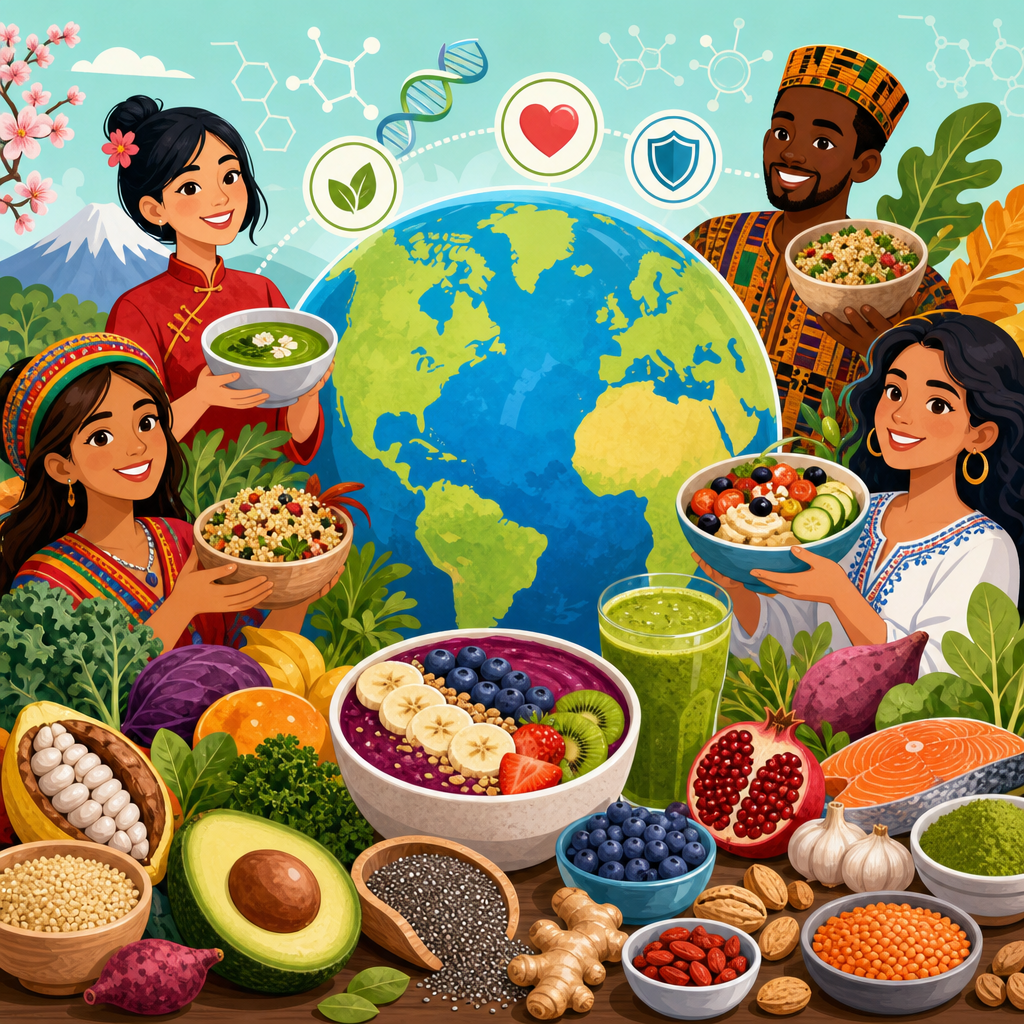
International superfoods and recipes bring together nutrient-dense ingredients, traditional food wisdom, and practical meal planning in ways that can improve diet quality without making eating feel restrictive. In nutrition, a superfood is not a formal scientific category but a popular term for foods that deliver unusually high levels of beneficial compounds such as fiber, polyphenols, omega-3 fats, vitamins, minerals, or live cultures relative to their calories. International superfoods are those ingredients rooted in established culinary traditions around the world, from Japanese seaweed and Korean fermented vegetables to Mediterranean olive oil, Andean quinoa, Indian lentils, West African moringa, and Central American cacao. Understanding the science behind international superfoods and recipes matters because health benefits do not come from isolated ingredients alone; they come from dietary patterns, cooking methods, portion balance, and consistency over time.
After years of planning recipes for mixed households with different budgets, allergies, and cultural preferences, I have seen that people stick with healthy eating when flavor and familiarity lead the process. Açaí bowls may trend on social media, but staple foods like beans, sardines, yogurt, sesame, oats, and cruciferous vegetables often provide stronger evidence, lower cost, and easier long-term use. This hub article on international superfoods and recipes explains what these foods do in the body, which global cuisines use them well, and how to build meals around them. It also serves as a practical starting point for deeper recipe exploration within recipes and meal planning, helping readers connect ingredient science with breakfasts, lunches, dinners, snacks, batch cooking, and family-friendly menus.
The strongest evidence links many superfoods to reduced inflammation markers, improved gut microbiome diversity, steadier blood sugar, better cardiovascular health, and greater intake of protective micronutrients. Those effects are tied to specific mechanisms. Soluble fiber in oats, legumes, and barley can help lower LDL cholesterol by binding bile acids. Polyphenols in berries, tea, cacao, and extra virgin olive oil help limit oxidative stress and support endothelial function. Fermented foods such as kefir, miso, kimchi, and yogurt can contribute live microbes and fermentation byproducts that influence digestion and immunity. Omega-3-rich fish, walnuts, and flax support cell membranes and inflammatory regulation. The best international recipes combine these compounds naturally, which is why dietary patterns such as the Mediterranean diet and traditional Japanese eating have repeatedly been associated with longevity and lower chronic disease risk.
What counts as an international superfood
An international superfood is best defined by nutrient density, culinary relevance, and evidence of benefit, not by novelty or price. Quinoa qualifies because it contributes fiber, magnesium, and a relatively complete amino acid profile while fitting naturally into Andean cooking. Turmeric matters not because every dish containing it becomes medicinal, but because curcumin and related compounds have documented anti-inflammatory potential, especially when turmeric is used regularly with black pepper and fat in curries or stews. Seaweed stands out for iodine and unique polysaccharides, though intake should be moderate because iodine content varies widely by species. Kefir offers protein, calcium, and diverse fermentation organisms. Chia seeds provide alpha-linolenic acid, fiber, and gel-forming soluble fiber that supports satiety.
The most useful way to evaluate these foods is to ask four questions. What nutrients or bioactive compounds do they provide? How are they traditionally prepared? What amount is realistic in an ordinary week? What is the limitation? For example, legumes are among the best global superfoods because chickpeas, black beans, lentils, and soy foods support heart health and glycemic control, yet some people need gradual increases to avoid digestive discomfort. Extra virgin olive oil is rich in monounsaturated fat and phenolic compounds, but quality and storage matter because light, heat, and age reduce some benefits. Green tea offers catechins, but adding large amounts of sugar changes the health equation. A grounded definition prevents the category from turning into marketing.
How nutrition science explains their health benefits
The science behind international superfoods and recipes is easiest to understand through mechanisms. Fiber improves health in several ways: it slows gastric emptying, reduces rapid blood glucose spikes, feeds beneficial gut bacteria, and can improve cholesterol metabolism. Resistant starch in cooled potatoes, green bananas, and legumes is fermented in the colon into short-chain fatty acids such as butyrate, which supports intestinal cells. Polyphenols act less like direct vitamin replacements and more like signaling compounds, influencing inflammatory pathways, vascular function, and microbial activity in the gut. Sulforaphane precursors in cruciferous vegetables such as broccoli activate detoxification enzymes. Lycopene in cooked tomatoes becomes more bioavailable when tomatoes are heated with oil, a classic example of recipe design improving nutrient absorption.
Protein quality and mineral bioavailability also matter. Fermentation, soaking, sprouting, and pressure cooking can reduce phytates and improve digestibility in grains and legumes. Combining vitamin C-rich produce with iron-rich plant foods increases non-heme iron absorption, which is why lentils with tomatoes, lemon, or peppers work so well nutritionally. Fat-soluble nutrients such as carotenoids and vitamin K absorb better with dietary fat, making avocado salsa, olive oil dressings, and sesame sauces more than just flavor choices. Even spice blends contribute measurable effects: garlic contains organosulfur compounds linked to cardiometabolic benefits, cinnamon can modestly help glycemic response in some contexts, and ginger supports digestion and may reduce nausea. Whole recipes, not individual ingredients, create the repeatable health outcome.
Key international superfoods, benefits, and best culinary uses
| Superfood | Region or cuisine | Main compounds | Potential benefits | Best recipe uses |
|---|---|---|---|---|
| Quinoa | Andean | Fiber, magnesium, protein | Satiety, mineral intake, blood sugar support | Grain bowls, salads, stuffed peppers |
| Kimchi | Korean | Fermentation acids, fiber, vitamin C | Gut support, flavor without heavy sauces | Rice bowls, pancakes, fried rice |
| Extra virgin olive oil | Mediterranean | Monounsaturated fat, polyphenols | Heart health, anti-inflammatory support | Dressings, marinades, vegetable roasting |
| Sardines | Mediterranean and Atlantic coasts | EPA, DHA, calcium, vitamin D | Cardiovascular and bone support | Toast, pasta, salads |
| Lentils | Indian, Middle Eastern, global | Fiber, folate, iron, protein | Cholesterol support, fullness, steady energy | Dal, soups, stews, salads |
| Seaweed | Japanese and Korean | Iodine, minerals, unique polysaccharides | Thyroid support when used appropriately | Soups, salads, rice wraps |
These examples show why international superfoods and recipes work so well in meal planning. Each ingredient solves more than one problem at once: lentils are affordable, shelf-stable, and adaptable; olive oil improves flavor and nutrient absorption; sardines provide highly bioavailable omega-3 fats without the premium cost of fresh salmon. In practice, I often build a weekly plan around pairings that have strong evidence and broad appeal: lentil tomato soup with cumin and lemon, Greek yogurt with berries and walnuts, miso salmon with soba and bok choy, or quinoa with roasted vegetables, tahini, and chickpeas. These combinations deliver protein, fiber, healthy fats, and phytonutrients without requiring complicated techniques.
Traditional dietary patterns that make superfoods effective
No culture built its healthiest dishes around isolated miracle ingredients. The most compelling health data comes from patterns. The Mediterranean diet emphasizes vegetables, legumes, fruit, whole grains, nuts, fish, and extra virgin olive oil, with lower intake of ultra-processed foods and red meat. Research consistently links this pattern to lower rates of cardiovascular disease and better metabolic health. Japanese eating patterns often center on fish, soy foods, vegetables, fermented foods, tea, and modest portions, contributing to high nutrient density and relatively low saturated fat intake. Traditional Indian home cooking, especially plant-forward regional styles, uses lentils, beans, spices, yogurt, and vegetables in combinations that support fiber and microbial diversity when heavy cream and excess refined grains do not dominate the plate.
Latin American, Middle Eastern, and African food traditions offer equally valuable models. Beans and corn, when prepared well, provide complementary nutrition and sustained energy. Hummus, tabbouleh, ful medames, and lentil soups combine legumes, herbs, olive oil, and acid for satisfying meals with excellent nutrient profiles. West African ingredients such as fonio, peanuts, okra, hibiscus, and moringa deserve more attention for their culinary versatility and micronutrient value. The lesson is practical: recipes matter because they organize nutrients into patterns people will actually repeat. A spoonful of chia seeds has limited impact if the rest of the day is built around highly processed food, but an eating pattern anchored in globally proven staples can transform health markers over time.
How to cook international superfoods without losing their value
Preparation changes nutrition more than most people realize. Boiling vegetables can leach water-soluble nutrients, while steaming or quick sautéing often preserves texture and vitamins better. Tomatoes gain more bioavailable lycopene after cooking, especially with olive oil. Garlic develops more beneficial sulfur compounds when chopped and left to rest briefly before heating. Beans become more digestible after soaking and thorough cooking, and pressure cookers reduce time while preserving convenience. Fermented ingredients should not always be overheated if the goal is live cultures; adding kimchi or yogurt after cooking can preserve more microbial activity, though even nonliving fermentation products may still offer benefits. Spices release fat-soluble aromas better when briefly bloomed in oil, which is one reason curries and stews can be both flavorful and functional.
Storage and sourcing deserve equal attention. Extra virgin olive oil should be in dark bottles and kept away from heat. Nuts and seeds turn rancid if stored too long at room temperature. Frozen berries often match fresh berries nutritionally and can be more cost-effective outside peak season. Canned fish is valuable when packed in water or olive oil with moderate sodium. Whole grains should be rotated for freshness because their natural oils can degrade. When planning recipes and meal planning for a family, I usually recommend choosing two fermented foods, two legumes, one oily fish, three colorful vegetables, and one whole grain each week. That framework keeps variety high, limits waste, and makes international superfoods a routine part of the menu instead of a shopping-cart experiment.
Meal planning strategies for using international superfoods every week
The best way to use this hub is to treat international superfoods and recipes as building blocks. Start with a matrix: protein, fiber-rich carbohydrate, vegetables, healthy fat, and a flavor system from a specific cuisine. A Mediterranean bowl might use farro, chickpeas, cucumbers, tomatoes, herbs, feta, and olive oil. An East Asian-inspired dinner could pair brown rice, salmon, edamame, seaweed, sesame, and miso dressing. A Latin-inspired lunch might combine black beans, roasted sweet potato, cabbage slaw, avocado, pumpkin seeds, and lime. Once people see the pattern, meal planning becomes faster because they can swap ingredients while preserving nutritional balance. This article functions as the sub-pillar hub because each of these combinations can branch into detailed recipe guides, shopping lists, prep methods, and dietary adaptations.
For busy households, batch-cook components rather than complete meals. Cook a pot of lentils, roast a tray of vegetables, whisk a tahini sauce, prepare a grain, and keep washed greens ready. Then assemble different international recipes across the week: lentil soup on Monday, grain bowls on Tuesday, wraps on Wednesday, and a curry on Thursday. This lowers decision fatigue and increases the odds that nutrient-dense foods are eaten before convenience foods take over. Keep limitations in mind. Seaweed can be too high in iodine for some people if consumed excessively. Grapefruit affects certain medications. Fermented foods may aggravate symptoms in people sensitive to histamine. Health benefits are strongest when choices are personalized, medically appropriate, and sustained. Use these global ingredients deliberately, explore linked recipes, and build a meal plan you can maintain.
Frequently Asked Questions
What does the term “international superfoods” actually mean, and is it scientifically valid?
“International superfoods” generally refers to nutrient-dense foods from culinary traditions around the world that are known for offering a high concentration of beneficial compounds relative to their calories. These can include foods such as fermented dairy and vegetables, oily fish, legumes, sea vegetables, spices, seeds, berries, whole grains, and deeply colored produce used in traditional cuisines across Asia, the Mediterranean, Africa, Latin America, and beyond. From a scientific perspective, the word “superfood” is not a formal medical or nutrition classification. Researchers do not use it as a strict technical category. Instead, it is a popular shorthand for foods that are especially rich in components such as fiber, polyphenols, omega-3 fats, vitamins, minerals, antioxidants, or live cultures.
That said, the idea behind superfoods is not meaningless. Science does support the health value of many foods commonly labeled this way. For example, fermented foods may support gut microbial diversity, legumes can improve satiety and blood sugar control, fatty fish contribute omega-3 fats linked with heart and brain health, and spices such as turmeric, ginger, and garlic contain bioactive compounds with anti-inflammatory potential. The most important point is that no single food transforms health by itself. Benefits usually come from overall dietary patterns, regular use, and preparation methods that preserve nutrients. In that sense, international superfoods are best understood not as miracle foods, but as practical, culturally rooted ingredients that can help build a more varied and nutrient-rich eating pattern.
How do international superfoods support health benefits like better digestion, heart health, and immunity?
International superfoods support health through multiple mechanisms, not just one. Some improve nutritional adequacy by supplying nutrients that many people fall short on, while others influence the gut microbiome, reduce dietary inflammation, improve cholesterol balance, or help regulate blood sugar. For digestion, fiber-rich foods such as lentils, chickpeas, oats, barley, chia seeds, and vegetables feed beneficial gut microbes and promote bowel regularity. Fermented foods used globally, such as kefir, yogurt, kimchi, miso, tempeh, and fermented vegetables, may also help support the gut environment by introducing live cultures or fermentation byproducts that interact positively with digestion.
For heart health, several international superfoods stand out. Olive oil, nuts, seeds, and fatty fish provide unsaturated fats that can support healthier cholesterol levels and reduce cardiovascular risk when they replace more saturated fat sources. Beans, soy foods, and whole grains can improve satiety and help reduce reliance on highly processed foods, which often contributes to better metabolic health. Deeply colored fruits, vegetables, teas, cocoa, and spices supply polyphenols that may help protect blood vessels from oxidative stress. For immunity, the picture is broader than any one “immune-boosting” ingredient. Nutrients such as vitamin C, vitamin A, zinc, selenium, and protein all help support immune function, and many traditional superfoods contribute these in meaningful amounts. A globally diverse diet can also reduce monotony, making it easier to consistently eat a wider range of micronutrients over time, which is one of the strongest foundations for long-term immune resilience.
Are traditional international recipes healthier than modern processed meals, or does preparation matter more?
Preparation matters enormously. Many traditional international recipes have strong health advantages because they are built around whole or minimally processed ingredients, balanced flavors, and time-tested cooking methods. For example, Mediterranean dishes often emphasize olive oil, beans, vegetables, herbs, and fish; Japanese meals may combine fish, sea vegetables, soy foods, and fermented ingredients; South Asian cooking frequently uses lentils, spices, yogurt, and vegetables; and Latin American traditions often center on beans, corn, avocado, tomatoes, and fresh herbs. These patterns can naturally deliver fiber, beneficial fats, antioxidants, and a broader nutrient profile than many modern ultra-processed meals.
However, not every traditional recipe is automatically healthier, and not every modern adaptation is unhealthy. The final nutrition profile depends on portion size, sodium levels, added sugars, frying methods, refined starches, and the balance of ingredients. A bean-based stew can be highly nourishing, but a heavily salted instant version may be less so. A fermented grain bowl can be excellent for diet quality, while a restaurant preparation loaded with sugary sauces and excess oil may be less beneficial. The real advantage of traditional international cooking is that it often provides a framework for combining protective foods in sustainable, satisfying ways. When you preserve that structure—vegetables, legumes, whole grains, fermented ingredients, seafood, seeds, and spices—you retain most of the health benefits even if you adapt recipes to modern schedules or local ingredients.
Can adding international superfoods to recipes help with weight management without feeling restrictive?
Yes, one of the most practical benefits of international superfoods is that they can improve diet quality while making meals feel more enjoyable rather than more limiting. Weight management tends to work best when meals are satisfying, flavorful, and built around foods that support fullness. Many globally used superfoods do exactly that. Legumes such as lentils, black beans, and chickpeas provide both fiber and protein, which can increase satiety. Whole grains like quinoa, buckwheat, and barley digest more slowly than refined grains. Seeds, nuts, avocado, tahini, and olive oil add texture and richness that make meals more appealing, often reducing the urge to snack on less nourishing options later. Fermented foods and bold spice blends can also make healthier meals feel more interesting, which helps people stay consistent.
The key is not to think in terms of adding “healthy extras” on top of an already excessive diet, but of building meals differently. A grain bowl with vegetables, edamame, kimchi, and sesame can be more filling and nutrient-dense than a processed frozen entrée. A lentil curry with yogurt and greens may satisfy longer than a refined-carb-heavy takeout meal. Traditional eating patterns often support natural portion balance because they combine bulk from vegetables and legumes, protein from seafood or fermented soy, and strong seasoning from herbs and spices. This can make it easier to eat appropriately without counting every calorie or feeling deprived. In that way, international superfoods can support weight management by improving fullness, flavor, variety, and consistency all at once.
What are the best ways to start using international superfoods and recipes in everyday meal planning?
The best approach is to start small, focus on a few versatile ingredients, and use them repeatedly in meals you already enjoy. Instead of overhauling your diet, choose two or three international superfoods that fit your preferences and schedule. Good entry points include lentils, plain yogurt or kefir, canned sardines or salmon, tofu or tempeh, extra-virgin olive oil, chia seeds, miso, kimchi, quinoa, and spice staples such as turmeric, cumin, ginger, cinnamon, or garlic. These ingredients can be worked into familiar meals: lentils in soups or pasta sauces, yogurt in breakfasts or marinades, miso in broths, seeds in oatmeal, and olive oil in vegetable dishes and dressings.
For meal planning, think in patterns rather than isolated recipes. Build a few reliable templates: a grain bowl with vegetables, legumes, and fermented toppings; a bean or lentil stew with herbs and spices; a fish meal paired with greens and whole grains; or a yogurt-based breakfast with fruit, nuts, and seeds. International cuisine can also help reduce diet boredom, which is a major barrier to consistency. Rotating Mediterranean, Japanese, Indian, Middle Eastern, Korean, or Latin-inspired meals through the week naturally increases ingredient diversity, and that diversity is often associated with better nutrient intake and a healthier gut ecosystem. The goal is not to chase exotic foods for the sake of novelty, but to use global food wisdom to create balanced meals that are realistic, affordable, and enjoyable enough to repeat. That is where the health benefits become meaningful over time.