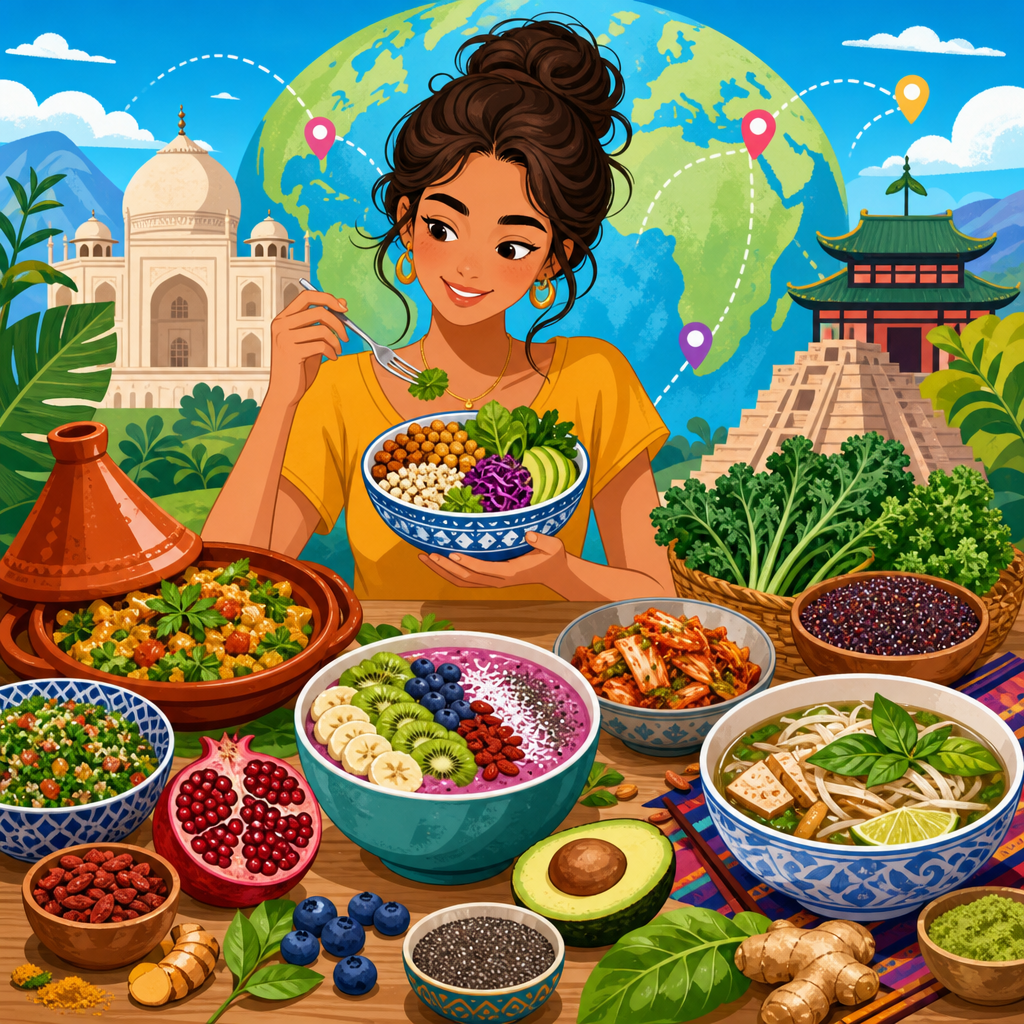
International superfoods and recipes can make everyday meals more nutritious, varied, and practical without forcing a complete overhaul of how you cook. In this context, a superfood is not a regulated scientific category or a magic ingredient; it is a useful shorthand for foods that deliver a high concentration of beneficial nutrients, phytochemicals, fiber, or healthy fats relative to their calories. Across global cuisines, these foods include staples such as lentils from South Asia, fermented kefir from the Caucasus region, seaweed from East Asia, teff from Ethiopia, extra-virgin olive oil from the Mediterranean, and chia from Central America. When I help home cooks build meal plans around these ingredients, the most successful approach is not chasing trends. It is learning where each food comes from, how it is traditionally used, what it contributes nutritionally, and how to fit it into breakfast, lunch, dinner, snacks, and batch cooking.
That matters because dietary quality improves when people eat a broader range of plants, proteins, and fermented foods rather than relying on the same ten ingredients every week. Research consistently links eating patterns rich in legumes, whole grains, vegetables, nuts, seeds, seafood, and fermented foods with better cardiometabolic health, more stable energy, and improved gut function. International recipes are especially useful because many traditional food cultures already solved the exact problem modern meal planners face: how to make affordable, shelf-stable, nutrient-dense ingredients taste satisfying day after day. A strong international superfoods and recipes routine also supports budget flexibility. Dried beans, oats, canned fish, yogurt, frozen edamame, brown rice, and spices often cost less per serving than heavily processed convenience foods while providing more protein, fiber, and micronutrients.
For a hub article under recipes and meal planning, the goal is straightforward: understand the major categories of international superfoods, know the best culinary uses for each, and build a system for rotating them through the week. Instead of treating goji berries or matcha as isolated wellness products, this guide focuses on complete meals and realistic shopping habits. You will see how Mediterranean, Japanese, Korean, Indian, West African, Middle Eastern, Latin American, Nordic, and Ethiopian traditions offer practical ingredients and recipe frameworks that can be mixed into an ordinary kitchen. By the end, you should know which foods to prioritize, how to cook them well, and how to turn them into repeatable meal plans that deliver both nutrition and flavor.
What counts as an international superfood and why traditional cuisines matter
An international superfood is best defined by three factors: nutrient density, regular use within a traditional food culture, and versatility in real meals. That definition excludes hype. Acai powder may be useful, but black beans, sardines, kimchi, tahini, and buckwheat often deserve equal or greater attention because they are accessible and form the backbone of established cuisines. Traditional cuisines matter because they show the ingredient in context. Turmeric is not just a yellow powder added to a latte; in Indian cooking it works with black pepper, ginger, garlic, cumin, coriander, legumes, and fat to create balanced dishes such as dal and vegetable sabzi. Miso is not only a soup base; in Japanese cooking it seasons marinades, broths, glazes, and dressings.
When evaluating a superfood, ask four questions. What nutrients does it provide? How is it usually prepared? What flavor role does it play? How often could you realistically eat it? A food that is technically healthy but difficult to cook or unpleasant to your household will not become a sustainable habit. By contrast, chickpeas can become hummus, chana masala, roasted snacks, sheet-pan dinners, grain bowls, and pasta additions. Kefir can be used in smoothies, overnight oats, marinades, or cold soups. Seaweed can season rice bowls, soups, and salads while adding iodine, though people with thyroid concerns should monitor intake and follow clinical guidance. Practicality always beats novelty.
Core international superfoods to keep in your kitchen
The easiest way to incorporate more international superfoods and recipes into your diet is to build a core pantry. My standard list includes lentils, chickpeas, black beans, quinoa, brown or black rice, oats, canned sardines, plain yogurt or kefir, tofu or tempeh, frozen edamame, extra-virgin olive oil, tahini, nuts, seeds, kimchi or sauerkraut, miso, seaweed, tomatoes, garlic, onions, leafy greens, citrus, and a spice set built around cumin, coriander, turmeric, cinnamon, paprika, chili flakes, ginger, and black pepper. Each ingredient can support multiple cuisines. Lentils work in Indian dal, Turkish red lentil soup, and French-style salads. Tahini works in Levantine sauces, dressings, cookies, and grain bowls. Tinned fish supports Mediterranean to Nordic meals with almost no prep.
These foods are useful because they cover the major nutrition levers that improve meal quality: fiber, complete or complementary protein, unsaturated fats, probiotics or fermented compounds, and micronutrients such as calcium, iron, folate, magnesium, potassium, and omega-3 fats. Sardines are a standout for protein, vitamin D, calcium when bones are included, and EPA and DHA. Legumes bring fiber and folate while supporting blood sugar management when they replace refined starches. Fermented foods contribute live cultures in many cases, though exact counts vary by product and storage. Whole grains such as teff, buckwheat, and quinoa add texture and nutrients while preventing meal fatigue. A pantry built on these staples makes global recipes easier because the nutritional foundation is already in place before you start planning.
Regional recipe ideas that make superfoods easy to eat every week
Different regions offer different strengths, and using them deliberately helps you avoid repetitive meal prep. The Mediterranean pattern excels at vegetable-forward meals built around olive oil, beans, yogurt, seafood, herbs, and whole grains. A practical example is a farro bowl with roasted peppers, white beans, cucumber, parsley, feta, and lemon-tahini dressing. East Asian cuisines are especially strong in fermented condiments, soy foods, sea vegetables, and light but high-flavor broths. A weeknight meal could be miso-glazed salmon with steamed rice, bok choy, and a side of edamame. South Asian cooking offers some of the most budget-friendly high-fiber recipes available, including moong dal, chana masala, rajma, and vegetable curries served with brown basmati rice or whole wheat roti.
From Latin America, look to black beans, pinto beans, squash, avocado, corn, chia, amaranth, and fish preparations with citrus and herbs. A black bean and quinoa bowl with pico de gallo, cabbage, avocado, pumpkin seeds, and lime is nutritionally dense and easy to batch. Middle Eastern and North African cuisines provide chickpeas, lentils, yogurt sauces, fresh herbs, pomegranate, tahini, and spice blends such as za’atar and ras el hanout. Ethiopian food highlights teff in injera and deeply spiced lentil stews, while West African cooking shows how greens, peanuts, beans, and fish can anchor rich, balanced dishes. Nordic traditions contribute rye, oats, root vegetables, berries, oily fish, and cultured dairy. Together, these regions give you an almost unlimited recipe map.
| Region | Superfood staples | Simple meal idea | Main nutrition strengths |
|---|---|---|---|
| Mediterranean | Olive oil, chickpeas, sardines, yogurt | Chickpea salad with sardines and lemon yogurt | Omega-3s, protein, calcium, fiber |
| Japan/Korea | Miso, tofu, seaweed, kimchi, edamame | Rice bowl with tofu, kimchi, greens, sesame | Fermented foods, protein, iodine, fiber |
| India | Lentils, turmeric, spinach, yogurt | Red lentil dal with sautéed spinach and rice | Fiber, folate, iron, probiotic support |
| Latin America | Black beans, quinoa, chia, avocado | Quinoa and black bean bowl with avocado | Fiber, healthy fats, magnesium, protein |
| Ethiopia | Teff, lentils, cabbage, collards | Lentil stew with teff porridge or injera | Iron, resistant starch, whole grain diversity |
How to meal plan with international superfoods without overcomplicating your week
The best meal plan uses repeatable templates, not seven unrelated recipes. I recommend choosing one legume-based dish, one grain-based bowl, one seafood or soy protein dinner, one soup or stew, and one fermented element for the week. Then cross-use ingredients. If you cook a pot of lentils for Indian-style dal, reserve plain lentils for a Mediterranean salad with tomatoes, cucumber, herbs, and olive oil. If you buy cabbage for Korean slaw or kimchi fried rice, use the rest in tacos or a West African-inspired peanut stew. This approach reduces cost and waste while increasing the odds that superfoods become routine rather than occasional experiments.
Batch preparation is where this system works. Cook two grains, roast a tray of mixed vegetables, wash herbs, prepare a yogurt or tahini sauce, and keep one bold condiment on hand such as harissa, kimchi, salsa verde, or miso dressing. With that setup, breakfast might be kefir with oats, berries, and chia. Lunch could be a grain bowl with roasted vegetables, chickpeas, and tahini. Dinner could be salmon with rice and seaweed or tofu stir-fry with edamame. Snacks can include hummus, fruit, nuts, or yogurt. I have seen people dramatically improve consistency once they stop planning by cuisine purity and start planning by component compatibility. A Turkish lentil soup, Japanese cucumber salad, and Mexican-style beans can absolutely coexist in the same week if the workflow is simple.
Shopping, cooking, and nutrition tradeoffs to understand
Not every international superfood needs to be bought fresh, imported, or expensive. Frozen berries retain nutrients well. Canned beans are convenient and nutritious if rinsed to reduce sodium. Tinned sardines, salmon, and mackerel are often more affordable and environmentally practical than fresh fish, while still offering omega-3 fats and protein. Fermented foods require more nuance. Yogurt and kefir are reliable staples, but some shelf-stable products are more about flavor than live cultures. Read labels if probiotic content matters to you. Likewise, extra-virgin olive oil should be stored away from heat and light because oxidation damages flavor and quality over time.
There are also limitations. Seaweed is useful, but intake should be moderate because iodine content varies widely by species. Some superfood products, especially powders and extracts, are less useful than whole foods because they cost more and deliver less satiety. Imported grains or specialty berries can strain a budget when local alternatives offer similar value. If quinoa is expensive where you live, brown rice plus beans may be the better regular choice. If fresh kimchi is unavailable, plain yogurt, kefir, or sauerkraut can fill the fermented role. The principle is nutrient diversity through global food traditions, not loyalty to any single ingredient. That flexibility keeps your diet evidence-based, affordable, and realistic.
Building your personal international recipe hub at home
To make this subtopic actionable, think of your kitchen as a small recipe hub organized by function. Keep a short list of breakfasts, quick lunches, weeknight dinners, soups, snacks, and make-ahead sauces that each feature at least one international superfood. For breakfast, rotate kefir smoothies with berries and chia, savory miso oats with scallions and sesame, or yogurt with fruit and pistachios. For lunch, rely on lentil soup, hummus plates, black bean bowls, or soba salad with edamame. For dinner, choose from baked fish with olive oil and herbs, tofu and vegetable stir-fry, chickpea tagine, dal, shakshuka, or teff-based grain bowls. Over time, this creates a personal index of meals that is far more valuable than a random collection of viral recipes.
The most effective way to incorporate more international superfoods and recipes into your diet is to start with three ingredients, three cuisines, and three dependable meals this week. Choose one legume, one fermented food, and one whole grain or oily fish. Learn one recipe from each of three regions you enjoy, then repeat them until shopping and prep feel automatic. From there, expand slowly. The payoff is substantial: better nutrient coverage, more interesting meals, stronger cooking skills, and less dependence on ultra-processed defaults. Use this hub as your foundation, then keep exploring related recipes and meal-planning guides so these foods become part of your normal routine rather than a temporary health project.
Frequently Asked Questions
1. What counts as an international superfood, and do I need to completely change how I eat to use them?
International superfoods are nutrient-dense foods that come from a wide range of culinary traditions and can fit into everyday meals without requiring a dramatic diet reset. In practical terms, this includes ingredients such as lentils commonly used in South Asian cooking, fermented foods like kimchi and miso from East Asia, olive oil from Mediterranean cuisines, sardines and other small oily fish used across coastal food cultures, quinoa and chia from Latin America, seaweed from Japanese and Korean cooking, tahini and chickpeas from Middle Eastern dishes, and spices such as turmeric, ginger, cumin, and cinnamon that contribute flavor along with beneficial plant compounds. The term “superfood” is best understood as a convenient way to describe foods that provide a high amount of fiber, healthy fats, protein, vitamins, minerals, or phytochemicals for relatively few calories, not as a scientific label or a miracle cure.
You do not need to overhaul your entire eating pattern to benefit from these foods. The most effective approach is to build them into meals you already know how to make. Add lentils to soups, swap white rice for a rice-and-quinoa blend, stir kimchi into grain bowls, whisk tahini into salad dressing, top toast with sardines and lemon, or use miso to deepen the flavor of roasted vegetables and broths. This makes the change realistic, affordable, and sustainable. A small number of repeatable substitutions and additions often has more impact than trying to cook unfamiliar dishes every night.
2. What are the easiest international superfoods to start with if I want simple, practical meal ideas?
The easiest ingredients to begin with are the ones that are affordable, versatile, and forgiving in the kitchen. Lentils are one of the best starting points because they cook quickly, work in soups, curries, stews, salads, and grain bowls, and offer a strong combination of plant protein, iron, fiber, and complex carbohydrates. Greek yogurt or kefir can add protein and beneficial bacteria to breakfasts and sauces. Chickpeas are another practical staple because they can be used in hummus, salads, roasted snacks, soups, and grain-based meals. Olive oil is simple to use daily and supports heart-healthy eating patterns when used in place of more heavily processed fats.
Fermented foods are also beginner-friendly when introduced in small amounts. Kimchi, sauerkraut, miso, and plain yogurt can add flavor, acidity, and depth without much work. A spoonful of miso can enrich soup or dressing, and a few tablespoons of kimchi can brighten rice bowls, eggs, or grilled proteins. If you want globally inspired recipes that still feel familiar, start with lentil dal, Mediterranean chickpea salad, miso vegetable soup, quinoa tabbouleh, overnight oats with chia, or yogurt bowls with fruit and nuts. These recipes use common techniques, rely on accessible ingredients, and help you expand your routine without making every meal feel unfamiliar.
3. How can I incorporate more international superfoods into my weekly routine without making cooking complicated?
The key is to treat these foods as flexible building blocks rather than special-occasion ingredients. Begin with a short list of staples you can use in multiple ways during the week, such as lentils, chickpeas, olive oil, plain yogurt, frozen edamame, canned sardines, quinoa, kimchi, tahini, and a few spice blends. Then anchor your meals around a simple formula: a protein source, a fiber-rich carbohydrate or grain, vegetables, and one nutrient-dense accent ingredient. For example, a grain bowl can combine quinoa, roasted vegetables, chickpeas, and tahini dressing. A breakfast can pair yogurt with chia seeds, berries, and nuts. A fast dinner can use brown rice, sautéed greens, eggs, and kimchi. This structure keeps meals balanced while making global ingredients feel natural rather than forced.
Batch cooking is especially helpful. Cook a pot of lentils or quinoa once, roast a tray of vegetables, mix a yogurt or tahini sauce, and keep one fermented item in the refrigerator. With that setup, assembling meals becomes easier than ordering takeout. You can also use international pantry ingredients to upgrade familiar dishes. Stir miso into soup, add turmeric and cumin to scrambled eggs or roasted cauliflower, toss chickpeas into pasta, or finish beans with olive oil and herbs. If your goal is consistency, choose two or three ingredients to repeat each week instead of buying ten new products at once. Variety matters, but routine is what makes healthy eating practical.
4. Are there any myths or misconceptions about superfoods that I should be aware of?
Yes, and understanding them will help you make better decisions. The biggest misconception is that a single food can transform health on its own. No ingredient, whether it is chia seeds, kimchi, turmeric, or quinoa, can compensate for an overall eating pattern that is low in variety, fiber, or balance. Superfoods work best as part of a broader dietary approach that includes vegetables, fruits, legumes, whole grains, healthy fats, quality protein sources, and appropriate portion sizes. Another common myth is that more is always better. In reality, nutrient-dense foods are beneficial when they fit your needs, preferences, and tolerance. Very large amounts of high-fiber foods or fermented foods can cause digestive discomfort in some people, especially if introduced too quickly.
It is also important not to confuse “international” with “exotic” or “hard to use.” Many global superfoods are ordinary staples in their home cuisines and become easier to appreciate when viewed that way. Lentils, beans, yogurt, herbs, sea vegetables, and small fish are not trends; they are long-standing, practical foods with well-established roles in traditional diets. Finally, be cautious about expensive marketing. Powdered blends, specialty snack products, and heavily branded imports are not always more nutritious than simple whole-food options. A humble bowl of lentil soup, a bean salad with olive oil, or a serving of plain yogurt with seeds may offer more real nutritional value than a costly “superfood” product with added sugar or fillers.
5. How do I shop for and use international superfoods on a budget while still getting nutritional benefits?
Budget-friendly shopping starts with focusing on staple foods rather than novelty products. Dry lentils, beans, oats, brown rice, barley, quinoa bought in larger quantities, canned fish, plain yogurt, frozen edamame, cabbage, carrots, onions, garlic, and basic spices often provide excellent value. International grocery stores can be especially useful because they frequently sell legumes, grains, fermented foods, herbs, and seasonings at lower prices than mainstream specialty aisles. Canned and frozen forms can also be smart choices. Canned chickpeas, canned sardines, frozen spinach, frozen berries, and frozen shelled edamame are convenient, reduce waste, and retain strong nutritional value.
To stretch your budget further, build meals around low-cost nutrient-dense foundations and use more expensive items as accents. A small amount of kimchi, tahini, olive oil, feta, nuts, or seeds can go a long way when layered into grain bowls, soups, salads, and wraps. Plan recipes that share ingredients across several meals, such as using cooked lentils in soup one night, salad the next day, and spiced patties later in the week. Compare price by serving rather than by package, and do not overlook store brands. Most importantly, choose foods you will actually eat regularly. Consistently using affordable, globally inspired staples is far more beneficial than buying expensive ingredients with good intentions and letting them sit unused in the pantry.