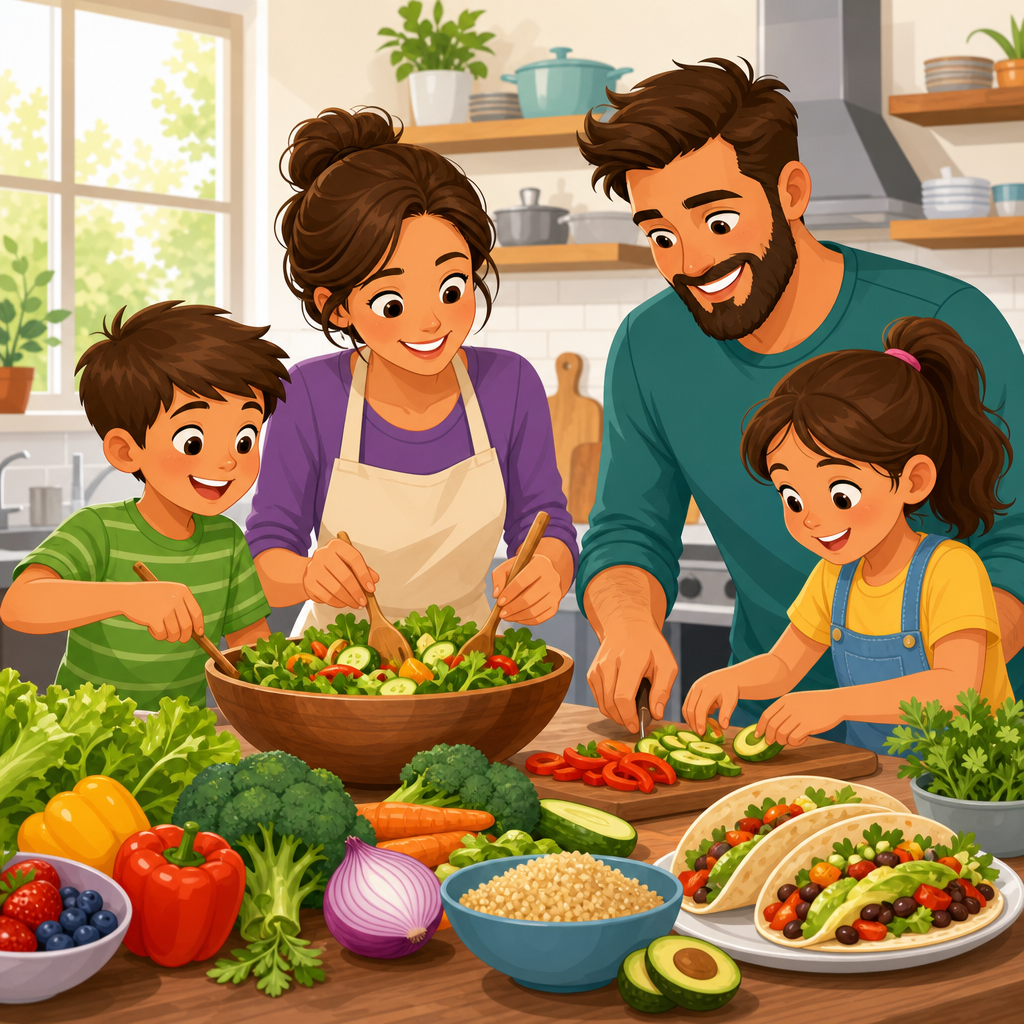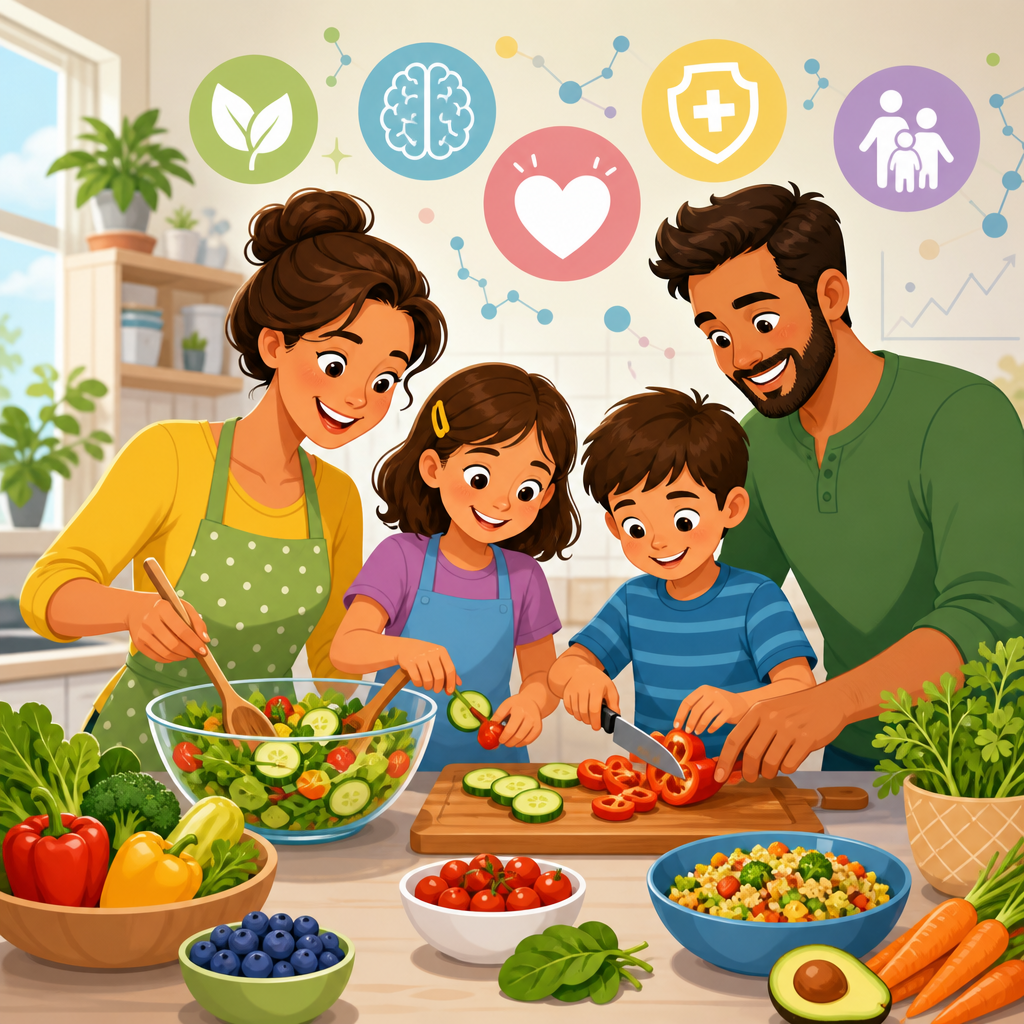
Family-friendly healthy recipes are meals designed to meet the nutritional needs of adults and children while staying practical, affordable, and appealing enough to earn a place in a real weekly rotation. In my experience planning meals for mixed-age households, the challenge is rarely knowing that vegetables, whole grains, and lean proteins are good choices; the challenge is turning that knowledge into dishes people will actually eat on a Tuesday night. Science matters here because family meals influence diet quality, growth, weight management, metabolic health, and long-term food preferences. Healthy recipes also shape routines: how often a family cooks at home, how much sodium and added sugar enters the diet, and whether children learn to recognize balanced portions as normal. When this topic is handled well, it becomes a practical system rather than a collection of worthy but untouched ideas.
To define the term clearly, a family-friendly healthy recipe balances nutrient density with accessibility. Nutrient density means providing vitamins, minerals, fiber, protein, and beneficial fats relative to calories. Family-friendly means achievable preparation methods, familiar flavors, adjustable textures, and ingredients available in ordinary grocery stores. A healthy family recipe might be sheet-pan chicken with carrots and potatoes, lentil pasta with tomato sauce and spinach, or bean tacos with avocado and shredded cabbage. None of those dishes require specialty techniques, yet each can align with evidence-based dietary guidance from organizations such as the USDA, the American Heart Association, and the Academy of Nutrition and Dietetics. The goal is not perfection. It is repeatable meals that make better nutrition easier than takeout.
That distinction matters because families often face conflicting pressures. Parents want meals that support growth, attention, energy, and healthy body composition, but they also deal with limited time, budgets, selective eating, and cultural preferences. Research consistently shows that home-prepared meals are associated with better overall diet quality, including higher fruit and vegetable intake and lower intake of ultra-processed foods, saturated fat, and sodium. Children who regularly eat meals with their families also tend to show better language development, stronger food acceptance, and lower odds of disordered eating patterns later on. A strong hub on family-friendly healthy recipes should therefore do more than list meals. It should explain what makes recipes healthy, why the evidence supports them, and how households can adapt them without losing the benefits.
What makes a family-friendly healthy recipe scientifically sound
A scientifically sound family-friendly healthy recipe has four core traits: balanced macronutrients, meaningful fiber, controlled sodium and added sugar, and enough flexibility to suit different ages and appetites. Balanced macronutrients means the meal includes a reliable protein source, a quality carbohydrate, and a source of unsaturated fat. For example, salmon rice bowls with cucumber, edamame, and sesame deliver protein for growth and satiety, carbohydrates for energy, and fats that help absorb fat-soluble vitamins. Fiber matters because it supports digestive health, blood sugar regulation, and fullness. Meals built around vegetables, fruit, beans, oats, brown rice, or whole-wheat pasta consistently outperform refined, low-fiber alternatives on these measures.
Portion design also matters. Children do not need miniature diet food; they need adequate energy and nutrients in age-appropriate amounts. In practical meal planning, I use the same base recipe for everyone, then adjust toppings and portions. A turkey chili can be served to adults with extra beans and avocado, to younger children with mild seasoning and shredded cheese, and to teens with rice for higher energy needs. This approach reduces the common mistake of making a separate “kid meal” that is lower in vegetables and higher in processed starches. Repeated exposure to the same core meal is one of the strongest tools for broadening acceptance over time.
Science also supports simple cooking methods that preserve food quality and keep calories reasonable. Roasting, steaming, sautéing, pressure cooking, grilling, and baking usually require less added fat than deep frying and make batch cooking easier. Ingredient swaps can improve nutrient profiles without making recipes unrecognizable: Greek yogurt instead of heavy cream in sauces, mashed beans to add fiber to quesadillas, oats in meatballs, or a half-white, half-brown rice blend during transition periods. These are not cosmetic changes. They improve the nutritional value per serving while preserving the sensory familiarity children often need.
How healthy recipes benefit children, adults, and the whole household
The benefits of family-friendly healthy recipes extend well beyond a single dinner. For children, nutrient-rich meals support bone development, immune function, cognitive performance, and steady growth. Iron from beans, beef, lentils, or fortified grains helps oxygen transport and brain function. Calcium and vitamin D from dairy foods or fortified alternatives support skeletal development. Omega-3 fats from fish such as salmon or sardines contribute to brain and eye health. When these nutrients are delivered through ordinary meals rather than isolated supplements, they also come packaged with protein, fiber, and minerals that improve overall dietary quality.
Adults benefit in equally important ways. Recipes centered on vegetables, legumes, whole grains, lean proteins, and unsaturated fats align with dietary patterns associated with lower risk of cardiovascular disease, type 2 diabetes, hypertension, and excess weight gain. The mechanism is straightforward: these meals tend to lower intake of refined carbohydrates, sodium, and saturated fat while increasing potassium, magnesium, and fiber. A bean and vegetable soup with whole-grain toast, for instance, supports fullness with fewer calories than fast food and usually provides a healthier sodium-to-potassium balance when prepared at home. Over months, those small differences add up.
Families as systems benefit too. Shared meals create routine, and routine improves consistency. Consistency is what turns healthy intentions into measurable outcomes. Children who see adults eating vegetables, trying new foods, and serving balanced plates receive a form of nutrition education that no handout can replicate. I have seen households transform picky eating not by forcing bites, but by normalizing exposure through taco bars, grain bowls, pasta nights with vegetable add-ins, and snack plates built from fruit, cheese, hummus, and whole-grain crackers. Family-friendly healthy recipes reduce decision fatigue, support budgeting through planned leftovers, and make it easier to coordinate breakfast, lunch, and dinner around the same staple ingredients.
Core ingredients that deliver the strongest nutritional return
If a household wants the biggest health payoff from family-friendly healthy recipes, a short list of ingredient categories does most of the work. Vegetables remain foundational because they supply fiber, potassium, folate, carotenoids, and vitamin C with relatively low calorie density. Frozen vegetables deserve special mention here. They are often picked and processed quickly, hold nutrient value well, reduce prep time, and lower food waste. A bag of frozen peas can enrich fried rice, macaroni and cheese, soups, and pot pies in minutes. Similarly, canned beans offer protein, fiber, iron, and folate at low cost; rinsing them can reduce sodium substantially.
Whole grains are another high-return category, especially oats, brown rice, quinoa, whole-wheat pasta, barley, and whole-grain bread. These ingredients digest more slowly than refined grains and support steadier energy. Protein choices should include variety: poultry, eggs, fish, yogurt, tofu, lentils, beans, nuts, seeds, and occasional lean red meat. Rotating proteins improves nutrient coverage and keeps recipes interesting. Dairy foods or fortified alternatives contribute calcium, iodine, protein, and often vitamin D, while healthy fats from olive oil, nuts, seeds, and avocados improve satiety and flavor. Herbs, spices, citrus, and aromatics like garlic and onion let cooks reduce excess salt without producing bland food.
| Ingredient category | Science-backed benefit | Family-friendly recipe use |
|---|---|---|
| Beans and lentils | High fiber and plant protein support fullness and blood sugar control | Chili, tacos, soups, pasta sauce, quesadillas |
| Frozen vegetables | Nutrient retention, lower waste, faster prep | Stir-fries, casseroles, egg muffins, rice bowls |
| Whole grains | More fiber, magnesium, and slower digestion than refined grains | Oatmeal, grain bowls, pilafs, pancakes |
| Yogurt and fortified dairy alternatives | Protein, calcium, and often vitamin D for bone health | Smoothies, sauces, marinades, breakfasts |
| Fish like salmon | Omega-3 fats support heart, brain, and eye health | Fish cakes, rice bowls, pasta, sheet-pan dinners |
These staples matter because they form the backbone of scalable meal planning. Instead of searching endlessly for novel dishes, families can combine a vegetable, a whole grain, and a protein with a familiar sauce profile. That system creates burrito bowls one night, soup the next, and stuffed baked potatoes after that. The result is healthier eating with less friction.
How to build recipes that children will accept without losing nutrition
The best family-friendly healthy recipes respect how food acceptance actually develops. Children often need repeated exposure, sometimes ten or more tastings, before a food becomes familiar. That means recipe success depends less on one perfect meal and more on structure. Start with a base ingredient children already tolerate, then layer in nutrient improvements. If pasta is accepted, use a tomato sauce with grated zucchini and lentils. If tacos are popular, offer black beans, chicken, lettuce, salsa, and avocado in separate bowls so each child controls assembly. This is not “giving in.” It is a proven way to reduce pressure while increasing exposure.
Texture and predictability are major factors. Many children reject foods because they are mixed, slippery, or strongly bitter rather than because of taste alone. Recipes that keep components visible often work better than fully combined casseroles. Think deconstructed stir-fry, bento-style lunches, or build-your-own pita pizzas. Naming also matters more than many adults realize. “Cheesy broccoli rice” tends to land better than “whole-grain broccoli pilaf,” even when the recipe is identical. Sensible use of flavor bridges helps too: a little cheese on roasted vegetables, peanut sauce for noodles, or yogurt ranch with cucumbers can increase acceptance while preserving nutrition.
In my own meal planning work, I also rely on the division of responsibilities. Adults choose what, when, and where food is offered; children decide whether and how much to eat from what is served. This reduces mealtime conflict and protects appetite regulation. Healthy recipes fit this model best when they include at least one familiar element, such as rice, bread, fruit, or plain chicken alongside less familiar items. Over time, these balanced meals teach flexibility. Children learn that dinner can include color, variety, and different textures without becoming a negotiation.
Meal planning strategies that make healthy family cooking sustainable
Healthy family cooking fails when recipes are nutritionally ideal but operationally unrealistic. The most effective systems start with a small set of repeatable formats: sheet-pan meals, soups, pasta dishes, tacos, grain bowls, egg-based dinners, and slow-cooker or pressure-cooker recipes. These formats simplify shopping because the same staples can be reused across multiple meals. For example, a rotisserie chicken or batch-cooked shredded chicken can become enchiladas, chicken and vegetable soup, wraps, and fried rice. Batch-cooked brown rice can support burrito bowls, salmon bowls, and vegetable stir-fry. This is how healthy eating becomes easier than improvising every night.
Prep strategy matters as much as recipe selection. I recommend one foundational prep block each week: wash fruit, cut a few vegetables, cook one grain, prepare one protein, and mix one sauce. A lemon-yogurt dressing, peanut sauce, or mild salsa can transform plain ingredients into distinct meals. Budget-conscious families should prioritize recipes with overlapping ingredients and low-cost nutrient-dense foods such as oats, eggs, carrots, cabbage, beans, bananas, canned tomatoes, and frozen spinach. These foods offer excellent nutritional value per dollar, especially when compared with individually packaged snacks or restaurant meals.
Smart planning also includes realistic backup options. A healthy freezer meal, canned soup upgraded with beans and frozen vegetables, or whole-grain toast with scrambled eggs and fruit can prevent the all-or-nothing pattern that leads to takeout. Family-friendly healthy recipes work best as part of an ecosystem that includes shopping lists, leftover plans, and time-saving tools such as Instant Pot pressure cookers, sheet pans, and food processors. The science is clear, but the practical lesson is even clearer: consistency beats complexity in family nutrition.
Common mistakes, tradeoffs, and how to choose better recipes
Not every recipe labeled healthy is useful for families. Some are too restrictive, too low in calories, too expensive, or too dependent on specialty ingredients. One common mistake is overemphasizing hidden vegetables while neglecting flavor and energy needs. Children and active adults still need satisfying meals. Another mistake is treating sugar, fat, or convenience foods as moral failures rather than variables to manage. A store-bought whole-grain tortilla, jarred marinara with reasonable sodium, or frozen turkey meatballs can support a healthy routine when paired with vegetables and fruit.
There are tradeoffs. Whole grains are nutritious, but some families need a gradual transition for texture acceptance. Lower-sodium cooking is beneficial, but seasoning still matters; herbs, acids, and umami-rich ingredients should carry the load. Plant-forward meals improve fiber intake and often lower cost, yet households may need careful planning for iron, vitamin B12, and protein variety if they reduce animal foods substantially. The best recipes acknowledge these realities and solve them directly. Choose recipes that use ordinary ingredients, provide protein and fiber, limit excessive sodium and added sugars, and can be adapted for allergies, ages, and preferences. Build your family recipe hub around those principles, then cook one better meal this week and repeat what works.
Frequently Asked Questions
What are the science-backed benefits of family-friendly healthy recipes?
Family-friendly healthy recipes can support better nutrition, more stable energy, and stronger long-term eating habits because they make balanced meals easier to serve consistently. Research on dietary patterns shows that meals built around vegetables, fruits, whole grains, legumes, dairy or fortified alternatives, and lean proteins tend to provide more fiber, vitamins, minerals, and beneficial fats than heavily processed convenience meals. That matters for both adults and children. Fiber helps with fullness, digestion, and blood sugar control. Protein supports growth, muscle repair, and satiety. Nutrient-dense foods also help cover everyday needs for calcium, iron, folate, potassium, and other essentials that can be harder to meet when meals rely mostly on refined grains, sugary foods, or fast food.
There is also strong evidence that regular family meals are associated with higher diet quality in children and adolescents. Families who eat together more often tend to consume more vegetables and fruits and fewer sugar-sweetened drinks and ultra-processed foods. While family meals alone do not guarantee perfect nutrition, they create a reliable setting where healthy foods are repeatedly offered, normalized, and modeled by adults. Over time, this repeated exposure can influence taste preferences and reduce resistance to foods that are unfamiliar at first. In practical terms, that means a simple, repeatable dinner like turkey chili with beans, roasted vegetables, and brown rice can do more for health than an idealized meal plan that is too complicated to maintain.
Healthy recipes that are designed specifically for families also reduce friction, and that is an important but often overlooked benefit. Science tells us that consistency matters more than perfection. Meals people enjoy are far more likely to be repeated, and repeated meals shape dietary patterns. A recipe that balances nutrition with affordability, kid acceptance, and weekday practicality has a better chance of improving health than a highly nutritious meal no one wants to eat. In that sense, the real benefit is not just what is on the plate one night, but how realistic healthy eating becomes across weeks, months, and years.
How do healthy family meals help children develop better eating habits?
Healthy family meals help children build better eating habits through repetition, modeling, and a lower-pressure food environment. One of the most consistent findings in nutrition research is that children often need multiple exposures to a food before they accept it. A child who refuses broccoli the first three times may still learn to like it later if it keeps appearing in a familiar, calm setting. Family-friendly recipes make that process easier because they incorporate nutritious ingredients into meals that feel approachable, such as pasta with blended vegetable sauce, tacos with black beans and seasoned chicken, or sheet-pan dinners with colorful roasted vegetables.
Adults at the table also play a major role. Children learn a great deal by watching what others eat and how they talk about food. When parents or caregivers regularly eat balanced meals and treat vegetables, whole grains, and protein-rich foods as normal parts of dinner rather than as punishments or health chores, children are more likely to accept them over time. This is one reason shared meals can be so powerful. They provide repeated opportunities for positive food modeling without turning every bite into a negotiation.
Another key benefit is that balanced meals can help children better recognize hunger and fullness cues. Meals that combine protein, fiber, and healthy fats are generally more satisfying than meals based mostly on refined starches or sugary foods. A child who eats oatmeal with nut butter and fruit, or a dinner of salmon, potatoes, and green beans, is more likely to stay comfortably full than a child whose meal is mostly low-fiber snack foods. That steadier satisfaction can reduce grazing, energy crashes, and the cycle of getting overly hungry and then becoming picky or irritable. Over time, family-friendly healthy recipes support not just nutrient intake, but the everyday structure that helps children form a positive and sustainable relationship with food.
Do family-friendly healthy recipes really need to be simple to be effective?
Yes, simplicity is often one of the biggest reasons healthy recipes work in real households. From a behavior science perspective, the best eating pattern is usually the one people can repeat with the least stress. If a meal requires expensive specialty ingredients, multiple pans, and an hour of active cooking on a school night, it may be nutritionally strong on paper but still fail in practice. Family-friendly healthy recipes are effective because they remove common barriers such as time, cost, and decision fatigue. When meals are straightforward, families are more likely to cook at home regularly, and frequent home cooking is consistently linked with better diet quality.
Simple recipes also make it easier to maintain nutritional balance. A basic formula such as protein plus vegetable plus whole grain or starchy vegetable can cover a lot of ground. Think baked chicken, roasted carrots, and quinoa; bean tacos with cabbage slaw; or lentil soup with whole-grain toast and fruit. These meals are not trendy or complicated, but they deliver the nutrients most families need while fitting normal schedules. They also scale well, which matters for leftovers, lunch boxes, and budget management.
There is a psychological advantage too. When healthy cooking feels manageable, people are more confident and less likely to default to takeout or packaged options. That confidence builds momentum. A household that keeps a short list of dependable, nutritious meals in weekly rotation can improve its overall eating pattern without constantly starting over. In other words, simplicity is not a compromise. It is often the mechanism that turns nutrition advice into a habit.
Can healthy family meals be affordable as well as nutritious?
Absolutely. In fact, many of the most evidence-supported healthy foods are also among the most budget-friendly when used strategically. Beans, lentils, oats, eggs, canned fish, plain yogurt, frozen vegetables, potatoes, brown rice, and seasonal produce offer strong nutritional value for the cost. These ingredients provide protein, fiber, and key vitamins and minerals without requiring premium prices. Science supports the value of overall dietary patterns, not expensive superfoods, so families do not need gourmet ingredients to build healthy meals.
Affordable family-friendly recipes often work because they rely on flexible staples that can be used in several ways throughout the week. A pot of cooked beans can become tacos, soup, grain bowls, or a side dish. Roasted chicken can stretch into sandwiches, wraps, and pasta. Frozen vegetables are especially useful because they are nutrient-rich, reduce waste, and cut prep time. Nutritionally, frozen produce can be an excellent option because it is typically processed soon after harvest, helping preserve vitamins and minerals. That means a stir-fry made with frozen broccoli and carrots can be both practical and highly nutritious.
Budget-conscious healthy cooking also benefits from meal planning and portion awareness. Planning a few repeat meals around overlapping ingredients reduces impulse purchases and food waste, both of which affect grocery costs more than many people realize. From a public health standpoint, affordability is a major part of sustainability. A meal pattern only improves health if a family can continue it. The most helpful recipes are often those that balance nutrition, taste, and cost well enough to become normal, repeatable choices instead of one-time efforts.
How can families make healthy recipes appealing to both adults and kids?
The most successful approach is to combine solid nutrition principles with smart presentation and flexibility. Science suggests that children are more likely to accept healthy foods when they feel familiar, when pressure is low, and when they have some sense of choice. This does not mean cooking separate meals for everyone. It means building recipes that include at least one familiar element and allowing simple customization. A grain bowl, taco night, pasta dish, or baked potato bar can give adults and children different combinations from the same core ingredients. That preserves nutrition while reducing mealtime conflict.
Flavor matters just as much as nutrients. Healthy recipes become family-friendly when they are seasoned well, cooked properly, and balanced in texture. Roasted vegetables are often more appealing than steamed ones because caramelization enhances sweetness and flavor. Chicken that is marinated or cooked with herbs and spices is more inviting than plain, dry chicken breast. Yogurt-based dips, homemade sauces, shredded cheese, avocado, and crunchy toppings can make nutritious foods feel more satisfying without undermining the meal’s health value. This is where science and practicality meet: people are more likely to eat healthy foods consistently when those foods taste genuinely good.
It also helps to think in terms of exposure, not instant success. A child does not need to love every healthy meal right away for the strategy to be working. Research on food acceptance shows that familiarity builds over time. Families often see better results when they keep offering balanced meals calmly, involve children in age-appropriate meal prep, and avoid turning dinner into a battle. Letting a child rinse vegetables, stir a sauce, or choose between carrots and cucumbers can increase interest and reduce resistance. In the long run, the goal is not to create one perfect dinner. It is to make healthy food feel normal, enjoyable, and worth coming back to every week.