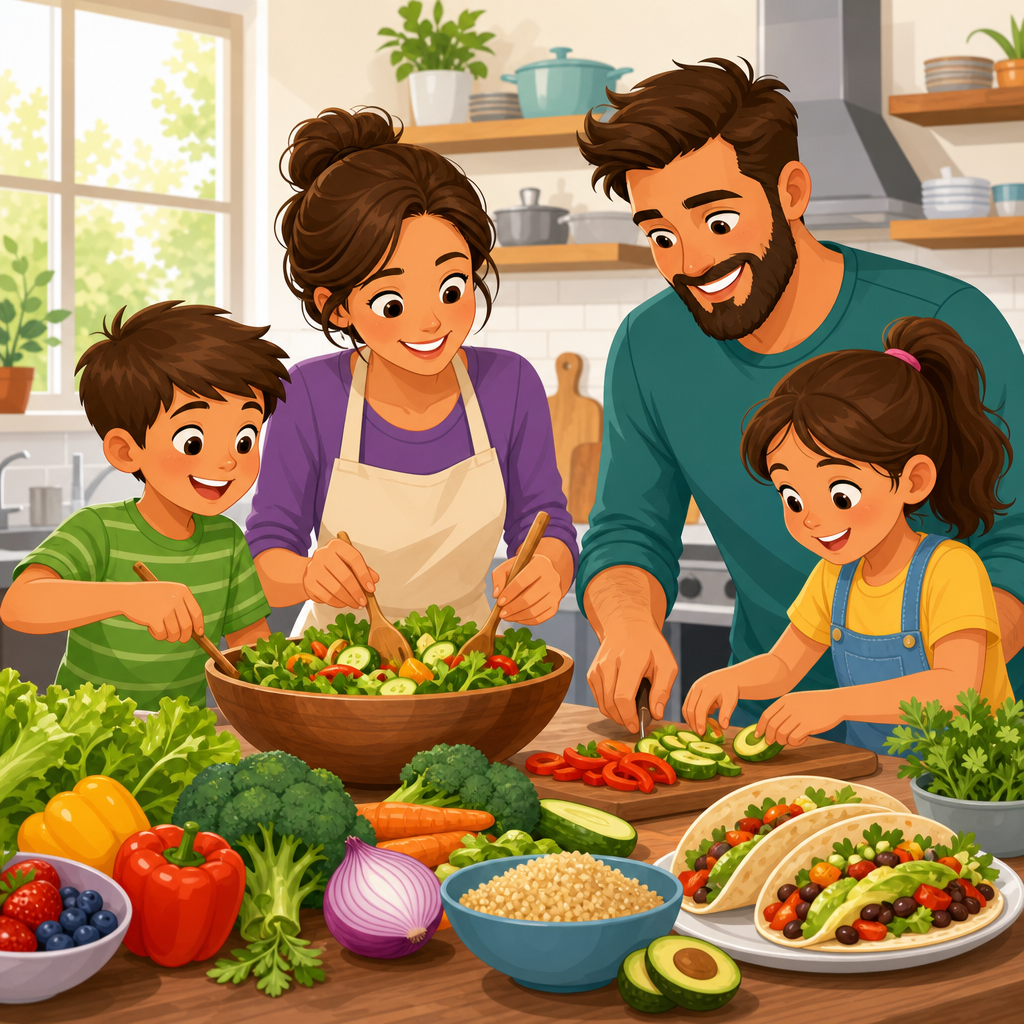
Family-friendly healthy recipes sit at the point where nutrition, taste, budget, and routine meet, which is why they matter more than most meal trends. In practical terms, a family-friendly healthy recipe is a meal that delivers balanced nutrition, uses accessible ingredients, fits different ages and preferences, and can be prepared without turning a weeknight into a second job. Healthy does not mean low-calorie, bland, expensive, or rigid. Family-friendly does not mean relying on refined carbs, packaged foods, or the same five dinners on repeat. The goal is a sustainable middle ground: meals children will recognize, adults will enjoy, and caregivers can make consistently.
After years of planning home menus, testing kid-approved dinners, and adjusting recipes for picky eaters, allergies, and tight schedules, I have found that successful healthy family meals follow a few repeatable principles. They include a protein source, a fiber-rich carbohydrate, fruits or vegetables, and enough flavor and familiarity to win acceptance at the table. They also solve real household problems: limited time, rising grocery costs, uneven appetites, and the need to cook one meal instead of three separate ones. That is why this topic deserves a hub article. Families searching for healthy recipes are rarely looking for a single dish; they are looking for a system that makes daily eating easier.
Nutrition guidance supports this approach. The USDA MyPlate model emphasizes fruits, vegetables, grains, protein foods, and dairy or fortified alternatives in balanced proportions, while the American Academy of Pediatrics consistently recommends regular family meals, varied produce intake, and limits on added sugar and heavily processed foods. In plain terms, the healthiest recipe is often the one your household will actually eat again. Consistency beats perfection. A sheet-pan chicken dinner with roasted carrots and potatoes, a bean-and-vegetable chili, or a yogurt-parfait breakfast bar can do more for long-term health than an aspirational recipe that gets abandoned after one attempt.
This article serves as a comprehensive guide to family-friendly healthy recipes within the broader recipes and meal planning category. It explains what makes a recipe healthy, how to adapt meals for children and adults, which formats work best on busy days, and how to build a practical rotation for breakfast, lunch, dinner, snacks, and batch cooking. It also highlights common mistakes, smart substitutions, and decision rules that save time. If you want healthier meals without constant negotiation, this is the foundation you need.
What Makes a Recipe Family-Friendly and Healthy
A healthy family recipe starts with balance, not restriction. In most cases, that means combining lean or nutrient-dense protein, high-fiber carbohydrates, healthy fats, and produce in one meal. Protein may come from chicken, eggs, Greek yogurt, lentils, tofu, salmon, beans, or lean beef. Carbohydrates should ideally offer more than quick energy, so foods such as oats, brown rice, whole-wheat pasta, corn tortillas, sweet potatoes, and beans generally outperform heavily refined options. Fats from olive oil, avocado, nuts, seeds, and fatty fish support satiety and flavor. Vegetables and fruit add vitamins, minerals, hydration, and fiber.
Family-friendly recipes also need a low friction design. That means ingredients are easy to find, the method is straightforward, and the final dish allows some flexibility. Tacos are a classic example because one base meal can support multiple preferences: black beans for one child, shredded chicken for another, sautéed peppers for adults, cheese and avocado for everyone. A baked oatmeal recipe can be sweetened mainly with bananas, include eggs and milk for protein, and still feel familiar enough for children who expect breakfast to taste comforting. The best recipes lower resistance by keeping one or two familiar elements on the plate while gradually expanding variety.
Another defining feature is appropriate seasoning. Many people confuse family-friendly with underseasoned, but children learn flavor through exposure. Mild curries with coconut milk, turkey meatballs with garlic and herbs, and salmon rice bowls with a lightly sweet soy-ginger glaze often perform better than plain food because they taste complete. The trick is to moderate heat, salt intentionally rather than excessively, and let sauces or toppings be adjustable. That gives adults more complexity without creating a separate meal.
Recipe Formats That Work Best for Busy Families
Certain recipe structures consistently succeed in homes because they simplify shopping, cooking, and leftovers. One-pan meals reduce cleanup and keep components together, making them ideal for sheet-pan fajitas, roasted sausage with vegetables, or baked chicken with broccoli and potatoes. Slow cooker and pressure cooker recipes help households with fragmented schedules. A slow cooker lentil soup can simmer while everyone is out, and an Instant Pot shredded salsa chicken can become tacos, rice bowls, quesadillas, or wraps over two or three meals.
Bowls are another reliable format because they turn meal assembly into a modular system. Start with a base such as brown rice, quinoa, or roasted potatoes. Add a protein like grilled chicken, baked tofu, or beans. Finish with vegetables, a sauce, and a crunchy element. This formula works for burrito bowls, Mediterranean grain bowls, and teriyaki salmon bowls. In my experience, bowls reduce conflict because each person can customize portions without changing the nutritional structure of the meal.
Soups, stews, casseroles, and pasta bakes remain useful when made thoughtfully. A vegetable-packed minestrone with white beans and whole-grain pasta offers fiber and protein in one pot. A baked ziti becomes more balanced when half the volume comes from sautéed spinach, mushrooms, and zucchini, plus part-skim ricotta and a moderate amount of mozzarella. Healthy family recipes do not require abandoning comfort food. They require improving its nutrient profile while preserving the emotional value that makes people want to eat together.
| Recipe format | Why families like it | Healthy example | Best use case |
|---|---|---|---|
| Sheet-pan meals | Minimal cleanup, simple prep | Chicken thighs, sweet potatoes, green beans | Busy weeknights |
| Bowls | Easy customization | Brown rice, turkey, corn, salsa, avocado | Mixed preferences |
| Slow cooker meals | Hands-off cooking | Bean chili with carrots and peppers | Long workdays |
| Pasta bakes | Comforting and leftover-friendly | Whole-wheat pasta bake with spinach and turkey | Batch cooking |
How to Build Balanced Meals Across Breakfast, Lunch, Dinner, and Snacks
Healthy family recipes should cover the full day, not just dinner. Breakfast works best when it includes protein and fiber, since those two factors improve fullness and stabilize energy better than sugary cereals or pastries alone. Good options include egg muffins with spinach and cheese, overnight oats with chia seeds and berries, whole-grain toast with peanut butter and banana, or Greek yogurt bowls with fruit and granola. If mornings are rushed, freezer breakfast burritos with scrambled eggs and beans are more practical than trying to cook from scratch every day.
Lunch should prioritize portability and repeatability. Healthy lunches for families often rely on leftovers, bento-style boxes, wraps, soups, and grain salads. A turkey and hummus wrap with cucumbers, a side of berries, and a hard-boiled egg is simple and balanced. So is leftover chicken mixed into whole-wheat pasta salad with peas, carrots, and a yogurt-based dressing. For children, deconstructed lunches frequently work better than composed salads or sandwiches because the ingredients stay visually separate and easier to manage.
Dinner is where families usually seek the most help. Strong options include veggie-loaded tacos, baked salmon with rice and broccoli, chicken stir-fry with brown rice, lentil sloppy joes on whole-grain buns, turkey chili, homemade pizza on whole-wheat dough with vegetables, and spinach ricotta stuffed shells with a salad. Each of these meals can be adjusted for age, appetite, and dietary needs without losing nutritional value. Snacks should follow the same logic as meals: pair produce or whole grains with protein or healthy fat. Think apple slices with peanut butter, cottage cheese with pineapple, carrots with hummus, cheese with whole-grain crackers, or homemade trail mix with nuts and dried fruit.
Smart Ingredient Swaps and Practical Nutrition Upgrades
Most family recipes become healthier through targeted changes rather than total reinvention. Whole grains are one of the easiest upgrades. Switching from white rice to brown rice, or using a half-and-half blend while children adjust, raises fiber and micronutrient content. The same applies to whole-wheat pasta, higher-fiber tortillas, and oats instead of sugary instant packets. Protein can often be improved by choosing leaner cuts, adding legumes, or replacing some meat with beans or lentils. A taco filling made with half lean ground turkey and half black beans usually lowers cost while maintaining texture and flavor.
Dairy and fat choices also matter, but extremes are unnecessary. Using plain Greek yogurt instead of sour cream in dips or sauces increases protein. Replacing part of the mayonnaise in chicken salad with yogurt can lighten the dish while keeping creaminess. Cooking with olive oil instead of large amounts of butter is a straightforward change, though some recipes still benefit from butter in modest amounts for taste and browning. Added sugar is another common target. Muffins, smoothies, oatmeal bars, and sauces often need less sweetener than expected when fruit, cinnamon, vanilla, or applesauce are used strategically.
Vegetable integration works best when it respects texture and familiarity. Finely chopped mushrooms can disappear into meat sauce. Shredded zucchini fits into muffins, turkey burgers, and pasta bakes. Roasted carrots become sweeter and more acceptable than steamed ones. Frozen peas, corn, spinach, and broccoli are especially useful because they reduce waste and prep time. I regularly recommend keeping at least three frozen vegetables on hand, since a healthy recipe is only convenient if the ingredients survive a chaotic week in the refrigerator.
Making Healthy Recipes Work for Picky Eaters, Allergies, and Budgets
Picky eating is one of the biggest barriers to healthy family meals, but the solution is not to abandon nutrition. Repeated exposure, neutral presentation, and shared components work better than pressure. Offer at least one accepted food with every meal, place new foods in small portions, and let children interact with ingredients without forcing bites. A dinner of grilled chicken, roasted potatoes, cucumber slices, and a yogurt dip is often more successful than a fully mixed casserole for a selective eater. Over time, exposure builds acceptance.
Food allergies and intolerances require precise substitutions. For dairy-free meals, use fortified soy milk, coconut yogurt where appropriate, or olive oil-based sauces. For gluten-free families, recipes built around rice, potatoes, corn tortillas, beans, eggs, and naturally gluten-free grains simplify life more than trying to imitate every baked product. Nut-free school snacks can rely on seed butter, roasted chickpeas, cheese, yogurt, or hummus. The key is to adapt the recipe architecture, not just swap ingredients at random. Structure matters because texture and moisture change with every substitution.
Budget pressure is real, especially for larger households. Affordable healthy recipes usually depend on beans, eggs, oats, potatoes, rice, frozen produce, canned tomatoes, peanut butter, yogurt, and lower-cost proteins like chicken thighs. A bean chili, lentil soup, tuna pasta salad, egg fried rice with vegetables, or baked potato bar can feed several people for less than takeout and with better nutritional quality. Planning around one or two versatile proteins, buying produce in season, and using leftovers intentionally are more effective than chasing specialty health foods.
Meal Planning and Batch Cooking for Long-Term Success
The strongest family-friendly healthy recipe strategy is not a single meal but a repeatable planning rhythm. Start with a two-week rotation of proven breakfasts, lunches, dinners, and snacks. Include categories rather than only specific dishes: one taco night, one soup night, one pasta night, one sheet-pan meal, one breakfast-for-dinner option, and one leftover night. This reduces decision fatigue while preserving variety. I have seen families improve consistency immediately when they stop asking, “What should we eat?” from scratch every evening.
Batch cooking supports this system when done selectively. Cook components, not just complete meals. A pot of brown rice, a tray of roasted vegetables, a batch of turkey meatballs, and a container of washed fruit create multiple meal paths. Sunday prep can become Monday grain bowls, Tuesday wraps, and Wednesday soup additions. Freezer-friendly staples such as black bean burgers, chicken enchiladas, vegetable muffins, and marinara sauce provide backup for busy days. Labeling with date and portion size prevents waste and makes reheating faster.
Success also depends on realistic expectations. Not every meal needs to be perfect, homemade, or universally loved. A healthy frozen entree paired with extra vegetables can be a smart stopgap. So can rotisserie chicken used with salad kits, whole-grain rolls, and fruit. The point of family-friendly healthy recipes is to make nutritious eating normal and repeatable. Choose three new recipes to test this month, keep the ones your household genuinely enjoys, and build your meal plan from there.
Family-friendly healthy recipes are most effective when they solve everyday problems instead of chasing ideals. The best meals balance nutrition, flavor, flexibility, affordability, and speed. They use familiar formats such as sheet-pan dinners, bowls, soups, wraps, pasta bakes, and simple breakfasts built around protein and fiber. They also leave room for real-life constraints, including picky eaters, allergies, changing schedules, and grocery budgets. When a recipe can handle those pressures and still get eaten, it deserves a permanent place in your rotation.
The clearest takeaway is that healthy family cooking works through systems. Build meals from reliable parts: a quality protein, a fiber-rich carbohydrate, vegetables or fruit, and a sauce or seasoning that makes the dish satisfying. Use practical upgrades like whole grains, beans, Greek yogurt, frozen vegetables, and moderate sugar reductions. Plan with categories, prep components in batches, and treat leftovers as assets. These habits create consistency, and consistency matters far more than occasional perfect meals.
As the hub for family-friendly healthy recipes, this guide gives you the framework to evaluate any breakfast, lunch, dinner, or snack idea before it reaches the table. If a recipe is balanced, flexible, realistic, and enjoyable, it is already doing the important work. Start by choosing one meal format your family already likes, improve it with one or two smart nutrition changes, and repeat that process each week. Small adjustments compound quickly. Use this guide to shape your recipe collection, simplify meal planning, and make healthy eating easier for everyone at home.
Frequently Asked Questions
What makes a recipe both family-friendly and healthy?
A recipe is both family-friendly and healthy when it balances nutrition, practicality, and appeal. In real life, that means the meal includes a good mix of protein, fiber-rich carbohydrates, healthy fats, and fruits or vegetables, while still being easy enough to make on a busy day. It should use familiar, accessible ingredients, avoid unnecessary complexity, and work for a range of ages and taste preferences. A healthy family meal does not have to be restrictive, low-calorie, or overly “clean.” Instead, it should support steady energy, fullness, and overall wellness without making dinner feel like a project. Family-friendly healthy recipes also leave room for flexibility. For example, a grain bowl, taco night, soup, pasta dish, or sheet pan dinner can be adapted for picky eaters, younger kids, and adults with different preferences, all while staying nutritious. The key is not perfection. It is creating meals that people will actually eat and that can realistically become part of a sustainable routine.
Do family-friendly healthy recipes have to be expensive or time-consuming?
No, and that is one of the biggest misconceptions. Some of the most effective family-friendly healthy recipes are built from affordable pantry staples and simple produce. Beans, lentils, oats, eggs, brown rice, frozen vegetables, canned tomatoes, potatoes, yogurt, peanut butter, whole grain pasta, and budget-friendly proteins like chicken thighs or canned tuna can all support healthy meals without driving up grocery costs. Time matters just as much as money. A recipe that is technically healthy but takes 90 minutes on a Tuesday night is not practical for many households. That is why the best family-friendly healthy recipes often rely on repeatable formats such as one-pan meals, slow cooker dishes, batch-cooked soups, make-ahead casseroles, stir-fries, and simple bowls. These meals reduce prep, streamline cleanup, and make leftovers useful instead of boring. Healthy cooking at home is often less about buying specialty ingredients and more about building a small rotation of dependable meals that fit your schedule and budget.
How can I make healthy meals that work for both adults and kids?
The most reliable approach is to build meals with a shared base and offer simple options within that structure. Instead of making separate dinners, think in terms of components. For example, you can serve baked chicken, roasted vegetables, and rice, then let each family member assemble their plate differently. A child might prefer plain rice and chicken with raw cucumber on the side, while adults add sauce, herbs, or extra vegetables. This keeps the meal unified while respecting different comfort levels and preferences. It also helps to include at least one familiar element at the table, especially if you are introducing something new. Kids often respond better when they recognize part of the meal and do not feel pressured to eat everything the same way adults do. Texture, temperature, and presentation can matter just as much as flavor. Soft roasted sweet potatoes, dip-friendly vegetables, mild seasonings, and build-your-own meals like tacos or grain bowls can go a long way. Over time, repeated exposure to varied ingredients matters more than forcing immediate acceptance. A family-friendly healthy recipe succeeds when it reduces stress, supports nutrition, and encourages gradual confidence with food.
Does healthy family cooking mean avoiding carbs or favorite comfort foods?
Not at all. Healthy family cooking is not about eliminating carbohydrates or banning comfort foods. It is about improving overall balance and quality. Carbohydrates are an important source of energy, especially for active children and busy adults, and they can absolutely fit into nutritious meals. The goal is to use them thoughtfully by pairing them with protein, fiber, and healthy fats for better satisfaction and steadier energy. For example, pasta can be part of a healthy dinner when served with a hearty tomato sauce, lean meat or beans, and vegetables. Tacos can be healthy when filled with seasoned protein, beans, cabbage, avocado, and salsa. Even homemade pizza can fit the definition of family-friendly healthy eating when it includes a reasonable portion, quality toppings, and a side salad or fruit. Comfort foods often become more nutritious through small changes rather than total reinvention. Adding vegetables, choosing more filling ingredients, using less ultra-processed convenience food, and watching portion balance can make familiar meals work much better for everyday eating. The healthiest approach for most families is one that includes enjoyment, flexibility, and consistency rather than strict food rules.
What should I look for when choosing or creating family-friendly healthy recipes for a weekly meal plan?
Start by looking for meals that check four practical boxes: balanced nutrition, accessible ingredients, realistic prep, and adaptability. Balanced nutrition means the recipe includes a satisfying protein source, some fiber-rich carbohydrates, and produce, with enough fat for flavor and fullness. Accessible ingredients matter because a recipe is only useful if you can find and afford what it calls for without extra hassle. Realistic prep is essential for long-term success. If a meal involves too many steps, specialty equipment, or complicated timing, it may not survive a busy week. Adaptability is what makes a recipe truly family-friendly. Meals that allow ingredient swaps, easy side options, or customizable toppings are much easier to repeat. It also helps to plan a mix of quick wins and longer-cook meals. For example, pair a 20-minute skillet dinner with a slow cooker soup and a sheet pan meal later in the week. Consider leftovers, too. Recipes that can become next-day lunches or be repurposed into wraps, bowls, or quesadillas add major value. Ultimately, the best weekly meal plan is not the one that looks perfect on paper. It is the one your household can actually follow, enjoy, and return to again and again.