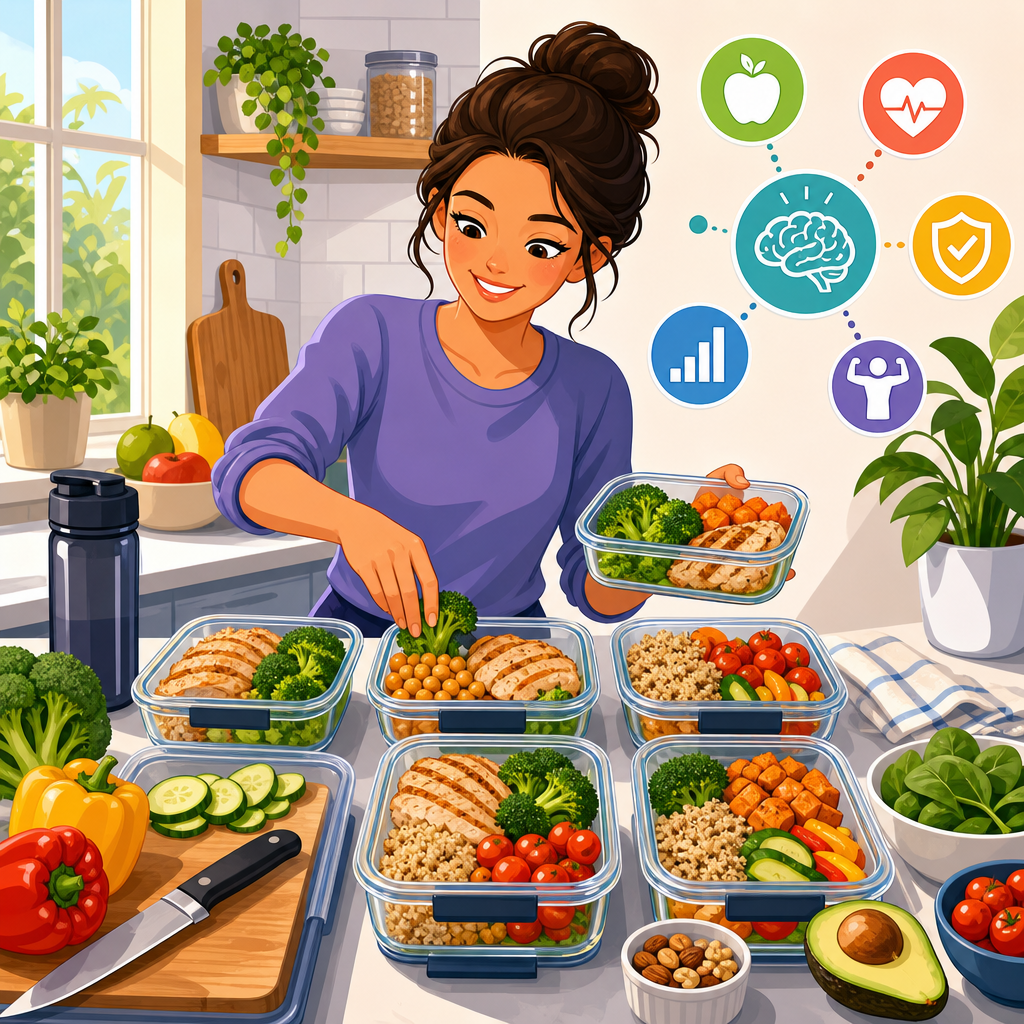
Family-friendly healthy recipes do more than solve the nightly dinner question; they shape long-term eating patterns that influence disease prevention across every stage of life. In practical terms, family-friendly healthy recipes are meals that balance nutrition, taste, budget, and preparation time so adults and children will actually eat them regularly. Disease prevention, in this context, means lowering the risk of common chronic conditions such as heart disease, type 2 diabetes, hypertension, obesity, certain cancers, and nonalcoholic fatty liver disease through consistent food choices. After years of planning meals for households with different ages, appetites, and schedules, I have seen the same pattern repeatedly: when meals are approachable, repeatable, and genuinely enjoyable, families eat better without relying on willpower alone. That matters because dietary patterns, not isolated superfoods, drive most meaningful health outcomes.
Research from organizations such as the World Health Organization, the American Heart Association, and the Dietary Guidelines for Americans consistently points in the same direction. Diets rich in vegetables, fruits, legumes, whole grains, nuts, seeds, and lean proteins are associated with better cardiometabolic health, while high intake of sodium, refined grains, added sugars, and ultra-processed foods is linked to higher disease risk. A family hub page on healthy recipes should therefore focus on meals people can cook on a Tuesday, pack for lunch, and adapt for a selective eater. When a recipe supports adequate fiber, stable blood sugar, reasonable sodium levels, and appropriate calorie density, it becomes more than a meal idea. It becomes a preventive health tool embedded in daily life.
The strongest family meal plans also recognize a reality many nutrition articles ignore: a healthy recipe that nobody likes is not protective. Children often need repeated exposure before accepting new foods, and adults are more consistent when recipes fit their routines and skills. That is why family-friendly healthy recipes matter so much. They bridge public health guidance and real kitchens by turning broad principles into breakfasts, lunches, dinners, snacks, and batch-cooking systems. This article serves as a hub for that work. It explains how healthy family meals support disease prevention, what ingredients matter most, how to design balanced recipes, and how to adapt meals for different ages and health goals without cooking separate menus for everyone.
How Healthy Family Meals Reduce Disease Risk
Healthy family meals reduce disease risk by improving overall dietary pattern quality. In plain terms, they increase protective nutrients and lower the ingredients most strongly associated with chronic disease. Fiber from beans, oats, vegetables, berries, and whole grains helps regulate cholesterol, supports satiety, feeds beneficial gut bacteria, and improves blood glucose response. Potassium-rich foods such as potatoes, yogurt, spinach, bananas, and beans help offset sodium’s effect on blood pressure. Unsaturated fats from olive oil, avocado, nuts, seeds, and fatty fish can improve lipid profiles when they replace saturated fats from heavily processed meats and fried foods. Families do not need perfect meals every day, but they do benefit from a repeatable pattern built around these basics.
One common example is the difference between two weeknight dinners: breaded takeout chicken with fries and soda versus baked chicken tacos with black beans, cabbage slaw, avocado, and fruit. The second meal typically provides more fiber, less sodium if prepared carefully, more micronutrients, and a slower blood sugar rise. Over time, those differences matter. Repeatedly choosing meals with vegetables, legumes, and whole grains can help maintain healthy weight and insulin sensitivity. Repeatedly choosing meals high in added sugar and refined starch pushes intake in the opposite direction. Disease prevention is not about one dramatic recipe. It is about the cumulative effect of small, consistent choices families can sustain.
What Makes a Recipe Truly Family-Friendly and Healthy
A truly family-friendly healthy recipe meets five tests: nutritional balance, familiar flavor, manageable cost, realistic prep time, and flexibility. Nutritional balance means including a source of protein, a source of fiber-rich carbohydrate, healthy fat, and at least one fruit or vegetable. Familiar flavor matters because acceptance drives repetition. Meals like turkey meatballs, lentil pasta, sheet-pan salmon with potatoes, vegetable fried rice, and yogurt parfaits succeed because they use recognizable formats while improving ingredient quality. Cost matters because households cannot prevent disease with recipes they cannot afford. Realistic prep matters because weekday meals must fit work, school, and caregiving demands. Flexibility matters because families include toddlers, teenagers, athletes, older adults, and people with allergies or medical conditions.
In recipe development, I use a simple rule: upgrade the pattern, not just the ingredient. Swapping white pasta for whole-wheat pasta helps, but building a pasta meal around vegetables, beans, olive oil, and moderate cheese helps more. Likewise, reducing sugar in muffins is useful, but pairing breakfast with protein and fruit has a bigger effect on fullness and blood sugar stability. Family-friendly healthy recipes do not have to be low-fat, low-carb, or trend-driven. They need to be evidence-aligned and practical. That usually means cooking more at home, relying on minimally processed staples, and designing meals that invite repetition rather than resistance.
Core Ingredients That Support Disease Prevention
Some ingredients show up again and again in protective eating patterns because they deliver a high return in nutrition, cost, and versatility. Beans and lentils are among the strongest examples. They provide fiber, plant protein, folate, magnesium, and slow-digesting carbohydrate, and they work in soups, tacos, pasta sauces, salads, and burgers. Oats offer soluble fiber, especially beta-glucan, which is well studied for cholesterol reduction. Frozen vegetables are underrated preventive foods because they are affordable, convenient, and nutritionally comparable to fresh in many cases. Canned fish such as salmon and sardines bring omega-3 fats and calcium when bones are included. Plain Greek yogurt contributes protein, calcium, and probiotics, while nuts and seeds add healthy fats and minerals.
Whole grains deserve special attention because many households underuse them or choose products that only appear whole grain. Brown rice, quinoa, bulgur, whole oats, and 100 percent whole-wheat bread provide more fiber and micronutrients than refined versions. Fruit also matters, including frozen and canned options packed in juice rather than syrup. Berries, citrus, apples, and pears are especially useful for fiber and polyphenols. Finally, herbs, spices, garlic, onion, lemon, and vinegar help families cut back on sodium without losing flavor. That point is crucial for blood pressure prevention. When people think healthy food is bland, they often return to highly salted convenience products. Strong flavor from the right ingredients solves that problem.
| Ingredient group | Key nutrients | Disease prevention benefit | Easy family recipe uses |
|---|---|---|---|
| Beans and lentils | Fiber, protein, folate, magnesium | Supports cholesterol, blood sugar, satiety | Tacos, chili, soups, pasta sauce |
| Whole grains | Fiber, B vitamins, minerals | Improves digestive and metabolic health | Oatmeal, grain bowls, pilafs |
| Fatty fish | Omega-3 fats, protein, vitamin D | Supports heart health and inflammation balance | Salmon cakes, rice bowls, wraps |
| Yogurt | Protein, calcium, probiotics | Supports bone health and appetite control | Parfaits, dips, smoothies |
| Vegetables and fruit | Fiber, potassium, antioxidants | Helps lower blood pressure and chronic disease risk | Soups, snacks, sides, sheet-pan meals |
Meal Patterns That Work for Busy Families
The best meal patterns for disease prevention are not elaborate. They are repeatable systems that reduce decision fatigue. Breakfast can follow a simple structure such as protein plus fiber plus produce: oatmeal with milk, chia, and berries; eggs with whole-grain toast and fruit; or yogurt with nuts and sliced pear. Lunch works well as leftovers, grain bowls, wraps, or soups. Dinner often succeeds when built around one-pan or batch-cooked formats: sheet-pan chicken and vegetables, turkey and bean chili, lentil soup, stir-fries, baked potatoes with toppings, or whole-grain pasta with a vegetable-rich sauce. Snacks should close nutrition gaps rather than act as dessert by default, so pairings like apple and peanut butter or carrots with hummus work well.
In households I have coached, one of the most effective strategies is rotating five or six dependable dinners instead of chasing novelty every night. For example, Monday can be taco night with beans and shredded lettuce, Tuesday a sheet-pan meal, Wednesday pasta with vegetables, Thursday soup and sandwiches, and Friday homemade pizza on whole-wheat dough. This structure improves grocery planning and lowers reliance on takeout. It also creates repeated exposure for children, which is essential for acceptance. From a disease prevention standpoint, consistency beats intensity. A family that eats balanced meals most weeknights will usually see better results than a family that cooks one highly virtuous meal on Sunday and defaults to processed food the rest of the week.
Adapting Recipes for Children, Teens, and Adults
One reason family-friendly healthy recipes are powerful is that they can serve different age groups with small adjustments. Young children generally need smaller portions, simple textures, and repeated exposure without pressure. A deconstructed grain bowl can become rice, chicken, cucumber, and avocado served separately. Teenagers often need larger portions and more energy, especially if they are active, so the same meal may require extra grains, dairy, or protein. Adults may need modifications related to cholesterol, blood pressure, blood sugar, or weight management. The answer is usually not separate meals. It is a shared base recipe with smart additions or portion changes.
Consider a homemade burrito bowl. The base can include brown rice, seasoned chicken or beans, fajita vegetables, salsa, and lettuce. A younger child may prefer the ingredients separated. A teen athlete may add cheese, corn, and a larger serving of rice. An adult managing hypertension may emphasize beans, vegetables, avocado, and a moderate amount of salsa to control sodium. A family member with diabetes may focus on protein, fiber, and a measured carbohydrate portion. This approach preserves the social and practical value of a shared meal while supporting individual health needs. It is one of the most efficient ways to use recipes as preventive care in a real household.
Common Mistakes That Undermine Healthy Family Cooking
Several mistakes repeatedly weaken otherwise good intentions. The first is relying on health halos instead of reading nutrition details. Granola bars, flavored yogurt, bottled smoothies, and “multigrain” crackers can still be high in added sugar or low in fiber. The second is under-seasoning meals, which makes healthy food less satisfying and pushes families back toward restaurant food. The third is ignoring protein and fiber at breakfast, leading to hunger and snacking later. The fourth is making meals too restrictive. When recipes eliminate all familiar foods, children resist and adults burn out. Moderation works better than rigidity.
Another major mistake is failing to plan for the hardest parts of the week. If Thursday is always late and chaotic, that is the night to use frozen vegetables, rotisserie chicken, or a prepped soup, not the night to attempt a complex recipe. Sodium is another overlooked issue. Many families cut sugar but continue consuming large amounts of sodium through sauces, deli meats, instant noodles, and takeout. For blood pressure prevention, reducing sodium while increasing potassium-rich foods is a practical priority. Finally, families often underestimate the power of repetition. A child refusing roasted broccoli once does not mean broccoli is off the menu forever. Acceptance often takes many neutral exposures.
How This Hub Supports Recipes and Meal Planning
As a sub-pillar within Recipes and Meal Planning, this hub connects the bigger why of disease prevention with the smaller how of daily cooking. Family-friendly healthy recipes are not one cuisine, one diet, or one ingredient list. They include budget dinners, make-ahead breakfasts, lunchbox ideas, high-fiber snacks, slower cooker meals, sheet-pan recipes, vegetarian options, and allergy-aware adaptations. A useful hub page helps readers move from principle to practice. If the goal is lowering cholesterol, the next step may be bean-based dinners, oat breakfasts, and smart fat swaps. If the goal is steadier blood sugar, the next step may be high-protein breakfasts, balanced snacks, and lower-sugar desserts.
That is the real value of a hub article: it creates a map. Readers can start with the core principles here and then explore focused recipe collections and meal planning guides that address their needs. The strongest families do not memorize nutrition theory. They build a small set of reliable systems, keep staple ingredients on hand, and repeat meals that support health without creating stress. When recipes are designed to be family-friendly, healthy eating becomes ordinary instead of aspirational. That shift is exactly where disease prevention starts and where it becomes sustainable over years, not just weeks.
Family-friendly healthy recipes are one of the most practical tools for disease prevention because they turn nutrition science into meals people can cook, enjoy, and repeat. The key is not perfection or a trendy eating style. It is a pattern built from vegetables, fruit, beans, whole grains, quality proteins, and healthy fats, prepared in ways that suit real family schedules and preferences. When those meals replace a steady stream of highly processed, high-sodium, high-sugar foods, families improve the factors that influence heart health, blood sugar control, weight stability, digestive health, and long-term risk for chronic disease.
The main takeaway is simple: healthy family cooking works best when it is balanced, flavorful, affordable, and adaptable. Start with a handful of dependable recipes, stock core staples, and use shared base meals that can flex for different ages and health needs. Over time, these ordinary choices create extraordinary health value. Use this hub as your starting point for better meal planning, smarter grocery decisions, and recipes that protect your family’s health one plate at a time.
Frequently Asked Questions
How do family-friendly healthy recipes help prevent chronic diseases?
Family-friendly healthy recipes support disease prevention by making balanced eating a regular part of daily life rather than an occasional goal. Meals built around vegetables, fruits, whole grains, lean proteins, beans, nuts, seeds, and healthy fats can help reduce risk factors linked to heart disease, type 2 diabetes, and high blood pressure. These foods tend to provide fiber, vitamins, minerals, antioxidants, and steady energy while limiting excess sodium, added sugar, and saturated fat that often come with heavily processed meals. Over time, this kind of eating pattern can improve cholesterol levels, blood sugar control, blood pressure, and weight management.
The family-friendly part matters just as much as the nutrition itself. If a meal is healthy but no one wants to eat it, it will not become a sustainable habit. Recipes that are appealing to both adults and children increase consistency, and consistency is what shapes long-term health outcomes. When families regularly eat meals such as vegetable-packed pasta, bean chili, baked salmon with roasted potatoes, or stir-fries with brown rice, they create a routine that supports prevention without feeling restrictive. Small, repeatable choices made at the dinner table often have a bigger impact on lifelong health than short-term diet overhauls.
What makes a recipe both family-friendly and effective for disease prevention?
A recipe that supports disease prevention and still works for the whole household usually checks several boxes at once. It includes nutrient-dense ingredients, tastes good, fits the budget, and can be prepared in a realistic amount of time. From a health perspective, the strongest recipes usually combine a quality protein source with high-fiber carbohydrates and plenty of plant foods. Examples include turkey and vegetable tacos on whole grain tortillas, lentil soup with a side salad, sheet-pan chicken with broccoli and sweet potatoes, or oatmeal topped with fruit and nuts. These meals help support fullness, stable blood sugar, and better nutrient intake.
To be truly family-friendly, recipes also need flexibility. Children and adults may have different preferences, so meals that allow easy customization tend to be more successful. Grain bowls, taco nights, homemade pizzas on whole grain crusts, and pasta dishes with vegetables mixed into the sauce can all meet that need. It also helps when recipes use familiar flavors and straightforward cooking methods. Disease prevention does not require gourmet ingredients or complicated meal plans. It requires practical meals people enjoy enough to eat repeatedly, because repeated exposure to nourishing foods is what builds lasting habits and lowers health risks over time.
Can healthy family meals really make a difference if chronic diseases run in the family?
Yes, healthy family meals can make a meaningful difference even when there is a family history of conditions such as heart disease, hypertension, or type 2 diabetes. Genetics can raise risk, but they do not determine every outcome. Daily habits, including food choices, physical activity, sleep, and stress management, influence whether those risks become more serious over time. Family-friendly healthy recipes are one of the most practical tools for shifting those habits in a positive direction. Choosing meals with more fiber, less added sugar, smarter fats, and moderate sodium can directly improve several markers associated with chronic disease risk.
For example, a person with a family history of diabetes may benefit from meals that combine protein, healthy fats, and high-fiber carbohydrates to reduce sharp blood sugar spikes. Someone with a family history of high blood pressure may benefit from home-cooked meals that rely less on packaged sauces, processed meats, and salty convenience foods. Across the household, these changes can support healthier weight, lower blood pressure, and improved metabolic health. While no recipe can guarantee prevention, a consistent pattern of nutritious meals can help offset inherited risk and create a healthier environment for every family member.
How can busy families make healthy recipes more realistic on a weekly basis?
The best way to make healthy eating realistic is to reduce friction. Busy families often do better with a simple meal framework than with ambitious weekly plans. A practical formula is to build meals around one protein, one vegetable, one high-fiber starch, and one healthy fat. That might look like grilled chicken, green beans, brown rice, and olive oil; black beans, corn, avocado, and roasted vegetables in burrito bowls; or eggs with whole grain toast and fruit. Keeping a short list of reliable meals makes it easier to shop, cook, and repeat healthy choices during hectic weeks.
Batch cooking and ingredient prep also make a big difference. Washing produce, roasting vegetables ahead of time, cooking grains in bulk, and keeping staples such as canned beans, frozen vegetables, plain yogurt, oats, eggs, and canned tuna on hand can cut weekday cooking time dramatically. Families can also use shortcuts strategically, such as pre-cut vegetables, rotisserie chicken, or low-sodium canned beans, without sacrificing nutrition. The goal is not perfection. It is to create a repeatable system where healthy meals are easier to choose than takeout or heavily processed options. When nutritious food becomes convenient, it becomes much more likely to support long-term disease prevention.
What are the most important ingredients and cooking habits to focus on for long-term health?
For long-term disease prevention, the most valuable ingredients are those that consistently deliver nutrients without contributing excessive sodium, added sugar, or unhealthy fats. Families should prioritize vegetables, fruits, beans, lentils, whole grains, nuts, seeds, fish, eggs, yogurt, and lean poultry, along with healthy oils such as olive or avocado oil. These foods support heart health, digestive health, blood sugar balance, and overall nutrient intake. They also tend to be more filling and less likely to encourage overeating than ultra-processed foods. Choosing water, milk, or unsweetened beverages more often can also help reduce excess sugar intake.
Cooking habits matter just as much as ingredient lists. Baking, roasting, steaming, grilling, sautéing with moderate amounts of healthy oil, and using herbs, spices, citrus, garlic, and onions for flavor are all strong strategies. Families can also improve meal quality by serving vegetables regularly, swapping refined grains for whole grains when possible, and making desserts and sugary snacks occasional rather than routine. Another powerful habit is involving children in meal planning and preparation, which can increase familiarity with healthier foods and reduce resistance over time. Disease prevention is rarely about one superfood or one perfect recipe. It is about building a household pattern where nourishing foods are normal, enjoyable, and easy to return to week after week.