Family-friendly healthy recipes do far more than put dinner on the table; they shape energy levels, eating habits, family routines, and long-term health. In practical terms, family-friendly means meals that children and adults will actually eat, that fit common schedules and budgets, and that can be repeated without causing mealtime battles. Healthy recipes are dishes built around nutrient-dense ingredients such as vegetables, fruit, whole grains, legumes, lean proteins, dairy or fortified alternatives, and unsaturated fats, while limiting excess sodium, added sugar, and highly processed ingredients. Overall well-being includes physical health, mental clarity, emotional stability, social connection, and the daily sense that home life is manageable rather than chaotic.
I have seen this firsthand while planning meals for households with different ages, appetites, allergies, and time constraints. The families who succeed rarely chase perfection. They build a dependable rotation of healthy breakfast ideas, lunchbox staples, weeknight dinners, and simple snacks that reduce decision fatigue. That consistency matters because eating patterns influence blood sugar, satiety, sleep quality, mood, digestion, and weight management. According to guidance from the Dietary Guidelines for Americans and organizations such as the American Heart Association, regular access to balanced meals supports cardiovascular health, healthy growth in children, and lower risk of chronic disease over time.
This topic matters because recipes are where nutrition advice becomes real life. Most people do not need another abstract reminder to eat more vegetables. They need a sheet-pan chicken recipe that works on a Wednesday, a bean chili that freezes well, and a pasta formula that includes fiber, protein, and produce without triggering complaints from picky eaters. A strong family recipe hub should answer the practical questions people actually ask: What should a healthy family meal include? How do you cook for kids without making separate dinners? How can meal planning save money and reduce stress? The answers begin with understanding how food choices affect the whole household, not just individual nutrition targets.
Why family-friendly healthy recipes improve physical health
The clearest impact of family-friendly healthy recipes is physical health. Balanced meals help regulate hunger, support muscle maintenance, provide micronutrients for immunity, and improve digestive function. A dependable dinner formula usually includes a protein source, a high-fiber carbohydrate, vegetables, and a healthy fat. For example, baked salmon, roasted potatoes, broccoli, and olive oil deliver protein, omega-3 fatty acids, potassium, fiber, vitamin C, and satiety. A simpler budget version might be black bean tacos with cabbage slaw, avocado, and corn tortillas. Different ingredients, same nutritional logic.
For children, these meals support steady growth and development. Adequate protein and iron are especially important during growth spurts, while calcium and vitamin D support bone health. For adults, the same meals can help with blood pressure control, cholesterol management, and sustainable weight control when portions are reasonable. I often recommend recipes that naturally balance these needs: turkey meatballs with whole-grain pasta and marinara, lentil soup with carrots and spinach, or Greek yogurt parfaits with berries and oats. These dishes are not trendy; they are effective because they are easy to repeat. Repetition is what turns nutrition into measurable health outcomes.
Healthy family recipes also reduce reliance on takeout and ultra-processed convenience foods, which are often high in sodium, saturated fat, and calories relative to their nutrient value. That does not mean every packaged item is a problem. Frozen vegetables, canned beans, whole-grain wraps, and low-sodium broths are practical tools. The point is that recipes built from mostly whole foods give households greater control over ingredient quality and portion size, two variables strongly associated with better long-term health.
How shared meals support mental and emotional well-being
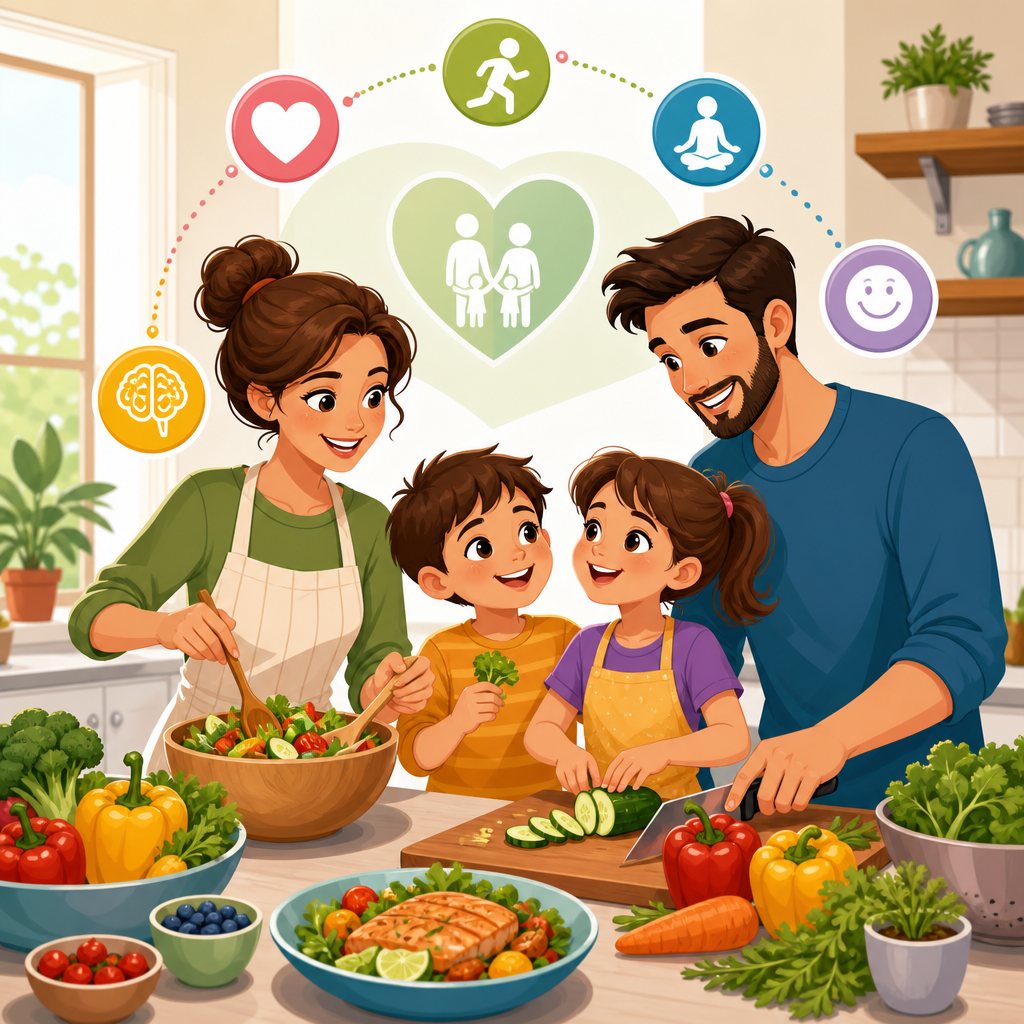
Healthy recipes affect more than nutrition labels. They create a structure for family life that supports mental and emotional well-being. Shared meals are linked in many studies with better dietary quality in children and adolescents, and they often improve communication simply because everyone is in one place without rushing. In homes where schedules are crowded, a reliable meal routine can act like an anchor. Even three shared dinners a week can reduce the sense that every evening is reactive.
Food also influences mood through physiology. Meals that combine protein, fiber, and complex carbohydrates tend to provide steadier energy than meals built around refined grains and sugary snacks. That steadier energy matters for school focus, adult productivity, and fewer late-afternoon crashes that lead to irritability. I have watched households change after replacing random grazing with predictable meals and snacks. Parents become less overwhelmed because they are not improvising at 6 p.m., and children become less oppositional when they know what to expect.
There is also emotional value in recipes that feel inclusive rather than restrictive. A family-friendly healthy recipe should not communicate punishment or diet culture. It should say, this meal tastes good, fuels your body, and belongs in regular life. Tacos with seasoned ground turkey and beans, homemade pizza on whole-wheat pitas, or banana-oat muffins for breakfast all work because they meet people where they are. When healthy food feels familiar, households are more likely to keep cooking it.
What makes a recipe truly family-friendly and healthy
A family-friendly healthy recipe is not defined by buzzwords such as clean, guilt-free, or kid-approved. It meets practical standards. First, it uses accessible ingredients available in ordinary grocery stores. Second, it fits realistic prep times or offers make-ahead value. Third, it allows flexibility for preferences or dietary needs. Fourth, it delivers nutritional balance without requiring a second separate meal for children. Finally, it tastes good enough to earn a repeat spot in the meal rotation.
When I evaluate recipes for families, I look for a few markers. Does the recipe include at least one clear source of protein, such as eggs, chicken, tofu, lentils, beans, fish, yogurt, or cheese? Does it include produce in a visible, easy-to-eat form? Are whole grains or high-fiber starches used where possible? Is sodium managed through seasoning techniques such as citrus, herbs, garlic, onions, tomato paste, and spices rather than depending entirely on packaged sauces? These questions matter more than whether a recipe fits a fad.
Texture and presentation matter too, especially for younger eaters. Raw bell peppers may be rejected, but roasted strips with olive oil may be accepted. Brown rice may not win immediately, but a half-white, half-brown blend often works. Deconstructed plates can help children explore ingredients without pressure. Healthy eating is often improved by recipe design, not by persuasion alone.
Core meal types every family recipe hub should include
A complete family-friendly healthy recipes hub should cover the meal patterns households actually need: breakfasts, lunches, dinners, snacks, and basic meal-prep components. Breakfast recipes might include egg muffins, overnight oats, yogurt bowls, and freezer-friendly whole-grain pancakes. These options help families start with protein and fiber instead of relying on pastries or sugary cereal alone. Lunch content should include bento-style ideas, wraps, grain bowls, soups, and leftovers that reheat well, because lunch is where planning often breaks down.
Dinner is usually the center of family meal planning, so the strongest recipe collections focus on repeatable formats. Think sheet-pan meals, slow-cooker soups, stir-fries, casseroles with vegetables and protein, taco nights, pasta with added legumes or vegetables, and customizable grain bowls. Snacks should not be treated as an afterthought. Apple slices with peanut butter, hummus with cucumbers, trail mix with nuts and unsweetened dried fruit, cottage cheese with fruit, and hard-boiled eggs can prevent energy dips and reduce impulsive processed snacking.
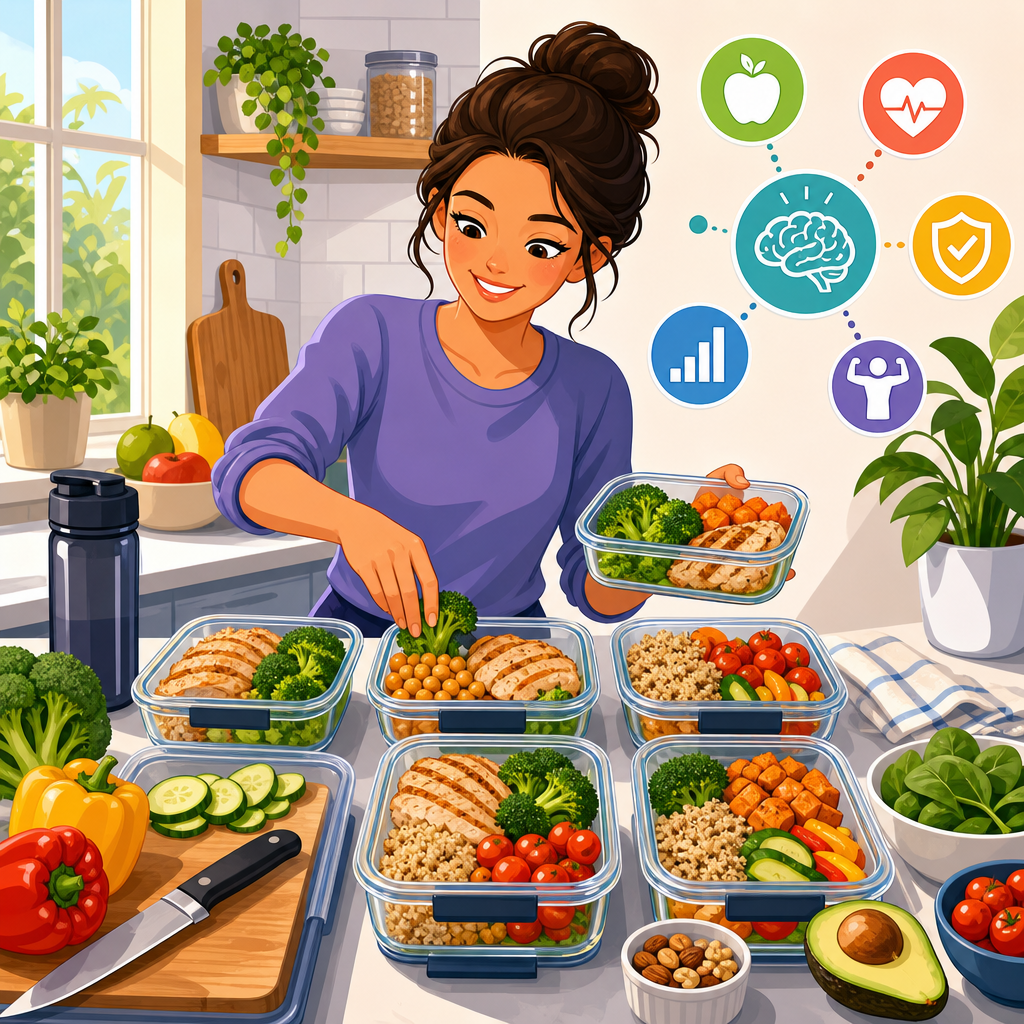
Meal-prep building blocks are equally important. Families benefit from recipes or guides for cooked chicken, seasoned beans, roasted vegetables, sauces, chopped fruit, and grains prepared in batches. These components shorten weeknight cooking and make healthy choices easier than less healthy ones. A hub page should connect these formats so readers can move from broad planning to specific dishes without friction.
Simple planning systems that make healthy cooking sustainable
The biggest obstacle to healthy family meals is rarely knowledge; it is execution. Sustainable meal planning reduces friction by narrowing decisions. I recommend starting with a weekly template instead of choosing seven unrelated recipes. For example: Monday pasta, Tuesday tacos, Wednesday sheet-pan meal, Thursday soup or sandwich night, Friday homemade pizza, Saturday leftovers, Sunday roast or batch cook. This pattern creates variety inside a structure. Families know what category is coming, so shopping becomes faster and fewer ingredients go to waste.
Another effective method is the cook-once, use-twice approach. Roast extra vegetables for grain bowls the next day. Make double chili and freeze half. Cook shredded chicken for tacos, then use it in quesadillas or soup. This is how busy households keep healthy recipes realistic. The planning system matters as much as the recipe itself because consistency comes from process, not motivation.
| Meal planning method | How it works | Main benefit |
|---|---|---|
| Theme nights | Assign meal categories to each day, such as taco Tuesday or pasta Monday | Reduces decision fatigue and speeds grocery planning |
| Cook once, use twice | Prepare extra protein, grains, or vegetables for later meals | Saves time and lowers weeknight stress |
| Batch freezer meals | Freeze soups, casseroles, meatballs, or burritos in portions | Creates a backup plan for busy evenings |
| Component prep | Wash produce, cook grains, and mix sauces ahead of time | Makes healthy meals easier to assemble quickly |
Shopping lists should follow the same logic. Build them around recipe overlap: spinach for omelets and pasta, Greek yogurt for breakfasts and sauces, black beans for tacos and salads. Planning for overlap is one of the fastest ways to lower food costs while improving nutrition quality.
Budget, convenience, and picky eating: solving the real barriers
Healthy family cooking often fails for three reasons: people assume it costs too much, takes too long, or will not be eaten. In practice, these barriers can be managed with smart recipe selection. Budget-friendly healthy meals rely on beans, lentils, oats, eggs, canned fish, frozen vegetables, potatoes, rice, and seasonal produce. A lentil curry with spinach, a vegetable frittata, or bean and cheese enchiladas can feed a family well for less than many takeout orders. Cost drops further when recipes use overlapping ingredients and leftovers intentionally.
Convenience improves when recipes have short ingredient lists and forgiving methods. Sheet-pan sausage with peppers and potatoes, slow-cooker chicken taco filling, and one-pot pasta primavera are useful because they do not require intense hands-on attention. A family does not need gourmet complexity on a weeknight. It needs dependable meals that can survive interruptions, homework questions, and changing schedules.
Picky eating is real, but separate dinners usually worsen it. A better strategy is to serve one shared meal with familiar safe foods included. For example, taco night lets children choose rice, beans, cheese, avocado, or chicken in their preferred combination. Pasta bars, grain bowls, and build-your-own baked potato nights work for the same reason. Repeated low-pressure exposure is more effective than forcing bites or bribing with dessert. Families should aim for progress, not instant acceptance.
How to build a long-term recipe rotation that supports well-being
The healthiest households I have worked with do not rely on novelty. They maintain a recipe rotation of roughly fifteen to twenty core meals and adjust by season. That number is large enough to prevent boredom and small enough to remember without constant searching. A strong rotation usually includes several quick wins, several batch-cooking meals, and a few comfort-food recipes that have been nutritionally upgraded. Examples include baked oatmeal, chicken and vegetable stir-fry, turkey chili, tuna pasta salad, bean burrito bowls, spinach quesadillas, roasted salmon, vegetable soup, and homemade muffins with oats and fruit.
Tracking what the family actually eats is useful. Keep a list on the refrigerator or in a notes app, then rate meals by ease, cost, and acceptance. After a month, patterns emerge. You will see which healthy recipes deserve weekly use and which should be retired. This practical feedback loop is one of the most effective ways to improve family well-being because it turns meal planning into a repeatable household system rather than a daily emergency.
Family-friendly healthy recipes improve overall well-being because they connect nourishment with routine, budgeting, emotional stability, and shared time. The best recipes are not the most elaborate ones. They are the meals that reliably bring protein, fiber, produce, and satisfaction to the table in forms people enjoy eating. When families build a flexible recipe hub around breakfasts, lunches, dinners, snacks, and meal-prep basics, they make healthy living easier to sustain.
The core lesson is simple: consistent, balanced home cooking has compounding benefits. It supports physical health through better nutrition, reduces stress through planning, strengthens family connection through shared meals, and helps children develop lasting food habits. You do not need a perfect pantry or hours of free time. You need a small set of proven recipes, a practical planning rhythm, and a willingness to repeat what works.
Start by choosing five family-friendly healthy recipes for this week: one breakfast, one lunch, two dinners, and one snack. Shop for overlapping ingredients, cook with simple methods, and note what your household enjoys. Then build from there. A well-organized recipe rotation is one of the most realistic ways to improve your family’s overall well-being, one meal at a time.
Frequently Asked Questions
1. How do family-friendly healthy recipes improve overall well-being?
Family-friendly healthy recipes support overall well-being by influencing much more than what appears on a plate. When meals are built around nutrient-dense ingredients such as vegetables, fruit, whole grains, legumes, lean proteins, and dairy or fortified alternatives, they help provide steady energy, better concentration, improved digestion, and stronger immune support. Instead of relying on heavily processed meals that may be high in added sugar, sodium, and unhealthy fats, families benefit from balanced meals that help regulate appetite and support healthier daily routines.
These recipes also improve emotional and household well-being. Meals that both adults and children are willing to eat reduce stress, arguments, and the need to prepare multiple dinners. That matters because consistent mealtime conflict can affect the entire family atmosphere. A practical, repeatable recipe that fits a family’s schedule and budget can create a sense of order and predictability, which is especially helpful during busy school and work weeks. Over time, these routines help reinforce healthy habits, normalize balanced eating, and make it easier for family members to maintain their physical and mental health.
2. What makes a healthy recipe truly family-friendly?
A healthy recipe becomes truly family-friendly when it balances nutrition with real-life practicality. It is not enough for a meal to be healthy on paper; it also needs to be appealing, affordable, and realistic for a household to prepare regularly. Family-friendly healthy recipes usually include familiar flavors, flexible ingredients, and textures that children and adults can enjoy together. They often rely on accessible staples such as rice, oats, beans, eggs, yogurt, chicken, pasta, roasted vegetables, and fruit, rather than expensive specialty ingredients or complicated cooking techniques.
Another important factor is adaptability. A good family-friendly recipe can be adjusted for different ages, preferences, or dietary needs without turning mealtime into a burden. For example, a grain bowl, soup, taco night, or sheet-pan dinner can allow family members to customize toppings or portions while still eating the same basic meal. These recipes also tend to fit normal time constraints, making use of batch cooking, leftovers, freezer-friendly components, or one-pan methods. In short, a healthy recipe is family-friendly when it works in everyday life, encourages consistent healthy eating, and can be repeated without creating frustration at the table.
3. Can family-friendly healthy recipes help children develop better eating habits?
Yes, they can play a major role in shaping children’s long-term eating habits. Children learn through repetition, exposure, and observation, so the meals served at home strongly influence what they come to recognize as normal. When healthy foods are presented regularly in approachable ways, children become more familiar with different flavors, colors, and textures. Even if a child does not accept a new food immediately, repeated exposure through family-friendly meals can gradually build comfort and acceptance over time.
These recipes are especially effective because they remove the false choice between “healthy” and “kid-friendly.” When meals are designed so that everyone can enjoy them, children see nutritious foods as part of everyday family life rather than as something separate or forced. For example, adding vegetables to pasta dishes, serving fruit with breakfast, using beans in tacos, or offering yogurt-based dips with cut vegetables can help make nutrient-dense foods feel familiar and enjoyable. Consistent exposure to these kinds of meals supports healthier preferences, more balanced appetites, and a more positive relationship with food as children grow.
4. How do these recipes support busy family schedules and budgets?
Family-friendly healthy recipes are often one of the most effective tools for managing both time and money. When meals are planned around simple, nutrient-dense staples and repeatable formats, families can reduce last-minute takeout, food waste, and the stress of deciding what to cook each day. Budget-friendly healthy cooking commonly includes ingredients such as beans, lentils, eggs, frozen vegetables, seasonal produce, brown rice, whole grain pasta, canned fish, and affordable cuts of lean meat or poultry. These foods offer strong nutritional value without requiring a large grocery budget.
From a scheduling standpoint, the best family-friendly recipes are designed to be efficient. They often use batch cooking, slow cookers, sheet-pan methods, or leftovers that can be repurposed for lunch or another dinner. A pot of chili can become baked potatoes the next night, roasted chicken can be used in wraps or soup, and cooked grains can be turned into quick bowls throughout the week. This kind of planning helps families maintain healthier eating patterns even when time is limited. As a result, healthy meals become more sustainable, less stressful, and more realistic to keep up over the long term.
5. Do family-friendly healthy recipes have long-term health benefits for the whole household?
Absolutely. Over time, the regular use of family-friendly healthy recipes can contribute to meaningful long-term health benefits for both children and adults. Balanced meals that consistently include fiber-rich carbohydrates, quality protein, healthy fats, and a variety of vitamins and minerals can support heart health, digestive health, healthy growth, blood sugar balance, and weight management. These patterns are much more important than occasional “perfect” meals because long-term health is shaped by what families eat consistently, week after week and year after year.
The long-term benefits also extend beyond physical health markers. Families that eat nourishing meals together more often may experience stronger routines, better communication, and greater confidence around food choices. Children raised with regular exposure to balanced meals are more likely to carry those habits into adolescence and adulthood. Adults also benefit from reduced decision fatigue, improved meal consistency, and a greater likelihood of meeting their nutrition needs. In that sense, family-friendly healthy recipes are not just about feeding people in the moment; they are an investment in lifelong well-being, healthier habits, and a more supportive home environment.