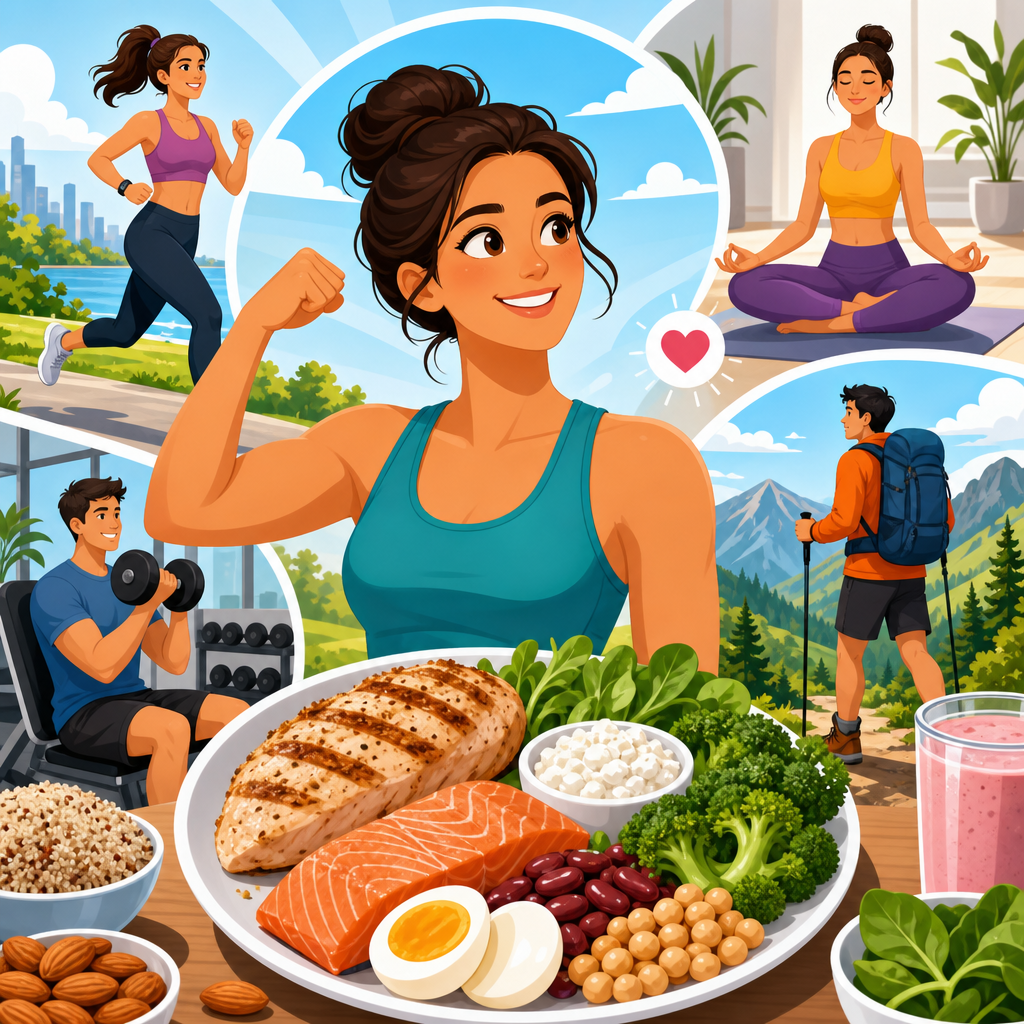
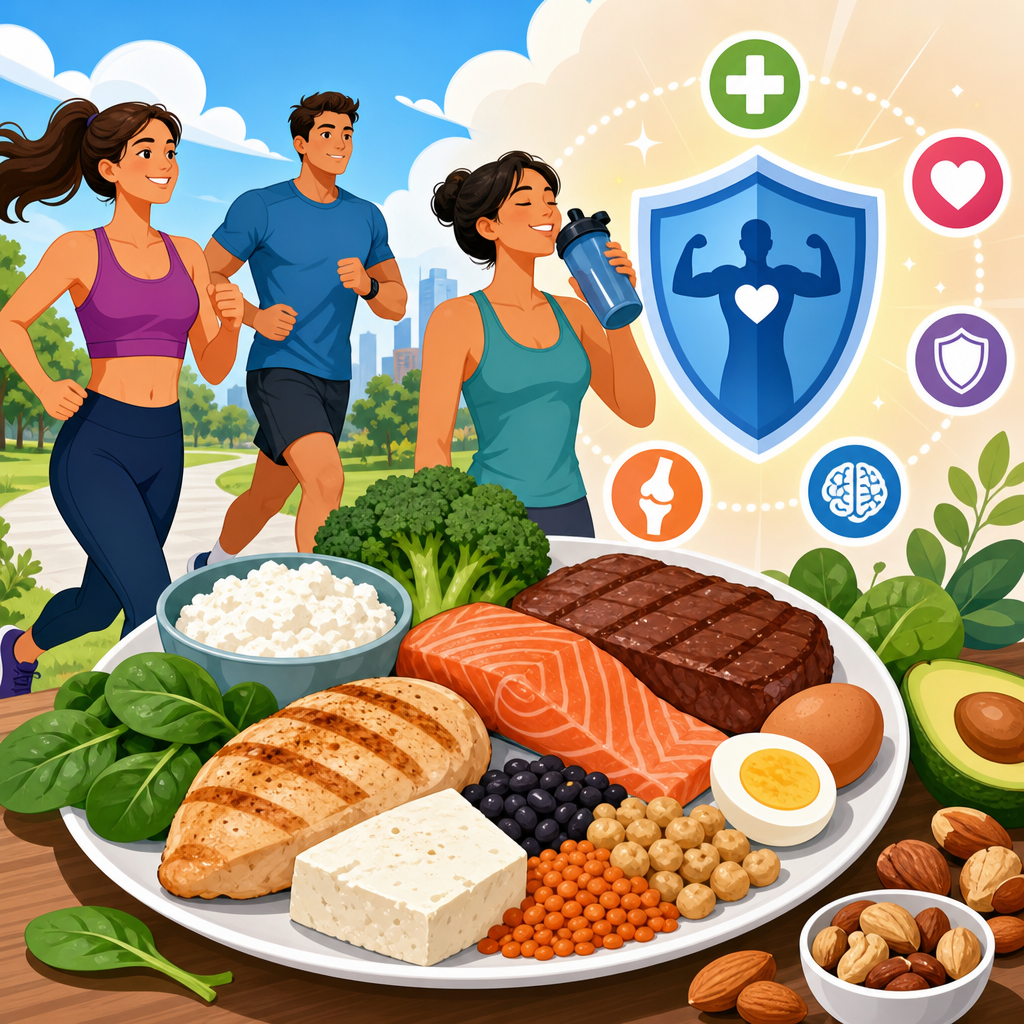
High-protein meals for active lifestyles are more than a fitness trend; they are a practical nutrition strategy for people who train hard, walk all day, recover from demanding work, or simply want steadier energy and better body composition. In simple terms, a high-protein meal provides a meaningful amount of protein, usually from animal or plant sources, alongside carbohydrates, fats, fiber, vitamins, and minerals that support performance and recovery. For active people, protein matters because it supplies amino acids, including leucine, that help repair muscle tissue, maintain lean mass during fat loss, support immune function, and improve satiety between meals.
When I build meal plans for runners, lifters, field athletes, and busy parents trying to stay consistent, the same pattern appears: people do better when protein is distributed across the day instead of crammed into dinner. Research from sports nutrition organizations commonly points active adults toward roughly 1.2 to 2.0 grams of protein per kilogram of body weight daily, with needs rising during calorie deficits, intense training blocks, or recovery from injury. That does not mean every meal must be enormous. It means each meal should pull its weight, ideally with 20 to 40 grams of high-quality protein, depending on body size and training demands.
This hub article covers the top foods rich in high-protein meals for active lifestyles and explains why you need them. It also acts as a practical starting point for recipe ideas and meal planning decisions within a broader recipes and meal planning strategy. You will learn which protein foods deserve regular space in your kitchen, how to combine them into balanced meals, when certain options work best, and what tradeoffs to consider if you are cooking for performance, convenience, budget, or dietary restrictions. The goal is not to chase protein in isolation. The goal is to use protein-rich foods intelligently so meals become easier to plan, easier to repeat, and more effective for real life.
Why High-Protein Meals Matter for Active Lifestyles
Active lifestyles increase the value of protein because movement creates ongoing demand for repair, adaptation, and energy regulation. Strength training produces muscle protein breakdown that must be rebuilt. Endurance training increases amino acid oxidation and can raise daily protein needs, especially during heavy mileage or back-to-back sessions. Even outside sports, active jobs, frequent walking, and physically demanding schedules make recovery nutrition more important than many people realize.
A high-protein meal helps in four clear ways. First, it supports muscle protein synthesis, the process of repairing and building muscle tissue after training. Second, it improves fullness, which makes meal planning easier if you are trying to reduce snacking or manage calorie intake. Third, it can stabilize energy better than meals based mostly on refined carbohydrates. Fourth, it helps preserve lean mass during weight loss, a major concern for athletes and everyday exercisers who want performance, not just a lower scale number.
Protein quality also matters. Animal proteins such as eggs, dairy, poultry, fish, and lean meat are complete proteins, meaning they provide all nine essential amino acids in useful proportions. Plant proteins can absolutely support active people too, but some sources are lower in one or more amino acids, so variety becomes important. Soy foods, lentils with grains, beans with corn or rice, and mixed plant-based meals can fill those gaps well. In practice, the best diet is the one you can repeat consistently, digest comfortably, and afford week after week.
Best Animal-Based Foods for High-Protein Meals
Chicken breast remains one of the most efficient staples for high-protein meals. A cooked 3.5-ounce serving typically provides about 31 grams of protein with relatively little fat. That makes it useful for meal prep bowls, wraps, soups, salads, and sheet-pan dinners. Turkey offers similar benefits and often works especially well in meatballs, chili, burgers, and breakfast scrambles. Lean beef adds protein plus iron, zinc, vitamin B12, and creatine, nutrients that are particularly relevant for hard-training adults and menstruating athletes.
Fish deserves more attention in active meal planning. Salmon provides around 22 grams of protein per 3-ounce cooked serving, along with omega-3 fats that may support cardiovascular health and help manage inflammation. Tuna is convenient and shelf-stable, making it one of the easiest proteins for office lunches. Sardines are nutrient-dense, supplying protein, calcium, and omega-3s in a compact portion. Shrimp cooks quickly and works well in stir-fries, tacos, rice bowls, and pasta dishes when time is short.
Eggs are one of the most versatile protein foods available. A large egg provides roughly 6 grams of protein, and whole eggs also offer choline, selenium, and fat-soluble vitamins. Greek yogurt and cottage cheese are equally valuable because they deliver substantial protein with minimal preparation. Plain Greek yogurt commonly provides 15 to 20 grams per serving, while cottage cheese can reach 25 grams per cup depending on the brand. I routinely use both in breakfast parfaits, savory bowls, sauces, pancake batter, and post-workout snacks because they bridge the gap between convenience and quality better than most foods.
Best Plant-Based Foods for High-Protein Meals
Plant-based eating can support an active lifestyle extremely well when meals are built with enough total protein and enough variety. Soy foods are the strongest foundation. Tofu, tempeh, and edamame provide complete protein, and each works differently in the kitchen. Extra-firm tofu can absorb marinades and crisp well in the oven or air fryer. Tempeh offers a firmer bite and a nutty flavor that pairs well with grain bowls and sandwiches. Edamame is one of the easiest additions to salads, rice bowls, and snack boxes.
Lentils and beans are major players because they combine protein, fiber, minerals, and slow-digesting carbohydrates. Lentils cook faster than many other legumes and fit soups, curries, tacos, and pasta sauces. Black beans and chickpeas are ideal for batch cooking, while canned versions save time without sacrificing much nutritional value if rinsed. Seitan is another high-protein option for those who tolerate gluten, often providing more protein per serving than tofu. It works especially well in stir-fries, fajitas, and sandwiches because of its chewy texture.
Whole grains, nuts, and seeds contribute protein too, though they are usually better treated as supporting players than primary sources. Quinoa contains more protein than many grains and provides all essential amino acids, but the absolute amount per serving is still modest compared with tofu, eggs, or chicken. Hemp seeds, pumpkin seeds, peanut butter, and almonds can boost protein content and add healthy fats, yet calories rise quickly. For active people, that can be useful during high training loads, but it matters if body composition is a goal. The smartest plant-based meals layer a strong primary protein with grains, vegetables, and a flavorful sauce.
How to Build Balanced High-Protein Meals
The easiest way to plan high-protein meals is to think in components, not recipes. Start with a primary protein source, add a carbohydrate that fits your activity level, include vegetables or fruit for fiber and micronutrients, and finish with fats or sauces that improve taste and staying power. This structure works for breakfast, lunch, dinner, and post-workout meals because it is flexible enough to adapt to your schedule and appetite.
A practical target for many active adults is 25 to 35 grams of protein in a main meal. That might look like grilled chicken with roasted potatoes and green beans, tofu stir-fry with rice and broccoli, Greek yogurt with oats and berries, or salmon with quinoa and asparagus. If you train early, a lighter pre-workout meal such as yogurt with fruit may digest better than a larger plate. If you lift after work, dinner may become your biggest recovery meal. Timing matters, but total daily intake and consistency matter more.
| Food | Typical Serving | Protein | Best Use in Active Meal Planning |
|---|---|---|---|
| Chicken breast | 3.5 oz cooked | 31 g | Lean lunch or dinner bowls, wraps, salads |
| Greek yogurt | 1 cup | 18 to 20 g | Breakfast, snacks, post-workout meals |
| Salmon | 3 oz cooked | 22 g | Recovery dinners with healthy fats |
| Tofu | 1/2 block firm | 18 to 22 g | Plant-based stir-fries, bowls, curries |
| Lentils | 1 cup cooked | 18 g | Soups, stews, grain bowls, pasta sauces |
| Eggs | 3 large | 18 g | Breakfasts, sandwiches, quick dinners |
This framework reduces decision fatigue. Instead of asking what recipe to make every day, you choose from a short list of reliable proteins, then rotate starches, vegetables, and seasonings. That is the foundation of sustainable meal planning for active lifestyles.
Meal Timing, Recovery, and Performance
One common question is whether protein timing really matters. The answer is yes, but not as much as supplement marketing suggests. After training, protein helps stimulate recovery, especially when paired with carbohydrates that replenish glycogen. A meal within a couple of hours after exercise is a practical standard for most people. That could be a turkey rice bowl after a gym session, a smoothie with Greek yogurt and fruit after a run, or tofu noodles after evening sport practice.
Breakfast is another missed opportunity. Many active adults under-eat protein in the morning and then try to catch up later. That pattern can leave you hungrier midday and less consistent overall. Swapping toast alone for eggs and fruit, oatmeal with Greek yogurt, or a cottage cheese bowl with berries can materially increase daily protein without much extra effort. For people over forty, spreading protein through the day may be especially useful because muscle protein synthesis becomes slightly less responsive with age.
Pre-workout meals should prioritize digestibility. High-fat or very high-fiber foods can sit heavily before intense training, so a simple combination like yogurt and banana, a turkey sandwich, or tofu and rice often works better than a giant mixed meal. Hydration also matters. Protein supports recovery, but performance still depends heavily on adequate carbohydrates, fluids, sodium, and overall calorie intake. A high-protein diet cannot rescue under-fueling.
Common Mistakes and Smarter Meal Planning
The biggest mistake I see is treating protein as the only goal. A plate of chicken alone is not a high-performance meal. Active bodies still need carbohydrates for training, colorful produce for micronutrients, and enough total calories to recover. Another mistake is relying too heavily on protein bars and shakes when regular food would do the job better. Convenience products are useful tools, especially during travel or packed workdays, but they should supplement a solid food routine, not replace it.
Under-seasoning is another hidden problem. People often complain that meal prep is boring when the real issue is repetitive flavor. Protein foods become far easier to repeat when you change the cuisine profile: taco chicken, lemon herb salmon, gochujang tofu, curry lentils, or Mediterranean turkey meatballs. Batch cooking proteins separately from sauces and sides gives you more flexibility across the week. Food safety matters too; cooked leftovers generally keep three to four days in the refrigerator, while freezing portions preserves texture and reduces waste.
Budget can be managed with smart swaps. Eggs, canned tuna, cottage cheese, dried lentils, canned beans, frozen edamame, and family-pack chicken are usually more cost-effective than premium steak cuts or specialty protein snacks. If you are planning a hub of recipes and meal prep ideas, begin with these staples because they support dozens of combinations. Build a shopping list around three primary proteins, two carbohydrate bases, several vegetables, and two sauces. That simple system produces variety without chaos.
Choosing the Right High-Protein Foods for Your Goals
The best high-protein foods depend on your goal, your digestion, and your schedule. If fat loss is the priority, lean proteins such as chicken breast, white fish, shrimp, low-fat Greek yogurt, and skyr make it easier to hit protein goals while controlling calories. If muscle gain is the focus, proteins paired with energy-dense sides like rice, potatoes, oats, olive oil, nuts, and dairy can make eating enough more realistic. For endurance athletes, meals that blend moderate protein with substantial carbohydrates often outperform extremely high-protein, low-carb approaches because glycogen remains central to performance.
Digestive tolerance matters more than nutrition labels suggest. Some people do great with milk and yogurt, while others need lactose-free options. Beans may work well at dinner but feel uncomfortable before a run. High-fat cuts of meat may fit rest days better than pre-training meals. There is no single perfect protein source. There are only foods that fit the moment better or worse. Good meal planning respects that reality.
As this hub for high-protein meals for active lifestyles makes clear, the most effective approach is simple: choose reliable protein-rich foods, distribute them across the day, pair them with smart carbohydrates and produce, and repeat meals you genuinely enjoy. Start with a few proven staples such as eggs, Greek yogurt, chicken, salmon, tofu, lentils, and beans. Build balanced plates, adjust portions to your training demands, and keep convenience foods in reserve rather than at the center. If you want better recovery, steadier energy, easier meal prep, and more consistent results, begin by upgrading your next three meals with a real protein plan.
Frequently Asked Questions
1. What qualifies as a high-protein meal for an active lifestyle?
A high-protein meal for an active lifestyle is not just a plate with meat on it. It is a balanced meal that delivers a meaningful amount of protein along with the carbohydrates, healthy fats, fiber, vitamins, and minerals your body needs to perform well and recover properly. For most active adults, a meal often falls into the high-protein category when it provides roughly 20 to 40 grams of protein, though the ideal amount depends on body size, training volume, goals, and total daily intake. The reason this matters is that active people place more regular demand on muscles, connective tissue, energy systems, and recovery processes than sedentary individuals.
Good examples include grilled chicken with brown rice and vegetables, salmon with sweet potatoes and greens, Greek yogurt with berries and seeds, eggs with whole-grain toast and avocado, tofu stir-fry with quinoa, or lentils paired with rice and roasted vegetables. These meals work well because protein supports muscle repair and maintenance, while carbohydrates help replenish glycogen stores and fuel movement. Healthy fats can support hormone function and satiety, and micronutrients help with everything from oxygen transport to immune support.
In practical terms, a high-protein meal should leave you feeling satisfied, energized, and better prepared for either activity or recovery. It should not be viewed as protein in isolation. The best meals for active lifestyles are built around quality protein sources and then rounded out with nutrient-dense ingredients that make the meal sustainable, digestible, and beneficial over the long term.
2. What are the best foods rich in protein for active people?
The best protein-rich foods for active people are the ones that combine high-quality protein with other nutrients that support performance, recovery, and overall health. Lean animal proteins are often at the top of the list because they provide complete protein, meaning they contain all essential amino acids. Chicken breast, turkey, eggs, Greek yogurt, cottage cheese, tuna, salmon, lean beef, and shrimp are all excellent options. Salmon is especially valuable because it provides omega-3 fats, which may support recovery and help manage inflammation from hard training.
Plant-based protein foods are also extremely useful, especially when eaten strategically and consistently. Tofu, tempeh, edamame, lentils, chickpeas, black beans, peas, quinoa, hemp seeds, chia seeds, and nuts all contribute meaningful protein. Soy foods such as tofu and tempeh are especially notable because they are among the most complete plant protein sources available. Beans and lentils also bring fiber, iron, magnesium, and slow-digesting carbohydrates, making them excellent for steady energy and fullness.
For convenience, active people also often rely on simple high-protein staples like milk, protein shakes, cheese, hard-boiled eggs, roasted chickpeas, or high-protein overnight oats. The ideal approach is to include a variety of these foods throughout the week. That gives your body access to a broader range of amino acids and micronutrients while also preventing meal fatigue. In short, the best high-protein foods are not limited to one category. They are foods you can eat regularly, digest well, enjoy consistently, and build into complete meals that match your activity demands.
3. Why is protein so important if I already eat enough calories?
Eating enough calories is important, but calories alone do not tell the full story. Protein plays a unique role in the body that carbohydrates and fats cannot fully replace. If you are active, your muscles experience regular stress from training, sports, long work shifts, endurance activity, or repeated movement throughout the day. Protein provides the amino acids needed to repair muscle tissue, support adaptation to exercise, preserve lean mass, and help your body recover so you can perform well again.
Protein is also important for more than muscle. It contributes to enzymes, hormones, immune function, and the structure of tissues throughout the body. For active individuals, this becomes even more relevant because consistent movement increases wear and tear, raises nutrient demands, and often makes recovery quality a deciding factor in how good you feel day to day. If total calories are high but protein intake is too low, you may still struggle with poor recovery, excessive soreness, reduced strength progress, higher hunger, and difficulty maintaining or improving body composition.
Another major benefit is satiety and energy stability. High-protein meals tend to be more filling than meals built mostly around refined carbohydrates or fats alone. That can help active people avoid energy crashes, improve meal satisfaction, and better manage appetite. Protein also has a higher thermic effect of food than carbs or fats, meaning your body uses more energy to digest and process it. While that should not be overstated, it can support a more favorable nutrition pattern over time. In other words, if you are active, enough calories matter, but enough protein helps make those calories work better for performance, recovery, and long-term health.
4. How much protein do active people actually need each day?
The amount of protein an active person needs depends on training intensity, body weight, age, goals, and the type of activity they do. In general, active adults typically benefit from more protein than the standard minimum recommendations designed mainly to prevent deficiency. A common evidence-based range for active individuals is about 1.2 to 2.0 grams of protein per kilogram of body weight per day. People doing regular endurance exercise may do well toward the lower to middle end of that range, while those focused on strength training, muscle gain, fat loss, or high-volume training often benefit from the middle to higher end.
For example, someone who weighs 70 kilograms, or about 154 pounds, may aim for roughly 84 to 140 grams of protein per day depending on their routine and goals. Rather than eating most of that at dinner, it is usually more effective to spread protein across the day. Many active people do well with 20 to 40 grams per meal and possibly a protein-rich snack if needed. This distribution can help support muscle protein synthesis, improve fullness, and make total intake easier to achieve.
It is also worth remembering that needs can rise during heavy training blocks, calorie deficits, injury recovery, or aging, since maintaining muscle can become more challenging in those situations. The most practical approach is to start with a realistic target, monitor your recovery, hunger, strength, and body composition, and adjust if necessary. If you have a medical condition, especially related to kidney health, it is smart to discuss protein intake with a qualified healthcare professional. For most healthy active people, however, consistently eating enough high-quality protein is one of the most useful and reliable nutrition habits they can build.
5. When should I eat high-protein meals for the best results?
The best time to eat high-protein meals is not limited to one narrow “anabolic window.” What matters most is total daily protein intake and how evenly you distribute it across the day. That said, timing still has practical benefits. Eating protein with meals spaced throughout the day helps supply your body with a regular stream of amino acids, which can support muscle repair, maintenance, and recovery. For many active people, breakfast is a missed opportunity, so starting the day with eggs, Greek yogurt, cottage cheese, a protein smoothie, or tofu can help improve energy and make it easier to hit total needs.
Protein is also useful before and after activity. A pre-workout meal that includes protein plus carbohydrates, eaten a couple of hours before exercise, can help support performance and reduce excessive hunger during training. After exercise, a protein-rich meal or snack can help recovery, especially when paired with carbohydrates to replenish glycogen. This does not have to be complicated. A chicken and rice bowl, yogurt with fruit, a tuna sandwich, chocolate milk with a balanced meal later, or tofu with noodles and vegetables can all work well.
Evening protein can also be valuable, especially for people training late or trying to support muscle maintenance. The key is consistency rather than perfection. If you regularly include protein at breakfast, lunch, dinner, and strategic snacks, you will likely get better results than someone who only focuses on one post-workout shake. For active lifestyles, the winning strategy is simple: build protein into your entire eating pattern so your body has what it needs before effort, after effort, and during everyday recovery.