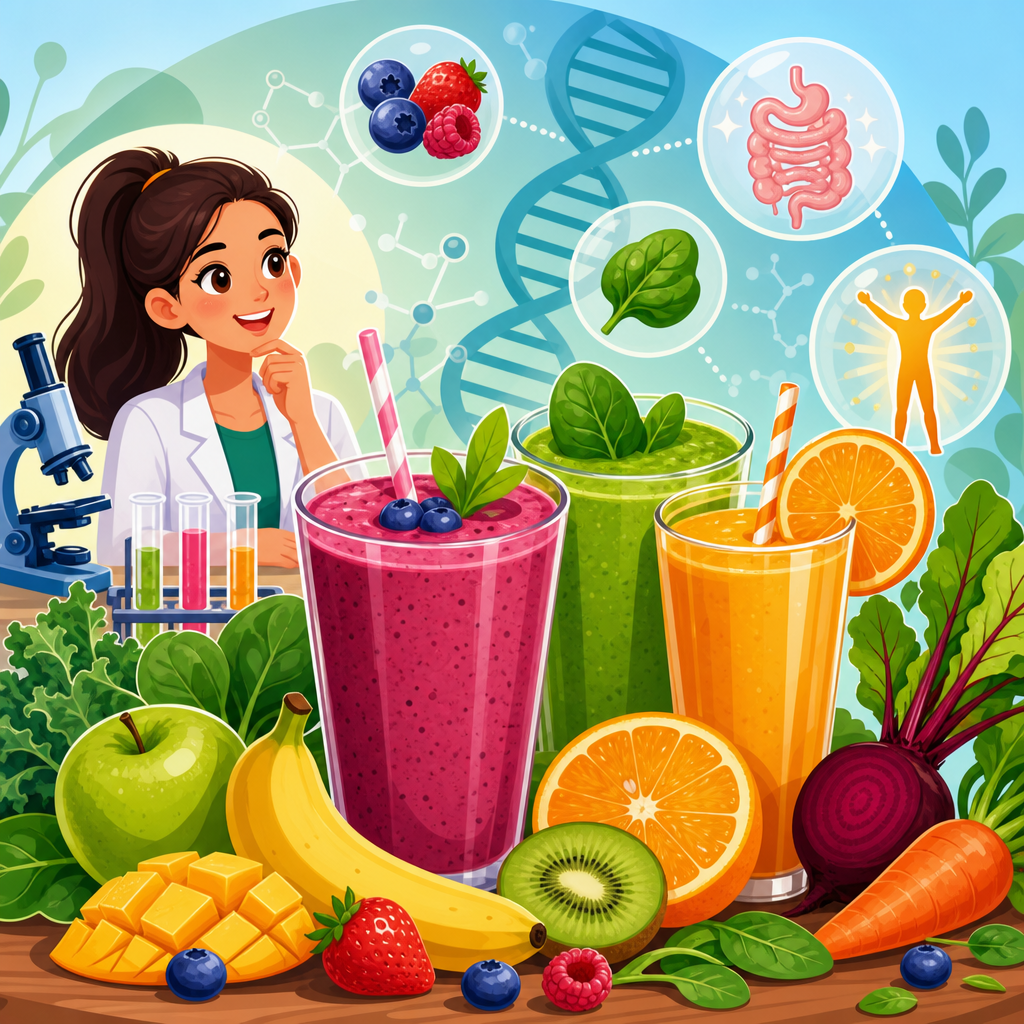
Smoothies and juices have moved far beyond breakfast trends because they offer a practical way to concentrate vitamins, minerals, phytonutrients, protein, and hydration into a single serving. In nutrition practice, I have seen people use them successfully to increase produce intake, support post-workout recovery, improve meal planning, and make specialized diets easier to follow. When designed well, smoothies and juices for nutrient boost can help fill common gaps in fiber, potassium, magnesium, vitamin C, folate, and antioxidant compounds. When designed poorly, they can become oversized sugar loads that leave people hungry an hour later. The science matters because blending and juicing change texture, absorption, satiety, and portion size, which directly affects health outcomes.
A smoothie usually blends whole fruits or vegetables with liquids and often includes protein or fat, so it retains most of the original fiber unless ingredients are strained. Juice extracts liquid from produce and removes most insoluble fiber, creating a lighter drink with faster gastric emptying and quicker carbohydrate absorption. Nutrient boost refers to strategically increasing micronutrients and beneficial plant compounds without relying only on supplements. This matters for busy households, athletes, older adults with reduced appetite, and anyone trying to eat more plants consistently. As a hub within recipes and meal planning, this guide explains how smoothies and juices work, which ingredients deliver measurable benefits, where each option fits, and how to build drinks that support energy, digestion, immunity, and long-term cardiometabolic health.
How smoothies and juices affect nutrient delivery
The body does not judge food only by what is present on a label; it also responds to food structure. Blending breaks down plant cell walls mechanically, which can increase the accessibility of certain carotenoids and polyphenols. For example, blending mango, spinach, or cooked carrots with a small amount of fat can improve the uptake of fat-soluble compounds such as beta-carotene and lutein. Juicing goes further by separating liquid from pulp, making some vitamins and natural sugars available in a rapidly absorbed form. That can be useful after exercise or during illness when appetite is low, but less useful if someone needs prolonged fullness or tighter blood glucose control.
Fiber is the key difference. A whole-fruit smoothie made with berries, kefir, oats, and chia seeds can contain enough soluble and insoluble fiber to slow digestion, support bowel regularity, and blunt sharp glucose spikes. A juice made from apples, beets, and carrots may deliver potassium, vitamin C, folate, and nitrate compounds, yet with much less fiber and less satiety. This is why smoothies often function better as snacks or meal components, while juices work best as targeted additions. In practice, I tell clients to think of smoothies as blended mini-meals and juices as concentrated produce servings. That framing leads to better choices and better results.
Key nutrients these drinks can increase
The strongest case for smoothies and juices for nutrient boost is not that they are magic, but that they make repeated exposure to diverse plant foods easier. Leafy greens such as spinach and kale add folate, vitamin K, magnesium, and lutein. Citrus, kiwi, pineapple, berries, and guava contribute vitamin C, which supports collagen formation and helps increase non-heme iron absorption from plant foods. Bananas, coconut water, oranges, and many vegetables add potassium, a mineral many adults underconsume despite its role in blood pressure regulation and muscle function. Seeds, nuts, soy foods, and dairy or fortified alternatives can also raise calcium, protein, and vitamin D depending on the recipe.
Phytonutrients matter just as much as classic vitamins. Deep blue and red fruits supply anthocyanins associated with vascular and cognitive benefits. Tomatoes and watermelon offer lycopene, especially useful when paired with a meal containing fat. Beetroot contains dietary nitrate, which the body can convert to nitric oxide, a molecule involved in blood vessel dilation and exercise efficiency. Ginger provides pungent compounds linked with reduced nausea, and turmeric supplies curcuminoids, though they are better absorbed when paired with black pepper and fat. By rotating ingredients, a person can use smoothies and juices to broaden nutrient coverage over the week instead of repeating the same produce every day.
Smoothie versus juice: when each option works best
People often ask whether smoothies are healthier than juices. The direct answer is that smoothies are usually better for fullness and metabolic balance, while juices are often better for fast intake, hydration, and concentrated produce delivery. A smoothie works well at breakfast, between meetings, or as a recovery meal when it includes protein and fiber. A juice works well when someone struggles to eat enough vegetables, needs a low-fiber option before endurance exercise, or wants a simple way to add produce alongside a protein-rich meal. Neither option should automatically replace whole fruits and vegetables, but both can help people meet intake goals.
| Option | Best use | Main advantage | Main limitation |
|---|---|---|---|
| Smoothie | Breakfast, snack, meal support | More fiber and satiety | Easy to over-portion calories |
| Juice | Hydration, quick carbs, low-fiber intake | Concentrated micronutrients | Less filling, faster sugar absorption |
| Whole produce | Daily baseline eating | Chewing and maximum fullness | Less convenient for some schedules |
There are also equipment and cost differences. A blender generally preserves edible parts and creates less waste, while a juicer can be expensive and leaves pulp behind unless it is repurposed in soups, muffins, or veggie burgers. In family meal planning, smoothies tend to stretch budgets further because frozen fruit, yogurt, oats, and greens can create multiple servings with minimal waste. Juicing shines when people specifically want green juice, citrus blends, or beet shots, but it requires more produce per glass. The smartest approach is not choosing sides; it is matching the format to the health goal, appetite pattern, and meal context.
How to build a balanced nutrient-boost smoothie
A balanced smoothie starts with a clear structure. In practical recipe development, the most reliable formula is fruit or vegetables for flavor and micronutrients, a protein source for satiety, a fat source for texture and absorption, and a fiber source to improve fullness and digestive support. For example, Greek yogurt or soy milk adds protein; chia, flax, or nut butter add healthy fats; oats, berries, and greens improve fiber density. This framework prevents the common mistake of blending mostly fruit juice, banana, and sweetened yogurt into a drink that tastes healthy but behaves more like dessert. The goal is not low calorie by default; the goal is metabolically steady and nutritionally dense.
For a high-performance everyday option, I often recommend a formula like frozen berries, spinach, plain kefir, ground flaxseed, and unsweetened soy milk. That combination supplies protein, omega-3 precursor ALA, probiotics from fermented dairy if tolerated, polyphenols, and substantial fiber. For children or selective eaters, mango, banana, orange, and cauliflower can create a sweeter profile while still increasing produce variety. For older adults with low appetite, adding silken tofu, powdered milk, or nut butter can raise protein and energy without making the volume overwhelming. Portioning matters too. A 12 to 16 ounce smoothie is usually enough for a snack or light meal component; larger servings can unintentionally double sugars and calories.
How to use juice strategically without overdoing sugar
Juice becomes healthier when it is treated as a concentrated ingredient rather than a free-flowing beverage. The first rule is to favor vegetables or lower-sugar fruits as the base and use sweeter produce for balance. Cucumber, celery, spinach, romaine, lemon, ginger, parsley, and beet can create flavorful juices without leaning entirely on apple or pineapple. The second rule is serving size. Four to eight ounces is often sufficient, especially when the juice accompanies a meal that contains protein, fat, and fiber. Drinking a large bottle of juice by itself may provide micronutrients, but it can also deliver a substantial glucose load that is absorbed quickly because most fiber has been removed.
There are useful exceptions. Endurance athletes sometimes benefit from low-fiber carbohydrate sources before or during long sessions. People recovering from gastrointestinal upset may also tolerate diluted juice better than solid food. During periods of reduced appetite, fresh juice can make nutrient intake easier than chewing a large salad. Even then, balance matters. Combining juice with a boiled egg, yogurt, cottage cheese, or a handful of nuts creates better staying power than juice alone. If someone has diabetes or insulin resistance, pairing juice with mixed meals and monitoring individual response is especially important. Juice can fit, but it should be deliberate rather than automatic.
Evidence-based health benefits of regular use
When smoothies and juices help people eat more produce consistently, the health benefits are meaningful. Higher fruit and vegetable intake is associated with lower risk of cardiovascular disease, improved blood pressure profiles, and better overall diet quality. Potassium-rich drinks that feature citrus, leafy greens, or banana can support blood pressure management when they replace sodium-heavy convenience foods. Berry-based smoothies provide polyphenols that may support endothelial function, while leafy greens add nitrate precursors and magnesium. In sports nutrition, carbohydrate plus protein smoothies support glycogen replenishment and muscle repair after training. These are not theoretical effects; they are predictable outcomes when ingredient selection matches physiological needs.
Digestive health can improve as well, especially with smoothie recipes that include oats, seeds, kefir, yogurt, or kiwi. Soluble fiber helps feed beneficial gut bacteria and can support stool consistency, while fermented ingredients contribute live cultures. Immune support is often overstated in marketing, but there is a real foundation: adequate vitamin C, vitamin A precursors, zinc from add-ins such as pumpkin seeds, and sufficient protein all contribute to normal immune function. Smoothies and juices can also improve adherence to healthy eating plans because they reduce friction. If someone is far more likely to consume spinach in a berry smoothie than in a salad, the practical benefit outweighs rigid ideas about the perfect format.
Common mistakes, safety issues, and who should be cautious
The biggest mistake is assuming every homemade drink is healthy by default. Smoothies can become calorie-dense quickly when multiple bananas, fruit juice, honey, sweetened yogurt, and large amounts of nut butter go into the same blender. Juices can create a halo effect that encourages overconsumption despite limited fullness. Another issue is protein neglect. Many people drink a fruit-heavy smoothie at breakfast, then feel hungry midmorning because it lacked enough protein and fat. Oxalate load matters for some individuals too. Very frequent large green smoothies made with spinach, beet greens, or Swiss chard may not suit people with a history of calcium oxalate kidney stones.
Food safety deserves attention, especially with fresh juice. Unpasteurized juice can carry pathogens if produce is not washed thoroughly or equipment is not cleaned well. People who are pregnant, immunocompromised, or caring for older adults should be especially careful. Certain medical conditions require tailored choices. Chronic kidney disease may call for limits on potassium-rich ingredients. People taking warfarin need consistency, not avoidance, with vitamin K-rich greens. Grapefruit can interact with some medications. Children should not use juice as a routine replacement for whole fruit or meals. The safest path is individualized use, moderate portions, and recipes built around whole-food balance rather than extreme cleansing claims.
Meal planning ideas and hub topics to explore next
As a sub-pillar hub, smoothies and juices for nutrient boost connect naturally to batch prep, seasonal produce planning, recovery nutrition, breakfast recipes, and smart snacking. A practical weekly system is simple: keep frozen berries, mango, spinach, avocado portions, plain yogurt, soy milk, oats, chia seeds, ginger, and lemons on hand. Prep smoothie packs in freezer bags, then rotate themes such as green protein smoothies, berry gut-health smoothies, citrus immunity blends, and post-workout smoothies with banana and cocoa. For juicing, plan around one or two targeted recipes rather than daily excess, such as beet-citrus juice before long training days or cucumber-ginger juice during hot weather.
The core lesson is that these drinks work best when they solve real nutrition problems. Use smoothies to increase fiber, protein, and produce intake in a satisfying format. Use juices to add concentrated vegetables, hydration, or quick-digesting carbohydrates when that specific function is useful. Build recipes intentionally, watch portions, and pair them with the rest of your meal plan instead of expecting a single drink to compensate for a poor diet. If you want better nutrition with less friction, start with one balanced smoothie and one strategic juice recipe this week, then build your routine from there.
Frequently Asked Questions
1. What is the difference between smoothies and juices when it comes to nutrient boost and health benefits?
Smoothies and juices can both increase nutrient intake, but they do so in different ways. A smoothie usually blends the whole fruit or vegetable, which means it retains the pulp and much of the natural fiber. That fiber plays an important role in digestive health, blood sugar balance, satiety, and cholesterol management. Because smoothies often include other ingredients such as yogurt, milk, kefir, protein powder, nuts, seeds, or oats, they can also provide protein and healthy fats that make the drink more filling and metabolically balanced.
Juices, by contrast, typically extract the liquid from fruits and vegetables while leaving behind most of the fiber. This can make juice a more concentrated source of certain vitamins, minerals, and plant compounds in a smaller volume. For people who struggle to eat enough produce, juice can be an efficient way to increase intake of nutrients such as vitamin C, folate, potassium, and phytonutrients. It can also be helpful when someone wants quick absorption before or after exercise, or when appetite is low.
From a health perspective, neither is automatically better in every situation. Smoothies are often the stronger option for meal support, fullness, and sustained energy because of their fiber and flexibility. Juices can be useful for hydration, convenience, and delivering a concentrated dose of produce compounds, especially when they are vegetable-forward and not overloaded with fruit sugars. The best choice depends on your goals, your digestion, and how the drink fits into your overall eating pattern.
2. Are smoothies and juices really an effective way to fill common nutrient gaps?
Yes, when they are built thoughtfully, smoothies and juices can be a very effective strategy for filling common nutrient gaps. Many people fall short on fruits, vegetables, fiber, potassium, magnesium, and a range of antioxidant compounds. A well-designed smoothie can combine leafy greens, berries, banana, seeds, and a protein source in one serving, helping cover several of those nutritional needs at once. That can be especially practical for busy schedules, selective eaters, older adults, athletes, and people who find full meal preparation difficult during the week.
For example, ingredients such as spinach, kale, avocado, chia seeds, flaxseeds, pumpkin seeds, Greek yogurt, and unsweetened dairy or fortified plant milk can raise the nutrient density of a smoothie quickly. These combinations may support intake of magnesium, calcium, potassium, omega-3 fats, protein, and fiber. Juices can also contribute meaningfully, particularly when made with vegetables such as celery, cucumber, beet, carrot, and leafy greens alongside smaller amounts of fruit for flavor. These blends can provide hydration plus a broad mix of vitamins and phytonutrients.
That said, smoothies and juices work best as part of a complete diet rather than as a substitute for all whole foods. Whole produce still offers chewing satisfaction, structural fiber, and variety that matter for long-term health. Think of smoothies and juices as tools that make healthy eating easier and more consistent. Used that way, they can absolutely help close nutrient gaps and support better overall nutrition.
3. How can I make a smoothie or juice healthier and more balanced?
The healthiest smoothies and juices are not just about packing in produce; they are about balancing nutrients in a way that supports energy, fullness, and steady blood sugar. For smoothies, a useful formula is to include a produce base, a protein source, a fiber source, and a healthy fat. A practical example would be spinach, frozen berries, Greek yogurt or protein powder, chia or flaxseed, and unsweetened milk. This kind of blend provides vitamins and minerals, plus protein and fat that slow digestion and help the smoothie function more like a real meal or snack rather than a sugar-heavy beverage.
For juices, balance comes from emphasizing vegetables and moderating fruit. Cucumber, celery, spinach, parsley, lemon, ginger, and beet can create a nutrient-rich base without making the drink excessively sweet. Adding one apple or a small piece of pineapple for taste is very different from making the entire juice fruit-based. Since juicing removes most fiber, portion size becomes more important. Pairing juice with a protein-rich or fiber-rich food, such as eggs, yogurt, nuts, or a balanced meal, can improve its nutritional impact and reduce rapid blood sugar spikes.
It also helps to be mindful of what is added. Large amounts of juice concentrates, sweetened yogurts, syrups, sherbet, or excessive nut butter can quickly turn a nutrient-focused drink into a calorie-dense dessert. The goal is not perfection but intention. Build around vegetables, fruit, protein, and beneficial fats, and use smoothies and juices to support your diet rather than compete with it.
4. Can smoothies and juices support workout recovery, digestion, and hydration?
They can, and that is one reason they remain so popular in nutrition and fitness settings. After exercise, the body benefits from fluids, carbohydrates, protein, and electrolytes. Smoothies are especially useful here because they can combine all four in one easy-to-digest option. A post-workout smoothie made with fruit, milk or a fortified plant beverage, protein powder or Greek yogurt, and ingredients like banana or spinach can help replenish glycogen, support muscle repair, and restore hydration. This can be particularly helpful when solid food is unappealing immediately after intense activity.
Juices can also play a role in recovery and hydration, especially if someone needs something light and quickly absorbed. Water-rich ingredients such as cucumber, celery, citrus, and watermelon contribute fluid, while fruits and vegetables naturally provide potassium and other electrolytes. Beet juice has also been studied for its nitrate content, which may support exercise performance and circulation in some contexts. While juice alone is usually not enough as a full recovery option, it can be a helpful component of a larger recovery routine.
For digestion, the answer depends on the person and the recipe. Smoothies that include fiber from whole fruits, vegetables, oats, chia, or flax may support regularity and gut health. At the same time, very large smoothies, high doses of certain raw greens, or too many fermentable ingredients can cause bloating in sensitive individuals. Juices may feel gentler for people who temporarily need lower-fiber options, but they do not provide the same digestive benefits as fiber-rich smoothies. Paying attention to ingredient tolerance, portion size, and timing is the best way to get the benefits without discomfort.
5. Are there any downsides or mistakes to watch for with smoothies and juices?
Yes, and most of them come down to composition, portion size, and expectations. One common mistake is assuming that anything blended or juiced is automatically healthy. A smoothie made with several servings of fruit juice, sweetened yogurt, flavored syrups, and no protein can deliver a large amount of sugar with limited staying power. Similarly, juices made mostly from fruit can become concentrated sugar sources, even if they still contain vitamins. For people managing blood sugar, insulin resistance, or weight goals, this is an especially important consideration.
Another issue is relying on smoothies or juices as meal replacements without making sure they contain enough protein, fiber, and fat. If a drink is too light nutritionally, hunger may return quickly and lead to more snacking later. There is also the risk of using these drinks to “make up for” an otherwise poor diet. While they are helpful tools, they cannot fully replace the benefits of varied meals that include whole produce, legumes, whole grains, quality proteins, and healthy fats.
Some individuals also need to be selective with ingredients. People with kidney concerns may need guidance on high-potassium foods. Those taking blood-thinning medication may need consistency with vitamin K-rich greens. Anyone with digestive conditions may tolerate certain fruits, vegetables, or sweeteners better than others. The smartest approach is to use smoothies and juices intentionally: choose nutrient-dense ingredients, keep portions realistic, and tailor recipes to your health needs. When done that way, they can offer meaningful health benefits without the common pitfalls.