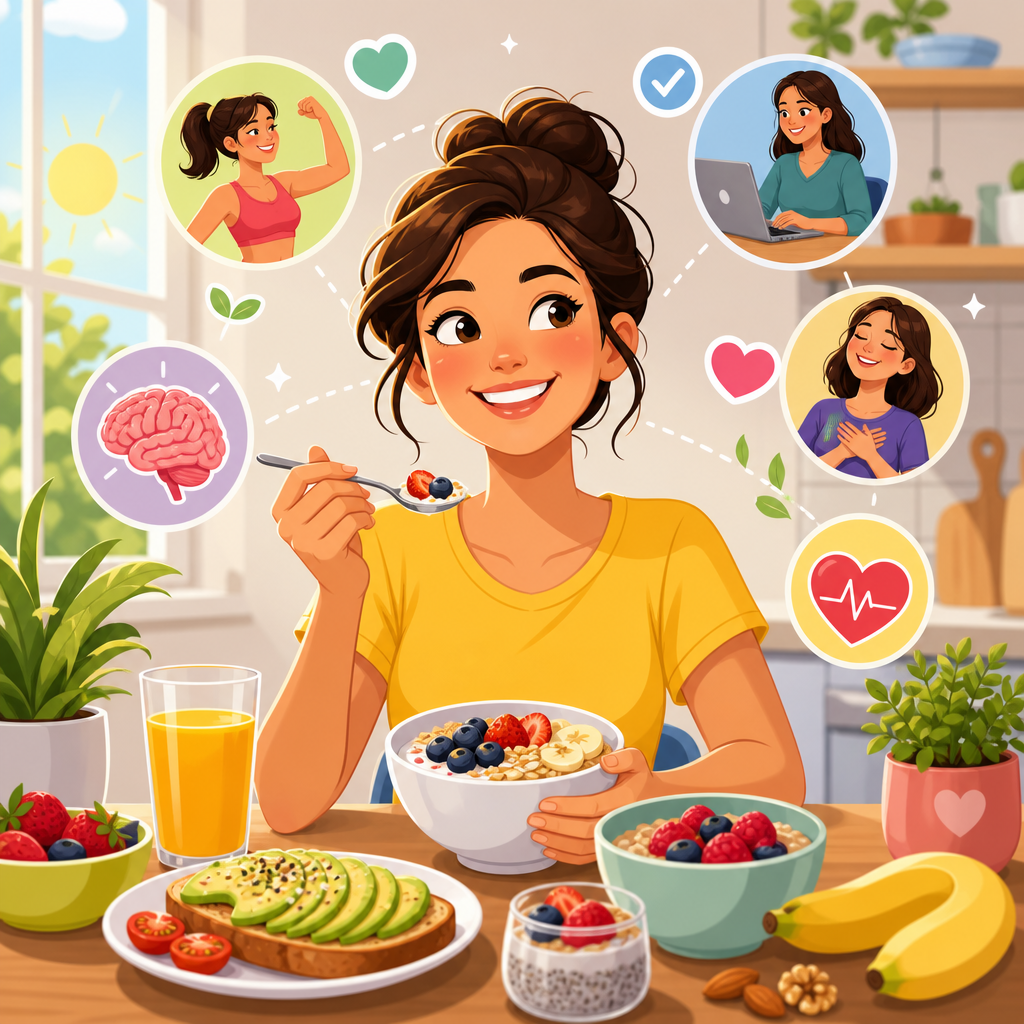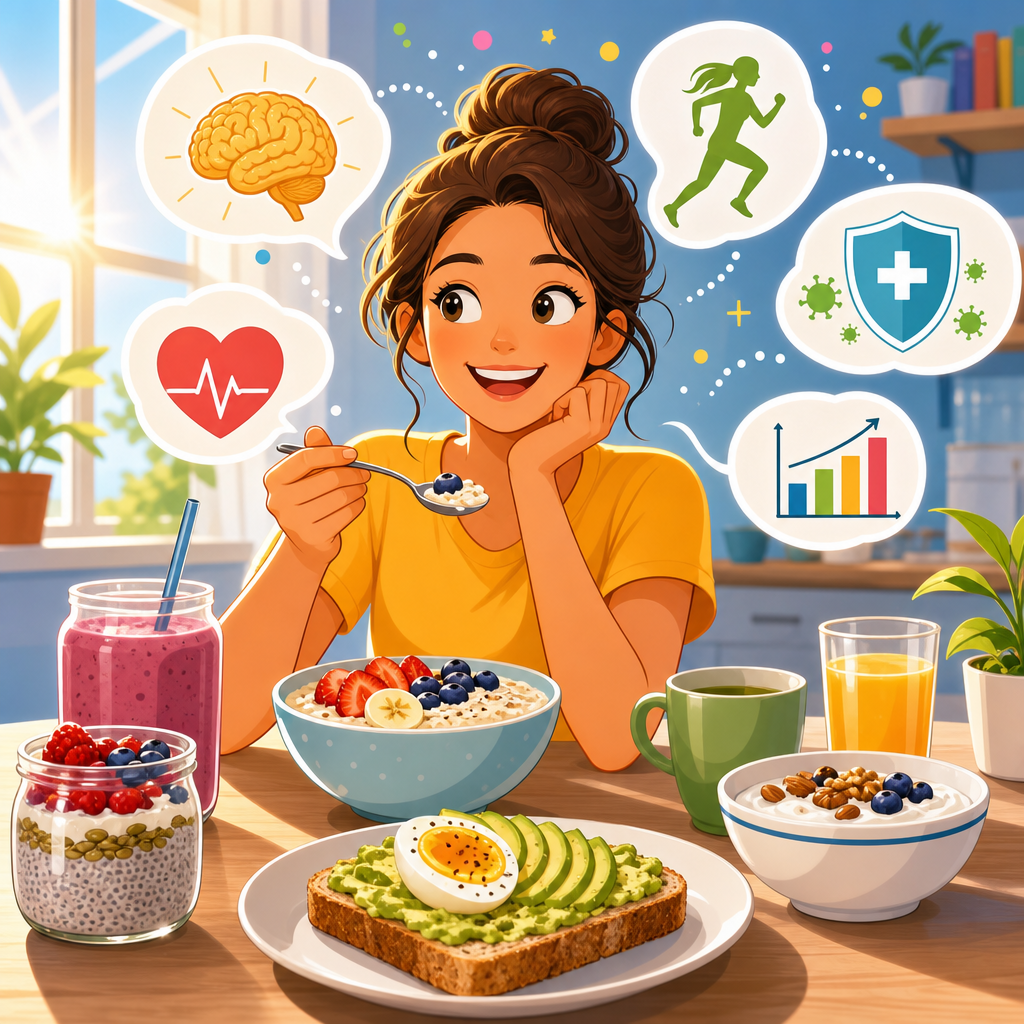
Quick & healthy breakfast ideas matter because the first meal of the day can shape appetite, energy, concentration, and food choices for hours afterward. In nutrition practice, I have seen the difference repeatedly: people who keep breakfast simple, balanced, and repeatable are far more likely to follow a healthy eating pattern than those who rely on vending machines, pastries, or nothing at all. Breakfast, in this context, does not mean a large cooked meal. It means a practical combination of protein, fiber-rich carbohydrates, healthy fats, and fluids eaten within a routine that fits real life.
Science on breakfast is more nuanced than popular headlines suggest. Eating breakfast is not a magic solution for weight loss, and skipping it is not automatically harmful. What matters most is overall diet quality, timing consistency, and whether breakfast supports individual needs such as blood sugar management, athletic performance, satiety, or family schedules. Still, a substantial body of research shows that a nutrient-dense breakfast can improve diet quality, raise intake of vitamins and minerals, and help many adults and children manage hunger and mental performance more effectively during the morning.
For a quick healthy breakfast, the key terms are straightforward. Protein helps with fullness and muscle maintenance; examples include Greek yogurt, eggs, cottage cheese, tofu, milk, and protein-fortified soy products. Fiber slows digestion and supports digestive and metabolic health; oats, berries, chia seeds, whole grain bread, beans, and apples are reliable sources. Healthy fats such as nuts, seeds, avocado, and peanut butter add satisfaction and flavor. A balanced breakfast usually includes at least two of these pillars, and the most effective versions include all three.
This article serves as a hub for quick healthy breakfast ideas within recipes and meal planning, so it goes beyond a list of foods. It explains what the evidence says, how to build breakfasts in minutes, which options work for busy adults, kids, commuters, and athletes, and how to prep ahead without getting bored. If you want breakfast ideas that are fast, realistic, and grounded in science rather than trends, start with the principles below and use them to build a routine you can actually keep.
What science says about the benefits of breakfast
Research consistently finds that regular breakfast eaters tend to have higher overall diet quality than breakfast skippers. They often consume more fiber, calcium, potassium, folate, and iron, partly because common breakfast foods include dairy or fortified alternatives, fruit, and whole grains. Observational studies also associate breakfast habits with healthier body weight and lower cardiometabolic risk, although those findings do not prove cause and effect because breakfast eaters may also have other healthy routines, such as better sleep and more physical activity.
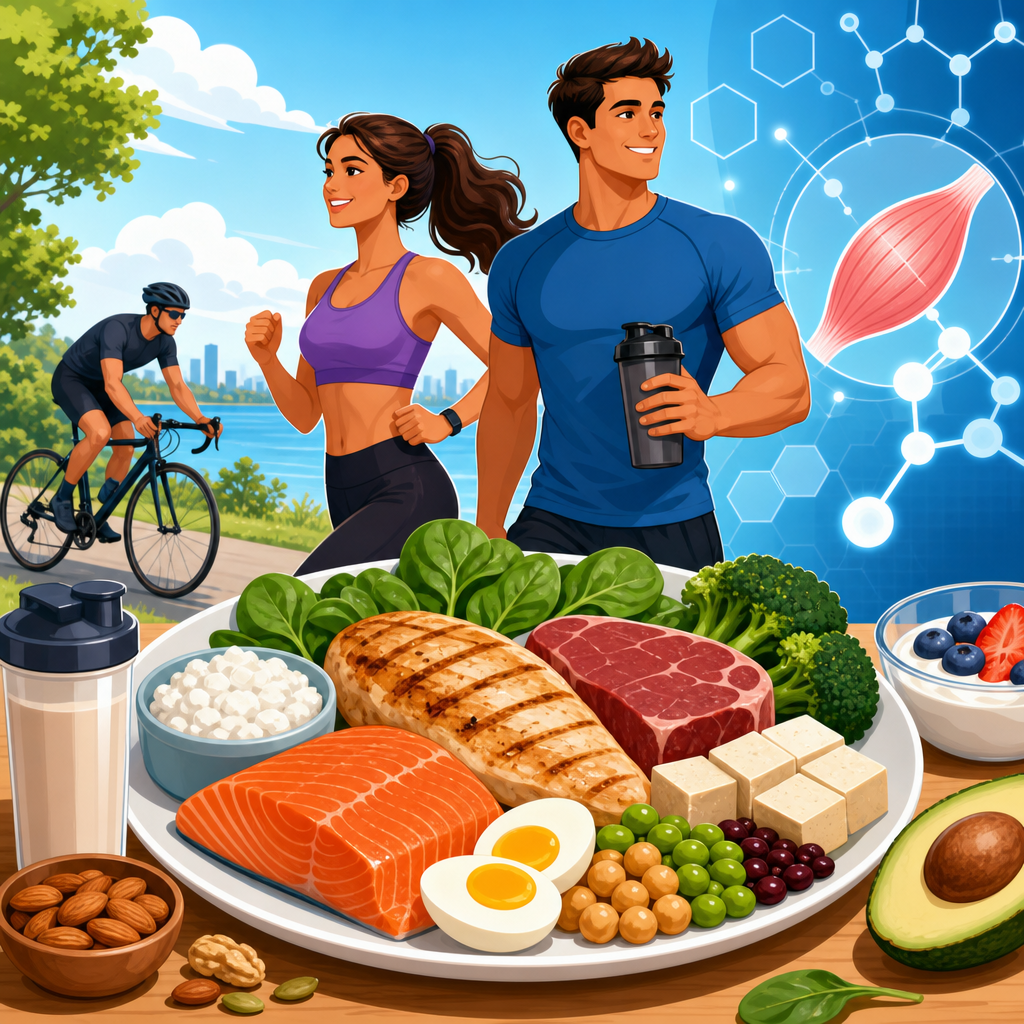
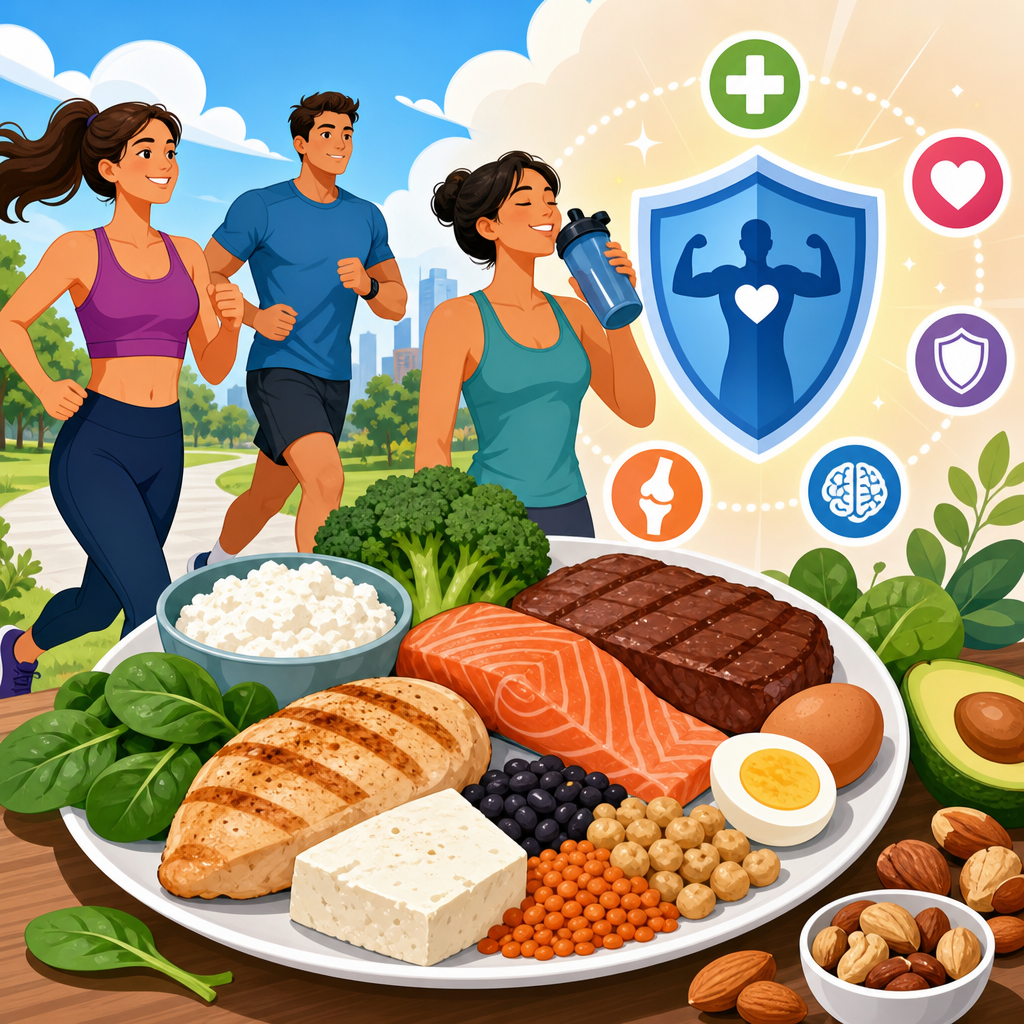
Intervention studies give a more precise answer: breakfast can be especially helpful when it improves appetite control and nutrient intake. A protein-rich breakfast, often in the range of twenty to thirty grams of protein, has been shown to reduce hunger and may lower later snacking in some people. This is one reason eggs, Greek yogurt, skyr, cottage cheese, and soy-based breakfasts outperform sugary cereals or toast alone. In practice, I find that clients who switch from a refined-carb breakfast to one centered on protein and fiber usually report fewer cravings by midmorning.
Cognitive performance is another important benefit, particularly for children, adolescents, and adults with demanding morning work. Studies suggest breakfast can support memory, attention, and task efficiency, especially when the meal prevents hunger and avoids a large spike and crash in blood glucose. That does not require specialty foods. Oatmeal with milk and berries, yogurt with nuts, or eggs with whole grain toast can all provide a steadier energy curve than a pastry and sweet coffee.
Breakfast also supports exercise recovery and training quality when scheduled well. If someone exercises early, even a small pre-workout option such as a banana with peanut butter or yogurt with fruit can improve comfort and performance. After training, adding protein and carbohydrates helps replenish glycogen and supports muscle repair. For older adults, this matters even more because evenly distributing protein across meals is associated with better muscle maintenance over time.
How to build a quick healthy breakfast
The fastest way to create a healthy breakfast is to use a repeatable formula instead of searching for new recipes every morning. Aim for a protein source, a fiber-rich carbohydrate, produce when possible, and optional healthy fat. This structure keeps the meal satisfying without making it complicated. For many adults, a practical calorie range is roughly three hundred to five hundred calories, though needs vary by body size, activity level, and whether breakfast follows exercise.
A good rule is to target at least fifteen to twenty grams of protein for a standard breakfast and twenty to thirty grams if you struggle with hunger. Pair that with five or more grams of fiber. Those two numbers alone eliminate many weak breakfast choices. For example, flavored toaster pastries, muffins, and sugar-heavy granola bars may be quick, but they rarely deliver enough protein or fiber to sustain energy. By contrast, overnight oats made with milk, chia seeds, and Greek yogurt can reach both targets with little effort.
Texture and portability matter more than people admit. If breakfast is awkward to carry or eat, it will not become a habit. That is why wraps, jars, smoothies, egg muffins, and yogurt bowls work so well in meal planning. They can be prepared in batches, portioned clearly, and adjusted for preferences. They also make it easier to link this breakfast hub to specific recipe pages such as overnight oats variations, high-protein smoothies, freezer breakfast burritos, and egg-based meal prep ideas.
| Breakfast option | Typical build | Main benefit | Best for |
|---|---|---|---|
| Greek yogurt bowl | Greek yogurt, berries, oats, nuts | High protein with no cooking | Busy mornings |
| Overnight oats | Oats, milk, chia, fruit, yogurt | Fiber-rich and prep-friendly | Meal planners |
| Egg wrap | Eggs, whole grain tortilla, spinach | Portable savory option | Commuters |
| Smoothie | Milk, fruit, protein source, seeds | Fast and easy to digest | Early exercisers |
| Toast combo | Whole grain toast, nut butter, fruit | Simple pantry breakfast | Minimal prep |
Hydration is the final piece. Many people confuse low energy with dehydration, especially after waking. Water, milk, unsweetened tea, or coffee can all fit. Coffee is not a breakfast by itself, but paired with protein and fiber it can be part of a productive routine. If caffeine causes jitters, eat first or choose a lower-acid option. Small adjustments like these often matter more than elaborate recipes.
Best quick breakfast ideas for different routines
For workdays, the strongest options are those that require fewer than five minutes. Greek yogurt topped with frozen berries and walnuts is a staple because it offers protein, polyphenol-rich fruit, and fats that improve satiety. Cottage cheese with pineapple and pumpkin seeds works similarly and adds calcium. If you prefer warm breakfasts, microwave oatmeal with milk, chia seeds, cinnamon, and sliced banana is one of the most evidence-backed combinations for heart health and fullness because oats provide beta-glucan, a soluble fiber linked to improved cholesterol management.
For commuters, handheld breakfasts reduce friction. A whole grain tortilla filled with scrambled eggs, black beans, and salsa delivers protein and fiber in one package. Make several burritos on Sunday, wrap them individually, and freeze. Reheat in a paper towel for a practical weekday solution. Another effective option is egg muffins baked with vegetables and cheese. They portion well, reheat quickly, and help use leftover produce before it spoils.
For families, choose breakfasts that can be customized at the table. Oatmeal bars, yogurt parfait stations, and toast boards with peanut butter, sliced fruit, and boiled eggs work because children can pick flavors without changing the nutrition framework. In school-age kids, breakfast is associated with better morning attention and lower likelihood of overeating later. The challenge is not complexity; it is consistency. Keeping the same core ingredients on hand often solves the problem better than chasing novelty.
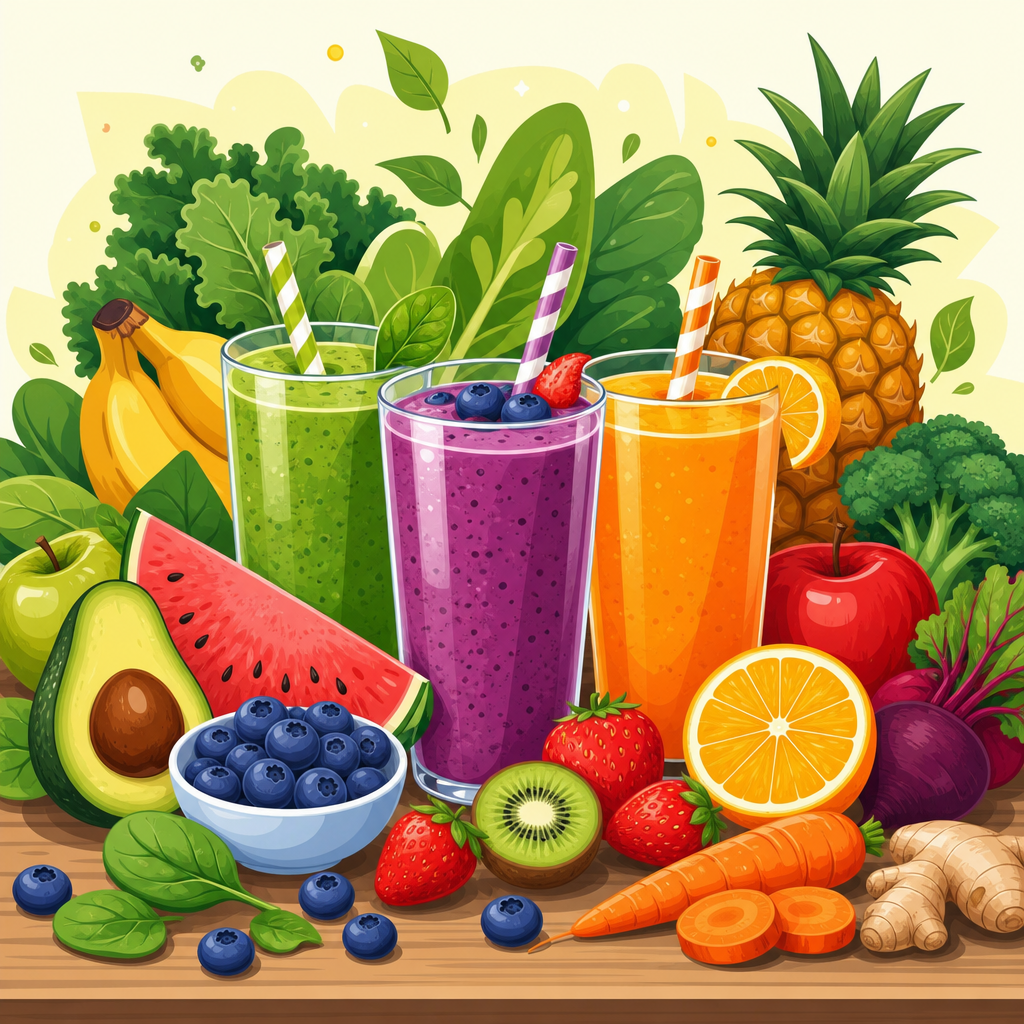
For plant-based eaters, tofu scrambles, soy yogurt bowls, chia pudding, and fortified soy milk smoothies can all provide substantial protein. The common mistake is relying only on fruit and almond milk, which may look healthy but often lacks protein and can leave hunger unresolved. A better smoothie includes soy milk, silken tofu or soy yogurt, berries, oats, and flaxseed. That combination supports fullness and adds omega-3 fats, fiber, and micronutrients.
For athletes or highly active adults, breakfast should reflect training demands. Before a hard session, lower-fiber foods such as toast with banana or a small yogurt may feel better. After exercise, combine carbohydrates and high-quality protein within a few hours. A breakfast sandwich on whole grain bread with eggs and fruit, or oats with whey or soy protein stirred in, can meet that goal efficiently. Performance nutrition is not about perfect timing alone; it is about repeatable fueling that supports training quality and recovery.
Meal planning strategies that make breakfast sustainable
The best breakfast plan is one you can execute half-awake on a Wednesday. That usually means reducing decisions, shopping intentionally, and using components across multiple meals. I recommend choosing three breakfast templates per week: one no-cook option, one freezer option, and one hot breakfast. This prevents boredom without creating a complicated prep system. For example, you might rotate overnight oats, freezer egg burritos, and avocado toast with boiled eggs.
Batch prep works because breakfast portions are predictable. Cook a tray of baked oatmeal, portion yogurt cups with fruit, wash berries, boil eggs, and freeze sliced bread so nothing goes stale. If mornings are chaotic, store breakfast at eye level in the refrigerator. Behavioral nutrition research consistently shows that convenience and visibility influence food choice. People eat what is easiest to reach.
Budget matters too. Healthy breakfast ideas do not need expensive powders or specialty products. Oats, eggs, bananas, peanut butter, frozen fruit, plain yogurt, whole grain bread, and beans remain some of the most cost-effective foods in the supermarket. Buying plain rather than flavored yogurt reduces added sugar and often lowers cost. Frozen berries are usually cheaper than fresh out of season and retain most of their nutritional value because they are frozen soon after harvest.
Finally, watch for hidden sugar in cereals, coffee drinks, and packaged bars marketed as healthy. A useful screen is to compare protein and fiber against added sugar. If a breakfast has ten grams of added sugar but only two grams of fiber and four grams of protein, it is unlikely to keep you full. Labels are not everything, but they are a practical tool when time is short. Over time, these small planning habits make breakfast automatic rather than aspirational.
Common breakfast mistakes and how to fix them
The most common mistake is choosing a breakfast built almost entirely from refined carbohydrates. White bagels, pastries, sweet cereal, and juice can digest quickly and leave people hungry soon after. The fix is simple: add or swap in protein and fiber. Turn toast into toast plus eggs. Turn cereal into high-fiber cereal with milk and nuts. Turn juice into whole fruit. These changes improve satiety without requiring a full kitchen overhaul.
A second mistake is assuming healthy means low-calorie. Breakfast that is too small can backfire, especially for active people or those prone to snacking. An apple alone is not a complete breakfast. Neither is coffee and a protein bar if the bar is mostly syrup. Balanced meals support steadier energy because they combine nutrients that digest at different rates. This is why a modest but complete breakfast usually works better than a tiny one followed by cravings.
Another issue is rigidity. Some people think breakfast must be traditional, but leftovers can be excellent. Lentil soup, a turkey sandwich, or rice with tofu and vegetables can all serve as breakfast if they fit your appetite and culture. The body does not require breakfast foods at breakfast time. What it benefits from is adequate nutrition delivered consistently.
Quick healthy breakfast ideas are most useful when they are realistic, nutrient-dense, and easy to repeat. Science shows that a well-composed breakfast can improve diet quality, support appetite control, and help many people think and perform better during the morning. The strongest choices combine protein, fiber-rich carbohydrates, and healthy fats, whether that looks like overnight oats, eggs on whole grain toast, a yogurt bowl, or a smoothie built with intention.
As the hub for breakfast recipes and meal planning, this guide provides the framework behind every effective option: keep preparation simple, match the meal to your schedule, and stock ingredients that make the healthy choice the easy choice. Not everyone needs the same breakfast, and skipping breakfast is not automatically unhealthy, but most people benefit from having a fast, balanced morning default ready to go.
Start with one change this week. Pick two reliable breakfasts, shop for the ingredients, and repeat them until the routine feels automatic. From there, explore more targeted recipe ideas for high-protein breakfasts, make-ahead breakfasts, family breakfasts, and budget breakfast meal prep to build a morning plan that supports your health every day.
Frequently Asked Questions
What makes a breakfast both quick and healthy?
A quick and healthy breakfast is one that gives you meaningful nutrition without requiring much time, planning, or cleanup. In practice, that usually means combining protein, fiber-rich carbohydrates, and some healthy fat in a simple format you can repeat on busy mornings. Good examples include Greek yogurt with berries and oats, eggs with whole-grain toast, a smoothie made with fruit, milk or soy milk, and nut butter, or overnight oats with chia seeds. These meals are fast because they rely on staple ingredients, and they are healthy because they help support steady energy, fullness, and better food choices later in the day.
Science supports this balanced approach. Protein can help reduce hunger and improve satiety, fiber slows digestion and supports blood sugar control, and healthy fats add staying power to the meal. A breakfast built around only refined carbohydrates, such as sugary cereal or pastries, may give a quick burst of energy but often does not keep people satisfied for long. On the other hand, a practical breakfast does not need to be large or complicated to be effective. The goal is not perfection. The goal is a reliable meal pattern that helps you start the day with nourishment instead of scrambling for convenience foods later.
Does eating breakfast really help with energy and concentration?
For many people, yes. Breakfast can support energy and mental performance by providing fuel after the overnight fast. The brain depends heavily on a steady supply of glucose, and while the body is very capable of maintaining blood sugar, going too long without eating can leave some people feeling sluggish, distracted, irritable, or overly hungry. A balanced breakfast may help smooth that transition into the day, especially for people with demanding schedules, early workouts, long commutes, or intense morning work that requires focus.
Research on breakfast and cognition is not always identical across all populations, but there is good reason to believe that a nutritious morning meal can help support attention, memory, and task performance, particularly when compared with skipping breakfast or choosing foods high in added sugar and low in protein. In real life, this often shows up as fewer energy crashes and less mindless snacking before lunch. The key is meal quality. A breakfast with protein, fiber, and minimally processed carbohydrates tends to deliver more stable energy than something that is mostly sugar. If you want breakfast to work for concentration, think eggs, yogurt, oats, fruit, nuts, cottage cheese, or whole grains rather than relying on sweet baked goods or energy drinks alone.
Is skipping breakfast bad for everyone?
No. Skipping breakfast is not automatically unhealthy for every person, and nutrition science does not support a one-size-fits-all rule. Some people feel and function perfectly well eating later in the day, while others notice clear downsides when they miss breakfast, such as poor concentration, stronger cravings, overeating later, or low energy. What matters most is the overall pattern: your hunger cues, your schedule, your health goals, and the quality of the foods you eat across the full day.
That said, many people benefit from a simple breakfast because it creates structure and reduces the chance of defaulting to ultra-processed convenience foods later. In nutrition practice, one of the most consistent patterns is that people who skip breakfast unintentionally often do not compensate with especially nutritious choices. Instead, they may arrive at mid-morning overly hungry and grab pastries, sweet coffee drinks, chips, or vending machine snacks. For those individuals, breakfast can be a useful tool for appetite management and better decision-making. If you dislike large meals early in the morning, breakfast can still be small. A banana with peanut butter, a boiled egg and fruit, or a yogurt cup may be enough to help bridge the gap without forcing a heavy meal.
What are the best quick breakfast ideas if I want to stay full longer?
If fullness is your main goal, prioritize protein first, then add fiber and healthy fat. This combination tends to digest more slowly and helps regulate appetite better than a breakfast based mostly on refined carbohydrates. Strong options include Greek yogurt with chia seeds and berries, cottage cheese with fruit and walnuts, scrambled eggs with avocado on whole-grain toast, overnight oats made with milk and nuts, or a smoothie with protein-rich ingredients such as Greek yogurt, kefir, soy milk, or protein powder plus fruit and flaxseed. These meals are still quick, but they do more work for you nutritionally.
There is a practical reason these breakfasts are effective: they reduce the “hungry again in an hour” problem. Protein influences satiety hormones, fiber adds bulk and slows digestion, and fat improves meal satisfaction. By contrast, breakfasts like a plain muffin, toaster pastry, or sugar-sweetened cereal may be easy to grab but often leave people wanting more soon after. If you find yourself snacking constantly before lunch, breakfast composition is worth reviewing. Even small changes can help, such as adding nuts to oatmeal, choosing higher-protein yogurt, switching white toast to whole grain, or pairing fruit with eggs instead of eating fruit alone. The best breakfast for fullness is not necessarily the biggest one. It is the one built with enough nutritional substance to carry you through the morning.
How can I make breakfast a consistent habit when mornings are busy?
The most effective strategy is to make breakfast easy enough that it does not rely on motivation. Consistency usually comes from reducing decisions, keeping ingredients visible, and using repeatable meal templates. Instead of trying a different breakfast every day, choose two or three options that fit your taste, schedule, and budget. For example, you might rotate between overnight oats, egg muffins, and yogurt with fruit and granola. If mornings are especially rushed, assemble breakfast the night before or keep grab-and-go basics stocked, such as hard-boiled eggs, string cheese, fruit, whole-grain crackers, pre-portioned nuts, or ready-to-blend smoothie packs.
It also helps to redefine what breakfast “should” look like. It does not need to be a traditional cooked meal. A practical combination of protein, fiber, and healthy fat is enough. That can be as simple as toast with nut butter and banana, a kefir drink with oats, or leftovers from dinner if they are balanced and appealing. Science tells us that regular eating patterns can support appetite regulation and dietary quality, but habits only stick when they are realistic. Start small, aim for consistency rather than variety, and build a breakfast routine around foods you genuinely enjoy. When breakfast is simple, balanced, and repeatable, it becomes much easier to maintain over time.