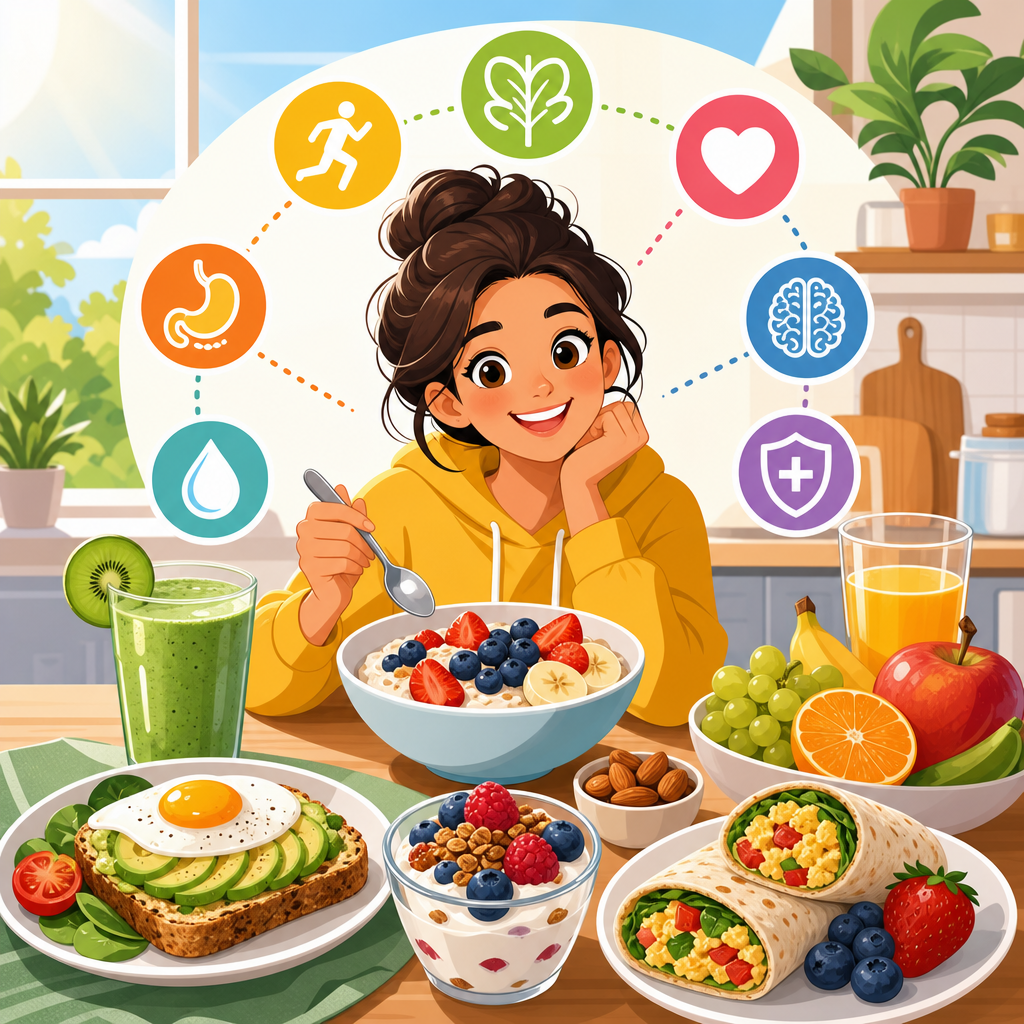
Quick & healthy breakfast ideas matter because the first meal of the day influences energy, appetite, concentration, and overall diet quality. In practical nutrition terms, a healthy breakfast usually combines protein, fiber-rich carbohydrates, and unsaturated fat in portions that fit a person’s schedule and calorie needs. A quick breakfast is one that can be assembled, cooked, or packed in roughly five to fifteen minutes, or prepared ahead so the morning workload is minimal. That definition is important, because many people skip breakfast not from lack of interest in nutrition, but because weekday mornings are crowded with commuting, school drop-offs, exercise, and work.
When I help families and busy professionals improve meal planning, breakfast is often the first place we can make measurable progress. People tend to default to ultra-processed pastries, sugar-heavy cereal, or coffee alone, then wonder why they feel hungry by midmorning. A better approach is to build repeatable options that are fast, affordable, and satisfying. Research consistently links regular breakfast patterns with better micronutrient intake, higher fiber consumption, and improved satiety, although the ideal timing and size of breakfast still depend on the individual. Someone doing early endurance training may need more carbohydrates, while someone with a desk job may do better with a protein-forward meal.
This hub article explains quick & healthy breakfast ideas in a practical way so you can choose meals that support better nutrition without adding stress. It covers what makes a breakfast balanced, how to match breakfast to different goals, which staple ingredients save time, and where convenience foods can fit without undermining health. It also serves as a foundation for deeper recipe and meal-planning guides within the broader Recipes & Meal Planning topic. If you understand the key building blocks, you can rotate dozens of breakfast combinations from the same short grocery list and avoid the cycle of skipping meals, overeating later, and relying on impulse snacks.
What makes a breakfast healthy and filling
A healthy breakfast is not defined by one trendy ingredient or a strict rule about eating immediately after waking. It is defined by nutritional balance, satiety, and consistency. The most reliable formula is simple: include 20 to 30 grams of protein, a meaningful source of fiber, and enough total food volume to keep you full for several hours. Protein supports muscle maintenance and slows digestion. Fiber improves fullness and digestive health. Pairing both with minimally processed carbohydrates and healthy fats creates steadier energy than refined starch alone.
Examples make this easier to apply. Greek yogurt with berries, chia seeds, and oats delivers protein, fiber, and calcium in one bowl. Eggs on whole-grain toast with avocado and tomato provide protein, complex carbohydrates, potassium, and monounsaturated fat. Overnight oats made with milk, soy beverage, or skyr can be adjusted for higher protein by adding protein powder, hemp seeds, or nut butter. Even a smoothie can work if it is built properly; fruit alone is rarely enough, but fruit plus yogurt, tofu, oats, and flaxseed creates a more complete meal.
Portion balance matters as much as ingredient choice. Many fast breakfasts fail because they are too small, too low in protein, or mostly sugar. A muffin and coffee may provide quick calories, but it often digests rapidly and leads to another purchase before lunch. By contrast, cottage cheese with fruit and walnuts or a breakfast burrito with eggs and black beans tends to hold people longer. In my experience, hunger at 10 a.m. is usually a design problem, not a willpower problem. The meal needed more protein, more fiber, or simply more substance.
Best quick breakfast categories for busy mornings
The easiest way to sustain better breakfast habits is to organize options by format rather than by individual recipe. Most successful quick breakfasts fall into a few repeatable categories: bowls, toast-based meals, egg-based meals, handheld wraps, smoothies, and make-ahead baked items. Once people see breakfast as a set of templates, not a daily reinvention, meal planning becomes much easier.
Bowls are among the most flexible choices. Yogurt bowls, oatmeal bowls, cottage cheese bowls, and chia puddings can all be assembled in minutes. They work well for households because each person can customize toppings such as berries, banana, pumpkin seeds, or granola. Toast-based breakfasts are equally efficient. Whole-grain bread topped with peanut butter and sliced apple, ricotta and fruit, hummus and cucumber, or smashed avocado and egg can be finished in under ten minutes. The nutritional quality depends on the toppings, not the toast itself.
Egg-based meals remain one of the most practical high-protein options. Scrambled eggs with spinach, microwave egg mugs, mini egg muffins, and hard-boiled eggs paired with fruit all fit a busy schedule. Handheld wraps are especially useful for commuters. A whole-grain tortilla filled with eggs, beans, salsa, and cheese can be made in batches and frozen. Smoothies are best when time is extremely limited, but they should include a protein source and enough fiber to avoid becoming a sugary drink. Make-ahead baked items such as oat cups or bran muffins can also work well if they are formulated with whole grains and less added sugar than typical bakery products.
| Breakfast type | Typical prep time | Main nutrition strengths | Good example |
|---|---|---|---|
| Yogurt or oat bowl | 5 minutes | Protein, fiber, calcium | Greek yogurt, oats, berries, chia |
| Toast-based meal | 5 to 8 minutes | Flexible carbs, healthy fats, added produce | Whole-grain toast with avocado and egg |
| Egg-based breakfast | 7 to 10 minutes | High protein, choline, satiety | Scrambled eggs with spinach and toast |
| Smoothie | 5 minutes | Portable, customizable, produce intake | Berry smoothie with yogurt, oats, flax |
| Make-ahead wrap or muffin | Batch prep, 1 to 2 minute reheat | Convenience, portion control, consistency | Frozen breakfast burrito with eggs and beans |
Protein, fiber, and healthy fats: the core nutrients
If you want better nutrition from breakfast, start with the nutrients that most directly affect fullness and diet quality. Protein is the anchor. Eggs, Greek yogurt, skyr, cottage cheese, tofu, milk, soy milk, cheese, smoked salmon, turkey, protein powder, and legumes all help raise breakfast quality. For many adults, 20 grams is a practical minimum target for a satisfying morning meal, and 25 to 30 grams often works even better for active people or anyone trying to manage appetite.
Fiber is the second priority. Oats, berries, apples, pears, whole-grain breads, bran cereal, beans, chia seeds, flaxseed, and nuts improve both satiety and digestive health. The daily fiber target is commonly around 25 grams for women and 38 grams for men, yet most people fall short. Breakfast is one of the easiest opportunities to close that gap. Oatmeal with chia and raspberries can contribute a substantial amount before the workday even starts.
Healthy fats play a supporting role. They slow gastric emptying, improve flavor, and help absorb fat-soluble vitamins. Avocado, nuts, seeds, and nut butters are especially useful because they pair well with both sweet and savory breakfasts. The key is moderation, since calorie density rises quickly. One tablespoon of peanut butter or a small handful of walnuts adds nutrition and staying power; several large spoonfuls can turn a balanced meal into an unexpectedly heavy one. In practice, the most effective breakfasts do not eliminate any macronutrient. They combine them intelligently for satiety, nutrient density, and convenience.
Smart ingredient staples that save time all week
Quick & healthy breakfast ideas depend less on complicated recipes than on a reliable set of staple ingredients. In my own meal-planning work, the households that eat better breakfasts are usually the ones that stock smart defaults. Their kitchens contain at least two protein options, two fruit options, a whole-grain base, and one or two healthy fat add-ons every week. That structure eliminates decision fatigue and reduces expensive last-minute food runs.
Useful refrigerated staples include eggs, plain Greek yogurt, cottage cheese, milk or fortified soy beverage, washed greens, berries, pre-cut fruit, and a block of firm tofu. In the pantry, keep rolled oats, chia seeds, flaxseed, peanut or almond butter, whole-grain bread, high-fiber cereal, canned beans, nuts, and low-sugar granola. In the freezer, store fruit for smoothies, whole-grain waffles, spinach, and batch-cooked breakfast burritos or egg muffins. These ingredients support multiple combinations without waste.
For example, a single container of Greek yogurt can become three different breakfasts: yogurt with fruit and seeds, a smoothie base, or a topping for overnight oats. A loaf of whole-grain bread can be used for avocado toast, nut butter toast, or breakfast sandwiches. Oats can become hot oatmeal, overnight oats, or blended baked oats. This is why breakfast meal planning works so well within a broader recipe system. The same ingredients can also support snacks and lunches, which makes grocery spending more efficient and keeps healthy food visible and easy to use.
How to choose the right breakfast for your goal
The best breakfast depends on the outcome you want. For weight management, aim for meals high in protein and fiber with controlled added sugar. Greek yogurt with berries and walnuts, vegetable eggs with toast, or cottage cheese with fruit are reliable choices because they promote fullness without excessive calories. For muscle gain or post-workout recovery, increase protein and total carbohydrates. A breakfast burrito with eggs and beans, overnight oats with milk and protein powder, or toast with eggs plus fruit works well after training.
For blood sugar stability, focus on slower-digesting carbohydrates paired with protein and fat. Instead of sweet pastries or juice alone, choose steel-cut oats with nuts, eggs with whole-grain toast, or a smoothie built with yogurt, seeds, and whole fruit rather than fruit juice. People managing high cholesterol may benefit from soluble fiber sources such as oats, barley, chia, flax, beans, and fruit, while also emphasizing unsaturated fats from nuts and seeds. For kids and teens, the main priorities are consistency, adequate energy, and nutrients such as calcium, iron, and protein. A child who will not eat eggs may still do well with yogurt, fortified cereal, fruit, and milk.
There is also room for personal preference and cultural eating patterns. Some people truly feel better with savory breakfasts, while others prefer sweet foods. Some need portable options because they eat after arriving at work. Others practice early exercise and want something light before training, followed by a larger meal later. A strong breakfast plan respects these differences. It does not force one universal menu. It gives you adaptable templates that fit your body, schedule, and health priorities.
Common breakfast mistakes and how to fix them
The most common breakfast mistake is assuming that any food eaten in the morning is automatically healthy. Many marketed breakfast products are high in refined grains, sodium, or added sugar and low in protein. Flavored instant oatmeal packets, oversized coffee drinks, breakfast bars, and bakery muffins often create a health halo without delivering much satiety. The fix is to read labels and compare products by protein, fiber, and sugar per serving. A cereal with 3 grams of fiber and 12 grams of added sugar is very different from one with 8 grams of fiber and minimal added sugar.
Another mistake is overcomplicating preparation. People buy ingredients with good intentions, then abandon them because weekday execution is unrealistic. If your mornings are rushed, build around assembly-based breakfasts instead of stove-intensive recipes. Pre-portion smoothie packs, boil eggs ahead, wash fruit in advance, and store overnight oats in jars. Convenience is not a nutritional weakness; it is often the reason healthy habits survive.
Skipping breakfast entirely can also backfire for some people, especially if it leads to low energy, irritability, or overeating later. That said, not everyone needs breakfast at the same hour, and some adults genuinely prefer eating later. The practical question is not whether breakfast is morally good or bad. It is whether your current pattern supports adequate nutrient intake, stable energy, and sensible hunger levels. If the answer is no, quick & healthy breakfast ideas provide a straightforward way to improve the day.
Building a sustainable breakfast routine
A sustainable breakfast routine starts with repetition, not variety. Choose three to five breakfasts you genuinely like and rotate them. Keep one no-cook option, one portable option, one savory option, one sweet option, and one freezer backup. This small system covers most real-life mornings, from calm weekends to rushed weekdays. Once the routine is working, add variety through toppings and seasonal produce rather than replacing the whole structure.
Link breakfast planning to the rest of your weekly meal prep. When you shop for lunches and dinners, add breakfast staples intentionally. If you roast vegetables for dinner, reserve some for egg wraps. If you buy berries for snacks, use them in yogurt bowls. If you cook extra beans, save some for breakfast tacos. This kind of internal meal-planning logic reduces food waste and makes the subtopic of quick & healthy breakfast ideas far more practical than chasing isolated recipes.
The long-term benefit is better nutrition with less friction. A well-designed breakfast can improve fullness, support concentration, and help you meet daily targets for protein, fiber, calcium, and key vitamins. Just as important, it removes one recurring stress point from the morning. Start with one upgrade this week: stock better staples, prepare one make-ahead option, or replace a low-protein default with a more balanced meal. Small breakfast changes are easy to repeat, and repeated choices are what improve nutrition over time.
Frequently Asked Questions
What makes a breakfast both quick and healthy?
A breakfast is considered quick and healthy when it supports nutrition goals without taking much time to make. In practical terms, that usually means it can be assembled, cooked, packed, or reheated in about five to fifteen minutes, or prepared in advance so the morning routine stays simple. Nutritionally, a healthy breakfast often includes a balance of protein, fiber-rich carbohydrates, and unsaturated fat. This combination helps promote steadier energy, better fullness, and improved concentration compared with meals built mostly around refined carbohydrates or sugary foods.
For example, Greek yogurt with berries and oats, eggs with whole-grain toast and avocado, or a smoothie made with milk or soy milk, fruit, nut butter, and seeds can all fit the definition. These meals are fast, but they also provide a more complete nutrient profile than options such as pastries, sugary cereal, or skipping breakfast entirely. The key idea is not perfection but balance. A quick breakfast should be realistic for your schedule while still delivering enough nutrition to support appetite control, mood, and productivity during the morning.
Why is breakfast important for energy, appetite, and overall diet quality?
Breakfast matters because it can influence how a person feels and eats for the rest of the day. After an overnight fast, the body benefits from a meal that restores energy and provides nutrients needed for physical and mental tasks. A balanced breakfast may help improve alertness, support concentration, and reduce the likelihood of extreme hunger later in the morning. When people become overly hungry, they may be more likely to reach for convenient foods that are high in sugar, refined starch, or excess calories but low in fiber and protein.
Breakfast can also shape overall diet quality by creating an early opportunity to include foods that many people do not get enough of, such as fruit, whole grains, nuts, seeds, dairy or fortified alternatives, and protein-rich foods. In that way, breakfast is more than just a morning habit. It can be a strategic meal that helps spread nutrient intake more evenly across the day. That said, the best breakfast pattern still depends on individual needs, schedule, appetite, activity level, and medical considerations. What matters most is whether breakfast helps a person maintain steady energy and make better overall nutrition choices.
What are some easy healthy breakfast ideas that take only a few minutes?
There are many nutritious breakfasts that fit into a busy morning. Overnight oats are one of the simplest choices because they can be prepared the night before using oats, milk, yogurt, chia seeds, and fruit. Egg muffins or hard-boiled eggs paired with fruit and whole-grain toast are another dependable option. Greek yogurt bowls with berries, nuts, and a sprinkle of high-fiber cereal can be assembled in minutes. A smoothie made with fruit, leafy greens, protein-rich milk or yogurt, and nut butter works well for people who prefer to drink breakfast or need something portable.
Other practical ideas include cottage cheese with fruit and seeds, peanut butter on whole-grain toast with banana, a breakfast wrap with scrambled eggs and vegetables, or a make-ahead chia pudding. Even leftovers can work if they provide balanced nutrition. The most effective quick breakfasts usually follow a simple formula: include a protein source, add a fiber-rich carbohydrate, and finish with a healthy fat if needed. This framework makes it easier to build satisfying meals from everyday foods rather than relying on highly processed convenience products that may be less filling and less nutritious.
How can I build a balanced breakfast if I am trying to manage calories or stay full longer?
A balanced breakfast for calorie awareness and fullness starts with choosing foods that offer high nutritional value relative to their portion size. Protein is especially important because it tends to be more satisfying than refined carbohydrates alone. Good options include eggs, Greek yogurt, cottage cheese, milk, fortified soy products, nut butter, or protein-rich leftovers. Pairing protein with fiber-rich carbohydrates such as oats, whole-grain bread, fruit, or vegetables can help slow digestion and support more consistent energy. Adding a moderate amount of unsaturated fat from nuts, seeds, avocado, or olive oil can further improve satiety.
Portion size still matters, so it helps to match breakfast to your hunger level, daily energy needs, and activity pattern. A person with a physically demanding job may need a larger breakfast than someone with a lighter morning routine. If staying full is the goal, focus less on cutting all calories and more on limiting foods that digest quickly and leave you hungry soon after eating, such as sweet pastries, sugary coffee drinks, or refined breakfast bars. A meal like oatmeal with Greek yogurt and berries or eggs with vegetables and whole-grain toast often provides better satisfaction and appetite control than a breakfast with similar calories but less protein and fiber.
Is it better to prepare breakfast ahead of time, and what foods work best for meal prep?
Preparing breakfast ahead of time is often one of the best strategies for making healthy choices consistent. When breakfast is already planned, assembled, or cooked in advance, there is less pressure during rushed mornings and less temptation to skip the meal or choose less nutritious convenience foods. Meal prep can also improve portion control, reduce food waste, and make it easier to include a reliable mix of protein, fiber, and healthy fats throughout the week.
The best make-ahead breakfast foods are those that store well, reheat easily, or can be eaten cold. Strong options include overnight oats, chia pudding, egg muffins, hard-boiled eggs, homemade breakfast sandwiches, cooked oatmeal portions, yogurt cups with fruit and nuts packed separately, and freezer-friendly burritos with eggs, beans, and vegetables. Smoothie packs are also useful because ingredients can be portioned into freezer bags and blended quickly in the morning. To keep meal-prepped breakfasts nutritious, choose minimally processed ingredients when possible and watch added sugars in flavored yogurts, cereals, and packaged bars. A good make-ahead breakfast should save time while still giving your body meaningful fuel for the day ahead.