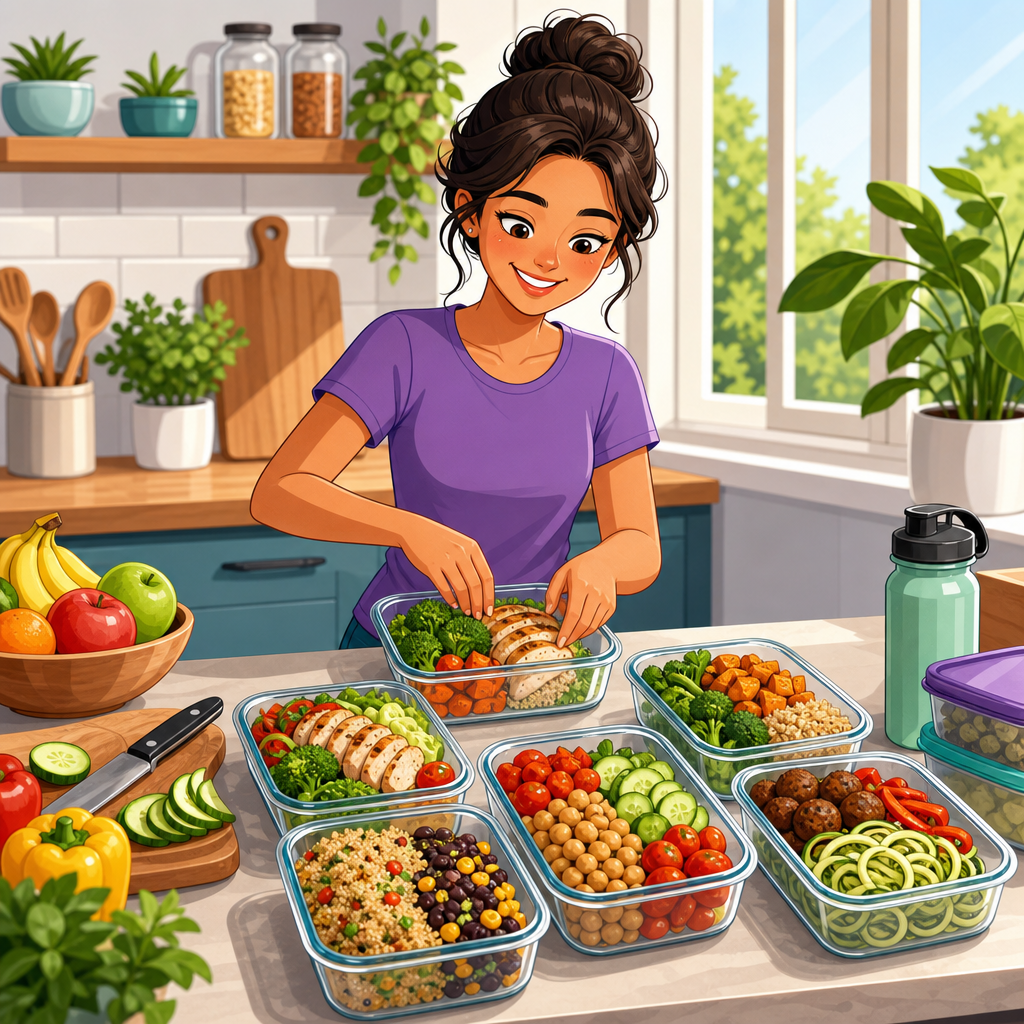
Choosing the best sources of budget-friendly healthy eating for optimal health starts with a simple truth: nutritious food does not have to be expensive, but it does require smart sourcing, planning, and realistic habits. Budget-friendly healthy eating means getting the most nutritional value for the least cost without relying on ultra-processed convenience foods that often look cheap at checkout but cost more in health over time. In practical terms, that means prioritizing foods with high nutrient density, strong satiety, reasonable shelf life, and flexibility across multiple meals. I have built meal plans for families, students, and busy professionals, and the same pattern shows up repeatedly: the households that eat well on less money are not necessarily buying specialty products, but they are consistently choosing dependable food sources, comparing unit prices, and using ingredients with minimal waste. This matters because food inflation, chronic disease risk, and time pressure all push people toward short-term decisions. A strong budget-friendly healthy eating strategy protects both finances and health by making good choices easier, repeatable, and scalable week after week.
At the center of this topic are several key ideas. Nutrient density refers to how many beneficial nutrients a food provides relative to its calories and cost. Cost per serving is more useful than sticker price, because a large tub of oats may seem expensive compared with a pastry, yet it delivers many more breakfasts at a lower price per meal. Meal planning is the system of deciding what to buy, cook, store, and repurpose so that food gets eaten instead of wasted. Food sourcing means where those ingredients come from: supermarkets, discount grocers, warehouse clubs, ethnic markets, farmers markets, frozen aisles, canned goods sections, or home-cooked staples made in batches. As a hub within recipes and meal planning, this article connects those sources into one framework so readers can build shopping lists, choose practical ingredients, and support long-term health without overspending.
What budget-friendly healthy eating actually looks like
Budget-friendly healthy eating is not a single diet, a stack of coupons, or a pantry full of deprivation foods. It is a repeatable pattern built around inexpensive staples, strategic protein choices, affordable produce, and planned leftovers. The healthiest low-cost plate usually includes four categories: a whole grain or starchy base, a protein source, vegetables or fruit, and a healthy fat used in modest amounts. Examples include oatmeal with peanut butter and banana, lentil soup with carrots and onions, rice bowls with beans and frozen vegetables, baked potatoes topped with Greek yogurt and broccoli, or pasta with tomato sauce, chickpeas, and spinach. These meals work because they combine fiber, protein, and micronutrients while keeping ingredient costs under control.
In my experience, people often overspend when they shop by recipe alone instead of by staple system. A staple system starts with foods that appear across many meals: oats, rice, eggs, beans, canned tomatoes, yogurt, onions, potatoes, carrots, frozen berries, whole grain pasta, and chicken thighs or tofu. Once these are in place, recipes become easier and cheaper because each new meal uses ingredients already on hand. This approach also improves health outcomes because staples make balanced meals more likely than random purchases driven by cravings or promotions. If you want one benchmark, aim for most meals to contain at least one high-fiber carbohydrate, one meaningful protein source, and one produce item.
Best food sources for affordable nutrition
The best sources of budget-friendly healthy eating are the ones that consistently deliver nutrition, shelf stability, and versatility. Dry beans, lentils, oats, brown rice, potatoes, eggs, plain yogurt, canned fish, frozen vegetables, seasonal fruit, peanut butter, and canned tomatoes remain among the highest-value foods available. Beans and lentils are especially strong because they provide protein, fiber, iron, folate, and slow-digesting carbohydrates for pennies per serving. Oats supply soluble fiber that supports cholesterol management. Potatoes are frequently underrated; they are rich in potassium, vitamin C, and satiety when baked or boiled rather than deep-fried. Eggs offer complete protein and several B vitamins at a manageable cost in many markets. Frozen vegetables are often nutritionally comparable to fresh because they are processed soon after harvest.
Where should you buy these foods? Discount grocers often offer the lowest everyday prices on staples, while warehouse clubs can reduce the cost per unit for households that will actually use bulk quantities before spoilage. Ethnic markets are one of the most reliable places to find affordable rice, beans, lentils, herbs, spices, tofu, and produce. Standard supermarkets vary widely, but store brands are frequently produced to similar standards as national brands and can offer substantial savings. Farmers markets can be cost-effective when shopping seasonally near closing time, though they are not universally cheaper. Canned foods also deserve a place here. No-salt-added beans, tuna, salmon, tomatoes, and pumpkin provide convenience and reduce waste, which is a hidden but significant part of food cost.
| Food source | Best budget buys | Main health benefit | Money-saving advantage |
|---|---|---|---|
| Discount grocer | Store-brand oats, eggs, frozen vegetables, canned beans | Balanced staples for daily meals | Low everyday pricing |
| Warehouse club | Rice, yogurt, frozen fruit, nut butter, chicken | High-volume basics with good nutrition | Lower unit cost when used fully |
| Ethnic market | Lentils, spices, tofu, produce, bulk grains | Variety and minimally processed ingredients | Excellent pricing on staples |
| Supermarket | Store-brand dairy, canned fish, seasonal produce | Broad access to complete meal components | Convenient one-stop shopping |
| Frozen and canned aisles | Vegetables, berries, tomatoes, beans, fish | Nutrients with long shelf life | Reduces spoilage and waste |
How to judge value beyond the price tag
The cheapest food is not always the best value, and the most expensive healthy food is often unnecessary. To judge value correctly, compare unit price, edible yield, protein or fiber per serving, and expected waste. A bagged salad may look healthy, but if half of it wilts before use, the effective cost doubles. A whole cabbage can produce many servings of slaw, stir-fry, soup, or roasted vegetables with very little waste. Boneless skinless chicken breast is popular, but chicken thighs are often cheaper, more forgiving to cook, and still fit a healthy meal plan when portions are appropriate. Similarly, dry beans are cheaper than canned beans, but canned beans may be the better value for people who otherwise resort to takeout because they forgot to soak and cook legumes.
Nutrition labels and shelf tags help here. Cost per 100 grams or per ounce allows apples-to-apples comparisons across package sizes. Ingredient lists reveal whether a “healthy” snack is mostly refined flour and added sugar. Satiety matters too. A sugary cereal may seem inexpensive, but if it fails to keep someone full and leads to snacking before lunch, the real daily cost rises. One of the most useful habits I teach is building a short list of value anchors: ten to fifteen foods your household buys repeatedly because they deliver strong nutrition at a dependable price. Once you know your anchors, promotions become easier to evaluate. If canned salmon drops below its usual price, stock up. If berries are expensive fresh, switch to frozen without hesitation.
Meal planning strategies that lower costs and improve health
Meal planning is the bridge between good intentions and affordable healthy eating. Without a plan, even well-chosen ingredients can become waste. Start with a weekly structure rather than seven unrelated recipes. For example, choose two breakfasts, two lunches, three dinners, and one snack pattern. Then repeat and repurpose. A pot of lentil chili can become dinner the first night, a baked potato topping the second night, and a freezer meal later in the week. Roast extra vegetables once, then use them in grain bowls, omelets, and wraps. Cook a batch of rice or quinoa for several meals. This method lowers both cost and decision fatigue.
There is also a sequencing advantage. Use the most perishable produce first, such as leafy greens, berries, herbs, and mushrooms. Save hardy vegetables like carrots, cabbage, onions, and potatoes for later in the week. Keep one “use it up” meal on the schedule, such as soup, stir-fry, fried rice, or frittata. These formats absorb leftovers efficiently and reduce spoilage. For families, theme nights help: bean tacos, pasta night, soup night, sheet-pan dinner night. For single-person households, batch cooking and freezing individual portions can prevent the common cycle of buying fresh ingredients with good intentions and then ordering takeout when schedules shift. Healthy eating on a budget becomes sustainable when the plan respects real life rather than idealized routines.
Building a smart shopping list for a sub-pillar healthy eating hub
As a hub for recipes and meal planning, budget-friendly healthy eating should direct readers toward a practical shopping list framework they can adapt. The strongest budget list is built by category, not by aisle temptation. Start with proteins: eggs, beans, lentils, tofu, yogurt, canned fish, and one versatile animal protein if desired. Add carbohydrates and grains: oats, rice, whole grain bread, pasta, tortillas, and potatoes. Then add produce with a mix of fresh and frozen items, prioritizing seasonal fruit and hardy vegetables. Finish with flavor builders and fats: olive oil, peanut butter, garlic, onions, spices, vinegar, and canned tomatoes. This framework supports breakfasts, packed lunches, soups, grain bowls, curries, casseroles, and simple skillet meals.
Real-world examples make the system concrete. A low-cost week might include oatmeal with frozen berries, egg and vegetable wraps, chickpea pasta salad, lentil soup, rice bowls with black beans and corn, tuna potato cakes, and yogurt with fruit. Another week could center on chicken thighs, cabbage slaw, brown rice, apples, bananas, carrots, spinach, and dry beans. The point is not perfection or novelty. It is strategic repetition with enough variety to maintain interest. Readers looking for connected meal ideas can branch from this hub into topics such as batch cooking recipes, pantry meals, healthy lunches for work, freezer-friendly dinners, and affordable high-protein breakfasts. Those clusters strengthen meal planning because they all depend on the same core sourcing principles described here.
Common mistakes that make healthy eating feel more expensive
Several predictable mistakes drive up food costs. The first is buying aspirational ingredients instead of realistic ones. Delicate greens, exotic condiments, and single-use produce often spoil before they become meals. The second is overvaluing packaged “health foods” such as protein bars, smoothie sachets, or cauliflower snack substitutes. Some can be useful, but they rarely compete with oats, eggs, beans, fruit, yogurt, or homemade snacks on either cost or nutrition. The third mistake is ignoring cooking skill as a budget factor. Knowing how to cook rice, roast vegetables, season beans, and make soup from pantry ingredients can save more money than chasing discounts.
Another major issue is failing to account for time. People often choose takeout not because groceries were unavailable, but because dinner was not prepared for the reality of a busy evening. That is why convenience within healthy eating matters. Frozen vegetables, pre-cooked grains, rotisserie chicken used carefully, canned beans, and simple one-pan recipes can absolutely fit a budget-conscious plan if they prevent higher-cost meals out. Finally, avoid binary thinking. Not every purchase needs to be the cheapest item in the store, and not every meal needs to be cooked from scratch. The best sources of budget-friendly healthy eating are the ones you will consistently buy, prepare, and finish.
Choosing the best sources of budget-friendly healthy eating for optimal health comes down to using a clear system: buy nutrient-dense staples, compare value by serving and waste, mix fresh with frozen and canned foods, and plan meals around repeatable ingredients. The strongest low-cost diets are not built on restriction. They are built on beans and lentils, eggs and yogurt, oats and rice, potatoes and whole grains, seasonal produce, frozen vegetables, and simple proteins that stretch across several meals. When these foods are sourced thoughtfully and combined with basic meal planning, they support better blood sugar control, higher fiber intake, stronger satiety, and lower food spending at the same time.
This hub article also points to the bigger advantage: once you understand the best food sources, every related decision becomes easier. Shopping lists get shorter, leftovers become useful, and recipes stop feeling disconnected. Instead of asking whether healthy eating is affordable, you start asking which affordable ingredients create the most balanced meals this week. That shift is what improves both nutrition and consistency. Review your current grocery routine, identify five value-anchor foods you can rely on, and build next week’s meals around them. Small sourcing changes compound quickly, and they are often the most effective path to eating better on a budget.
Frequently Asked Questions
What does budget-friendly healthy eating actually mean?
Budget-friendly healthy eating means choosing foods that deliver strong nutritional value at a reasonable cost, rather than simply buying whatever appears cheapest in the moment. The goal is to stretch your grocery dollars while still supporting energy, immunity, digestion, and long-term health. In practice, this usually means building meals around nutrient-dense staples such as beans, lentils, oats, brown rice, potatoes, eggs, plain yogurt, seasonal produce, frozen vegetables, canned fish, and affordable whole grains. These foods often cost less per serving than heavily packaged convenience products and provide more fiber, protein, vitamins, and minerals.
It also means thinking beyond the sticker price. A low-cost snack food may seem like a bargain, but if it contributes little satiety or nutrition, it is not truly cost-effective. By contrast, a bag of dried beans or a tub of oats can create multiple filling meals for very little money. Budget-friendly healthy eating is really about value: spending wisely on foods that nourish you, reduce waste, and fit into realistic routines. When people focus on simple, versatile ingredients and plan meals around them, healthy eating becomes far more affordable and sustainable.
What are the best food sources to prioritize when trying to eat healthy on a budget?
The best sources to prioritize are foods that combine affordability, versatility, and strong nutritional payoff. Legumes are one of the top choices because beans, lentils, and peas are inexpensive, filling, rich in fiber, and provide plant-based protein, iron, folate, and other nutrients. Whole grains such as oats, brown rice, barley, and whole wheat pasta are also smart buys because they are low-cost, store well, and form the base of many balanced meals. Potatoes and sweet potatoes are often overlooked, but they are affordable, satisfying, and rich in potassium, fiber, and important vitamins.
For protein, eggs are usually one of the most economical high-quality options. Plain Greek yogurt, cottage cheese, canned tuna, canned salmon, sardines, and frozen chicken can also offer good value depending on local prices. Frozen fruits and vegetables are especially useful because they are often cheaper than fresh, last longer, and retain excellent nutritional quality. Seasonal produce is another strong option, since fruits and vegetables typically cost less when they are in peak supply. Nut butters, seeds, and bulk nuts can be worthwhile in small portions as nutrient-dense additions, especially when bought in larger formats and used carefully.
The most effective approach is to choose ingredients that can be used across multiple meals. For example, oats can become breakfast, smoothies, or baking ingredients; beans can go into soups, salads, tacos, and grain bowls; frozen vegetables can be added to stir-fries, pasta, casseroles, and omelets. Prioritizing foods with a long shelf life and multiple uses helps reduce both cost and waste, which is one of the most important parts of eating well on a budget.
How can I shop smarter for healthy food without overspending?
Shopping smarter starts before you enter the store. The most reliable way to reduce spending is to plan meals around what you already have, create a focused grocery list, and avoid impulse buying. Start by checking your pantry, refrigerator, and freezer, then design a few simple meals that use overlapping ingredients. For example, if you buy spinach, onions, eggs, rice, and beans, you can create breakfasts, lunches, and dinners from the same group of foods. This keeps your shopping efficient and reduces the chance of unused items going bad.
Inside the store, compare unit prices rather than package prices. Larger bags of staples like oats, rice, frozen vegetables, and dried beans often cost less per serving. Store brands can also be excellent choices, since they frequently offer the same basic product at a lower cost than name brands. Shopping for seasonal produce, using frozen or canned options when appropriate, and watching for sales on staples are all practical ways to improve value. If you buy canned foods, look for low-sodium vegetables or beans and fruit packed in water or juice when possible.
It is also wise to avoid paying extra for convenience when you do not need it. Pre-cut fruit, single-serve snacks, and heavily marketed “health foods” often cost much more than basic whole-food versions. A large tub of plain yogurt is usually more economical than individual cups. A block of cheese often costs less than shredded cheese. Whole carrots are generally cheaper than baby carrots. Smart shopping is not about perfection; it is about consistently choosing foods that give you more nourishment, more servings, and more flexibility for the money you spend.
Is it possible to eat healthy on a budget if I have very little time to cook?
Yes, absolutely. Healthy eating on a budget does not require elaborate cooking or hours in the kitchen. It requires having a small set of quick, reliable meal options made from affordable ingredients. Time-saving budget foods include eggs, canned beans, rotisserie chicken when priced well, frozen vegetables, microwavable whole grains, oats, whole grain bread, plain yogurt, canned fish, and pre-washed greens if they fit your budget. The key is to combine convenience selectively rather than relying entirely on expensive prepared meals.
Simple meals can be both fast and nutritious. Oatmeal with fruit and peanut butter takes only minutes. Rice, beans, salsa, and frozen vegetables make a quick bowl. Eggs with toast and sautéed spinach create a balanced meal with protein and fiber. Yogurt with oats and frozen berries works as breakfast or a snack. Soup made from canned beans, broth, vegetables, and leftover grains can come together quickly and stretch across several meals. Even small amounts of batch cooking can save time later, such as preparing a pot of rice, hard-boiling eggs, roasting potatoes, or portioning fruit in advance.
If your schedule is unpredictable, focus on “assembly meals” rather than full recipes. Keep a few healthy staples on hand that can be mixed and matched with little effort. This reduces the temptation to order takeout or depend on ultra-processed foods that may seem convenient but often cost more and provide less nutritional value. A realistic system always works better than an ambitious plan you cannot maintain, so the best strategy is one that matches your actual time, energy, and budget.
How can I make budget-friendly healthy eating sustainable for long-term optimal health?
Making budget-friendly healthy eating sustainable means building habits that are realistic, flexible, and repeatable. The foundation is consistency, not perfection. Rather than trying to overhaul everything at once, focus on a few dependable routines: plan a short list of affordable meals, keep nutritious staples stocked, cook simple foods you genuinely enjoy, and use leftovers strategically. When healthy eating feels manageable, it is much easier to maintain over time.
For long-term health, aim to create balanced meals with a source of protein, a source of fiber-rich carbohydrates, and fruits or vegetables whenever possible. This pattern supports fullness, blood sugar stability, and overall nutrient intake without requiring expensive specialty foods. Variety also matters, but variety does not have to mean buying dozens of ingredients each week. Rotating different beans, grains, vegetables, fruits, and protein sources over time can improve nutritional coverage while keeping costs under control.
Another important part of sustainability is reducing food waste. Freeze leftovers, repurpose extra ingredients, and buy quantities you are likely to use. A bunch of roasted vegetables can go into wraps, grain bowls, soups, or omelets. Extra rice can become stir-fry. Ripe fruit can be blended into smoothies or cooked into oatmeal. These small habits improve both nutrition and spending efficiency. Ultimately, the most effective source of budget-friendly healthy eating is not one single food or store. It is a practical system: choosing nutrient-dense basics, shopping with intention, preparing food in ways that fit your life, and repeating those habits often enough that healthy eating becomes your normal routine.