Family-friendly healthy recipes are meals that balance nutrition, taste, budget, and practicality so children and adults will actually eat them on busy weekdays and relaxed weekends alike. In real kitchens, that balance matters more than perfection. A recipe can be rich in vegetables and lean protein, but if it takes ninety minutes, dirties every pan, or triggers a dinnertime standoff, it will not become part of a family routine. Healthy eating at home succeeds when meals are repeatable, flexible, and satisfying enough to replace takeout, packaged snacks, and last-minute convenience foods.
The phrase family-friendly healthy recipes combines several ideas. Family-friendly means broad appeal across ages, textures that are approachable, and flavors that can be adjusted at the table. Healthy means meals built around whole or minimally processed ingredients, sensible portions, and a useful mix of protein, fiber, healthy fats, and micronutrients. Recipes implies a system, not isolated dishes: breakfast options, lunchbox staples, fast dinners, freezer meals, and snacks that work together within a realistic meal plan. When these elements align, cooking becomes easier, grocery waste drops, and children gain repeated exposure to nourishing foods.
I have seen this pattern repeatedly while planning meals for mixed-age households. The families who stick with healthier habits are rarely using complicated diet rules. They rely on a handful of dependable formats: sheet-pan dinners, grain bowls, soups, pasta with vegetables and protein, taco nights, egg-based breakfasts, yogurt parfaits, and slow-cooker meals. These formats reduce decision fatigue because once the structure is familiar, ingredients can rotate with the season, store discounts, or dietary needs. That is why family-friendly healthy recipes matter so much within meal planning: they create consistency without monotony.
This guide explains what makes a recipe truly family friendly, how to build balanced meals, which ingredients deserve regular space on your shopping list, and how to adapt recipes for picky eaters, allergies, time constraints, and budgets. It also serves as a hub for deeper recipe planning around breakfasts, lunches, dinners, snacks, freezer meals, and make-ahead prep. Whether you are feeding toddlers, teens, grandparents, or all of them at one table, the goal is the same: healthier meals that fit real life and get cooked again.
What Makes a Healthy Recipe Family Friendly
A healthy recipe becomes family friendly when it clears four tests: nutrition, acceptability, convenience, and cost. Nutrition means the meal contains a meaningful source of protein, at least one fruit or vegetable, and ingredients that provide lasting energy rather than a quick spike and crash. Acceptability means the flavor profile is recognizable, the texture is manageable for younger eaters, and any bold ingredients can be added optionally. Convenience means ingredients are easy to find, the steps are straightforward, and cleanup is reasonable. Cost means the recipe can be made regularly, not just occasionally.
Consider baked turkey meatballs with whole-wheat pasta and roasted broccoli. The protein is clear, the carbohydrate is familiar, the vegetable is easy to season, and leftovers can become lunch the next day. Compare that with a niche superfood bowl requiring five specialty items and separate dressings. The second dish may sound healthy, but if it is expensive and no one likes it, it fails the family-friendly test. Good recipe design starts with behavior, not just nutrients.
Texture often matters as much as flavor. Children commonly reject mixed or mushy foods before they reject taste itself. That is why deconstructed meals work well: taco bowls with components separated, stir-fry served with sauce on the side, or grain bowls where each topping stays distinct. Family-friendly healthy recipes also use strategic familiarity. Adding finely diced mushrooms to ground beef for burgers, blending white beans into soup, or stirring spinach into pasta sauce increases nutrition without making the meal feel foreign.
How to Build Balanced Meals That Work Every Week
The simplest way to design healthy meals is to think in components. Start with protein, add produce, choose a carbohydrate source, and include a satisfying fat. This approach lines up well with established public health guidance that emphasizes vegetables and fruits, whole grains, lean proteins, and unsaturated fats. In practice, a balanced meal might be grilled chicken, brown rice, cucumbers, and hummus; black bean tacos with cabbage slaw and avocado; or oatmeal topped with Greek yogurt, berries, and chopped walnuts.
Protein helps meals feel substantial and supports growth, satiety, and blood sugar control. For families, the most useful proteins are versatile and quick: eggs, Greek yogurt, canned tuna or salmon, chicken thighs, ground turkey, tofu, lentils, cottage cheese, beans, and rotisserie chicken. Produce adds fiber, vitamins, minerals, and color, but the key is serving it in forms people enjoy. Raw vegetables are not automatically better than roasted ones if roasted vegetables are what your family will eat consistently. Carbohydrates should not be treated as the enemy. Potatoes, oats, rice, pasta, bread, tortillas, and grains are practical energy sources, especially when paired with fiber and protein.
Healthy fats improve flavor and help children feel satisfied. Olive oil, avocado, nut butters, seeds, cheese, and yogurt all have a role. The mistake many households make is serving meals that are technically healthy but not filling enough, which leads to constant snacking later. A vegetable soup without beans, bread, or cheese may be light, but it can leave active children hungry within an hour. Balanced meals prevent that cycle better than low-calorie meals do.
| Meal format | Balanced formula | Family-friendly example |
|---|---|---|
| Sheet-pan dinner | Protein + vegetable + starch + seasoning | Chicken thighs, sweet potatoes, green beans, olive oil, garlic |
| Taco night | Protein + tortillas or rice + produce + topping | Black beans and turkey, corn tortillas, lettuce, salsa, avocado |
| Pasta meal | Pasta + protein + vegetable + sauce | Whole-wheat penne, meatballs, spinach, tomato sauce |
| Breakfast bowl | Base + protein + fruit + healthy fat | Oatmeal, Greek yogurt, berries, almond butter |
| Lunchbox | Main + produce + dairy or protein snack | Turkey wrap, apple slices, cheese cubes |
Core Ingredients for Family-Friendly Healthy Cooking
Reliable healthy cooking depends on pantry strategy more than culinary ambition. Stocking core ingredients allows you to assemble meals quickly without daily shopping. In my experience, the most useful pantry items are canned beans, canned tomatoes, low-sodium broth, oats, brown rice, whole-grain pasta, peanut or almond butter, olive oil, spices, tuna, and shelf-stable milk alternatives if needed. In the freezer, keep frozen berries, peas, spinach, corn, mixed vegetables, shrimp, and a few batch-cooked staples such as meatballs or soup. Frozen produce is especially valuable because it reduces prep time and waste while retaining strong nutritional value.
Fresh ingredients should focus on versatility. Onions, carrots, bell peppers, cucumbers, potatoes, apples, bananas, citrus, salad greens, broccoli, and zucchini can fit multiple meals and snacks. For protein, eggs remain one of the best values in the kitchen. Beans and lentils stretch meat in chili, tacos, and pasta sauce. Chicken thighs are often more forgiving and affordable than chicken breasts. Plain yogurt can become breakfast, dip, sauce, or marinade.
Seasoning matters because healthy food that tastes flat will not win repeat eaters. Garlic powder, paprika, cumin, Italian seasoning, cinnamon, ginger, black pepper, soy sauce, mustard, lemon juice, and a good salsa can transform basic ingredients. Sauces should be used strategically, not feared. A modest amount of pesto, shredded cheese, teriyaki glaze, or ranch-style yogurt dip can make vegetables and proteins more appealing, which is often a worthwhile tradeoff when the overall meal quality is strong.
Recipe Formats That Save Time and Reduce Stress
The most effective family-friendly healthy recipes are built on repeatable formats. Sheet-pan meals cut down on dishes and allow vegetables to roast beside protein. Slow-cooker soups and shredded meats solve hectic afternoons. One-pot pasta reduces cleanup and can hold greens, beans, and lean meat in a single dish. Grain bowls turn leftovers into intentional meals. Breakfast-for-dinner works because eggs cook quickly, pair with toast or potatoes, and accept vegetables easily.
Batch cooking is most useful when done selectively. Instead of preparing seven full meals on Sunday, cook components that can become several meals: a tray of roasted vegetables, a pot of rice, seasoned ground turkey, washed fruit, a yogurt sauce, and hard-boiled eggs. Those components can turn into burrito bowls, wraps, snack plates, fried rice, or pasta additions. This approach is easier to sustain than ambitious prep plans that leave families bored by Wednesday.
Leftover management is another overlooked skill. A roasted chicken dinner can become quesadillas, chicken salad sandwiches, soup, or a pasta bake. Extra tomato sauce can be used for pizza English muffins or shakshuka-style eggs. Cooked vegetables can be folded into omelets or blended into soup. Families waste less food when recipes are chosen with a second use in mind, so healthy meal planning should always include an exit strategy for leftovers.
How to Handle Picky Eating, Allergies, and Different Ages
Picky eating does not automatically mean a child needs separate meals. Repeated exposure, low-pressure serving, and predictable meal structure work better than bargaining. Offer one or two accepted foods alongside a less familiar item. Let children serve themselves when appropriate. Keep portions small to reduce visual overwhelm. Research on food acceptance consistently shows that repeated neutral exposure matters; many children need numerous tastings before acceptance increases. A refused food today is not a permanent rejection.
For mixed-age households, think in layers. Make a mild base recipe, then allow customization. Chili can be topped with cheese, avocado, or hot sauce. Grain bowls can include separate vegetables and sauces. Homemade pizza can have different toppings on each half. This keeps one meal on the table while respecting developmental differences. Toddlers may prefer components separated, school-age children may accept dips, and teens often respond well when they can build their own portions.
Allergies and intolerances require precision. Label reading matters for common allergens such as milk, eggs, peanuts, tree nuts, soy, wheat, sesame, fish, and shellfish. Cross-contact can happen through shared cutting boards, toaster slots, oils, or serving utensils. Substitute thoughtfully rather than randomly. Oat flour does not behave exactly like wheat flour, and dairy-free yogurt varies widely in protein content. When adapting family-friendly healthy recipes for allergies, preserve the meal structure first: replace the allergen while keeping protein, produce, and energy balance intact.
Budget, Meal Planning, and Long-Term Success
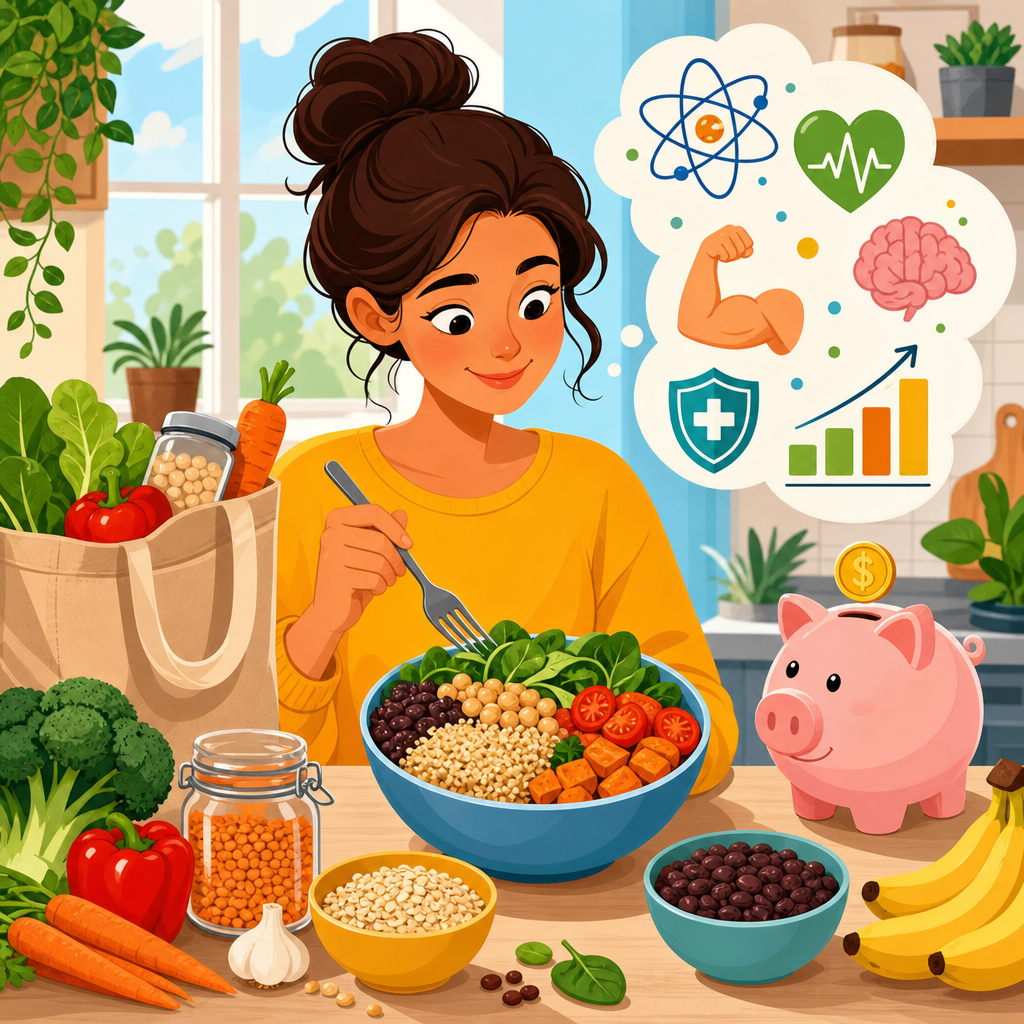
Healthy family cooking does not require premium groceries, but it does require planning. Start with a weekly template: one pasta night, one taco night, one soup or stew, one sheet-pan meal, one leftover night, one breakfast-for-dinner, and one flexible meal using sale items. This system narrows decisions and makes shopping faster. Use store flyers and seasonal produce to guide specifics. Cabbage, carrots, oats, potatoes, beans, eggs, and bananas remain among the highest-value foods in most markets.
Budget control improves when expensive ingredients are used as accents rather than foundations. A small amount of sausage can flavor a bean soup. Parmesan can finish a vegetable pasta. Chicken can be mixed with lentils in sloppy joes or tacos. Even convenience items can be smart buys if they prevent restaurant spending. Prewashed greens, frozen stir-fry blends, and rotisserie chicken often earn their place because they lower friction on busy nights.
Long-term success comes from tracking what your family actually eats. Keep a short list of ten to fifteen proven meals and rotate them often. Introduce one new recipe at a time, not five in a week. Save recipes with notes such as doubled well, lunchbox approved, freezer friendly, or too spicy for younger kids. Over time, your recipe collection becomes a practical household system rather than a pile of inspiration. That is the real power of family-friendly healthy recipes: they turn healthy intentions into repeatable habits. Build your meal plan around these principles, test a few dependable formats this week, and create a family recipe rotation you can use all year.
Frequently Asked Questions
What makes a recipe truly family-friendly and healthy?
A truly family-friendly healthy recipe does more than check a nutrition box. It combines balanced ingredients, familiar flavors, realistic prep time, and enough flexibility to work for different ages, appetites, and preferences. In practice, that usually means including a source of protein, fiber-rich carbohydrates, healthy fats, and fruits or vegetables in a format that feels approachable rather than forced. Examples include tacos with lean meat or beans and colorful toppings, pasta with added vegetables and protein, sheet pan chicken with roasted potatoes and broccoli, or grain bowls where each family member can build a plate they enjoy.
The “family-friendly” part is just as important as the “healthy” part. A meal may be technically nutritious, but if it takes too long, costs too much, or causes resistance at the table, it is unlikely to become part of a lasting routine. Recipes that succeed with families tend to use accessible ingredients, simple cooking methods, and flavors that can be adjusted. They often allow for small modifications, such as serving sauce on the side, separating ingredients for younger children, or offering a mild base with optional extras for adults. The goal is not perfection. It is creating meals that your household can repeat consistently, because consistency is what makes healthy eating sustainable over time.
How can I make healthy meals that picky eaters will actually try?
The most effective strategy is to reduce pressure and increase familiarity. Picky eating often becomes worse when children feel forced to eat unfamiliar foods or when mealtime turns into a negotiation. Instead, serve healthy foods in low-stress ways alongside at least one familiar item. This might mean pairing roasted carrots with pasta, adding finely chopped vegetables to soups or meatballs, or offering sliced cucumbers, fruit, and a favorite dip next to a main dish. Repeated exposure matters. Many children need to see a food many times before they are willing to taste it, and even more times before they begin to like it.
Presentation and structure also help. Build-your-own meals such as taco bowls, wraps, mini pizzas, or rice bowls allow children to interact with ingredients without feeling trapped by a fully mixed dish. You can also involve kids in choosing between two vegetables, stirring a sauce, rinsing produce, or assembling toppings. Participation creates ownership, and ownership often leads to curiosity. It is also helpful to avoid creating separate “kid meals” whenever possible. Instead, serve a shared base meal and make simple adjustments, such as keeping seasonings mild, cutting food into smaller pieces, or serving components separately. Over time, this approach expands comfort with new foods while preserving family mealtime peace.
How do I keep family-friendly healthy recipes affordable on a regular basis?
Affordability comes from planning around dependable staples, not from chasing expensive “health foods.” Many of the most budget-friendly healthy ingredients are also the most practical for families: oats, rice, beans, lentils, eggs, yogurt, frozen vegetables, canned tomatoes, potatoes, peanut butter, whole grain pasta, and seasonal produce. These ingredients can be combined in many ways to create breakfasts, lunches, dinners, and snacks without constantly buying specialty items. Using one or two proteins across multiple meals each week, such as chicken, beans, or ground turkey, also helps keep grocery spending predictable.
Another key habit is choosing recipes that reduce waste. That means using overlapping ingredients across several meals, repurposing leftovers intentionally, and relying on freezer-friendly options for busy nights. For example, roasted vegetables can go into quesadillas the next day, leftover chicken can become soup or wraps, and cooked rice can be turned into fried rice with eggs and vegetables. Frozen fruit and vegetables are especially useful because they are nutritious, often less expensive than fresh, and available year-round without spoilage pressure. Healthy family cooking becomes much more affordable when the focus shifts from individual recipes to a weekly system built on versatile ingredients, simple preparation, and smart reuse.
What are the best types of healthy recipes for busy weeknights?
The best weeknight recipes are the ones that minimize effort without sacrificing balance. For most families, that means meals that can be prepared in about 30 minutes or less, use a manageable number of ingredients, and create limited cleanup. Strong options include one-pan dinners, sheet pan meals, slow cooker recipes, soups, skillet pastas, stir-fries, casseroles, and assemble-at-the-table meals like tacos or grain bowls. These formats work well because they are flexible, easy to scale, and forgiving when you need to substitute ingredients based on what is already in the kitchen.
Weeknight success also depends on how well a recipe fits real family routines. A healthy dinner should not require advanced techniques or constant attention if parents are juggling work, homework, or after-school activities. Recipes become more practical when they rely on shortcuts such as pre-washed greens, frozen vegetables, rotisserie chicken, canned beans, microwaveable grains, or make-ahead sauces. The healthiest plan is often the one you can repeat, so convenience matters. If a meal helps you serve vegetables, protein, and satisfying carbohydrates in a way your family enjoys and can realistically manage on a busy evening, it is doing its job exceptionally well.
How can I build a balanced meal plan using family-friendly healthy recipes?
Start by thinking in patterns rather than trying to invent every meal from scratch. A balanced family meal plan usually includes a few reliable breakfast options, portable lunches, easy snacks, and a rotation of simple dinners. For dinners, aim to include a protein source, a carbohydrate for energy, and at least one fruit or vegetable. Then repeat a few meal formats throughout the week, such as pasta night, taco night, soup night, sheet pan night, and leftovers or homemade pizza night. This structure reduces decision fatigue and makes shopping easier because you begin buying familiar ingredients that can be used in multiple ways.
It also helps to balance nutrition across the week instead of expecting every single meal to be perfect. Some nights may be more vegetable-heavy, while others may lean more on convenience. That is normal. A strong meal plan leaves room for flexibility, leftovers, changing schedules, and family preferences. You can prep ingredients in advance, such as washing produce, cooking grains, chopping vegetables, or portioning snacks, but you do not need to fully prepare every dish ahead of time. The most effective plan is one that fits your household’s pace, budget, and tastes. When meals are realistic, repeatable, and enjoyable enough that everyone will come back to them, healthy eating becomes part of family life instead of a short-term project.