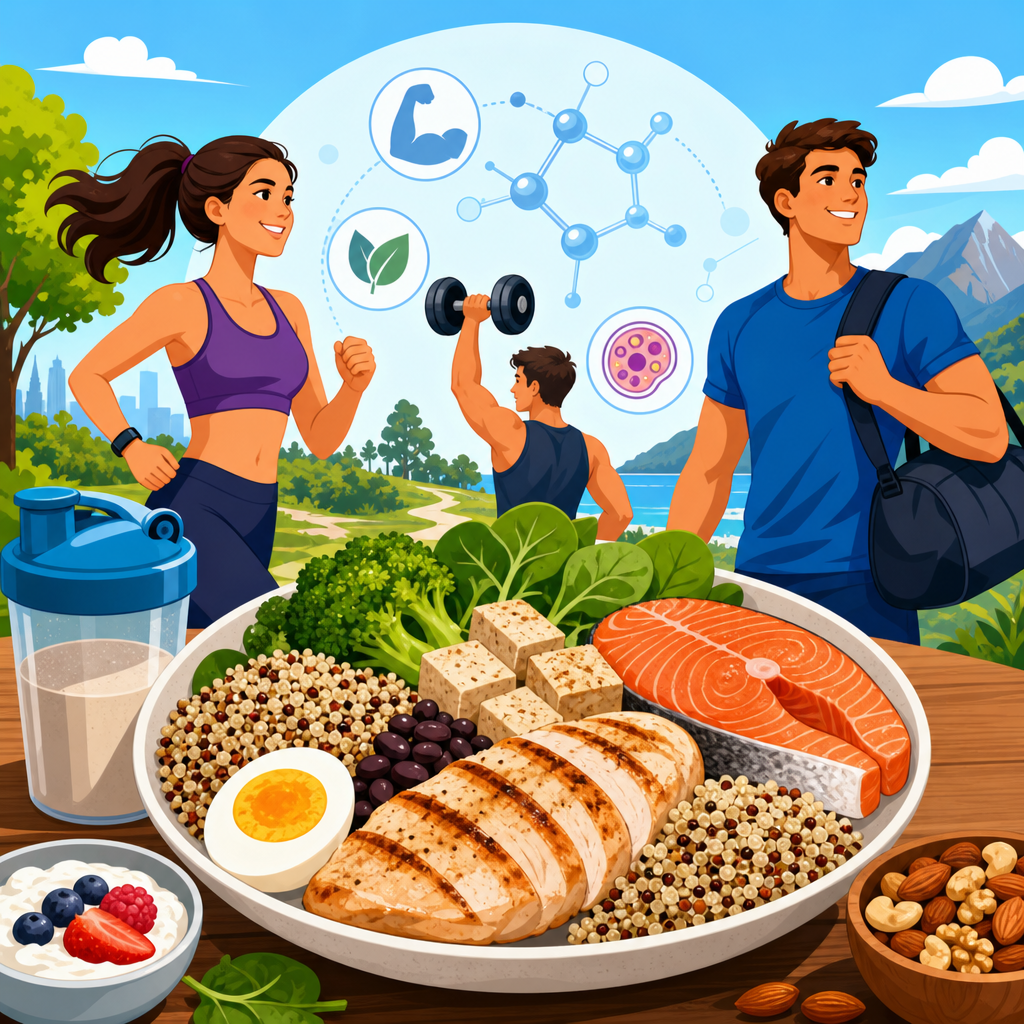
High-protein meals for active lifestyles do more than support muscle growth; they help athletes, exercisers, and busy adults recover faster, stay fuller longer, and maintain lean body mass during demanding training schedules. In practical nutrition, “high protein” usually means a meal that delivers enough essential amino acids to stimulate muscle protein synthesis, often around 25 to 40 grams of protein depending on body size, age, and activity level. “Active lifestyles” includes more than competitive sport. It covers strength training, endurance running, cycling, recreational leagues, physically demanding jobs, and anyone trying to balance movement, recovery, and sustainable energy. I have built meal plans for lifters, runners, and general fitness clients, and the same issue appears repeatedly: people often focus on calories or carbohydrates while underestimating how much protein quality, distribution, and meal timing affect performance and consistency.
The science is clear that protein is not just a bodybuilding nutrient. It provides amino acids required for repairing muscle tissue, building enzymes and hormones, supporting immune function, and preserving fat-free mass during weight loss. For active people, those jobs become more important because training increases protein turnover and tissue remodeling. Research from organizations such as the International Society of Sports Nutrition and the American College of Sports Medicine consistently shows that physically active adults generally benefit from higher protein intakes than sedentary adults, especially when training hard, dieting, aging, or recovering from injury. That is why high-protein meal planning has become a central strategy in sports nutrition, healthy eating, and body composition coaching.
This hub article explains what science says about the benefits of high-protein meals, how much protein active people actually need, how to structure meals across the day, and which foods work best in real life. It also clarifies common questions: Is more always better? Do endurance athletes need high-protein meals too? Are plant-based options effective? The answers matter because a smart protein strategy can improve recovery, support training adaptation, simplify appetite control, and make meal planning easier. Understanding the evidence helps you build meals that fit your goals instead of relying on gym myths, social media trends, or expensive supplements.
Why protein matters for active bodies
Protein supports adaptation to exercise by supplying essential amino acids, especially leucine, that trigger muscle protein synthesis through signaling pathways including mTOR. In plain terms, training creates a stimulus, and protein helps the body respond by repairing and reinforcing tissue. Resistance training increases the need for muscle remodeling, but endurance exercise also raises protein needs because long sessions can increase amino acid oxidation, stress connective tissue, and create whole-body recovery demands. Protein is therefore relevant whether your goal is strength, speed, body recomposition, or simply staying resilient through a busy training week.
One major benefit of high-protein meals is preservation of lean mass. During calorie deficits, the body is more likely to break down muscle tissue unless training and protein intake are sufficient. In practice, I have seen this matter most during fat-loss phases, when active people assume hard workouts alone will protect muscle. They often do better once meals are anchored with Greek yogurt, eggs, chicken, tofu, fish, legumes, or protein-fortified snacks. Higher-protein diets also tend to improve satiety, partly because protein slows gastric emptying and influences appetite-related hormones such as GLP-1 and peptide YY. That can make adherence easier, which is often the difference between a theoretical plan and one someone can maintain for months.
High-protein meals also help regulate energy intake indirectly. A breakfast with 30 grams of protein usually keeps hunger steadier than toast or cereal alone, reducing random snacking later in the day. For active people trying to maintain weight, that stability can prevent under-fueling during training blocks and overeating at night after long gaps without substantial meals. The science is strongest when protein is considered as part of an overall diet, not a magic bullet, but the practical advantage is consistent: well-composed, protein-rich meals create structure.
How much protein active people need
The current Recommended Dietary Allowance of 0.8 grams of protein per kilogram of body weight per day is designed to prevent deficiency in sedentary adults, not to optimize performance or recovery. Most evidence places active adults closer to 1.2 to 2.0 grams per kilogram daily, with strength athletes, people in calorie deficits, and some older adults often benefiting from the upper end. A 70-kilogram recreational runner may do well at 84 to 112 grams per day, while an 85-kilogram lifter in a fat-loss phase may benefit from 136 to 170 grams. Those numbers are not extreme; they are achievable through normal meals when planning is deliberate.
Meal distribution matters almost as much as the daily total. Instead of eating very little protein all day and one huge serving at dinner, active people generally get better results by spreading intake across three to five meals. A common evidence-based target is roughly 0.25 to 0.40 grams per kilogram per meal, enough to maximize the anabolic response in many adults. For a 75-kilogram person, that is about 19 to 30 grams per meal, though larger servings may be appropriate after training or for older adults who often require more protein to overcome anabolic resistance.
| Goal or context | Daily protein target | Useful meal target | Practical example |
|---|---|---|---|
| General active adult | 1.2 to 1.6 g/kg | 25 to 30 g | Eggs, yogurt, fruit, and oats at breakfast |
| Muscle gain or heavy lifting | 1.6 to 2.2 g/kg | 30 to 40 g | Chicken, rice, vegetables, and beans after training |
| Endurance training block | 1.4 to 1.8 g/kg | 25 to 35 g | Salmon, potatoes, and salad after a long ride |
| Fat loss while training | 1.8 to 2.4 g/kg | 30 to 40 g | Lean beef bowl with quinoa and roasted vegetables |
| Plant-based athlete | 1.4 to 2.0 g/kg | 30 to 45 g | Tofu, edamame, rice, and sesame vegetables |
These targets are not rigid laws. Training age, body composition, total calories, digestive tolerance, and food preferences all matter. Still, they offer a practical framework for building high-protein meals that support an active lifestyle without turning every meal into a math exercise.
What makes a high-protein meal effective
An effective high-protein meal is not simply meat on a plate. It combines adequate protein quantity, sufficient essential amino acids, and the right supporting nutrients for the activity performed. Most mixed meals should include a complete protein source or a complementary plant pairing, plus carbohydrates and micronutrient-rich produce. Carbohydrates are especially important for active people because they replenish muscle glycogen, support training intensity, and spare protein from being used inefficiently as fuel. A grilled chicken salad may be high in protein, but after a hard interval session, adding potatoes, rice, or whole-grain bread often makes it far more recovery-friendly.
Protein quality also matters. Animal proteins such as dairy, eggs, fish, poultry, and lean meat are generally rich in essential amino acids and highly digestible. Whey protein is particularly leucine-rich, which is why it appears so often in sports nutrition research. Plant proteins can absolutely work, but they sometimes require larger portions or strategic combinations to match the amino acid profile of animal proteins. Soy, tofu, tempeh, edamame, and pea protein are among the strongest plant options for active people. In meal planning, I usually advise plant-based clients to think in terms of “protein anchors” rather than side dishes, so lentils, tofu, seitan, or soy yogurt become the center of the meal instead of an afterthought.
Food matrix matters too. Whole-food protein sources often come packaged with nutrients that support health and training, such as calcium in dairy, iron and B12 in red meat, omega-3 fatty acids in salmon, choline in eggs, and magnesium in legumes. That is one reason high-protein meals should not default to shakes alone. Supplements are useful tools, especially for convenience after training or during travel, but the most effective high-protein diet is usually built on regular meals with varied foods.
Benefits for muscle recovery, performance, and body composition
The best-established benefit of high-protein meals is improved recovery from exercise. After training, muscle protein synthesis rises, and adequate dietary protein helps shift net protein balance in a positive direction. That does not mean you need an immediate shake within minutes, but it does mean post-exercise meals containing quality protein are a reliable way to support adaptation. In resistance training, this contributes to strength gains and hypertrophy over time. In endurance sport, it aids repair of muscle fibers and may reduce recovery time between demanding sessions when paired with carbohydrates.
Body composition benefits are equally important. High-protein meals help maintain or increase lean mass while reducing body fat, especially when combined with resistance training. This occurs through several mechanisms: higher thermic effect of food, better satiety, preserved muscle during energy restriction, and stronger meal-to-meal appetite control. In the real world, this is why a turkey and grain bowl often supports fat loss better than a low-protein smoothie of similar calories. The protein-rich meal simply holds up better physiologically and behaviorally.
There are also benefits for aging active adults. From middle age onward, anabolic resistance makes it harder to stimulate muscle protein synthesis with small protein doses. Higher-protein meals can help preserve strength, function, and metabolic health, particularly when paired with resistance exercise. For active women, sufficient protein is also valuable during intense training phases, postpartum return to exercise, and perimenopause, when recovery demands and body composition shifts can make under-eating protein more noticeable.
Performance effects are often indirect rather than dramatic in a single session. Protein does not replace carbohydrates for explosive energy, but by improving recovery, lean mass retention, and training consistency, it supports better long-term performance. Athletes care about what lets them train well again tomorrow. High-protein meals consistently help with that.
How to build high-protein meals in everyday life
The simplest formula is protein first, then carbohydrate, then color and fats. Start with a protein anchor: chicken breast, salmon, tuna, eggs, cottage cheese, Greek yogurt, tofu, tempeh, lean beef, turkey, edamame, lentils, or a blended protein smoothie when time is tight. Add a carbohydrate matched to your activity level, such as oats, rice, potatoes, pasta, beans, fruit, or whole-grain bread. Finish with vegetables and a useful fat source like olive oil, avocado, nuts, tahini, or seeds. This framework scales well from breakfast to dinner and works for meal prep.
Examples of strong high-protein meals include overnight oats with Greek yogurt, chia seeds, and berries; an omelet with eggs, egg whites, vegetables, and sourdough; a quinoa bowl with grilled chicken, black beans, roasted peppers, and avocado; tofu stir-fry with rice and edamame; salmon with potatoes and asparagus; or cottage cheese with fruit, walnuts, and high-fiber cereal. These meals are not “fitness foods” in the gimmicky sense. They are ordinary meals designed to deliver enough protein to matter.
Convenience is critical. Most people do not fail because protein science is confusing; they fail because the fridge is empty at 8 p.m. Batch cooking, pre-portioned proteins, frozen vegetables, canned fish, rotisserie chicken, skyr, and shelf-stable milk or soy beverages solve that problem quickly. If you are creating a weekly meal plan, identify three repeatable high-protein breakfasts, three portable lunches, and two or three dependable dinners. That approach beats constantly searching for novelty.
Common mistakes, tradeoffs, and what science does not support
The biggest mistake is assuming more is always better. Very high protein intakes are not automatically harmful for healthy people, but once needs are met, adding more protein does not guarantee more muscle or faster fat loss. Another mistake is crowding out carbohydrates so severely that training quality drops. Active lifestyles require balance. A marathon trainee eating only salads and chicken may hit a protein target yet still feel flat because glycogen stores stay low.
Another common problem is poor distribution. Skipping breakfast, grazing on low-protein snacks, and eating 70 grams of protein at dinner is less effective than spacing protein over the day. Plant-based eaters sometimes underestimate portion size and total intake, while omnivores often overestimate it. Finally, high-protein meals are not a substitute for sleep, progressive training, hydration, or sufficient calories. Use this hub as a starting point, audit your meals, and build a protein strategy you can repeat every week.
Frequently Asked Questions
What counts as a high-protein meal for an active lifestyle?
A high-protein meal usually means a meal that provides enough high-quality protein to meaningfully support muscle repair, recovery, and muscle protein synthesis. In practice, that often falls in the range of about 25 to 40 grams of protein per meal, though the ideal amount depends on body size, age, training volume, and overall calorie intake. For larger or more highly active individuals, protein needs at a meal may land on the higher end of that range. For older adults, who can have a reduced sensitivity to protein intake, slightly higher amounts may also be helpful.
Just as important as the total grams is protein quality. Meals that contain all essential amino acids, especially leucine, are particularly effective for stimulating muscle protein synthesis. Foods such as eggs, Greek yogurt, cottage cheese, chicken, turkey, fish, lean beef, tofu, tempeh, edamame, and high-quality protein shakes can all fit. A high-protein meal does not have to be bodybuilder-style or overly restrictive. It can be as practical as salmon with rice and vegetables, a burrito bowl with chicken and beans, or oatmeal paired with Greek yogurt and nuts. For active people, the goal is not simply “more protein,” but enough protein distributed across the day in meals that are realistic, satisfying, and supportive of performance.
How do high-protein meals help with exercise recovery?
Science consistently shows that protein plays a central role in post-exercise recovery because training creates stress on muscle tissue that must be repaired and remodeled. After resistance training, intervals, long runs, team sports, or even physically demanding days, the body needs amino acids to rebuild damaged muscle proteins and adapt to training. A high-protein meal helps supply those amino acids, which supports recovery and can improve the body’s ability to respond positively to exercise over time.
Protein also becomes more effective when paired with a balanced meal pattern. After exercise, combining protein with carbohydrates can help restore glycogen stores while also promoting muscle repair. This is especially useful for athletes or active adults who train frequently and need to recover quickly between sessions. While exact timing is less important than total daily intake, eating a protein-rich meal within a few hours after training is a practical strategy that aligns well with current sports nutrition guidance. In real-world terms, that could mean a chicken and rice bowl after the gym, a smoothie with protein and fruit after a run, or eggs with toast after morning training. Recovery is not only about reducing soreness; it is about preparing the body to perform well again, and protein is a key part of that process.
Can high-protein meals help with fullness and body composition, or are they only for building muscle?
High-protein meals are useful for much more than muscle growth. One of the most well-studied benefits of protein is its effect on satiety, or how full and satisfied you feel after eating. Compared with meals lower in protein, protein-rich meals often help reduce hunger, curb snacking, and make it easier to maintain consistent energy intake across the day. For active people with busy schedules, this can be especially valuable because stable appetite control often supports better food choices, improved energy levels, and less reliance on convenience foods that may be less nutritious.
Protein is also important for body composition because it helps preserve lean body mass during periods of calorie restriction, heavy training, or weight loss. When someone is trying to reduce body fat without losing strength or muscle, adequate protein becomes even more important. This is one reason sports dietitians often emphasize protein intake for athletes in a cutting phase, recreational exercisers trying to improve body composition, and busy adults who want to stay strong while managing body weight. In other words, high-protein meals are not only for people trying to “bulk up.” They can support a leaner, stronger, and more sustainable approach to nutrition when combined with appropriate training, sleep, and total calorie intake.
Do endurance athletes and highly active adults need high-protein meals too, or is protein mainly for strength training?
Protein is often associated with lifting weights, but endurance athletes and generally active adults benefit from it as well. Running, cycling, swimming, hiking, court sports, and long-duration training all place meaningful demands on the body. Endurance exercise can increase protein turnover, contribute to muscle breakdown, and create recovery needs that go beyond carbohydrates alone. While carbohydrate remains the primary fuel for many endurance activities, protein supports repair, adaptation, immune function, and maintenance of lean tissue during high training volumes.
For active lifestyles that include frequent movement, physically demanding work, recreational sports, or multiple weekly workouts, high-protein meals can help maintain strength, mobility, and recovery capacity. They may also be especially useful when training load increases, when appetite is inconsistent, or when someone is trying to avoid gradual muscle loss over time. This matters not only for competitive athletes but also for busy adults who want to stay energetic and resilient. An endurance athlete might benefit from meals like tuna pasta, rice with tofu and vegetables, or yogurt with fruit and granola after training. The key point is that protein supports adaptation across many forms of activity, not just resistance exercise.
Is there a best time to eat high-protein meals, and can you eat too much protein at once?
Current research suggests that total daily protein intake matters most, but distribution across the day also appears to be beneficial. Rather than consuming very little protein at breakfast and lunch and then most of it at dinner, many experts recommend spreading protein more evenly over three to five meals or snacks. This approach may provide repeated opportunities to stimulate muscle protein synthesis and can be especially helpful for athletes, older adults, and anyone trying to optimize recovery or retain lean mass during demanding schedules.
As for eating too much protein at once, the body will still digest and use the protein you eat, but there is a practical limit to how much is most efficient for maximally stimulating muscle protein synthesis in a single meal. That is one reason the 25 to 40 gram range is often recommended for many active adults, with adjustments based on body size and circumstances. Eating substantially more than that in one sitting is not automatically harmful for healthy individuals, but it may be less effective than distributing intake across the day if your goal is performance, recovery, or muscle maintenance. A smart strategy is to include protein at breakfast, after workouts, and in the evening meal, while also pairing it with carbohydrates, healthy fats, and nutrient-rich foods. This creates a meal pattern that is not only science-based but also realistic for active lifestyles.