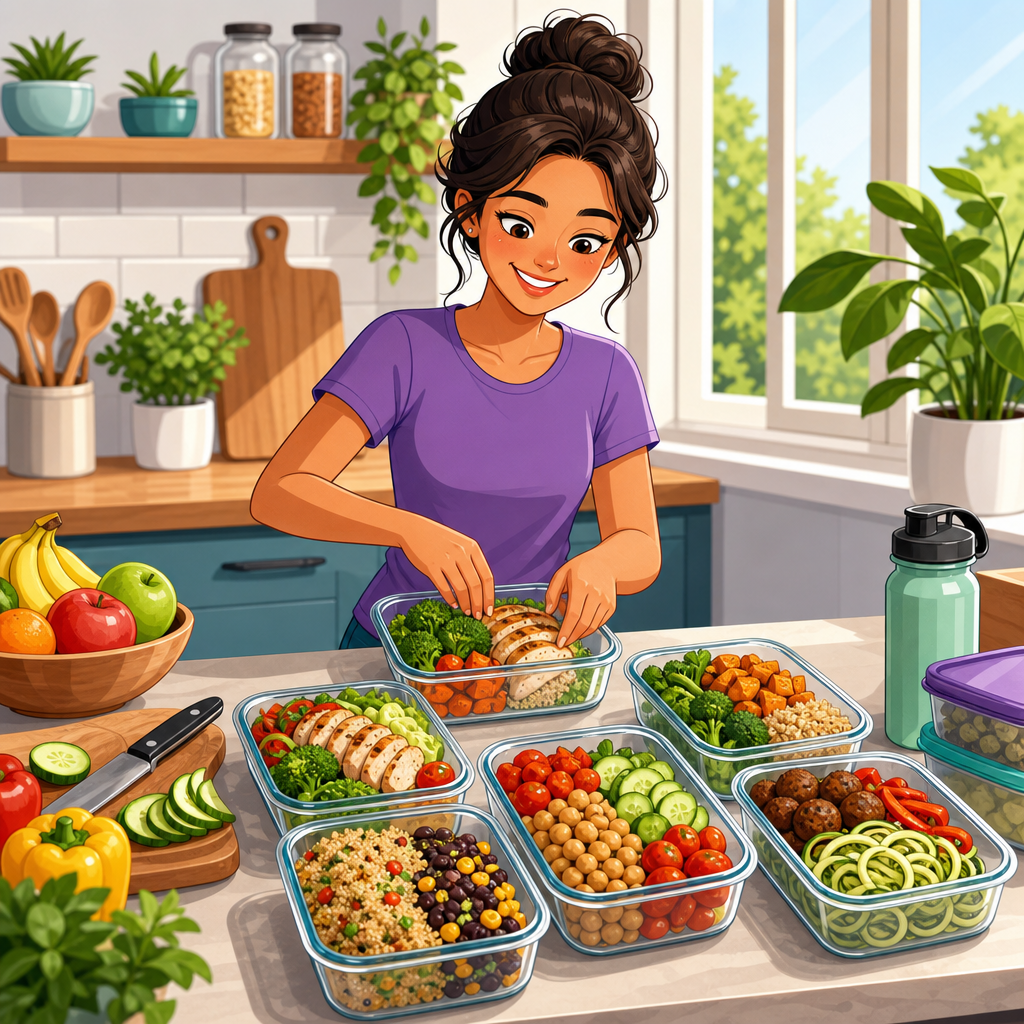
Meal prepping for a healthy week is the practice of planning, preparing, portioning, and storing meals in advance so daily eating becomes easier, more nutritious, and more consistent. In practical terms, it can mean batch-cooking proteins and grains on Sunday, assembling grab-and-go breakfasts, or fully portioning lunches and dinners for several days. I have used meal prep with clients, athletes, and busy families, and the biggest misconception is that it requires rigid routines or bland food. Done well, healthy meal prepping creates structure without removing choice. It helps people control ingredients, reduce food waste, manage portions, and lower the odds of relying on expensive convenience food. It also supports specific goals, whether that means eating more vegetables, hitting protein targets, following a budget, or simply making weeknights less chaotic.
Understanding the key terms matters because meal prep is not one single method. Batch cooking usually means preparing larger quantities of individual components such as roasted vegetables, chicken breast, lentils, or brown rice. Portion prepping means dividing finished meals or ingredients into containers by serving size. Make-ahead meals are complete dishes prepared in advance, often refrigerated or frozen for later use. Weekly meal planning is the decision-making step that comes before cooking: choosing recipes, checking the pantry, making a shopping list, and assigning meals to specific days. These distinctions matter because the best meal prep system depends on schedule, cooking skill, dietary needs, storage space, and tolerance for repetition. A parent feeding four people, a shift worker needing portable lunches, and a college student with one shelf in a shared refrigerator will not prep the same way.
Meal prepping matters because nutrition is often decided before hunger shows up. When healthy choices are visible, ready, and easy to reheat, people are more likely to eat them. Research in public health and behavioral nutrition consistently shows that planning and home food preparation are associated with better diet quality and higher intake of fruits and vegetables. The practical benefits are just as important. A coordinated prep session can cut weekday cooking time dramatically, reduce impulse grocery purchases, and make it easier to use perishable ingredients before they spoil. It can also improve food safety by encouraging prompt refrigeration, correct labeling, and planned leftovers. For anyone building a sustainable routine in recipes and meal planning, meal prep is the central habit that connects nutrition, budgeting, and time management.
What Meal Prepping Includes and How to Choose the Right Style
The best meal prep plan starts by matching the method to your real week, not your ideal week. If you enjoy variety and dislike eating the same lunch four days in a row, ingredient prep works better than fully assembled meals. You might roast a tray of sweet potatoes, cook quinoa, wash greens, and prepare a yogurt-herb sauce, then build bowls in different combinations. If your weekdays are packed and decision fatigue is the main problem, complete meal prepping is more effective. In that case, each container already contains a balanced serving of protein, fiber-rich carbohydrate, vegetables, and healthy fat. Both systems are valid. The right one is the one you will repeat consistently.
In my experience, most people do best with a hybrid approach. Prepare breakfast and lunch fully, because mornings and work breaks leave little room for cooking. Keep dinners semi-prepped instead. For example, marinate salmon, chop broccoli, and measure couscous ahead of time, then cook dinner fresh in fifteen minutes. This reduces monotony while still saving substantial time. Another overlooked option is strategic snack prep: portioning nuts, washing berries, slicing cucumbers, or making hummus cups. Many nutrition goals fail between meals, not at dinner. If healthy snacks are ready first, the rest of the system becomes easier to maintain.
Choosing a meal prep style also depends on food quality after storage. Chili, soups, curries, overnight oats, cooked grains, and sturdy salads often hold well. Delicate greens, crispy coatings, avocado, and some seafood can deteriorate quickly unless packed carefully. Texture is not a minor issue; it determines adherence. If meals become watery or stale by day three, people abandon the practice. That is why experienced meal preppers use component storage, moisture barriers, and separate sauce containers when needed. A healthy week is easier when food still tastes appealing on Wednesday.
How to Build a Balanced Healthy Meal Prep Plan
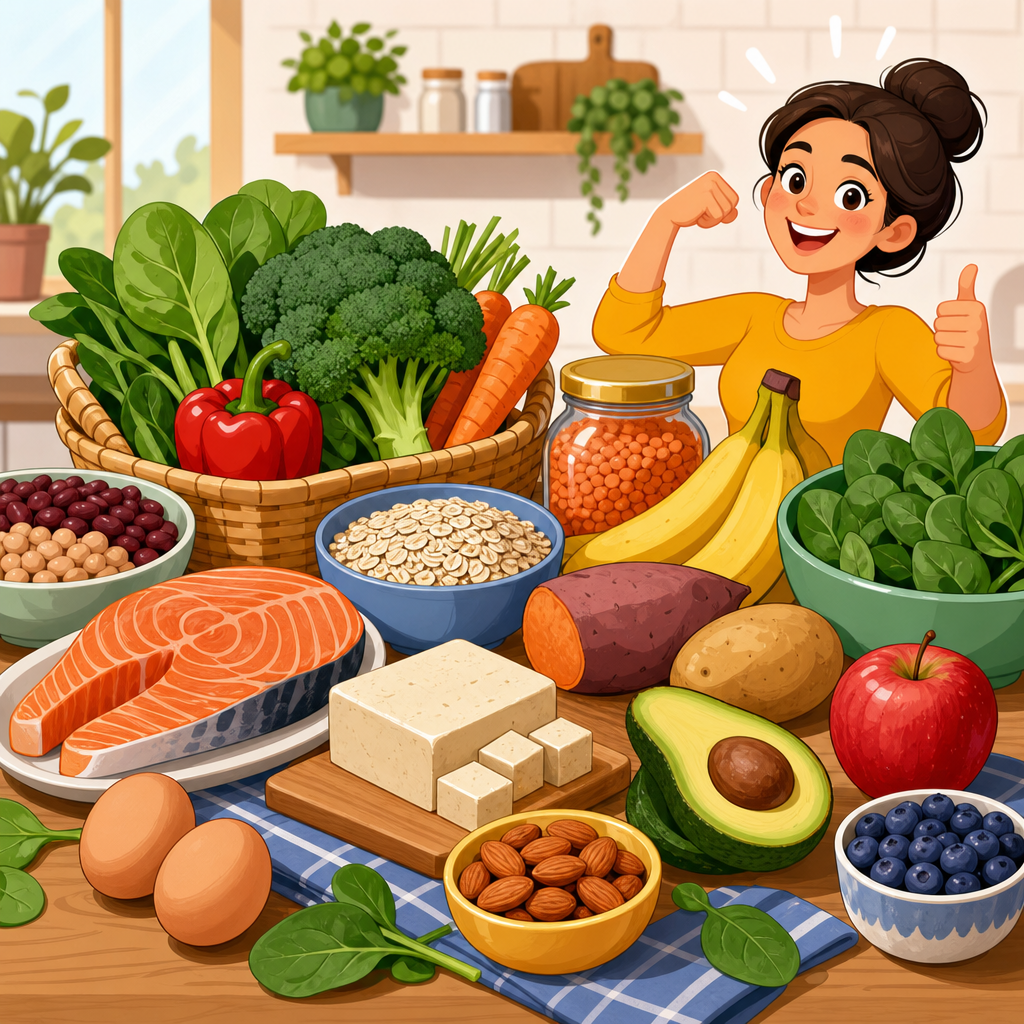
A healthy meal prep plan should balance nutrition, satiety, and practicality. The simplest framework is to build each main meal around four elements: protein, produce, smart carbohydrates, and fats. Protein supports fullness and muscle maintenance; common options include chicken, fish, eggs, tofu, Greek yogurt, beans, tempeh, and lean beef. Produce adds fiber, volume, micronutrients, and color. Smart carbohydrates include oats, potatoes, fruit, beans, brown rice, whole grain pasta, and quinoa. Healthy fats can come from olive oil, avocado, tahini, nuts, seeds, or fatty fish. This structure keeps meals filling without becoming overly complicated.
Portioning matters, but perfection is unnecessary. A useful visual guide is half the container from vegetables or fruit, one quarter from protein, and one quarter from starch or grains, with fats added intentionally rather than incidentally. For athletes, pregnant adults, people over fifty, or anyone increasing strength training, protein may need to be higher. For those managing blood sugar, pairing carbohydrates with protein and fiber is essential because it slows digestion and can reduce energy crashes. Meal prep should support health goals, but it should also fit appetite, culture, and budget. A black bean bowl with salsa, cabbage slaw, and brown rice can be just as nutritionally effective as a salmon grain bowl if it is balanced well.
Variety should be planned at the ingredient level. Use one or two proteins, two vegetables with different textures, one grain or starch, and two sauces or seasonings. This creates multiple combinations from a short shopping list. For example, roasted chicken can become a Mediterranean wrap with cucumbers and hummus, a rice bowl with broccoli and sesame sauce, or a salad with apples and walnuts. This approach prevents flavor fatigue while keeping prep efficient. It also creates useful internal pathways within a broader recipes and meal planning system, because one foundational prep session can support breakfast ideas, lunch box meals, high-protein dinners, and healthy snack pairings across the week.
Planning the Week: Shopping, Timing, and Kitchen Workflow
Efficient meal prepping begins before you turn on the oven. Start by checking your calendar. Note late meetings, school pickup nights, workouts, travel, and any evening when cooking from scratch is unrealistic. Assign the most convenient prepped meals to the busiest days. Then inventory the refrigerator, freezer, and pantry. This step reduces duplicate purchases and ensures older ingredients are used first. Build your shopping list by category: produce, proteins, dairy, frozen foods, grains, canned goods, and sauces. Categorized lists speed up shopping and lower the chance of forgotten essentials like storage bags, parchment paper, or broth.
A good prep session follows a sequence. Begin with foods that take longest: grains, beans, root vegetables, casseroles, or proteins for the oven. While those cook, wash and cut produce, mix dressings, boil eggs, and label containers. Use overlapping time intentionally. If rice cooks for twenty minutes, that is the window for chopping peppers or portioning nuts. Professional kitchens call this workflow mise en place, and it matters at home too. The point is not speed for its own sake; it is reducing mental friction. When every task has a place in the sequence, meal prep feels manageable instead of messy.
| Task | Best Time | Why It Matters |
|---|---|---|
| Check calendar and choose meals | 1 day before shopping | Aligns food with real schedule and prevents over-prepping |
| Inventory pantry and refrigerator | Before making the list | Reduces waste and duplicate purchases |
| Cook grains and roast proteins | Start of prep session | Longest tasks run while other components are prepared |
| Wash, chop, and portion produce | During oven or stovetop cooking | Creates ready-to-eat ingredients for fast assembly |
| Cool, label, and refrigerate meals | End of prep session | Improves food safety and weekday convenience |
Timing also affects quality. I recommend limiting fully assembled refrigerated meals to about three or four days unless the dish is particularly stable. For later in the week, freeze portions or prep components instead of complete meals. Shopping twice a week can help if your household eats large amounts of fresh produce or if refrigerator space is tight. There is no rule that meal prepping must happen on Sunday. Many people do better with a short midweek reset on Wednesday to refresh fruit, greens, and proteins. The healthiest routine is the one that stays flexible enough to survive an imperfect week.
Food Safety, Storage, and Reheating Without Losing Quality
Safe meal prepping depends on temperature control, clean handling, and realistic storage times. The United States Department of Agriculture advises refrigerating perishable food within two hours, or within one hour if the room temperature is above 90 degrees Fahrenheit. Cooked leftovers generally keep safely for three to four days in the refrigerator. Freezing extends storage, but quality still depends on packaging and moisture control. I advise using shallow containers so food cools faster, labeling each item with the date, and leaving enough space in the refrigerator for cold air to circulate. Stuffing a refrigerator with warm containers raises the internal temperature and can compromise safety.
Container choice matters more than many people realize. Glass containers are durable, nonporous, and ideal for reheating, though heavier and more expensive. BPA-free plastic containers are lighter and often easier for lunches on the go, but they stain and wear faster. Mason jars work well for overnight oats, layered salads, and soups, provided expansion room is left before freezing. Separate small containers for sauces, crunchy toppings, or cut fruit preserve texture. A soggy salad is not unsafe, but it is a common reason people stop using meal prep.
Reheating should restore palatability without overcooking. Rice and grains benefit from a spoonful of water before microwaving. Roasted vegetables can be revived in a skillet or air fryer better than in a microwave. Fish should be reheated gently or eaten cold in salads to avoid dryness. Frozen meals should be thawed safely in the refrigerator when possible, not on the counter. If you meal prep for children, older adults, or anyone immunocompromised, be especially strict about dates and temperatures. Healthy meal prepping is not only about nutrients. Safe handling is part of the outcome.
Common Mistakes, Budget Tips, and a Sustainable Routine
The most common meal prep mistake is cooking too much of the wrong food. People often choose ambitious recipes, buy bulk produce without a plan, or prep seven identical meals before knowing whether they will want them. Start smaller. Prep two breakfasts, three lunches, one snack option, and ingredients for two dinners. Then increase volume once your household proves it will eat the food. Another mistake is ignoring flavor. Salt, acid, herbs, texture, and contrast matter. Lemon juice, pickled onions, yogurt sauces, pesto, salsa, toasted seeds, or chili crisp can transform repeated ingredients into distinct meals.
Budget-friendly meal prepping does not mean sacrificing nutrition. Some of the best value ingredients are oats, eggs, canned tuna, dried or canned beans, lentils, frozen vegetables, brown rice, potatoes, plain Greek yogurt, bananas, cabbage, carrots, and seasonal produce. Rotisserie chicken can be cost-effective when used across several meals, though watch sodium if that is a concern. Buying larger packs of chicken thighs, tofu, or ground turkey and portioning them at home usually lowers cost per serving. Frozen fruit and vegetables are especially useful because they reduce waste and are often picked and processed close to peak ripeness.
To make meal prep sustainable, build routines around repeatable decisions. Keep a list of ten reliable meals your household actually enjoys. Reuse the same breakfast two or three times a week. Maintain a short formula for bowls, salads, wraps, soups, and snack boxes. Track what gets eaten and what gets thrown away. Over time, patterns become obvious. You may learn that cooked broccoli disappears, but raw celery does not; that overnight oats work on office days but not on weekends; or that freezing half a batch of soup always pays off. Use those observations to refine the system. Start this week with one planning session, one shopping list, and one hour of focused prep, and let consistency do the rest.
Frequently Asked Questions
What is meal prepping, and how is it different from just cooking ahead?
Meal prepping is a structured approach to planning, preparing, portioning, and storing food in advance so eating well during the week becomes easier and more consistent. While cooking ahead usually means making extra food and saving leftovers, meal prepping is more intentional. It often includes deciding what you will eat for several days, shopping with a plan, preparing ingredients or complete meals, and storing everything in a way that supports your schedule and nutrition goals.
In practice, meal prepping can look very different from person to person. Some people fully cook and portion lunches and dinners for the next four or five days. Others batch-cook staples such as chicken, rice, roasted vegetables, overnight oats, or chopped salad ingredients and then mix and match meals throughout the week. That flexibility is one of the biggest strengths of meal prep. It is not a rigid system, and it does not require eating the exact same thing every day.
What makes meal prepping especially helpful is that it reduces decision fatigue. When meals are already planned or partially prepared, it becomes much easier to stay on track with balanced eating, avoid last-minute takeout, and manage portions. For busy professionals, parents, students, and athletes, meal prep can turn healthy eating from something stressful into something practical and repeatable.
Does meal prepping really help with healthy eating and weight management?
Yes, for many people, meal prepping is one of the most effective tools for improving consistency with healthy eating and supporting weight management. The reason is simple: when nutritious meals are already available, you are more likely to eat them. Most unhealthy food choices are not caused by a lack of knowledge but by lack of time, energy, or convenience. Meal prep solves that problem by making the better option the easier option.
From a nutrition standpoint, meal prepping gives you more control over ingredients, portion sizes, and meal balance. You can build meals around lean proteins, high-fiber carbohydrates, healthy fats, and vegetables instead of relying on processed convenience foods that may be higher in calories, sodium, or added sugar. It also helps you spread nutrition more evenly throughout the week, which can support steady energy, workout recovery, and appetite control.
For weight management, meal prep can reduce impulsive eating and overeating because you have a clear plan in place. Pre-portioned meals can help you stay aware of serving sizes without having to measure every bite in the moment. That said, meal prepping is not about restriction. The most successful approach includes satisfying meals you actually enjoy, along with enough variety to prevent boredom. When used well, meal prep supports long-term habits, not short-term dieting.
How can beginners start meal prepping without feeling overwhelmed?
The best way to start meal prepping is to keep it simple. One of the biggest mistakes beginners make is trying to prep an entire week of elaborate breakfasts, lunches, dinners, and snacks all at once. That can feel exhausting and unsustainable. A better approach is to start with just one or two categories, such as lunches for workdays or grab-and-go breakfasts, and build from there as the routine becomes easier.
A practical beginner strategy is to choose a small number of repeatable foods. For example, prepare one protein, one grain or starch, and two vegetables, then use them in different combinations. You might cook chicken, brown rice, roasted sweet potatoes, and broccoli, then turn those into bowls, wraps, or salads over several days. Another easy starting point is to prep breakfast items like overnight oats, egg muffins, yogurt cups, or smoothie packs so mornings require less effort.
It also helps to schedule meal prep like any other important appointment. Pick a realistic time each week for planning, shopping, and prepping. Use storage containers that make portioning and organization easier, and label foods if needed. Most important, remember that meal prep does not need to be perfect to be useful. Even washing produce, marinating protein, or chopping vegetables ahead of time can make healthy eating much more manageable during a busy week.
How long do meal-prepped foods stay fresh, and how should they be stored safely?
Freshness depends on the type of food, how it is cooked, and how it is stored, but in general, many meal-prepped foods keep well in the refrigerator for about three to four days. Foods like cooked chicken, turkey, rice, roasted vegetables, pasta, soups, and hard-boiled eggs often fit well within that window when refrigerated promptly in airtight containers. If you want meals to last longer, freezing part of your prep is a smart option, especially for cooked proteins, stews, chili, casseroles, and grain-based meals.
Food safety is a major part of successful meal prepping. After cooking, foods should be cooled and refrigerated within a safe timeframe rather than left out for hours. Storing meals in shallow, sealed containers helps them cool faster and stay fresher. It is also helpful to keep wet ingredients separate when needed, such as dressings, sauces, or cut fruit, so meals maintain better texture. Salads, for example, stay fresher when greens are stored apart from heavy toppings until serving time.
As a general rule, trust both guidelines and common sense. If a meal has an off smell, unusual texture, or visible spoilage, it should not be eaten. Rotating your meals so the most perishable items are eaten first can also reduce waste. A good strategy is to refrigerate the first few days of meals and freeze later portions, then thaw them as needed. This keeps the prep routine practical while maintaining quality and safety.
Does meal prepping mean eating the same bland food every day?
No, and this is one of the most common misconceptions about meal prepping. Effective meal prep is not about forcing yourself into a repetitive or boring diet. It is about creating convenience and structure while still leaving room for flavor, variety, and personal preference. In fact, when done well, meal prep can make meals more enjoyable because you are less rushed and more intentional about what you eat.
One of the easiest ways to keep meal prep interesting is to prep components rather than identical full meals. For example, you can cook a batch of grilled chicken, roasted vegetables, rice, and beans, then use different seasonings and sauces throughout the week. One day it becomes a burrito bowl, the next day a Mediterranean plate, and another day a stir-fry or wrap. Swapping herbs, spices, marinades, dressings, and toppings can completely change the flavor profile without requiring a full second round of cooking.
Variety can also come from rotating proteins, trying seasonal produce, and mixing textures such as crunchy slaws, creamy sauces, and warm grains. Meal prepping should support your lifestyle, not make food feel dull or restrictive. The most sustainable plans include meals that are nutritious, realistic, and genuinely appealing. When you approach meal prep with flexibility, it becomes a tool for better eating habits rather than a rigid routine you eventually abandon.