Meal prepping for a healthy week is the practice of planning, shopping, cooking, portioning, and storing meals in advance so nutritious food is ready when life gets busy. In practical terms, it means reducing last-minute decisions that often lead to skipped meals, oversized takeout portions, or convenience foods high in sodium, added sugar, and saturated fat. I have used meal prep systems for years in both family kitchens and nutrition-focused content work, and the biggest lesson is simple: healthy eating becomes far more realistic when the work is moved upstream. Instead of relying on motivation at 6 p.m. on a Wednesday, you rely on a plan you made when you had time and energy.
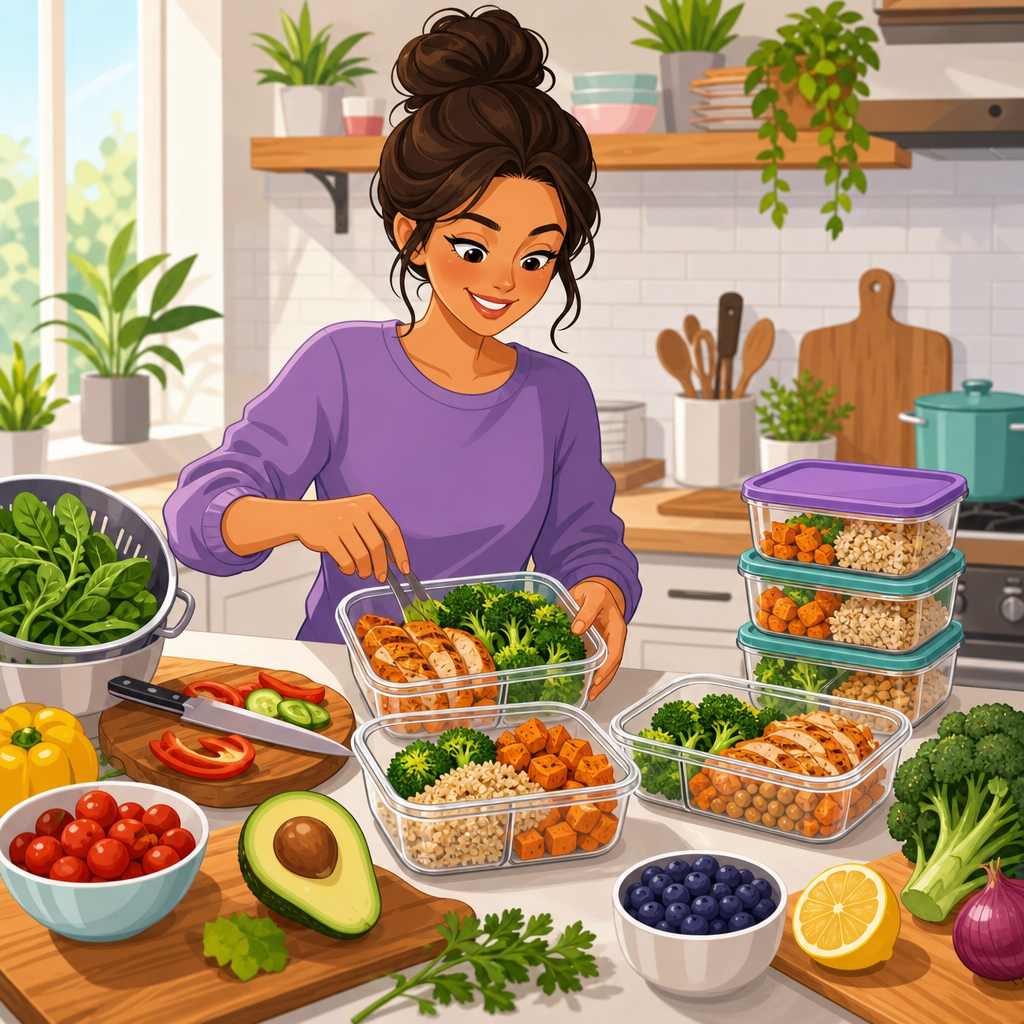
For most people, meal prepping includes three related approaches. Batch cooking means preparing larger quantities of staple items such as grilled chicken, roasted vegetables, brown rice, lentils, or overnight oats. Portion prepping means dividing meals or ingredients into containers so serving sizes are clear and fast to grab. Make-ahead assembly means washing produce, mixing sauces, marinating proteins, or building full freezer meals before they are cooked later. These methods can be used alone or together, depending on schedule, budget, and household size.
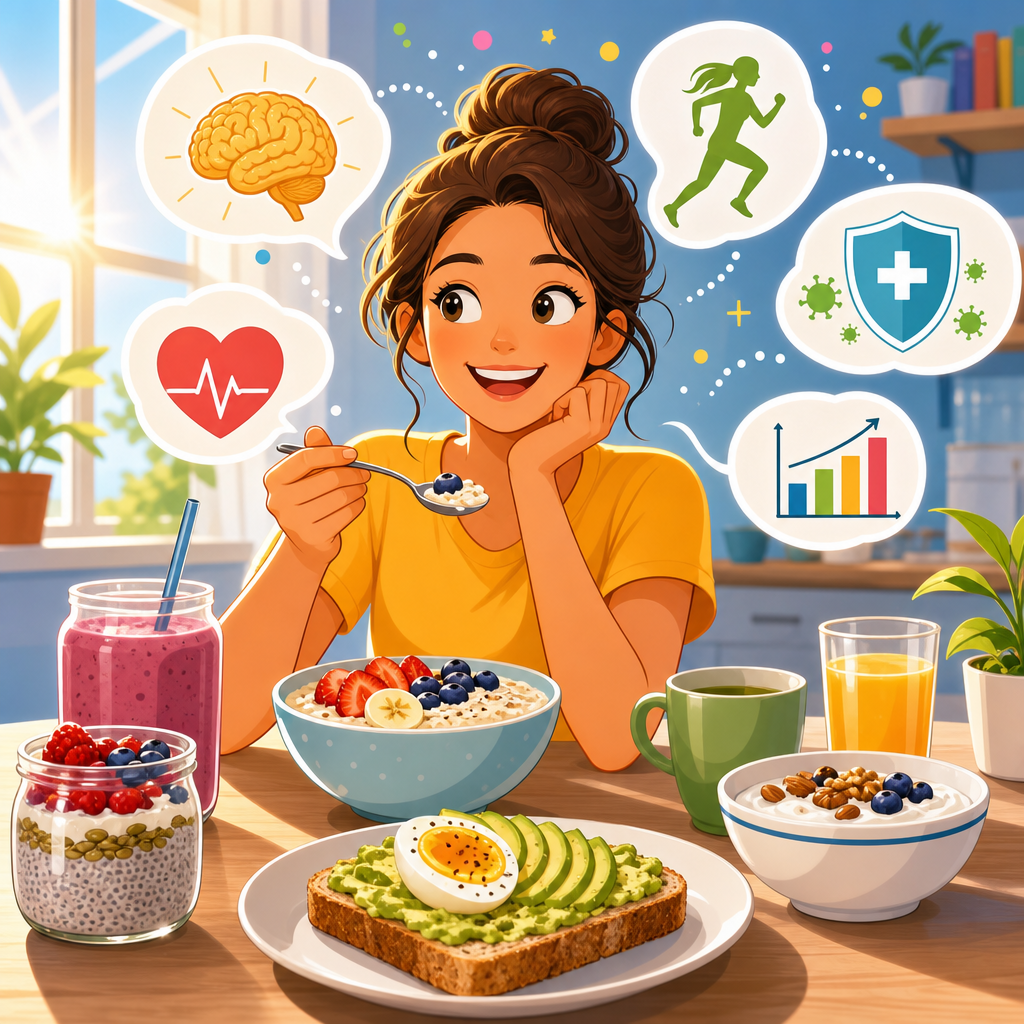
Why does meal prepping matter? Research on dietary habits consistently shows that food choices are shaped by convenience and environment as much as by knowledge. If balanced meals are visible and ready, people are more likely to eat them. Meal prep also improves consistency with protein intake, fiber intake, and vegetable consumption because those elements are intentionally built into meals rather than improvised. It can support weight management, athletic performance, blood sugar control, and family budget goals. Just as important, it lowers weekday stress. When breakfast, lunch, or dinner is already decided, mental load drops significantly.
This article is the main guide to meal prepping for a healthy week. It explains how to choose a prep style, build balanced meals, shop efficiently, store food safely, and avoid common mistakes. If you are wondering what foods prep well, how long meals last in the refrigerator, how to keep food from getting boring, or whether meal prep can work for a busy family, the short answer is yes. The key is creating a repeatable system based on nutrition principles, food safety standards, and your real schedule rather than an idealized one.
Choose the Right Meal Prep Method for Your Schedule
The best meal prep method is the one you will repeat, not the one that looks impressive on social media. I usually recommend starting by matching prep intensity to your week. If you need only work lunches, prepare four lunch boxes and leave dinners flexible. If mornings are chaotic, focus on breakfast and snacks first. Full-week prep works well for some households, but many people do better with a hybrid system: one major prep session on Sunday and a smaller refresh on Wednesday.
There are four common structures. Full meal prep creates complete dishes such as salmon, quinoa, and broccoli bowls. Ingredient prep keeps cooked proteins, grains, chopped vegetables, and sauces separate so meals can be mixed and matched. Template prep follows a formula, such as protein plus grain plus two vegetables plus sauce, which speeds planning without repeating the exact same dish. Freezer prep is ideal for soups, stews, turkey meatballs, burritos, and casseroles that hold quality for weeks. In practice, ingredient prep is the most flexible hub approach because it supports many linked recipe ideas within a broader recipes and meal planning strategy.
A realistic schedule matters more than ambition. A useful target for beginners is sixty to ninety minutes of prep once a week. During that window, cook one protein, one bean or grain, one tray of vegetables, one breakfast item, and one sauce. For example, roast chicken thighs, cook farro, simmer black beans, roast carrots and zucchini, bake egg muffins, and blend a yogurt-herb sauce. Those six components can become grain bowls, wraps, salads, breakfast plates, and quick dinners with almost no extra effort.
Build Balanced Healthy Meals That Actually Satisfy
Healthy meal prepping fails when meals are technically nutritious but not filling or appealing. A balanced prep meal usually includes four parts: protein for satiety and muscle maintenance, fiber-rich carbohydrates for energy, produce for micronutrients and volume, and fats for flavor and absorption of fat-soluble vitamins. This is not a rigid formula; it is a practical structure that prevents the common mistake of preparing lunches that are too small, too low in protein, or too light on texture and taste.
A clear way to think about portions is to anchor each meal with twenty to forty grams of protein depending on body size and activity level. Examples include about five ounces of chicken breast, a cup of Greek yogurt plus nuts, a can of tuna, a cup of cottage cheese, five ounces of tofu, or a cup of lentils paired with whole grains. Add a carbohydrate source such as oats, sweet potatoes, brown rice, quinoa, fruit, beans, or whole grain pasta. Then add vegetables or fruit in meaningful amounts, not as garnish. Finally, include fats from olive oil, avocado, tahini, nuts, seeds, or salmon.
Flavor matters just as much as macronutrients. Meals become repetitive when every container tastes the same. The fix is using sauces, spice blends, and varied textures. One batch of shredded chicken can become three different meals with salsa, peanut sauce, or lemon vinaigrette. Roasted vegetables become more satisfying with feta, toasted seeds, or a yogurt drizzle. In my own prep routine, I treat condiments as essential equipment, not extras, because they are what turn staples into meals you will still want on day four.
Plan Your Week Before You Shop
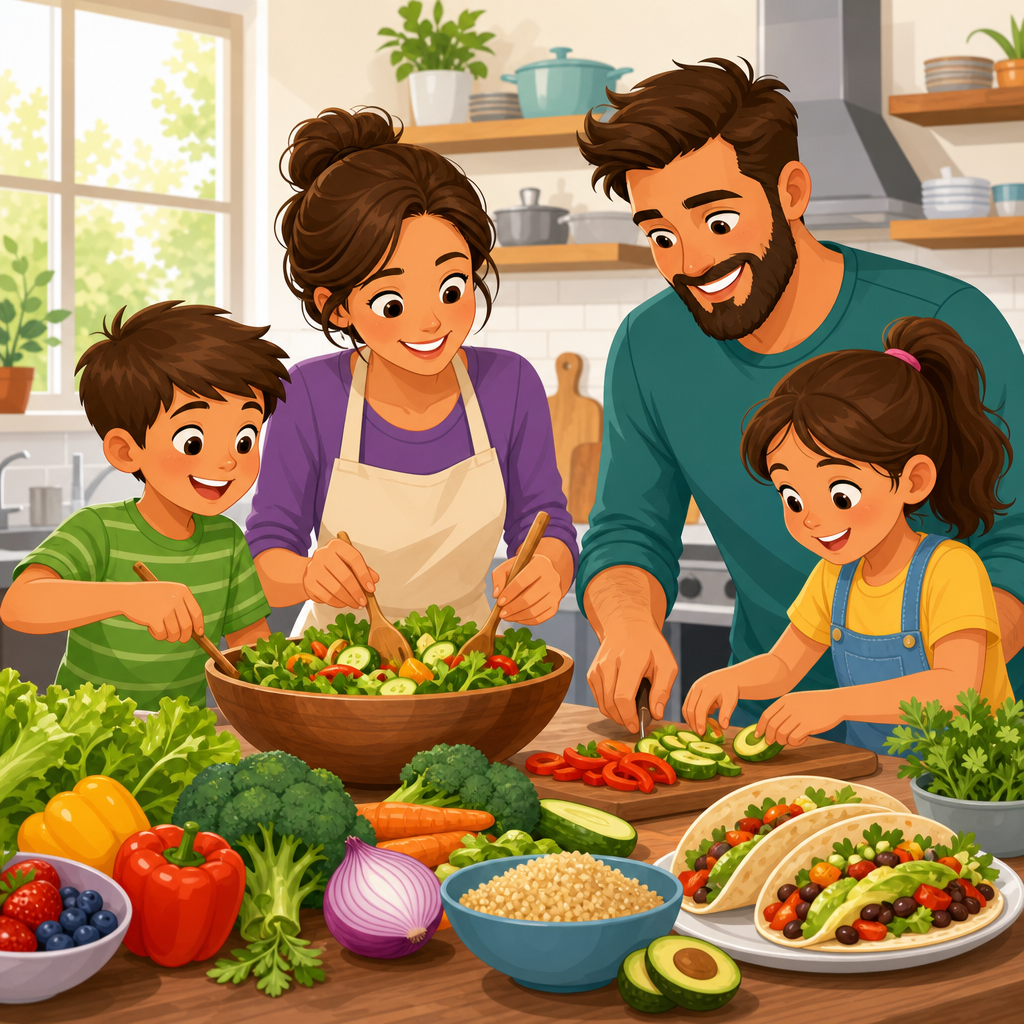
Effective meal prepping starts with a plan, not a grocery cart. Before shopping, review your calendar and count the exact meals you need. If two evenings include social plans, do not prep seven dinners. If one day involves travel, choose portable foods that are safe and easy to eat, such as wraps, grain salads, yogurt cups, fruit, and trail mix. This planning step prevents food waste and keeps prep tied to real demand.
I use a simple sequence: inventory, schedule, menu, then list. Inventory means checking the refrigerator, freezer, and pantry first. Many households already have rice, canned beans, frozen vegetables, eggs, and spices that can support several meals. Schedule means identifying which meals need to be fully ready and which can be assembled quickly. Menu means choosing recipes that share ingredients. A roast chicken, for example, can support chicken tacos, a lunch salad, and soup. A list built from shared ingredients saves money and reduces leftovers that never get used.
| Prep Goal | Best Foods | Why They Work |
|---|---|---|
| Fast breakfasts | Overnight oats, egg muffins, Greek yogurt, berries | Minimal morning effort, good protein and fiber |
| Portable lunches | Grain bowls, wraps, pasta salad, chopped salad jars | Travel well and hold texture for several days |
| Quick dinners | Cooked proteins, roasted vegetables, microwavable grains | Can be reheated and plated in under ten minutes |
| Budget-friendly snacks | Hummus, carrots, apples, boiled eggs, popcorn | Lower cost than packaged convenience snacks |
When choosing recipes, prioritize overlap without creating monotony. Buy one greens base, two proteins, one grain, several vegetables, and two sauces that create contrast. For instance, spinach, chicken, tofu, quinoa, cucumbers, peppers, broccoli, tahini dressing, and tomato salsa can support Mediterranean bowls, stir-fries, salads, and wraps. This approach is more sustainable than preparing five identical meals, which often leads to “prep fatigue” and uneaten containers by Thursday.
Shop Smart and Keep Costs Under Control
Meal prepping can lower food costs substantially, but only if buying decisions stay disciplined. The most economical healthy foods are usually staples: oats, rice, potatoes, dried or canned beans, eggs, yogurt, frozen vegetables, seasonal produce, canned fish, and family-size packs of poultry. Warehouse clubs can help with unit pricing, but only when the food will actually be used before it spoils. For many people, standard supermarkets plus a tight list are enough.
One of the best cost-saving habits is building meals around versatile ingredients rather than expensive novelty products. Pre-marinated proteins, single-serve snack packs, and specialty wellness items often cost far more per serving than basic ingredients. A large tub of plain Greek yogurt can become breakfast, dip, and sauce base. A whole cabbage can become slaw, stir-fry, soup, and salad. Rotating produce by season also helps. In summer, berries and zucchini may be affordable; in winter, cabbage, carrots, citrus, and sweet potatoes often offer better value and storage life.
Frozen and canned foods deserve more respect in healthy meal prep. Frozen spinach, peas, broccoli, edamame, and berries are typically processed soon after harvest and can retain strong nutritional value. Canned beans and tomatoes save time and support quick meals; just choose lower-sodium versions when possible or rinse before use. I often advise beginners to rely on these formats early on because they reduce spoilage risk, which is one of the main reasons people abandon meal prep systems.
Cook Efficiently Without Spending All Day in the Kitchen
Efficient meal prep is about workflow. Start with foods that take longest: grains in one pot, proteins in the oven or skillet, and dense vegetables roasting on sheet pans. While those cook, wash greens, portion snacks, and mix sauces. This stacking method cuts idle time. Equipment helps too. Sheet pans, a rice cooker, a pressure cooker, a blender, and a digital food scale can noticeably improve consistency and speed, though none are strictly required.
Use high-heat roasting for vegetables that benefit from browning, such as broccoli, cauliflower, carrots, Brussels sprouts, and sweet potatoes. Keep wetter vegetables, including zucchini and mushrooms, on separate pans so they do not steam. For proteins, choose methods that preserve moisture across several days. Chicken thighs generally reheat better than very lean chicken breast. Meatballs, shredded chicken, baked tofu, and salmon portions all prep well when not overcooked. Grains should be slightly underdone if they will be reheated repeatedly.
Do not overlook assembly-based meals that require little cooking. Overnight oats, chia pudding, tuna and white bean salad, mason-jar salads, yogurt parfait kits, sandwich boxes, and snack plates are legitimate meal prep, not shortcuts. In busy seasons, these low-effort options often outperform ambitious multi-recipe plans because they keep the system alive. Consistency beats complexity every time.
Store Food Safely and Preserve Quality
Food safety is nonnegotiable in meal prepping for a healthy week. The U.S. Department of Agriculture guidance is clear: perishable food should not remain in the temperature danger zone, generally between 40 degrees Fahrenheit and 140 degrees Fahrenheit, for more than two hours, or one hour in very hot conditions. After cooking, cool foods promptly in shallow containers and refrigerate them. Most cooked meals are best eaten within three to four days, while some freezer meals hold quality for two to three months.
Good containers make a difference. Glass containers resist staining and are useful for reheating, while BPA-free plastic can be lighter for transport. Use airtight lids, label containers with date and contents, and place older meals in front so they are eaten first. Store sauces separately when possible to prevent sogginess. Greens stay fresher when packed with a dry paper towel. Crunchy toppings such as nuts, seeds, and croutons should be added just before eating.
Reheating also affects both safety and texture. Microwave meals should be heated evenly until steaming hot; stirring halfway helps. Soups, casseroles, and rice dishes should reach a safe internal temperature, especially when reheating leftovers more than once is avoided. If a food smells off, has unusual texture, or has been forgotten in the refrigerator too long, discard it. Saving money is never worth gambling on foodborne illness.
Avoid Boredom and Make Meal Prep Sustainable
The most common long-term problem is not lack of nutrition knowledge but boredom. Sustainable meal prep uses variety at the flavor, format, and schedule level. Flavor variety means changing sauces and spices. Format variety means turning the same ingredients into bowls, wraps, salads, soups, and pasta dishes. Schedule variety means not insisting on prepping every single meal. Many successful households prep breakfast, lunches, and snack components while cooking dinner fresh two or three nights a week.
It also helps to create a personal list of repeatable “anchor meals.” These are meals you can make almost automatically, such as turkey chili, chicken fajita bowls, lentil soup, baked oatmeal, or tofu stir-fry. Anchor meals reduce decision fatigue and improve shopping accuracy. Once those are in place, add one new recipe each week if desired. That balance keeps the system interesting without making it fragile.
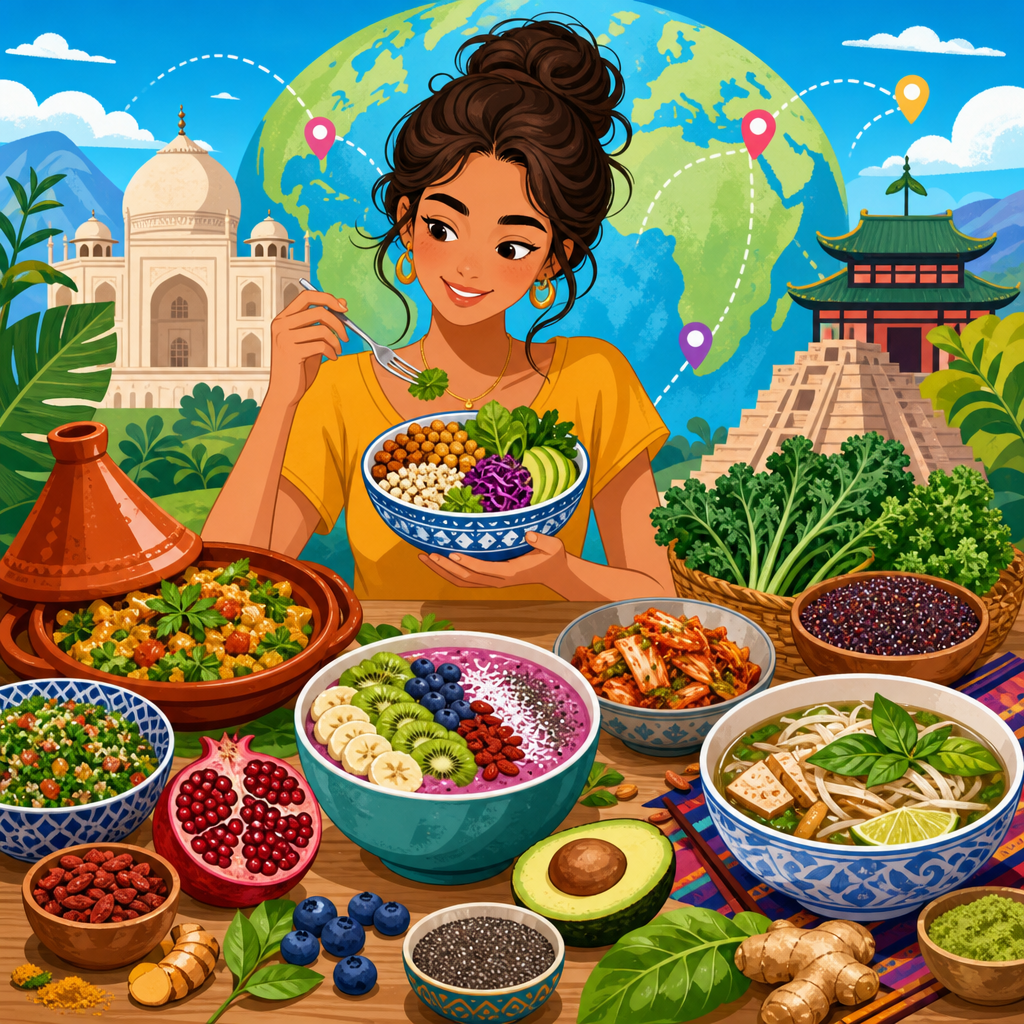
Meal prepping should fit different dietary patterns as well. Mediterranean-style prep may emphasize olive oil, beans, fish, yogurt, and vegetables. Higher-protein prep may rely on eggs, dairy, poultry, tofu, and legumes. Vegetarian prep can work extremely well when protein sources are planned intentionally. Gluten-free prep simply requires careful grain and sauce choices. The core principle is unchanged: prepare nourishing food in advance so healthy choices are easier than less healthy ones.
Breaking down meal prepping for a healthy week comes down to building a repeatable system: plan based on your calendar, shop from a focused list, cook versatile staples, portion food safely, and use flavor to keep meals appealing. You do not need a perfect Sunday ritual, expensive containers, or elaborate recipes. You need a method that reliably places balanced meals within reach when time is short.
The strongest benefit of meal prep is not just efficiency. It is consistency. When protein, produce, fiber-rich carbohydrates, and smart snacks are already prepared, healthy eating stops depending on willpower alone. That consistency supports energy, budget control, reduced stress, and better nutrition across the entire week. It also creates a foundation for related recipe planning, family meal systems, and long-term habit change.
Start small this week: choose three meals to prep, buy ingredients that overlap, and block one hour to cook and portion them. Once that feels easy, expand. A simple system done every week will outperform an ambitious plan you abandon after two tries.
Frequently Asked Questions
What is meal prepping, and how does it help create a healthier week?
Meal prepping is the process of planning meals ahead of time, buying ingredients with a purpose, cooking some or all of those meals in advance, portioning them out, and storing them so they are ready when you need them. At its core, meal prepping makes healthy eating easier because it removes the daily guesswork. Instead of deciding what to eat when you are tired, rushed, or hungry, you already have balanced options available. That one shift can make a major difference in food quality, portion control, and consistency.
For many people, the biggest benefit is that meal prepping helps reduce reliance on takeout, vending machine snacks, or highly processed convenience foods. When meals are ready to go, it becomes much easier to choose foods with more fiber, lean protein, fruits, vegetables, whole grains, and healthy fats. It also helps reduce overeating because portions can be planned intentionally rather than estimated in the moment. Over time, that structure supports better energy, improved eating habits, and less stress around food during a busy week.
How do beginners start meal prepping without feeling overwhelmed?
The best way to start is to keep it simple. A common mistake is trying to prep every breakfast, lunch, dinner, and snack for seven days right away. That level of effort can feel exhausting and hard to maintain. A more realistic approach is to begin with two or three meals you know you will need most often. For example, you might prep weekday lunches, a few breakfasts, and one or two easy dinners. Starting small builds confidence and helps you develop a routine you can actually stick with.
It also helps to repeat familiar foods. Choose meals with ingredients that overlap, such as grilled chicken, roasted vegetables, rice, beans, hard-boiled eggs, washed fruit, or chopped salad ingredients. This reduces cost, cuts prep time, and keeps your grocery list manageable. From there, focus on a basic flow: plan what you will eat, shop with a list, prep ingredients or full meals, and store them in clearly labeled containers. Once that process feels natural, you can gradually expand the number of meals you prepare each week.
What foods work best for healthy meal prep, and how do you build balanced meals?
The best meal prep foods are ingredients that hold up well in the refrigerator, reheat easily, and can be mixed and matched in different ways. Strong staples include roasted vegetables, cooked grains like brown rice or quinoa, lean proteins such as chicken, turkey, tofu, fish, eggs, or beans, and simple sides like fruit, yogurt, nuts, or cut vegetables. Foods with a short texture window, such as heavily dressed greens or fried items, are usually better assembled closer to the time you eat them.
To build balanced meals, think in categories rather than strict recipes. A solid meal prep container often includes a protein source, a fiber-rich carbohydrate, vegetables, and some healthy fat. For example, salmon with quinoa and broccoli, turkey chili with beans, or tofu with roasted sweet potatoes and green beans all fit that model. This kind of structure supports fullness, steadier energy, and better nutrition. It also makes meal prep more flexible because you can rotate flavors and sauces without changing the basic framework of a healthy plate.
How long do meal prepped foods stay fresh, and what are the best storage tips?
Most meal prepped foods stay fresh in the refrigerator for about three to four days, though exact timing depends on the ingredients and how they are stored. Foods like cooked grains, roasted vegetables, soups, and many proteins usually hold up well within that range. If you are prepping for a full week, it is often smart to refrigerate meals for the first few days and freeze additional portions for later in the week. That approach helps preserve quality and supports food safety.
Storage matters more than many people realize. Use airtight containers, cool cooked food before sealing it for long-term storage, and label meals with the prep date so nothing gets forgotten. Keep sauces and dressings separate when possible to prevent sogginess, and store delicate produce like leafy greens with a paper towel to reduce excess moisture. It is also important to reheat foods thoroughly and to trust your senses; if something smells off, has changed texture unusually, or has been sitting too long, it is better to discard it. Good meal prep is not just about convenience, but about keeping food safe and enjoyable to eat.
How can meal prepping save time and money while still keeping meals interesting?
Meal prepping saves time because it consolidates multiple daily tasks into one focused session. Instead of cooking from scratch every day, you plan once, shop once, and prep in batches. That means fewer weeknight decisions, less kitchen cleanup overall, and faster access to meals when schedules get hectic. It also saves money by reducing impulse purchases, cutting down on restaurant spending, and helping you use ingredients efficiently before they spoil. When your grocery list is built around a plan, you are far less likely to buy random items that never become meals.
Keeping meals interesting comes down to variety in flavor, texture, and assembly. You do not need five completely different recipes to avoid boredom. One batch of cooked chicken can become a grain bowl one day, a wrap the next, and a salad topping later in the week. A few simple additions like salsa, hummus, pesto, yogurt-based sauces, herbs, citrus, or spice blends can completely change the feel of a meal. This is one of the most practical lessons in sustainable meal prep: healthy eating works best when it is organized enough to be easy, but flexible enough to feel enjoyable.