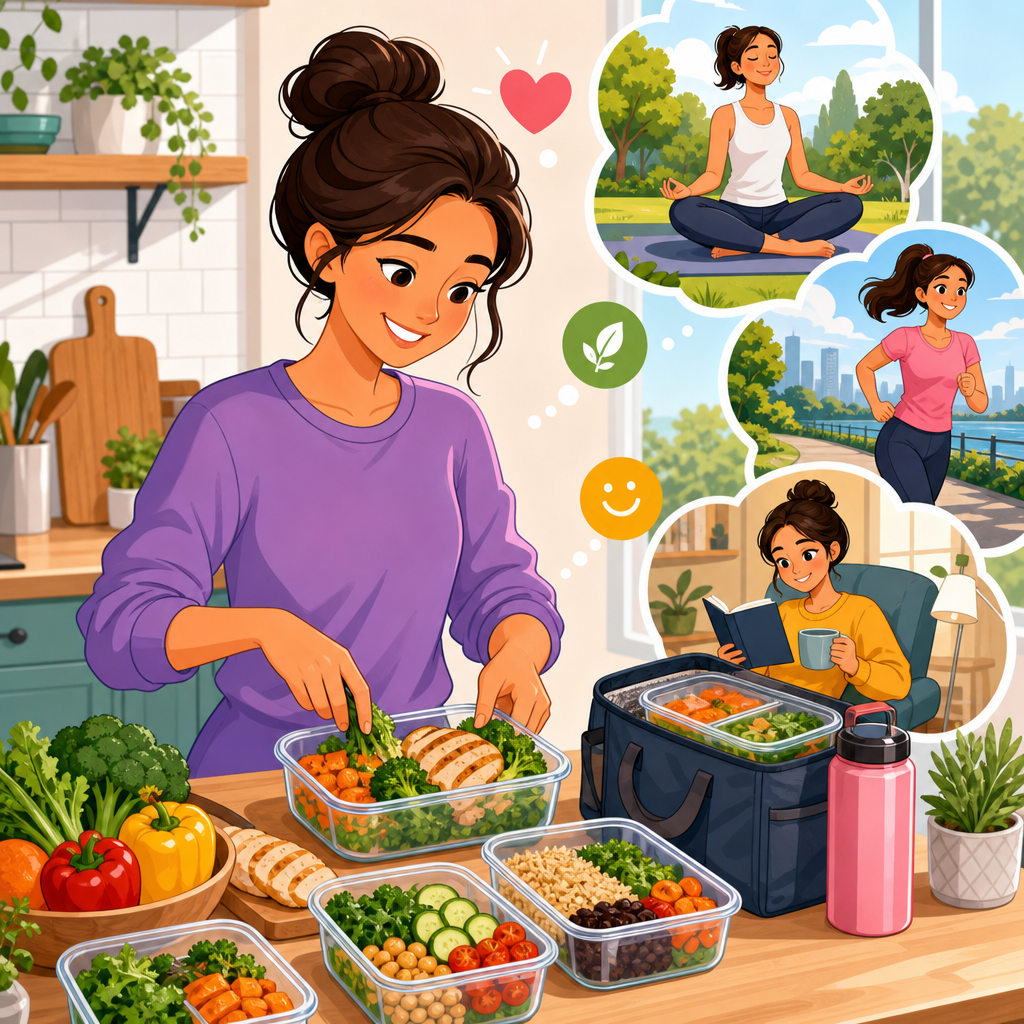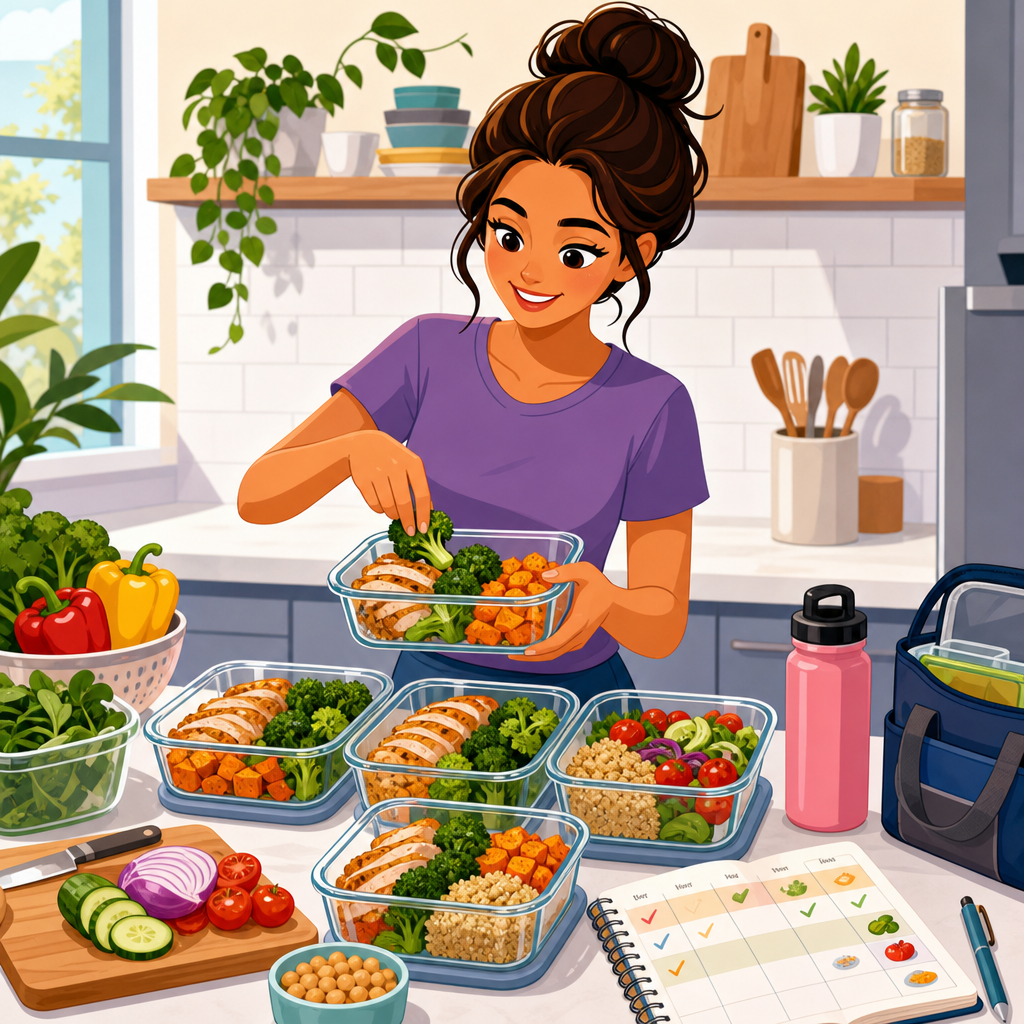
Meal prepping for a healthy week is one of the most practical ways to eat better, reduce stress, save money, and stay consistent with nutrition goals when life gets busy. In plain terms, meal prepping means planning, shopping for, cooking, and portioning meals or ingredients ahead of time so healthy choices are ready when you need them. Some people prep complete breakfasts, lunches, and dinners for several days. Others batch-cook proteins, grains, sauces, and chopped vegetables, then mix and match them through the week. Both approaches work, and the best system depends on your schedule, cooking habits, storage space, and appetite for repetition.
I have found that most people do not fail at healthy eating because they lack information. They struggle because weekday decisions happen when they are tired, rushed, hungry, or tempted by convenience. Meal prep solves that friction. When a balanced lunch is already packed, you are less likely to order takeout. When washed fruit is visible and cut vegetables are ready, healthy snacks become easier than chips. That shift matters because food choices are often driven by environment and convenience more than willpower.
A good meal prep routine also supports nutrition quality. By preparing meals in advance, you can build plates around established healthy eating principles: adequate protein, high-fiber carbohydrates, unsaturated fats, and plenty of produce. You can manage sodium, added sugar, and portion size more intentionally than you usually can with restaurant meals or packaged convenience foods. The result is not a rigid diet. It is a repeatable system that makes nourishing meals the default.
This hub article explains how to incorporate more meal prepping for a healthy week into your diet without turning your kitchen into a full-time production line. You will learn what to prep, how to choose the right method, how long common foods keep, which containers are worth buying, and how to avoid the boredom and food waste that make many people quit. If you want your recipes and meal planning routine to be more reliable, meal prep is the foundation that makes the rest of your healthy week possible.
Choose the right meal prep style for your schedule
The first step is deciding what kind of meal prep fits your real life. There are four common styles. Full meal prep means cooking complete meals and portioning them into containers, such as turkey chili with brown rice and roasted broccoli. This works well for busy professionals, students, and anyone who wants fast grab-and-go lunches. Ingredient prep means washing greens, chopping vegetables, cooking grains, marinating proteins, and preparing sauces separately. This style offers more variety and suits households where different people want different meals. Batch cooking focuses on making large amounts of a few core foods, like shredded chicken, roasted sweet potatoes, or lentil soup, then using them across several recipes. Finally, freezer prep extends shelf life by preparing meals such as breakfast burritos, soup, or baked pasta for later weeks.
In my experience, beginners do better when they start with two or three anchor items instead of trying to prep every meal. A realistic example is preparing overnight oats for breakfast, two lunch bowls for workdays, and one cooked protein to use in flexible dinners. That light system still reduces weekday stress while leaving room for spontaneity. The biggest mistake is overcommitting on Sunday, then facing a refrigerator full of meals you no longer want by Wednesday.
A useful rule is to match prep intensity to your most difficult eating window. If lunch is where your routine falls apart, focus there first. If dinner leads to takeout, prep dinner components. Effective meal planning starts with the friction point, not with an idealized vision of perfect eating.
Build balanced meals that support energy and satiety
Healthy meal prepping is not just about cooking ahead. It is about assembling meals that keep you full, support steady energy, and cover nutrient needs. A reliable template is protein plus fiber-rich carbohydrate plus vegetables plus healthy fat. Protein supports muscle maintenance and satiety; examples include chicken breast, Greek yogurt, tofu, eggs, salmon, tempeh, beans, or lean ground turkey. Fiber-rich carbohydrates such as oats, quinoa, brown rice, potatoes, lentils, and whole grain pasta help with fullness and digestive health. Vegetables add volume, micronutrients, and color. Healthy fats from olive oil, avocado, nuts, seeds, or tahini improve flavor and make meals more satisfying.
For example, a balanced lunch bowl could include grilled chicken, farro, roasted zucchini and peppers, chickpeas, feta, and lemon-herb dressing. A vegetarian option might be baked tofu, soba noodles, edamame, shredded carrots, cucumbers, and sesame sauce. Breakfast can be prepped just as strategically: egg muffins with spinach and peppers, overnight oats with chia and berries, or cottage cheese with fruit and nuts packed in separate compartments.
Portioning matters, but rigid numbers are not necessary for most people. Instead, use visual balance. Aim for a clear protein source in every meal, vegetables covering roughly half the container when practical, and carbohydrates adjusted to activity level. Someone training hard may need larger grain portions than someone with a sedentary desk day. Meal prep works best when it supports your energy needs rather than forcing every person into the same box.
Plan a smart weekly workflow before you shop
The difference between helpful meal prep and chaotic meal prep is a plan. Before writing a grocery list, check your calendar. Note office days, school pickups, workouts, social plans, and nights when cooking from scratch is realistic. Then choose a limited number of recipes with overlapping ingredients. This reduces cost, saves prep time, and cuts food waste.
A practical weekly plan might include roasted chicken thighs, cooked brown rice, chopped romaine, hard-boiled eggs, and a yogurt-based sauce. Those ingredients can become grain bowls, wraps, salads, or quick dinner plates. Another week could revolve around ground turkey, black beans, salsa, shredded cabbage, and sweet potatoes, giving you burrito bowls, tacos, stuffed potatoes, and taco salads. Repeating ingredients does not mean repeating the exact same meal.
Shopping with a categorized list makes prep faster. Group produce, proteins, dairy, frozen foods, pantry staples, and extras. If you shop online, save a recurring meal prep list so staples like oats, olive oil, canned beans, and freezer vegetables stay stocked. I also recommend doing a “use first” check before shopping. Look for vegetables that need to be cooked soon, open condiments you can build around, and proteins already in the freezer. This one habit can noticeably lower grocery spending over time.
| Prep Task | Best Time | Example Foods | Why It Helps |
|---|---|---|---|
| Plan menu | Friday or Saturday | Lunch bowls, overnight oats, soup | Prevents impulse shopping and overbuying |
| Shop groceries | Saturday or Sunday morning | Produce, proteins, grains, containers | Keeps ingredients fresh for the week |
| Batch cook staples | Sunday | Chicken, rice, roasted vegetables | Creates fast mix-and-match meals |
| Portion grab-and-go items | Sunday afternoon | Snacks, breakfasts, lunches | Reduces weekday decision fatigue |
| Midweek refresh | Wednesday | Salad greens, fruit, extra protein | Improves freshness and variety |
Prep foods that store well and taste good later
Not every healthy food is ideal for meal prep. The best choices hold texture, reheat safely, and stay appealing for several days. Proteins that prep well include baked chicken thighs, turkey meatballs, grilled tofu, marinated beans, canned tuna for same-day assembly, and baked salmon for shorter storage windows. Grains such as rice, quinoa, barley, and farro store well when cooled quickly and refrigerated properly. Roasted vegetables like carrots, cauliflower, Brussels sprouts, broccoli, and sweet potatoes generally keep better than delicate vegetables with high water content.
Fresh components still matter. Cucumbers, herbs, tomatoes, lettuce, and avocado are often better added later to preserve texture. Dressings and sauces should usually be stored separately. This is one of the easiest ways to prevent soggy salads and bland grain bowls. For breakfast prep, oats, chia pudding, yogurt parfait components, whole fruit, and egg bites all hold up well. For snacks, portion trail mix, hummus cups, washed grapes, apples, and sliced peppers.
Food safety must be part of any serious meal prep routine. The U.S. Department of Agriculture advises refrigerating perishable foods within two hours, or within one hour if temperatures exceed 90 degrees Fahrenheit. Most cooked leftovers are best used within three to four days in the refrigerator. Freezing extends that window significantly, but quality still varies by food. Label containers with the prep date. Cool cooked foods before sealing tightly, but do not leave them at room temperature for too long. A refrigerator thermometer should read 40 degrees Fahrenheit or below. These details are not glamorous, but they are what make meal prepping reliable and safe.
Use containers, labeling, and storage zones strategically
Good containers are not a luxury; they shape whether your meal prep system is easy to maintain. Glass containers are durable, resist staining, and move well from refrigerator to microwave, though they are heavier and cost more. BPA-free plastic containers are lighter and convenient for packed lunches, but they can absorb odors over time. Mason jars are useful for overnight oats, layered salads, and sauces. Small lidded cups help with dressings, nuts, and toppings that need to stay separate.
Choose containers based on purpose, not aesthetics alone. Two-compartment containers help keep a wrap and fruit separate. Shallow containers cool cooked food faster than deep ones. Stackable shapes save refrigerator space. If you prep for a family, standardizing sizes makes storage and portioning much simpler.
Organize your refrigerator so prepped foods are visible and easy to reach. Place ready-to-eat meals at eye level. Keep raw proteins on the lowest shelf to reduce contamination risk. Store snack boxes and washed produce where they are immediately seen. In many households, the healthy option fails simply because it is hidden behind condiments and leftovers. Labeling also matters more than people expect. Write the item and date on masking tape or dissolvable labels. This keeps the system moving and stops “mystery container” waste at the end of the week.
Prevent boredom with modular meals and flavor variation
One reason people stop meal prepping is flavor fatigue. Eating the exact same meal five days in a row may be efficient, but it is not necessary. A better strategy is modular prep: cook neutral base ingredients, then change sauces, herbs, toppings, and formats. For example, shredded chicken can become a grain bowl with tahini sauce on Monday, tacos with salsa and cabbage on Tuesday, and vegetable soup on Wednesday. Roasted vegetables can go into a frittata, pasta salad, or wrap. Cooked lentils can be used in curry, salad, or stuffed peppers.
Sauces are the easiest lever for variety. A simple set of three can transform a week: pesto, yogurt-dill sauce, and peanut-lime dressing. Spice blends do the same. The same chickpeas can taste Mediterranean with oregano and lemon, smoky with cumin and paprika, or warm and savory with garam masala. Texture helps too. Add toasted seeds, slaw, pickled onions, or crushed nuts at serving time.
A midweek mini-prep is another effective tactic. Instead of trying to make every meal last until Friday, refresh one or two elements on Wednesday, such as salad greens, a new dressing, or a second protein. This maintains quality and gives your healthy week a second wind without requiring a full second cooking session.
Make meal prep sustainable for different goals and households
The best meal prep routine is the one you can repeat. For weight management, prep meals with clear protein portions, high-fiber ingredients, and satisfying volume from vegetables and broth-based soups. For muscle gain or athletic recovery, increase total calories, protein, and carbohydrates with foods like rice, oats, potatoes, beans, eggs, dairy, and lean meats. For families, prep components everyone can customize, such as taco bars, pasta bowls, baked potato toppings, or stir-fry kits. For one-person households, freeze individual servings early so the refrigerator does not become a race against spoilage.
Budget matters too. Meal prepping can lower food costs substantially when built around staples like dried lentils, canned beans, eggs, frozen vegetables, oats, rice, and seasonal produce. Rotisserie chicken can be a useful bridge food for time-strapped weeks, though sodium levels vary by brand. Frozen fruit often offers excellent value and nutrition for smoothies, oatmeal, and yogurt bowls. Store brands for Greek yogurt, grains, and canned tomatoes are usually dependable places to save.
If you are starting from zero, keep the first week simple: one breakfast, one lunch, one snack, and one dinner component. Track what actually gets eaten. Then adjust. The point of meal prepping for a healthy week is not perfection. It is reducing friction so good choices happen more often. Start small, build a repeatable rhythm, and let your recipes and meal planning system evolve around your real life. Pick two meals to prep this week, shop with intention, and make healthy eating easier before your schedule tests you.
Frequently Asked Questions
What is meal prepping, and how can it help me eat healthier during the week?
Meal prepping is the practice of planning, shopping for, preparing, and portioning meals or meal components in advance so that healthy food is ready when you need it. Instead of deciding what to eat at the last minute, you make those choices ahead of time when you are less rushed and more intentional. This can include fully cooked meals for several days, pre-portioned breakfasts and lunches, or simple building blocks such as grilled chicken, cooked rice, roasted vegetables, chopped salad ingredients, sauces, and snacks that can be mixed and matched throughout the week.
For many people, meal prepping makes healthy eating much more realistic because it reduces the number of daily decisions around food. When nutritious meals are already in the refrigerator, you are less likely to rely on takeout, vending machine snacks, or ultra-processed convenience foods. It also helps with portion control, consistency, and budgeting. By buying ingredients with a plan and using them efficiently, you can reduce food waste and make your grocery spending more predictable. Perhaps most importantly, meal prepping helps healthy eating fit into a busy lifestyle by turning good intentions into a repeatable routine.
How do I start meal prepping if I am a beginner and do not want to spend my whole weekend cooking?
The best way to start meal prepping is to keep it simple and manageable. You do not need to prepare every meal for the entire week right away. In fact, beginners often do better by starting with one or two categories, such as lunches for workdays or a few ready-to-go dinners. Choose meals you already enjoy and know how to make, then repeat them for a few days instead of trying to create a large variety of recipes. A practical approach is to prep one protein, one grain or starch, one or two vegetables, and a sauce or seasoning option that can create multiple combinations.
It also helps to break meal prep into smaller steps rather than doing everything at once. For example, you can plan meals and make a grocery list on one day, shop the next, and cook on a separate evening or weekend block. Another beginner-friendly method is ingredient prep instead of full meal prep. Wash and chop produce, cook a batch of chicken or beans, prepare overnight oats, and portion snacks into containers. This still saves time during the week without requiring hours in the kitchen.
To avoid burnout, set a realistic time limit for your prep session, such as 60 to 90 minutes. Use shortcuts when needed, including pre-washed greens, frozen vegetables, rotisserie chicken, microwaveable grains, or canned beans. Meal prepping should make your life easier, not more complicated. Starting small gives you a system you can actually maintain, and once it becomes part of your routine, you can expand it based on your schedule and goals.
What foods work best for meal prepping, and how do I keep meals from getting boring?
The best meal prep foods are ingredients that store well, reheat well, and stay appealing over several days. Proteins such as chicken breast, turkey meatballs, baked tofu, hard-boiled eggs, salmon, lentils, and beans are common choices because they can be used in many meals. Carbohydrate sources like brown rice, quinoa, roasted potatoes, pasta, and oats also prep well. Vegetables such as broccoli, carrots, peppers, green beans, cauliflower, spinach, and zucchini can be roasted, steamed, or chopped ahead for quick use. Healthy fats and flavor boosters, including avocado added fresh, hummus, pesto, yogurt-based sauces, vinaigrettes, nuts, and seeds, help tie meals together.
If you want to avoid boredom, focus on variety through flavor rather than preparing completely different meals every day. For example, the same grilled chicken can become a grain bowl with tahini sauce, a wrap with salsa and avocado, or a salad with balsamic dressing. A batch of roasted vegetables can be used in omelets, lunch bowls, pasta dishes, or side plates with dinner. Keeping a few different seasonings or sauces on hand is one of the easiest ways to make the same base ingredients feel different throughout the week.
Texture also matters. Not every item should be fully assembled days in advance, especially if it becomes soggy. Store sauces separately, add crunchy toppings just before eating, and keep delicate greens away from wet ingredients until serving time. A smart meal prep routine balances convenience with freshness, which helps meals stay enjoyable and makes it much easier to stick with healthy eating habits over time.
How long do meal prepped foods stay fresh, and what is the safest way to store them?
Most meal prepped foods stay fresh in the refrigerator for about three to four days, although this depends on the ingredients and how they are cooked and stored. Foods like cooked chicken, rice, roasted vegetables, soups, and grain bowls are often well suited to short-term refrigeration. If you want to prep farther in advance, freezing can be an excellent option for items such as chili, soups, casseroles, turkey burgers, burritos, and cooked grains. Labeling containers with the date can help you track freshness and rotate meals efficiently.
Food safety starts with proper cooling and storage. After cooking, foods should be cooled and refrigerated promptly rather than left at room temperature for long periods. Use airtight containers to help preserve freshness and prevent cross-contamination. It is also helpful to store meals in individual portions so they are easy to grab and reheat. For ingredients that release moisture, such as cut fruit or cucumbers, storing them separately from other items can improve quality and reduce spoilage.
When reheating, make sure food is heated thoroughly and evenly. If a meal has an off smell, unusual texture, or questionable appearance, it is better to discard it than take a risk. A good strategy for the week is to eat the most delicate items first, such as seafood or dressed salads, and save sturdier meals like soups, stews, and grain-based dishes for later. Safe storage is a major part of successful meal prepping because it protects both your health and the quality of the food you worked to prepare.
Can meal prepping help with weight management, saving money, and staying consistent with nutrition goals?
Yes, meal prepping can support all three when done thoughtfully. For weight management, one of the biggest advantages is structure. Planning meals in advance makes it easier to include balanced portions of protein, fiber-rich carbohydrates, vegetables, and healthy fats instead of eating impulsively when you are tired or very hungry. Pre-portioned meals can also help you stay more aware of serving sizes and reduce the tendency to overeat restaurant meals or snack mindlessly. While meal prepping is not a magic solution, it creates an environment where healthier choices are more convenient and more likely to happen consistently.
From a financial perspective, meal prepping often lowers food costs because you buy with a plan, use ingredients across multiple meals, and waste less. Cooking at home is usually less expensive than frequent takeout, delivery, or eating out, especially when you base meals on staples such as rice, beans, oats, eggs, seasonal produce, and family-size protein packs. Batch cooking also lets you stretch ingredients further and make better use of leftovers. Even prepping just a few lunches and snacks each week can lead to meaningful savings over time.
For long-term nutrition goals, consistency matters more than perfection. Meal prepping helps remove many of the everyday barriers that derail healthy eating, such as lack of time, decision fatigue, and not having nutritious food available. It gives you a repeatable system that can be adjusted to match your calorie needs, fitness goals, dietary preferences, or family schedule. Whether your goal is eating more vegetables, increasing protein, reducing ultra-processed foods, or simply feeling less stressed around meals, meal prepping can be a practical and highly effective tool for building healthier habits week after week.