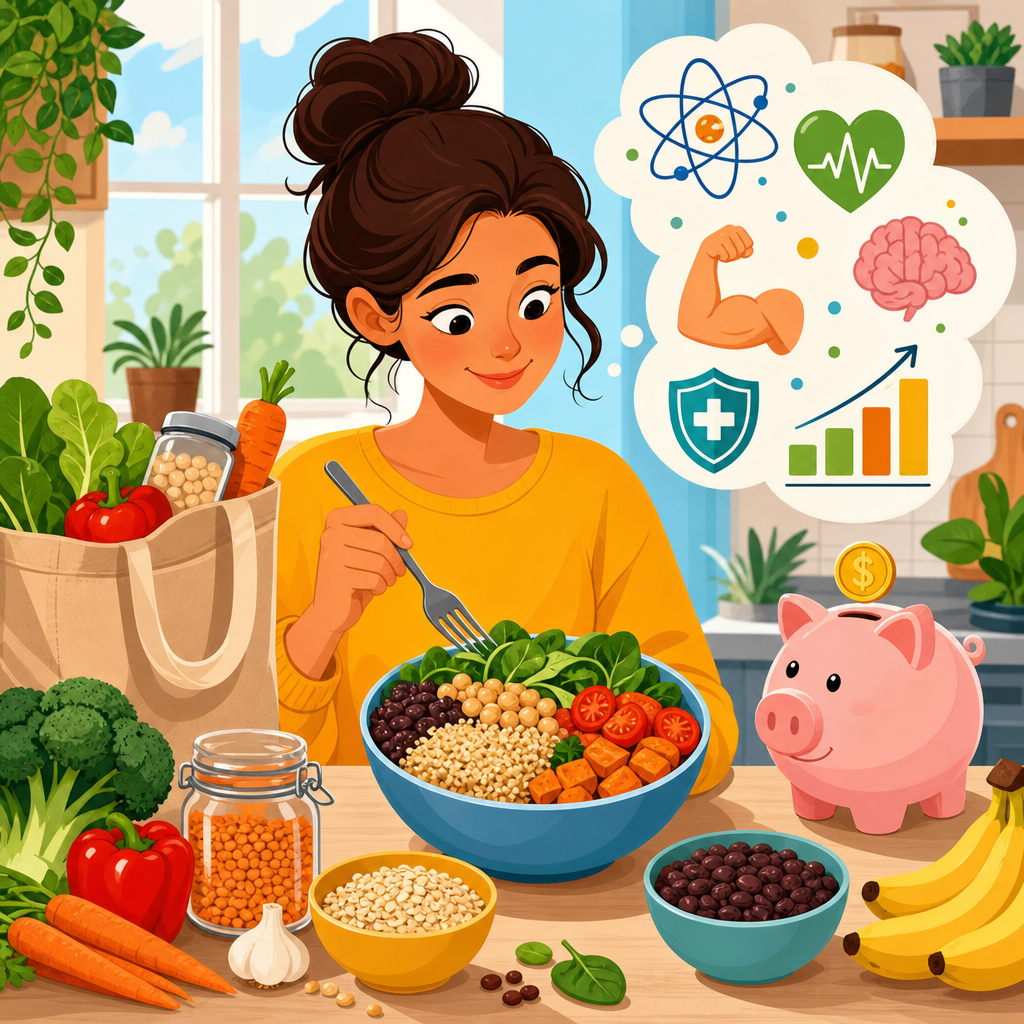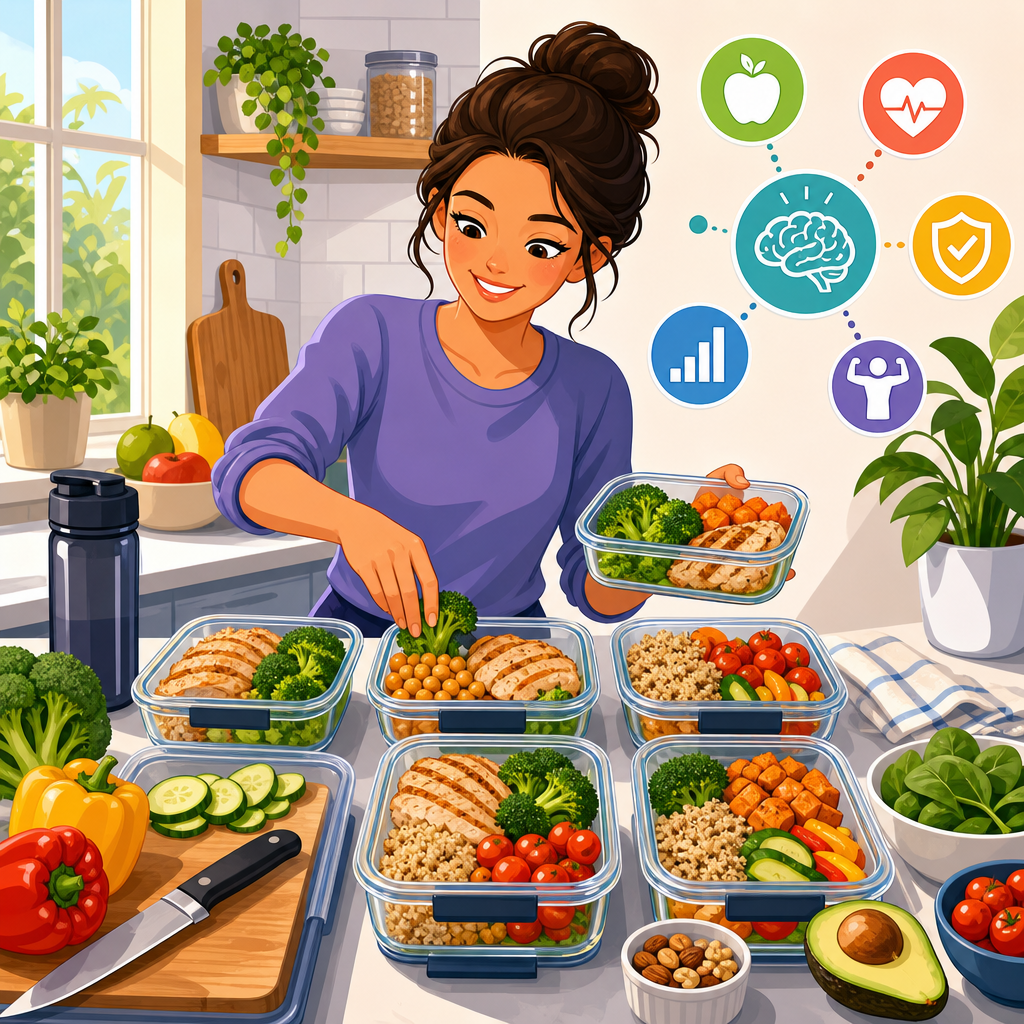
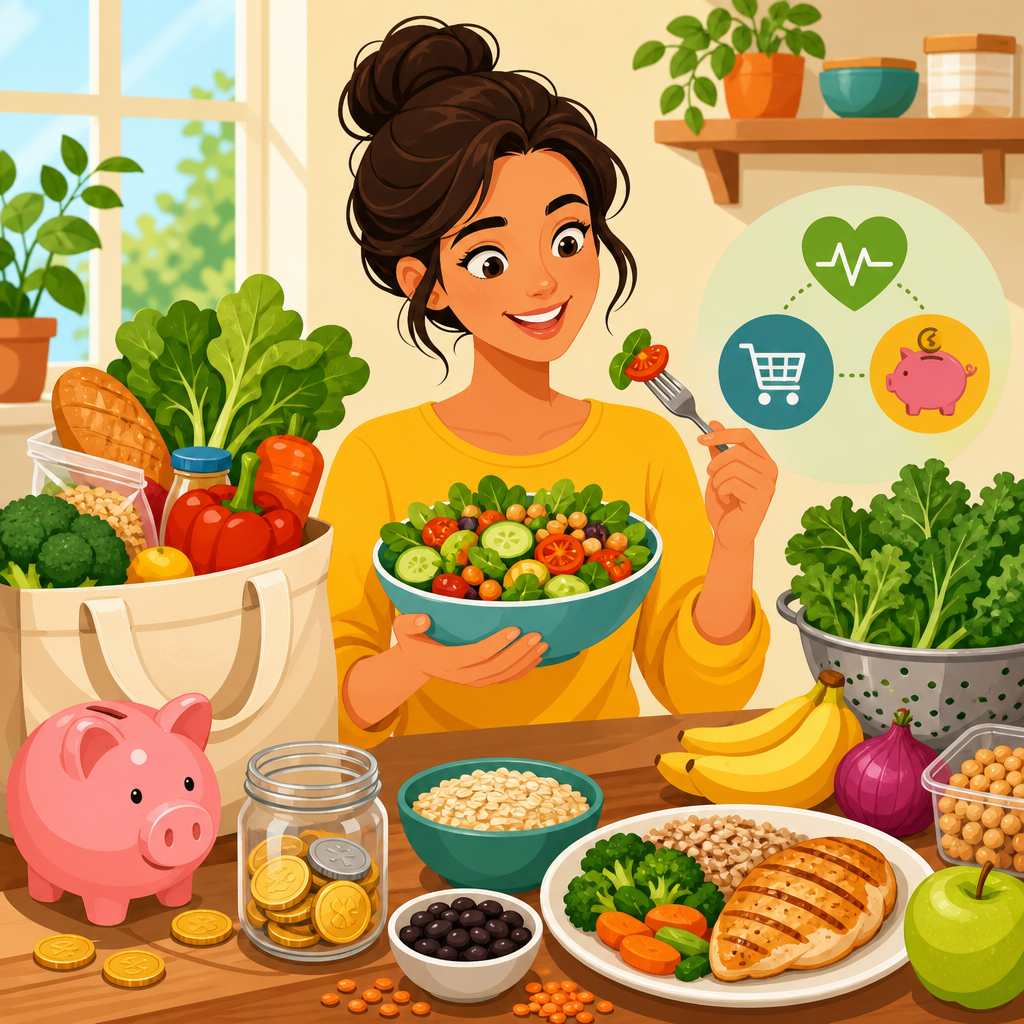
Budget-friendly healthy eating is the practice of meeting nutritional needs with foods that deliver strong value per serving, per nutrient, and per meal, rather than simply choosing the cheapest items in a store. In practical terms, it means building a healthy diet around affordable staples, planning meals to reduce waste, and using smart shopping habits so cost does not crowd out nutrition. This matters because food prices influence daily choices, and when budgets tighten, many households assume healthy eating requires expensive produce, premium proteins, or specialty products. In my work helping families build meal plans under strict weekly caps, I have seen the opposite repeatedly: a well-structured budget can improve diet quality when it pushes people toward beans, oats, eggs, yogurt, frozen vegetables, seasonal fruit, canned fish, and whole grains.
A healthy diet, as defined by widely accepted nutrition guidance, emphasizes vegetables, fruits, legumes, whole grains, lean proteins, and healthy fats while limiting excess sodium, added sugar, and heavily refined foods. Budget-friendly healthy eating fits that model because many foundational foods in those categories are inexpensive when purchased strategically. Dry lentils cost far less per serving than most meats. Frozen spinach often costs less than fresh and keeps its nutrients well. Brown rice, potatoes, canned tomatoes, peanut butter, and plain Greek yogurt can anchor dozens of balanced meals. The core question is not whether healthy eating on a budget is possible. It is how to make it consistent, practical, and sustainable week after week.
This hub article explains the full system. It covers what to buy, how to compare value, how to plan meals around shelf life, where people overspend, and how to create satisfying meals that support energy, weight management, and long-term health. It also addresses common barriers, from limited cooking time to small kitchens and unpredictable schedules. If you want a reliable approach to budget-friendly healthy eating, the key is to stop thinking in isolated ingredients and start thinking in repeatable patterns: affordable protein, high-fiber carbohydrate, produce, flavor base, and a plan for leftovers. That framework lowers cost, simplifies decisions, and makes healthy eating easier to maintain.
What Budget-Friendly Healthy Eating Really Looks Like
Budget-friendly healthy eating is not a crash strategy, and it is not built on deprivation. It is a repeatable way to combine nutrition density, affordability, convenience, and household preferences. The most successful low-cost healthy diets use core ingredients across multiple meals. For example, one rotisserie chicken can become grain bowls, soup, wraps, and pasta. A bag of carrots can go into salads, roasted trays, stir-fries, and snacks. This reduces cost per use and lowers spoilage, which is one of the biggest hidden drains in food budgets. The U.S. Department of Agriculture has long noted that food waste contributes meaningfully to household food spending, and in practice, waste usually comes from good intentions without a meal plan.
The healthiest budget patterns also focus on nutrient density. Nutrient-dense foods provide vitamins, minerals, protein, fiber, or beneficial fats relative to their cost and calories. Oats are a classic example: inexpensive, shelf-stable, rich in soluble fiber, and useful for breakfast, baking, and savory dishes. Beans and lentils provide protein, iron, potassium, and fiber at a fraction of the cost of many convenience foods. Cabbage, onions, bananas, potatoes, and frozen mixed vegetables stretch well because they store easily, pair with many cuisines, and require minimal prep. When people say healthy food is expensive, they often compare a convenience-based grocery cart against fresh specialty items, not against these high-value staples.
Another essential feature is flexibility. Families rarely follow one perfect plan every week. Work schedules change, kids reject meals, and stores run promotions unpredictably. A strong budget-friendly approach uses interchangeable ingredients. If broccoli is expensive, buy frozen green beans. If salmon is out of reach, choose canned sardines, tuna, or eggs. If berries are overpriced, buy apples, bananas, or frozen fruit. This flexibility protects nutrition without forcing overspending. It also creates a practical meal planning mindset that supports a healthy diet over time instead of depending on ideal shopping conditions.
Best Affordable Foods to Build a Healthy Diet
The most useful budget-friendly foods share four traits: low cost per serving, strong nutritional value, long shelf life, and versatility. Protein options include eggs, canned tuna, canned salmon, sardines, dry beans, canned beans, lentils, tofu, plain yogurt, cottage cheese, and chicken thighs. Carbohydrate staples include oats, brown rice, white rice, potatoes, sweet potatoes, whole grain pasta, corn tortillas, and whole grain bread when priced reasonably. Produce winners include cabbage, carrots, onions, bananas, apples, oranges, frozen berries, frozen spinach, and frozen mixed vegetables. Healthy fat and flavor basics include peanut butter, olive oil, seeds, garlic, salsa, canned tomatoes, soy sauce, mustard, and herbs.
In the households I have advised, dry beans consistently produce the greatest savings, but only if they are actually cooked and eaten. Canned beans cost more than dry beans, yet they can still be a smart buy because convenience increases follow-through. The same tradeoff appears with prewashed greens, microwave rice, and frozen chopped vegetables. If a slightly higher-cost item helps you cook instead of ordering takeout, it may still lower your total food bill. Healthy eating on a budget depends on total system cost, not single-item price alone.
| Food | Why It Fits a Healthy Diet | Budget Advantage | Best Uses |
|---|---|---|---|
| Oats | High in fiber and filling carbohydrates | Very low cost per serving, shelf-stable | Breakfast bowls, overnight oats, baking |
| Lentils | Protein, fiber, iron, folate | Cheaper than most meats | Soups, curries, salads, tacos |
| Eggs | Complete protein and versatile micronutrients | Low cost, quick to cook | Breakfast, fried rice, sandwiches, frittatas |
| Frozen vegetables | Nutrient retention and easy portioning | Lower waste than fresh produce | Stir-fries, sides, soups, pasta |
| Potatoes | Potassium, fiber, satisfying carbohydrate | Inexpensive and widely available | Bakes, soups, hashes, sheet-pan meals |
| Plain yogurt | Protein, calcium, probiotics | Cheaper than many snack foods | Breakfast, sauces, dips, smoothies |
These foods work because they combine nutrition with meal-planning efficiency. A few staple categories can produce chili, soups, grain bowls, egg scrambles, baked potatoes with toppings, pasta with vegetables and beans, yogurt breakfasts, and simple packed lunches. That variety is crucial. People abandon food budgets when meals become repetitive or unsatisfying. Budget-friendly healthy eating succeeds when affordable ingredients are turned into meals people genuinely want to eat.
Meal Planning, Batch Cooking, and Waste Reduction
Meal planning is the engine behind budget-friendly healthy eating. Without a plan, even a well-priced cart can turn into wasted produce, duplicated ingredients, and expensive last-minute takeout. The most effective method is to plan from what you already have, then shop for the gaps. Start by checking the pantry, freezer, and refrigerator. Identify which proteins, grains, and vegetables need to be used first. Then map out three to five dinners, two breakfast options, and a few lunch components that can be mixed and matched. This keeps the plan realistic while leaving room for leftovers and changing schedules.
Batch cooking strengthens the system because it shifts effort away from the busiest moments of the week. A pot of lentil soup, cooked rice, roasted vegetables, and shredded chicken can cover several meals with small changes in seasoning and format. I often recommend cooking one protein, one grain, one bean dish, and one tray of vegetables on the same day. From there, dinner can become tacos one night, a bowl the next, then soup or pasta later in the week. This approach keeps ingredients moving before they spoil and makes portioning easier for packed lunches.
Waste reduction is often more important than finding the absolute lowest prices. Throwing away half a clamshell of greens, an overripe cucumber, or leftovers no one claimed is equivalent to paying extra for every meal you did eat. To avoid that, plan around shelf life. Use delicate produce first, frozen foods later, and sturdy vegetables like cabbage or carrots toward the end of the week. Keep a leftover night. Freeze bread if it goes stale quickly. Repurpose extras into soups, fried rice, quesadillas, or omelets. These habits are simple, but they can significantly lower average food costs while improving diet consistency.
Smart Grocery Shopping Strategies That Lower Cost
Smart grocery shopping starts before you enter the store. Set a weekly amount, build a short list around planned meals, and compare prices by unit cost, not package size alone. Shelf tags often list cost per ounce or pound, which is the fastest way to identify real value. Store brands are another major lever. In many categories, including oats, canned beans, frozen vegetables, yogurt, rice, and peanut butter, store-brand products are nutritionally comparable to national brands at a lower cost. Reading labels still matters, especially for sodium in canned goods, added sugar in yogurt or oatmeal, and saturated fat in processed items, but brand prestige rarely improves nutrition.
Seasonality and format also affect savings. Fresh berries in winter can be expensive, while frozen berries often provide better value and less waste. Whole carrots usually cost less than baby carrots. Blocks of cheese are often cheaper than shredded. Larger tubs of plain yogurt cost less per serving than single-serve cups. Dried herbs may be expensive upfront but lower meal costs over time by making cheap ingredients more enjoyable. For produce, buying what is in season and abundant usually gives the best combination of price and flavor. Farmers markets can be good or expensive depending on region, so comparison shopping is essential rather than assumed.
Discounts can help, but promotions only save money when they match your actual plan. Buying three sauces you did not need or oversized perishables that spoil is not a win. A better strategy is to stock up selectively on shelf-stable or freezable basics when prices drop. Examples include canned tomatoes, frozen vegetables, rice, oats, whole grain pasta, canned fish, or chicken when you can portion and freeze it safely. Over time, this creates a working pantry that makes healthy meals faster and reduces dependence on expensive convenience purchases.
Balancing Nutrition, Time, and Convenience on a Tight Budget
Many people do not struggle with food prices alone. They struggle with time, energy, equipment, transportation, and cooking confidence. Budget-friendly healthy eating has to account for those realities. A parent getting home late may need frozen vegetables, rotisserie chicken, and microwaveable grains. Someone in a dorm may rely on yogurt, fruit, canned beans, instant oats, nuts, and simple no-cook combinations. These are not failures. They are practical adaptations. The healthiest plan is the one that fits your life closely enough to be repeated.
Convenience foods can belong in a healthy budget when used intentionally. Bagged salad kits are expensive per ounce, but if they replace restaurant lunches, they may still save money. Precut vegetables can be worthwhile for people with limited mobility, limited prep time, or a tendency to let whole produce spoil. Frozen entrées are a mixed category, but some provide reasonable portions, vegetables, and protein at a lower cost than delivery. The right question is not whether a product is perfectly frugal. It is whether it supports a consistent healthy diet within your real constraints.
Nutrition balance still matters. Even on a strict budget, aim to include protein, fiber-rich carbohydrates, and produce at most meals. A simple formula works well: half vegetables or fruit when practical, a quarter protein, and a quarter starch or grain, adjusted for the meal. Breakfast might be oats with yogurt and fruit. Lunch could be bean soup and whole grain toast. Dinner could be rice, sautéed frozen vegetables, and eggs or tofu with soy sauce and garlic. These are not glamorous meals, but they are nutritionally solid, low cost, and realistic for repeated use.
Common Mistakes and How to Build a Sustainable Routine
The biggest mistake in budget-friendly healthy eating is chasing extremes. Buying only the cheapest calories usually lowers diet quality, while buying aspirational “clean eating” ingredients often leads to overspending and waste. Another common mistake is ignoring satiety. If meals are too small, too low in protein, or overly reliant on raw vegetables, people compensate later with snacks or takeout. A sustainable healthy diet has to be satisfying. That usually means enough protein, enough fiber, and enough flavor from sauces, spices, acids, and fats used in sensible amounts.
Another problem is planning too many unique meals. Variety sounds good, but a different dinner every night increases ingredient overlap problems and raises costs. Instead, repeat components in new forms. Cooked beans can become chili, taco filling, or salad topping. Roasted vegetables can move from a side dish to pasta or frittata. Rice can become bowls, soup additions, or fried rice. This type of structured repetition is one of the strongest habits I have seen in households that maintain both a healthy diet and a manageable grocery budget.
To build a routine, choose a small set of reliable breakfasts, lunches, dinners, and snacks. Keep a list of ten low-cost meals your household already likes. Track which ingredients are frequently wasted and stop overbuying them. Learn the usual price range of your staples so a sale is clearly recognizable. Keep one or two emergency freezer meals for chaotic days. Most importantly, judge progress over a month, not a single trip. Budget-friendly healthy eating is not about perfection. It is about creating a system that repeatedly delivers nourishing meals at a cost you can sustain. Start with one week of planned staples, measure what gets eaten, and refine from there.
Budget-friendly healthy eating plays a central role in a healthy diet because it turns nutrition from an expensive ideal into a practical routine. The core principles are straightforward: prioritize nutrient-dense staples, compare value by serving and usefulness, plan meals around overlapping ingredients, reduce waste, and use convenience strategically when it prevents costlier choices. Affordable foods such as oats, beans, eggs, yogurt, potatoes, frozen vegetables, canned fish, rice, and seasonal fruit can support balanced meals without sacrificing satisfaction or diet quality. When these foods are organized into a repeatable system, healthy eating becomes easier, not harder.
The main benefit is sustainability. A diet only improves health when you can maintain it through busy weeks, rising prices, and changing schedules. That is why the most effective budget approach is flexible, realistic, and built on foods you will actually eat. You do not need specialty products, perfect meal prep, or a gourmet kitchen. You need a working list of affordable staples, a simple shopping plan, and a few reliable meals that fit your life. Those basics create consistency, and consistency drives results.
Use this hub as your starting point for recipes and meal planning that make healthy eating affordable. Build one week around low-cost staples, note what worked, and keep refining. Small changes in planning, shopping, and cooking can lower food costs while improving the quality of every meal you serve.
Frequently Asked Questions
What does budget-friendly healthy eating actually mean?
Budget-friendly healthy eating means getting strong nutritional value for the money you spend, not just buying the lowest-priced foods on the shelf. A healthy diet on a budget focuses on foods that provide useful nutrients, satisfying portions, and flexibility across multiple meals. Instead of judging cost by sticker price alone, it helps to think in terms of cost per serving, cost per nutrient, and how well an item fits into an overall meal plan. For example, oats, beans, eggs, frozen vegetables, yogurt, brown rice, canned tuna, and seasonal produce often offer much better value than highly processed convenience foods that may seem inexpensive at first but provide less staying power and fewer nutrients.
In practice, this approach usually includes building meals around affordable staples, choosing ingredients that can be used in more than one dish, and planning ahead so less food goes to waste. It also means recognizing that healthy eating is not reserved for people with unlimited grocery budgets. A balanced eating pattern can absolutely include lower-cost proteins, whole grains, canned or frozen produce, and simple homemade meals. The goal is to create a routine that supports health, fits real-life finances, and remains practical enough to sustain over time.
Can you really eat healthy on a tight grocery budget?
Yes, absolutely. Eating healthy on a tight budget is realistic when you focus on food choices that deliver nutrition, volume, and versatility. Many of the most cost-effective foods are also some of the healthiest, including dried or canned beans, lentils, potatoes, oats, rice, whole grain pasta, eggs, peanut butter, plain yogurt, canned fish, and frozen fruits and vegetables. These foods can form the foundation of balanced meals that include carbohydrates for energy, protein for fullness and muscle maintenance, healthy fats, and a variety of vitamins and minerals.
The key is to shift away from the idea that healthy eating must rely on specialty products, expensive superfoods, or premium grocery brands. A nutritious diet does not require organic-only shopping, individually packaged snacks, or fresh produce flown in from far away. It is often more affordable to prepare meals at home, buy store brands, compare unit prices, and use ingredients repeatedly throughout the week. For example, a bag of rice can support several dinners, a carton of eggs can work for breakfast or lunch, and frozen vegetables can be added to soups, stir-fries, grain bowls, and pasta dishes without the risk of spoilage. With a little planning, healthy eating can be both achievable and cost-conscious.
What are the best foods to buy when trying to eat healthy for less?
The best foods to buy are usually those that combine affordability, nutritional quality, shelf life, and meal flexibility. Good examples include whole grains such as oats, brown rice, barley, and whole wheat pasta; protein-rich staples like beans, lentils, eggs, canned salmon, canned tuna, tofu, chicken thighs, and plain Greek yogurt; and produce options such as bananas, carrots, cabbage, onions, potatoes, apples, frozen berries, and frozen mixed vegetables. These foods tend to stretch well across multiple meals and offer dependable nutritional value without a high price tag.
It also helps to prioritize ingredients that can serve different roles in your weekly routine. Beans can go into soups, tacos, salads, and grain bowls. Oats can become breakfast, smoothies, or homemade baked snacks. Eggs work in scrambles, sandwiches, fried rice, and breakfast-for-dinner meals. Cabbage can be used raw in slaws, cooked into stir-fries, or added to soups. Frozen vegetables deserve special attention because they are often picked at peak ripeness, retain strong nutrient value, and reduce waste since you only use what you need. A smart budget-friendly shopping list usually includes a mix of pantry staples, freezer staples, and a few fresh items that are in season and likely to be used quickly.
How does meal planning help with budget-friendly healthy eating?
Meal planning is one of the most effective tools for keeping food costs down while protecting nutritional quality. When you plan meals in advance, you are more likely to buy only what you need, use ingredients efficiently, and avoid last-minute spending on takeout or convenience foods. Planning also makes it easier to balance meals with vegetables, protein, whole grains, and healthy fats because you are making decisions intentionally rather than reacting when you are already hungry or short on time.
A practical meal plan does not need to be complicated. It can be as simple as choosing three or four core dinners for the week, identifying breakfast and lunch basics, and making sure ingredients overlap. For instance, roasted chicken can become dinner one night, wrap filling the next day, and soup later in the week. Cooked rice can be used in burrito bowls, stir-fries, and side dishes. Leftover vegetables can be added to omelets, pasta, or grain bowls. This kind of planning reduces waste, which is one of the biggest hidden expenses in grocery spending. It also supports a healthy diet because you are less likely to skip meals, rely on ultra-processed snacks, or let nutritious foods spoil before they are used.
What are the smartest shopping habits for maintaining a healthy diet on a budget?
Smart shopping starts before you enter the store. Check what you already have at home, make a list based on actual meals, and set a budget target if needed. Once shopping, compare unit prices rather than package prices, consider store brands, and stay open to lower-cost forms of nutritious foods, such as frozen spinach instead of fresh or canned beans instead of pre-seasoned convenience pouches. Buying in bulk can save money for items you use regularly, but only when those foods will realistically be eaten before they expire.
It is also wise to shop seasonally for produce, pay attention to sales on staple items, and avoid letting marketing drive your decisions. A package labeled as natural, high-protein, or wellness-focused is not automatically the best value. Often, simple whole foods and minimally processed basics are more affordable and just as useful nutritionally. Another strong strategy is to build meals around what is affordable that week rather than insisting on the same expensive ingredients year-round. Flexibility matters. If broccoli is costly, carrots or cabbage may be a better buy. If fresh berries are expensive, frozen berries can fill the same role. Over time, these habits help create a healthy diet that feels sustainable, practical, and financially realistic rather than restrictive or fragile.