
Family-friendly healthy recipes are meals that balance nutrition, taste, affordability, and practicality so adults and children can enjoy the same table without making separate dinners. In meal planning work I have done with busy households, that balance is the difference between good intentions and a routine that actually lasts. Families need recipes built around nutrient-dense foods, manageable prep times, familiar flavors, and flexible serving options. When those elements come together, healthy eating stops feeling like a project and becomes the default way a home cooks.
The phrase matters because it covers more than calories or trendy ingredients. A genuinely family-friendly healthy recipe includes protein for satiety and growth, fiber for digestion and fullness, healthy fats for brain and hormone function, and a mix of vitamins and minerals from fruits, vegetables, legumes, grains, dairy, eggs, fish, or lean meats. It also respects texture preferences, allergy needs, budget limits, and the reality that parents often cook while helping with homework or getting everyone out the door for practice. In other words, the best recipes are nutritionally sound and operationally realistic.
This hub article focuses on the top foods rich in the building blocks of family-friendly healthy recipes and explains why each belongs in a smart meal plan. These foods show up repeatedly in balanced breakfasts, lunchbox ideas, weeknight sheet-pan dinners, one-pot soups, slow-cooker meals, healthy snacks, and make-ahead freezer staples. They are versatile enough to support toddler meals, school-age appetites, teen energy needs, and adult health goals at once. Used well, they reduce food waste, simplify grocery shopping, and make it easier to rotate meals without sacrificing nutrition.
For families, the biggest payoff is consistency. Households that keep a core list of nutrient-rich staple foods can build tacos one night, grain bowls the next, and pasta, stir-fry, soup, or omelets later in the week from overlapping ingredients. That lowers cost and decision fatigue while improving overall diet quality. The sections below break down the foods that deserve permanent space in a family kitchen, how to use them in recipes, and what makes each one especially valuable for everyday meal planning.
Lean proteins that anchor family meals
Protein is the structural center of most family-friendly healthy recipes because it supports growth, muscle maintenance, immune function, and fullness after meals. In practice, families do best when they rotate several protein sources instead of relying on one default meat. Chicken breast and thighs, turkey, eggs, Greek yogurt, cottage cheese, beans, lentils, tofu, canned tuna, salmon, and lean ground beef all solve different meal-planning problems. Chicken thighs stay moist in sheet-pan dinners and slow-cooker recipes, eggs work for breakfast-for-dinner, and beans stretch tacos or chili at a lower cost per serving than meat alone.
When I plan menus for households with mixed preferences, I often start by choosing three protein formats for the week: one quick, one batch-cooked, and one flexible leftover option. A rotisserie chicken can become wraps, soup, and quesadillas. A pot of lentil soup improves over two days and freezes well. Greek yogurt doubles as breakfast, snack, and a base for sauces. This approach supports variety without requiring completely different ingredients every night.
Protein quality and context matter. Fish such as salmon and sardines provide omega-3 fats, which are associated with cardiovascular and brain benefits. Eggs deliver high-quality protein plus choline, a nutrient important for normal brain development and liver function. Beans and lentils contribute protein and fiber together, which helps with satiety and blood sugar steadiness. For families trying to improve health without making meals feel restrictive, these foods offer the most leverage because they fit naturally into dishes children already know: burgers, meatballs, pasta, tacos, rice bowls, muffins, pancakes, and casseroles.
Whole grains that provide lasting energy
Whole grains are one of the most useful categories in family cooking because they offer carbohydrates for energy along with fiber, B vitamins, and minerals. Oats, brown rice, quinoa, whole-wheat pasta, barley, farro, and whole-grain bread all support balanced recipes that keep children full longer than refined grains usually do on their own. Families often think healthy meals require unusual ingredients, but some of the strongest staples are ordinary pantry foods used more intentionally.
Oats are especially valuable because they work across meals. Rolled oats can become oatmeal, overnight oats, smoothies, homemade granola, and even meatball binders. Brown rice and quinoa are dependable meal-prep bases for burrito bowls, stir-fries, and grain salads. Whole-wheat pasta remains one of the easiest entry points for healthier family dinners because the dish still looks familiar while providing more fiber than standard white pasta. If texture is a concern, mixing half whole-wheat and half regular pasta often helps children adjust.
Portion balance is key. Whole grains are healthiest when paired with protein, vegetables, and fat rather than served as the entire meal. A bowl of rice alone digests quickly; rice with chicken, edamame, broccoli, and sesame sauce is more complete. A slice of toast becomes more useful with peanut butter and banana. This is how meal planning turns staple grains into family-friendly healthy recipes instead of just side dishes.
Vegetables and fruits that make recipes nutrient-dense
Vegetables and fruits are the most obvious markers of a healthy meal, but families succeed with them only when they are easy to prepare and repeatedly used in recipes everyone recognizes. The highest-value choices are usually the ones with broad culinary range: carrots, spinach, broccoli, peas, bell peppers, sweet potatoes, onions, tomatoes, cucumbers, berries, bananas, apples, oranges, and frozen mixed vegetables. Frozen produce deserves special attention because it is often picked at peak ripeness, lowers waste, and speeds up cooking on busy nights.
Vegetables increase fiber, potassium, folate, vitamin C, and thousands of plant compounds associated with long-term health. Fruit helps satisfy sweetness in a nutrient-rich way while adding hydration and micronutrients. In family cooking, the best strategy is not hiding produce but integrating it naturally. Spinach disappears into egg muffins and pasta sauces. Finely chopped mushrooms stretch taco meat. Roasted sweet potatoes work in grain bowls, soups, and breakfast hash. Berries top yogurt, oatmeal, and whole-grain pancakes. When produce shows up in familiar formats, acceptance usually improves.
Texture and presentation matter more than many nutrition guides admit. Raw broccoli and steamed broccoli can produce completely different reactions from children. Roasting vegetables at high heat develops sweetness through browning, while serving sliced cucumbers or bell peppers with a yogurt dip makes crunch the selling point. Fruit can be easier than dessert reformulation: apple slices with cinnamon, frozen grapes, or banana with peanut butter are simple wins that do not feel punitive.
Healthy fats, dairy, and flavor builders that increase satisfaction
Healthy recipes fail in real homes when they are not satisfying. Fats, dairy, herbs, spices, and condiments solve that problem. Avocados, olive oil, nuts, seeds, nut butters, plain yogurt, milk, kefir, and cheese all have a place when portions are sensible and the overall meal is balanced. Olive oil improves absorption of fat-soluble vitamins from vegetables. Nuts and seeds add crunch, protein, magnesium, and unsaturated fats. Dairy foods contribute calcium, protein, iodine, and often vitamin D, depending on fortification and region.
Flavor builders are equally important. Garlic, ginger, cumin, cinnamon, oregano, basil, low-sodium broth, tomato paste, salsa, mustard, tahini, lemon juice, and soy sauce can turn basic ingredients into meals families request again. One reason processed convenience foods remain popular is reliable flavor. Healthy home cooking needs that same reliability. A chicken, rice, and broccoli bowl is acceptable; the same bowl with lemon-garlic yogurt sauce or a mild teriyaki glaze becomes memorable.
Parents often ask whether cheese belongs in healthy recipes. The practical answer is yes, in supportive amounts. A little sharp cheddar in a vegetable omelet or a sprinkle of Parmesan on roasted broccoli can improve acceptance dramatically. The goal is not to eliminate flavor but to use it strategically so nutrient-dense foods become easier to serve repeatedly.
Best staple foods for family-friendly healthy recipes
The foods below earn their place because they are nutrient-dense, versatile, budget-aware, and useful across multiple meals each week. Keeping these staples on hand makes breakfast, lunch, dinner, and snacks easier to assemble without relying heavily on ultra-processed options.
| Food | Main nutritional value | Best family uses | Why it matters |
|---|---|---|---|
| Eggs | Protein, choline, B12 | Scrambles, egg muffins, fried rice | Fast, affordable, accepted by most ages |
| Greek yogurt | Protein, calcium | Breakfast bowls, dips, sauces, parfaits | Works in sweet and savory recipes |
| Oats | Fiber, manganese | Oatmeal, pancakes, snack bars | Low cost and easy to batch prep |
| Beans and lentils | Protein, fiber, iron, folate | Chili, soups, tacos, pasta sauces | Budget-friendly and filling |
| Chicken thighs or breast | Lean protein | Sheet-pan meals, wraps, soups | Neutral flavor fits many cuisines |
| Salmon | Protein, omega-3 fats | Baked fillets, fish cakes, bowls | Supports heart and brain health |
| Brown rice or quinoa | Complex carbs, fiber | Bowls, stir-fries, side dishes | Steady energy and meal-prep value |
| Sweet potatoes | Fiber, beta carotene, potassium | Fries, mash, roasted cubes | Kid-friendly sweetness with more nutrients |
| Frozen berries | Vitamin C, antioxidants, fiber | Smoothies, oatmeal, yogurt | Useful year-round with less waste |
| Spinach and broccoli | Folate, vitamin C, vitamin K | Pasta, eggs, soups, sides | Easy ways to raise vegetable intake |
How to build balanced breakfasts, lunches, dinners, and snacks
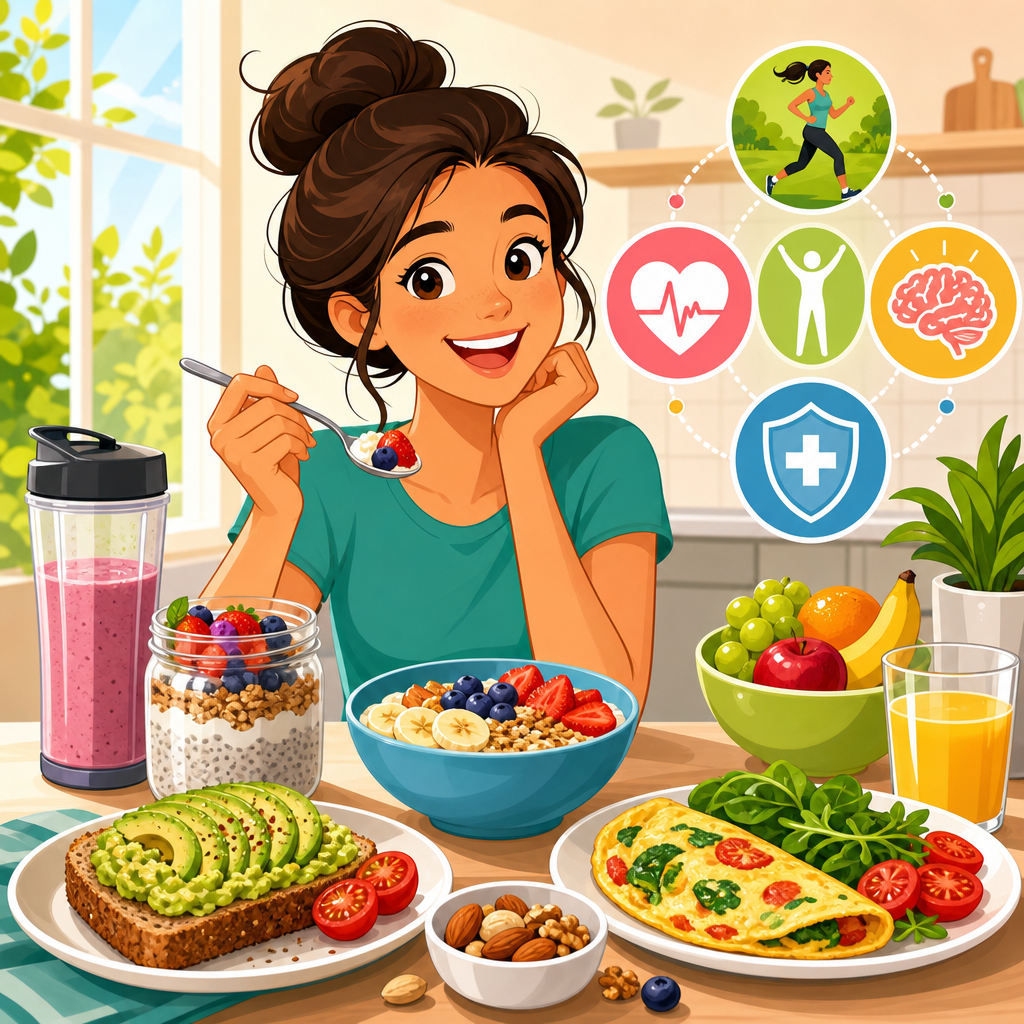
A dependable formula helps families translate staple foods into actual meals. For breakfast, combine a protein, a high-fiber carbohydrate, and fruit or healthy fat. Examples include oatmeal with milk, chia seeds, and berries; eggs with whole-grain toast and orange slices; or Greek yogurt with banana and walnuts. These meals digest more steadily than sugary cereal alone and reduce midmorning crashes.
Lunch works best when leftovers and easy assembly are part of the system. Grain bowls with chicken and roasted vegetables, turkey and hummus wraps with fruit, bean quesadillas, pasta salad with chickpeas, or cottage cheese with whole-grain crackers and cucumbers all travel well. For children, compartment lunch boxes help with variety and reduce the pressure of one mixed dish.
Dinner should prioritize repeatable structures: sheet-pan meals, tacos, soups, pasta, stir-fries, and build-your-own bowls. Each format allows one core recipe with optional toppings. That matters in families because autonomy increases buy-in. A taco night can include the same lean protein, black beans, lettuce, tomatoes, avocado, and cheese for everyone, but each person assembles a plate they will actually eat. Snacks should bridge hunger, not function like dessert. Pairing apple slices with peanut butter, yogurt with berries, cheese with whole-grain crackers, or a banana with milk gives better staying power than crackers alone.
Meal planning strategies that make healthy family recipes sustainable
The most effective family meal plans are simple, repetitive, and intentionally flexible. I usually recommend choosing two breakfasts, two lunches, three dinners, and two snack combinations to repeat during a week. That structure lowers decision fatigue while keeping enough variety to avoid boredom. Batch-cook one grain, one protein, and one tray of vegetables early in the week. Prewash fruit, portion snacks, and keep one emergency freezer meal available for schedule disruptions.
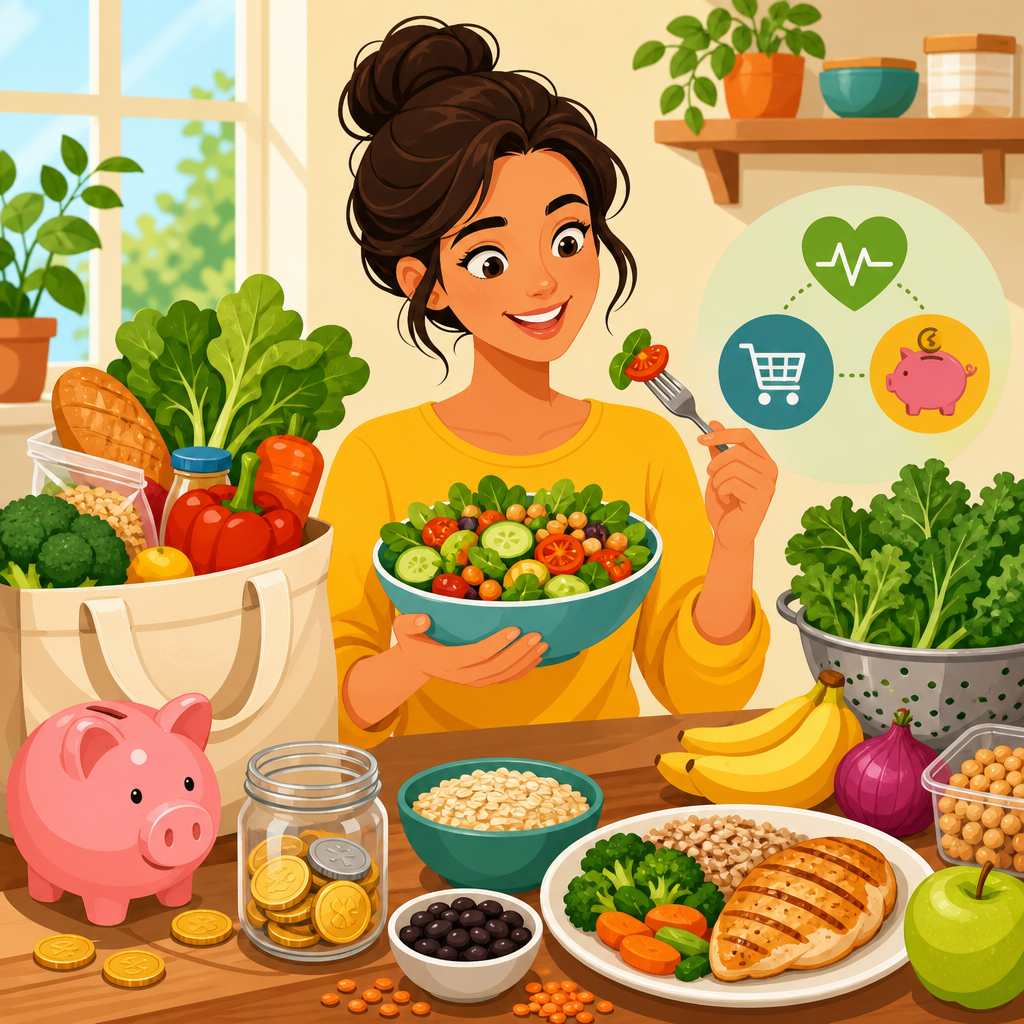
Budget planning matters too. Canned beans, frozen vegetables, oats, eggs, potatoes, yogurt, peanut butter, and in-season produce provide a high nutrition return per dollar. More expensive foods, such as salmon or berries, can be used strategically rather than daily. Waste reduction is another overlooked health tool. A meal plan that uses leftover roast chicken in soup and wraps is better than an ambitious produce-heavy plan that ends with spoiled groceries.
It also helps to keep a recipe rotation document. Families who write down ten to fifteen successful meals stop reinventing dinner every week. Include notes like prep time, freezer suitability, allergy swaps, and which side dishes worked. Over time, this becomes the core of a reliable home cooking system and a strong hub for related recipe categories such as high-protein breakfasts, kid-friendly lunches, one-pan dinners, healthy slow-cooker meals, and make-ahead snacks.
Family-friendly healthy recipes work best when they are built from a core group of nutrient-rich foods that are practical enough for real life. Lean proteins, whole grains, vegetables, fruits, healthy fats, dairy, and smart flavor builders create meals that support growth, energy, fullness, and long-term health without forcing parents to cook separate menus. The value of these foods is not only nutritional. They also reduce stress, lower waste, improve grocery efficiency, and make balanced eating easier to repeat week after week.
The central lesson is simple: healthy family cooking is a system, not a single perfect recipe. Stock versatile staples such as eggs, yogurt, oats, beans, chicken, salmon, brown rice, sweet potatoes, berries, spinach, and broccoli, then use repeatable meal formats to turn them into breakfasts, lunches, dinners, and snacks. That is how families move from occasional healthy intentions to consistent habits that fit school schedules, budgets, preferences, and changing appetites.
If you are building your meal plan hub, start with a short staple list, choose three dependable dinner formats, and cook from overlap instead of starting from scratch every night. That small shift makes family-friendly healthy recipes easier to shop for, easier to cook, and much easier to sustain.
Frequently Asked Questions
What makes a recipe truly family-friendly and healthy at the same time?
A truly family-friendly healthy recipe does more than check a nutrition box. It has to work in real life. That means it combines nutrient-dense ingredients such as vegetables, fruits, whole grains, beans, eggs, dairy, fish, or lean proteins with flavors and textures that both adults and children are willing to eat. It also needs to be practical, which usually means affordable ingredients, simple cooking methods, reasonable prep time, and enough flexibility to handle different preferences at the table.
In most households, the best healthy recipes are not the most complicated ones. They are the meals that can be made on a weeknight without stress, served in a familiar format, and adjusted easily. Think taco bowls, sheet pan chicken and vegetables, pasta with added vegetables and protein, bean chili, breakfast-for-dinner, or homemade grain bowls. These meals succeed because they allow families to build plates in slightly different ways without requiring separate dinners.
Another important factor is balance. Family-friendly healthy recipes usually include a source of protein for fullness, fiber-rich carbohydrates for steady energy, healthy fats for satisfaction, and colorful produce for vitamins and minerals. When a recipe provides that kind of balance, it tends to keep both kids and adults satisfied longer, reduce constant snacking, and make mealtimes feel easier and more predictable.
What are the top foods to include in family-friendly healthy recipes?
The best foods for family-friendly healthy recipes are the ones that deliver strong nutrition, broad appeal, and easy use across many meals. Some of the most valuable staples include eggs, oats, yogurt, beans, lentils, brown rice, whole grain pasta, potatoes, sweet potatoes, chicken, canned tuna or salmon, tofu, cheese, milk, frozen vegetables, fresh fruit, peanut butter or other nut and seed butters, and pantry basics like olive oil, canned tomatoes, and broth.
Vegetables such as carrots, peas, corn, spinach, broccoli, bell peppers, and zucchini work especially well because they can be added to soups, casseroles, pasta sauces, stir-fries, omelets, and sheet pan meals. Fruits like bananas, berries, apples, and oranges are useful because they require little preparation and make healthy sides or snacks that children recognize and accept. Whole grains such as oats, rice, tortillas, and whole wheat bread help create meals that feel familiar while adding more fiber and lasting energy.
Beans and lentils deserve special attention because they are affordable, rich in fiber and protein, and easy to blend into tacos, soups, pasta dishes, and casseroles. Likewise, eggs are one of the most practical foods for families because they cook quickly and fit breakfast, lunch, or dinner. When these foods are kept on hand, it becomes much easier to build meals that are nourishing, cost-conscious, and realistic for busy schedules.
Why are nutrient-dense foods so important in meals for busy families?
Nutrient-dense foods matter because they help families get more nutrition from the meals they already have time to make. Busy households often have limited energy for cooking, shopping, and meal prep, so every ingredient needs to work harder. Foods that provide protein, fiber, vitamins, minerals, and healthy fats support growth in children, help adults stay energized, and make meals more filling and satisfying.
In practical terms, nutrient-dense meals can improve the everyday rhythm of family life. A breakfast with oats, yogurt, fruit, and nuts will usually keep people full longer than a sugary pastry. A dinner built around chicken, beans, rice, and vegetables is more likely to support steady energy and fewer hunger crashes than a meal made mostly of refined carbs alone. That kind of staying power matters when families are juggling school, work, activities, and bedtime routines.
These foods also help reduce the pressure to snack constantly on less satisfying options. When meals contain enough nutrition and balance, children and adults often feel better, focus better, and come to the next meal less overwhelmed by hunger. Over time, that consistency can be more valuable than trying to make every meal perfect. For most families, healthy eating becomes sustainable when meals are simple, balanced, and built from ingredients that regularly nourish everyone at the table.
How can I get picky eaters to accept more healthy family meals?
The most effective approach is usually gradual exposure without pressure. Picky eating is common, especially with children, and forcing large changes often backfires. Instead of introducing completely unfamiliar meals every night, start with known favorites and improve them. Add vegetables to pasta sauce, serve tacos with beans and shredded lettuce, mix roasted sweet potatoes into rice bowls, or offer fruit and yogurt alongside a familiar breakfast item. These small steps feel less threatening and build trust around food.
It also helps to keep the structure of the meal familiar even when the ingredients improve. Kids often respond better to healthy foods when they are served in recognizable forms such as wraps, bowls, muffins, quesadillas, smoothies, soups, or pasta dishes. Build-your-own meals are especially useful because they let each person choose from the same healthy components. A grain, a protein, a few vegetables, cheese, avocado, or a simple sauce can create a dinner that feels customizable without requiring multiple recipes.
Another helpful strategy is to involve children in the process. Let them pick one vegetable at the store, stir ingredients, assemble tacos, or choose between two sides. Participation increases curiosity and lowers resistance. Most importantly, keep expectations realistic. Acceptance often takes repeated exposure. A child may not eat broccoli the first few times, but seeing it regularly in a calm, no-pressure environment is often how long-term progress happens.
How can I make family-friendly healthy recipes more affordable and easier to stick with every week?
The key is to focus on repeatable systems rather than chasing perfection. Affordable healthy cooking becomes much easier when families rely on a short list of versatile staples and rotate simple meal formats. Instead of planning entirely different meals every week, use a framework like pasta night, taco night, soup night, sheet pan night, and breakfast-for-dinner. Then vary the ingredients based on what is on sale, what is already in the pantry, and what your family tends to eat reliably.
Budget-friendly foods such as beans, lentils, eggs, oats, rice, potatoes, frozen vegetables, canned fish, yogurt, and seasonal produce offer excellent nutrition for the cost. Frozen fruits and vegetables are especially helpful because they reduce waste and prep time. Buying family-sized packs of chicken, larger tubs of yogurt, blocks of cheese, or store-brand pantry items can also cut costs when those foods are used across several meals during the week.
To make the routine last, aim for meals that are easy to repeat and repurpose. Roast extra vegetables for lunches, cook extra rice for bowls or fried rice, use leftover chicken in wraps or soups, and keep simple sauces or toppings on hand to change the flavor profile. The more a recipe can stretch into another meal, the more practical it becomes. Healthy family cooking is rarely about making everything from scratch every night. It is about building a dependable rhythm with nourishing foods, manageable prep, and enough flexibility to keep the whole household fed without burnout.