Family-friendly healthy recipes play a practical role in a healthy diet because they turn nutrition advice into meals real households will actually cook, eat, and repeat. In this context, family-friendly means recipes that suit different ages, appetites, schedules, and skill levels without requiring separate meals for adults and children. Healthy recipes are meals built from nutrient-dense foods such as vegetables, fruit, whole grains, beans, lean proteins, dairy or fortified alternatives, and unsaturated fats, while keeping sodium, added sugar, and heavily processed ingredients in check. When I plan meals for busy households, the recipes that succeed are not the most ambitious; they are the ones that balance taste, cost, prep time, and familiarity. That balance matters because diet quality is shaped less by one ideal dinner and more by what families can sustain over months and years.
Healthy eating at home influences energy, growth, weight management, heart health, digestion, and long-term disease risk. It also shapes habits. Children who regularly see vegetables, whole grains, beans, eggs, yogurt, fish, chicken, and fruit on the table learn what normal eating looks like. Adults benefit too, especially when recipes reduce decision fatigue and cut dependence on takeout. Public health guidance from organizations such as the Dietary Guidelines for Americans consistently points toward patterns rich in plant foods, adequate protein, and sensible portions. Family-friendly healthy recipes are the delivery system for that pattern. They help households answer daily questions clearly: What should we cook tonight? How do we make it affordable? Will everyone eat it? The strongest recipes solve all three problems at once, which is why they deserve a central place in any meal planning strategy.
What makes a recipe family-friendly and healthy
A family-friendly healthy recipe meets nutritional goals without ignoring the realities of family life. First, it contains a useful mix of macronutrients: protein for fullness and growth, carbohydrate for energy, and fat for flavor and satiety. Second, it includes fiber from vegetables, fruit, beans, lentils, or whole grains, which supports digestion and helps meals feel substantial. Third, it uses cooking methods that add flavor without excess saturated fat or sodium, such as roasting, baking, steaming, grilling, stir-frying, or simmering. Finally, it is adaptable. The best healthy sheet pan dinners, soups, pasta dishes, grain bowls, tacos, and casseroles allow ingredient swaps based on allergies, budget, culture, and preference.
In practice, that means a turkey and bean chili with bell peppers is more family-friendly than a complicated restaurant-style entrée with six specialty garnishes. A baked salmon tray with potatoes and broccoli works because the method is simple, the texture is approachable, and leftovers can become lunch. A lentil pasta with tomato sauce and spinach works because it raises fiber and protein while staying familiar. I have seen families stick with healthy meal planning when recipes use known formats: tacos, pizza, burgers, pasta, curry, fried rice, soups, wraps, and muffins. People are not resistant to healthy food; they are resistant to meals that feel inconvenient, expensive, or too far outside their routine. Good recipe design respects that.
How these recipes improve diet quality across the week
Family-friendly healthy recipes improve diet quality by making nutritious choices the default instead of the exception. One balanced dinner rarely changes a diet, but a set of repeatable meals can. When a household rotates oatmeal with fruit, egg muffins, yogurt parfaits, chicken vegetable stir-fry, black bean tacos, minestrone, and overnight oats, nutrient intake becomes steadier. Protein appears consistently. Vegetables show up more than once a day. Whole grains and beans replace some refined grains. Sugary snacks and impulse takeout often decrease simply because satisfying food is already available.
This consistency matters for both adults and children. Higher intake of fiber-rich foods is associated with better satiety and improved cardiometabolic markers. Replacing highly processed convenience meals with home-cooked recipes usually lowers sodium and increases potassium, especially when meals include potatoes, beans, tomatoes, yogurt, leafy greens, and fruit. Families also gain better portion awareness. Restaurant servings tend to overshoot energy needs, while home recipes can be scaled and plated deliberately. Another advantage is ingredient overlap. A meal plan that uses a spinach box in omelets, pasta, smoothies, and soup reduces waste and makes healthy choices economical. Over time, the household develops a reliable core of meals, and that core is what supports a healthy diet in the real world.
Key ingredients that build better family meals
The foundation of family-friendly healthy recipes is not a single superfood but a repeatable pantry and refrigerator system. Start with proteins that cook quickly and fit many cuisines: eggs, plain Greek yogurt, canned tuna or salmon, chicken thighs or breasts, tofu, ground turkey, beans, lentils, and edamame. Add carbohydrate sources with more fiber and staying power than refined staples alone, such as oats, brown rice, quinoa, whole wheat pasta, potatoes, sweet potatoes, and whole grain bread or tortillas. Keep vegetables that are practical, not aspirational: carrots, onions, bell peppers, broccoli, frozen peas, spinach, corn, tomatoes, and mixed frozen vegetables. Build flavor with olive oil, garlic, lemon, herbs, salsa, low-sodium broth, nut butters, tahini, soy sauce, curry paste, and grated cheese used strategically rather than excessively.
These ingredients matter because they support both nutrition and compliance. Frozen vegetables are often picked at peak ripeness and can be just as nutritious as fresh, while reducing spoilage. Canned beans offer protein, fiber, folate, magnesium, and convenience; rinsing them can reduce sodium. Potatoes are frequently underestimated, yet they provide potassium and vitamin C and are accepted by many children. Yogurt can become breakfast, snack, dip, or sauce. Oats can be used in porridge, pancakes, muffins, and meatballs. In other words, healthy meal planning becomes easier when each ingredient has multiple jobs. Families do better with systems than with single recipes, and the right ingredient mix creates that system.
| Recipe format | Core ingredients | Why families repeat it | Healthy upgrade |
|---|---|---|---|
| Taco night | Beans or lean meat, tortillas, salsa, lettuce | Customizable for different ages | Add black beans, avocado, and cabbage slaw |
| Sheet pan dinner | Chicken or tofu, potatoes, broccoli | One pan and easy cleanup | Use olive oil and extra vegetables |
| Pasta night | Whole wheat or legume pasta, tomato sauce | Familiar and budget-friendly | Stir in spinach, mushrooms, and lentils |
| Soup or chili | Beans, vegetables, broth, spices | Freezes well for busy weeks | Choose low-sodium broth and whole grain sides |
Recipe formats that work for busy households
Certain recipe structures consistently help families eat well because they reduce friction. Sheet pan meals are efficient: protein, vegetables, and starch roast together, limiting dishes and allowing hands-off cooking. Stir-fries are fast and ideal for using leftover rice and mixed vegetables. Soups and chilis batch well, making them excellent for meal prep and freezer backups. Grain bowls let each person assemble a meal from cooked rice or quinoa, a protein, raw or roasted vegetables, and a sauce. Tacos, quesadillas, and wraps provide familiarity and flexible fillings. Breakfast-for-dinner recipes, such as vegetable omelets with toast and fruit, are often faster and cheaper than ordering food.
These formats also make it easier to answer common family concerns. Picky eater at the table? Serve components separately and keep one familiar item on the plate. Tight budget? Build around beans, eggs, oats, potatoes, and seasonal produce. Very limited time? Use pre-chopped vegetables, rotisserie chicken, microwaveable grains, and frozen fruit without assuming nutrition has been compromised. One point I emphasize with clients is that healthy does not require cooking from scratch every night. It requires a sensible pattern. A whole grain pita pizza with tomato sauce, mozzarella, and peppers can be part of a healthy diet. So can turkey meatballs made in bulk and frozen. The role of family-friendly recipes is to create a pathway from intention to execution on ordinary weeknights.
How to balance nutrition without making separate meals
Families often assume that healthy eating means conflict at the table or special meals for different preferences. In reality, the most effective strategy is a balanced base meal with optional additions. For example, serve baked chicken, roasted carrots, rice, and yogurt sauce. A toddler might eat the rice, chicken, and yogurt separately. An adult might turn the same meal into a bowl with hot sauce and herbs. A vegetarian version can swap in roasted chickpeas or tofu. This approach preserves one family meal while allowing autonomy. It also aligns with responsive feeding principles, which encourage adults to decide what, when, and where food is served, while children decide whether and how much to eat.
Portioning and plating help too. Put vegetables in the center of the table, offer fruit routinely, and include a dependable carbohydrate source so children are not overwhelmed by unfamiliar foods. Avoid labeling foods as good or bad; that framing tends to backfire. Instead, explain function in simple terms: chicken helps muscles, carrots help eyes, oats give steady energy. Repeated exposure matters more than pressure. A child may need many low-stress exposures to accept a new food. Recipes that include vegetables in multiple forms, such as raw cucumber with a meal, spinach in pasta sauce, and roasted zucchini on the side, increase acceptance without turning dinner into a negotiation. Healthy family recipes succeed when they are inclusive, not rigid.
Meal planning, budgeting, and reducing food waste
The link between healthy recipes and a healthy diet becomes much stronger when meal planning is deliberate. A useful plan starts with inventory, not inspiration. Check what protein, grains, vegetables, and fruit you already have, then choose three to five dinners that reuse ingredients. Roast extra vegetables for wraps and grain bowls. Cook double rice for fried rice later in the week. Turn leftover chicken into soup, quesadillas, or sandwiches. This is how experienced home cooks protect both budget and nutrition: they build continuity between meals.
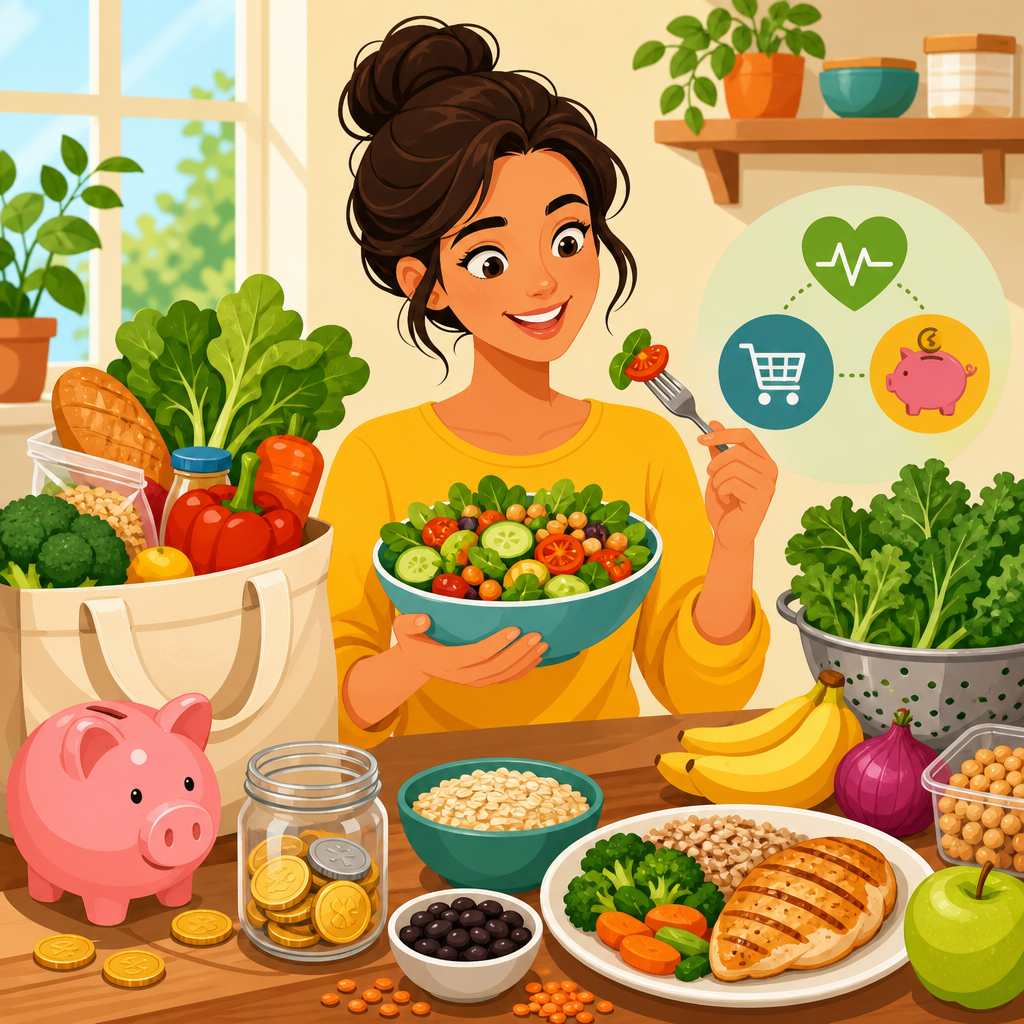
Budget matters because cost is a real barrier. Fortunately, many high-value foods are inexpensive: dried or canned beans, oats, eggs, bananas, carrots, cabbage, potatoes, peanut butter, canned tomatoes, and frozen vegetables. Buying store brands and using seasonal produce can lower costs further. Waste reduction is another hidden benefit. The average household throws away edible food regularly, often produce bought with good intentions but no plan. Hub-style meal planning solves that. If cilantro appears in tacos, it can reappear in soup or rice. If yogurt is used for breakfast, it can also become a dip or marinade. Family-friendly healthy recipes are not isolated ideas; they are connected parts of a weekly system that saves money and keeps nutritious meals within reach.
Common obstacles and practical solutions
Most families know vegetables are important and takeout can be expensive. The challenge is execution under pressure. Time is the biggest obstacle, followed by uneven preferences, limited cooking confidence, and the belief that healthy food lacks flavor. Each problem has a workable solution. Time improves when you standardize breakfast and lunch, prep one or two proteins in advance, and keep emergency meals on hand such as frozen vegetable dumplings, bean soup, or whole grain pasta with jarred marinara and added spinach. Preference conflicts improve when meals are modular, with toppings and sides people can adjust. Cooking confidence improves by mastering a small set of techniques: roasting at high heat, simmering soups, cooking grains, browning ground meat, and building sauces from pantry ingredients.
Flavor deserves special attention because bland food does not become healthy by virtue of being virtuous. Use acid, herbs, spices, aromatics, and texture. Lemon brightens fish and vegetables. Garlic and ginger transform stir-fries. Cinnamon improves oatmeal without relying on sugar. Toasted seeds add crunch to salads and soups. Salsa, pesto, chimichurri, hummus, and yogurt sauces can rescue a plain meal. There are limits, of course. Some households need medical adjustments for allergies, celiac disease, diabetes, or hypertension. In those cases, recipe selection should reflect professional guidance. But the principle holds: the healthiest family diet is built from meals people can prepare confidently and enjoy consistently. Start with two dependable dinners this week, then expand your recipe rotation from there.
Family-friendly healthy recipes matter because they make good nutrition realistic, repeatable, and sustainable in everyday life. They translate broad dietary advice into breakfasts, lunches, dinners, and snacks that fit work schedules, school routines, budgets, and mixed preferences. The most effective recipes share clear traits: balanced protein, fiber-rich carbohydrates, vegetables or fruit, practical prep methods, and flexibility for substitutions. They also work within a larger meal planning system, where ingredients overlap, leftovers are reused, and convenience tools such as frozen vegetables, canned beans, and rotisserie chicken are used strategically rather than guiltily.
As a hub within recipes and meal planning, this topic connects naturally to family meal prep, healthy weeknight dinners, kid-friendly lunches, budget cooking, freezer meals, high-protein breakfasts, and smart grocery list building. Together, those subtopics create a complete structure for eating well at home. The central benefit is not perfection; it is consistency. When households rely on recipe formats that are nutritious and easy to repeat, diet quality improves almost automatically. Start by choosing three family-friendly healthy recipes you can cook this week, build a shopping list around shared ingredients, and make those meals the foundation of your routine.
Frequently Asked Questions
1. What makes a recipe “family-friendly” and still healthy?
A family-friendly healthy recipe is one that balances good nutrition with real-life practicality. It should be appealing and manageable for a range of ages, appetites, and cooking abilities, while also fitting into the time and budget constraints many households face. In practice, that means the recipe uses wholesome, nutrient-dense ingredients such as vegetables, fruit, whole grains, beans, lean proteins, dairy or fortified alternatives, and unsaturated fats, but presents them in a way that feels approachable rather than restrictive.
What makes these recipes especially valuable is that they reduce the need to prepare separate meals for adults and children. Instead of cooking “healthy food” for one person and “kid food” for another, a family-friendly recipe creates a shared meal everyone can enjoy with small adjustments if needed. For example, a grain bowl, taco night, pasta with vegetables and lean protein, or a simple soup with bread can be adapted through toppings, portion sizes, or spice levels without changing the core meal. That flexibility supports healthier eating patterns because it makes consistency possible.
Healthy family recipes also tend to focus on balance instead of perfection. A useful meal often includes a source of protein, fiber-rich carbohydrates, colorful produce, and satisfying fats. When meals are built this way, they support fullness, steady energy, and a wider range of nutrients. The most effective recipes are not necessarily elaborate or trendy. They are the ones families will actually cook again and again, which is what turns nutrition guidance into daily habit.
2. Why are family-friendly healthy recipes so important in maintaining a healthy diet?
Family-friendly healthy recipes are important because they bridge the gap between knowing what is healthy and actually eating that way on a regular basis. Many people understand the basics of a healthy diet, but general advice can feel hard to apply during a busy week. Recipes that are simple, repeatable, and accepted by the household make healthy eating much more realistic. They give structure to meal planning, reduce decision fatigue, and help families rely less on convenience foods that may be higher in sodium, added sugars, or saturated fat.
These recipes also support consistency, which is one of the most important factors in a healthy diet. A single nutritious meal does not matter as much as a pattern of eating that includes vegetables, whole grains, quality proteins, and other nutrient-rich foods over time. When a recipe works for the whole family, it is more likely to become part of that pattern. Repeated exposure to healthy ingredients in familiar dishes can also improve acceptance, especially for children who may need time before they enjoy new foods.
Another major benefit is that family-friendly meals can strengthen the home food environment. When the default dinner includes balanced ingredients and reasonable portions, healthy eating becomes the norm rather than the exception. This can shape lifelong habits around meal routines, cooking confidence, and food preferences. In that way, family-friendly healthy recipes do more than provide nourishment in the moment. They help build a sustainable way of eating that supports long-term health for everyone at the table.
3. How can healthy recipes work for both adults and children without making separate meals?
The key is to build meals with a shared base and allow small customizations. This approach keeps the meal nutritionally strong while respecting different taste preferences, spice tolerance, and portion needs. A base meal might be something like brown rice with chicken and roasted vegetables, whole grain pasta with tomato sauce and beans, or baked salmon with potatoes and green beans. From there, family members can personalize the meal with toppings, sauces, or side options. Children may prefer ingredients served separately, while adults may enjoy everything combined with extra herbs, spices, or vegetables.
Serving style matters too. Deconstructed or build-your-own meals are especially effective for families. Tacos, wraps, grain bowls, homemade pizza on whole grain crust, stir-fries, and sheet pan dinners can all be arranged so everyone participates in the same meal while choosing what goes on their plate. This supports autonomy without sacrificing nutrition. It also reduces mealtime conflict because the focus shifts from forcing one exact version of a meal to offering balanced choices within a healthy framework.
It helps to keep the nutrition foundation strong even when preferences differ. Aim to include at least one accepted fruit or vegetable, one satisfying protein source, and one quality carbohydrate in the meal. If a child is hesitant about mixed dishes, serving components separately is still a valid way to preserve nutrition and reduce the need for a second dinner. Over time, repeated exposure to the same wholesome ingredients in a low-pressure setting often increases comfort and willingness to try more foods. That makes family-friendly healthy cooking both practical and developmentally smart.
4. What are the main nutritional benefits of using family-friendly healthy recipes regularly?
Using family-friendly healthy recipes regularly can improve dietary quality in several meaningful ways. First, these recipes often increase intake of essential nutrients by making it easier to include a broader variety of food groups. Meals built around vegetables, fruit, legumes, whole grains, lean proteins, and dairy or fortified alternatives can provide fiber, vitamins, minerals, protein, and healthy fats in a balanced format. Over time, this pattern supports energy levels, digestion, growth and development, immune function, and overall metabolic health.
Second, these meals can help with appetite regulation and satisfaction. Recipes that include protein, fiber, and healthy fats tend to be more filling than meals centered mainly on refined carbohydrates or highly processed snack foods. This can reduce the cycle of short-lived fullness followed by frequent hunger. For families, that often translates into steadier energy during the day and less dependence on grab-and-go foods that may not be as nutrient-dense.
There are also practical nutritional benefits tied to home cooking. Preparing family-friendly healthy meals at home usually gives households more control over ingredient quality, portion sizes, sodium levels, added sugars, and cooking methods. Baking, roasting, grilling, steaming, and sautéing with moderate amounts of healthy fats can preserve flavor while supporting better overall nutrition. Even simple improvements, such as using whole grain pasta, adding beans to soups, including vegetables in casseroles, or swapping sugary sides for fruit or yogurt, can significantly improve the quality of the family diet without making meals feel unfamiliar.
5. How can busy families make healthy recipes easier to plan, cook, and repeat?
The most effective strategy is to prioritize simplicity and repeatability. Families do not need a brand-new recipe every night to eat well. In fact, a small set of dependable meals is often more sustainable. Choose recipes with familiar ingredients, short preparation times, and flexible components. Examples include one-pot chili, sheet pan chicken and vegetables, lentil soup, scrambled eggs with whole grain toast and fruit, overnight oats, pasta with vegetables and lean protein, or rice bowls using leftovers. These meals are easier to shop for, easier to prepare, and easier to revisit during busy weeks.
Planning ahead also makes a major difference. A basic weekly meal plan, even if it covers only dinners, can reduce stress and last-minute choices. Keeping staple ingredients on hand such as canned beans, frozen vegetables, eggs, oats, yogurt, whole grain bread, brown rice, pasta, canned fish, and pre-washed greens allows families to assemble balanced meals quickly. Batch cooking can help as well. Making extra soup, grains, roasted vegetables, or protein once or twice a week creates building blocks for future meals and shortens cooking time on the busiest days.
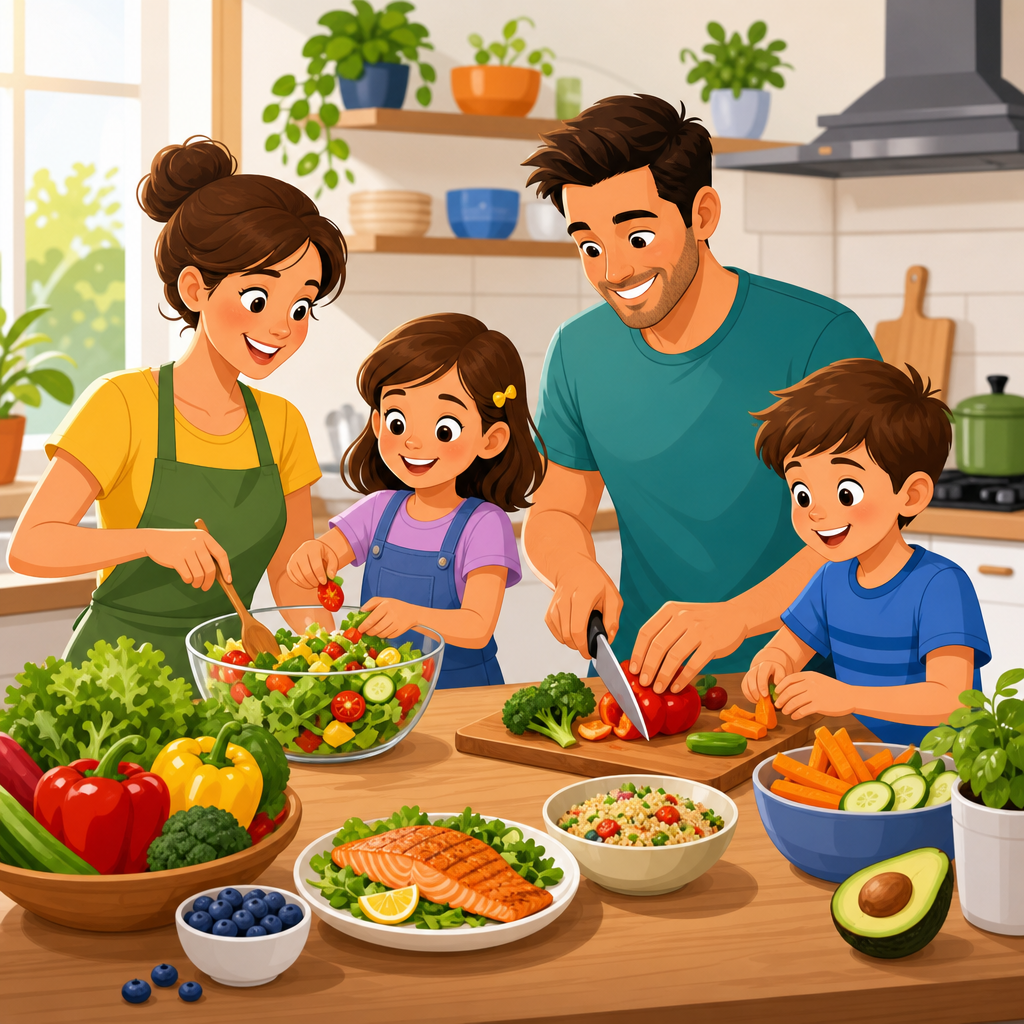
Finally, involve the household whenever possible. Children can help wash produce, stir ingredients, choose between vegetable options, or assemble parts of the meal. Adults with different schedules can share planning, prep, or cleanup responsibilities. When healthy recipes become part of the family routine rather than the responsibility of one person, they are much easier to maintain. The goal is not a flawless menu. It is a realistic system that helps nutritious meals happen often enough to support a healthy diet over the long term.