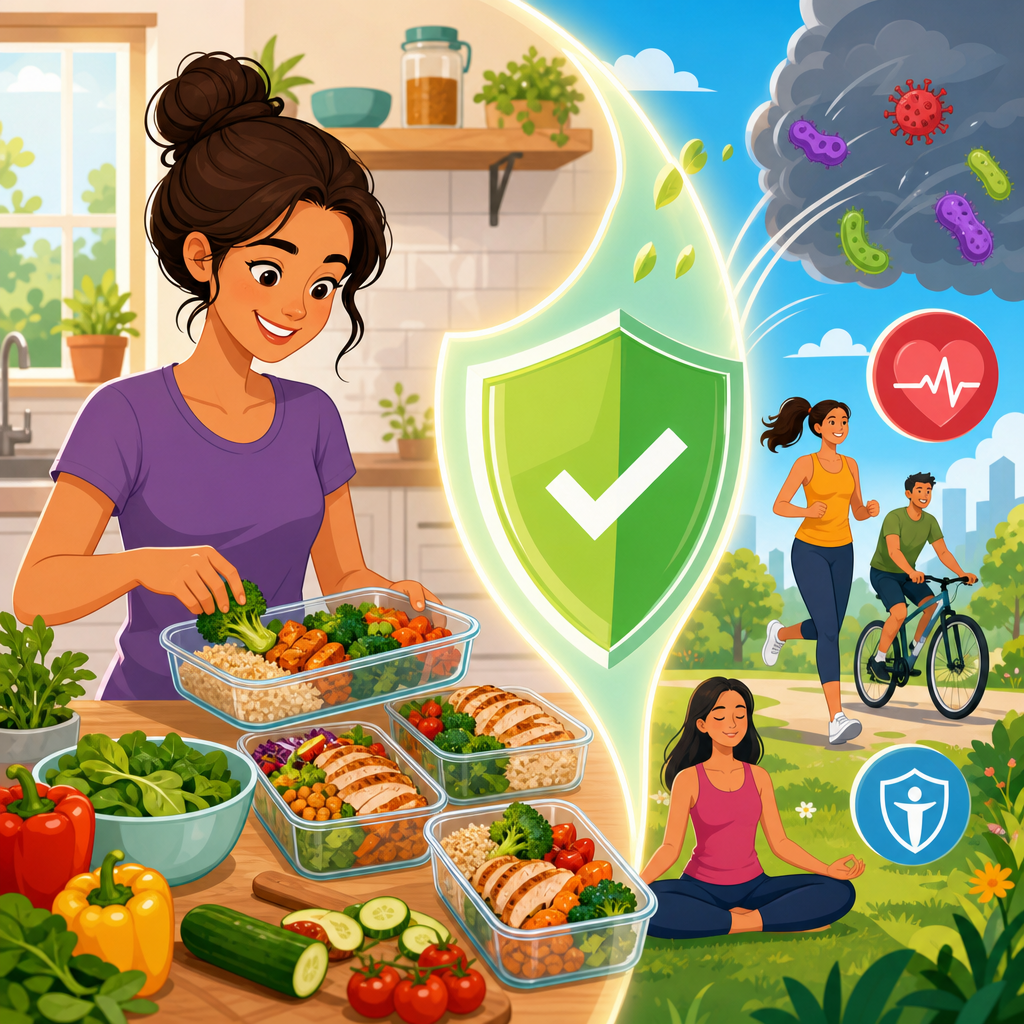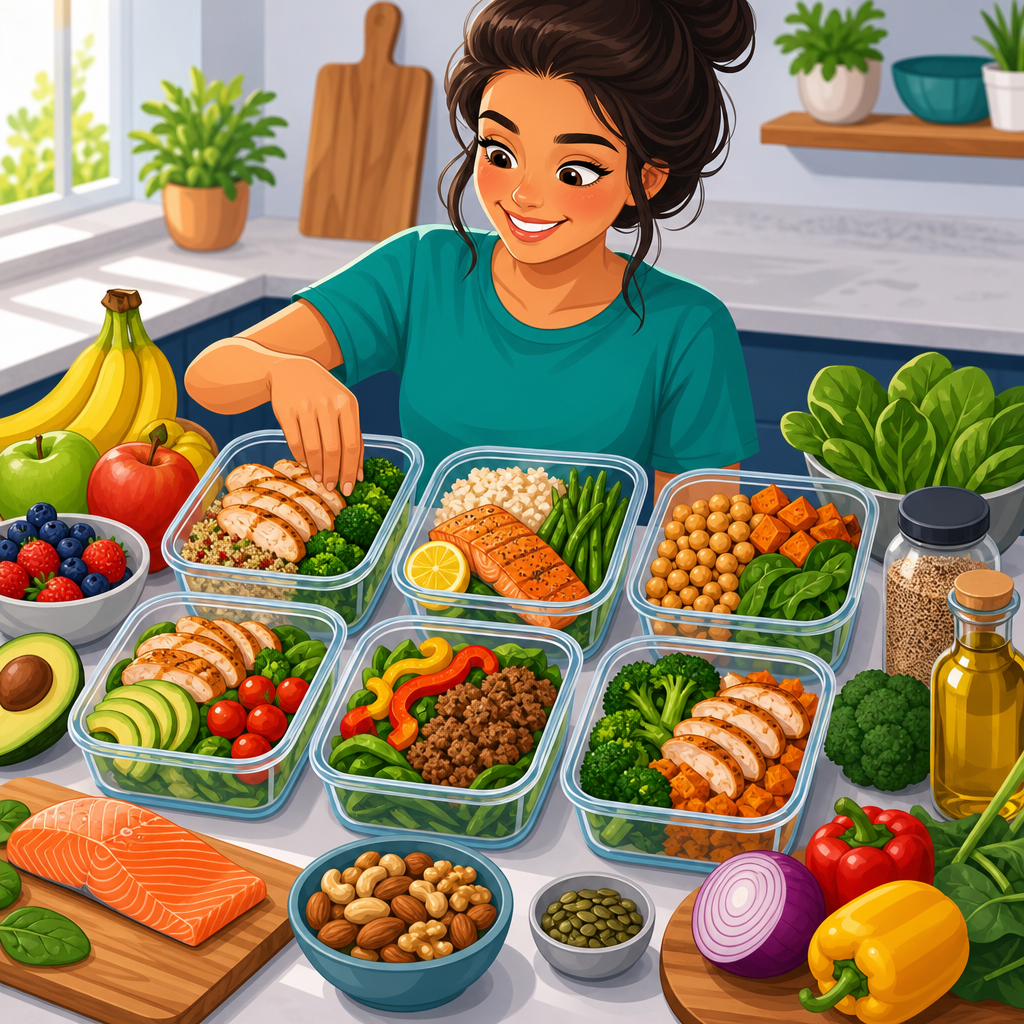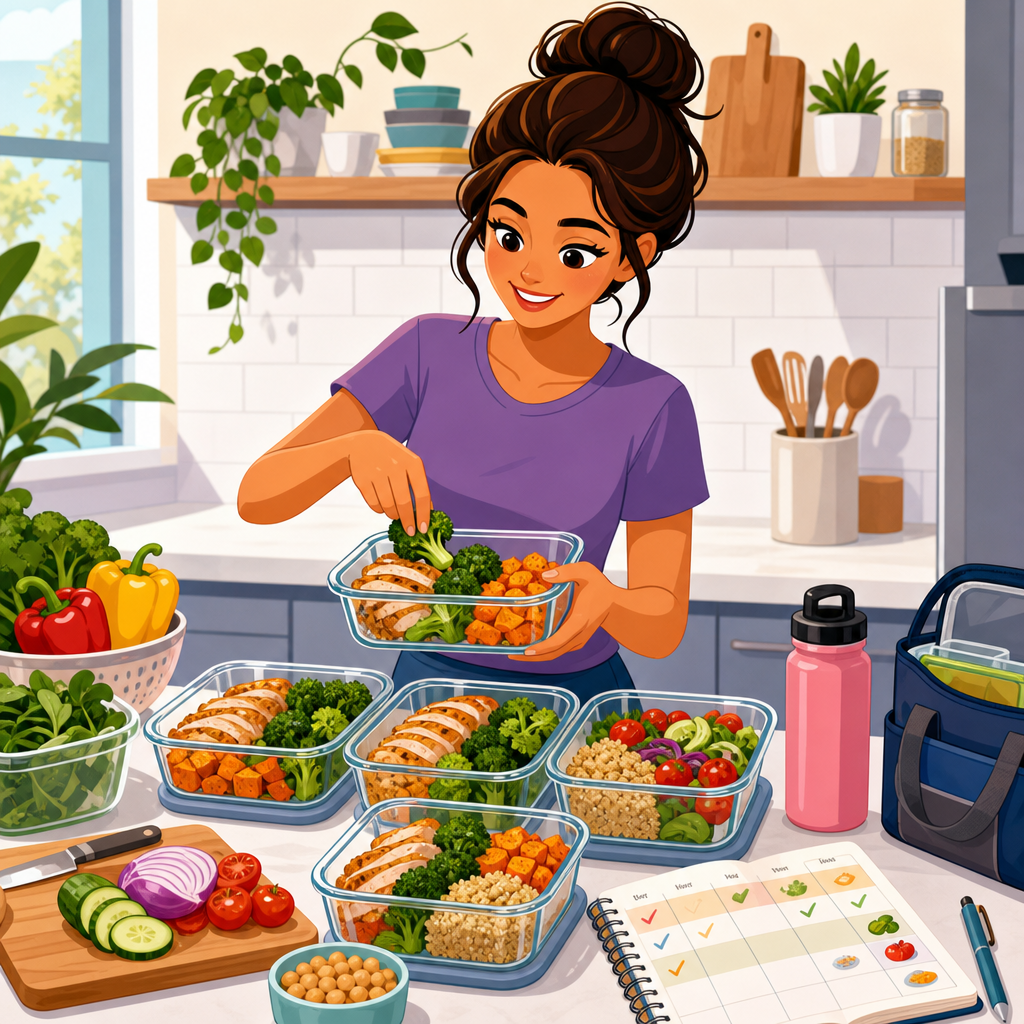

Family-friendly healthy recipes are meals designed to meet the nutritional needs of adults and children while staying practical, affordable, and appealing enough to serve on ordinary weeknights. In my experience planning meals for mixed-age households, the challenge is rarely finding “healthy food” in the abstract; it is creating recipes that people will actually eat, that fit a realistic schedule, and that support long-term nutrition instead of one perfect dinner. A useful definition starts with balance: these recipes combine protein, fiber-rich carbohydrates, healthy fats, and a range of fruits or vegetables in portions that suit different ages and appetites. They also account for texture preferences, common allergies, and the fact that family meals often need to be cooked in under an hour.
Healthy eating matters because children are building bones, brains, immune systems, and lifelong food habits at the same time adults are trying to manage energy, weight, blood sugar, blood pressure, and grocery costs. The Dietary Guidelines for Americans consistently emphasize dietary patterns rich in vegetables, fruits, whole grains, legumes, nuts, seafood, and lean proteins, with limits on excess sodium, added sugar, and saturated fat. For families, that translates into recipe choices more than isolated nutrients. A whole-grain pasta bake with beans, spinach, and a modest amount of cheese does more work nutritionally than simply “cutting carbs,” because it improves fiber intake, adds iron and folate, and still feels familiar to children.
This topic is especially important within meal planning because recipes are the bridge between intention and action. Many parents know they should serve more vegetables or reduce ultra-processed snacks, yet daily constraints get in the way: picky eaters, busy evenings, different calorie needs, and budget pressure. Family-friendly healthy recipes solve those barriers through smart structure. They rely on repeatable formulas such as sheet-pan dinners, grain bowls, soups, tacos, stir-fries, and egg-based meals that can be adapted with seasonal produce and pantry staples. When a household has a strong rotation of these meals, nutrition improves almost automatically. Better recipes reduce decision fatigue, make shopping easier, and create more consistent family meals, which research links with higher diet quality in children and adolescents.
What makes a recipe truly family-friendly and healthy
A recipe earns the label when it succeeds on four tests at once: nutrient density, acceptability, affordability, and repeatability. Nutrient density means the meal provides substantial vitamins, minerals, protein, and fiber relative to calories. Acceptability means the flavors, textures, and presentation fit a broad age range, including younger children who may reject bitterness, heat, or mixed textures. Affordability matters because a recipe that depends on specialty ingredients or frequent takeout substitutes will not become part of a routine. Repeatability is the final filter: if it takes ninety minutes, dirties every pan, or requires advanced knife skills, families drop it quickly.
In practice, the best family recipes often use a familiar base and upgrade it. Think turkey and black bean tacos on corn tortillas with cabbage slaw, yogurt-lime sauce, and avocado. The meal feels recognizable, but it delivers protein, fiber, unsaturated fat, and vitamin C. The same principle works with baked oatmeal, chicken noodle soup loaded with vegetables, salmon rice bowls, lentil sloppy joes, and homemade pizza on whole-wheat dough. These are not “diet foods.” They are normal meals engineered to improve the nutrition profile without sacrificing ease or enjoyment.
Portion flexibility is another hallmark. A healthy family recipe should allow a toddler to take a small serving, a teenager to eat more carbohydrates and protein, and an adult to increase vegetables without making multiple dinners. Components help. For example, a grain bowl with brown rice, roasted chicken, roasted sweet potatoes, cucumbers, hummus, and chickpeas lets each person build a plate while preserving the same basic meal. This approach reduces conflict and supports autonomy, especially with selective eaters.
Core nutrition principles behind better family meals
Healthy family cooking becomes easier when each meal follows a simple composition rule. Start with a protein source such as beans, lentils, eggs, Greek yogurt, chicken, tofu, fish, or lean beef. Add a high-fiber carbohydrate such as oats, brown rice, potatoes with skin, whole-wheat pasta, quinoa, or whole-grain bread. Include at least one produce element, ideally two, to increase potassium, vitamin C, folate, and phytonutrients. Finish with a satisfying fat source like olive oil, nuts, seeds, avocado, cheese, or tahini. This structure improves satiety and steadier energy, which parents notice quickly in reduced post-meal snacking and fewer “I’m hungry” complaints an hour later.
Protein is often misunderstood. Families do not need oversized portions of meat at every meal, but they do need reliable protein distribution across the day. Breakfasts based only on refined cereal or toast leave many children hungry before lunch. Adding eggs, cottage cheese, milk, soy foods, nut butter, or yogurt improves fullness and supports growth. Fiber is equally important and commonly underconsumed. Beans in chili, berries in oatmeal, and vegetables folded into pasta sauce are practical ways to raise intake without turning meals into a nutrition lecture.
Sodium, added sugar, and saturated fat deserve attention, but context matters. A healthy recipe is not one with zero salt or no cheese. It is one that uses these ingredients purposefully rather than excessively. For instance, a tablespoon of Parmesan can make roasted broccoli more acceptable to children and adults while keeping the dish firmly nutritious. Likewise, teriyaki salmon can fit a healthy plan even with some sugar in the sauce, because the overall meal still provides omega-3 fats, quality protein, and vegetables.
| Meal type | Balanced family-friendly example | Why it works nutritionally |
|---|---|---|
| Breakfast | Baked oatmeal with milk, chia seeds, berries, and walnuts | Provides fiber, calcium, omega-3 fats, and sustained energy |
| Lunch | Turkey hummus wraps with carrots, cucumbers, and fruit | Combines protein, whole grains, produce, and healthy fat |
| Dinner | Sheet-pan chicken, potatoes, and broccoli with olive oil | Offers protein, complex carbs, vitamin C, and simple prep |
| Vegetarian dinner | Lentil marinara over whole-wheat pasta with side salad | Boosts fiber, iron, and plant protein in a familiar format |
Recipe formats that consistently work for busy households
Some recipe types outperform others because they are scalable, adaptable, and easy to prep ahead. Sheet-pan meals are the clearest example. A pan of chicken thighs, carrots, red onion, and baby potatoes tossed with olive oil and paprika minimizes cleanup and cooks mostly unattended. Soups and stews are equally effective because they stretch affordable ingredients and often taste better the next day. A minestrone with beans, zucchini, tomatoes, and whole-grain pasta can become lunch twice more, which is a major planning advantage.
Tacos, bowls, and bar-style dinners work well for picky eaters because the family shares one recipe with customizable assembly. I have used taco nights as a reliable strategy when households say they are stuck making separate meals. Set out shredded chicken or black beans, tortillas, lettuce, corn, tomatoes, cheese, avocado, salsa, and yogurt. The child who dislikes “mixed food” can keep ingredients separate, while adults build a more vegetable-heavy plate. The nutrition remains strong because the base ingredients are solid.
Stir-fries, fried rice, and pasta skillets are also valuable hub recipes because they teach kitchen economy. Leftover rice, frozen vegetables, eggs, tofu, or diced chicken can become dinner in fifteen minutes. The same method supports seasonal adaptation and reduces food waste, two overlooked parts of healthy eating. If spinach is wilting, fold it into a pasta skillet. If roasted vegetables remain from yesterday, add them to frittata. Recipes that absorb leftovers protect both budget and nutrition by keeping produce in circulation.
How to handle picky eaters without compromising nutrition
Picky eating is normal, especially between ages two and six, but it does not require abandoning healthy recipes. What helps most is separating exposure from pressure. Offer one or two familiar foods alongside a family meal, and let children decide whether to taste new items. Repeated low-pressure exposure works better than bargaining or forcing bites. A child may need to see roasted carrots, lentil soup, or grilled salmon many times before acceptance improves. That is not failure; it is how food learning often works.
Texture and predictability matter as much as flavor. Many children tolerate raw cucumbers but reject cooked zucchini, or eat apples gladly while refusing mixed fruit salad. Family-friendly healthy recipes respect that reality. Serve components separately when needed, keep sauces on the side, and use dips strategically. Yogurt ranch, hummus, peanut sauce, or marinara can increase vegetable intake without hiding foods so thoroughly that children never recognize them. There is a place for blending vegetables into sauces, but the long-term goal is familiarity, not invisibility.
Parents should also watch portion expectations. Small servings reduce overwhelm and waste. A tablespoon of a new grain salad beside known foods is more successful than a full bowl. In family nutrition work, I have seen the best outcomes when adults model eating the meal calmly, avoid labeling foods as “good” or “bad,” and keep dessert separate from negotiation. Healthy recipes succeed when the table atmosphere is steady and routine, not when every bite becomes a test.
Budget-smart ingredient choices and meal planning strategies
Healthy family cooking does not require premium ingredients. Some of the strongest staples are inexpensive: oats, eggs, canned beans, lentils, brown rice, peanut butter, frozen vegetables, plain yogurt, canned tomatoes, potatoes, and seasonal fruit. Frozen produce is particularly useful because it is picked and packed quickly, lasts for months, and can be added directly to soups, smoothies, curries, and pasta dishes. Canned fish such as salmon or tuna is another high-value option when fresh seafood is too expensive.
Meal planning should start with a short rotation, not a complete reinvention of the menu. Choose two breakfasts, two lunches, and four or five dinners for the week, then repeat proven formulas. One roast or slow-cooked protein can serve multiple meals: roast chicken becomes tacos, soup, and sandwiches. A large pot of beans can become burrito bowls, quesadillas, and chili. This method saves money because ingredients overlap, and it reduces spoilage because the same spinach, carrots, tortillas, or yogurt get used in more than one recipe.
Smart shopping also means matching recipes to real life. If weeknights are hectic, shop for convenience where it counts: prewashed greens, frozen chopped onions, microwavable brown rice, or rotisserie chicken can be worth the cost if they prevent takeout. Nutrition is determined by the full pattern, not by whether every carrot was peeled from scratch. The best family-friendly healthy recipes are the ones a household can keep making in ordinary circumstances.
Building a practical recipe hub for every stage of family life
As a subtopic within recipes and meal planning, family-friendly healthy recipes should function as a hub that guides readers to the formats they need most: quick dinners, make-ahead breakfasts, lunchbox ideas, budget meals, vegetarian options, allergy-friendly recipes, high-protein meals, freezer meals, and seasonal plans. The reason is simple. Families do not search for nutrition in a vacuum; they search by situation. They want healthy dinners for picky eaters, easy high-protein breakfasts, or cheap meals for a large family. A strong hub answers those intents while showing the common principles behind them.
Life stage changes recipe needs. Households with toddlers often need soft textures, mild seasoning, and predictable routines. Families with school-age children need lunch leftovers and after-school snack structure. Teen households usually need larger volumes, more protein, and grab-and-go options. Multigenerational families may need lower-sodium cooking or diabetes-friendly carbohydrate balance. The same hub can serve all of them by organizing recipes around use cases instead of trends.
The long-term benefit is not just better dinners. It is a system that makes healthy eating easier every week. When families keep a reliable set of nutritious, accepted, and affordable recipes, they shop with less stress, waste less food, and feed children with more consistency. Start by choosing five dependable meals, build repeating shopping lists around them, and expand gradually. That simple approach turns family-friendly healthy recipes from a vague goal into a practical nutrition strategy readers can use tonight and sustain for years.
Frequently Asked Questions
What makes a recipe truly family-friendly and healthy at the same time?
A truly family-friendly healthy recipe does more than simply include nutritious ingredients. It balances nutrition, taste, cost, preparation time, and flexibility so that both adults and children can enjoy it regularly. In practice, this usually means building meals around whole or minimally processed foods such as vegetables, fruits, whole grains, beans, eggs, dairy, fish, or lean meats, while also keeping flavors familiar and textures approachable. A healthy recipe for a mixed-age household should provide a good source of protein, include fiber-rich carbohydrates, and contain healthy fats to support fullness, energy, and growth. At the same time, it should be realistic enough for busy weeknights and simple enough to repeat often.
Family-friendly also means the recipe can work for different ages and preferences without requiring multiple separate meals. For example, a grain bowl, pasta dish, soup, taco night, or sheet-pan dinner can be adjusted with toppings or side options so each person can participate. This approach supports long-term nutrition far better than chasing perfection with meals no one wants to eat. The most effective healthy family recipes are the ones that become part of normal life because they are dependable, budget-conscious, and satisfying.
How can I make healthy meals appealing to picky eaters without sacrificing nutrition?
The most effective strategy is to make healthy meals feel familiar, manageable, and low pressure. Picky eating often has less to do with nutrition and more to do with texture, appearance, routine, and control. Instead of trying to hide every healthy ingredient or forcing children to accept dramatic changes all at once, start by serving balanced meals that include at least one accepted food alongside one or two less familiar foods. This gives children a predictable foundation while still exposing them to variety. Repeated exposure matters, and many foods become more accepted over time when served calmly and consistently.
It also helps to deconstruct meals when possible. A family-friendly healthy dinner does not have to arrive fully mixed on every plate. Serving ingredients separately, such as rice, roasted vegetables, shredded chicken, beans, cheese, and sauces, allows each family member to build a meal within the same nutritious framework. This supports independence while preserving the nutritional quality of the meal. Flavor is another important factor. Healthy food becomes much more appealing when it is seasoned well, cooked properly, and presented attractively. Roasted vegetables are often more accepted than steamed ones because roasting improves sweetness and texture. Dips, sauces, grated cheese, yogurt, or mild seasoning blends can also increase acceptance without undermining the meal’s nutritional value.
Finally, avoid turning dinner into a negotiation. Parents and caregivers can decide what, when, and where food is served, while children can decide whether and how much to eat from what is offered. This structure reduces stress and helps create a more positive eating environment. The goal is not to win one meal but to build trust, curiosity, and better eating habits over time.
What are the most important nutrition basics to focus on when planning family meals?
When planning family-friendly healthy recipes, the most useful nutrition basics are balance, variety, and consistency. A balanced meal generally includes a source of protein, a source of fiber-rich carbohydrates, and some healthy fat, plus fruits or vegetables when possible. Protein supports growth, muscle repair, and satiety, making it especially important for both children and adults. Good family-friendly protein options include eggs, beans, lentils, Greek yogurt, cottage cheese, tofu, chicken, turkey, fish, and lean cuts of meat. Fiber-rich carbohydrates such as oats, brown rice, whole grain pasta, potatoes, sweet potatoes, beans, fruit, and vegetables provide energy and help support digestion.
Healthy fats are also essential, especially for children’s development and for keeping meals satisfying. Foods like avocado, nuts, seeds, olive oil, nut butters, and full-fat or reduced-fat dairy in appropriate portions can all play a role in a nutritious meal pattern. Variety matters because no single meal or ingredient supplies everything. Rotating ingredients across the week helps cover a wider range of nutrients and keeps meals interesting. It is also wise to think in patterns rather than isolated dinners. One meal does not need to be perfect if the overall week includes vegetables, fruits, whole grains, proteins, and different textures and flavors across multiple meals.
Consistency may be the most underrated principle. Regularly offering balanced meals and snacks often does more for better nutrition than trying occasional “super healthy” recipes that are too complicated or unrealistic to maintain. The strongest family meal plans are built on repeatable habits, such as serving produce daily, including protein at meals, limiting heavily processed convenience foods when possible, and keeping portions flexible based on hunger and age.
How can I keep healthy family recipes affordable and practical for busy weeknights?
Affordable, healthy cooking starts with choosing recipes that rely on versatile staple ingredients rather than expensive specialty products. Beans, lentils, eggs, oats, rice, pasta, frozen vegetables, canned tomatoes, potatoes, yogurt, peanut butter, and seasonal produce are all strong foundations for nutritious family meals. Buying proteins in family packs, using frozen fruit and vegetables, and repeating ingredients across multiple dinners can significantly reduce waste and simplify planning. For example, a rotisserie chicken or batch of cooked chicken can become tacos one night, soup the next, and grain bowls later in the week.
Practicality comes from reducing the number of decisions and steps required at dinner time. Recipes with one pan, one pot, slow cooker, or sheet-pan methods are especially useful for families. Preparing a few components ahead, such as chopped vegetables, cooked grains, washed fruit, or marinated protein, can turn a stressful evening into a manageable one. It is also helpful to build a small rotation of reliable meals instead of searching for entirely new ideas every week. Familiar meals such as vegetable-loaded pasta, bean chili, baked chicken with potatoes, scrambled eggs with toast and fruit, or homemade burrito bowls are easy to repeat while still supporting good nutrition.
Another practical tip is to define success realistically. A healthy family dinner does not need to be elaborate. If a meal includes a solid protein source, a produce item, and a filling carbohydrate, it can be both nutritious and weeknight-friendly. Simplicity is often what makes a recipe sustainable, and sustainable habits are what improve nutrition over the long term.
Do family-friendly healthy recipes have to be low-sugar, low-fat, or highly restrictive?
No. In most cases, the healthiest family recipes are not the most restrictive ones. Healthy eating for families is usually about balance and proportion rather than eliminating entire categories of food. Children and adults both need adequate energy, and overly restrictive meals can lead to poor satisfaction, increased cravings, and a negative relationship with food. Fat is not something that automatically needs to be avoided, since it supports satiety, flavor, and growth. The same is true for carbohydrates, which are a major source of energy and can be highly nutritious when they come from foods like fruit, beans, potatoes, oats, and whole grains.
Added sugar is worth being aware of, but context matters. A family-friendly healthy recipe can still include small amounts of sweetness if the overall meal pattern is balanced. The same goes for ingredients like cheese, sauces, or packaged items used thoughtfully to make meals more appealing and realistic. Nutrition works best when it is practical enough to maintain and flexible enough to reduce stress. Restrictive rules often make family meals harder, not healthier, especially when trying to feed children with different appetites and preferences.
A better standard is to ask whether a recipe regularly supports nourishment, satisfaction, and variety. If a meal provides useful nutrients, fits your schedule and budget, and is enjoyable enough that your family will actually eat it, then it is serving its purpose well. Long-term nutrition improves through steady habits, not through perfection or rigid food rules.