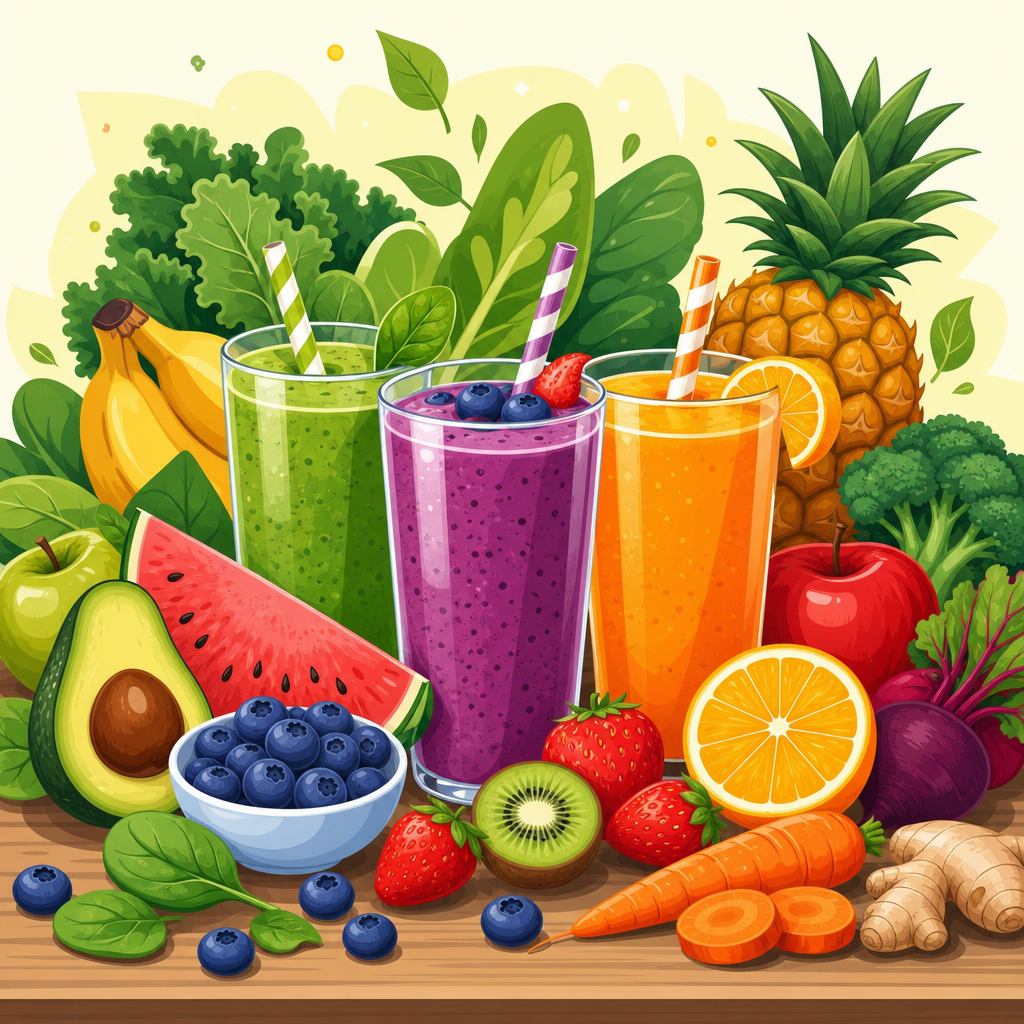
Smoothies and juices for nutrient boost can improve overall well-being when they are planned with the same care as any balanced meal. In practice, that means understanding what each drink delivers, what it leaves out, and how ingredients, timing, and portion size influence energy, digestion, blood sugar, hydration, and long-term eating habits. A smoothie typically blends whole fruits, vegetables, liquids, and optional additions such as yogurt, kefir, oats, nuts, seeds, or protein powder, so the drink usually retains fiber. Juice separates liquid from most of the pulp, creating a more concentrated source of vitamins, minerals, and plant compounds but far less fiber. That distinction matters because fiber slows digestion, improves fullness, and supports healthy cholesterol and bowel function.
I have worked with meal plans where people used morning smoothies to increase protein intake, post-workout blends to replenish carbohydrates, and vegetable juices to help adults who struggled to eat enough produce. The results were best when the drink had a clear job. A smoothie can replace a rushed breakfast if it contains protein, healthy fat, and fiber. A juice can be useful as a hydration-focused produce booster, especially for people recovering appetite after illness or trying to increase variety. Problems usually appear when beverages are treated as automatically healthy without regard to sugar load, calorie density, food safety, or missing nutrients.
This topic matters because drinks are easy to consume quickly, and that convenience can either support health or undermine it. Many commercial smoothies and juices contain more fruit juice, sweetened yogurt, sherbet, or syrups than most people realize. Some bottled options exceed the sugar in a soft drink, even if the label highlights kale, turmeric, or acai. On the other hand, a well-built homemade drink can deliver leafy greens, berries, Greek yogurt, chia seeds, and milk in one glass, offering calcium, potassium, vitamin C, protein, and fiber in a form that fits a busy schedule. For anyone building better recipes and meal planning habits, this hub explains how smoothies and juices fit into a smart routine.
What Smoothies and Juices Actually Contribute to Health
The core benefit of smoothies and juices is nutrient density. Fruits and vegetables supply vitamin C, folate, potassium, carotenoids, and polyphenols, compounds associated with cardiovascular health, immune function, and lower oxidative stress. Dark leafy greens such as spinach and kale provide vitamin K, folate, and lutein. Berries contribute anthocyanins. Citrus adds vitamin C and hesperidin. Carrots and mango offer beta-carotene, a precursor to vitamin A. When these foods are blended or juiced, they become easier to consume in useful amounts, particularly for people who skip produce at meals.
Absorption can improve in specific cases. Blending breaks plant cell walls, which may increase availability of some compounds, while adding fat from nut butter, avocado, flax, or yogurt improves absorption of fat-soluble carotenoids. Juicing can make it easier to consume vegetables in volume, but because pulp is removed, the drink is less filling and more likely to raise blood sugar quickly if fruit-heavy. That does not make juice bad; it simply changes its role. I usually describe smoothies as mini-meals or substantial snacks, and juices as concentrated produce servings that need thoughtful portions.
Well-being is broader than vitamins alone. A practical smoothie or juice routine can reduce decision fatigue, improve consistency, and help people meet dietary recommendations for fruits and vegetables. It can also support specific goals: athletes may use tart cherry or beet blends around training, older adults may add protein to maintain muscle mass, and busy parents may use freezer packs to make weekday nutrition easier. Still, no drink should be treated as a cure-all. Whole foods offer chewing satisfaction, slower eating, and culinary variety that beverages cannot replace.
How to Build a Balanced Smoothie for Lasting Energy
A balanced smoothie starts with a simple formula: produce, protein, fiber, liquid, and a moderate amount of healthy fat. When one element is missing, the drink often becomes less useful. For example, a smoothie made only from banana, mango, and apple juice may taste fresh, but it behaves more like a sugary beverage than a meal. By contrast, blending berries, spinach, plain Greek yogurt, milk or fortified soy milk, oats, and chia seeds creates a drink with protein, calcium, fiber, and slower-digesting carbohydrates.
Protein is especially important for fullness and muscle maintenance. Good options include Greek yogurt, kefir, cottage cheese, pasteurized egg whites, soy milk, and quality protein powders such as whey isolate or pea protein. Fiber comes from whole fruit, vegetables, oats, flaxseed, chia, and psyllium. Healthy fats from peanut butter, almond butter, hemp seeds, or avocado improve texture and satiety, but portions matter because calories add up quickly. Liquids should usually be unsweetened: water, milk, kefir, or unsweetened fortified plant milk are reliable choices.
Portion control is easier when recipes are structured. In meal planning, I often recommend one to two cups of fruit and vegetables combined, twenty to thirty grams of protein if the smoothie replaces a meal, one source of fat, and no more liquid than needed for texture. Frozen fruit works well because it chills the drink without ice dilution and helps standardize results. Spices such as cinnamon, ginger, or cocoa powder add flavor without extra sugar. This framework makes smoothies repeatable, which is essential for a hub topic that supports daily habits.
When Juice Helps, and When It Falls Short
Juicing has strengths that are often misunderstood. Fresh juice can deliver vitamins and phytochemicals quickly, and for people who dislike the texture of vegetables, it may increase intake. Vegetable-forward combinations such as cucumber, celery, spinach, lemon, parsley, and ginger provide a lighter, lower-sugar option than juices built around apple, pineapple, and grape. In some cases, juice is practical for people with chewing difficulties, reduced appetite, or temporary digestive tolerance issues, provided it is part of a broader diet.
The main limitation is fiber loss. Without the intact plant structure, juice is less satisfying and easier to overconsume. Drinking the juice of four oranges is much easier than eating four oranges, and the metabolic effect is different. This matters for people managing diabetes, insulin resistance, triglycerides, or weight. Another limitation is cost. Cold-pressed bottles can be expensive, and marketing often exaggerates detox claims that are not supported by physiology. The liver and kidneys already handle detoxification. Juice can support nutrient intake, but it does not replace those organs or erase a poor diet.
If you enjoy juice, use it strategically. Keep portions moderate, favor vegetables over fruit, pair it with protein or a meal, and treat it as one part of a balanced eating plan. For families building recipes and meal planning systems, juice works best as an occasional enhancer rather than the center of nutrition. That perspective prevents disappointment and supports better long-term decisions.
Common Ingredients and What They Do
Ingredient choice determines whether smoothies and juices for nutrient boost genuinely help overall well-being. Spinach is mild and easy to blend, adding folate and vitamin K. Kale offers more bitterness but strong micronutrient value. Berries are lower in sugar than many tropical fruits and rich in polyphenols. Bananas improve texture and provide potassium, though they can dominate flavor. Citrus brightens juices and helps balance greens. Beets supply nitrates that may support exercise performance by improving nitric oxide production, a reason they appear in many endurance protocols.
Fermented dairy ingredients deserve attention because they add protein and, in kefir’s case, live cultures. Fortified soy milk is a strong plant-based base because it usually provides protein comparable to dairy milk plus added calcium and vitamin D. Seeds such as chia, flax, and hemp contribute omega-3 fats, magnesium, and texture. Oats make a smoothie more meal-like and can support cholesterol management due to beta-glucan fiber. Ginger, mint, turmeric, and cinnamon improve palatability and create variety, which matters for adherence.
| Ingredient | Main Benefit | Best Use | Watch Out For |
|---|---|---|---|
| Greek yogurt | High protein and calcium | Breakfast smoothies | Sweetened versions add sugar |
| Berries | Fiber and polyphenols | Low-sugar fruit base | Juices lose much of the fiber |
| Spinach | Folate, vitamin K, mild taste | Green smoothies | Rotate greens for variety |
| Beets | Dietary nitrates | Pre-workout blends | Earthy flavor needs balancing |
| Chia seeds | Fiber and omega-3 fats | Satiety and texture | Too much can over-thicken drinks |
How These Drinks Affect Digestion, Blood Sugar, and Hydration
Digestion is one of the first places people notice a difference. Smoothies with fiber, fluids, and cultured dairy can support regularity and may be easier on busy mornings than a heavy breakfast. However, more is not always better. Large amounts of cruciferous vegetables, sugar alcohols, or excessive chia can cause bloating. People with irritable bowel syndrome may need to choose lower-FODMAP ingredients such as strawberries, kiwi, spinach, lactose-free yogurt, or firm tofu rather than large servings of mango, pear, or regular milk.
Blood sugar response depends on composition. A fruit-only smoothie or juice is absorbed faster than a drink anchored by protein, fat, and fiber. For steadier energy, combine fruit with Greek yogurt, soy milk, nuts, or seeds, and keep juice portions smaller. This is not just theory; continuous glucose monitors have made the difference visible for many users. Two drinks with similar calories can produce very different glucose curves based on fiber and protein content. That is why recipe design matters more than wellness branding.
Hydration is another overlooked advantage. Smoothies and juices contribute fluids, and ingredients such as watermelon, cucumber, citrus, and coconut water can be helpful in hot weather or after exercise. Still, plain water should remain the baseline. Coconut water can provide potassium, but it is not automatically superior to water for most people. If sodium losses are significant during endurance activity, a targeted electrolyte drink may be more appropriate than a general wellness smoothie.
Safety, Storage, and Smart Meal Planning
Food safety deserves a place in any serious discussion of smoothies and juices. Homemade drinks should be prepared with clean produce, sanitized equipment, and refrigerated promptly. If you use dairy, pasteurized eggs, or protein powders, choose reputable products and follow storage instructions. Fresh juice is more perishable than many people assume because juicing increases surface area and removes some protective structure. For highest quality and safety, consume it quickly and keep it cold.
Meal planning makes the habit sustainable. Freezer smoothie packs are one of the most effective systems I have used with clients and families. Portion fruit, vegetables, and dry add-ins into labeled bags or containers, then add fresh liquid and protein at blending time. This reduces waste, controls portions, and helps people rotate ingredients instead of defaulting to the same high-sugar mix every day. It also supports internal recipe organization: breakfast smoothies, recovery smoothies, green smoothies, and kid-friendly blends can each have a defined purpose.
For a nutrient boost that benefits overall well-being, treat smoothies and juices as tools, not shortcuts. Build smoothies with protein, fiber, and unsweetened liquids. Use juice selectively, with moderate portions and realistic expectations. Vary produce to cover a wider micronutrient range, and align each drink with a real need such as breakfast, recovery, hydration, or produce intake. If you are refining your recipes and meal planning routine, start with two dependable smoothie formulas and one vegetable-forward juice, then adjust based on energy, fullness, and consistency. Thoughtful structure turns a trendy drink into a practical health habit.
Frequently Asked Questions
1. How do smoothies and juices for nutrient boost affect overall well-being?
Smoothies and juices can support overall well-being by making it easier to increase intake of vitamins, minerals, antioxidants, and fluids, but their impact depends heavily on how they are prepared. A well-built smoothie often contains blended fruits and vegetables along with protein, healthy fats, and fiber-rich additions like oats, chia seeds, flaxseeds, or yogurt. That combination can help support steady energy, digestion, satiety, hydration, and more balanced blood sugar responses. Juice can also contribute valuable micronutrients and hydration, especially when it includes vegetables, but it usually contains less fiber than a smoothie because much of the pulp is removed during juicing.
From a practical health perspective, these drinks work best when they are treated as part of a balanced eating pattern rather than as miracle foods. For example, a smoothie made with spinach, berries, Greek yogurt, and seeds may help fill common nutrition gaps and keep you satisfied for longer than a juice made mostly from fruit. On the other hand, a vegetable-forward juice may be useful for someone who struggles to eat enough produce or wants a lighter option around exercise. The key point is that nutrient density matters, but so do fullness, portion size, and ingredient balance. When smoothies and juices are planned thoughtfully, they can positively influence daily nutrient intake, digestive comfort, hydration, and long-term eating habits.
2. Is a smoothie healthier than a juice for daily nutrition?
In many cases, a smoothie is the more complete choice for daily nutrition because it typically retains the fiber from whole fruits and vegetables. Fiber plays an important role in slowing digestion, supporting gut health, improving fullness, and helping moderate blood sugar. Since smoothies blend the entire produce item rather than extracting only the liquid, they generally offer a more balanced nutritional profile, especially when paired with protein and fat sources such as kefir, nut butter, tofu, or seeds.
Juices still have value, but they serve a different purpose. They can be an efficient way to consume concentrated vitamins, minerals, and plant compounds, and they may be easier to tolerate for people who want something light or have reduced appetite. However, because juice often removes much of the fiber and can be consumed quickly, it may be less filling and may raise blood sugar faster, particularly if it is fruit-heavy. For everyday use, smoothies usually provide more staying power and better support for appetite control and digestion. Juice can still fit into a healthy routine, but it is often most beneficial when portions are moderate and ingredients emphasize vegetables over sweet fruits.
3. What ingredients make a smoothie or juice truly balanced and beneficial?
A balanced smoothie usually includes several core components: produce for vitamins and antioxidants, protein for satiety and muscle support, healthy fats for sustained energy, and fiber for digestive and metabolic benefits. A strong formula might start with leafy greens or other vegetables, add whole fruit for natural sweetness, include a protein source like Greek yogurt, cottage cheese, kefir, soy milk, or protein powder, and finish with healthy fats and fiber from chia seeds, flaxseeds, hemp seeds, avocado, or nut butter. Liquids such as milk, fortified plant milk, or unsweetened yogurt can also improve nutrient content compared with sweetened juices or flavored drinks.
For juices, balance comes more from ingredient selection and portion control. Since juicing removes much of the fiber, it helps to focus on vegetables such as cucumber, celery, spinach, kale, parsley, or ginger, and use fruit like apple, orange, or pineapple in smaller amounts for flavor rather than as the main base. This approach can reduce excess sugar while still delivering a pleasant taste. Whether making a smoothie or a juice, it is wise to watch hidden calorie sources such as large amounts of sweeteners, fruit juice concentrates, sherbet, or oversized servings of nut butter. The most beneficial drinks are the ones built with intention, not just sweetness.
4. When is the best time to drink smoothies or juices for energy, digestion, and hydration?
The best time depends on the goal. If the goal is a balanced meal or meal replacement, a smoothie is often a good option at breakfast or lunch because it can combine carbohydrates, protein, fat, and fiber in one convenient format. This can support energy levels, improve fullness, and reduce the likelihood of reaching for less satisfying snacks later. Smoothies can also work well after exercise when they include protein and carbohydrates to help with recovery. For some people, a lighter juice may feel more comfortable before physical activity, especially if a fiber-heavy smoothie would sit too heavily in the stomach.
For hydration, both smoothies and juices can contribute, but they should not replace water entirely. Juice may be especially refreshing in warm weather or when appetite is low, while smoothies can be useful when someone wants both fluids and a more substantial nutrient intake. Timing also matters for digestion. A very large smoothie packed with multiple rich ingredients may cause bloating or discomfort if consumed too quickly, while a simple blend with fewer ingredients may be easier to tolerate. Listening to individual hunger cues, activity level, and digestive response is more useful than following a rigid rule. The ideal timing is the one that helps you feel energized, comfortable, and well-nourished.
5. Can smoothies and juices cause problems with blood sugar, portion control, or long-term eating habits?
Yes, they can if they are not planned carefully. One of the most common issues is that drinks are easy to consume quickly, which can lead to taking in more calories or sugar than intended before fullness signals catch up. This is especially true with large fruit smoothies, café-style blends with syrups or frozen desserts, or juices made primarily from sweet fruits. Without enough protein, fat, or fiber, these beverages may cause a faster rise and fall in blood sugar, leaving a person hungry again sooner. Over time, that pattern can affect energy stability, appetite control, and food choices throughout the day.
The good news is that these concerns are manageable. Keeping portion sizes realistic, including protein and healthy fats, emphasizing vegetables, and using whole fruit instead of relying on fruit juice can make a major difference. It also helps to think of smoothies and juices as tools, not shortcuts or substitutes for every meal. When used intentionally, they can support healthy routines; when used randomly, they may crowd out more satisfying whole foods or create dependence on sweet flavors. A practical long-term strategy is to rotate drinks with regular meals, vary ingredients, and check whether the beverage truly supports your energy, digestion, and hunger rather than simply being convenient. That mindset turns smoothies and juices into a useful part of overall well-being instead of a nutritional blind spot.