Budget-friendly healthy eating is often treated like a contradiction, yet in real kitchens it is one of the most practical ways to improve nutrition, lower stress, and control household spending. The phrase means building meals that meet nutritional needs without relying on expensive specialty products, restaurant food, or constant convenience purchases. In my work helping families plan weekly meals, the biggest barrier is rarely lack of motivation; it is confusion created by persistent myths. People assume healthy food always costs more, that low-cost meals are repetitive, or that cooking from scratch demands too much time. Those assumptions lead to poor planning, unnecessary spending, and frustration.
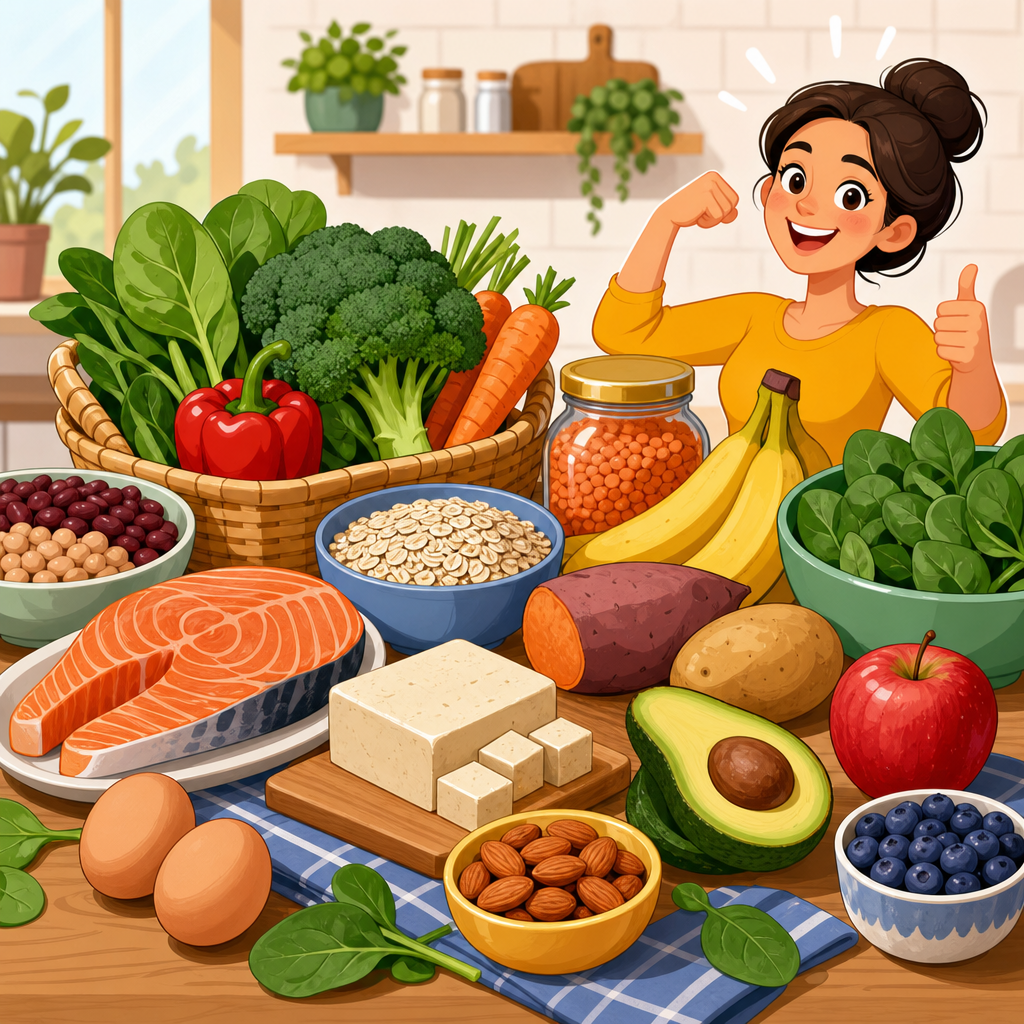
This topic matters because food prices influence every household, and diet quality affects energy, chronic disease risk, and long-term healthcare costs. According to guidance from the USDA and Harvard’s healthy eating framework, nutrient-dense staples such as beans, oats, eggs, frozen vegetables, yogurt, potatoes, brown rice, and canned fish can form the base of affordable, balanced meals. Budget-friendly healthy eating is not a fad or a restrictive challenge. It is a repeatable system that combines smart shopping, meal planning, portion awareness, and practical cooking methods. When done well, it supports weight management, heart health, blood sugar control, and family routines.
As a hub within Recipes & Meal Planning, this article answers the core questions people ask before they commit: Is healthy eating on a budget actually possible? Which foods deliver the best value? How do you plan meals without waste? What should you buy fresh, frozen, or canned? The goal here is to debunk the most common myths with clear examples and useful standards so you can make better decisions every week, not just during a short-term money-saving push.
Myth 1: Healthy Food Is Always More Expensive Than Processed Food
This is the myth that keeps many people stuck. Some healthy foods are expensive, especially pre-cut produce, single-serve snack packs, protein bars, and premium “wellness” products. But healthy eating does not require any of those items. The lowest-cost foods in many supermarkets are often minimally processed staples with strong nutritional value: dried lentils, rolled oats, bananas, cabbage, carrots, potatoes, peanut butter, canned tomatoes, eggs, and store-brand plain yogurt. Price per pound can mislead, so I always compare foods by cost per serving and by how filling they are.
For example, a bag of chips may look cheap, but it offers little protein, fiber, or satiety per dollar. A one-pound bag of dried beans can yield six to eight servings with fiber, plant protein, iron, and potassium. Oatmeal costs far less per breakfast than pastries or sugary cereal and keeps people full longer because of its soluble fiber. Budget-friendly healthy eating works when you focus on staple foods that do multiple jobs in the meal plan: oats for breakfast, beans for soups and tacos, rice for bowls and stir-fries, eggs for breakfast and dinner.
Another overlooked point is waste. Fresh berries out of season may cost more and spoil quickly, while frozen berries often provide better value and similar nutrition because they are frozen soon after harvest. The same is true for spinach, broccoli, corn, peas, and mixed vegetables. Healthier choices become affordable when they match how you actually cook and store food.
Myth 2: You Need Organic, Specialty, or Superfood Products to Eat Well
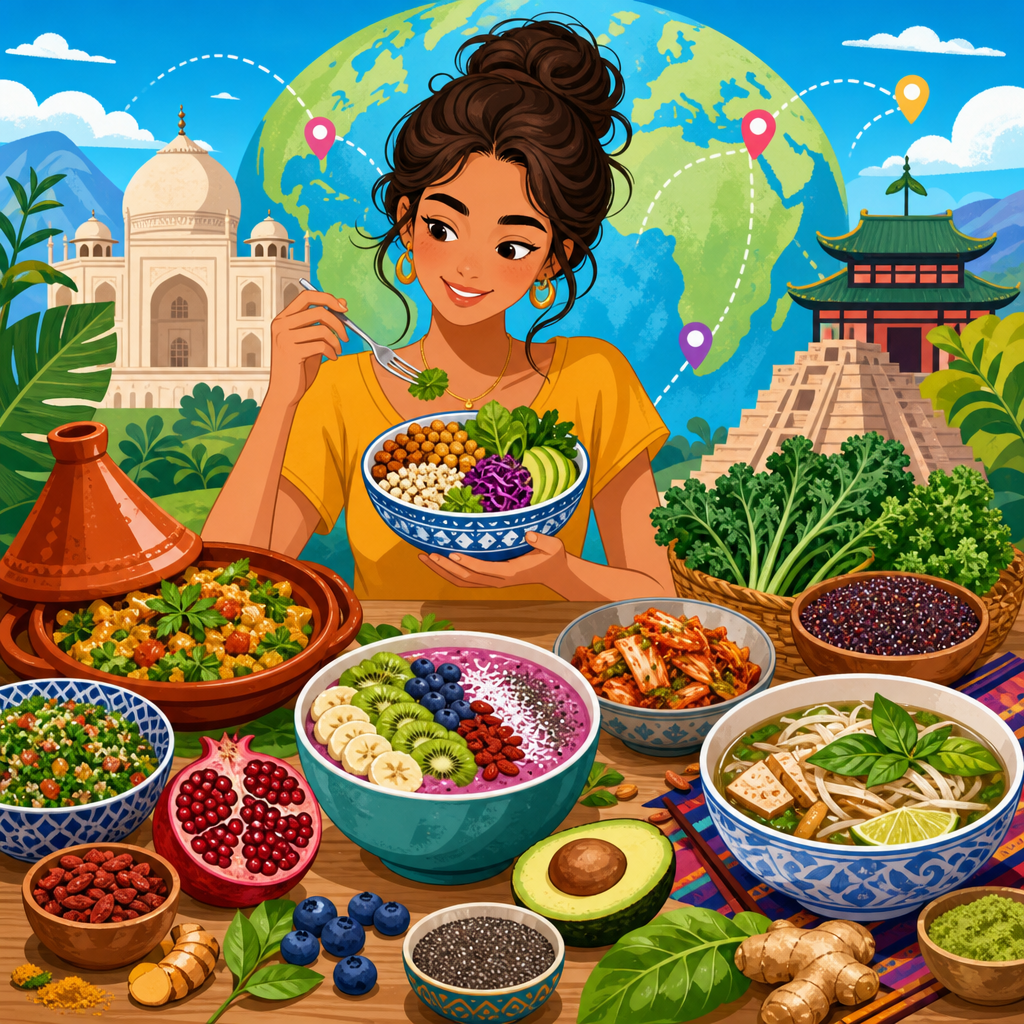
Many shoppers believe healthy eating requires organic produce, grass-fed meats, gluten-free packaged snacks, collagen powders, or imported “superfoods.” That idea inflates grocery bills fast. Nutritionally, the foundation of a healthy diet is not built on trend-driven products. It is built on variety, adequate protein, fiber-rich carbohydrates, healthy fats, and regular intake of fruits and vegetables. Store-brand frozen blueberries, canned chickpeas, peanut butter, and whole grain bread can support those goals just as effectively as far more expensive alternatives.
Organic food can be a valid personal choice, but it is not a prerequisite for a healthy diet. The same goes for products marketed as clean, natural, keto-friendly, paleo, or high-protein. In practice, many budget-conscious households do better by skipping the premium label and buying a larger quantity of basic nutritious food. If your produce budget is limited, buying conventional apples, carrots, cabbage, onions, bananas, and frozen vegetables is usually better than buying small amounts of costly specialty produce and running out midweek.
When clients ask where to spend more if they choose to, I suggest prioritizing items they eat often and enjoy most, not items with the most marketing. That approach keeps the budget realistic and the eating pattern sustainable.
Myth 3: Cooking Healthy Meals Takes Too Much Time
Healthy cooking becomes time-consuming mainly when every meal starts from zero. The solution is not more takeout; it is a planning structure. In meal-planning sessions, I use a simple template: one protein, one cooked grain or starch, two vegetables, and one flexible sauce or seasoning base. Cook once, then repurpose. A tray of roasted chicken thighs becomes tacos, grain bowls, and soup. A pot of rice supports stir-fries, bean bowls, and egg fried rice. A batch of chopped vegetables shortens prep for several days.
Convenience is not the enemy of healthy eating. The smart use of convenience is often what makes budget-friendly healthy eating possible. Rotisserie chicken can be economical if used across multiple meals. Frozen vegetables reduce washing and chopping time. Canned beans save an hour of simmering. Bagged coleslaw mix can become a salad, taco topping, or quick stir-fry. The key is buying convenience where it saves labor without pushing you toward ultra-processed, high-cost items.
Many affordable healthy meals take less than thirty minutes: lentil soup, vegetable omelets, tuna pasta, black bean quesadillas, chickpea curry, turkey chili, and sheet-pan sausage with potatoes and peppers. Time pressure is real, but it is easier to solve with repeatable meal components than with expensive last-minute food purchases.
Myth 4: Cheap Healthy Meals Are Bland and Repetitive
This myth usually comes from relying on the same unseasoned foods. Budget meals become boring when flavor is treated as optional. In reality, flavor building is one of the cheapest skills in cooking. Garlic, onions, citrus, vinegar, soy sauce, tomato paste, curry powder, cumin, smoked paprika, oregano, mustard, and chili flakes can transform the same base ingredients into completely different meals. Rice and beans can become burrito bowls one night, red beans and rice another night, and soup later in the week.
Texture matters too. Roasting vegetables instead of boiling them improves caramelization and perceived richness. Toasting oats for granola, crisping chickpeas, or adding shredded cabbage to bowls creates contrast that makes simple food more satisfying. One of the easiest ways to expand a budget menu is to change cuisines rather than ingredients. Potatoes, eggs, beans, rice, and vegetables appear in Spanish tortillas, Mexican-style breakfasts, Indian dals, Mediterranean grain bowls, and East Asian fried rice. Variety comes from combinations and seasoning, not from expensive ingredients.
| Myth | Reality | Practical Budget Example |
|---|---|---|
| Healthy food is always costly | Staples often cost less per filling serving | Oats, beans, eggs, potatoes, and frozen vegetables |
| You need specialty products | Basic whole foods cover most nutrition needs | Store-brand yogurt, canned tuna, brown rice, bananas |
| Cooking takes too much time | Batch prep and repeatable meal templates save hours | Cook rice, roast chicken, prep vegetables once |
| Cheap meals are boring | Seasoning and cooking methods create variety | Use curry powder, salsa, soy sauce, herbs, and roasting |
Myth 5: Fresh Produce Is Always Better Than Frozen or Canned
Fresh produce is excellent, but “always better” is inaccurate. Frozen produce is often processed at peak ripeness and retains much of its nutritional value. Canned options can also be useful, especially tomatoes, beans, pumpkin, tuna, salmon, and some fruits packed in juice. For households trying to reduce waste and stretch a grocery budget, shelf-stable and frozen items are essential tools. They make it possible to keep vegetables and protein available even when a week becomes chaotic.
There are tradeoffs. Some canned vegetables contain added sodium, and fruit packed in syrup adds sugar, so label reading matters. The best practice is simple: choose no-salt-added or lower-sodium versions when possible, drain and rinse canned beans, and select fruit packed in water or juice. A mix of fresh, frozen, and canned foods is usually the most economical strategy because it balances flavor, shelf life, and convenience.
In winter, frozen green beans may be cheaper and better quality than out-of-season fresh ones. Canned tomatoes are often superior for sauces compared with pale fresh tomatoes. Frozen spinach works beautifully in soups, pasta, eggs, and smoothies. Budget-friendly healthy eating improves when people stop thinking in rigid categories and start choosing the format that fits the recipe and the week ahead.
Myth 6: Eating Healthy on a Budget Means Giving Up Protein or Full Meals
People often associate low-cost eating with tiny portions, salads that do not satisfy, or meals lacking protein. That is not necessary. Protein can be affordable when you use a broader list of sources and match them to the meal. Eggs, Greek yogurt, cottage cheese, milk, canned tuna, sardines, dried beans, lentils, tofu, peanut butter, and chicken thighs usually offer strong value. Combining plant and animal proteins across the week helps control costs while keeping meals satisfying.
A full healthy meal generally includes protein, fiber, and some fat. For example, a baked potato topped with black beans, salsa, and plain yogurt is filling and balanced. Lentil soup with whole grain toast and fruit covers the bases. Stir-fried tofu with frozen vegetables and rice can cost less per serving than many fast-food meals while providing substantial protein. If appetite and satiety are constant problems, the issue is often meal composition, not price. Budget meals fail when they rely only on refined carbohydrates and skip protein or fiber.
Portioning also matters. Meat does not have to dominate the plate to make a meal complete. Using smaller amounts of chicken in a vegetable-rich stir-fry or adding beans to ground turkey chili lowers cost without sacrificing nutrition or satisfaction.
Myth 7: Coupons, Bulk Buying, and Discount Stores Solve Everything
These strategies help, but only when used with discipline. Coupons often promote branded snack foods, and bulk buying can waste money if you purchase more than you can use. I have seen pantries full of warehouse-store bargains that never turned into meals. The best savings come from buying staple items in quantities you will actually consume, then building a weekly plan around them. Rice, oats, dried beans, flour, pasta, frozen vegetables, and nut butter are good bulk candidates for many households. Fresh herbs, salad greens, and oversized produce packs are riskier if your household will not finish them.
Discount grocers can provide excellent value, especially for staples, dairy, eggs, canned goods, and frozen foods. Farmers markets can also be cost-effective near closing time or when shopping seasonal produce in volume. The common principle is not “buy cheap.” It is “buy with a plan.” Every purchase should have a destination: breakfast, packed lunch, weeknight dinner, or freezer backup meal.
How to Build a Realistic Budget-Friendly Healthy Eating System
The most effective system is simple enough to repeat. Start with a weekly budget and inventory what you already have. Pick three to four dinners that share ingredients. Build breakfasts and lunches from low-cost staples you genuinely like. Include one flexible meal that uses leftovers, such as soup, fried rice, quesadillas, or grain bowls. Keep a small backup list of pantry meals for hectic days. This reduces food waste and protects you from expensive delivery habits.
Next, use a value hierarchy when shopping. First, cover your staple carbohydrates and proteins. Second, add produce with a mix of fresh and frozen options. Third, buy flavor builders such as sauces, spices, aromatics, and acids. Finally, add extras only if the budget allows. This order keeps the cart anchored in foods that create actual meals.
Price literacy is another essential skill. Compare unit prices, notice seasonal patterns, and track a personal list of reliable low-cost meals. Over time, you will know what a good price looks like for eggs, yogurt, rice, chicken, and produce in your area. That knowledge matters more than chasing every sale. Healthy eating on a budget is not about perfection. It is about consistently making choices that support nutrition, satisfaction, and financial stability.
Common myths about budget-friendly healthy eating fall apart once you look at how real meals are built. Healthy food is not automatically expensive, specialty products are not required, frozen and canned foods have an important place, and time pressure can be managed with planning and smart convenience. The strongest budget meals are not punishment meals. They are balanced, flavorful, filling, and designed around affordable staples used in flexible ways.
If you remember one principle, make it this: cost control comes from systems, not from deprivation. A short list of dependable ingredients, a weekly meal plan, and a few adaptable recipes will do more for your health and budget than any trendy shopping rule. Budget-friendly healthy eating works best when you focus on value per meal, reduce waste, and build variety through technique and seasoning rather than expensive products.
Use this article as your starting point within Recipes & Meal Planning, then build your own routine one week at a time. Review your pantry, choose a few versatile staples, and map out your next five days of meals today. That small step is how affordable healthy eating becomes normal, sustainable, and genuinely satisfying.
Frequently Asked Questions
Is healthy eating always more expensive than buying cheaper processed foods?
No, and this is one of the most persistent myths around food budgeting. Healthy eating does not require premium ingredients, organic-only shopping, or expensive wellness products. In practice, many nutrient-dense staples are among the most affordable items in the store. Beans, lentils, oats, brown rice, potatoes, eggs, frozen vegetables, canned tuna, plain yogurt, seasonal produce, and whole chickens often provide far more nutritional value per dollar than individually packaged snacks, takeout meals, or heavily marketed convenience foods.
The confusion usually comes from comparing expensive “health foods” with low-cost processed items instead of comparing complete meals. A bag of chips may look cheap, but it is not a balanced meal. A pot of bean chili, vegetable soup, or rice with eggs and frozen vegetables can cost less per serving while offering protein, fiber, vitamins, and better staying power. That means fewer extra purchases later because people feel full longer and are less likely to rely on impulse snacks or last-minute restaurant food.
Budget-friendly healthy eating works best when people focus on meal structure rather than food trends. Build meals around affordable proteins, whole grains or starches, and vegetables. Repeat ingredients across multiple meals during the week to reduce waste. When that approach is used consistently, healthy eating is not only possible on a budget, it is often one of the most effective ways to lower overall food spending.
Do you have to buy fresh, organic, or specialty foods to eat healthy on a budget?
Absolutely not. A healthy diet can be built with conventional produce, frozen fruits and vegetables, canned goods, store brands, and simple pantry staples. Organic foods can be a personal preference, but they are not a requirement for a nutritious eating pattern. For families trying to stretch grocery dollars, insisting that every item must be organic or specialty-labeled can create unnecessary pressure and make healthy eating seem out of reach.
Frozen and canned foods are especially misunderstood. Frozen vegetables and fruits are often picked and packed at peak ripeness, making them both nutritious and convenient. Canned beans, tomatoes, tuna, salmon, and vegetables can also be excellent low-cost options, particularly when chosen with attention to ingredients such as added sodium or sugar. Even when some sodium is present, these foods can still be part of a healthy meal, and in many cases they are far better than skipping vegetables altogether because fresh produce spoiled before it could be used.
Specialty products marketed as gluten-free, keto, paleo, high-protein, superfood, or clean eating essentials are another major budget trap for shoppers who are simply trying to eat better. Most people do not need expensive powders, bars, or branded “healthy” snacks to meet their nutritional needs. Basic foods do the heavy lifting. A bowl of oatmeal with peanut butter and banana, a bean and rice bowl with salsa, or a vegetable omelet with toast is often less expensive and more practical than heavily marketed alternatives.
Is eating healthy on a budget too time-consuming for busy households?
It does not have to be. Another common myth is that saving money and eating well requires cooking every meal from scratch every day. In reality, budget-friendly healthy eating is usually about a few repeatable systems, not endless time in the kitchen. Planning two or three simple dinners, preparing a couple of versatile staples in advance, and using leftovers intentionally can dramatically reduce both cooking stress and grocery costs.
For example, cooking a large batch of rice, roasting a sheet pan of vegetables, washing fruit, and preparing one protein source at the start of the week can make meals come together quickly. That same preparation can be used in grain bowls, wraps, soups, salads, and quick skillet meals. Convenience also does not have to be eliminated. Smart budget shoppers often use time-saving items such as bagged spinach, rotisserie chicken, frozen vegetables, pre-cut carrots, or canned beans. The goal is not perfection; it is creating meals that are easier than ordering takeout and cheaper than buying highly processed convenience food over and over.
In fact, healthy eating on a budget often saves time in the long run because it reduces emergency decisions. When there is a loose meal plan and a few dependable ingredients at home, households spend less time wondering what to cook, making extra store trips, or paying for last-minute meals. Simplicity is what makes the approach sustainable, especially for families with work, school, and caregiving demands.
Do low-cost healthy meals have to be boring or repetitive?
Not at all. Budget-conscious meals are often called boring because people imagine plain salads, steamed vegetables, or the same chicken and rice every day. But affordable healthy eating can be flavorful, varied, and satisfying when ingredients are used creatively. Herbs, spices, garlic, onions, citrus, broth, tomato paste, salsa, yogurt-based sauces, vinegar, and simple seasoning blends can transform inexpensive staples into meals that feel completely different from one night to the next.
A bag of dried beans can become chili, tacos, soup, curry, or a grain bowl. Oats can be used for hot breakfast, overnight oats, homemade muffins, or blended into pancake batter. Cabbage can stretch into slaws, stir-fries, soups, and roasted sides. Eggs can work for breakfast, fried rice, sandwiches, or vegetable frittatas. When people learn to reuse ingredients in multiple ways, they get more variety without increasing waste or spending.
Repetition can actually be helpful when it is strategic rather than monotonous. Using a small set of core ingredients each week keeps costs manageable, while changing seasonings, sauces, and cooking methods keeps meals interesting. This is one of the most practical ways to feed a household well. Variety does not come from buying more items; it comes from using affordable ingredients more skillfully.
Can budget-friendly healthy eating really work for an entire household, including kids and picky eaters?
Yes, but it works best when expectations are realistic and the focus is on consistency rather than dramatic change. Many families assume healthy budget meals will lead to complaints, waste, or separate dinners for different preferences. In most cases, the better strategy is to build familiar meals from affordable, nutritious ingredients and make small upgrades over time. Think tacos with beans and lean meat, pasta with added vegetables, baked potatoes with toppings, homemade pizza on simple dough, soups with toast, or snack plates with fruit, cheese, eggs, and whole-grain crackers.
For picky eaters, budget-friendly healthy eating usually improves when parents stop trying to overhaul everything at once. Serving one accepted food alongside one newer item, letting children choose between two vegetables, involving them in shopping or simple prep, and keeping mealtime pressure low can make a significant difference. This approach protects the budget because it reduces food battles and decreases the odds that expensive ingredients will go untouched.
It is also important to remember that household food budgets are shaped by patterns, not single meals. If a family can normalize affordable breakfasts, packable lunches, simple snacks, and a short list of reliable dinners, they create a routine that supports both nutrition and spending goals. Over time, that routine lowers stress, cuts convenience spending, and proves that healthy eating is not an all-or-nothing lifestyle. It is a practical household system that can be adapted to real schedules, real tastes, and real budgets.