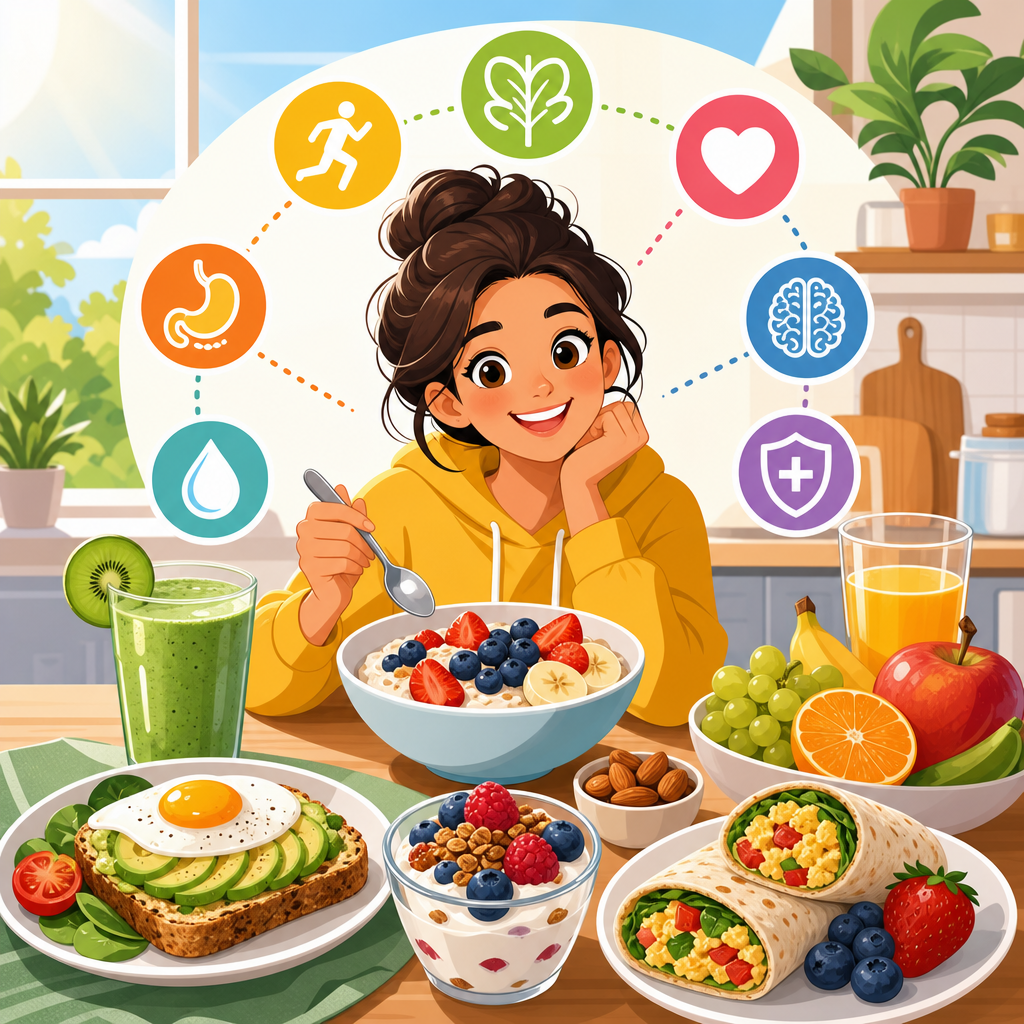

Budget-friendly healthy eating is the practice of meeting nutritional needs with foods that deliver strong value per serving, per gram of protein, and per micronutrient rather than simply chasing the lowest shelf price. It matters because food costs have climbed sharply in recent years, while diet-related conditions such as hypertension, type 2 diabetes, and obesity continue to strain households. In meal planning work, I have seen the same pattern repeatedly: people assume healthy food is automatically expensive, then rely on convenience meals that cost more over time and deliver less nutrition. A better approach starts by defining healthy eating in practical terms. It means building meals around vegetables and fruit, whole grains, beans, lentils, nuts, seeds, dairy or fortified alternatives, and appropriately portioned protein sources, while limiting ultra-processed foods high in sodium, added sugars, and saturated fat.
For families, students, and busy professionals, the goal is not perfection. The goal is consistency. Budget-friendly healthy eating works when it reduces decision fatigue, lowers food waste, and keeps staple ingredients flexible enough for breakfast, lunch, dinner, and snacks. This article serves as a central guide within Recipes & Meal Planning, connecting the core principles behind low-cost nutrition, smart shopping, affordable proteins, seasonal produce, meal prep, and realistic weekly routines. If you want a simple answer to the big question, here it is: yes, you can eat well on a budget by planning around inexpensive nutrient-dense staples, shopping strategically, and cooking in repeatable systems rather than improvising every day.
Understanding cost also means looking beyond the price tag. A $4 frozen bag of vegetables that yields six servings with almost no waste is often a better buy than $4 of delicate fresh greens that spoil in three days. A pound of dry lentils can produce several meals for less than a single fast-food combo. Oats, brown rice, eggs, plain yogurt, peanut butter, canned tuna, chickpeas, and cabbage remain some of the highest-value foods in most supermarkets. When these basics are combined with a realistic meal plan, healthy eating becomes less about restriction and more about resource management, kitchen habits, and making every grocery dollar work harder.
What Budget-Friendly Healthy Eating Actually Looks Like
The healthiest affordable eating pattern is usually built on a short list of dependable staples. Think of each meal as a simple formula: a fiber-rich carbohydrate, a protein source, vegetables or fruit, and a flavor component such as olive oil, herbs, spices, garlic, salsa, mustard, or yogurt sauce. For example, a bowl with brown rice, black beans, roasted frozen vegetables, and shredded chicken provides protein, fiber, potassium, folate, and lasting satiety for a fraction of the cost of takeout. A breakfast of oats cooked with milk, topped with banana and peanut butter, is another classic low-cost, high-nutrition option that supports energy and fullness.
A useful benchmark is cost per useful serving, not cost per package. Dry beans, lentils, and oats excel here, but so do eggs, canned fish, frozen berries, and store-brand Greek yogurt. The Dietary Guidelines for Americans emphasize overall dietary patterns, and that matters on a budget because no single superfood is required. Nutrient density wins. Potatoes provide potassium and vitamin C. Carrots provide beta carotene. Canned tomatoes add lycopene. Sardines contribute protein, calcium, and omega-3 fats. If a food is affordable, versatile, and nutrient-rich, it belongs in the conversation.
Healthy eating on a budget also looks repetitive in a good way. In my own planning, repeating breakfasts and lunches during the workweek is one of the fastest ways to control cost without sacrificing quality. Dinner then becomes the main point of variety. This rhythm lowers mental load, improves grocery accuracy, and makes leftovers easier to use intentionally instead of forgetting them in the refrigerator. People often underestimate how much money is lost not on shopping mistakes but on uneaten food.
How to Shop Strategically and Stretch Every Grocery Dollar
The most effective grocery strategy starts before you enter the store. Check your pantry, refrigerator, and freezer first. Then build a list around what you already have, what is on sale, and what can be used in multiple meals. This sounds basic, but it is the difference between spending with a plan and buying random ingredients that never become dinners. Retailers are designed to trigger impulse purchases, so a tight list anchored to a weekly meal plan is one of the best cost-control tools available.
Store brands are often nearly identical in nutrition and quality to name brands, especially for oats, canned beans, frozen vegetables, yogurt, pasta, rice, nut butter, and spices. Unit pricing is essential. Comparing ounces, pounds, or grams prevents misleading packaging from making a smaller item appear cheaper. Bulk bins can help with grains, nuts, and spices if turnover is high and the price per unit is lower, but bulk is not automatically better. Only buy quantities you can actually store and use.
Seasonality matters most for fresh produce. Berries, leafy greens, and herbs can swing widely in price, while cabbage, bananas, onions, carrots, and potatoes tend to stay affordable year-round. Frozen produce deserves special attention because it is typically processed close to harvest, retains nutrition well, and reduces spoilage. Canned produce can also be excellent, especially tomatoes, beans, pumpkin, and fruit packed in juice rather than syrup. The key is checking labels for sodium and added sugar.
| Food category | Best budget option | Why it works | Example use |
|---|---|---|---|
| Protein | Beans, lentils, eggs | Low cost per serving, high satiety | Chili, omelets, grain bowls |
| Vegetables | Frozen mixed vegetables | Minimal waste, consistent price | Stir-fries, soups, pasta |
| Fruit | Bananas, apples, frozen berries | Affordable and versatile | Snacks, oatmeal, smoothies |
| Grains | Oats, brown rice, whole grain pasta | Cheap base for many meals | Breakfast bowls, sides, casseroles |
| Dairy | Plain yogurt, milk, cottage cheese | Protein and calcium at good value | Breakfast, sauces, snacks |
Another dependable tactic is using a price book or a notes app to track your normal prices at the stores you visit most. After a few weeks, sales become easier to judge. I have used this method for years, and it quickly reveals where to buy staples consistently and which sales are worth stocking up on. If freezer space is available, buying chicken, frozen fish, whole grain bread, or vegetables on promotion can significantly lower average monthly food costs.
Building Meals Around Affordable Nutrient-Dense Foods
Affordable healthy meal planning works best when you start with low-cost anchors. Beans and lentils are among the strongest options because they combine protein, fiber, iron, magnesium, and folate. Pair them with grains and vegetables, and you get complete, satisfying meals. Red lentil soup, black bean tacos, chickpea curry, and white bean pasta are all inexpensive, scalable, and beginner-friendly. Dry beans offer the lowest cost, while canned beans save time. Both are useful; the right choice depends on your schedule.
Eggs are another budget workhorse. They cook quickly, fit any meal, and provide high-quality protein with choline, selenium, and vitamin B12. A vegetable frittata can become dinner one night and lunch the next day. Plain Greek yogurt and cottage cheese are similarly efficient. They work as breakfast bases, snack components, dips, or creamy additions to sauces. When clients say they cannot afford high-protein foods, these items usually solve the problem faster than expensive powders or specialty products.
Whole grains deserve more attention in budget-friendly healthy eating because they provide volume and structure. Oats, rice, barley, popcorn, and whole grain pasta are inexpensive ways to make meals filling. Potatoes and sweet potatoes are often overlooked for the same reason. They are affordable, easy to store, and nutritionally useful. Prepared simply, they support balanced meals without the high cost of many packaged sides.
For produce, prioritize vegetables and fruit you will actually use. There is no financial victory in buying aspirational ingredients that rot. In practice, a mix of fresh, frozen, and canned works best. Fresh onions, garlic, cabbage, carrots, and bananas cover many meals. Frozen spinach, broccoli, peas, and berries add convenience. Canned tomatoes, corn, and pumpkin can turn a sparse pantry into soup, pasta sauce, or chili with very little extra spending.
Meal Planning, Batch Cooking, and Food Waste Prevention
Meal planning is the operating system behind eating healthy on a budget. Without a plan, even good ingredients become expensive because they spoil, duplicate, or sit unused. The simplest weekly method is to choose two breakfasts, two lunches, three dinners, and one flexible leftover night. Then list the ingredients each recipe shares. If spinach appears in eggs, pasta, and soup, you buy one bag with a clear purpose. If cooked rice serves as a dinner side, burrito bowl base, and fried rice starter, nothing is wasted.
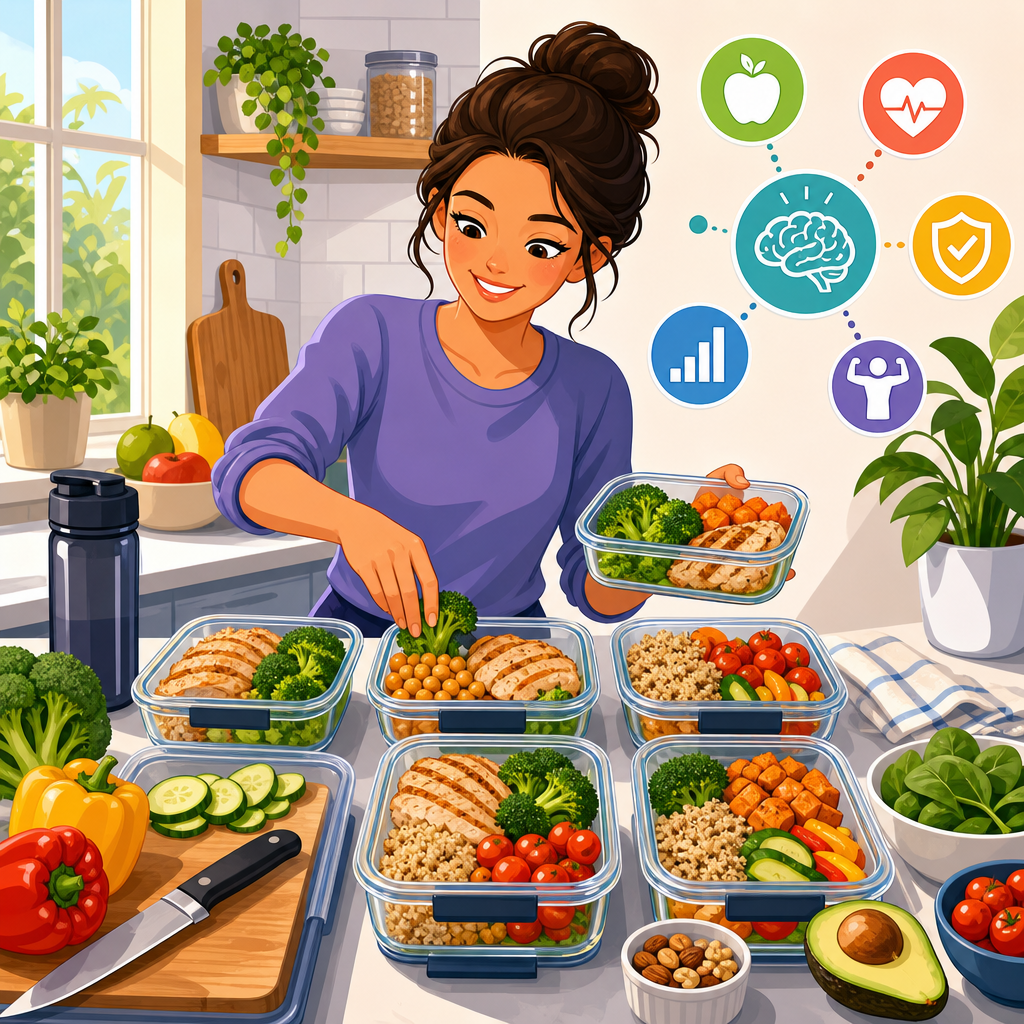
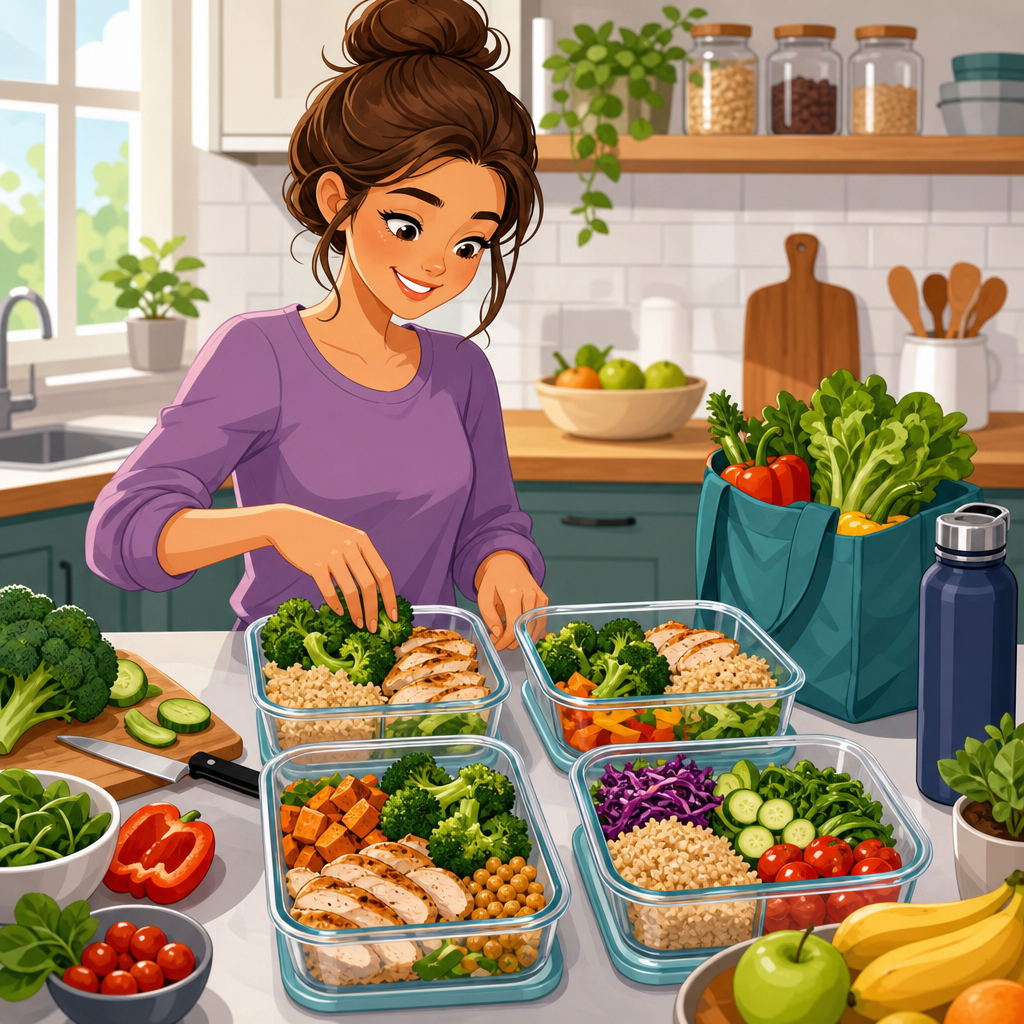
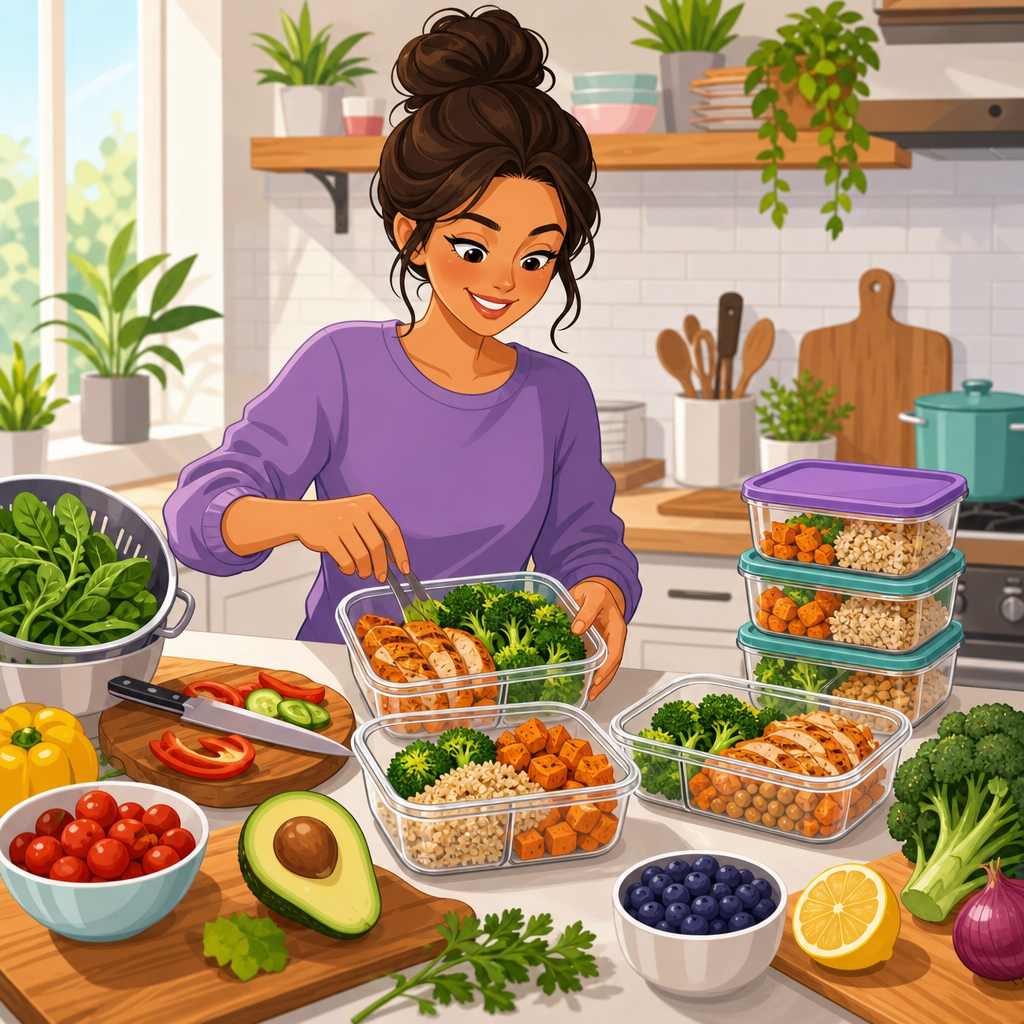
Batch cooking does not require spending Sunday making twenty identical containers. It usually works better to prep components: a pot of grains, a tray of roasted vegetables, one protein, a sauce, and washed fruit. This gives you mix-and-match options throughout the week. In my own kitchen, cooked lentils, chopped cabbage, boiled eggs, and yogurt dressing can become grain bowls, wraps, soups, or side dishes with almost no extra effort. That flexibility is what keeps low-cost meal prep sustainable.
Food waste prevention is where major savings accumulate. The U.S. Department of Agriculture and EPA have both highlighted the scale of household food waste, and most of it comes from poor planning and storage rather than dramatic mistakes. Learn shelf life basics. Store herbs upright in water, refrigerate berries dry, freeze bread before mold appears, and cool leftovers quickly in shallow containers. Labeling containers with dates is especially helpful for busy households. Leftover chicken can become soup; soft vegetables can go into omelets or fried rice; overripe bananas can be frozen for smoothies or baked oats.
Portioning matters too. Overserving raises food cost even when ingredients are cheap. Using measured staples at first can help recalibrate shopping and cooking habits. Once you know how much rice, pasta, yogurt, or chicken your household actually eats, budgeting becomes far more accurate. This is one reason meal planning is central to Recipes & Meal Planning as a whole: it ties nutrition, budget, and time management together better than any single recipe can.
Common Budget-Friendly Mistakes and How to Avoid Them
The first common mistake is buying healthy convenience foods as if they are staples. Packaged smoothie kits, protein snack boxes, bottled shakes, and single-serve yogurt cups can be useful occasionally, but they usually carry a large markup. The second mistake is treating sales as savings when the item does not fit your plan. A discount on a niche sauce or oversized produce package is not a win if half of it gets thrown away. A third mistake is building meals around expensive proteins every night. Beef, salmon, and prepared deli items can fit a healthy diet, but using them as defaults makes budget control much harder.
Another issue is under-seasoning simple foods, which leads people to believe healthy budget meals are boring. Flavor is not the enemy of affordability. Garlic, lemon juice, vinegar, cumin, chili powder, paprika, soy sauce, curry powder, and dried herbs transform low-cost ingredients without adding much expense. Texture matters as well. Roasting chickpeas, toasting oats, or adding shredded cabbage to bowls creates contrast that makes basic meals feel finished.
Finally, do not confuse frugality with deprivation. If your plan is so restrictive that it triggers takeout twice a week, it is not actually budget-friendly. A sustainable system leaves room for preferences, cultural foods, convenience where needed, and a few strategic upgrades that keep meals enjoyable.
How This Hub Supports Smarter Recipes and Meal Planning
As a hub within Recipes & Meal Planning, budget-friendly healthy eating connects several practical topics that deserve deeper exploration: low-cost breakfast ideas, high-protein meals on a budget, affordable vegetarian dinners, freezer-friendly meal prep, reducing food waste, and smart grocery list building. The central principle across all of them is straightforward: repeatable systems beat willpower. A strong pantry, a short list of flexible recipes, and a realistic shopping routine consistently outperform complicated meal plans.
The biggest benefit is control. When you know how to combine affordable staples into balanced meals, you reduce financial stress, improve diet quality, and make home cooking more dependable. Start with one week. Pick a few staple foods, plan meals that share ingredients, and track what gets eaten versus wasted. Small adjustments produce lasting savings and better health.
Frequently Asked Questions
1. What does budget-friendly healthy eating really mean?
Budget-friendly healthy eating means choosing foods based on the nutrition they provide for the money you spend, not just the lowest sticker price on the shelf. A food can look cheap at first glance, but if it offers little protein, fiber, vitamins, or staying power, it may not actually be a good value. On the other hand, foods such as beans, oats, eggs, frozen vegetables, yogurt, canned tuna, brown rice, potatoes, and seasonal produce often deliver excellent nutrition at a very reasonable cost per serving.
The goal is to stretch your grocery budget while still supporting energy, fullness, and long-term health. That includes paying attention to cost per serving, cost per gram of protein, and overall nutrient density. For example, a large bag of dry lentils may cost less per meal and provide more fiber and protein than many packaged convenience foods. In the same way, frozen spinach can be a smarter purchase than delicate fresh greens if it lasts longer and reduces waste.
This approach matters because healthy eating is not about perfection or buying expensive “superfoods.” It is about consistently building meals around affordable staples that support blood sugar control, heart health, digestion, and satiety. When done well, budget-friendly healthy eating helps households lower waste, avoid costly takeout, and create practical habits that are easier to maintain over time.
2. Is healthy food actually more expensive than unhealthy food?
Not necessarily. This is one of the most common misconceptions in nutrition. Some healthy products are expensive, especially heavily marketed specialty items like protein chips, wellness drinks, pre-portioned snack packs, or organic convenience meals. But those items do not define healthy eating. Many of the most affordable foods in the grocery store are also some of the most nutritious.
Think about staple foods that have a strong nutrition-to-cost ratio: dried beans, canned beans, eggs, oats, plain Greek yogurt, peanut butter, canned salmon, brown rice, whole grain pasta, potatoes, carrots, cabbage, bananas, frozen berries, and store-brand vegetables. These foods can form the foundation of balanced meals without driving up costs. A simple bowl of oatmeal with fruit and peanut butter, or a bean-and-rice meal with vegetables and salsa, can be far less expensive than fast food, frozen pizza, or snack-heavy eating patterns.
Another important factor is how cost is measured. Many people compare the shelf price of a single item instead of the true cost per meal or how filling that item is. A bag of chips may seem cheap, but it does not provide the same protein, fiber, or staying power as a carton of eggs or a bag of lentils. Processed convenience foods can also lead to more frequent hunger, which may increase overall food spending. In practice, healthy eating often becomes more affordable when people focus on meal planning, store brands, bulk basics, seasonal produce, and reducing waste.
3. What are the best affordable foods to keep on hand for healthy meals?
The most useful budget-friendly foods are versatile, nutrient-dense, and easy to combine into simple meals. A strong low-cost pantry usually includes oats, brown rice, whole grain pasta, dry or canned beans, lentils, canned tomatoes, tuna or salmon, peanut butter, nuts or seeds when affordable, broth, and basic seasonings. These ingredients make it easier to prepare soups, grain bowls, chili, pasta dishes, and quick lunches without relying on expensive takeout or packaged meals.
For protein, some of the best values are eggs, beans, lentils, plain Greek yogurt, cottage cheese, canned fish, tofu, and family packs of chicken when on sale. Protein matters because it supports fullness, muscle maintenance, and steadier energy. Pairing protein with fiber-rich foods such as vegetables, fruit, and whole grains creates meals that are satisfying and nutritionally balanced.
For produce, frozen and canned options can be just as useful as fresh and are often more affordable. Frozen broccoli, mixed vegetables, spinach, berries, and peas are especially practical because they last longer and can be used in small amounts as needed. Canned vegetables and fruit can work well too, especially if you choose lower-sodium vegetables and fruit packed in water or juice instead of heavy syrup. Fresh budget-friendly produce often includes bananas, apples, oranges, carrots, onions, cabbage, potatoes, and seasonal items on promotion.
Keeping a short list of go-to combinations makes these ingredients even more useful. Examples include oatmeal with fruit and nuts, eggs with toast and sautéed vegetables, rice with beans and salsa, baked potatoes with Greek yogurt and broccoli, lentil soup with whole grain bread, or pasta with canned tomatoes, spinach, and tuna. When your kitchen is stocked with these basics, healthy eating becomes simpler, more affordable, and much easier to sustain.
4. How can I meal plan in a way that saves money and still supports good nutrition?
Effective budget meal planning starts with what you already have. Before shopping, check your refrigerator, freezer, and pantry so you can use ingredients that might otherwise go to waste. Then build your weekly plan around a few affordable core foods, sale items, and ingredients that can be used in more than one meal. This reduces both overspending and decision fatigue.
A practical method is to choose two or three proteins, two grains or starches, and several vegetables for the week. For example, you might buy eggs, beans, and chicken; rice and potatoes; and a mix of frozen broccoli, carrots, onions, and salad greens. From that base, you can create multiple meals such as bean bowls, vegetable omelets, chicken and rice, soup, roasted potatoes with eggs, and leftovers for lunch. Repeating ingredients across meals is one of the easiest ways to save money without sacrificing variety.
It also helps to plan around meals that are naturally cost-effective, such as soups, stews, stir-fries, casseroles, grain bowls, tacos, and pasta dishes. These meals allow you to combine inexpensive staples with vegetables and moderate amounts of protein. Batch cooking once or twice a week can further reduce costs by making it less likely that you will order takeout when time is short.
Nutrition-wise, aim to include a source of protein, a source of fiber, and some produce at most meals. That could be as simple as oatmeal with fruit and yogurt at breakfast, a lentil soup and side salad at lunch, and a rice bowl with vegetables and chicken at dinner. You do not need complicated recipes or expensive ingredients. The most effective budget meal plan is one that fits your real schedule, uses familiar foods, and helps you consistently prepare balanced meals at home.
5. How can budget-friendly healthy eating help with long-term health goals like weight management, diabetes, or heart health?
Budget-friendly healthy eating can strongly support long-term health because many of the most affordable staple foods also align with evidence-based nutrition recommendations. Foods like beans, oats, vegetables, fruit, yogurt, eggs, fish, and whole grains can help improve fullness, stabilize blood sugar, support healthy cholesterol levels, and reduce overreliance on highly processed foods. These are important benefits for people managing weight, prediabetes, type 2 diabetes, high blood pressure, or cardiovascular risk.
For weight management, affordable high-fiber and high-protein foods are especially helpful because they promote satiety. A meal built around lentils, vegetables, and brown rice is often more filling and nutritionally complete than a low-cost fast-food meal or snack-based dinner. For blood sugar support, meals that combine protein, fiber, and slower-digesting carbohydrates can help reduce sharp spikes and crashes. Examples include oatmeal with nuts, eggs with whole grain toast, or chili made with beans and lean protein.
For heart health, budget-friendly eating can emphasize foods naturally rich in potassium, fiber, and unsaturated fats while keeping sodium, added sugars, and excess saturated fat in check. Potatoes, beans, bananas, oats, frozen vegetables, canned fish, and nuts in sensible portions are all useful examples. Choosing more home-cooked meals also gives you better control over ingredients than restaurant meals or packaged convenience foods, which are often higher in sodium and calories.
Most importantly, affordable healthy eating makes consistency possible. Long-term health outcomes are shaped more by repeatable daily habits than by occasional perfect meals. When people find a realistic system that fits their budget, they are more likely to stick with it. That consistency can improve diet quality, reduce financial stress around food, and create a sustainable path toward better overall health.