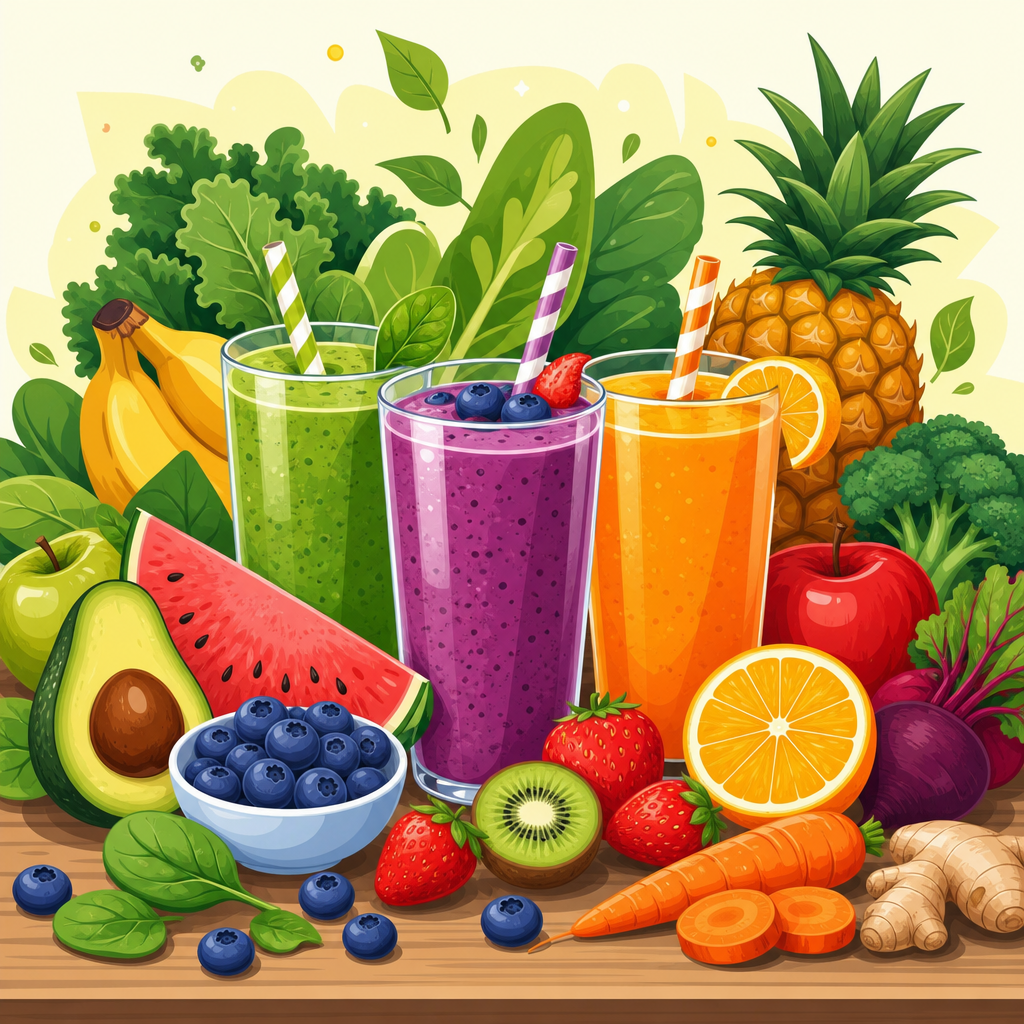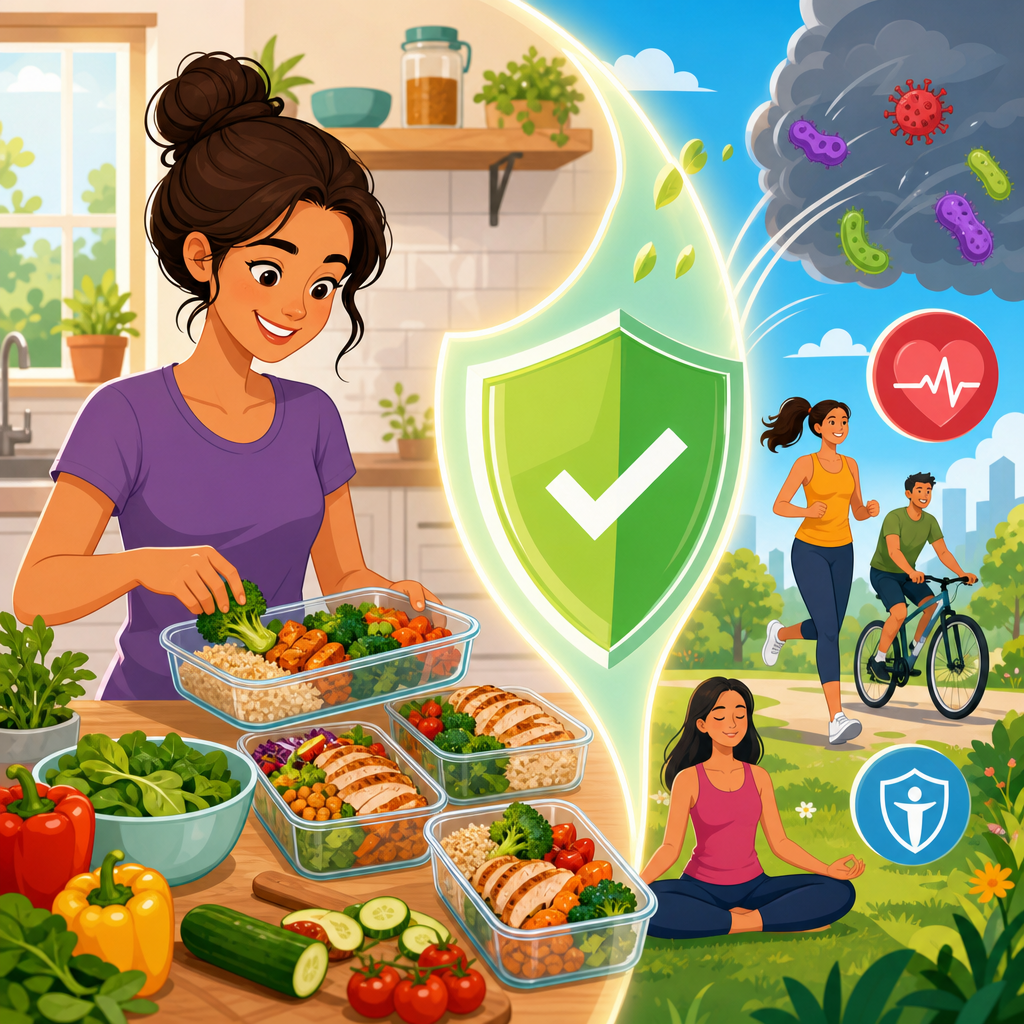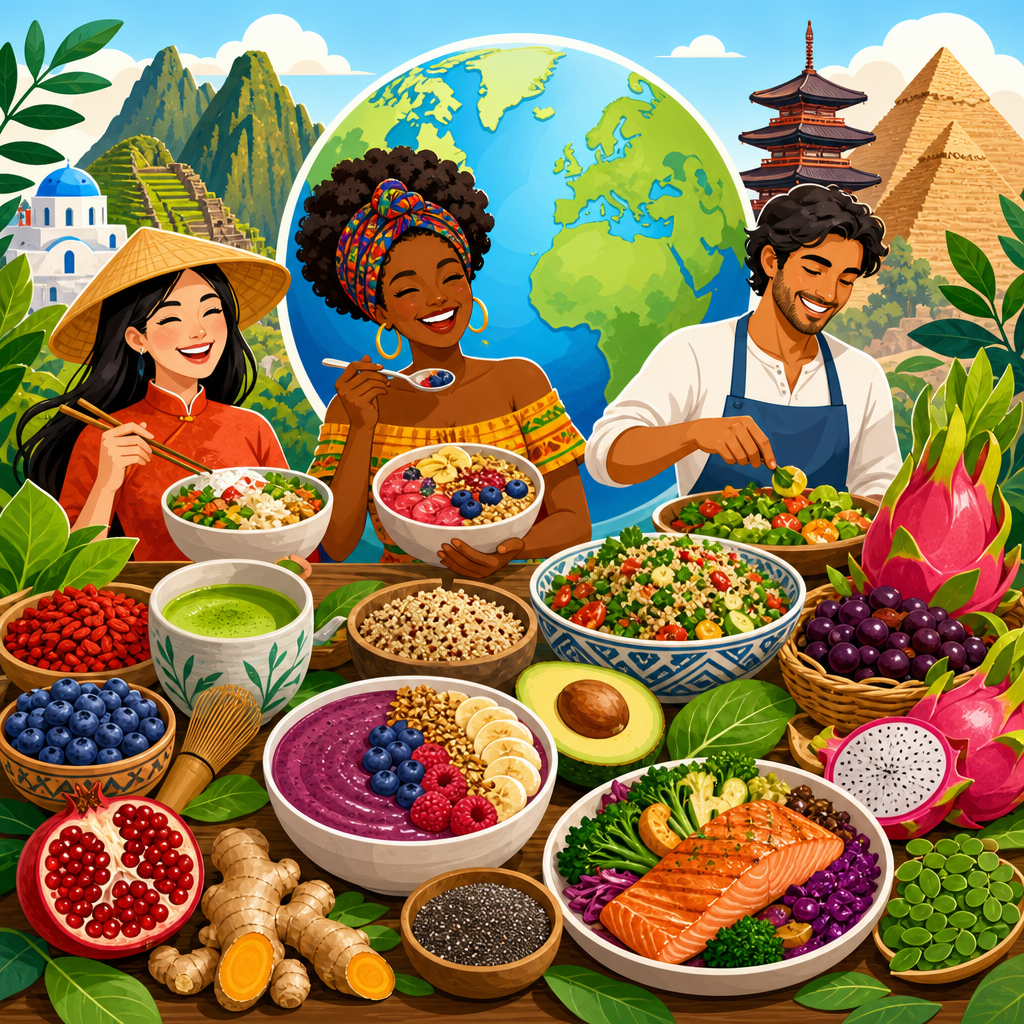
Maximizing your health with international superfoods and recipes starts with understanding that a superfood is not a magic ingredient but a nutrient-dense food that delivers unusually high levels of vitamins, minerals, fiber, healthy fats, antioxidants, or bioactive compounds in a practical serving. In meal planning work, I have found that people make better long-term choices when they stop chasing novelty and instead learn how traditional food cultures already solved the problem of eating for energy, recovery, and disease prevention. International superfoods matter because they expand your options beyond a short list of fashionable ingredients, helping you build meals that are affordable, varied, and culturally grounded. This hub covers what international superfoods are, how to use them in everyday cooking, and which recipes deserve a permanent place in your weekly routine.
The term international superfoods includes staples such as quinoa from the Andes, kefir from the Caucasus region, seaweed from East Asia, lentils from South Asia and the Mediterranean, extra virgin olive oil from Southern Europe, turmeric and ginger from South and Southeast Asia, fermented soy foods from Japan, Korea, and China, and seeds such as chia and sesame used across Latin America, the Middle East, and Africa. What connects them is evidence, not branding. Oats lower LDL cholesterol because of beta-glucan fiber. Yogurt and kefir contribute protein and live cultures. Beans and lentils support satiety, blood sugar control, and gut health through fiber, resistant starch, and plant protein. Dark leafy greens provide folate, vitamin K, carotenoids, and potassium. Fatty fish such as sardines deliver omega-3 fatty acids that support cardiovascular health. When these foods appear repeatedly in traditional cuisines, that repetition is a clue: generations kept them because they were useful, filling, and good for health.
For a recipes and meal planning hub, the real value is translation from nutrition science into the kitchen. Many people ask the same questions: Which superfoods are worth buying? How do you combine them into meals that taste good? Can they fit a budget, a busy schedule, and different dietary patterns? The answer is yes, when you focus on pattern over perfection. A strong meal plan uses a small set of high-impact ingredients repeatedly in breakfasts, lunches, dinners, snacks, and sauces. The sections below explain the key categories of international superfoods, how to shop for them, and how to cook them into practical recipes you can rotate all year.
What counts as an international superfood in meal planning
In practice, an international superfood is any globally rooted ingredient with a strong nutrient profile, culinary versatility, and enough accessibility to appear regularly in your meals. I evaluate them by five criteria: nutrient density per serving, evidence for health benefits, ease of preparation, storage life, and compatibility with other staples. By that standard, lentils, beans, plain yogurt, kefir, canned sardines, quinoa, tofu, tempeh, garlic, berries, mushrooms, seaweed, olive oil, nuts, seeds, and deeply colored vegetables consistently earn a place in a smart kitchen. They deliver measurable nutrition while also solving ordinary problems such as quick lunches, protein gaps, and the need for flavorful meals with limited time.
Traditional cuisines offer proven combinations that improve both nutrition and usability. Rice and beans across Latin America provide complementary amino acids and steady energy. Dal with rice or roti in India pairs legumes, grains, spices, and often yogurt or vegetables into a complete meal. Japanese meals often combine miso soup, seaweed, tofu, fish, and rice, creating broad micronutrient coverage without heavy processing. Mediterranean cooking uses olive oil, chickpeas, herbs, tomatoes, fish, and greens in combinations associated with lower cardiovascular risk. These are not isolated ingredients; they are systems. The healthiest use of superfoods is not sprinkling chia on a dessert but building balanced meals around culturally tested patterns.
Core superfoods by region and why they work
Latin American staples include black beans, pinto beans, quinoa, amaranth, chia, cacao, avocados, and sweet potatoes. Beans provide fiber, folate, magnesium, and plant protein, while quinoa contributes all nine essential amino acids in meaningful amounts and cooks faster than many whole grains. Chia seeds absorb liquid and add alpha-linolenic acid, fiber, and texture to breakfasts and snacks. A simple quinoa bowl with black beans, roasted peppers, avocado, and pumpkin seeds offers protein, healthy fats, potassium, and sustained fullness, making it ideal for weekday meal prep.
Mediterranean and Middle Eastern cuisines excel at combining olive oil, legumes, yogurt, herbs, sesame, fish, whole grains, and vegetables. Extra virgin olive oil contains monounsaturated fat and polyphenols linked to cardiometabolic benefits. Tahini made from sesame seeds adds calcium, copper, and flavor to dressings and sauces. Chickpeas become hummus, stews, salads, and crispy sheet-pan toppings. Greek yogurt increases protein density in breakfast bowls, marinades, and sauces. A lentil tabbouleh with parsley, tomatoes, olive oil, lemon, and feta is a practical example of a superfood meal: high fiber, high flavor, and easy to scale.
Asian food traditions contribute fermented soy foods, sea vegetables, ginger, turmeric, bok choy, mushrooms, green tea, edamame, and small oily fish. Fermented foods such as miso, kimchi, and tempeh add flavor complexity and, depending on handling and processing, can contribute beneficial microbes or fermentation-derived compounds. Seaweed supplies iodine, although intake should remain moderate because some varieties are very concentrated. Mushrooms provide ergothioneine and, when UV-exposed, vitamin D. Tofu and edamame are efficient protein sources that fit soups, stir-fries, curries, and grain bowls. A miso salmon bowl with brown rice, shiitake mushrooms, spinach, and sesame is a compact way to cover protein, omega-3 fats, minerals, and color.
| Region | Key superfoods | Main nutrition strengths | Easy recipe idea |
|---|---|---|---|
| Andean and Latin American | Quinoa, black beans, chia, sweet potato | Fiber, plant protein, magnesium, omega-3 precursors | Quinoa bean bowl with avocado salsa |
| Mediterranean and Middle Eastern | Olive oil, chickpeas, yogurt, tahini, sardines | Monounsaturated fat, calcium, protein, omega-3s | Chickpea salad with yogurt-tahini dressing |
| East and Southeast Asian | Tofu, tempeh, seaweed, mushrooms, ginger | Protein, iodine, fermentation compounds, antioxidants | Tempeh stir-fry with brown rice and bok choy |
| South Asian and African | Lentils, millet, turmeric, okra, moringa | Fiber, iron, polyphenols, vitamin C, folate | Red lentil curry with millet and greens |
Building balanced recipes with superfoods
The most effective superfood recipes follow a repeatable structure: a protein anchor, a fiber-rich carbohydrate, a colorful produce component, a healthy fat, and a flavor layer from herbs, spices, or fermentation. This structure matters more than any single ingredient because it shapes satiety, blood sugar response, and consistency. When I design meal plans, I often start with a base such as lentils, quinoa, brown rice, or sweet potatoes. Then I add protein from fish, eggs, yogurt, tofu, tempeh, or beans; vegetables such as spinach, broccoli, tomatoes, peppers, or cabbage; and finishing elements like olive oil, tahini, kimchi, pumpkin seeds, or fresh herbs.
Breakfast is one of the easiest places to use international superfoods well. Kefir blended with berries, oats, and chia makes a fast meal with protein, probiotics, and soluble fiber. Savory breakfasts work equally well: miso oatmeal with spinach, soft egg, and sesame offers a high-fiber alternative to sugary cereals. Overnight oats with grated apple, cinnamon, walnuts, and plain yogurt borrow from European muesli traditions while delivering beta-glucan, calcium, and healthy fats. If you prefer egg-based breakfasts, a Mediterranean vegetable frittata with olive oil, tomatoes, onions, and herbs stores well for several days and improves lunch options too.
For lunches and dinners, bowls, soups, and tray bakes outperform complicated recipes because they scale cleanly and reduce waste. A red lentil curry cooks in under thirty minutes, freezes well, and pairs with brown rice, millet, or cauliflower rice. A sheet-pan meal of salmon, broccoli, and sweet potatoes finished with a tahini-lemon sauce gives you one-pan efficiency and broad nutrient coverage. A soba noodle bowl with edamame, shredded cabbage, carrots, cucumber, and ginger-peanut dressing is useful when you need a meatless dinner with crunch and staying power. These meals are effective because they balance macronutrients while keeping flavor high enough that people actually repeat them.
Shopping, prepping, and storing for weekly success
Healthy intentions fail when the pantry is empty or the ingredients spoil before you use them. The best approach is to stock a concentrated set of shelf-stable and frozen superfoods, then add fresh items with different life spans. Dry lentils, canned beans, oats, brown rice, quinoa, canned tomatoes, sardines, tuna, olive oil, nuts, seeds, seaweed snacks, and spices form the shelf-stable core. Frozen berries, spinach, edamame, and mixed vegetables cover busy nights without sacrificing nutrition. Fresh additions should include sturdy produce such as carrots, cabbage, citrus, apples, and sweet potatoes, plus quick-use items like herbs, berries, yogurt, tofu, and greens.
Batch preparation should be targeted, not excessive. Cook one grain, one legume, one sauce, and one tray of vegetables at the start of the week. For example, prepare quinoa, green lentils, yogurt-tahini dressing, and roasted cauliflower with carrots. That combination can become a grain bowl on Monday, a lentil salad on Tuesday, stuffed sweet potatoes on Wednesday, and a soup starter later in the week. Wash herbs, portion nuts and seeds, and freeze extra cooked grains flat in bags for fast thawing. Food safety matters: cool cooked foods promptly, refrigerate within two hours, and generally use cooked grains, beans, seafood, and cut produce within three to four days unless frozen.
Cost control is often easier with international superfoods than people expect. Beans, lentils, oats, cabbage, carrots, tofu, and canned fish are among the highest-value items in the store when measured by nutrition per dollar. Imported specialty products can be expensive, but many are optional. You do not need acai packets if frozen blueberries are available, and you do not need fresh turmeric if dried turmeric is what fits the budget. Shop international markets when possible; they often carry better prices on spices, grains, tofu, legumes, sesame products, and fermented foods. Read labels carefully, especially for yogurt, granola, plant milks, and sauces, where added sugar and sodium can rise quickly.
Best recipes to keep in your regular rotation
A useful hub should point you toward recipes that solve repeat problems, so focus on a shortlist of dependable formats. First, keep a legume-based soup such as Turkish red lentil soup, Moroccan chickpea stew, or Indian dal in weekly circulation. These recipes are forgiving, inexpensive, and nutritionally dense. Second, maintain one grain bowl pattern built around quinoa, farro, or brown rice with vegetables, protein, and a bold sauce. Third, use one fermented-food meal such as kimchi fried brown rice with edamame and eggs, or miso soup with tofu and mushrooms. Fourth, include one fish meal, ideally salmon, sardines, trout, or mackerel, to cover omega-3 intake in a realistic way.
Recipe variety should also reflect different eating patterns. For vegetarian households, tempeh satay bowls, spinach-chickpea shakshuka, black bean sweet potato tacos, and soba noodle salads cover protein without relying on heavily processed substitutes. For omnivores, sardine toast with tomato and arugula, chicken shawarma bowls with hummus, and salmon poke-style bowls provide straightforward options. If blood sugar management is a priority, emphasize lentils, beans, intact grains, nonstarchy vegetables, and protein-forward breakfasts. If digestive comfort is a concern, adjust fiber gradually, rinse canned beans, and note that fermented foods can help some people while irritating others. The right recipe is the one your household can repeat consistently.
How to tailor superfoods to your goals and limitations
International superfoods are powerful, but they still need to fit individual needs. For heart health, prioritize extra virgin olive oil, oats, beans, nuts, seeds, and fatty fish while reducing heavily processed foods high in sodium and refined carbohydrates. For muscle maintenance, especially in older adults, distribute protein across the day with Greek yogurt, tofu, tempeh, eggs, fish, legumes, and milk or fortified soy beverages. For plant-based eaters, pay special attention to vitamin B12, iron, calcium, iodine, and omega-3 intake. That may mean fortified foods, iodized salt in sensible amounts, seaweed used carefully rather than excessively, and strategic combinations such as lentils with vitamin C-rich peppers or citrus.
Limitations matter too. Kidney disease, celiac disease, IBS, food allergies, pregnancy, and thyroid conditions can change what is appropriate. Some seaweeds contain very high iodine levels. Grapefruit can interact with medications. Fermented foods may be too salty for some people. Chia and flax add fiber, but too much too fast can cause bloating. I always recommend that people treat superfoods as part of a whole eating pattern rather than a fix. Keep the focus on balanced recipes, steady habits, and ingredients you enjoy enough to buy again. Start with two new foods and two new recipes this week, then build your own international superfood meal plan from there.
Frequently Asked Questions
1. What exactly counts as a superfood, and are international superfoods really better than local healthy foods?
A superfood is best understood as a nutrient-dense food that provides an especially high concentration of beneficial nutrients or protective compounds in a realistic serving size. That can include vitamins, minerals, fiber, healthy fats, antioxidants, probiotics, or plant compounds linked to better long-term health. Foods often described this way include chia seeds from Central and South America, fermented dairy like kefir from Eastern Europe, seaweed used in many East Asian cuisines, turmeric in South Asian cooking, olive oil in Mediterranean diets, and legumes such as lentils and chickpeas found across the Middle East, North Africa, and India. The important thing to remember is that a superfood is not a nutritional shortcut or a miracle cure. Its value depends on how often you eat it, what you pair it with, and whether it helps you build a balanced diet over time.
International superfoods are not automatically better than local healthy foods. In fact, one of the most useful lessons from traditional food cultures is that health-promoting diets are usually built from accessible staples, not exotic ingredients alone. Blueberries and oats can be just as valuable as goji berries and quinoa, depending on your needs, preferences, and budget. What international superfoods offer is variety, culinary inspiration, and access to food traditions that have long combined flavor and nourishment in practical ways. Rather than asking whether imported foods are superior, it is more helpful to ask whether a food is minimally processed, nutrient-rich, versatile, and easy to include regularly. The best superfoods are the ones you can enjoy consistently as part of meals you actually want to make and eat.
2. How can I add international superfoods to my diet without making my meals complicated or expensive?
The simplest way to use international superfoods is to treat them as upgrades to meals you already eat instead of building an entirely new routine around them. Start with one or two ingredients and work them into familiar dishes. Stir chia or ground flax into yogurt, oats, or smoothies. Add lentils to soup, curry, or pasta sauce for extra fiber and plant protein. Use kefir in place of drinkable yogurt at breakfast. Add canned sardines or mackerel to toast, salads, or grain bowls for omega-3 fats and minerals. Season roasted vegetables with turmeric, cumin, ginger, or za’atar. Toss edamame, seaweed, or sesame seeds into rice bowls. Small, repeatable changes are usually much more sustainable than a dramatic pantry overhaul.
Cost stays manageable when you focus on traditional staples rather than trend-driven products. Dried beans, lentils, oats, brown rice, canned fish, yogurt, frozen berries, cabbage, sweet potatoes, and seasonal greens often deliver excellent nutrition at a lower price than heavily marketed powders or snack mixes. Buying spices in bulk, choosing frozen produce when fresh is expensive, and using canned or dried legumes can stretch your budget significantly. You can also rotate ingredients instead of buying everything at once. For example, one week you might build meals around chickpeas and olive oil, the next around tofu, sesame, and greens, and the next around black beans, avocado, and whole grains. This approach keeps meals interesting while reducing waste and making nutrient diversity more realistic.
3. Which international superfoods offer the most practical health benefits for everyday meal planning?
The most practical superfoods are the ones with strong nutritional value, broad culinary use, and a proven place in traditional eating patterns. Legumes such as lentils, chickpeas, black beans, and soybeans are among the best examples because they provide fiber, protein, iron, magnesium, and slow-digesting carbohydrates that support fullness and steady energy. Fermented foods like kefir, yogurt, kimchi, miso, and tempeh can support dietary variety and may help with digestive health when included regularly, especially when they replace more heavily processed foods. Fatty fish such as sardines, salmon, and mackerel provide omega-3 fats, vitamin D, selenium, and high-quality protein. Whole grains like oats, barley, quinoa, and buckwheat contribute fiber, minerals, and lasting satiety.
Some of the most useful international ingredients are valuable because they elevate overall meal quality rather than because they act alone. Extra virgin olive oil, for example, is central to Mediterranean-style eating and can improve flavor while supplying heart-friendly monounsaturated fats and polyphenols. Turmeric, ginger, garlic, and cinnamon add bioactive compounds and make healthy foods more enjoyable. Sea vegetables can contribute iodine and minerals when used appropriately. Nuts and seeds such as walnuts, sesame, pumpkin seeds, and chia add healthy fats, texture, and micronutrients. If you want a practical strategy, prioritize foods that help you build balanced plates: a fiber-rich carbohydrate source, a quality protein, colorful produce, and a healthy fat. Superfoods work best when they strengthen that structure rather than distract from it.
4. What are some healthy international recipes or meal ideas that make superfoods easy to eat regularly?
A strong meal pattern comes from borrowing proven ideas from traditional cuisines and adapting them to your schedule. For breakfast, you might make overnight oats with chia seeds, kefir, berries, walnuts, and cinnamon for a combination of fiber, protein, and healthy fats. Another option is a savory breakfast bowl with sautéed greens, eggs or tofu, leftover brown rice, and a spoonful of kimchi. For lunch, Mediterranean grain bowls are especially effective: combine farro, quinoa, or bulgur with chickpeas, cucumber, tomatoes, herbs, olive oil, lemon, and tahini. A Japanese-inspired bowl with edamame, brown rice, seaweed, shredded carrots, salmon, and sesame is another easy high-nutrient option.
For dinner, think in terms of repeatable templates. A lentil and vegetable curry with turmeric, garlic, ginger, and coconut milk served over brown rice is affordable and satisfying. A simple bean stew with tomatoes, onions, olive oil, and leafy greens reflects healthy patterns seen in several traditional cuisines and stores well for leftovers. You can also make sheet-pan meals with salmon or tofu, broccoli, sweet potatoes, and a miso or harissa glaze. Even snacks can be upgraded in an international style: hummus with vegetables, yogurt with tahini and fruit, roasted chickpeas, or a small portion of nuts and dried fruit. The key is not complexity. It is using nutrient-dense ingredients in combinations that are flavorful enough to repeat week after week.
5. Are there any risks or misconceptions to watch out for when using superfoods to improve health?
Yes, and this is where a balanced perspective matters. The biggest misconception is believing that one ingredient can cancel out an otherwise poor diet. No amount of matcha, turmeric, acai, or sea moss will replace the benefits of regular meals built around vegetables, fruits, legumes, whole grains, quality protein, and healthy fats. Another common mistake is overpaying for products with a health halo. Powders, gummies, detox blends, and imported packaged snacks often cost much more than traditional whole-food alternatives while offering fewer benefits. It is also easy to assume that “natural” means unlimited, but some foods and supplements can interact with medications, affect digestion, or create nutrient imbalances if overused. Portion, frequency, and context still matter.
There are also practical considerations such as allergies, sodium content in fermented or preserved foods, mercury awareness with certain fish, and the need for variety rather than overreliance on a narrow set of ingredients. People with thyroid concerns may need to be thoughtful about iodine intake from seaweed. Those with digestive sensitivity may need to introduce high-fiber legumes or fermented foods gradually. If you have a medical condition, are pregnant, or take prescription medications, it is wise to discuss major dietary changes with a qualified healthcare professional. The healthiest mindset is to view international superfoods as tools, not trophies. Use them to expand your diet, improve consistency, and learn from food cultures that have long emphasized balance, enjoyment, and nourishment in everyday life.