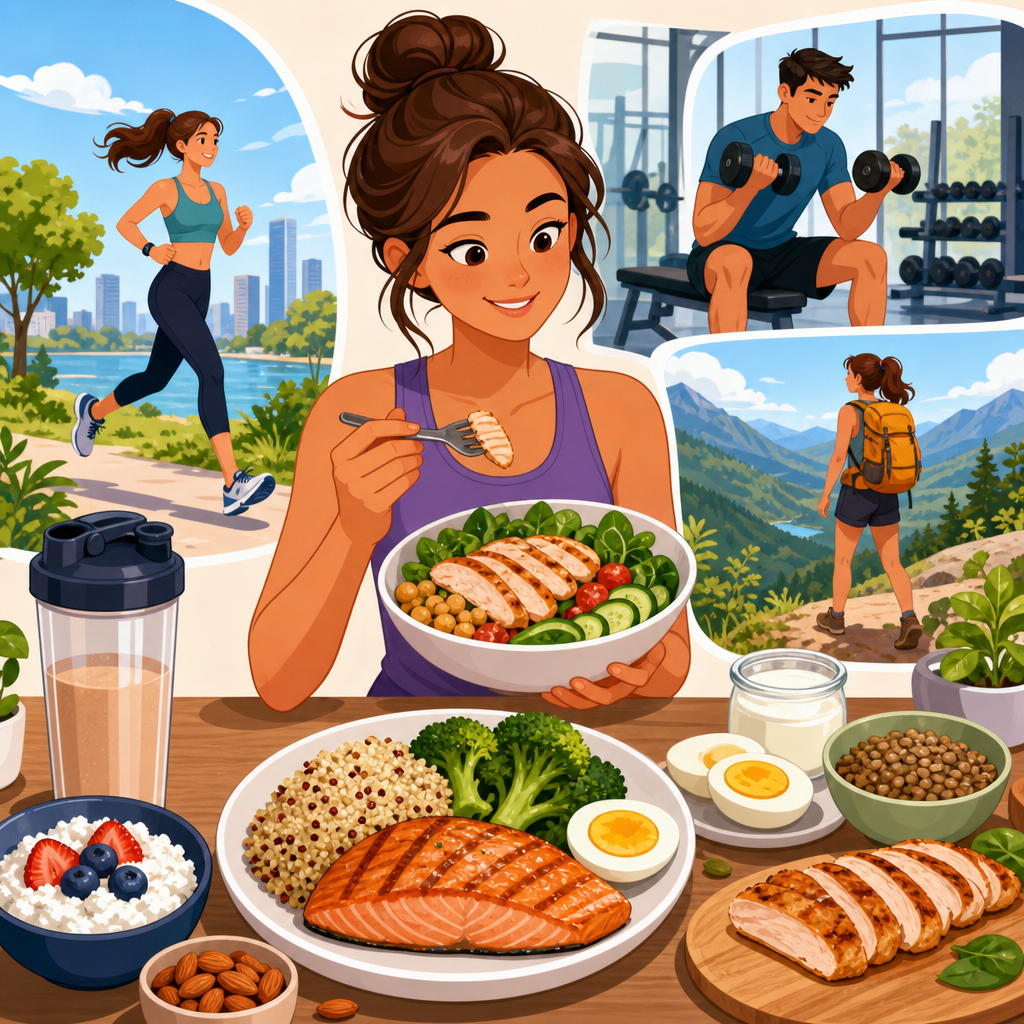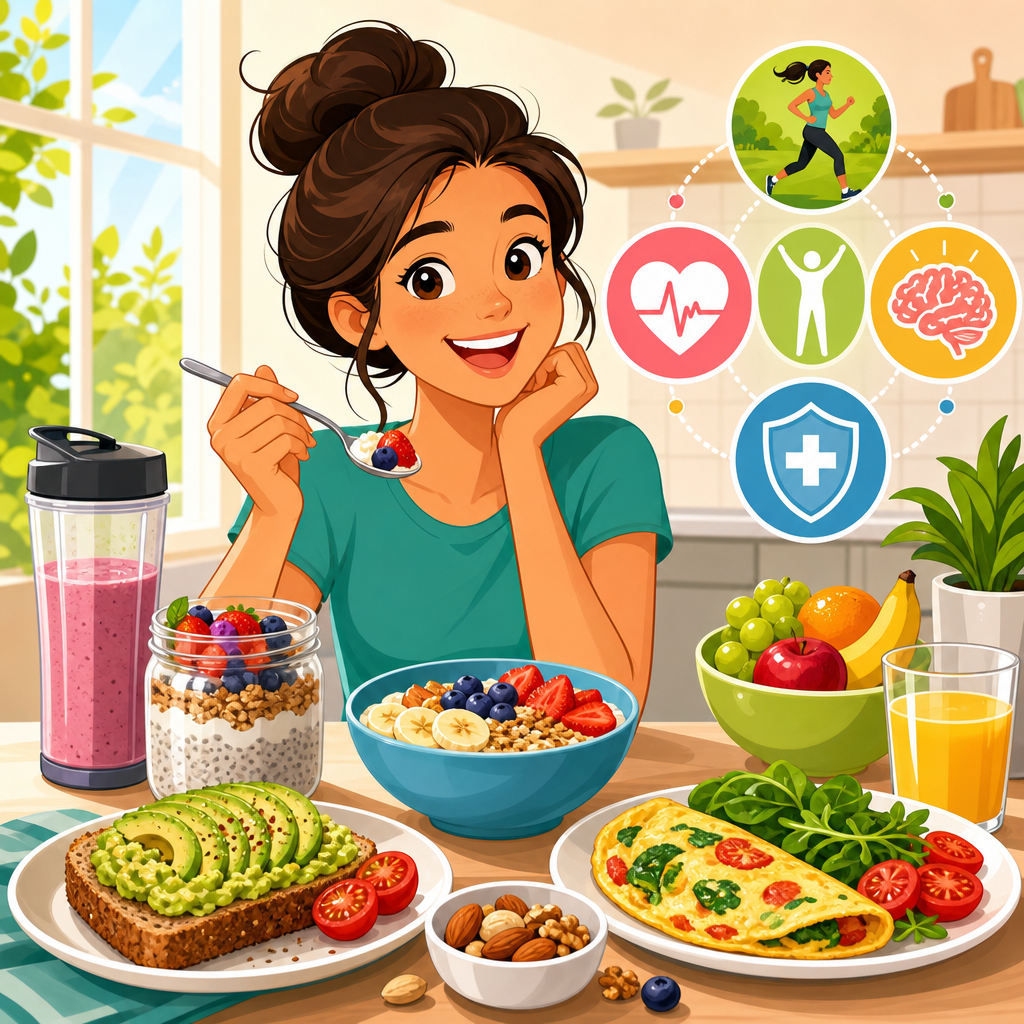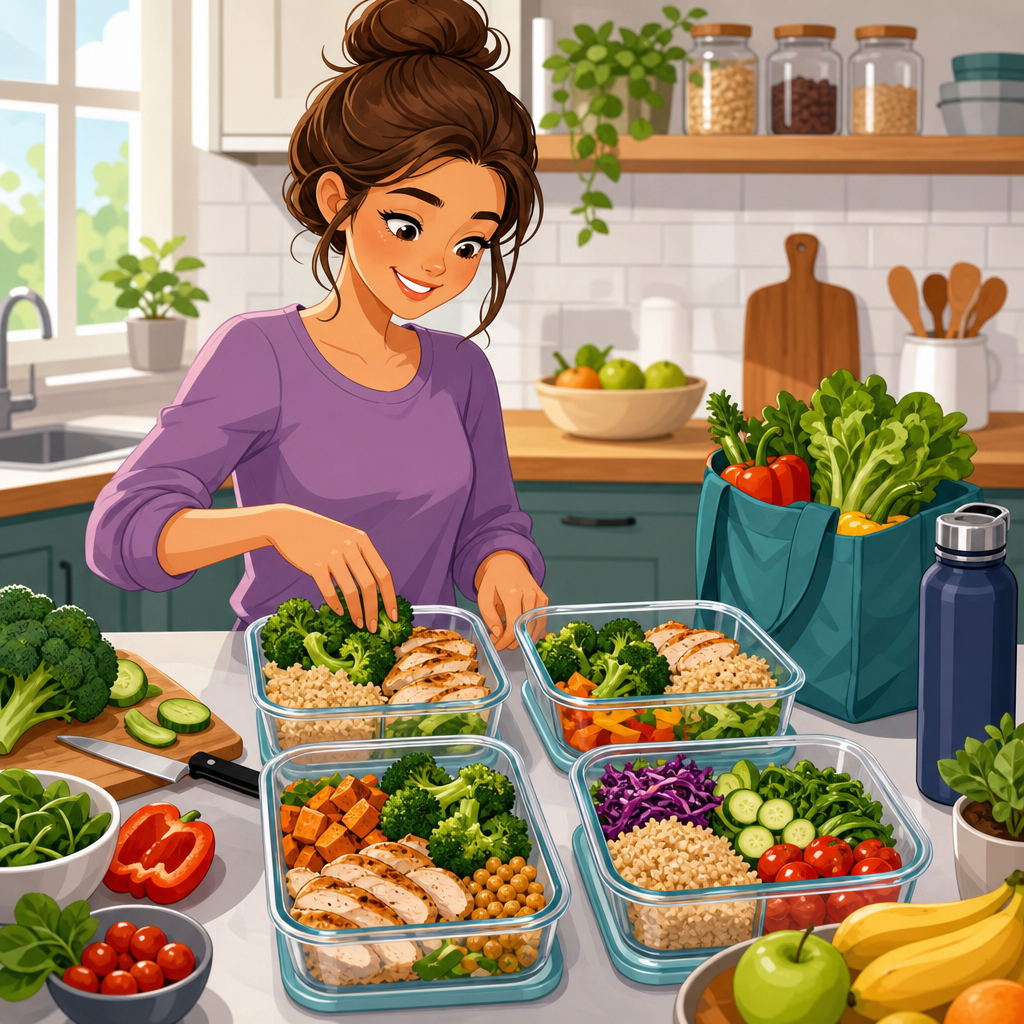
Meal prepping for a healthy week is the practice of planning, shopping, cooking, portioning, and storing meals in advance so nutritious food is ready when life gets busy. In practical terms, it can mean batch-cooking proteins on Sunday, washing produce for fast lunches, or assembling full grab-and-go breakfasts for several days. I have used meal prep with clients, athletes, and families managing demanding schedules, and the pattern is consistent: when healthy choices are prepared ahead of time, people eat better with less effort. That matters because nutrition decisions are often made under pressure, and pressure favors convenience over balance.
To understand why meal prepping works, it helps to define the core terms. Meal planning is deciding what you will eat before the week starts. Batch cooking is preparing large quantities of a component, such as brown rice, roasted vegetables, or shredded chicken, to use across multiple meals. Portioning is dividing food into servings that match energy needs and reduce accidental overeating. Food safety includes cooling, refrigerating, freezing, and reheating foods within established guidelines. Better nutrition, in this context, means getting a steadier intake of protein, fiber, healthy fats, vitamins, minerals, and fluids while limiting excess sodium, added sugar, and ultra-processed impulse meals.
The value of a weekly meal prep routine extends beyond convenience. Research and public health guidance consistently link home-prepared meals with improved diet quality, including higher vegetable intake and better portion control. The U.S. Department of Agriculture MyPlate model emphasizes balanced plates built from vegetables, fruits, grains, protein foods, and dairy or fortified alternatives. The Centers for Disease Control and Prevention and the Food and Drug Administration also provide clear food storage and handwashing standards that reduce waste and lower the risk of foodborne illness. In my experience, the most successful meal prep systems are not complicated. They are repeatable, realistic, and tailored to appetite, budget, kitchen space, and schedule.
This guide explains how to build that kind of system. It covers the nutritional foundation of a healthy week, how to choose prep methods, what foods store well, how long common ingredients last, and where beginners usually go wrong. It also functions as a central resource for a wider Recipes and Meal Planning topic because every deeper subject, from high-protein breakfasts to freezer-friendly dinners, rests on the same fundamentals. If you want healthier eating to feel simpler rather than stricter, meal prepping is one of the most reliable tools available.
Why meal prepping improves nutrition and consistency
Meal prepping improves nutrition because it shifts eating from reactive decisions to intentional ones. When meals are pre-decided, you are less likely to skip breakfast, rely on vending snacks, or order calorie-dense takeout after a long day. I see this most clearly in afternoon energy slumps. People who prep balanced lunches with protein, fiber, and complex carbohydrates usually report steadier focus than people who grab a pastry or fast food at noon. A simple lunch of grilled chicken, quinoa, roasted peppers, cucumber, olive oil, and fruit delivers satiety and micronutrients that convenience foods often lack.
Consistency is another major benefit. Healthy eating is rarely undone by one restaurant meal; it is usually undermined by repeated friction. No time to cook, no ingredients at home, no plan for leftovers, and no idea what fits your goals create a pattern of poor choices. Meal prep removes that friction. It also supports portion awareness. Using containers sized for a meal versus a snack helps match food amounts to needs, which is useful whether the goal is weight management, muscle gain, blood sugar stability, or simply fewer mindless eating episodes.
There is a financial advantage too. Planned grocery lists reduce duplicate purchases and lower food waste. Dry beans, oats, rice, eggs, Greek yogurt, frozen vegetables, canned tuna, tofu, and seasonal produce are cost-effective staples that can be turned into many meals. A person who preps three breakfasts, four lunches, and two dinners at home can materially cut spending compared with buying prepared meals every workday. Better nutrition is easier to sustain when it is affordable.
How to build a balanced meal prep framework
A healthy meal prep framework starts with balance, not with restriction. The easiest approach is to build each main meal around four anchors: protein, produce, quality carbohydrates, and healthy fat. Protein supports satiety and muscle maintenance; produce adds fiber, volume, vitamins, minerals, and phytochemicals; carbohydrates fuel activity and brain function; fats improve flavor and help absorb fat-soluble vitamins. For many adults, aiming for roughly 20 to 40 grams of protein per meal is a practical benchmark, though exact needs vary by body size, age, activity, and health status.
For breakfast, that might look like overnight oats with Greek yogurt, chia seeds, berries, and walnuts. For lunch, it could be salmon with brown rice and broccoli. For dinner, turkey chili with beans and a side salad works well because it combines protein, fiber, and slow-digesting carbohydrates in one dish. Snacks should be purposeful rather than random. Pairings such as apple with peanut butter, cottage cheese with pineapple, or hummus with carrots tend to hold people longer than crackers alone because they combine macronutrients.
Variety matters for nutrition and adherence. Repeating the same lunch five days in a row is acceptable if you genuinely enjoy it, but many people do better with a mix-and-match system. Prep two proteins, two vegetables, one grain, one sauce, and one snack option. Then combine them differently through the week. Chicken can become a grain bowl Monday, wraps Tuesday, and salad topping Wednesday. This reduces boredom without increasing cooking time dramatically.
Choosing the right meal prep method for your schedule
There is no single best meal prep method. The right system depends on your schedule, cooking confidence, storage space, and tolerance for repetition. Full meal prep means cooking complete meals in advance and packing them into containers. This is efficient for busy workweeks and supports portion control, but texture can suffer if delicate foods are stored too long. Ingredient prep means washing, chopping, marinating, and pre-cooking components while leaving final assembly for later. That approach gives more flexibility and fresher results, especially for salads, stir-fries, tacos, and grain bowls.
Batch cooking is ideal for staples that can anchor several recipes. A pot of lentils, sheet pans of vegetables, or a tray of baked chicken thighs can become lunches and dinners across multiple cuisines. Freezer prep works best for soups, stews, burritos, meatballs, and casseroles because these items reheat well and preserve quality. Hybrid prep is what I recommend most often: prepare breakfasts and lunches fully, batch-cook dinner components, and freeze one backup meal for nights when plans change.
| Method | Best for | Main advantage | Watch out for |
|---|---|---|---|
| Full meal prep | Structured weekdays | Fastest grab-and-go routine | Texture declines after several days for some foods |
| Ingredient prep | People who want flexibility | Fresh assembly and more variety | Requires a few minutes of daily cooking |
| Batch cooking | Families and budget-focused planning | Efficient use of time and ingredients | Needs a clear plan for using leftovers |
| Freezer prep | Irregular schedules | Longest shelf life and emergency meals | Some foods lose texture when thawed |
Whichever method you choose, match it to your real life, not your ideal week. If you hate reheated fish, do not prep fish for four lunches. If your office has only a microwave, choose meals that reheat evenly, such as chili, curry, pasta bake, or rice bowls. The most effective system is the one you can repeat without resentment.
Foods that prep well and foods that need caution
Some foods hold quality exceptionally well. Cooked grains like rice, farro, and quinoa store reliably when cooled quickly and refrigerated. Proteins such as chicken breast, turkey meatballs, baked tofu, tempeh, hard-boiled eggs, beans, and lentils are prep-friendly and versatile. Roasted vegetables, slaws, chopped raw vegetables, soups, and overnight oats are also strong options. Frozen fruit and vegetables deserve special mention because they are nutritious, budget-friendly, and reduce spoilage; they are often frozen near peak ripeness.
Other foods need a more careful approach. Avocado browns quickly unless protected with acid and tight wrapping. Leafy salads can become soggy if dressed too early. Fried foods lose crispness, and seafood generally has a shorter refrigerated shelf life than many other proteins. Cooked pasta can dry out unless stored with a little sauce or oil. Potatoes may change texture after refrigeration. These are not reasons to avoid them; they simply influence how and when you prep. Keeping sauces separate, storing crunchy toppings apart, and assembling delicate meals the night before rather than four days ahead can make a noticeable difference.
For shelf life, standard food safety guidance is the baseline. Many cooked foods keep about three to four days in the refrigerator at 40 degrees Fahrenheit or below, while freezing extends storage considerably. Label containers with the dish name and date. Shallow containers cool faster than deep ones, which is important because cooked food should not linger for long at room temperature. Reheat leftovers to a safe internal temperature, commonly 165 degrees Fahrenheit for many mixed dishes, and when in doubt, throw it out. Saving money is never worth a foodborne illness.
Smart shopping, storage, and food safety basics
Good meal prep starts at the grocery store. Build a list around planned meals, check what you already have, and organize the trip by department to reduce impulse buying. A practical formula is three vegetables, two fruits, two proteins, one grain, one dairy or fortified alternative, and a few flavor builders such as herbs, spices, yogurt, salsa, tahini, or low-sodium broth. This keeps the cart focused without making it rigid. Warehouse stores can be cost-effective for staples, but only if you can store and use bulk amounts before quality declines.
Storage tools matter more than people think. Clear, stackable containers make it easier to see what is available and reduce forgotten leftovers. Glass containers are durable and microwave-friendly, while BPA-free plastic can be lighter for transport. Mason jars work well for overnight oats and layered salads. An instant-read thermometer improves both safety and cooking accuracy. I also recommend painter’s tape or dissolvable food labels for dating containers, because memory is less reliable than most people assume after a long week.
Food safety basics are nonnegotiable. Wash hands before prep, keep raw meat separate from ready-to-eat foods, sanitize cutting boards, and refrigerate perishables promptly. Cool large batches in smaller portions. Do not overload the refrigerator so heavily that air cannot circulate. If you are packing lunches for several hours without refrigeration, use an insulated bag and ice pack. These habits sound simple, but they are what make meal prepping safe and sustainable.
Common meal prep mistakes and how to avoid them
The biggest mistake is overprepping. People often cook seven different meals in one ambitious session, then burn out after one week. Start smaller: two breakfasts, two lunches, one dinner base, and a snack. Another common error is ignoring personal appetite patterns. If you are rarely hungry at 7 a.m., a heavy breakfast prep may go uneaten; a portable yogurt bowl or smoothie kit may be better. If evenings are chaotic, put more effort into dinner support, not breakfast perfection.
Underseasoning is another issue I encounter constantly. Healthy food is easier to maintain when it tastes excellent. Acid, herbs, spice blends, aromatics, and sauces transform repetitive ingredients. Lemon, cilantro, garlic, smoked paprika, curry paste, pesto, soy sauce, and vinaigrettes can create distinct meals from the same base ingredients. The goal is not to hide vegetables or lean proteins. It is to make them craveable enough that takeout becomes less tempting.
Finally, many people forget to review the week ahead. A strong meal prep plan accounts for social dinners, travel days, children’s activities, and leftovers already in the fridge. Ten minutes of calendar review can prevent waste and make your prep far more accurate.
Meal prepping for a healthy week works because it turns good intentions into visible, ready-to-eat choices. At its best, it is not a rigid fitness ritual or an all-day Sunday project. It is a practical nutrition system built on planning, balanced meals, smart shopping, safe storage, and realistic repetition. By deciding in advance what your meals will include, you increase the odds of eating enough protein, fiber, produce, and whole-food carbohydrates while reducing dependence on expensive convenience foods.
The key facts are straightforward. Use a simple framework of protein, produce, carbohydrates, and healthy fat. Choose a prep style that matches your life, whether that is full meals, ingredients, batch cooking, freezer meals, or a hybrid approach. Favor foods that hold quality well, and handle delicate items separately. Follow standard refrigeration, labeling, and reheating practices so convenience never compromises safety. Keep flavor high, portions sensible, and your weekly plan grounded in your actual schedule rather than an unrealistic ideal.
As a hub within Recipes and Meal Planning, this topic connects naturally to deeper subjects like make-ahead breakfasts, high-protein lunches, family dinner prep, freezer meals, healthy snacks, and budget grocery strategies. But the foundation stays the same: when nutritious food is prepared before hunger and time pressure hit, better eating becomes the easy option. Start with one week, one shopping list, and one prep session. Then refine the routine until healthy meals feel automatic.
Frequently Asked Questions
What does meal prepping for a healthy week actually involve?
Meal prepping for a healthy week means making intentional decisions about your food before the busiest parts of the week begin. At its core, it includes planning meals, creating a shopping list, buying ingredients, preparing food in advance, portioning meals, and storing everything safely so it is easy to eat well later. This does not always mean cooking every breakfast, lunch, and dinner in full. For many people, meal prep can be as simple as batch-cooking a few proteins, roasting vegetables, washing and chopping produce, preparing snacks, and having staple items ready to mix and match.
The main goal is to reduce the number of last-minute food decisions that often lead to skipped meals, overeating, or relying on convenience foods that are lower in nutrients. For example, if grilled chicken, cooked quinoa, cut vegetables, and a homemade dressing are already in the refrigerator, building a balanced lunch takes only a few minutes. In practice, meal prep works because it creates structure. It helps you maintain steady energy, better portion awareness, and more consistent nutrition throughout the week, especially when work, family obligations, commuting, or training schedules make daily cooking unrealistic.
How does meal prepping support better nutrition and healthier eating habits?
Meal prepping supports better nutrition because it makes healthy choices the easiest choices. When meals and ingredients are prepared ahead of time, people are more likely to eat balanced combinations of protein, fiber-rich carbohydrates, healthy fats, and vegetables instead of reaching for whatever is fastest in the moment. This improves diet quality by increasing consistency. Rather than eating well only when you have extra time or motivation, you create an environment where nutritious meals are already available and ready to go.
It also helps with portion control and meal balance. When you prepare meals in advance, you can deliberately include nutrient-dense foods such as lean proteins, beans, whole grains, fruit, leafy greens, nuts, seeds, and healthy oils. You can also plan for regular meals and snacks, which may reduce extreme hunger later in the day and help prevent overeating. Another important benefit is that meal prep allows you to align your food choices with specific health goals, whether that means increasing protein intake, eating more vegetables, reducing sodium, managing calories, improving blood sugar stability, or supporting athletic recovery. Over time, that consistency is often what drives better results, not perfection.
Do I need to prep every meal for the entire week to get results?
No, and this is one of the most important things for beginners to understand. Effective meal prep does not require preparing seven days of fully cooked meals in identical containers. In fact, that approach can feel overwhelming and may not fit your lifestyle. Many successful meal prep routines are partial systems rather than all-or-nothing plans. You might prep only lunches for work, prepare breakfasts for three to four days, or batch-cook ingredients that can be used in several different meals.
A flexible approach is often more sustainable. For example, you could prepare a pot of rice, roast a tray of vegetables, cook a few servings of salmon or chicken, hard-boil eggs, and wash fruit for snacks. That gives you building blocks for multiple meals without locking you into one exact menu. Some people prefer full meal assembly, while others do better with component prep because it allows more variety throughout the week. The best meal prep plan is the one you can repeat consistently. Even preparing just a few key items can save time, reduce stress, and make healthy eating much more realistic on busy days.
How long do meal-prepped foods stay fresh, and how should they be stored?
Freshness depends on the type of food, how it was cooked, how quickly it was cooled, and how it is stored. In general, many cooked meals are best eaten within three to four days when refrigerated properly. Foods such as cooked chicken, rice, roasted vegetables, soups, and pasta dishes are commonly prepped for the first half of the week. If you want to prepare food further in advance, freezing is often the best option. Freezer-friendly items like chili, meatballs, burrito bowls, casseroles, and cooked grains can extend your prep timeline while maintaining quality.
Safe storage starts with clean containers, prompt refrigeration, and proper temperatures. Meals should be cooled and placed in the refrigerator within a reasonable time after cooking, and the refrigerator should stay at a safe cold temperature. Using airtight containers helps protect texture and flavor. It is also smart to separate ingredients when needed, such as keeping dressings, sauces, or crunchy toppings apart until serving. Labeling containers with the prep date can help reduce waste and keep food rotation organized. If anything smells off, looks unusual, or has been stored too long, it is best not to eat it. Good meal prep is not just about convenience and nutrition; food safety is a key part of making the system work well.
What is the best way to start meal prepping if I am busy or completely new to it?
The best way to start is to keep the process simple, specific, and realistic. Begin by identifying the meals that are hardest for you to manage during the week. For some people, that is breakfast on rushed mornings. For others, it is lunch at work or dinner after a long day. Start by prepping just one of those meals instead of trying to overhaul your entire routine at once. Choose two or three easy recipes or ingredients you already enjoy, make a focused shopping list, and set aside a short block of time for prep, even if it is only 60 to 90 minutes.
It also helps to follow a repeatable structure. A practical beginner formula is one or two proteins, one cooked grain or starch, several vegetables, and a few convenient snacks. For example, you might cook turkey meatballs, brown rice, and roasted broccoli, then add yogurt cups, fruit, and nuts for grab-and-go snacks. Use containers that fit your portions and daily routine, and do not worry about making everything look perfect. The objective is function, not perfection. As you build confidence, you can add more variety, experiment with flavors, and refine the system to match your schedule, health goals, and household needs. The most successful meal prep habits are built gradually and designed to reduce stress, not create more of it.