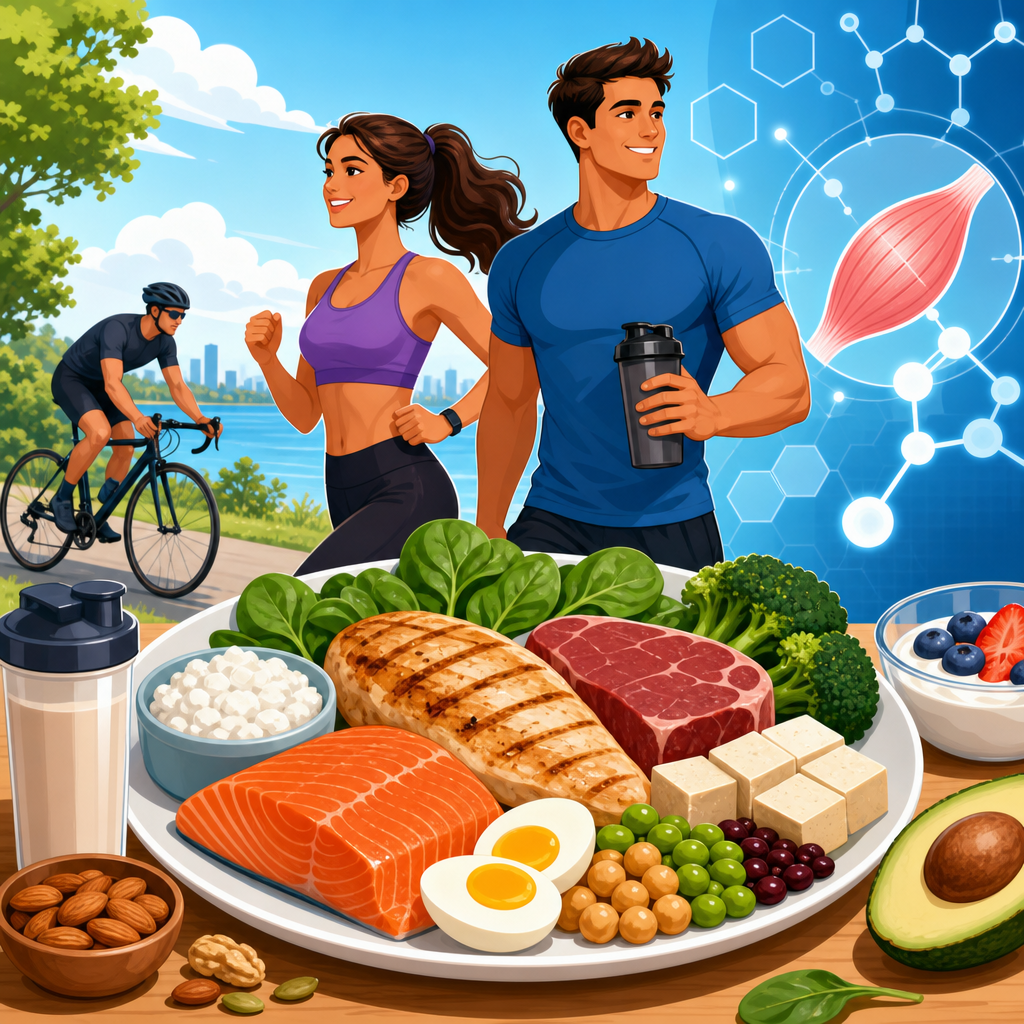
High-protein meals for active lifestyles sit at the intersection of performance nutrition, recovery science, and practical meal planning. In simple terms, a high-protein meal is any meal built around a meaningful serving of protein, usually enough to stimulate muscle protein synthesis, support satiety, and contribute substantially to daily intake targets. For active people, that generally means meals containing roughly 20 to 40 grams of high-quality protein, though needs vary by body size, training load, age, and goals. I have planned athlete menus and everyday family meal systems long enough to see the same pattern repeatedly: when protein is distributed strategically across breakfast, lunch, dinner, and snacks, energy becomes steadier, recovery improves, and food choices get easier.
Protein matters because movement creates demand. Strength training increases the need for amino acids to repair and build muscle tissue. Endurance work raises protein turnover and can increase oxidation of certain amino acids, especially during long sessions or calorie deficits. Team sports add repeated sprinting, tissue stress, and inconsistent eating schedules. Even recreational exercisers benefit from getting enough protein because it supports lean mass retention, immune function, enzyme production, hormone signaling, and the structural integrity of tendons, skin, and connective tissue. Meals, not just supplements, do the heavy lifting here. A well-constructed plate can deliver protein alongside carbohydrates for glycogen replenishment, fats for satiety, and micronutrients that powders alone cannot match.
Understanding the science helps separate useful advice from gym folklore. Protein is made of amino acids, including nine essential amino acids that must come from food. Leucine is especially important because it acts as a key signal for muscle protein synthesis, the process by which the body repairs and builds muscle proteins after training and throughout the day. High-quality proteins such as eggs, dairy, meat, fish, soy, and many blended plant options provide all essential amino acids in proportions that support this process well. Quantity matters, but so do timing, digestibility, and total daily pattern. This article serves as a hub for the topic, giving you the scientific foundation, meal-building principles, and practical examples needed to plan high-protein meals for active lifestyles with confidence.
What High-Protein Meals Actually Do for Active Bodies
The primary job of a high-protein meal is to supply enough essential amino acids to trigger and sustain muscle protein synthesis while also helping the body recover from training stress. Research consistently shows that protein intake paired with resistance exercise improves muscle repair and adaptation more than exercise alone. In practice, that means a breakfast with Greek yogurt, oats, berries, and seeds or a dinner with salmon, rice, and vegetables does more than satisfy hunger. It helps replace damaged contractile proteins, supports mitochondrial adaptation, and reduces the likelihood that hard-earned lean mass is lost during intense training phases or fat-loss periods.
High-protein meals also influence appetite regulation in a way active people notice quickly. Protein tends to be more satiating than refined carbohydrate and can help stabilize eating patterns across the day. This matters because under-fueling is common among runners, lifters, and busy professionals trying to train around work schedules. When lunch is low in protein, people often chase energy later with convenient, less balanced foods. When lunch includes chicken, tofu, lentils, cottage cheese, or another substantial protein source, afternoon focus usually improves and evening overeating often declines. That steadier intake pattern supports training quality because athletes are less likely to start sessions overly hungry or glycogen depleted.
There is also a metabolic and structural argument. Protein has a higher thermic effect of food than carbohydrate or fat, meaning the body uses more energy to digest and process it. That effect alone is not a magic weight-loss tool, but it supports body composition goals when combined with appropriate calorie intake and training. More importantly, protein helps preserve lean mass during weight reduction, which protects resting metabolic rate and physical function. For active adults over forty, this becomes even more important because age-related anabolic resistance means the body often needs a clearer protein signal per meal to maintain muscle effectively.
How Much Protein Active People Need and How to Distribute It
A useful starting point for most active adults is 1.2 to 2.0 grams of protein per kilogram of body weight per day, a range supported by sports nutrition guidance from organizations such as the International Society of Sports Nutrition and the American College of Sports Medicine. Endurance athletes often thrive around 1.2 to 1.6 grams per kilogram, while strength athletes, people in calorie deficits, and older active adults commonly benefit from 1.6 to 2.2 grams per kilogram. For a 75 kilogram person, that translates to about 90 to 150 grams daily. The exact number depends on training volume, body composition goals, injury status, and whether the person is trying to gain muscle, maintain weight, or reduce body fat.
Distribution is where many meal plans improve dramatically. Rather than eating a small-protein breakfast, a moderate lunch, and a huge steak at night, active people typically do better with protein spread over three to five eating occasions. In real meal planning, I often target roughly 0.25 to 0.40 grams per kilogram per meal, which usually lands between 20 and 40 grams. This pattern repeatedly outperforms the common habit of back-loading intake into dinner because it provides repeated opportunities to stimulate muscle protein synthesis. Breakfast becomes especially valuable. A morning meal with eggs and skyr, tofu scramble with edamame, or a smoothie built with milk and whey can close a gap that otherwise limits total daily quality.
Timing matters, but it is frequently misunderstood. The old idea of a tiny post-workout “anabolic window” is too narrow. What matters most is total daily intake and regular distribution, with extra attention to the hours surrounding training. Eating a protein-rich meal one to three hours before exercise can support amino acid availability during and after the session. Having another balanced meal within a couple of hours after training is practical and effective, especially when it includes carbohydrates for glycogen restoration. If someone trains early and cannot tolerate solid food first, a drinkable option can work, but the goal is still to return to complete meals as the backbone of the diet.
Protein Quality, Digestibility, and the Leucine Threshold
Not all proteins perform identically in the body. High-quality proteins contain all essential amino acids in sufficient amounts and are digested well enough to make those amino acids available for tissue repair. Animal proteins such as dairy, eggs, poultry, meat, and fish generally score highly for digestibility and amino acid composition. Among plant proteins, soy is a strong complete option, while legumes, grains, nuts, and seeds can work very well when combined across the day. Modern plant-protein blends, such as pea plus rice, are also effective because they complement each other’s amino acid profiles and improve overall quality compared with either source alone.
Leucine deserves special attention because it is one of the strongest nutritional triggers for muscle protein synthesis. Many evidence-based meal plans aim for around 2 to 3 grams of leucine per meal, which often aligns with 25 to 35 grams of high-quality protein from dairy, eggs, meat, fish, or soy. This does not mean every meal must be mathematically perfect. It means that meals should be substantial enough to deliver a clear anabolic signal. A salad with scattered chickpeas may be healthy, but it is rarely enough for an athlete recovering from intervals or a heavy lower-body session. Add tofu, tempeh, grilled chicken, tuna, or a side of cottage cheese, and the meal becomes much more effective.
Digestibility affects practicality too. Whey protein is fast digesting and rich in leucine, which is why it is common after training. Casein digests more slowly and can be useful in evening meals or snacks because it provides a more extended amino acid release. Whole foods digest at different rates depending on fiber, fat, and cooking method. I usually tell clients not to chase speed unless convenience demands it. A turkey sandwich with fruit after training, rice and eggs before practice, or lentil pasta with Parmesan at dinner will outperform a supplement-only habit in both adherence and nutritional breadth.
Building High-Protein Meals That Also Fuel Performance
The best high-protein meals for active lifestyles do not isolate protein; they combine it intelligently with carbohydrates, fats, and micronutrient-rich foods. Carbohydrates remain the primary fuel for moderate to high-intensity exercise because they replenish muscle glycogen. If active people increase protein but neglect carbohydrates, performance can suffer, especially in endurance work, repeated sprint sports, and high-volume lifting. The practical model is simple: anchor the meal with protein, add a carbohydrate source appropriate to training demand, include produce for vitamins, minerals, and antioxidants, and use healthy fats in portions that support satiety without making pre-workout meals too heavy.
For example, a strength athlete at lunch might eat grilled chicken, quinoa, roasted vegetables, and olive oil. A distance runner after a long session may need a larger carbohydrate emphasis, such as salmon, potatoes, fruit, and yogurt. A busy parent squeezing in an evening workout might rely on chili made with lean beef and beans, served over rice, because it stores well, reheats quickly, and covers protein, carbohydrate, iron, potassium, and fiber in one dish. These are the meals that consistently work in real life because they respect both physiology and routine. Meal planning succeeds when food fits schedules, budgets, and appetites, not just nutrient spreadsheets.
| Meal type | Protein target | Example meal | Best use |
|---|---|---|---|
| Breakfast | 25 to 35 g | Greek yogurt, oats, berries, chia, boiled eggs | Morning recovery and appetite control |
| Lunch | 30 to 40 g | Chicken grain bowl with rice, beans, vegetables | Midday energy and training support |
| Dinner | 30 to 40 g | Baked salmon, potatoes, broccoli, yogurt sauce | Recovery and glycogen replenishment |
| Snack | 15 to 25 g | Cottage cheese with fruit or soy smoothie | Bridging gaps between meals |
Preparation methods matter more than people expect. Batch-cooked proteins, freezer-friendly soups, marinated tofu, hard-boiled eggs, canned fish, and preportioned yogurt can turn good intentions into consistent intake. In my experience, the most effective weekly systems use two or three versatile proteins, two starches, and chopped vegetables that can be recombined into bowls, wraps, salads, and stir-fries. That structure prevents decision fatigue and makes it easier to hit protein goals without relying on repetitive or expensive specialty products.
Health Benefits Beyond Muscle: Weight, Blood Sugar, Bone, and Aging
High-protein meals are often associated with bodybuilding, but their health benefits are broader. First, they support body composition by preserving or increasing lean mass, especially during fat-loss phases. This matters because lean tissue contributes to strength, mobility, and metabolic health. Studies repeatedly show that higher-protein diets, when paired with resistance training, help people lose more fat while retaining more muscle than lower-protein approaches. Second, protein-rich meals can improve glycemic control when they replace ultra-refined foods and are paired with fiber and healthy fats. A breakfast of eggs and whole-grain toast generally produces a steadier response than pastries or sugary cereal, which can reduce energy crashes later.
Bone health is another major benefit. The outdated claim that protein harms bones has not held up well when calcium intake is adequate. In fact, protein supports bone matrix formation and helps maintain the muscle mass that protects skeletal health through loading and balance. Dairy foods offer a strong example by supplying protein, calcium, and often vitamin D together. For older adults, preserving muscle through regular protein intake reduces the risk of frailty, falls, and loss of independence. The combination of resistance exercise and protein-rich meals is one of the clearest nutrition strategies for healthy aging, particularly when meals are spread evenly and not skipped.
There are tradeoffs to acknowledge. Extremely high protein intake can crowd out carbohydrates needed for performance if meals are unbalanced. Some people with kidney disease need individualized medical guidance, though high-protein diets are not inherently harmful to healthy kidneys. Processed protein foods can also carry excess sodium, sugar, or saturated fat, depending on the product. That is why the best foundation remains minimally processed staples: fish, eggs, dairy, beans, lentils, tofu, tempeh, poultry, lean meats, and sensible supplementation only when convenient. Quality, context, and sustainability determine whether a high-protein eating pattern truly supports long-term health.
Best Food Sources, Common Mistakes, and Practical Meal Planning
The strongest protein sources for active lifestyles are those that combine nutrient density, convenience, and enough amino acids per serving to make meals count. Greek yogurt, skyr, cottage cheese, eggs, canned tuna or salmon, chicken thighs, lean ground beef, turkey, tofu, tempeh, edamame, lentils, beans, milk, kefir, and protein-fortified soy beverages all deserve regular use. A three-ounce serving of cooked chicken provides about 26 grams of protein, a cup of Greek yogurt often delivers 15 to 20 grams, two large eggs provide about 12 grams, and a cup of cottage cheese can exceed 25 grams. Plant-forward eaters can build equally effective meals by pairing soy foods with legumes, grains, nuts, and seeds across the day.
The most common mistake is assuming any meal with a protein ingredient is automatically high protein. A smoothie with almond milk and fruit may contain less than 5 grams. A salad topped with a few walnuts might still fall far short of what an active adult needs. Another mistake is relying only on shakes. Supplements are useful, but whole-food meals deliver iron, zinc, selenium, omega-3 fats, calcium, potassium, and fiber that recovery also depends on. Finally, many people ignore consistency. Hitting 140 grams one day and 60 the next is less effective than building a repeatable routine of protein at each meal. Consistency supports adaptation because the body responds to repeated adequate inputs.
To plan effectively, start with your training week. Put the highest-carbohydrate high-protein meals around the hardest sessions. Keep portable options ready for workdays and travel. Use a grocery list built around hubs: breakfast proteins, lunch proteins, dinner proteins, and emergency snacks. This hub article is your foundation for the larger topic of high-protein meals for active lifestyles. From here, build your own system: choose three breakfasts you can rotate, three lunches you can prep, three dinners your household enjoys, and two snack options you can keep stocked. When you make protein visible in every meal plan, performance, recovery, and long-term health become easier to manage. Start with your next grocery trip and design one full day of protein-smart meals.
Frequently Asked Questions
What qualifies as a high-protein meal for an active lifestyle?
A high-protein meal for an active lifestyle is typically a meal that delivers enough protein to meaningfully support muscle repair, recovery, and overall daily intake goals. For many active adults, that usually means roughly 20 to 40 grams of high-quality protein in a single meal, although the ideal amount depends on factors such as body size, age, training volume, and performance goals. The phrase “high-quality protein” generally refers to protein sources that provide all essential amino acids in sufficient amounts, especially leucine, which plays a major role in stimulating muscle protein synthesis. Animal-based options such as eggs, Greek yogurt, poultry, fish, lean meat, and cottage cheese are common examples, while plant-based eaters can achieve the same effect through foods like soy, tofu, tempeh, edamame, legumes, seitan, and strategically combined protein sources.
What makes a meal “high-protein” is not just the presence of protein, but the fact that protein is a central feature of the meal rather than an afterthought. For example, oatmeal with a sprinkle of nuts may contain some protein, but a more intentionally high-protein version might include Greek yogurt, milk, chia seeds, and a scoop of protein powder. Likewise, a salad becomes more effective for active recovery when built around grilled chicken, salmon, tofu, or beans. In practice, high-protein meals work best when they are also balanced with carbohydrates, healthy fats, fiber, and micronutrients, since active bodies need more than protein alone to perform well, replenish glycogen, and maintain long-term health.
Why is protein so important for people who exercise regularly?
Protein is essential for active individuals because exercise creates a constant demand for repair, adaptation, and rebuilding. During training, especially resistance exercise, the body places stress on muscle tissue. Protein supplies the amino acids needed to repair that tissue and help it adapt by becoming stronger and more resilient over time. This is one of the core reasons protein is so closely tied to performance nutrition. Without enough protein, recovery may be slower, training quality can suffer, and it may become harder to maintain or build lean muscle mass.
Beyond muscle growth, protein supports several other functions that matter to active lifestyles. It contributes to the maintenance of bones, connective tissue, enzymes, hormones, and immune function. It also tends to be highly satiating, which can help with appetite regulation and consistent meal structure, particularly for people balancing heavy training with body composition goals. In endurance athletes, strength athletes, and recreational exercisers alike, adequate protein can help preserve lean mass during intense training blocks or calorie deficits. In simple terms, protein is not only about getting bigger muscles; it is about helping the body recover efficiently, function optimally, and stay prepared for the next session.
How does the timing of high-protein meals affect recovery and performance?
Protein timing matters, but usually less than people assume compared with total daily intake and meal consistency. The most important principle is to distribute protein across the day rather than consuming very little at most meals and trying to make up for it all at dinner. Eating protein at regular intervals, often every three to five hours, helps provide repeated opportunities to stimulate muscle protein synthesis. For active individuals, this pattern may support better recovery and more efficient use of dietary protein than a highly uneven intake pattern.
After exercise, a high-protein meal can be particularly useful because the body is primed for recovery. A post-workout meal containing around 20 to 40 grams of protein, paired with carbohydrates, can help support muscle repair and replenish energy stores. However, the so-called “anabolic window” is broader than once believed. You do not need to consume protein within minutes of finishing a workout to get benefits. If you ate a protein-rich meal before training, that also contributes to the recovery process. A practical approach is to make sure your meals before and after activity are structured well and that your overall daily protein intake aligns with your needs. For many people, a protein-rich breakfast, a balanced lunch, a recovery-focused dinner, and optional protein-containing snacks provide an effective framework.
Can high-protein meals help with body composition and satiety?
Yes, high-protein meals can be very effective for supporting body composition goals because protein plays multiple roles at once. First, it helps preserve or build lean muscle mass, which is especially important during weight loss phases when the goal is to lose fat without sacrificing strength or performance. Second, protein is generally more filling than carbohydrates or fats on a calorie-for-calorie basis, so meals built around adequate protein often improve satiety and reduce the urge to snack excessively. That can make it easier to maintain a calorie deficit, support consistent eating habits, and avoid the energy swings that sometimes come from low-protein meals.
Protein also has a slightly higher thermic effect of food than fats and carbohydrates, meaning the body uses more energy to digest and process it. While this is not a magic solution for fat loss, it does contribute modestly to overall energy expenditure. More importantly, high-protein meals often encourage better meal quality overall. When meals are built around protein, they are more likely to include structured portions, balanced ingredients, and nutrient-dense foods. That said, body composition results still depend on the bigger picture: total calorie intake, training quality, sleep, stress management, and long-term consistency. High-protein eating works best as part of a well-rounded strategy, not as a standalone shortcut.
Are there any health benefits or concerns associated with eating high-protein meals regularly?
Regularly eating high-protein meals can offer several health benefits, especially for active people. These meals can support muscle maintenance with aging, improve recovery from exercise, enhance satiety, and help stabilize meal patterns. For older adults and highly active individuals, prioritizing protein may be especially beneficial because both groups often have increased needs related to muscle preservation and repair. Protein-rich meals can also make it easier to meet micronutrient needs when they include foods such as dairy, seafood, eggs, legumes, and lean meats, all of which provide additional nutrients like calcium, iron, zinc, B vitamins, and omega-3 fats depending on the source.
As for concerns, the main issue is context. For healthy individuals, higher protein intakes within evidence-based ranges are generally considered safe, particularly when hydration, fiber intake, and overall diet quality are adequate. Problems are more likely to arise when a “high-protein diet” becomes overly restrictive, heavily reliant on ultra-processed foods, or low in fruits, vegetables, and whole-food carbohydrate sources. People with preexisting kidney disease or certain medical conditions should speak with a healthcare professional before significantly increasing protein intake. It is also worth remembering that not all protein sources are equal in terms of nutritional value. The healthiest approach is usually to emphasize a variety of protein sources, include both animal and plant options where appropriate, and build meals that support not just performance, but long-term cardiovascular, metabolic, and digestive health as well.