How to incorporate more quick and healthy breakfast ideas into your diet starts with one practical shift: treating breakfast as a repeatable system rather than a daily scramble. In meal planning, “quick” usually means a breakfast that takes under 10 minutes to assemble, reheat, or cook, while “healthy” means it delivers meaningful protein, fiber, healthy fats, vitamins, and minerals without relying on excess added sugar or ultra-processed ingredients. A strong breakfast routine matters because the first meal often sets the tone for appetite, energy, and food choices later in the day. In my experience building weekly meal plans for busy households, the biggest breakfast problem is not lack of ideas. It is friction. People run out of ingredients, underestimate prep time, or default to foods that are fast but not filling. The good news is that quick healthy breakfast ideas can be built around simple templates: protein plus fiber, produce plus healthy fat, or leftovers repurposed into a morning meal. Once those patterns are in place, breakfast becomes easier, cheaper, and more consistent.
A healthy breakfast does not need to be large, elaborate, or identical for everyone. Athletes may need more carbohydrates, people focused on satiety may prioritize protein, and families feeding children may need portable options that can be eaten in the car or packed for school. What matters most is nutritional balance and repeatability. Foods like Greek yogurt, eggs, oats, cottage cheese, whole grain toast, fruit, chia seeds, nut butter, beans, and frozen vegetables all work because they are affordable, accessible, and adaptable. They also pair well with common meal prep methods such as batch cooking, portioning, and freezer storage. This article serves as a hub for quick and healthy breakfast ideas by showing how to choose ingredients, build combinations, avoid common mistakes, and create a sustainable breakfast habit that supports long-term meal planning.
What makes a breakfast quick, healthy, and worth repeating
The best quick healthy breakfast ideas meet three tests. First, they are genuinely fast on a real weekday, not just in theory. Second, they keep you full for at least a few hours. Third, they use ingredients you will actually keep stocked. From a nutrition standpoint, protein and fiber are the anchors. Protein supports fullness and muscle maintenance, while fiber helps with digestive health and steadier energy. A breakfast built around refined grains alone, such as a plain pastry or sugary cereal, often digests quickly and leaves people hungry again. By contrast, a bowl of plain Greek yogurt with berries, chia seeds, and walnuts offers protein, fiber, and fat in a format that takes under two minutes to assemble.
Worth repeating also means flexible. Oatmeal can be made sweet with banana and cinnamon or savory with an egg and spinach. Eggs can become a microwave scramble, a breakfast taco, or an ahead-of-time muffin cup. Smoothies can solve mornings when chewing a meal feels unrealistic, but they work best when they include protein, such as Greek yogurt, milk, soy milk, or protein powder, and fiber from fruit, oats, or flax. If you want a simple benchmark, aim for roughly 20 to 30 grams of protein and at least 5 grams of fiber when possible. That target is not mandatory for every person, but it is a reliable standard for a satisfying breakfast.
Core ingredient categories that make breakfast easier
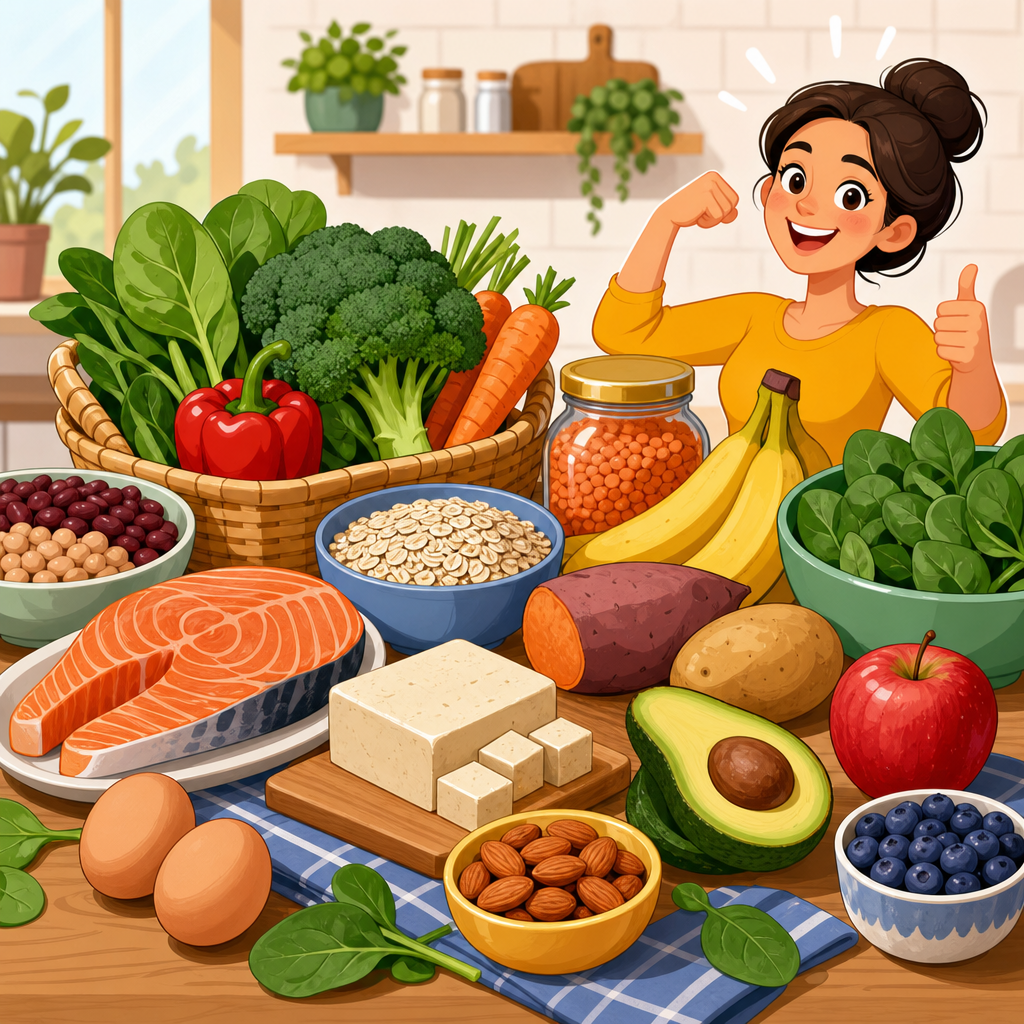
When I help people streamline breakfast, I start by organizing ingredients into categories instead of recipes. Keep at least one item from each group: a protein, a fiber-rich carbohydrate, produce, and an optional healthy fat. Proteins include eggs, Greek yogurt, cottage cheese, tofu, smoked salmon, turkey sausage, and canned beans. Fiber-rich carbohydrates include oats, whole grain bread, high-fiber tortillas, muesli, and leftover roasted sweet potatoes. Produce can be fresh berries, bananas, apples, spinach, peppers, or frozen fruit and vegetables. Healthy fats include avocado, nuts, seeds, peanut butter, tahini, and olive oil.
This category method prevents the common trap of needing a perfect recipe. If you have eggs, spinach, and whole grain toast, breakfast is handled. If you have yogurt, frozen berries, and chia seeds, breakfast is handled. If you have black beans, salsa, and tortillas, breakfast is handled. Frozen and canned foods deserve special mention because they dramatically reduce spoilage and prep time. Frozen blueberries are usually picked at peak ripeness and work well in oatmeal or smoothies. Canned pumpkin adds fiber and vitamin A to overnight oats. Shelf-stable milk boxes or single-serve nut butter packets can also help commuters and students who eat away from home.
Fast breakfast formats that work on busy mornings
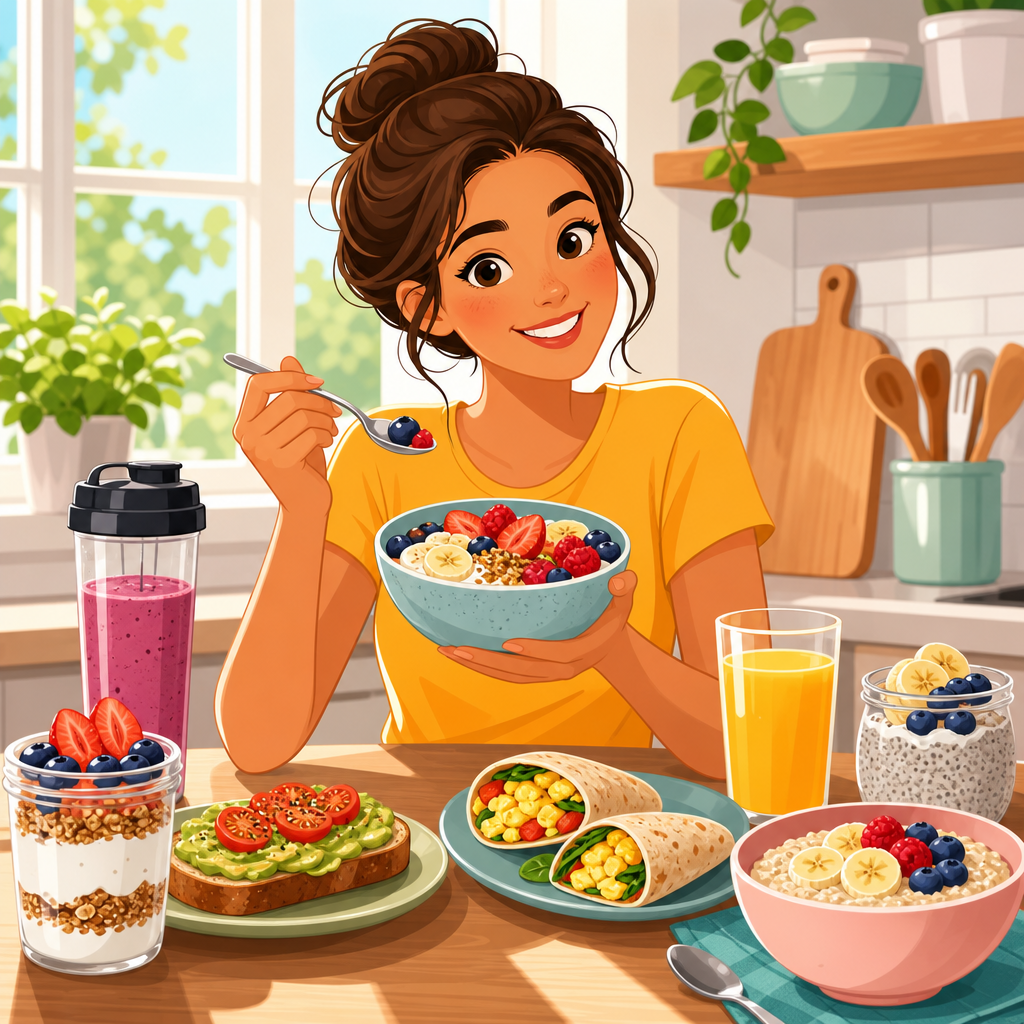
Most quick healthy breakfast ideas fit into a handful of dependable formats. Bowls are one of the easiest. Examples include oatmeal topped with fruit and nuts, cottage cheese with pineapple and hemp seeds, or a savory quinoa bowl with egg and vegetables. Toasts and wraps are equally practical because they are portable and endlessly customizable. Try whole grain toast with mashed avocado and a hard-boiled egg, or a high-fiber wrap with scrambled eggs, black beans, and salsa. Jars are excellent for no-cook mornings. Overnight oats, chia pudding, and yogurt parfaits can all be portioned the night before.
Hot breakfasts can still be fast if you use the right method. Microwave egg scrambles take about two minutes when cooked in short bursts and stirred once or twice. Sheet pan pancakes made on Sunday can be sliced into weekday portions. Mini frittatas baked in muffin tins freeze well and reheat quickly. Smoothies remain useful, especially for early workouts, but they should be built to satisfy, not just taste sweet. A balanced smoothie might include milk, frozen berries, spinach, oats, and Greek yogurt. The key is choosing formats that match your mornings. A parent managing school drop-off may need handheld wraps, while someone working from home may have time for hot oats or toast with eggs.
| Breakfast format | Typical prep time | Best ingredients | Real-world example |
|---|---|---|---|
| Overnight jar | 5 minutes at night | Oats, yogurt, chia, fruit | Overnight oats with blueberries and almond butter |
| Protein bowl | 2 to 5 minutes | Greek yogurt, cottage cheese, fruit, seeds | Cottage cheese bowl with peach slices and pumpkin seeds |
| Toast or wrap | 5 to 8 minutes | Whole grains, eggs, avocado, beans | Breakfast wrap with eggs, black beans, and salsa |
| Microwave hot meal | 3 to 6 minutes | Eggs, oats, frozen vegetables | Microwave spinach egg scramble with whole grain toast |
| Smoothie | 5 minutes | Milk, yogurt, fruit, oats, nut butter | Berry oat smoothie with Greek yogurt and flaxseed |
How to meal prep breakfast without getting bored
Meal prep works best when you prepare components, not seven identical meals. Batch-cook a pan of baked oatmeal, hard-boil eggs, wash berries, portion nuts, and freeze smoothie packs. Then combine those pieces in different ways throughout the week. This approach preserves variety and reduces waste. For example, a container of cooked steel-cut oats can become apple cinnamon oatmeal on Monday, a savory bowl with egg and greens on Tuesday, and a yogurt-oat parfait on Wednesday. The same principle applies to proteins. Hard-boiled eggs can pair with toast one day and a breakfast grain bowl the next.
Flavor rotation is what keeps the system sustainable. Use cinnamon, vanilla, cocoa powder, lemon zest, pesto, salsa, or everything bagel seasoning to make familiar ingredients feel different. Texture matters too. Add toasted nuts for crunch, fruit for freshness, and seeds for thickness. If freezer prep is part of your routine, label portions clearly and rotate older items first. Breakfast burritos, banana oat muffins, and spinach egg bites all freeze reliably when wrapped well. Refrigerated items usually taste best within three to four days, while frozen breakfast portions can last much longer. A small amount of planning each weekend can eliminate most weekday breakfast decisions.
Smart breakfast ideas for different dietary needs
Quick and healthy breakfast ideas should reflect real dietary needs rather than a one-size-fits-all plan. For higher-protein breakfasts, use eggs, Greek yogurt, cottage cheese, tofu, skyr, or protein-fortified milk. A simple high-protein option is a bowl of skyr with raspberries, walnuts, and high-fiber cereal. For vegetarian eaters, tofu scrambles, chia pudding, yogurt bowls, and bean-based wraps provide plenty of variety. Vegan breakfasts can be just as balanced with soy yogurt, tofu, nut butter, oats, seeds, and fruit. One strong example is overnight oats made with soy milk, chia seeds, banana, and peanut butter.
For gluten-free diets, oats must be certified gluten-free if cross-contact is a concern, and breakfast can center on eggs, yogurt, fruit, potatoes, corn tortillas, or quinoa. For lower-sugar needs, favor plain dairy or nondairy bases and add sweetness from fruit, cinnamon, or a small amount of dates. People managing cholesterol often benefit from soluble fiber sources such as oats, barley, chia, flax, beans, apples, and berries. If sodium is a concern, watch packaged breakfast meats, canned soups used in savory breakfasts, and some frozen sandwiches. The most effective breakfast plan is the one that meets your nutritional needs while remaining convenient enough to follow on rushed mornings.
Common mistakes that make healthy breakfast habits harder
The most common breakfast mistake is relying on foods marketed as healthy without checking whether they are filling. Many granola bars, flavored yogurts, and breakfast pastries are convenient, but they often contain added sugars and too little protein or fiber to sustain energy. Another mistake is building breakfasts that are too small. A banana alone is nutritious, but for many adults it is not a complete breakfast. Pairing it with peanut butter on toast or blending it into a yogurt smoothie creates a more satisfying meal. Skipping breakfast can work for some schedules, but many people who do so unintentionally overeat later because they start the day underfueled.
Overcomplicating breakfast is another trap. If your plan requires specialty ingredients, multiple pans, or 20 minutes every morning, it will likely fail during busy weeks. Keeping backup foods is a better strategy. I recommend having at least three emergency breakfasts available at all times, such as frozen egg bites, plain instant oatmeal plus nuts, or whole grain toast with nut butter and fruit. Portion visibility helps too. When washed grapes, boiled eggs, or overnight oats are at eye level in the refrigerator, they get eaten. Healthy breakfast habits are usually a result of kitchen setup and preparation, not motivation alone.
How to build a lasting breakfast routine
To make quick healthy breakfast ideas part of your diet, reduce choices and attach breakfast to an existing habit. Pick three weekday breakfasts and two weekend breakfasts, then repeat them for a month before changing anything. That level of consistency sounds boring, but it is how routines become automatic. Create a short shopping list based on those meals and keep staple ingredients in the same place each week. If mornings are rushed, set out bowls, jars, or blender cups the night before. If you commute, choose breakfasts that travel well, such as breakfast sandwiches on whole grain English muffins, chia pudding jars, or egg-and-bean wraps.
It also helps to define your breakfast goal. If you want stable energy, build around protein and fiber. If you need speed, emphasize grab-and-go formats. If cost matters most, lean on oats, eggs, bananas, peanut butter, and frozen fruit. A practical breakfast routine is not about chasing novelty. It is about making the healthy choice easier than the less helpful one. Start with one upgrade this week: replace a low-protein breakfast with a balanced option, prep two breakfasts in advance, or stock one new staple such as Greek yogurt or high-fiber oats. Small systems create lasting results, and a better breakfast is one of the simplest ways to improve your overall meal planning.
Frequently Asked Questions
What counts as a quick and healthy breakfast, and how can I tell if my meal actually fits both goals?
A quick and healthy breakfast is one that is easy to prepare consistently and gives your body meaningful nutrition rather than just fast calories. In practical terms, “quick” usually means it can be assembled, reheated, or cooked in under 10 minutes. “Healthy” means it includes a balanced mix of nutrients that support energy, fullness, and overall wellness, especially protein, fiber, healthy fats, vitamins, and minerals. Instead of focusing on perfection, it helps to use a simple checklist: does your breakfast include a solid protein source such as eggs, Greek yogurt, cottage cheese, tofu, milk, protein-rich oats, or nut butter; a fiber source such as fruit, oats, whole-grain toast, chia seeds, flaxseeds, or vegetables; and enough staying power to keep you satisfied for a few hours?
One of the easiest ways to judge a breakfast is by how you feel afterward. If you are hungry again within an hour, feel sluggish, or experience a quick spike and crash in energy, the meal may be too low in protein and fiber or too reliant on refined carbohydrates and added sugar. For example, a plain pastry or sugary cereal may be fast, but it often lacks the nutritional balance needed to keep you full. By contrast, oatmeal with berries and nuts, whole-grain toast with avocado and eggs, or a smoothie made with Greek yogurt, fruit, spinach, and seeds can be both quick and nourishing.
Another useful approach is to think in combinations instead of individual “healthy” foods. A banana by itself is nutritious, but it may not be filling enough for breakfast. Pairing it with peanut butter and yogurt creates a more complete meal. The goal is not to make breakfast complicated. It is to create meals that are realistic for busy mornings while still helping you start the day with stable energy and better nutrition.
How can I make breakfast a consistent habit when my mornings are busy and unpredictable?
The most effective way to make breakfast consistent is to stop relying on morning motivation and instead build a repeatable system. When breakfast depends on deciding what to eat from scratch every day, it often gets skipped or replaced with less satisfying options. A system reduces decision fatigue and helps healthy choices become automatic. Start by choosing three to five go-to breakfasts that you genuinely enjoy and can rotate throughout the week. This creates variety without requiring constant planning.
Preparation is another major factor. If your mornings are rushed, move as much work as possible to the night before or to one meal-prep session during the week. You can portion overnight oats into jars, wash fruit, hard-boil eggs, pre-make egg muffins, freeze smoothie packs, or portion nuts and seeds into small containers. Even simple steps, such as placing a bowl, spoon, and oats on the counter the night before, can lower friction enough to make the habit stick. Convenience matters more than many people realize. The easier breakfast is to access, the more likely you are to follow through.
It also helps to match your breakfast routine to your real lifestyle instead of an ideal one. If you rarely sit down at home in the morning, focus on portable options like yogurt cups with fruit, breakfast wraps, chia pudding, or homemade muffins made with oats and eggs. If you need something hot, batch-cook items that can be reheated in minutes. You can also tie breakfast to an existing habit, such as eating right after making coffee, packing it before your commute, or having it once you arrive at work. Consistency is less about discipline and more about creating a routine that fits naturally into your schedule.
What are some realistic quick and healthy breakfast ideas I can rotate during the week?
The best quick and healthy breakfast ideas are the ones that balance nutrition, taste, and convenience. A few dependable options can cover most mornings without becoming repetitive. Overnight oats are a classic choice because they can be prepared in advance and customized easily with fruit, cinnamon, chia seeds, nut butter, or Greek yogurt for extra protein. Greek yogurt bowls are another strong option, especially when topped with berries, nuts, seeds, and a small amount of low-sugar granola for crunch. These meals require almost no morning effort and deliver a solid combination of protein and fiber.
If you prefer savory breakfasts, eggs are one of the most versatile ingredients. Scrambled eggs with spinach and whole-grain toast can come together in minutes, while hard-boiled eggs paired with fruit and toast make an even faster grab-and-go option. Egg muffins baked ahead of time are especially useful for busy weekdays because they reheat quickly and can include vegetables, cheese, or lean protein. Avocado toast becomes more filling when topped with eggs, cottage cheese, or smoked salmon. Cottage cheese bowls themselves are also underrated and work well with fruit, nuts, tomatoes, cucumbers, or everything bagel seasoning depending on whether you want sweet or savory.
Smoothies are ideal when you need something fast and portable, but they should be built to satisfy hunger rather than just taste good. A balanced smoothie typically includes a protein source like Greek yogurt, milk, soy milk, or protein powder; fiber-rich produce like berries, banana, spinach, or oats; and healthy fats from nut butter, chia seeds, or flax. Whole-grain toast with peanut butter and banana, chia pudding, high-fiber cereal with milk and fruit, breakfast burritos, and homemade oatmeal cups are also practical options. The key is to keep ingredients on hand and rotate meals based on your schedule, appetite, and preferences so breakfast stays easy and sustainable.
How can I meal prep breakfast without getting bored or spending too much time in the kitchen?
Breakfast meal prep works best when it is simple, flexible, and based on components rather than complicated recipes. Instead of preparing seven identical breakfasts, prep a few ingredients that can be mixed and matched throughout the week. For example, you can cook a batch of oats, boil eggs, wash and portion fruit, slice vegetables, and stock protein options like Greek yogurt or cottage cheese. This gives you enough structure to save time while still allowing some variety each morning.
A good strategy is to use a “base plus toppings” approach. Prepare one or two breakfast bases, such as overnight oats, yogurt, egg muffins, or chia pudding, then vary the flavor with toppings and add-ins. One day your oats can have berries and almonds, the next day banana and peanut butter, and later in the week apples, cinnamon, and walnuts. The same principle works with yogurt bowls, smoothies, and toast. This keeps breakfast interesting without requiring extra effort. Freezer-friendly items like breakfast burritos, baked oatmeal squares, or mini frittatas can also be especially helpful because they extend your prep and give you backup meals for hectic mornings.
To avoid spending too much time prepping, choose one short weekly session, often 30 to 60 minutes, and focus on the highest-impact tasks. Wash produce, portion ingredients, and prepare a few ready-to-eat meals. Keep your kitchen stocked with staples such as oats, eggs, whole-grain bread, frozen fruit, nuts, seeds, and plain yogurt so you can quickly assemble something even when prep is minimal. Meal prep should make breakfast easier, not turn it into another demanding project. If your plan feels too complicated, scale it back. A sustainable routine always beats an ambitious one that you stop following after a week.
How do I improve my breakfast if I am trying to eat healthier without giving up convenience or flavor?
Improving breakfast does not require a complete overhaul. In most cases, the smartest approach is to upgrade what you already eat by adding more protein and fiber, reducing excess added sugar, and choosing ingredients that are less processed when possible. If you usually eat toast, keep it, but switch to whole grain and add peanut butter, eggs, or cottage cheese for more staying power. If you like cereal, choose a higher-fiber, lower-sugar option and pair it with milk or yogurt plus fruit. If smoothies are your favorite, make them more balanced by including protein and healthy fats rather than blending only fruit juice and banana.
Flavor is important because healthy habits last longer when food is enjoyable. Use cinnamon, vanilla, cocoa powder, fresh fruit, herbs, salsa, or seasoning blends to make simple breakfasts more satisfying. Healthy breakfasts do not have to be bland. A bowl of oatmeal can taste rich and comforting with cinnamon, walnuts, and berries. Eggs can become much more appealing with spinach, feta, and roasted peppers. Greek yogurt can feel more like a treat when layered with sliced fruit and crunchy seeds. When meals taste good, breakfast becomes something you look forward to instead of another task on your list.
Convenience and nutrition can absolutely coexist when you plan with intention. Keep quick staples visible and accessible, and have a backup breakfast ready at all times for the busiest days. Even small improvements, repeated consistently, can have a meaningful impact on your diet over time. You do not need a perfect breakfast every day. You need an easy, repeatable routine built around foods that help you feel energized, satisfied, and ready for the day ahead.