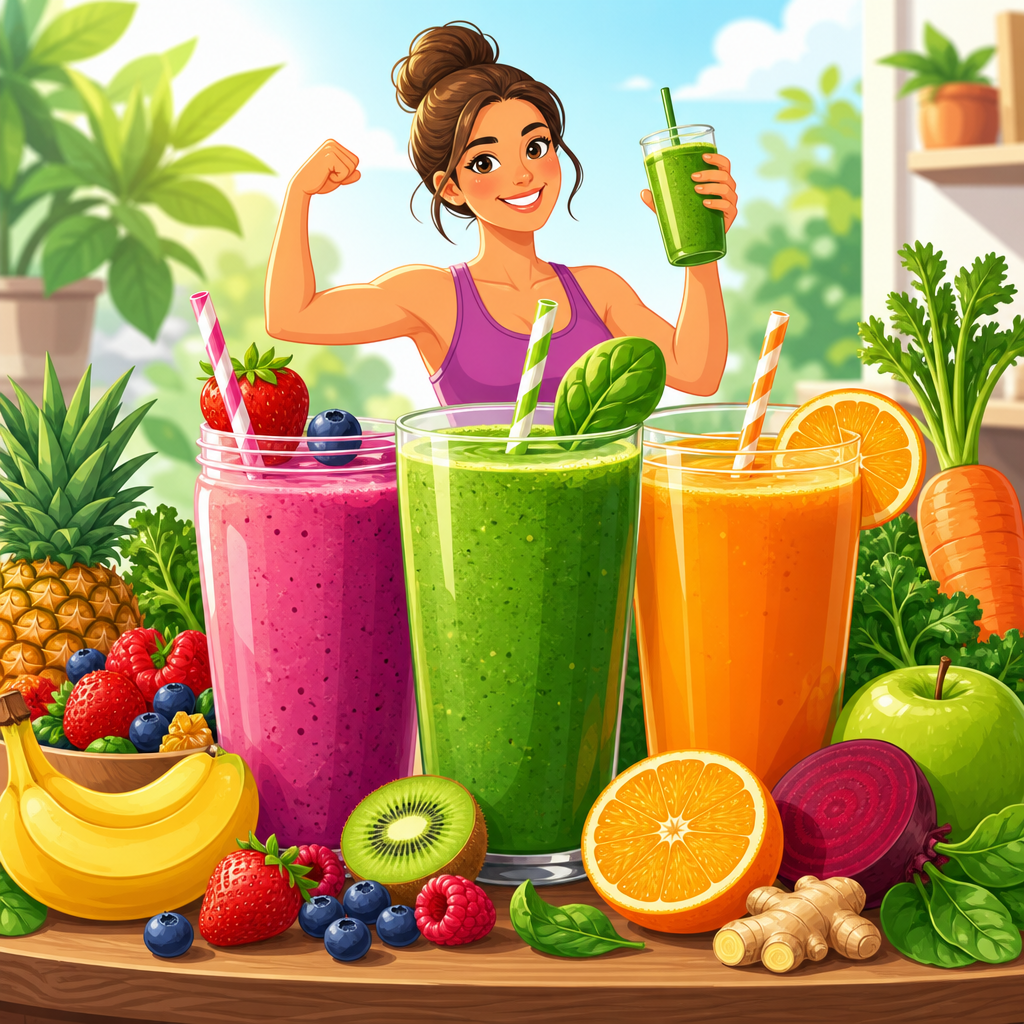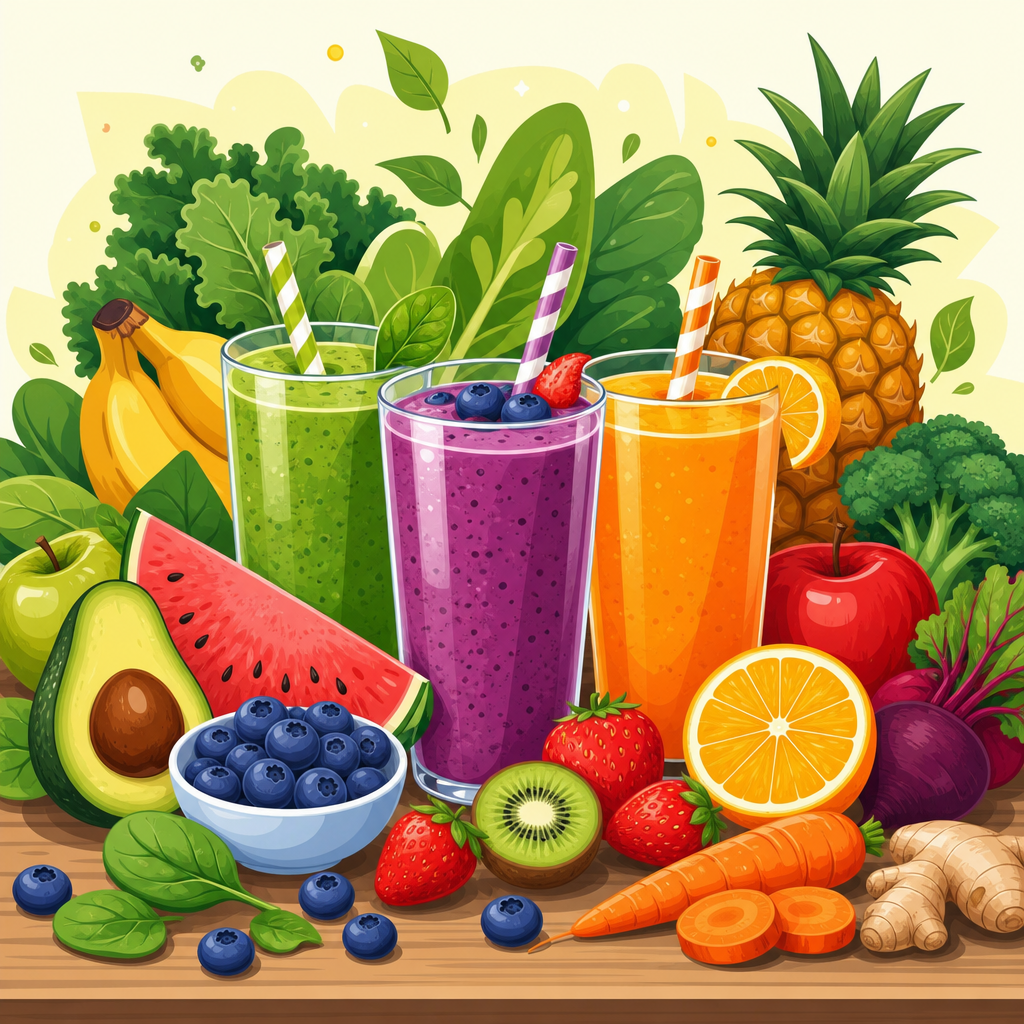
Smoothies and juices for nutrient boost can turn ordinary produce into practical, concentrated nutrition, but the benefits depend on what you put in the glass, how you prepare it, and when you use it. In meal planning work, I have seen people rely on expensive supplements while overlooking foods rich in smoothies and juices that deliver vitamins, minerals, fiber, antioxidants, protein, and hydration in familiar, affordable ingredients. A smoothie usually blends whole foods, so it keeps the pulp and fiber. Juice extracts liquid from fruits and vegetables, which can make nutrients easier to consume quickly but usually removes much of the fiber. That difference matters for fullness, blood sugar response, digestion, and overall balance. This topic matters because modern diets often fall short on produce variety, omega-3 fats, potassium, magnesium, and phytonutrients. A well-built smoothie or juice helps close those gaps without requiring a complicated cooking routine. It also supports specific goals such as breakfast consistency, workout recovery, better produce intake, easier nutrition during busy weeks, and strategic eating for older adults or picky eaters. The most effective approach is not chasing trendy powders. It is learning which whole foods provide meaningful nutrient density, how to combine them, and when blending is better than juicing. This guide serves as a hub for smoothies and juices for nutrient boost, covering the key ingredients, practical use cases, and planning principles that make these drinks genuinely useful rather than simply sweet.
What Makes a Smoothie or Juice Nutrient Dense
A nutrient-dense drink delivers a high amount of beneficial nutrition relative to calories and sugar. The strongest ingredients generally fall into clear groups: leafy greens for folate and vitamin K, berries for polyphenols, citrus and kiwi for vitamin C, bananas and avocado for potassium, yogurt and kefir for protein and probiotics, seeds for healthy fats and minerals, and vegetables such as carrots, beets, and cucumber for carotenoids, nitrates, and hydration. In practice, nutrient density also depends on synergy. Vitamin C improves iron absorption from spinach. Fat from chia, flax, nut butter, or yogurt improves absorption of fat-soluble compounds such as beta-carotene from carrots or mango. Protein slows digestion and makes a smoothie feel like a meal instead of a sugary snack.
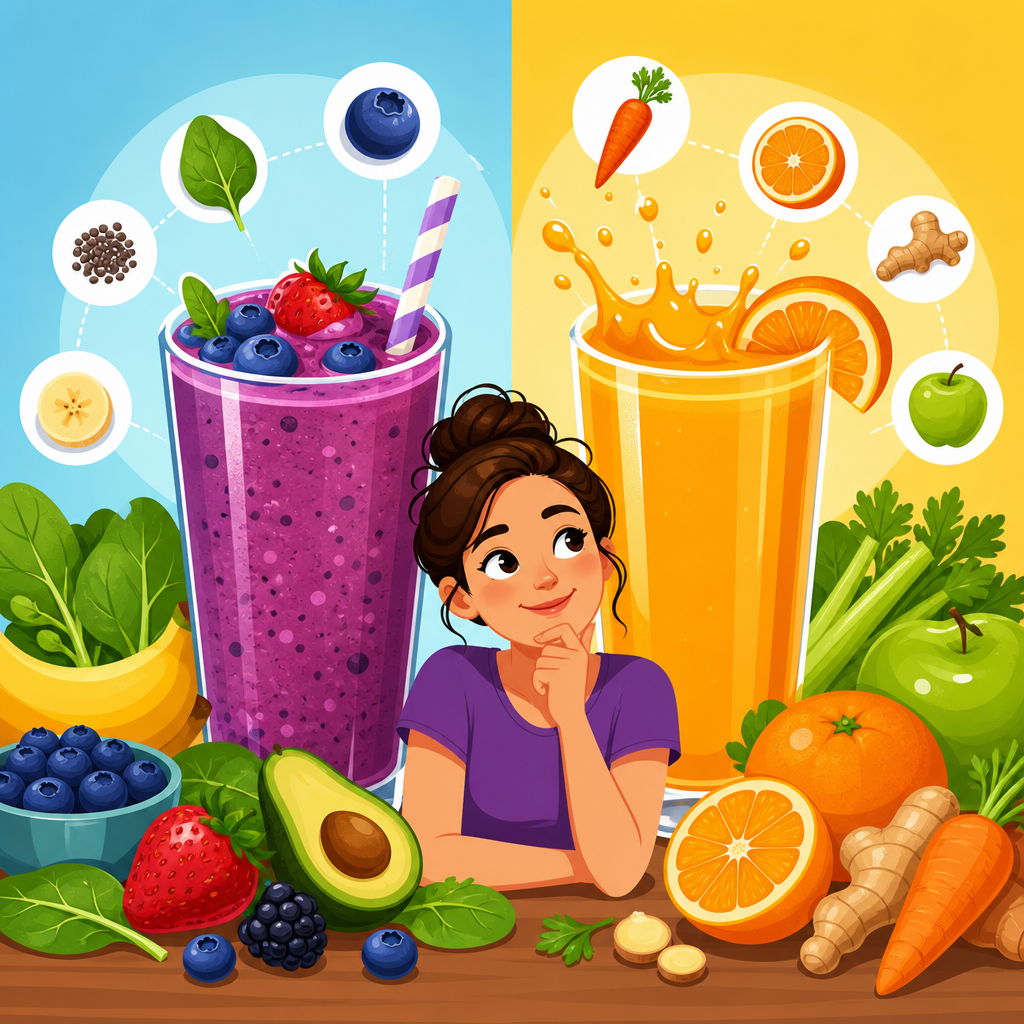
Juicing and blending are not interchangeable. Blending keeps the edible plant structure mostly intact, which helps retain fiber and makes the drink more filling. Juicing can be useful when someone struggles with appetite, wants a fast pre-workout carbohydrate source, or needs a lighter option around exercise. Yet for everyday meal planning, smoothies usually offer better satiety and glycemic control because whole fruit and vegetable matter stays in the drink. A smart hub article on smoothies and juices for nutrient boost must therefore start with a simple rule: if the goal is a balanced meal or snack, prioritize smoothies; if the goal is rapid hydration and easy intake, use juice strategically and pair it with protein or whole food later.
Top Foods Rich in Smoothies and Juices for Nutrient Boost
The best foods rich in smoothies and juices are the ones that consistently improve micronutrient intake without overwhelming taste or texture. Spinach is one of the most useful foundations because it blends smoothly and contributes folate, vitamin K, manganese, and small amounts of iron and magnesium. Kale is more assertive in flavor but brings lutein and additional vitamin C. Berries, especially blueberries, strawberries, raspberries, and blackberries, provide anthocyanins linked to cardiovascular and cognitive benefits. Bananas add natural sweetness, potassium, and body, making them ideal for beginner smoothie recipes. Mango and pineapple contribute vitamin C and tropical flavor, while kiwi is a compact vitamin C powerhouse that often gets underused.
Greek yogurt, kefir, and fortified soy milk are standout liquid bases when protein matters. Greek yogurt can add roughly 15 to 20 grams of protein per serving depending on brand, and kefir contributes probiotics along with calcium and B vitamins. For fats, chia seeds and ground flaxseed are among the highest-value additions because they provide alpha-linolenic acid, fiber, and minerals in small, affordable servings. Nut butters offer vitamin E, magnesium, and satiety. On the vegetable side, carrots supply beta-carotene, beets provide dietary nitrates that may support exercise performance, cucumber adds hydration, celery contributes a savory note, and ginger offers pungency that improves flavor and may ease nausea for some people.
| Ingredient | Main Nutrients | Best Use in Smoothies or Juices | Practical Note |
|---|---|---|---|
| Spinach | Folate, vitamin K, magnesium | Green smoothies | Mild flavor, easy starter green |
| Blueberries | Anthocyanins, vitamin C, fiber | Breakfast smoothies | Frozen berries improve texture |
| Banana | Potassium, vitamin B6, carbs | Pre-workout smoothies | Adds sweetness without added sugar |
| Greek yogurt | Protein, calcium | Meal replacement smoothies | Choose plain to control sugar |
| Chia seeds | Fiber, omega-3 fats | Satiety-focused smoothies | Use 1 to 2 tablespoons |
| Carrots | Beta-carotene, potassium | Juices and citrus blends | Pair with fat for absorption |
| Beets | Nitrates, folate | Exercise-support drinks | Strong flavor; blend with berries |
| Kefir | Protein, probiotics, calcium | Digestive-support smoothies | Tangy taste works with fruit |
Best Ingredients by Health Goal
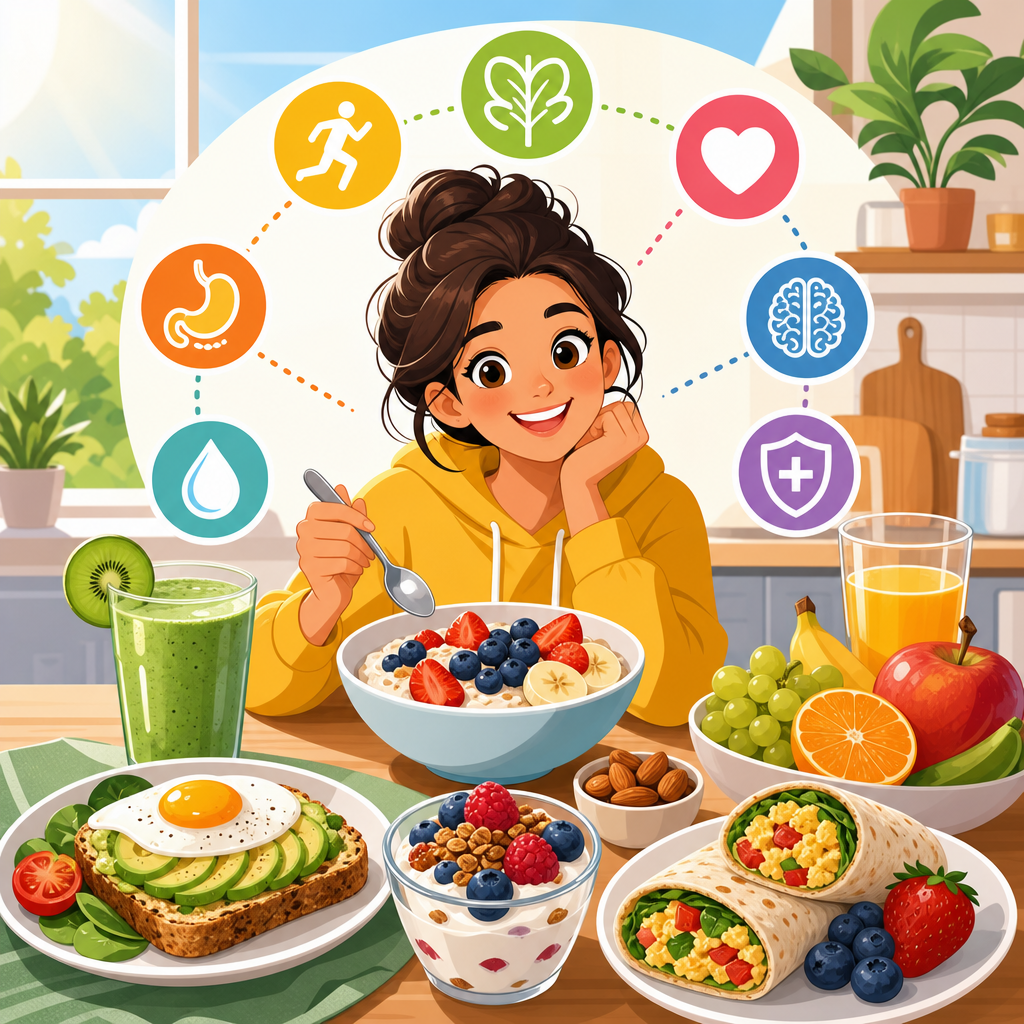
The right formula depends on the outcome you want. For energy and breakfast consistency, combine fruit, protein, and fat: banana, oats, Greek yogurt, berries, and flaxseed is a reliable structure that supports fullness for hours. For exercise recovery, use fast-digesting carbohydrates plus protein, such as tart cherry, banana, milk, and yogurt. Tart cherry has been studied for recovery support because of its polyphenol profile, although it is not magic on its own. For immune support during busy seasons, ingredients rich in vitamin C and carotenoids work well: orange, kiwi, mango, carrot, and a small amount of ginger. For heart health, focus on berries, leafy greens, oats, flax, and avocado because they contribute soluble fiber, potassium, and unsaturated fats.
Digestive comfort requires more nuance. Some people do well with kefir, yogurt, banana, oats, and cooked or soaked ingredients that blend easily. Others with irritable bowel symptoms may need to limit high-FODMAP ingredients such as large amounts of mango, apple juice, or certain dairy products. For blood sugar management, lower the fruit load and increase protein, fiber, and fat. A better pattern is unsweetened soy milk, spinach, frozen berries, chia, and protein-rich yogurt rather than a large juice made mostly from apple and pineapple. For older adults or anyone with low appetite, calorie density can be helpful, not harmful. In those cases, avocado, nut butter, milk, yogurt, and fruit can raise both energy and nutrient intake in a manageable volume.
How to Build Balanced Smoothies and Smarter Juices
After testing hundreds of combinations, I use a simple framework that prevents weak recipes. Start with a base: milk, fortified plant milk, kefir, or water depending on protein needs. Add one or two fruits for flavor and carbohydrate. Add a vegetable, usually spinach, kale, carrot, cucumber, or beet. Include a protein source if the drink is replacing a meal or supporting recovery. Add a healthy fat or seed for staying power. Then use herbs, citrus, cinnamon, cocoa, or ginger to sharpen the flavor without relying on syrup or juice concentrates. This structure keeps smoothies from becoming desserts in disguise.
Juices need even tighter control because it is easy to drink a large amount of sugar quickly. A stronger juice ratio is mostly vegetables with one fruit for balance. Think cucumber, celery, spinach, lemon, and green apple rather than four apples and pineapple. If someone enjoys fresh juice at breakfast, pairing it with eggs, yogurt, or oatmeal creates a much more balanced meal. Portion size matters too. A 6- to 8-ounce juice can be useful, while a 20-ounce bottle may function more like a sweet beverage. Frozen produce, preportioned smoothie packs, and mason jar ingredient kits also make weekly meal planning easier, which is why this topic fits naturally inside recipes and meal planning.
Common Mistakes, Safety Notes, and Ingredient Quality
The most common mistake is assuming all smoothies and juices are healthy by default. Many shop-bought versions contain more fruit juice, sweetened yogurt, sherbet, or puree than whole produce, driving sugar far above what most people expect. Another mistake is adding every so-called superfood at once. More is not always better; competing flavors and unnecessary calories can make a daily habit harder to sustain. Oxidation is another issue. Fresh juices lose quality as they sit, especially vitamin C-rich combinations, so drinking them soon after preparation is ideal. Smoothies hold up better for several hours refrigerated, though texture changes over time.
There are also legitimate safety considerations. People taking warfarin should keep vitamin K intake from greens reasonably consistent rather than suddenly doubling kale smoothies every day. Those with kidney disease may need guidance on potassium, phosphorus, or oxalate-heavy ingredients such as spinach. Unpasteurized juices carry food safety risk for pregnant people, older adults, and anyone immunocompromised. Whole flax should be ground for better nutrient absorption, and chia should be used with sufficient liquid. Organic produce can reduce pesticide exposure for some items, but the bigger nutritional win is simply eating more fruits and vegetables consistently, whether conventional or organic. Washing produce thoroughly and using reputable dairy or plant milk products matters more than chasing labels.
Using This Hub for Recipes and Weekly Meal Planning
A strong hub page should help readers move from information to action. The easiest weekly system is to match ingredients to moments in the day. Use a protein-forward smoothie for breakfast on rushed mornings, a lighter fruit-and-kefir blend after workouts, and a vegetable-heavy juice as a supporting beverage rather than a meal. Keep two or three repeat formulas instead of chasing endless novelty. For example, a berry-spinach-yogurt smoothie can be your weekday default, a mango-carrot-ginger smoothie can fill the vitamin C role, and a beet-berry recovery blend can support active days. Buying frozen berries, bananas, spinach, and mango cuts waste and usually costs less per usable serving than fresh out-of-season fruit.
This smoothies and juices for nutrient boost hub also points naturally to deeper recipe pages: high-protein smoothies, green smoothie combinations, low-sugar juice ideas, kid-friendly blends, recovery drinks, and make-ahead freezer packs. The key benefit is not just better nutrition on paper. It is having dependable options that make meal planning realistic during busy weeks. When the ingredients are chosen with purpose, smoothies and juices become one of the most efficient ways to increase produce diversity, improve consistency, and support specific health goals with food you can actually enjoy. Start with one balanced recipe, shop for five core ingredients, and build from there.
Frequently Asked Questions
What are the best foods to add to smoothies and juices for a real nutrient boost?
The best foods for a nutrient-dense smoothie or juice are the ones that give you multiple benefits at once: vitamins, minerals, antioxidants, hydration, fiber, and, when possible, protein or healthy fats. Leafy greens such as spinach and kale are top choices because they add folate, vitamin K, vitamin C, and plant compounds with very little sugar. Berries are another standout because they provide antioxidants, fiber, and natural sweetness without the sharp blood sugar spike you may get from relying heavily on fruit juice concentrates. Bananas are useful for creaminess and potassium, while citrus fruits like oranges, lemons, and limes can brighten flavor and add vitamin C.
For more staying power, ingredients such as Greek yogurt, kefir, silken tofu, chia seeds, flaxseeds, hemp seeds, oats, and nut butters can turn a drink from a quick snack into something more balanced. Carrots, beets, cucumber, celery, and ginger are especially popular in juices because they contribute hydration, minerals, and fresh flavor. Avocado is another excellent addition to smoothies because it adds healthy fats and a richer texture, which can help support satiety and absorption of fat-soluble nutrients. If you want practical, affordable options, frozen berries, spinach, plain yogurt, oats, and bananas are hard to beat. The strongest smoothie or juice combinations usually include more than one category: a produce base, a protein source, a fiber source, and sometimes a healthy fat source.
Are smoothies healthier than juices, or does it depend on how they are made?
It depends heavily on how they are made. In general, smoothies often have an advantage because they typically use the whole fruit or vegetable, including the pulp, which means they retain more fiber. That fiber helps slow digestion, supports fullness, and can make the drink more balanced, especially when fruit is involved. A well-built smoothie can function almost like a light meal if it includes produce, protein, and healthy fats. That makes smoothies a practical choice for breakfast, post-workout recovery, or a snack that actually holds you over.
Juices can still be useful, but they are usually more concentrated in natural sugars and lower in fiber unless the pulp is included. That does not make juice bad; it just means portion size and ingredient selection matter more. A vegetable-forward juice made with cucumber, celery, spinach, lemon, and ginger is very different from a large juice made mostly from apple, pineapple, and mango. Juice can be appealing when someone wants something light, easy to digest, or hydrating, but it should not automatically be viewed as nutritionally superior. The healthiest option is the one designed with purpose. If your goal is fullness and better blood sugar balance, smoothies often win. If your goal is quick hydration and a concentrated way to increase vegetable intake, a thoughtfully made juice can fit well too.
How can I make smoothies and juices more balanced instead of turning them into sugar-heavy drinks?
The most effective strategy is to stop thinking of smoothies and juices as fruit-only drinks. Start with a structure. For smoothies, use a base such as unsweetened milk, kefir, or plain yogurt; add vegetables like spinach, cauliflower, zucchini, or cucumber; include one or two servings of fruit for flavor; then add protein and, if needed, healthy fats. Protein options include Greek yogurt, protein powder, cottage cheese, tofu, or kefir. Healthy fat options include chia seeds, flaxseeds, hemp seeds, avocado, or nut butter. This kind of combination helps create a drink that supports energy and satiety instead of a short-lived spike followed by a crash.
For juices, a simple rule is to let vegetables lead and use fruit more like a flavor enhancer. Cucumber, celery, leafy greens, tomato, and lemon can form the base, while apple, orange, or pineapple can be used in smaller amounts to soften bitterness. Ginger, mint, parsley, and turmeric can add flavor without relying on extra sweetness. It also helps to watch common add-ins. Sweetened yogurts, syrups, fruit juice blends, sherbet, and oversized servings can quickly turn a healthy idea into a dessert beverage. A balanced drink does not need to be bland, but it does need intention. When you pair produce with protein, fiber, and moderate fruit portions, you get much better nutritional value and a more stable energy response.
Do smoothies and juices replace whole fruits and vegetables, or should they be used differently?
They should usually complement whole fruits and vegetables rather than completely replace them. Whole produce offers chewing satisfaction, natural portion control, and, in many cases, the full fiber structure that supports digestion and fullness. Smoothies come closer to whole-food nutrition because blending keeps much of the edible material intact, but even then, it is often easier to consume more calories and fruit in a drink than you would eat whole. Juices are further removed because extracting the liquid generally leaves behind a lot of the fiber-rich pulp.
That said, smoothies and juices can be incredibly practical tools. They help people use produce before it spoils, increase variety, and fit more nutrients into busy mornings or recovery periods after exercise. They are also useful for people who struggle to eat enough vegetables, need softer foods temporarily, or want a convenient option on the go. The key is to use them strategically. A smoothie can stand in for a meal only if it contains the elements that make a meal satisfying and nutritionally complete. A juice works better as a refreshing addition to meals or snacks rather than the sole foundation of a meal plan. Think of them as convenient vehicles for good ingredients, not automatic shortcuts to health.
When is the best time to drink smoothies and juices, and how should they fit into a healthy routine?
The best time depends on what is in the drink and what role you want it to play. A balanced smoothie works well at breakfast because it can combine carbohydrates, protein, fiber, and fluids in one easy option. It is also useful before or after exercise, depending on how heavy it is. A lighter fruit-and-yogurt smoothie may be appropriate before a workout, while a more substantial smoothie with protein can support recovery afterward. Smoothies can also fill the gap between meals when people need a snack that is more nourishing than processed convenience foods.
Juices tend to fit best when you want hydration and a concentrated intake of produce without too much heaviness. Many people enjoy vegetable-forward juices in the morning or alongside lunch, especially if they do not want a large meal right away. If you are using juice, it is wise to keep portions reasonable and avoid drinking it mindlessly throughout the day, since the sugars can add up even when they come from fruit. In a healthy routine, consistency matters more than hype. A simple homemade smoothie made from spinach, berries, yogurt, and seeds several times a week can do more for your nutrient intake than an occasional expensive “superfood” drink. The strongest habit is building smoothies and juices around whole, familiar ingredients and using them to support, not replace, an overall balanced eating pattern.