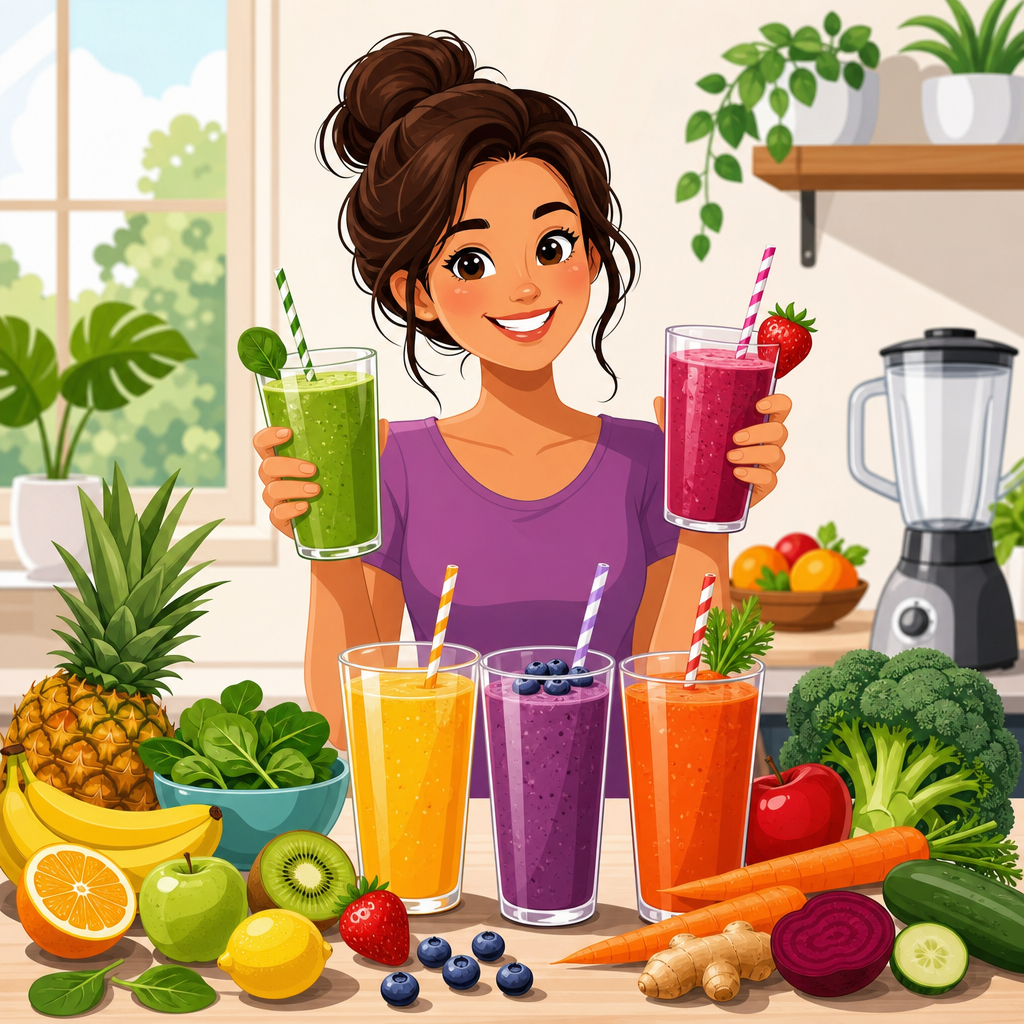
Smoothies and juices can play a valuable role in a healthy diet when they are used strategically to increase nutrient intake, support meal planning, and make fruits and vegetables easier to consume consistently. In practical nutrition work, I have seen the biggest benefits when people stop treating these drinks as wellness shortcuts and start using them as structured tools: smoothies for fiber, satiety, and balanced mini-meals, and juices for concentrated flavor, hydration, and selective micronutrient support. This distinction matters because many people use the terms interchangeably, even though blending and juicing produce very different nutritional outcomes.
A smoothie is made by blending whole ingredients, usually fruit, vegetables, yogurt, milk, kefir, protein powder, nuts, seeds, or oats, into a drink that retains the edible fiber of the original foods. Juice is made by extracting liquid from produce and leaving most insoluble fiber behind. That single processing difference changes digestion speed, fullness, blood sugar response, and portion size. A 12-ounce berry spinach smoothie with Greek yogurt and chia can function like a balanced breakfast, while a 12-ounce orange juice delivers vitamins quickly but is less filling and easier to overconsume. Understanding that contrast helps people choose the right format for the right goal.
Why does this topic matter? Because most adults still fall short on vegetables, fiber, and key micronutrients such as potassium, magnesium, folate, and vitamin C. Busy schedules, food costs, appetite changes, and cooking fatigue all make consistency harder than intention. Smoothies and juices can reduce those barriers. They can use frozen produce, help prevent food waste, fit into batch meal planning, and support people who struggle with chewing, low appetite, or post-workout refueling. They are also highly customizable across dietary patterns, including Mediterranean, vegetarian, high-protein, dairy-free, and lower-sugar eating plans.
That said, nutrient boost should not be confused with health halo. A drink made with fruit juice, sherbet, sweetened yogurt, and honey may sound wholesome yet function more like dessert. On the other hand, a carefully built smoothie can deliver protein, complex carbohydrate, healthy fat, phytonutrients, and 8 to 12 grams of fiber in one serving. The goal of this guide is to make those differences clear, explain where smoothies and juices fit within meal planning, and show how to use them to improve diet quality without crowding out whole foods.
Smoothies vs. Juices: What Changes Nutritionally
The most important difference between smoothies and juices is fiber retention. When you blend whole fruit or vegetables, you keep the pulp, skins, and much of the structural matrix that slows digestion and contributes to fullness. When you juice produce, the liquid carries vitamins, minerals, and plant compounds, but most insoluble fiber is removed. This is why smoothies are usually the better choice for meal replacement or snack satisfaction, while juices are better viewed as concentrated produce servings or hydration-supporting beverages.
Texture and volume also influence intake. A smoothie made with berries, spinach, plain kefir, oats, and flax often takes longer to consume and feels more substantial than a clear juice. In practice, that matters for appetite regulation. Research on liquid calories consistently shows that beverages are often less satiating than solid foods, but thicker blended drinks perform better than juices because fiber, protein, and viscosity slow gastric emptying. If someone tells me they are hungry an hour after breakfast juice, I am not surprised. If they report lasting energy after a smoothie with protein and seeds, that is expected.
Micronutrient density can be strong in both formats, but the pattern differs. Juices can deliver vitamin C, carotenoids, and polyphenols efficiently, especially when made from citrus, pomegranate, carrot, beet, or tomato. Smoothies can deliver those same compounds while also preserving fiber and allowing additions such as calcium-rich yogurt, omega-3-rich chia, or iron-supporting pumpkin seeds. For blood sugar management, smoothies generally offer more control because they can be built around lower-glycemic fruit, protein, and fats. Juice can still fit, but portion size matters much more.
Why Smoothies and Juices Help People Meet Nutrient Needs
Smoothies and juices work best as adherence tools. Many people know they should eat more produce, but behavior changes stick only when the method is convenient, repeatable, and appealing. A freezer bag with preportioned spinach, mango, banana, and cauliflower rice removes weekday friction. A simple juice of orange, carrot, and ginger can make produce more approachable for someone who dislikes salads. In meal planning, this convenience is not trivial; it is often the difference between intention and follow-through.
These drinks are also effective for increasing variety, which improves micronutrient coverage. Different colors signal different phytochemical profiles: deep greens provide folate and vitamin K, orange produce supplies beta-carotene, berries contribute anthocyanins, and tomatoes provide lycopene. Rotating ingredients through smoothies and juices expands exposure to this range. I often recommend a “three-color rule” for blended drinks because it nudges variety without requiring calorie counting or complicated tracking.
Another advantage is accessibility for people with specific needs. Older adults with reduced appetite, athletes after hard training, patients recovering from dental work, and children who reject visible vegetables can all benefit from well-designed smoothies. Juices can be helpful when hydration is the primary goal or when someone needs a light, easy-to-tolerate option. However, neither format should become a nutritional crutch. Whole fruits, vegetables, legumes, whole grains, nuts, and intact meals still provide chewing satisfaction, slower eating, and broader dietary structure.
How to Build a Balanced Smoothie for a True Nutrient Boost
A balanced smoothie should contain four parts: produce, protein, healthy fat, and optional high-fiber carbohydrate. This framework prevents the common mistake of making a fruit-heavy drink that spikes energy quickly and fades fast. In my experience, the most reliable formula is 1 to 1.5 cups fruit, 1 to 2 cups vegetables, 20 to 30 grams protein, 1 to 2 tablespoons fat from nuts or seeds, and enough unsweetened liquid to blend. That ratio supports fullness, steadier blood sugar, and better nutrient density.
Protein choices include Greek yogurt, skyr, kefir, cottage cheese, soy milk, or a tested protein powder. Healthy fats can come from chia seeds, flaxseed, hemp seeds, almond butter, or walnuts. Vegetables should be mild enough to maintain drinkability: spinach, romaine, cucumber, zucchini, frozen cauliflower, and cooked beets are dependable. Fruit provides flavor and sweetness, but portion balance matters. Berries, kiwi, peaches, and green apple generally create a more moderate sugar profile than large amounts of mango, pineapple, dates, or juice concentrate.
Functional additions can help when they solve a real need. Ground flax adds alpha-linolenic acid and supports fiber intake. Unsweetened cocoa contributes polyphenols. Cinnamon improves flavor without sugar. Oats add soluble fiber and texture. Ginger and turmeric can broaden flavor and provide bioactive compounds, though they are not magic ingredients. What matters most is the base formula. If the smoothie lacks protein and fiber, trendy add-ins will not fix it.
| Goal | Best Smoothie Base | Useful Additions | What to Limit |
|---|---|---|---|
| Breakfast meal | Greek yogurt or kefir, berries, spinach | Oats, chia, flax | Fruit juice, syrups |
| Post-workout recovery | Milk or soy milk, banana, protein powder | Cocoa, oats, tart cherry | Very high-fat mixes |
| Higher vegetable intake | Cucumber, spinach, kiwi, yogurt | Herbs, lemon, hemp seeds | Too much sweet fruit |
| Blood sugar support | Unsweetened soy milk, berries, zucchini | Nut butter, flax, protein | Honey, dates, juice bases |
When Juice Makes Sense and How to Use It Wisely
Juice has a legitimate place in a healthy diet, but it should be used with precision. The best use cases are targeted micronutrient intake, hydration, and situations where a lighter option is preferable to a full meal. Fresh orange juice can meaningfully contribute vitamin C and folate. Tomato juice provides potassium and lycopene. Beet juice has been studied in sports nutrition because dietary nitrates may support exercise performance in some contexts. These are specific benefits, not blanket reasons to drink large quantities indiscriminately.
Portion control is critical because juice condenses produce into a small volume. It is easy to drink the sugar equivalent of several oranges without the fullness that whole fruit provides. For most people, a modest serving alongside a protein-rich breakfast or snack is a better strategy than sipping large glasses on their own. Pairing juice with eggs, yogurt, nuts, or a high-fiber meal slows the overall glycemic impact and improves satiety.
Vegetable-forward juices usually offer a better nutrient-to-sugar balance than fruit-dominant blends. Combinations such as tomato-celery-lemon, cucumber-spinach-apple, or carrot-ginger-orange can work well when the fruit element is there for flavor rather than as the bulk of the drink. Commercial juices require label reading. Even products marketed as green juice often contain apple juice concentrate as the primary ingredient, shifting them closer to soft drinks than vegetables in practical metabolic terms.
Common Mistakes That Reduce the Health Value
The first mistake is assuming every smoothie is healthy by default. Coffeehouse smoothies can exceed 500 calories and include sherbet, frozen yogurt, sweetened puree, or multiple fruit juice bases. That may be appropriate for endurance athletes or people needing extra calories, but it is not automatically a nutrient-focused choice. Homemade versions allow control over sugar, sodium, protein quality, and portion size, which is why they consistently perform better in meal plans.
The second mistake is using smoothies or juices to replace too many meals. A liquid-heavy eating pattern can reduce chewing satisfaction and make hunger harder to interpret. It can also narrow food variety if every day defaults to the same banana-peanut butter blend. I advise using these drinks as one component of a broader routine, not as the entire structure. Think of them as support tools within breakfast planning, snack preparation, or produce intake goals.
The third mistake is overlooking food safety and storage. Fresh juice is perishable and should be refrigerated promptly. Smoothies made ahead can separate or lose texture, although nutrient losses over short periods are usually smaller than people fear. Wash produce carefully, especially leafy greens, and clean blender jars, lids, gaskets, and juicer parts thoroughly to prevent microbial growth. Practical safety habits protect the value of the habit itself.
Meal Planning Strategies for Consistency
If this topic sits inside recipes and meal planning, the most useful lens is systems, not willpower. Start by choosing two or three repeatable smoothie templates and one or two juice combinations for the week. Buy frozen fruit in bulk, keep one leafy green, and stock a reliable protein source such as Greek yogurt or unsweetened soy milk. Preportion ingredients into freezer packs and label them by purpose, such as breakfast, post-workout, or vegetable boost. This turns healthy intentions into low-friction decisions.
Cost control improves when you use frozen produce, ripe bananas, seasonal fruit, and sturdy vegetables like carrots, beets, and cabbage. You do not need exotic powders to make a nutrient-dense drink. In fact, many premium add-ins contribute more marketing than measurable benefit. A smoothie made from frozen berries, spinach, plain yogurt, oats, and ground flax is evidence-based, affordable, and widely accessible. For juice, combining one high-impact produce item with lower-cost vegetables is usually more practical than buying all-organic specialty blends.
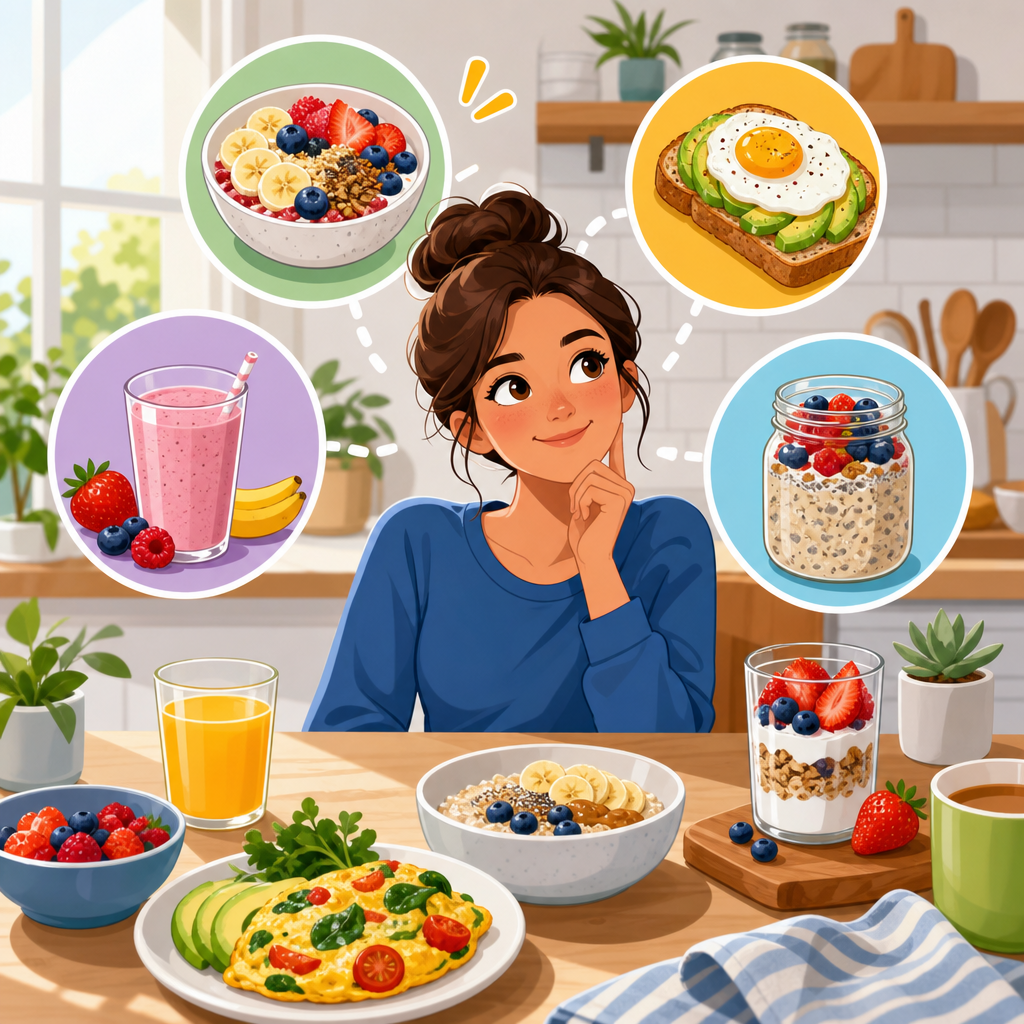
Finally, align the drink with the role it plays. Breakfast smoothies should emphasize protein and fiber. Post-workout smoothies should include carbohydrate and protein. Afternoon juices should stay moderate in portion and fit beside a meal or snack rather than displacing one. When each recipe has a job, planning becomes clearer, shopping gets easier, and nutrient intake improves more predictably.
Smoothies and juices can absolutely support a healthy diet, but their value depends on how they are built, portioned, and positioned within the rest of the day. Smoothies generally offer the stronger all-around option because they retain fiber and can be structured as balanced mini-meals with protein, healthy fats, and diverse produce. Juices can still be useful, especially for hydration, selective micronutrients, and lighter intake, but they work best in smaller servings and with realistic expectations.
The main takeaway is simple: use smoothies for balance and staying power, use juices for concentration and convenience, and let both complement rather than replace whole foods. Prioritize vegetables, moderate fruit, include protein when appropriate, and skip sugary bases that erase the nutrient advantage. With those principles in place, these drinks become practical tools for better meal planning, improved produce intake, and more consistent nutrition.
If you want better results from smoothies and juices for nutrient boost, start this week with one repeatable recipe for breakfast and one vegetable-forward juice option, then build your routine from there.
Frequently Asked Questions
1. What is the difference between smoothies and juices in a healthy diet?
Smoothies and juices are often grouped together, but they serve different nutritional purposes. A smoothie usually blends whole fruits, vegetables, and other ingredients such as yogurt, milk, kefir, protein powder, oats, chia seeds, or nut butter. Because the whole produce is used, smoothies typically retain fiber, which helps slow digestion, improve fullness, and support more stable energy levels. That makes them useful as balanced snacks, mini-meals, or convenient ways to increase intake of fruits, vegetables, and other nutrient-dense foods.
Juice, by contrast, usually removes most or all of the fiber and delivers the liquid portion of fruits and vegetables in a more concentrated form. This can make juice easier to consume quickly and helpful for hydration, flavor variety, and targeted micronutrient intake, especially for people who struggle to eat enough produce. However, because it is lower in fiber and often easier to drink in large amounts, juice is generally less filling than a smoothie and can contribute more rapidly absorbed natural sugars.
In practice, the most effective approach is not deciding that one is universally “better,” but understanding how each one fits into a healthy diet. Smoothies tend to work best when the goal is satiety, convenience, and meal structure. Juices tend to work best when the goal is hydration, concentrated produce intake, or adding variety without replacing more complete meals. Used strategically, both can support nutrient intake rather than act as trendy wellness fixes.
2. Are smoothies actually healthy, or can they become too high in sugar and calories?
Smoothies can absolutely be healthy, but their nutritional value depends heavily on what goes into them. A well-built smoothie can provide fiber, protein, healthy fats, vitamins, minerals, and phytonutrients in one convenient option. For many people, this makes smoothies a practical tool for getting more berries, leafy greens, seeds, yogurt, or other nutritious foods into the day consistently. They can also be especially useful for busy mornings, post-workout recovery, or times when preparing a full meal feels unrealistic.
At the same time, smoothies can become overly sugary or calorie-dense when they are built around large portions of fruit juice, sweetened yogurt, sherbet, flavored protein products, or oversized amounts of nut butters and other high-calorie add-ins. Even ingredients that are healthy on their own can create an imbalanced smoothie when portions are not considered. A smoothie that is mostly fruit with little protein or fat may digest quickly and leave someone hungry soon after, while a smoothie loaded with multiple energy-dense ingredients can become more like a dessert or very large meal than a nutrient-focused snack.
A smart way to keep smoothies balanced is to think in terms of structure: include a fruit source, a vegetable if possible, a protein source, and something that adds staying power such as fiber or healthy fat. For example, frozen berries, spinach, Greek yogurt, and chia seeds make a much more balanced combination than fruit juice and banana alone. When used this way, smoothies are not just healthy; they are highly practical nutrition tools that can support consistency, portion awareness, and better overall diet quality.
3. Is juice still beneficial if it does not contain fiber?
Yes, juice can still offer meaningful benefits even without much fiber, although those benefits are different from what smoothies provide. Juice can be a concentrated source of vitamins, minerals, antioxidants, and plant compounds, depending on the ingredients used. It can also help people increase their intake of vegetables they may not regularly eat in whole form, such as celery, cucumber, beets, parsley, or ginger. For someone who finds raw produce difficult to consume in sufficient amounts, juice can serve as a practical bridge rather than an all-or-nothing substitute.
Juice may also be helpful in situations where a lighter option is preferred, such as after exercise, during hot weather, or when someone wants hydration and nutrients without the heaviness of a full snack or meal. In those cases, the lower fiber content can actually make juice easier to tolerate. It can also add flavor and variety to a healthy diet, which matters more than many people realize. The easier nutritious habits feel to maintain, the more likely they are to last.
That said, juice is best treated as a complement to whole fruits and vegetables, not a replacement for them. Whole produce provides fiber and often greater fullness, while juice offers convenience and concentrated micronutrients. The most balanced perspective is to use juice selectively: choose vegetable-forward blends when possible, be mindful of portion size, and pair juice with a protein-rich or fiber-rich food if better satiety is needed. This way, juice can be part of a healthy eating pattern without being overhyped as a cure-all.
4. How can smoothies and juices be used strategically for meal planning and better nutrition?
The biggest benefit of smoothies and juices often comes when they are treated as structured tools within a realistic eating routine. Smoothies can function well as quick breakfasts, balanced snacks, or light meals when they include protein, fiber, and enough substance to be satisfying. They are especially helpful for people who skip meals, struggle with morning appetite, or have limited time to prepare food. Instead of relying on convenience foods that may be lower in nutrients, a prepared smoothie can make healthy choices more accessible and repeatable.
Juices can support meal planning differently. They can be used to increase vegetable intake alongside meals, provide hydration, and add variety for people who are bored with plain water or repetitive produce choices. A small juice paired with eggs and whole-grain toast, or alongside a lunch that includes protein and healthy fats, may enhance nutrient intake without needing to stand alone as a meal. Juice can also be useful for keeping produce in rotation when texture preferences or chewing fatigue make whole vegetables less appealing.
From a planning perspective, both options work best when they solve a real problem. If the issue is not eating enough produce, a daily smoothie or a few servings of juice per week may help. If the issue is lack of satisfying meals, smoothies should be built more deliberately to include protein and fat, rather than being fruit-heavy beverages. Batch prepping freezer smoothie packs, pre-washing greens, or portioning ingredients in advance can make consistency much easier. The goal is not to “drink your health,” but to use these options in ways that improve adherence, close nutrient gaps, and support a sustainable overall diet.
5. What are the best ways to make smoothies and juices part of a balanced healthy lifestyle?
The best way to include smoothies and juices is to place them within the larger context of an already balanced eating pattern. They should support, not replace, habits like eating whole fruits and vegetables, prioritizing protein, choosing high-fiber foods, and maintaining regular meals. Smoothies are often most effective when they are designed to be functional: for example, a smoothie with berries, spinach, kefir, oats, and flax can support digestion, fullness, and nutrient density. Juices are often most effective when they are used for targeted benefits such as adding vegetable variety, encouraging hydration, or making nutrient intake easier during busy periods.
It also helps to match the drink to the purpose. If someone needs a filling breakfast or afternoon snack, a smoothie is usually the better fit. If someone wants something light, refreshing, and rich in produce-derived micronutrients, juice may be more appropriate. Being intentional about timing and composition prevents both from becoming random extras that simply add calories without improving dietary quality. This is especially important for people trying to manage appetite, blood sugar, or weight, since liquid nutrition can be easy to overconsume when it is not planned carefully.
Finally, balance comes from variety and moderation. Not every smoothie needs exotic “superfoods,” and not every juice needs to be part of a cleanse or detox narrative. Simple combinations made from familiar ingredients can be highly effective. A healthy lifestyle is built on repeatable choices, not perfection. When smoothies and juices are used as practical, structured tools for increasing produce intake and supporting consistent nutrition, they can play a valuable and realistic role in long-term health.