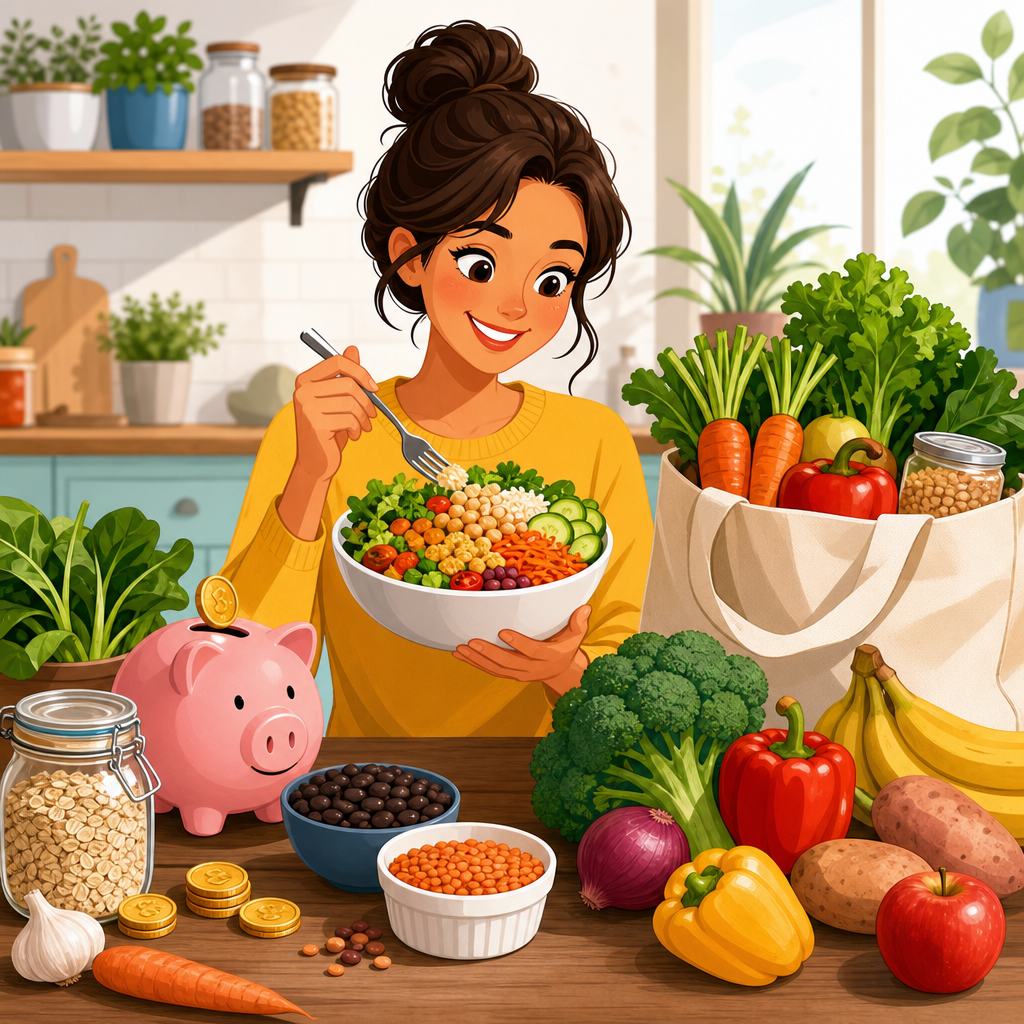
Meal prepping for a healthy week is one of the most reliable ways to turn good intentions into a healthy diet. In practical terms, meal prepping means planning, shopping, cooking, portioning, and storing meals or meal components ahead of time so eating well becomes the easiest option during busy days. A healthy diet, by contrast, is not a single rigid menu. It is a consistent pattern of eating that provides enough protein, fiber, healthy fats, vitamins, minerals, and total energy to support health goals, whether that means weight management, better blood sugar control, improved athletic performance, or simply less daily stress around food.
I have worked with meal plans for households, busy professionals, and gym-focused clients, and the same pattern appears again and again: people rarely struggle because they do not know that vegetables, whole grains, legumes, lean proteins, and fruit are good choices. They struggle because weekday life makes convenience more powerful than knowledge. Meal prepping closes that gap. When lunch is already packed, vegetables are washed, grains are cooked, and protein is ready to reheat, the friction drops sharply. That is why meal prepping for a healthy week matters so much. It changes food decisions from reactive to intentional.
Good meal prep is not about eating identical containers of chicken and broccoli for seven days. It is a flexible system for reducing waste, controlling portions, improving nutrient balance, and protecting time. It also helps with budgeting. According to USDA and consumer food spending data, food away from home consistently costs more per meal than food prepared at home, and impulse purchases rise when there is no plan. A structured prep routine can therefore support both nutrition and finances. Just as importantly, it creates repeatable habits. Once you have a weekly rhythm for planning meals, building a grocery list, cooking staple ingredients, and rotating flavors, healthy eating becomes far more sustainable than relying on willpower alone.
This hub article explains how to build that rhythm. It covers the core methods, the foods that hold up best, food safety rules that matter, common mistakes, and practical ways to adapt meal prepping for weight loss, family life, and different schedules. If you want meal prepping for a healthy week to feel realistic rather than restrictive, the goal is simple: prepare enough structure to make healthy choices easy, while leaving enough flexibility to enjoy your food.
What Meal Prepping for a Healthy Week Actually Includes
Meal prep is often discussed as if it were one method, but in practice there are several models. Full meal prep means cooking complete breakfasts, lunches, or dinners in advance and storing them in individual portions. Batch cooking means preparing larger quantities of core items such as brown rice, roasted vegetables, shredded chicken, turkey chili, lentils, or baked tofu, then combining them into different meals during the week. Ingredient prep is the lightest version: washing produce, chopping vegetables, mixing sauces, marinating proteins, and portioning snacks so daily cooking is faster. For most people, the best system is a blend of all three.
A healthy weekly prep usually starts with anchors. Protein anchors might include grilled salmon, hard-boiled eggs, Greek yogurt, beans, cottage cheese, chicken breast, tempeh, or lean ground turkey. Carbohydrate anchors often include oats, quinoa, sweet potatoes, whole grain pasta, brown rice, or whole grain wraps. Produce anchors include sturdy vegetables that hold texture for several days, such as carrots, bell peppers, cucumbers, cabbage, broccoli, cauliflower, kale, and spinach. Flavor anchors matter too: salsa, hummus, tahini dressing, pesto, yogurt sauces, spice blends, lemon juice, garlic, and fresh herbs prevent meals from tasting repetitive.
In my experience, people are most successful when every prepared meal answers three basic nutrition questions. First, where is the protein? Second, where is the fiber? Third, what ingredient makes the meal satisfying enough that takeout will not seem more appealing two hours later? That third factor usually comes from texture, seasoning, and healthy fats, not just calories. A grain bowl with roasted chickpeas, quinoa, cucumber, tomatoes, feta, olive oil, and lemon works because it is balanced and flavorful, not because it is technically healthy on paper.
How Meal Prepping Supports a Healthy Diet
The main nutritional advantage of meal prepping is consistency. Research in nutrition behavior repeatedly shows that people make poorer food choices when they are rushed, overly hungry, or fatigued. Prepared meals reduce those decision points. They also make portion control easier. When meals are assembled intentionally, it is easier to include a meaningful serving of protein, a generous amount of vegetables, and a measured amount of calorie-dense extras such as cheese, nuts, oils, or dressings.
Meal prep also improves diet quality by making under-consumed foods easier to eat regularly. Many adults fall short on fiber, which supports digestive health, cholesterol management, satiety, and blood sugar stability. Prepping overnight oats with chia seeds, bean-based soups, roasted vegetables, fruit boxes, and grain salads increases fiber intake without requiring extra effort on busy mornings. The same principle applies to protein distribution. Instead of eating very little protein earlier in the day and overcompensating at dinner, meal prep allows more even intake across breakfast, lunch, and snacks, which can support satiety and muscle maintenance.
There is also a strong behavioral benefit. A stocked fridge changes what feels normal. When cut fruit, yogurt, egg muffins, cooked rice, and marinated vegetables are visible, healthier eating becomes a default behavior rather than a separate project. For parents, this matters twice: children are more likely to eat what is accessible and familiar. For people managing blood sugar, regular meal timing and balanced meals can help reduce the spikes and crashes that often follow skipped meals and convenience foods heavy in refined carbohydrates.
Building an Effective Weekly Meal Prep System
The most effective meal prep system begins before cooking. Start with a realistic weekly map: how many breakfasts, lunches, dinners, and snacks do you actually need? Count meals by schedule, not by ambition. If you will eat lunch out once, work late on Thursday, and have family dinner Sunday, plan around that. Next, choose two or three proteins, two starches, several vegetables, and one or two sauces. This creates variety without overcomplicating the prep session.
A simple planning framework works well for most households. Pick one breakfast that can repeat, two lunches, and two or three dinners. Then build overlap into ingredients. If you roast a tray of broccoli, cook quinoa, and season chicken, those can become a grain bowl on Monday, a wrap on Tuesday, and a dinner plate with different sauce on Wednesday. This is the central principle that makes meal prepping for a healthy week sustainable: reusing ingredients in different formats.
Time management matters. I usually recommend a ninety-minute to two-hour prep block once or twice per week rather than trying to cook every meal from scratch on Sunday. One batch day might cover proteins, grains, and chopped vegetables. A shorter midweek session can refresh perishables, cook seafood, or restock snacks. Label containers with contents and dates. Use clear storage containers so meals are visible. Keep ready-to-eat items at eye level. Small operational choices like these have a measurable effect on follow-through.
| Prep Task | Best Weekly Frequency | Example Foods | Main Benefit |
|---|---|---|---|
| Batch cook proteins | 1-2 times | Chicken, tofu, turkey meatballs, beans | Speeds up lunches and dinners |
| Cook grains and starches | 1-2 times | Brown rice, quinoa, potatoes, oats | Improves balance and satiety |
| Wash and chop produce | 2 times | Salad greens, peppers, carrots, cucumbers | Makes vegetables convenient |
| Portion snacks | 1 time | Fruit, yogurt, nuts, hummus cups | Reduces impulse eating |
| Prepare sauces or dressings | 1 time | Tahini, vinaigrette, salsa yogurt sauce | Prevents flavor fatigue |
Best Foods to Prep for Nutrition, Taste, and Shelf Life
Not every healthy food is ideal for advance prep. The best meal prep foods are nutrient-dense, versatile, and stable for several days under refrigeration. Cooked grains such as brown rice, quinoa, farro, and barley generally hold well for three to four days. Roasted vegetables like Brussels sprouts, cauliflower, carrots, zucchini, and sweet potatoes reheat well and pair with many cuisines. Proteins such as grilled chicken, baked tofu, turkey meatballs, lentils, and hard-boiled eggs are dependable staples.
Some foods require more care. Fish is nutritious, but texture and freshness decline faster, so it is often better for shorter prep windows. Avocado browns, delicate greens wilt, and cut apples can soften unless stored properly. Crispy items lose texture when sealed hot. Dress salads separately. Let cooked food cool before closing containers to reduce condensation. Use airtight glass or BPA-free containers and refrigerate promptly. According to FDA food safety guidance, perishable foods should not remain at room temperature for more than two hours, or one hour if the temperature is above 90 degrees Fahrenheit.
For flavor variety, think in meal templates instead of fixed recipes. A grain bowl formula might be grain plus protein plus vegetables plus sauce plus crunch. A balanced lunch box might include a wrap, fruit, cut vegetables, and yogurt. A dinner template might be protein plus roasted vegetables plus starch plus finishing sauce. This approach allows you to buy seasonal produce, use leftovers efficiently, and avoid burnout. It also supports dietary preferences, whether you lean Mediterranean, high-protein, vegetarian, dairy-free, or family-style.
Food Safety, Storage, and Reheating Rules That Matter
Safe storage is a core part of healthy meal prep, not an afterthought. Most cooked leftovers are best eaten within three to four days when refrigerated at 40 degrees Fahrenheit or below. Freezing extends life substantially, especially for soups, stews, burritos, casseroles, and cooked grains. If you prep on Sunday for the full workweek, freeze the Thursday or Friday portions and thaw them overnight in the refrigerator. This protects both quality and safety.
Reheating should bring foods to a safe internal temperature, generally 165 degrees Fahrenheit for leftovers. Stir soups and rice dishes so heat distributes evenly. Microwaves are convenient, but uneven heating is common, so pausing to stir matters. Rice deserves special mention because improper cooling and storage can allow Bacillus cereus spores to survive and multiply. Cool cooked rice quickly, refrigerate it promptly, and reheat thoroughly. The same disciplined handling applies to pasta, meats, and mixed dishes.
Cross-contamination control is equally important. Use separate cutting boards for raw meat and ready-to-eat produce, sanitize prep surfaces, and wash hands during transitions. Marinate proteins in the refrigerator, not on the counter. If a meal smells off, has an unusual texture, or has been stored too long, discard it. The cost of replacing one meal is minor compared with the consequences of foodborne illness.
Common Meal Prep Mistakes and How to Avoid Them
The biggest mistake is overplanning. Many people start with ten complex recipes, a four-hour Sunday cookathon, and a level of repetition they already know they dislike. By week two, they stop. A better approach is to prep fewer things with higher utility. Cook one pot of chili, one tray of vegetables, one grain, one breakfast, and a few snacks. That is enough to shape your week without turning meal prep into a second job.
Another common issue is ignoring satisfaction. Meals that are too low in protein, too small, or too bland rarely survive the workday. If you routinely raid the vending machine at three o’clock, the problem may not be discipline. It may be that lunch lacked substance. Add protein, fiber, and flavor. Include crunchy vegetables, herbs, acid, and sauces. Healthy food should be enjoyable, not merely compliant.
People also underestimate the value of variety. Repetition is efficient, but monotony causes dropout. Use spice profiles to transform the same base ingredients. Chicken can become taco filling with cumin and lime, a grain bowl topping with za’atar and yogurt sauce, or a stir-fry component with ginger and soy. Finally, do not ignore container quality. Leaking dressings, soggy salads, and crushed snacks create friction that pushes people back to convenience food.
How to Adapt Meal Prepping for Different Goals and Lifestyles
Meal prepping for weight loss should focus on satiety and consistency, not extreme restriction. High-protein breakfasts, fiber-rich lunches, and planned snacks reduce overeating later. For muscle gain or athletic training, increase total portions and prioritize adequate protein and carbohydrates around training sessions. Families often do better with component prep than fully plated meals: taco fillings, washed fruit, chopped vegetables, cooked pasta, and a sheet pan protein can be assembled differently for adults and children.
Vegetarian meal prep works especially well when built around lentils, beans, tofu, tempeh, edamame, eggs, Greek yogurt, and whole grains. Budget-conscious prep benefits from buying dried beans, frozen vegetables, oats, rice, potatoes, canned tuna, and family packs of chicken. Small kitchens can succeed with one-pot recipes, slow cooker meals, and freezer-friendly portions. Shift workers may need grab-and-go meals that eat well cold, such as pasta salad with chickpeas, overnight oats, yogurt bowls, or wraps.
The lasting benefit of meal prepping for a healthy week is not perfection. It is reduced friction. When nutritious food is planned, prepared, and easy to reach, healthy eating stops depending on motivation alone. Start with one prep session, one repeatable breakfast, and two reliable lunches. Build from there, refine what your week actually demands, and treat meal prep as a supportive routine rather than a rigid rule. A healthy diet becomes much easier to sustain when your environment is already working in your favor. This hub is your starting point: choose a simple system, prep your next week, and make healthy meals the default choice.
Frequently Asked Questions
1. Why is meal prepping so effective for supporting a healthy diet throughout the week?
Meal prepping works because it reduces the number of food decisions you have to make when time, energy, and motivation are low. Many people do not struggle with knowing what a healthy diet looks like in theory; they struggle with following through consistently during busy workdays, family obligations, commuting, or unexpected schedule changes. When balanced meals or ready-to-use ingredients are already prepared, healthy eating becomes the default choice instead of the harder choice.
A healthy diet is built on consistency rather than perfection. That usually means regularly eating meals that include protein for muscle maintenance and satiety, fiber-rich carbohydrates for steady energy and digestion, healthy fats for fullness and nutrient absorption, and a variety of fruits and vegetables for vitamins, minerals, and antioxidants. Meal prepping helps you put that pattern into action by making sure those foods are available in practical, portioned, and easy-to-eat forms.
It also helps limit common obstacles such as skipped meals, last-minute takeout, oversized restaurant portions, and reliance on highly processed convenience foods. If your refrigerator already contains cooked grains, washed produce, portioned proteins, and simple sauces or seasonings, it becomes much easier to assemble a balanced lunch or dinner in minutes. In that sense, meal prepping is less about strict control and more about creating an environment that supports better choices repeatedly over time.
2. What foods should be included in a healthy meal prep for the week?
The most effective meal prep plan includes a mix of foods that support balance, satisfaction, and variety. A good starting point is lean or nutrient-dense protein sources such as chicken, fish, eggs, Greek yogurt, tofu, tempeh, beans, lentils, or lean cuts of beef. Protein is important because it helps maintain muscle, supports recovery, and makes meals more filling, which can reduce the urge to snack constantly on lower-quality foods.
You should also include high-fiber carbohydrate sources such as oats, brown rice, quinoa, whole grain pasta, potatoes, sweet potatoes, beans, fruit, and vegetables. Fiber plays a major role in digestive health, blood sugar control, and fullness. Pairing carbohydrates with protein and healthy fat often creates meals that are more sustaining than eating refined carbohydrates on their own.
Healthy fats are another key part of prep-friendly eating. Foods like avocado, olive oil, nuts, seeds, nut butters, and fatty fish can improve satisfaction and help your body absorb fat-soluble vitamins. At the same time, produce should take up a prominent role in your prep routine. Roasted vegetables, chopped salad ingredients, frozen vegetables, berries, apples, citrus, and other colorful fruits and vegetables contribute nutrients and make meals more appealing.
In practice, a strong weekly prep often includes a few staple proteins, one or two cooked grains or starches, several vegetables, easy snacks, and a couple of flavor boosters such as hummus, salsa, yogurt-based sauces, vinaigrettes, or spice blends. This combination gives you enough structure to eat well while still allowing flexibility. You do not need a different recipe for every meal; you need a set of nutritious options you can mix and match easily.
3. Does meal prepping mean eating the exact same meals every day?
Not at all. One of the biggest misconceptions about meal prepping is that it requires repetitive, rigid eating. In reality, meal prepping can be done in different ways, and many of the most sustainable approaches focus on preparing components rather than fully assembled identical meals. For example, you might cook a batch of chicken or baked tofu, roast several trays of vegetables, prepare rice or potatoes, wash greens, and portion snacks. From there, you can combine those ingredients differently across the week.
This approach helps prevent boredom while still saving time. The same ingredients can become a grain bowl one day, a wrap the next, a salad with protein after that, and a quick stir-fry or soup later in the week. Changing sauces, herbs, seasonings, and textures can make a familiar set of ingredients feel completely different. That flexibility matters because enjoyment is an important part of maintaining a healthy diet long term.
Meal prepping should support your lifestyle, not trap you in a repetitive routine. Some people prefer full meals in containers because it makes weekdays effortless. Others prefer ingredient prep because it allows more spontaneity. Both methods can work. The best version is the one that helps you stay consistent, enjoy your food, and avoid the all-or-nothing mindset that often causes healthy eating habits to break down.
4. How far in advance should meals be prepped, and how can they be stored safely?
For most people, prepping three to five days at a time is a practical and safe starting point. This window usually provides enough convenience to get through the busiest part of the week while maintaining food quality, texture, and freshness. Some items, such as cooked grains, roasted vegetables, hard-boiled eggs, and many proteins, hold up well for several days in the refrigerator when stored properly. Other foods, such as delicate greens, cut fruit, seafood, or meals with creamy dressings, may require more careful timing.
Safe storage begins with using clean containers, cooling cooked foods promptly, and refrigerating them in a timely manner rather than leaving them out for extended periods. Airtight glass or BPA-free containers can help preserve freshness and make it easier to portion meals in advance. Labeling containers with the prep date is a useful habit, especially if you prepare several items at once. If you want to extend shelf life, freezing individual portions can be an excellent strategy for soups, stews, cooked proteins, grains, and some casseroles.
It is also smart to think about texture when storing food. For example, keep dressings separate from salads, add crunchy toppings right before eating, and store sauces separately if you want meals to stay fresh and appealing. A healthy diet is easier to maintain when prepped food still tastes good by day three or four. Good storage habits do more than protect food safety; they help preserve meal quality so you are actually excited to eat what you prepared.
5. Can meal prepping help with portion control, weight management, and staying on track during busy weeks?
Yes, meal prepping can be very helpful for portion control and weight management, but its biggest benefit is often consistency rather than restriction. When meals are planned and portioned ahead of time, it becomes easier to match your intake to your needs without relying on guesswork in moments of stress or hunger. This can reduce overeating, impulsive snacking, and frequent dependence on calorie-dense restaurant meals that may be lower in protein, fiber, and micronutrients.
Prepping also allows you to build meals more intentionally. You can make sure each meal includes enough protein to support fullness, enough fiber to slow digestion and stabilize energy, and enough volume from fruits and vegetables to create satisfaction without depending solely on highly processed foods. That structure can be especially useful for people trying to maintain or lose weight, but it is equally valuable for those focused on energy, athletic performance, or simply eating more regularly.
During busy weeks, meal prepping acts as a buffer against chaos. It lowers the risk that a missed lunch turns into late-night overeating or that a packed evening leads to fast food by default. However, it is important to remember that successful meal prep does not require perfection. If you prepare even a few lunches, breakfasts, or staple ingredients in advance, you are already making healthy eating more accessible. Small systems repeated weekly often create better long-term results than extreme plans that are too difficult to maintain.